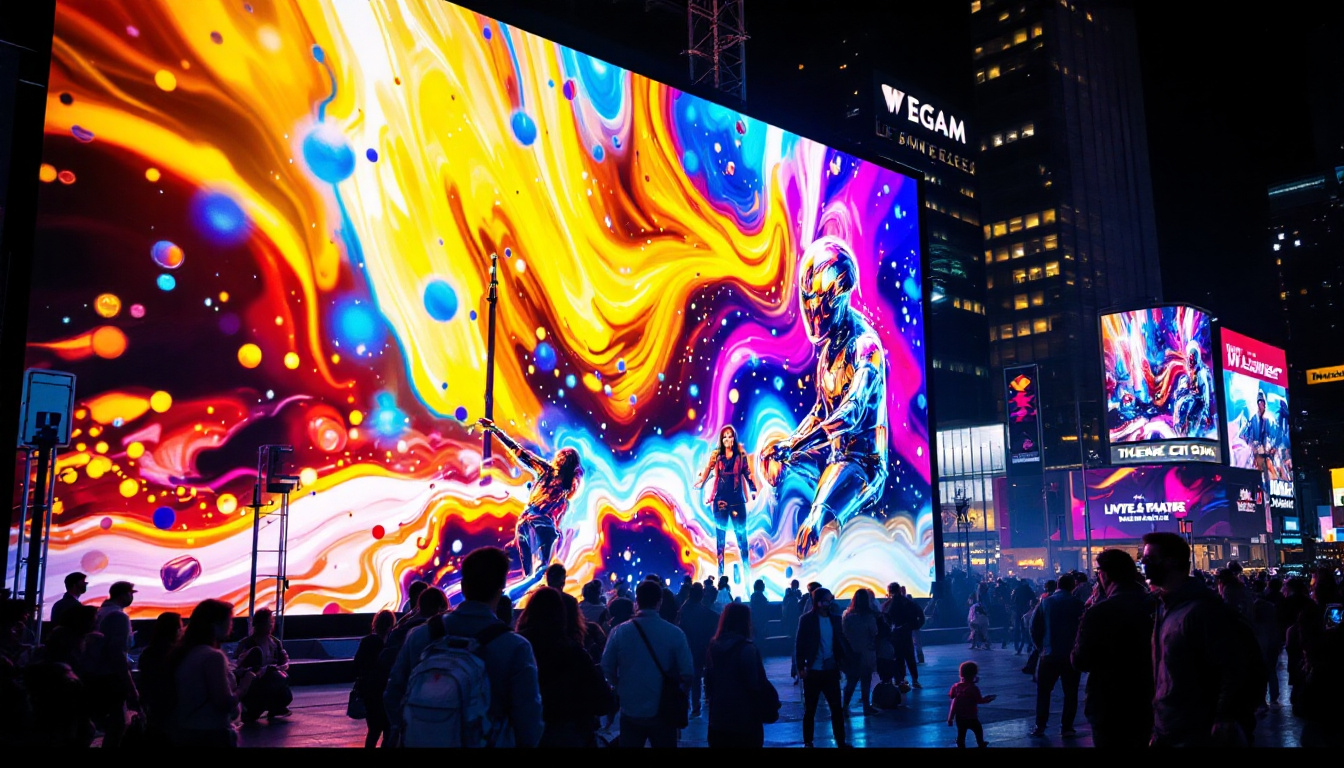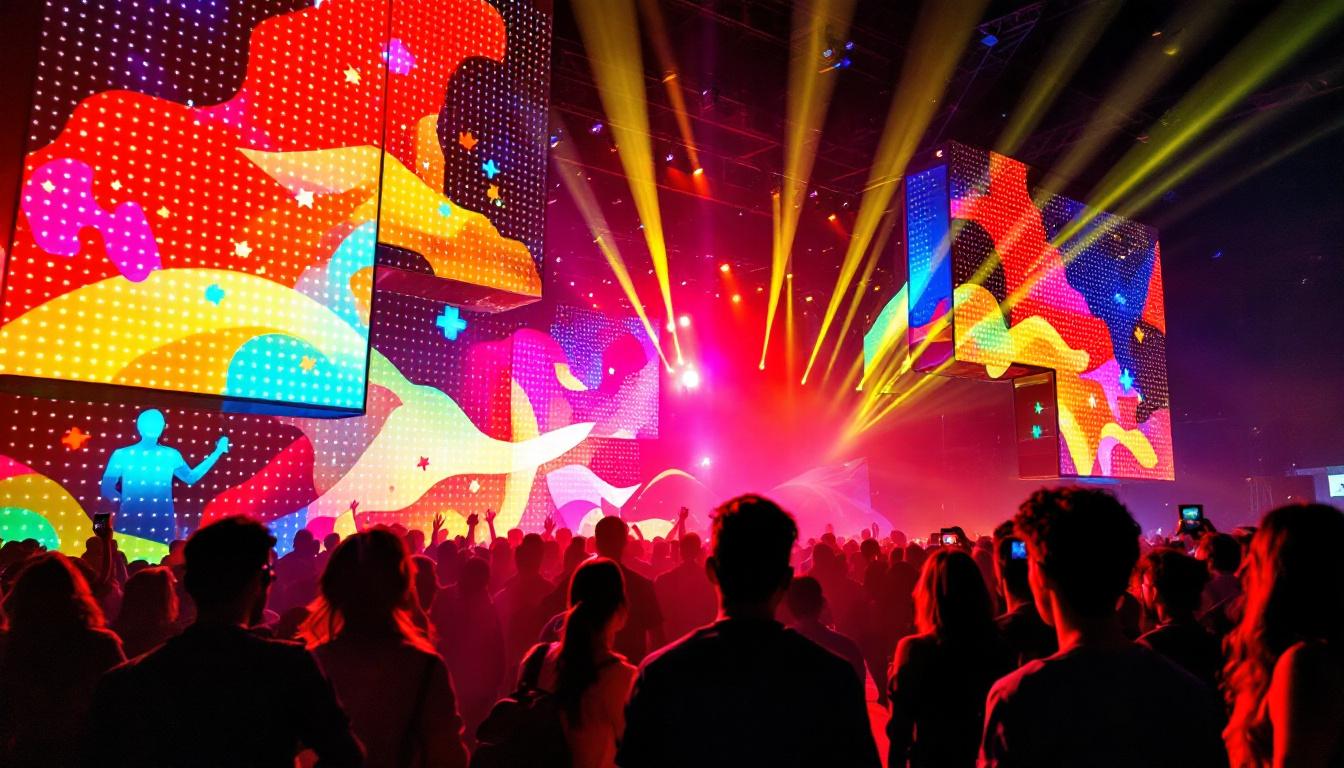
In an era where digital visuals dominate advertising, entertainment, and information dissemination, LED displays have emerged as one of the most versatile and impactful technologies. From massive outdoor billboards to intricate indoor video walls, LED displays offer vivid imagery, energy efficiency, and remarkable durability. This article delves into the world of LED displays, explaining their technology, applications, benefits, and future trends.
Understanding LED Display Technology
What is an LED Display?
LED stands for Light Emitting Diode, a semiconductor device that emits light when an electric current passes through it. An LED display is a flat panel display that uses an array of these tiny light-emitting diodes to produce images, videos, and text. Unlike traditional LCD or plasma screens, LED displays generate light directly from each pixel, resulting in brighter images and better contrast ratios.
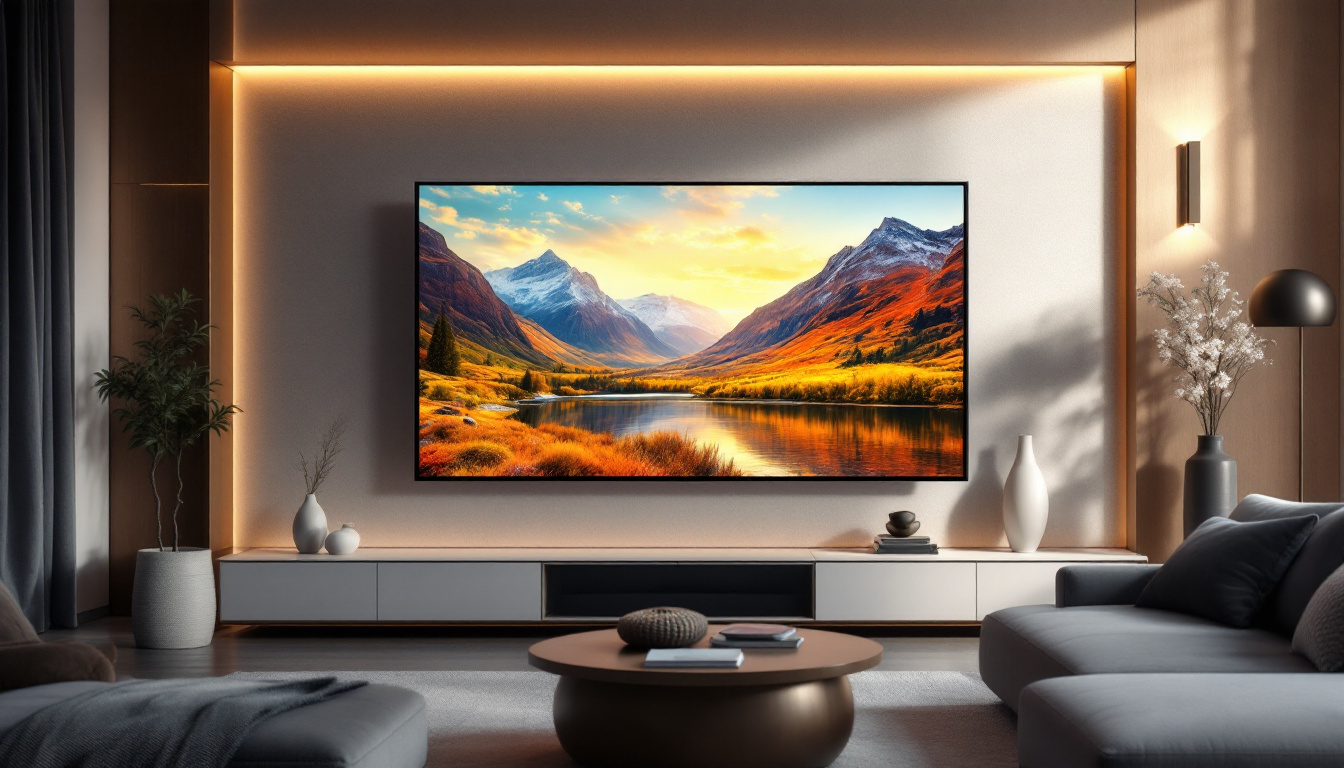
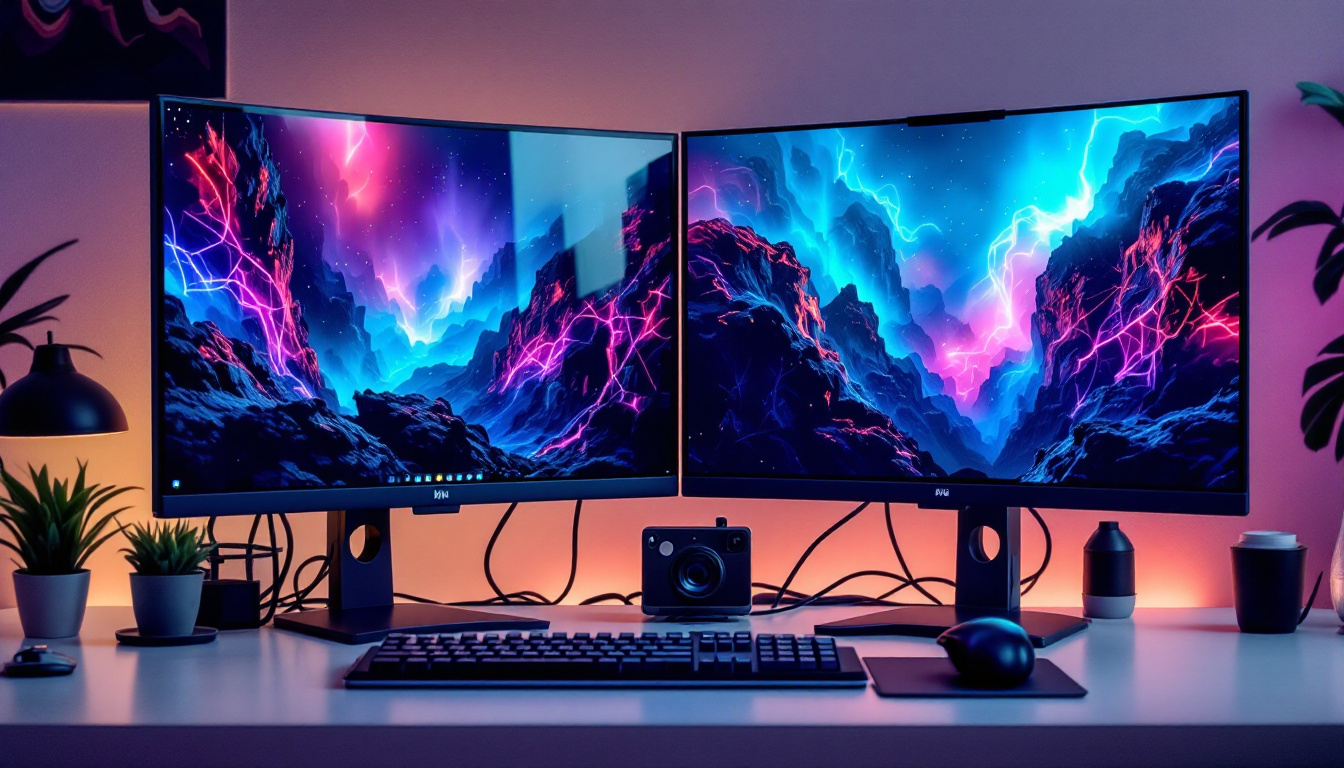
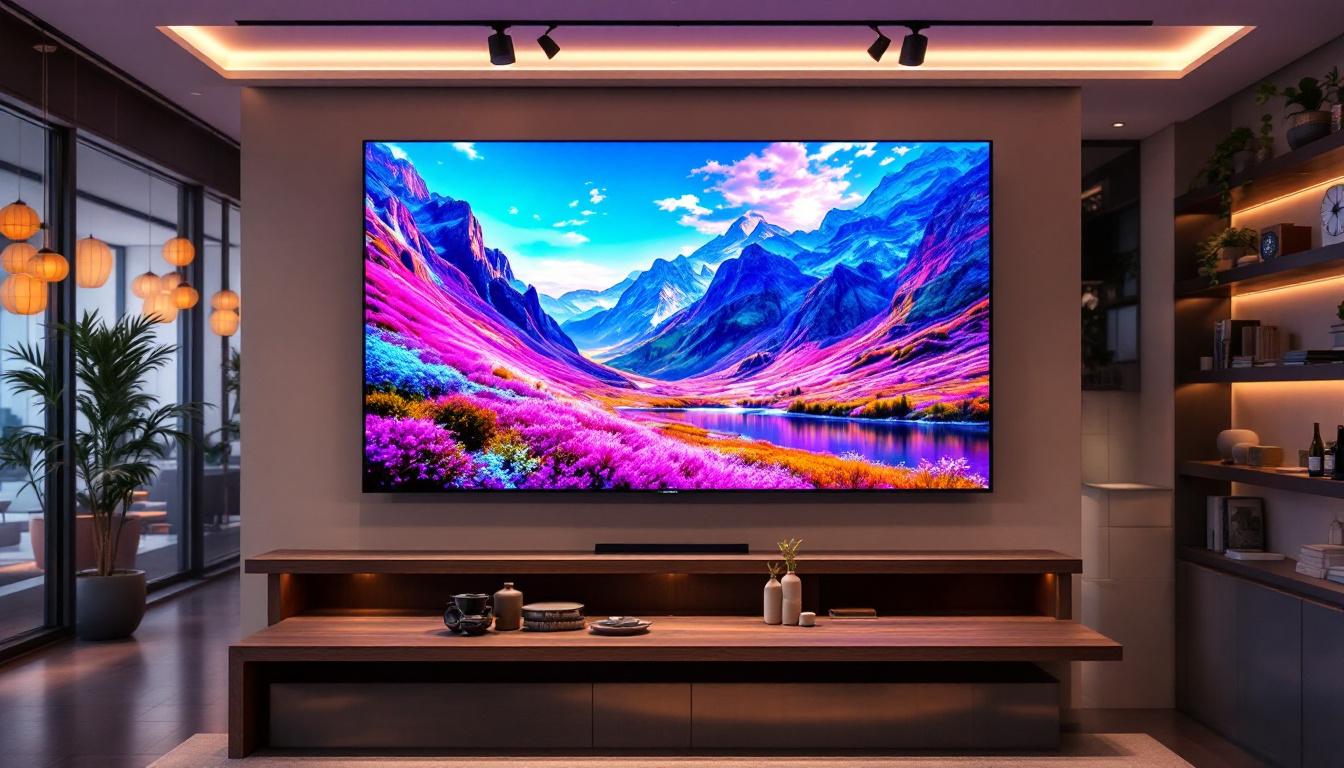
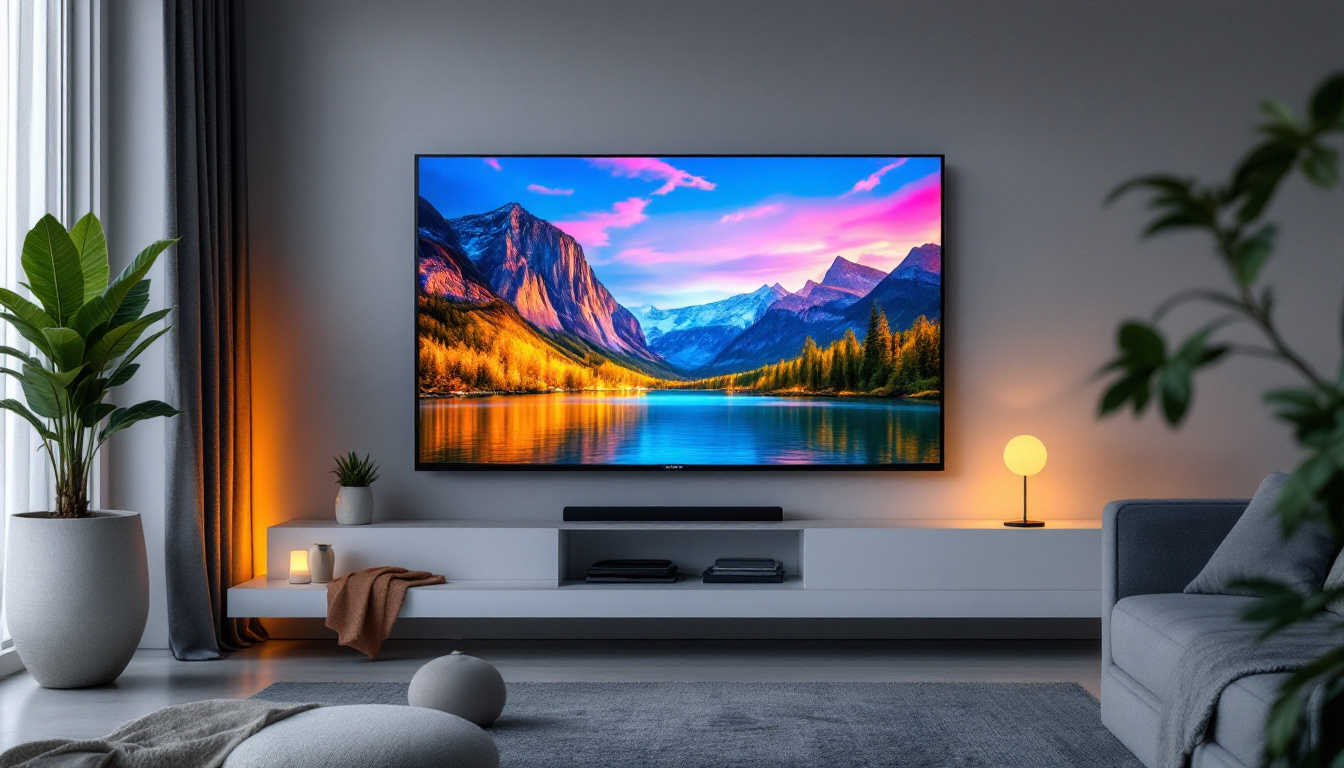
The term “Screen 32” often refers to a 32-inch LED display, a common size for monitors, TVs, and digital signage. However, LED technology scales from small handheld devices to enormous outdoor screens spanning hundreds of square meters. This versatility has made LED displays a popular choice in various applications, from home entertainment systems to large-scale advertising billboards. The ability to customize size and shape also means that LED displays can fit into a wide range of environments, from corporate offices to stadiums, enhancing both functionality and aesthetic appeal.
How Do LED Displays Work?
LED displays consist of thousands to millions of individual LEDs arranged in a grid. Each LED represents a pixel or part of a pixel and can emit red, green, or blue light. By varying the intensity of these three colors, the display can produce a full spectrum of colors. The precise control of these colors allows for vibrant images and smooth transitions, making LED displays ideal for dynamic content such as video presentations and live broadcasts.
There are two main types of LED displays: direct-view LED and LED-backlit LCD. Direct-view LED displays use LEDs as the actual pixels, offering superior brightness and contrast. LED-backlit LCDs, on the other hand, use LEDs as a backlight behind an LCD panel, which modulates the light to create images. This distinction is crucial for understanding the performance characteristics of different displays, as direct-view LED displays are typically more energy-efficient and have a longer lifespan, making them a preferred choice for high-demand environments.
Types of LEDs Used in Displays
Modern LED displays typically use surface-mount device (SMD) LEDs, which are compact and capable of producing high-resolution images. SMD technology integrates red, green, and blue diodes into a single package, allowing for tighter pixel pitches and smoother images. This integration not only enhances the visual quality but also simplifies the manufacturing process, leading to cost-effective solutions for both consumers and businesses.
Another type is the through-hole LED, which was more common in older or large-pixel-pitch displays. These are bulkier and less suitable for high-resolution applications but remain popular for large outdoor screens due to their brightness and durability. Through-hole LEDs are often used in environments where visibility from a distance is crucial, such as in sports arenas or outdoor concerts. The robustness of these LEDs ensures they can withstand harsh weather conditions, making them an enduring choice for outdoor applications. Additionally, advancements in technology have led to the development of hybrid displays that combine the strengths of both SMD and through-hole LEDs, further broadening the scope of LED display applications.
Applications of LED Displays
Outdoor Advertising and Digital Billboards
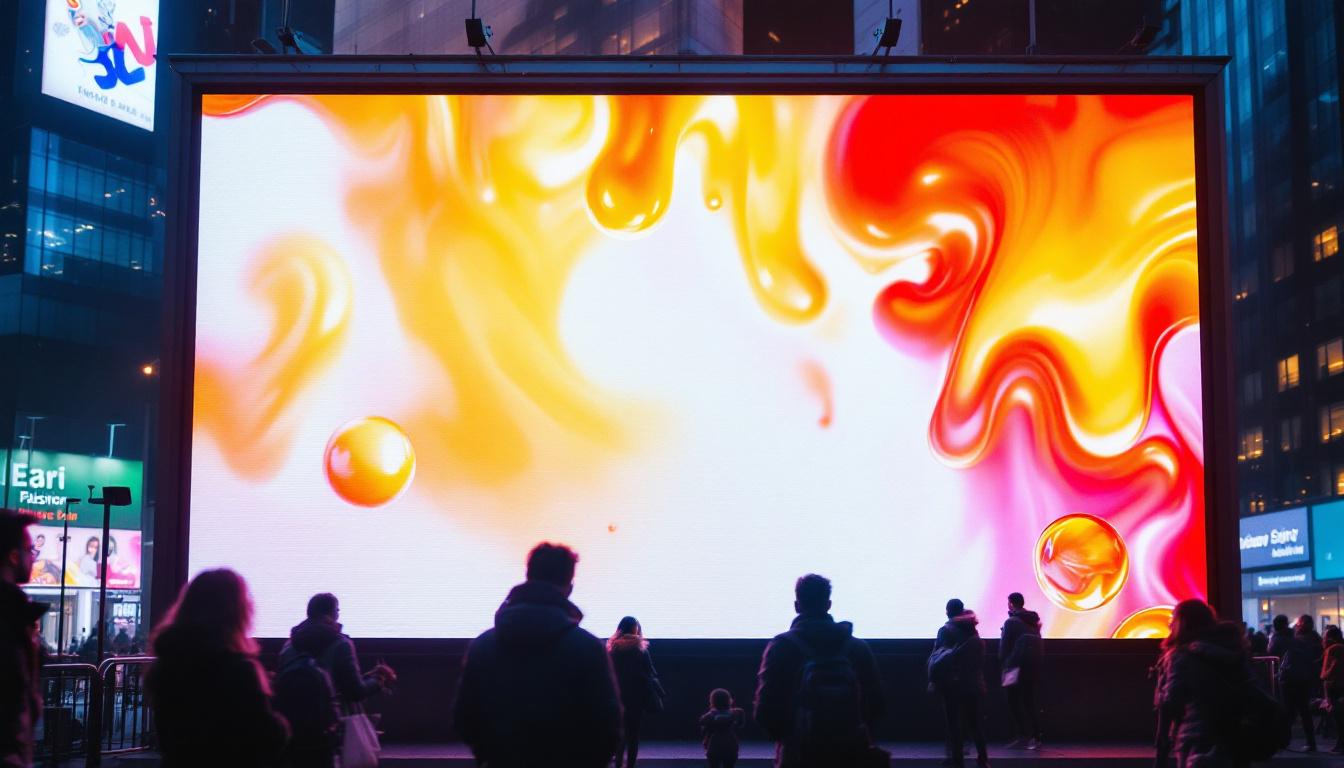
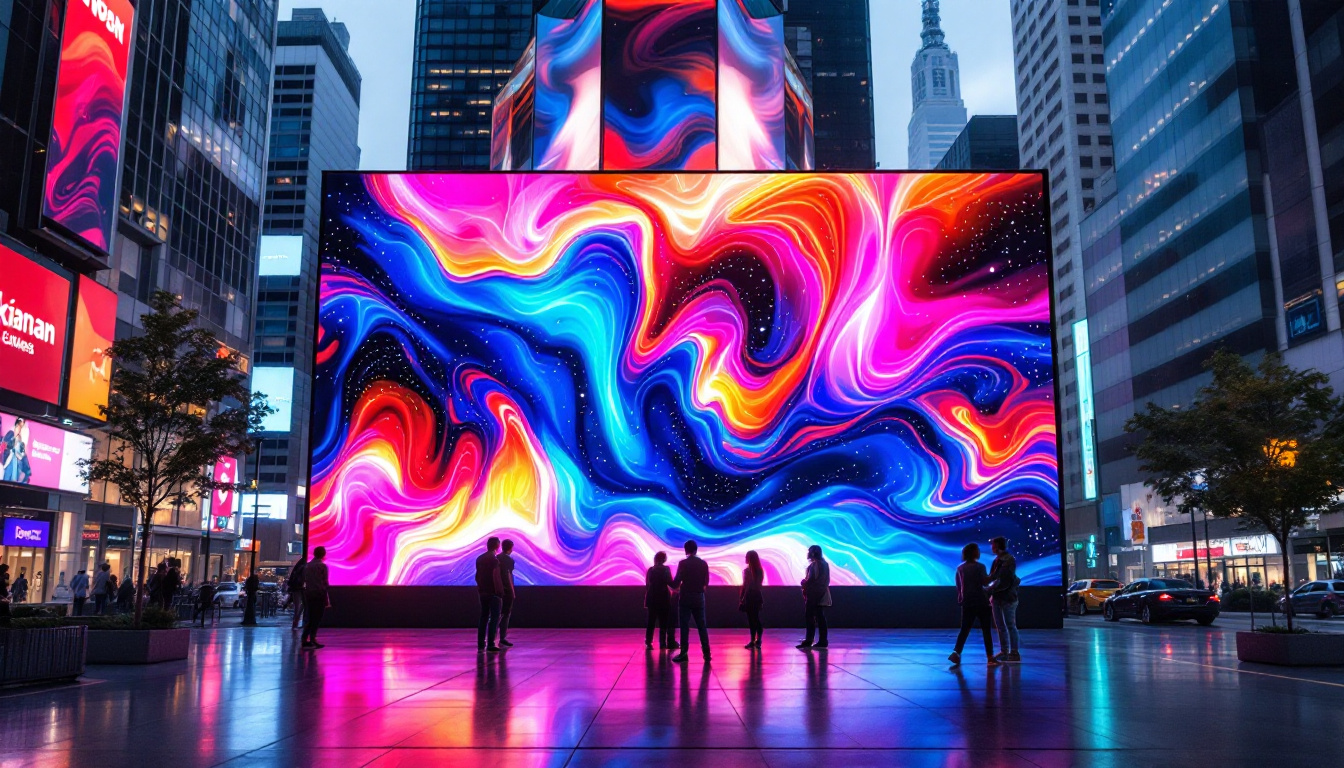
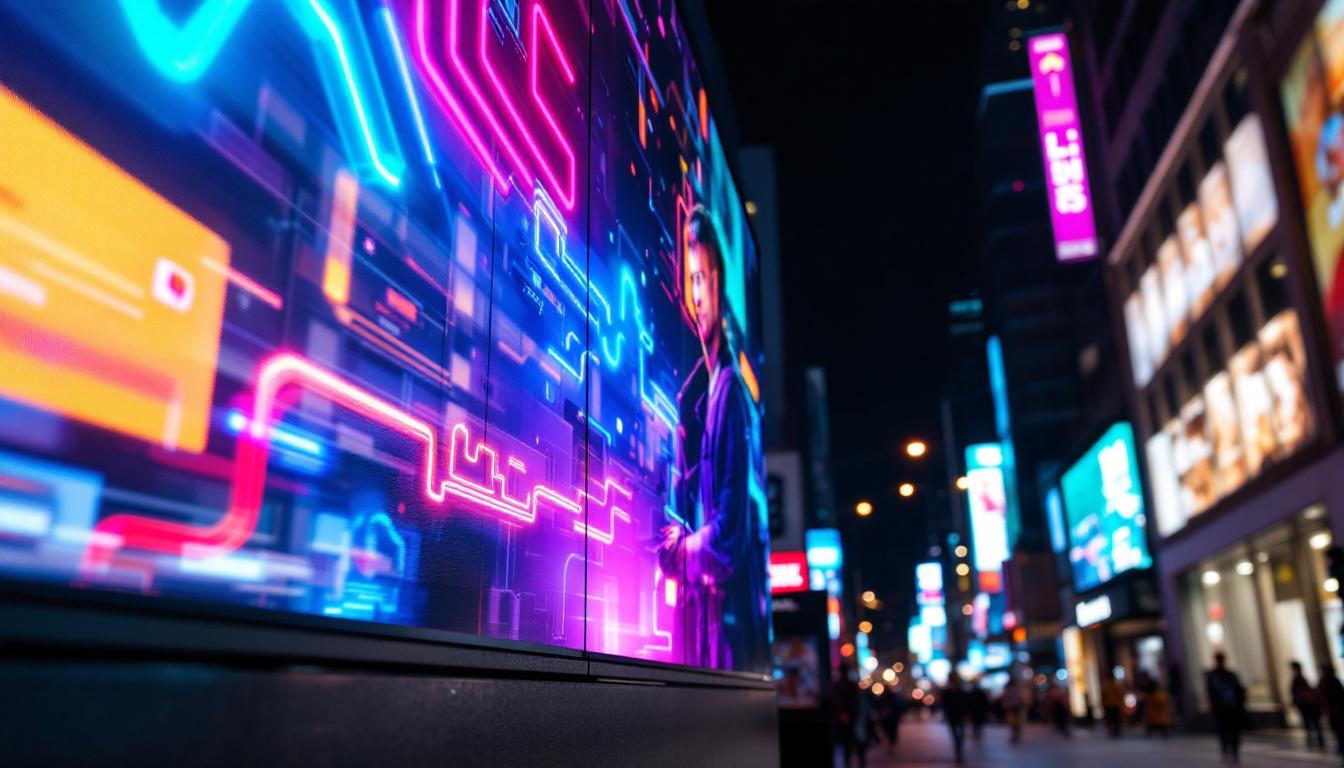
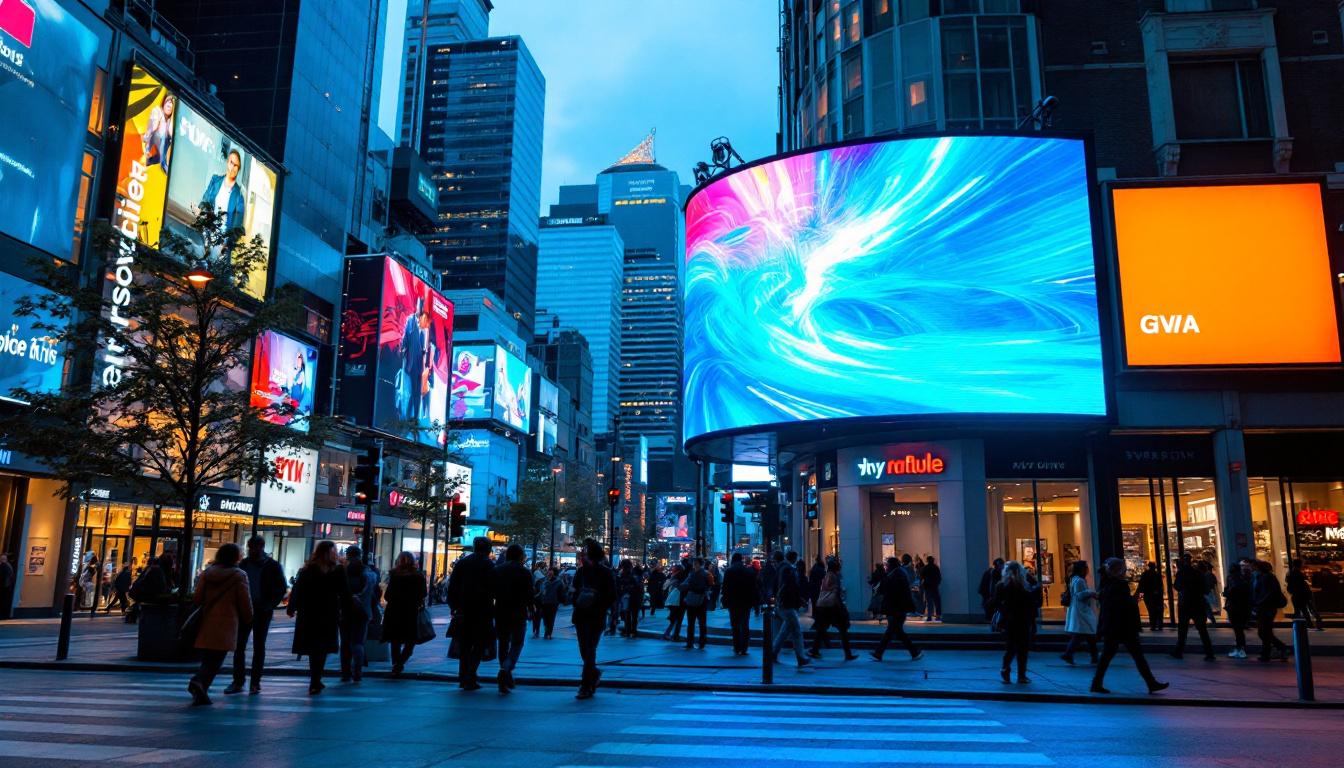
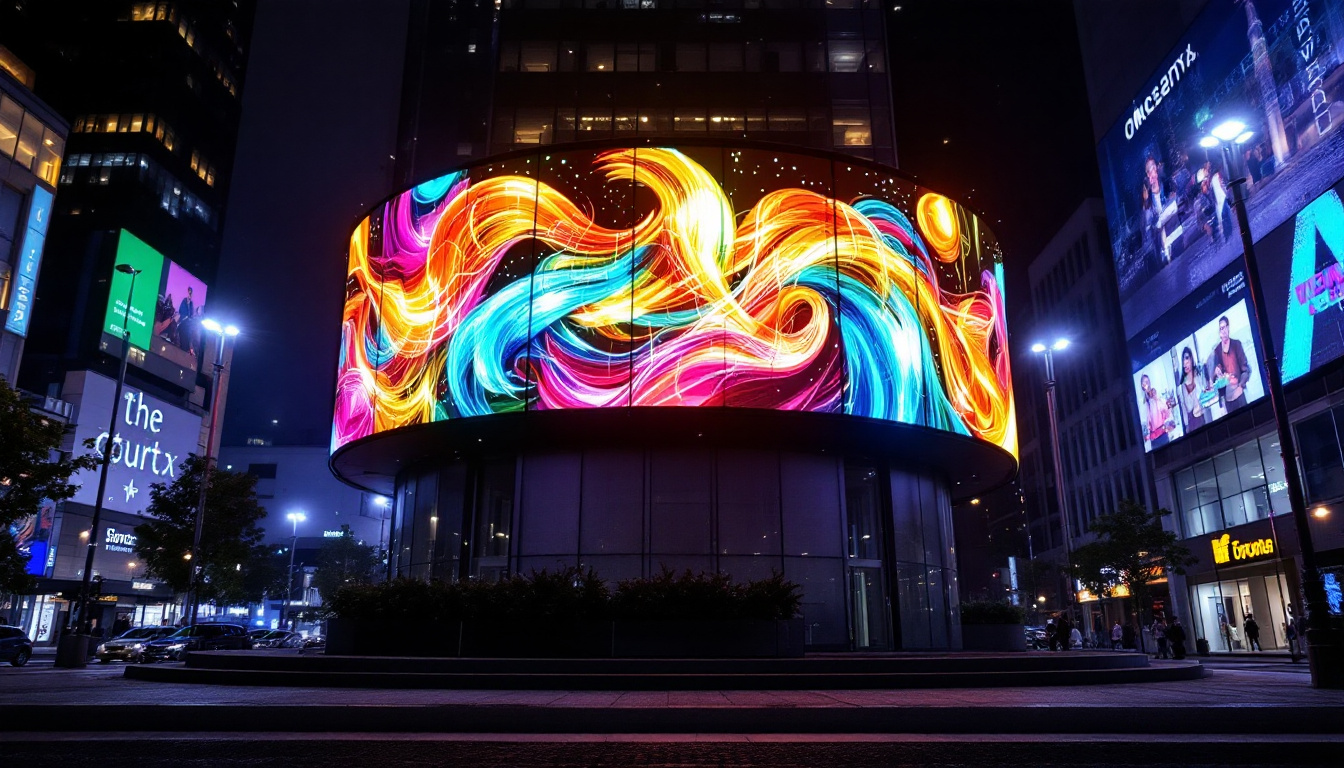
One of the most visible applications of LED displays is in outdoor advertising. LED billboards can be found in city centers, highways, and stadiums worldwide. Their high brightness levels, often exceeding 5,000 nits, ensure visibility even under direct sunlight.
For example, Times Square in New York City is famous for its massive LED billboards that deliver dynamic advertisements and public information. The ability to change content remotely and instantly makes LED billboards a preferred choice for advertisers seeking flexibility and impact.
Indoor Digital Signage and Retail Displays
Retailers and businesses use LED displays indoors to attract customers and enhance the shopping experience. From menu boards in fast-food restaurants to promotional screens in shopping malls, LED displays provide vibrant visuals that capture attention.
Indoor LED displays typically have a smaller pixel pitch—sometimes as low as 0.9 mm—allowing for high-definition images even at close viewing distances. This makes them ideal for corporate lobbies, conference rooms, and entertainment venues.
Entertainment and Events
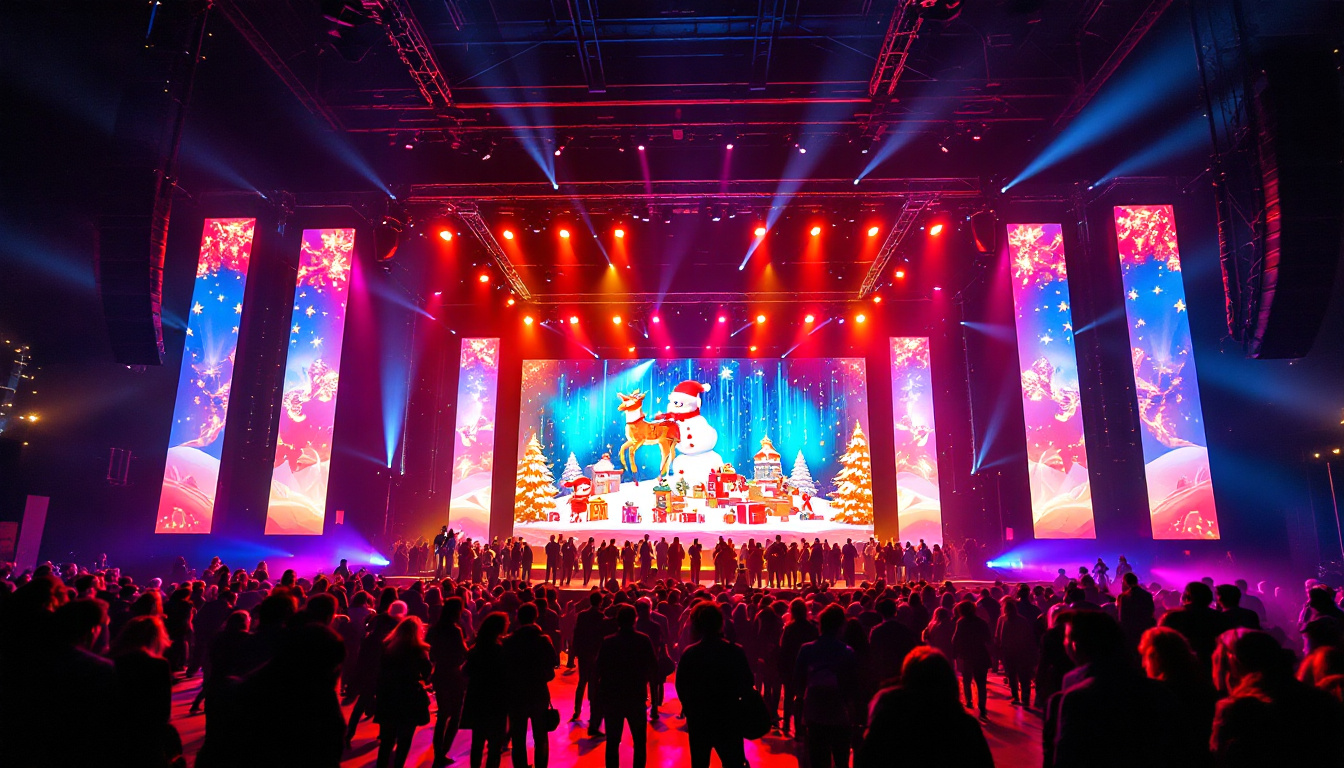
Concerts, sports arenas, and theaters rely heavily on LED displays to deliver immersive experiences. Large-scale LED video walls can cover entire stages or stadium walls, showing live feeds, graphics, and special effects.
For instance, the Super Bowl halftime shows often feature massive LED installations that synchronize with performances, creating unforgettable spectacles. The durability and modularity of LED panels allow for quick assembly and disassembly, a critical factor in event production.
Transportation and Public Information Systems
LED displays are also widely used in transportation hubs such as airports, train stations, and bus terminals. They provide real-time information, including schedules, alerts, and directions, helping passengers navigate complex environments.
In many cities, LED screens serve as digital notice boards for public announcements, emergency alerts, and community messages, leveraging their high visibility and reliability.
Advantages of LED Displays Over Other Technologies
Brightness and Visibility
One of the standout features of LED displays is their exceptional brightness. While traditional LCD screens typically reach brightness levels of 250 to 500 nits, LED displays can exceed 1,000 nits indoors and 5,000 nits or more outdoors. This makes them highly visible in various lighting conditions, including direct sunlight.
High brightness also contributes to better color saturation and contrast, enhancing the overall viewing experience.
Energy Efficiency and Longevity
LED technology is known for its energy efficiency. LEDs consume significantly less power compared to other display technologies like plasma or incandescent lighting. This translates into lower operating costs, especially for large-scale or 24/7 installations.
Additionally, LEDs have a long operational life, often rated between 50,000 and 100,000 hours. This durability reduces maintenance costs and downtime, making LED displays a cost-effective investment over time.
Flexibility and Scalability
LED displays are highly modular, allowing for customized sizes and shapes. Panels can be combined to create ultra-large screens or curved surfaces, adapting to architectural and design needs.
This scalability is particularly valuable in environments where space or design constraints exist. Whether it’s a small digital menu board or a massive stadium screen, LED technology can be tailored to fit the application.
Color Accuracy and Refresh Rates
Modern LED displays offer excellent color accuracy and wide color gamuts, which are essential for applications like broadcasting, digital art, and retail. High refresh rates—often 1,000 Hz or more—ensure smooth motion rendering, reducing flicker and eye strain.
These attributes make LED displays suitable for high-definition video playback and interactive applications.
Choosing the Right LED Display: Key Considerations
Pixel Pitch and Resolution
Pixel pitch, the distance between the centers of adjacent LEDs, is a critical factor in determining image clarity. Smaller pixel pitches mean higher resolution and better image quality, especially at close viewing distances.
For indoor applications where viewers are close to the screen, pixel pitches below 2 mm are common. Outdoor displays, viewed from greater distances, can have pixel pitches ranging from 4 mm to 20 mm or more.
Brightness Requirements
Understanding the ambient lighting conditions is essential when selecting an LED display. Outdoor screens require higher brightness levels to remain visible under sunlight, while indoor screens can operate at lower brightness to reduce power consumption and glare.
Viewing Angle and Placement
LED displays typically offer wide viewing angles, often exceeding 140 degrees horizontally and vertically. However, placement still matters to ensure optimal visibility for the target audience.
For instance, displays in retail environments should be positioned to capture customer sightlines, while outdoor billboards should face traffic flow for maximum exposure.
Durability and Environmental Resistance
Outdoor LED displays must withstand various weather conditions, including rain, wind, dust, and temperature extremes. Look for displays with appropriate IP (Ingress Protection) ratings, such as IP65 or higher, to ensure longevity.
Indoor displays have less stringent requirements but should still be robust enough to handle frequent use and potential impacts.
The Future of LED Display Technology
MicroLED and MiniLED Innovations
Emerging technologies like MicroLED and MiniLED are pushing the boundaries of LED display performance. MicroLEDs are tiny LEDs that can be used as individual pixels, offering superior brightness, contrast, and energy efficiency compared to traditional LEDs.
MiniLEDs, while larger than MicroLEDs, provide enhanced backlighting for LCDs, improving contrast ratios and HDR performance. These innovations promise even more immersive and energy-efficient displays in the near future.
Flexible and Transparent LED Displays
Flexible LED panels are becoming increasingly popular, enabling curved, bendable, and even wearable displays. This flexibility opens new possibilities in advertising, architecture, and consumer electronics.
Transparent LED displays allow viewers to see through the screen while still displaying vibrant images. These are ideal for retail windows, museum exhibits, and automotive applications, blending digital content with physical environments.
Integration with Smart Technologies
LED displays are increasingly integrated with IoT (Internet of Things) and AI (Artificial Intelligence) systems. Smart displays can adjust brightness based on ambient light, change content dynamically based on audience demographics, and provide interactive experiences through sensors and cameras.
This integration enhances engagement and allows for data-driven content strategies, making LED displays more than just visual tools but interactive communication platforms.
Conclusion
LED displays have revolutionized the way information and entertainment are presented across industries. Their superior brightness, energy efficiency, flexibility, and durability make them an ideal choice for a wide range of applications—from advertising and retail to entertainment and public information.
As technology evolves, innovations like MicroLED, flexible panels, and smart integration will continue to expand the possibilities of LED displays. Understanding the fundamentals of LED technology and its practical considerations helps businesses and consumers make informed decisions, ensuring they harness the full potential of this dynamic display medium.
Explore the Future of Visuals with LumenMatrix
Ready to elevate your visual experience? Discover LumenMatrix’s innovative LED display solutions and transform your space into a captivating visual spectacle. Whether you’re looking for Indoor LED Walls, Outdoor Displays, or Custom LED Solutions, LumenMatrix has the technology to bring your vision to life. Embrace the future of digital signage and create immersive environments that engage and inspire. Check out LumenMatrix LED Display Solutions today and start your journey towards unparalleled visual communication.