In today’s fast-paced digital world, LED displays have become a cornerstone of visual communication, transforming everything from advertising billboards to stadium screens. Their vibrant colors, energy efficiency, and versatility make them a preferred choice for businesses and event organizers alike. This article delves into the technology behind LED displays, their applications in screen advertising, and the factors that influence their performance and effectiveness.
Understanding LED Display Technology
LED, short for Light Emitting Diode, is a semiconductor device that emits light when an electric current passes through it. Unlike traditional display technologies such as LCD or plasma, LED displays use an array of these tiny diodes to produce bright, sharp images visible even in direct sunlight.
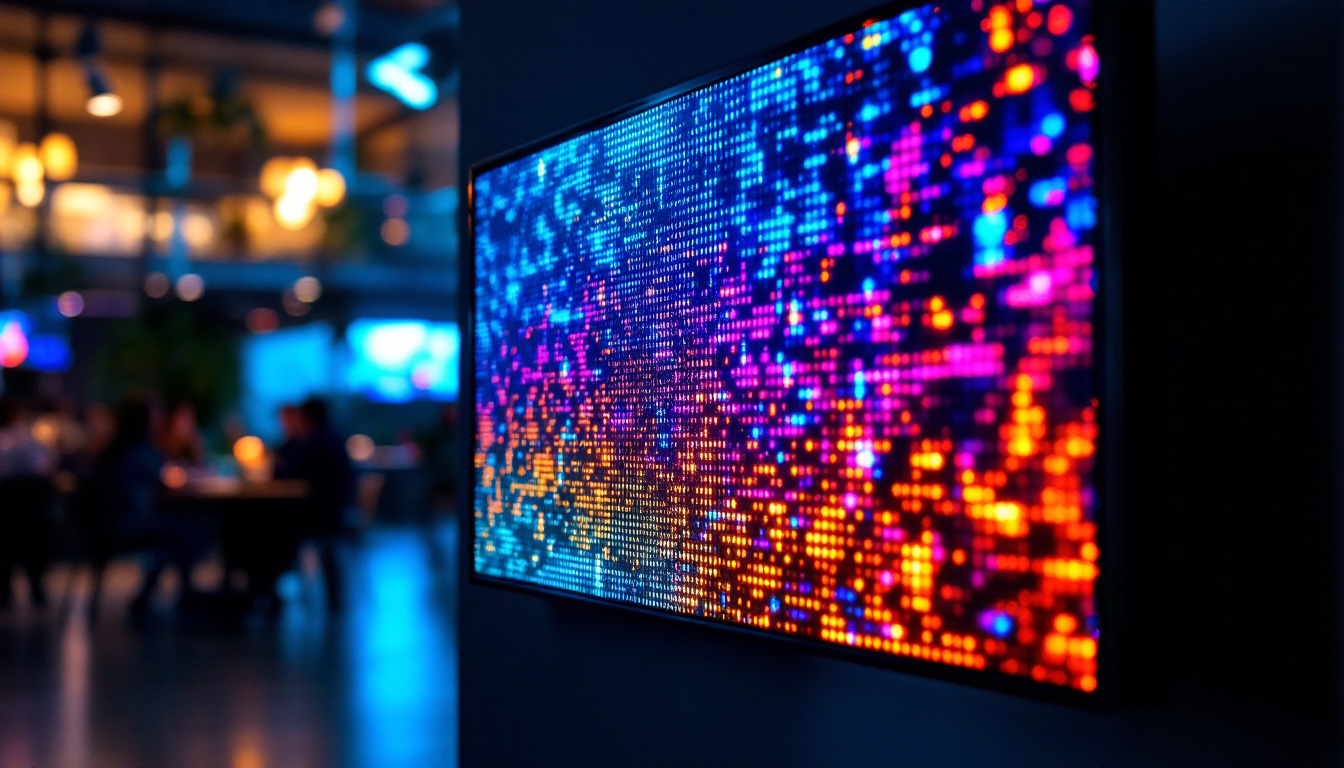
At the core of an LED display are thousands to millions of individual LEDs arranged in a grid. Each LED acts as a pixel, and by varying the intensity of red, green, and blue LEDs, the display can reproduce a full spectrum of colors. This ability to mix colors at the pixel level results in vivid images with high contrast ratios and excellent color accuracy. The efficiency of LED technology also contributes to lower energy consumption, making it an environmentally friendly choice for both commercial and residential applications.
Types of LED Displays
LED displays come in various forms, primarily categorized into two types: direct-view LED and LED-backlit LCD.
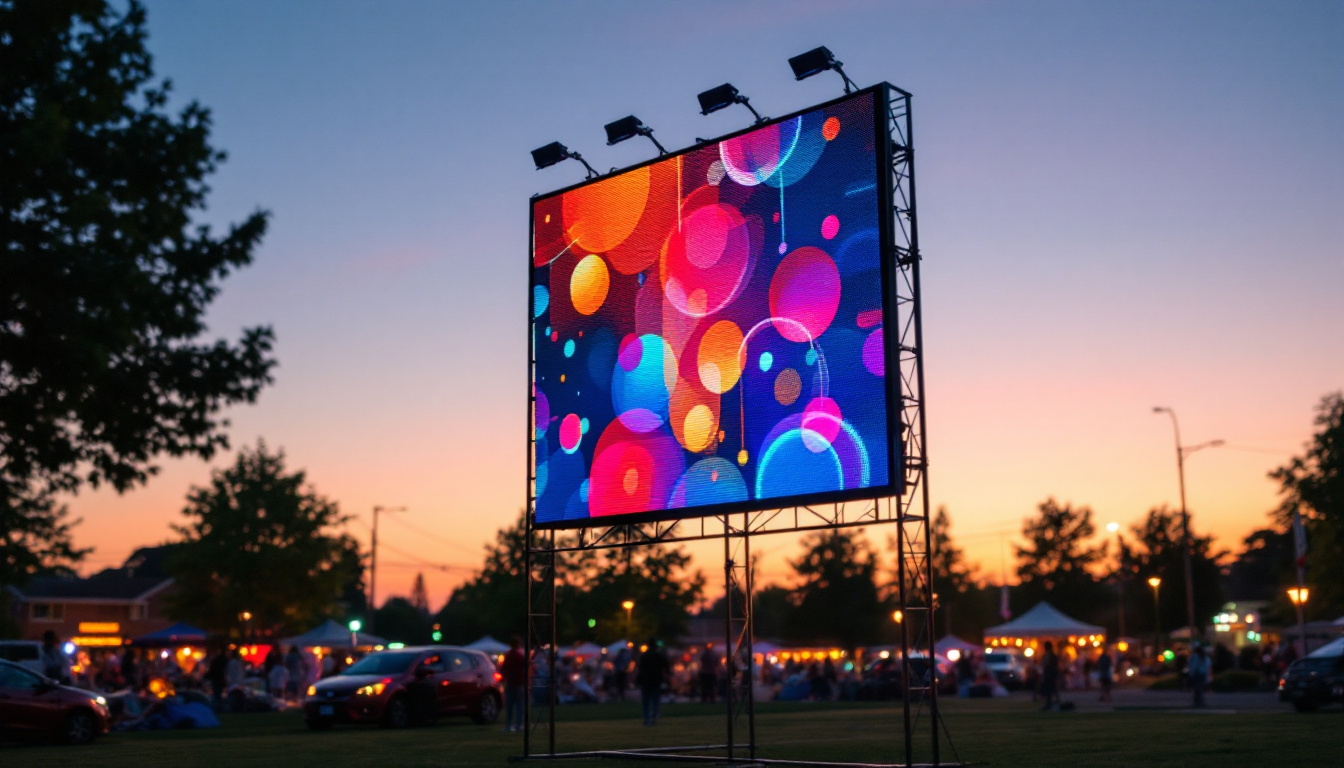
- Direct-View LED Displays: These are composed entirely of LEDs that emit light directly. They are commonly used for large outdoor screens, digital billboards, and stadium displays. Their brightness can reach up to 8,000 nits or more, making them visible even in broad daylight. Furthermore, direct-view LED displays are highly customizable in size and shape, allowing for creative installations that can fit unique architectural designs or artistic visions.
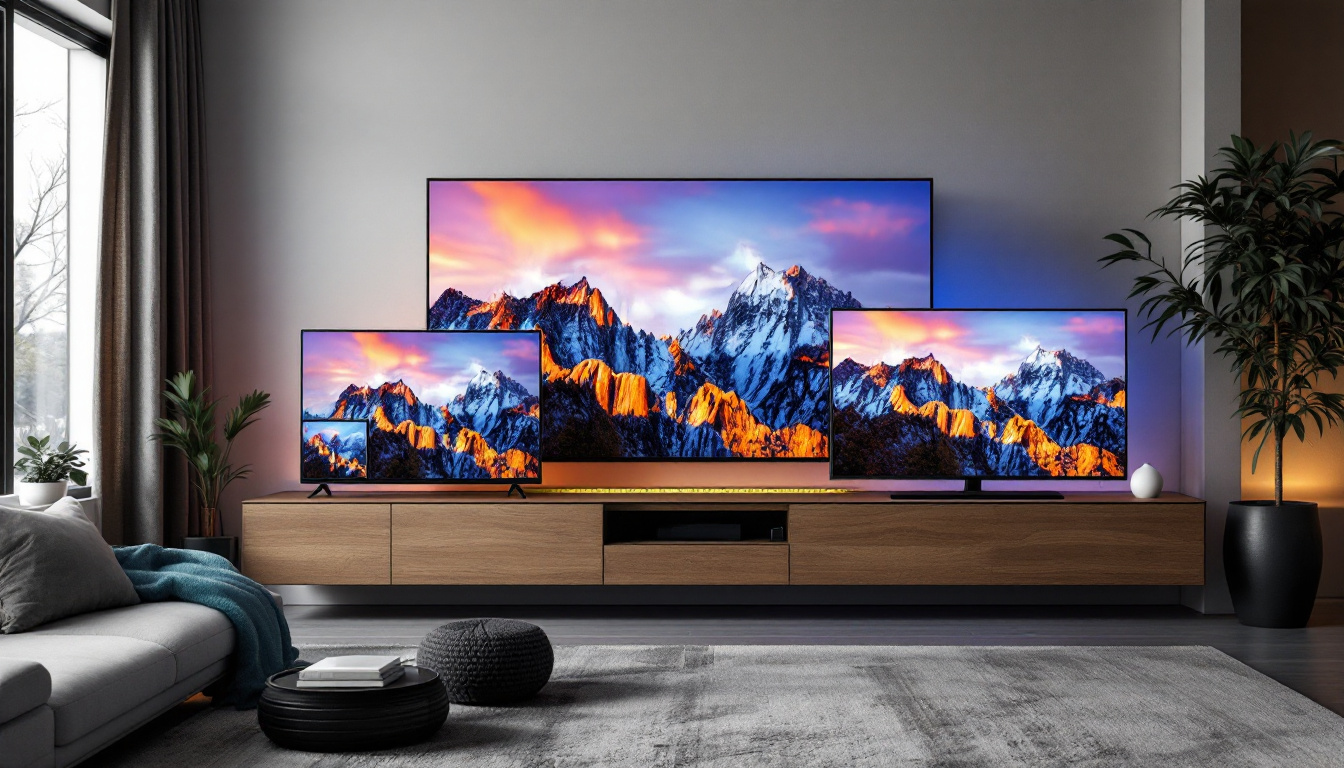
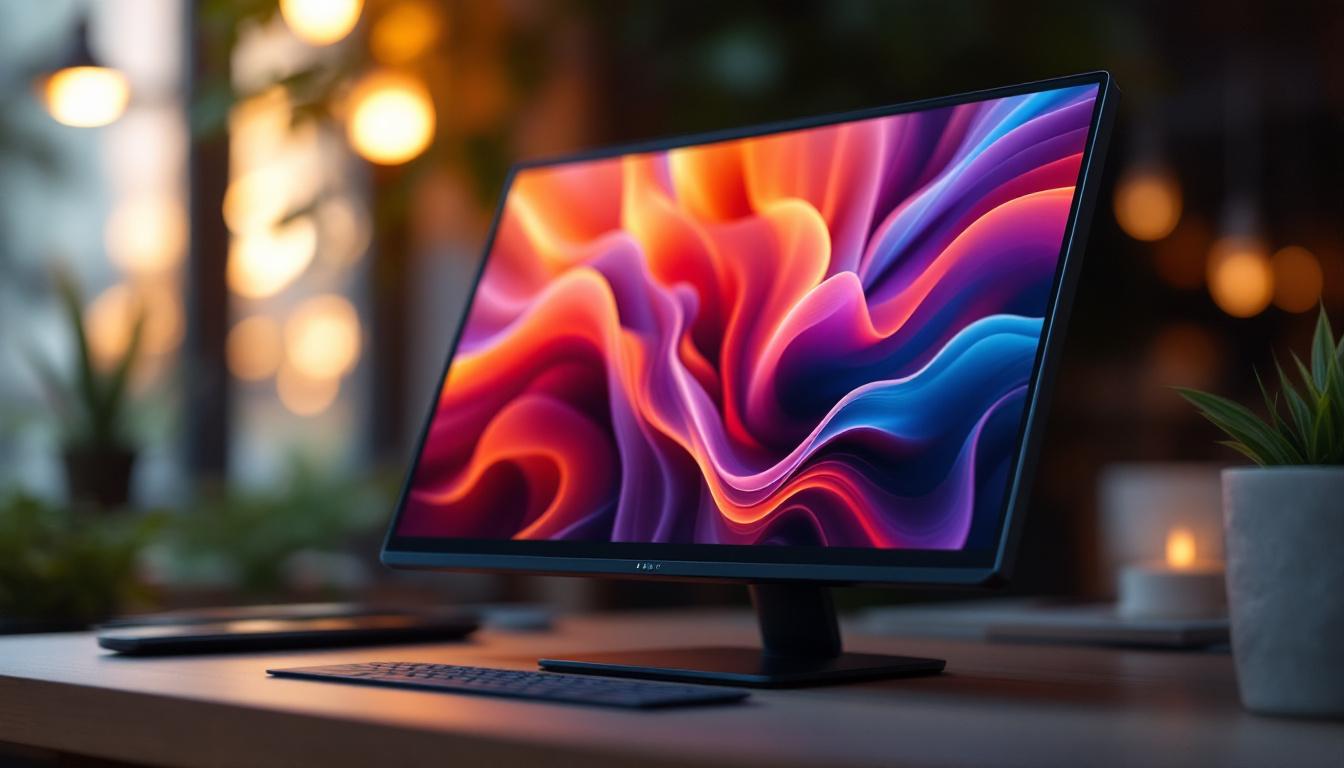
- LED-Backlit LCD Displays: In this type, LEDs serve as the backlight for an LCD panel. While not true LED displays, they benefit from LED technology’s energy efficiency and improved brightness compared to older CCFL backlit LCDs. These are typical in monitors, televisions, and smaller indoor screens. The use of LED backlighting also allows for features like local dimming, which enhances contrast by adjusting the brightness of specific areas of the screen based on the content being displayed.
Pixel Pitch and Resolution
A critical factor in LED display quality is the pixel pitch, which is the distance between the centers of two adjacent LEDs. Pixel pitch is measured in millimeters, and the smaller the pitch, the higher the resolution and image clarity.
For example, an LED display with a 1.2 mm pixel pitch is suitable for close viewing distances, such as indoor retail advertisements or control rooms. Conversely, a 10 mm or larger pixel pitch is common for outdoor billboards where viewers are farther away. The choice of pixel pitch not only affects the visual quality but also impacts the overall cost of the display; finer pitches require more LEDs and thus can be more expensive to manufacture. Additionally, advancements in technology are continually pushing the boundaries of pixel pitch, with manufacturers developing ultra-fine pitch options that can achieve resolutions comparable to high-end televisions, making them increasingly popular for immersive experiences in venues like theaters and exhibitions.
Applications of LED Displays in Screen Advertising
LED displays have revolutionized advertising by offering dynamic, eye-catching content that can be updated in real-time. Their adaptability and visual impact make them ideal for various advertising environments.
Outdoor Digital Billboards
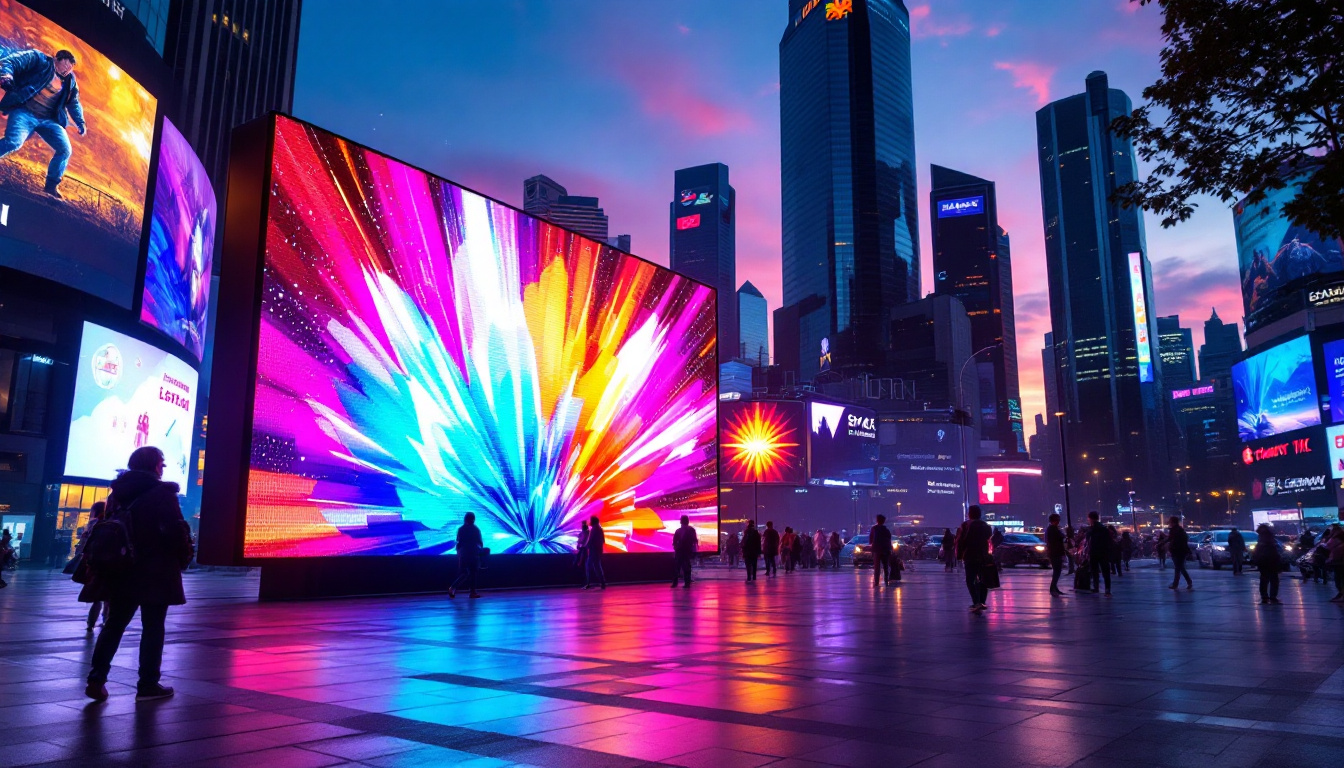
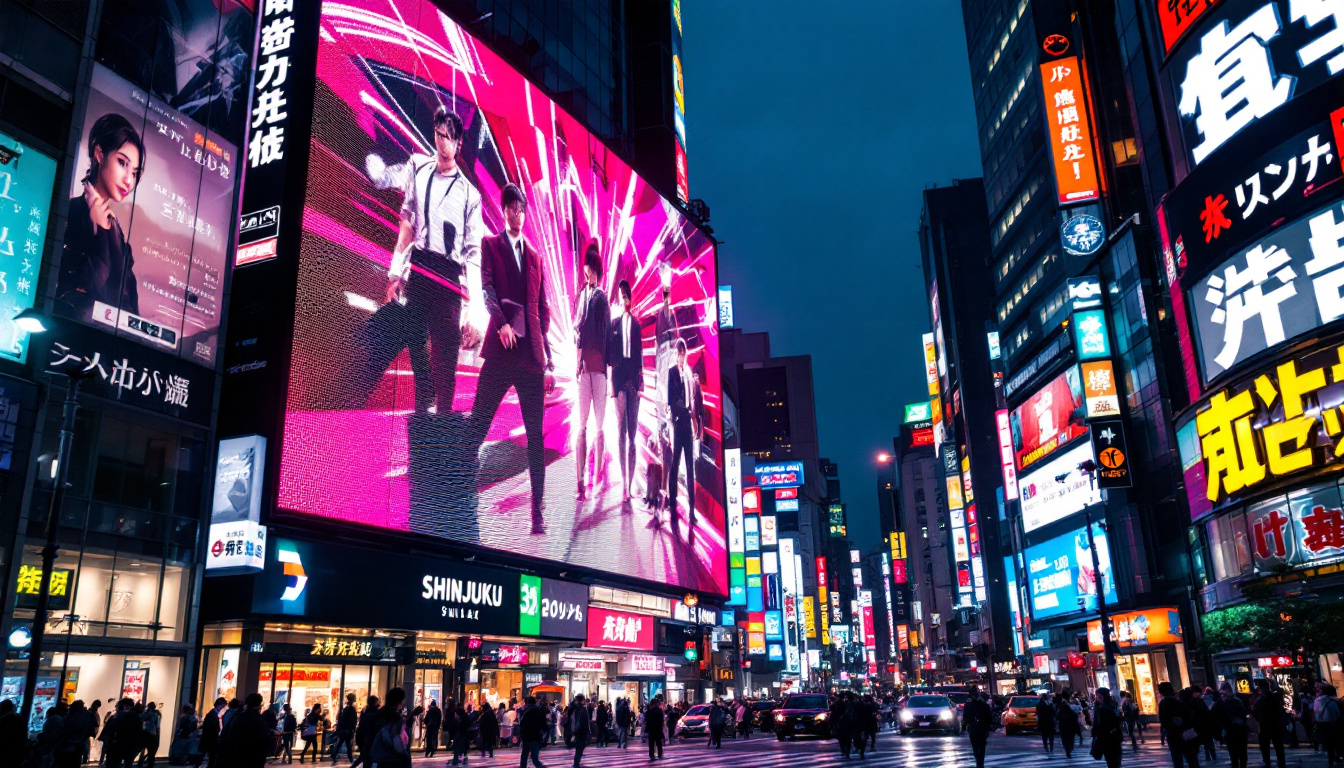
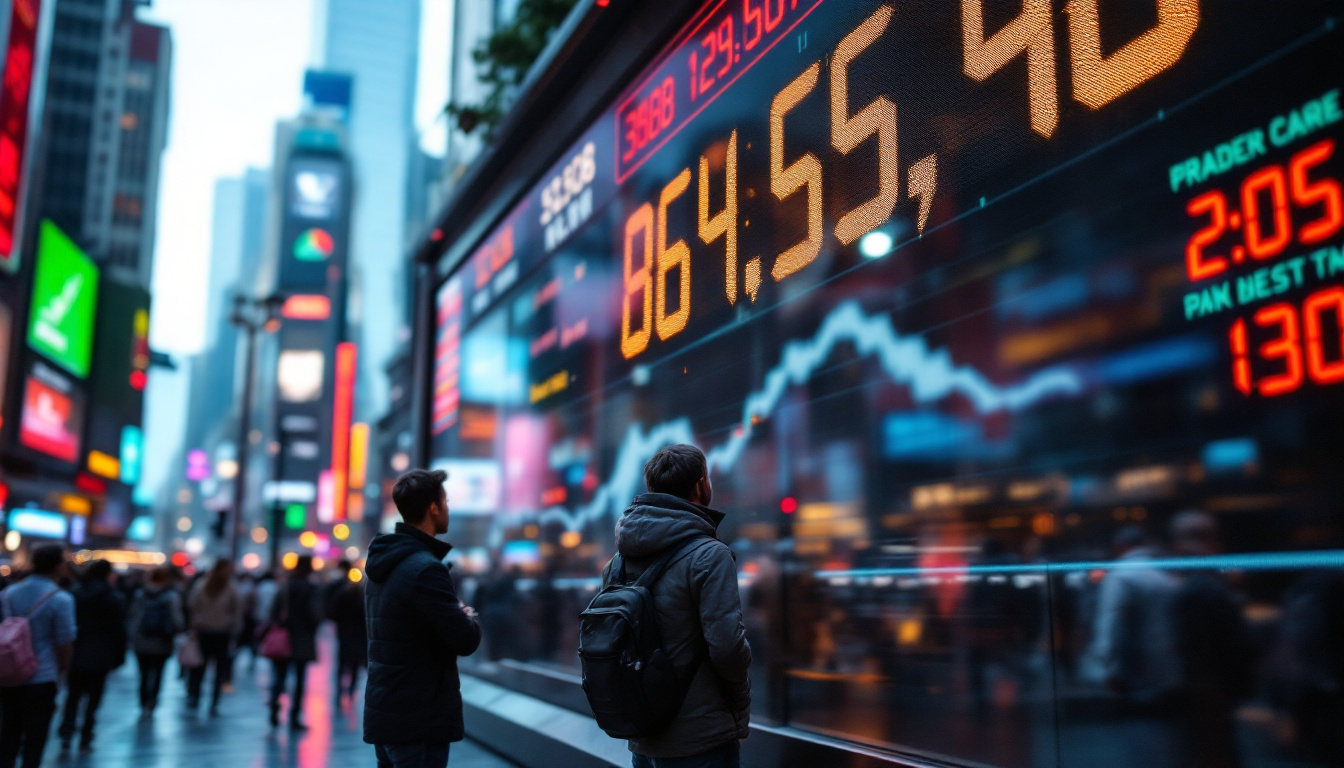
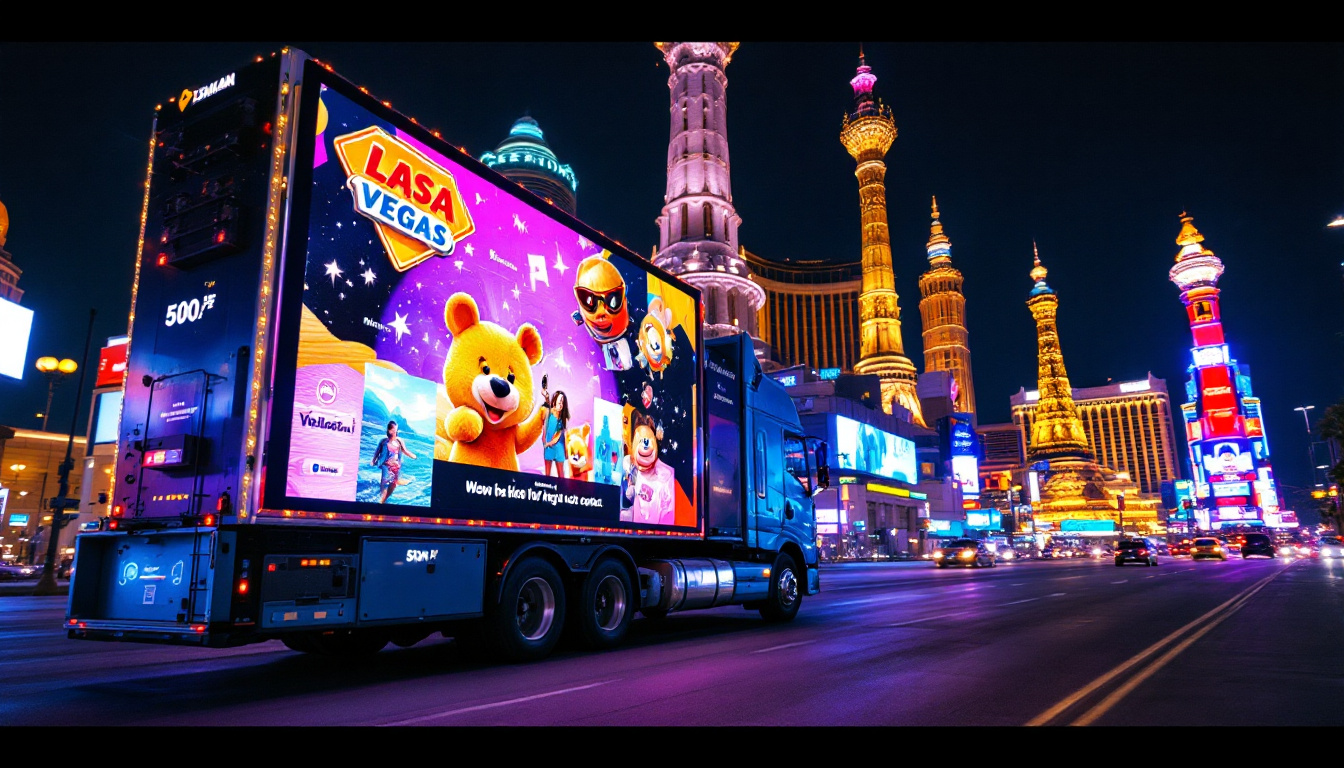
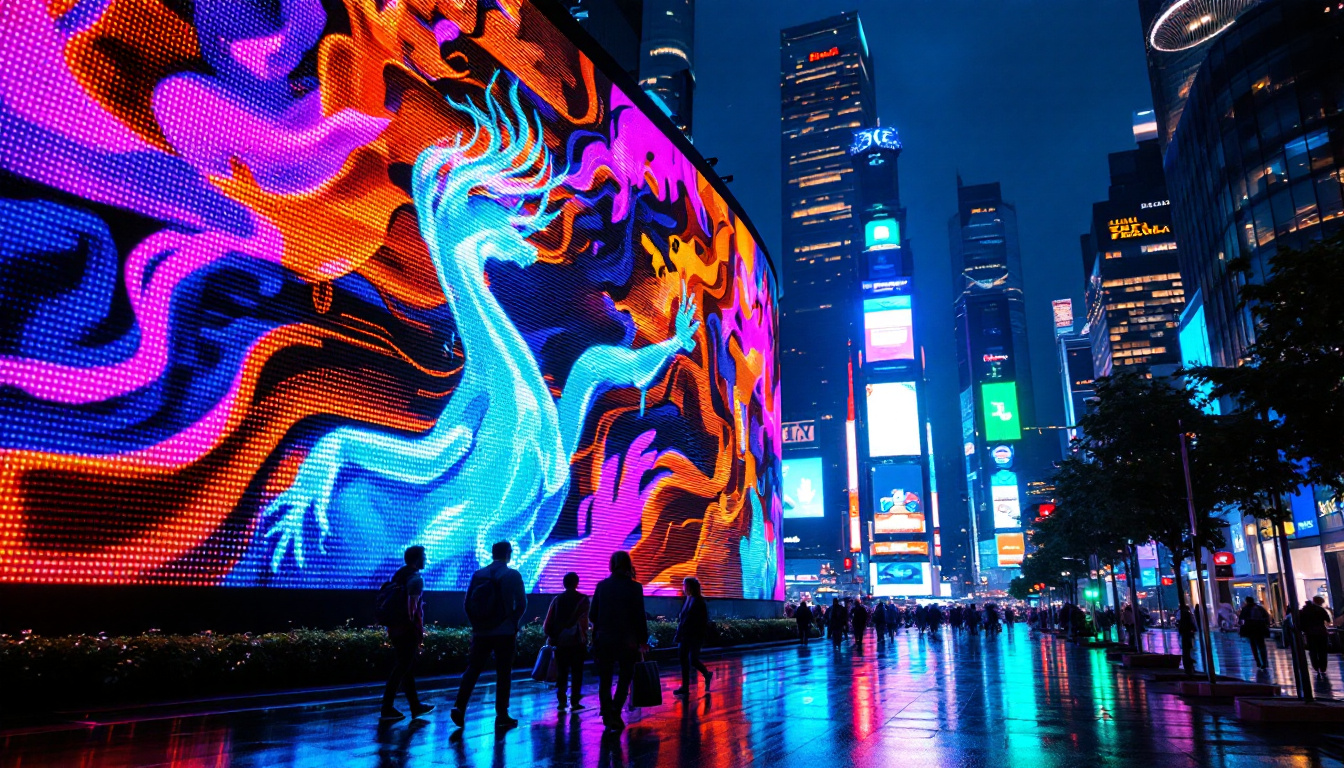
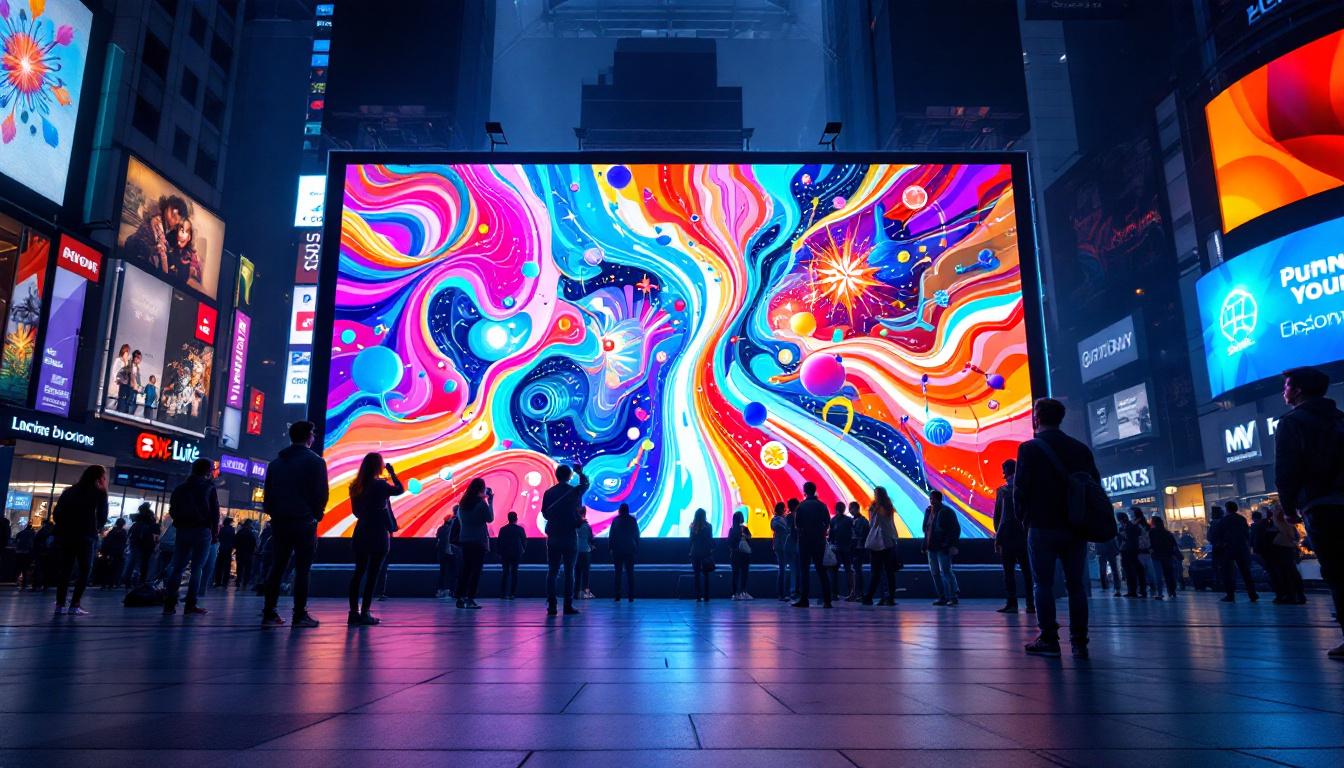
Outdoor digital billboards are among the most visible applications of LED displays. These large-format screens can display vibrant advertisements that change throughout the day, allowing advertisers to target different audiences at different times. According to industry reports, digital out-of-home (DOOH) advertising, which heavily relies on LED displays, is expected to grow at a compound annual growth rate (CAGR) of over 10% through 2027.
The high brightness and weather-resistant design of outdoor LED billboards ensure they remain effective under all lighting conditions and weather scenarios. This reliability is crucial for advertisers aiming to maximize reach and engagement. Moreover, the ability to incorporate real-time data, such as weather updates or social media feeds, into the content displayed can create a more personalized and relevant experience for viewers, further enhancing the effectiveness of the advertising.
Indoor Advertising Screens
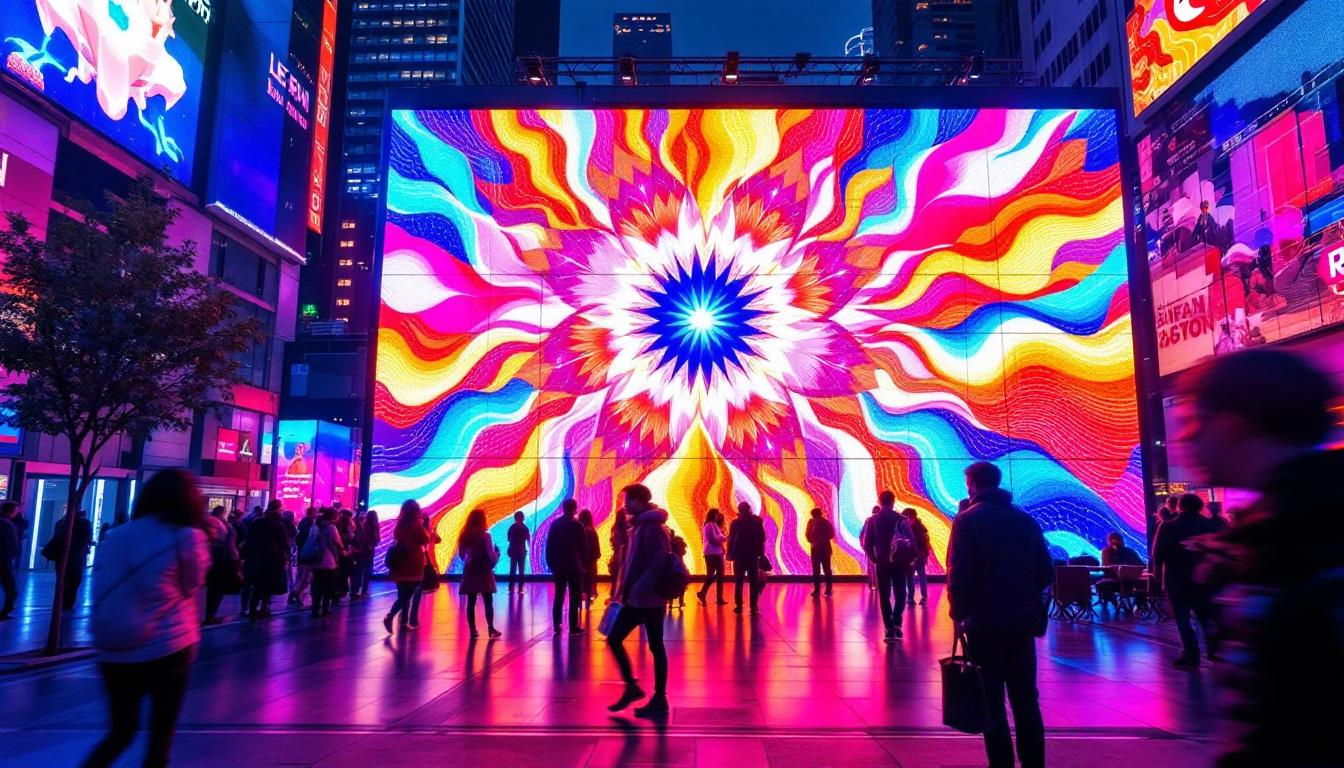
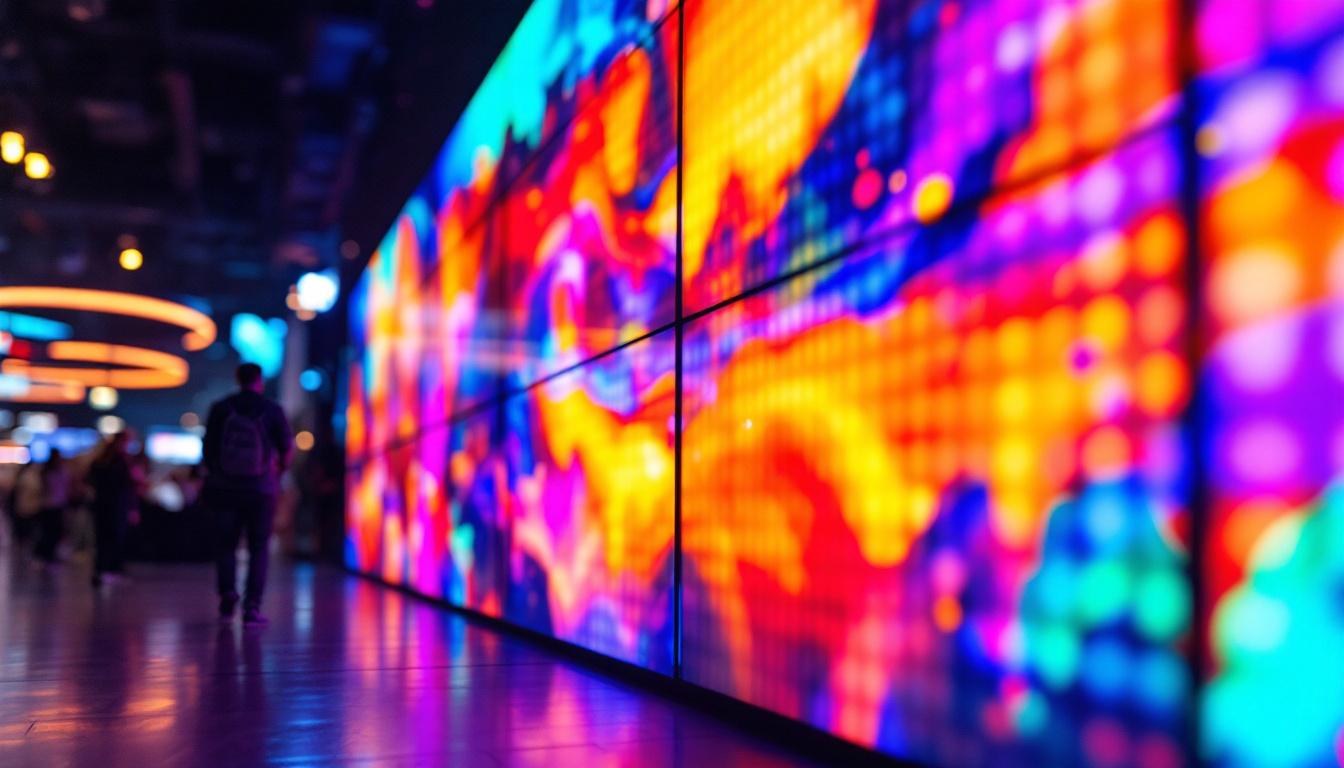
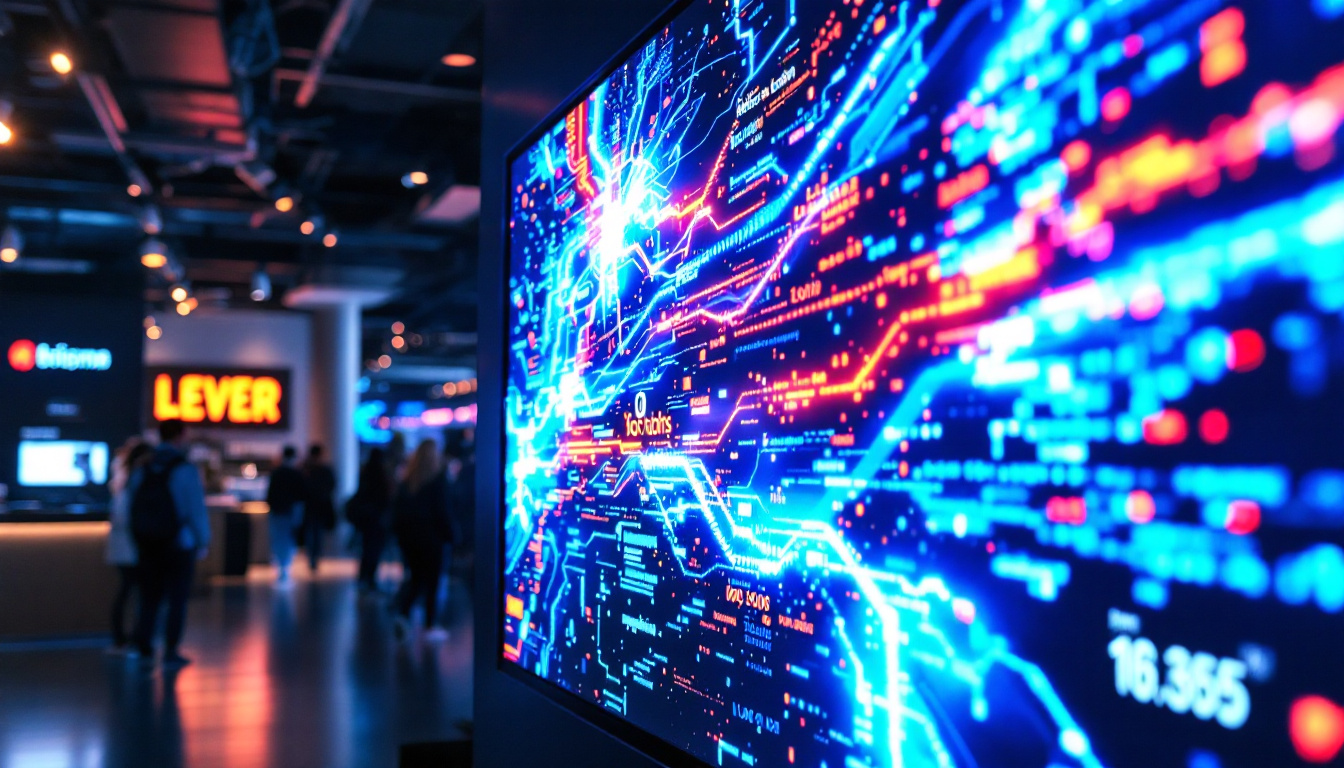
In shopping malls, airports, and corporate lobbies, indoor LED displays provide a platform for engaging advertisements and information. Their high resolution and color accuracy make them perfect for showcasing detailed visuals and videos that capture consumer attention.
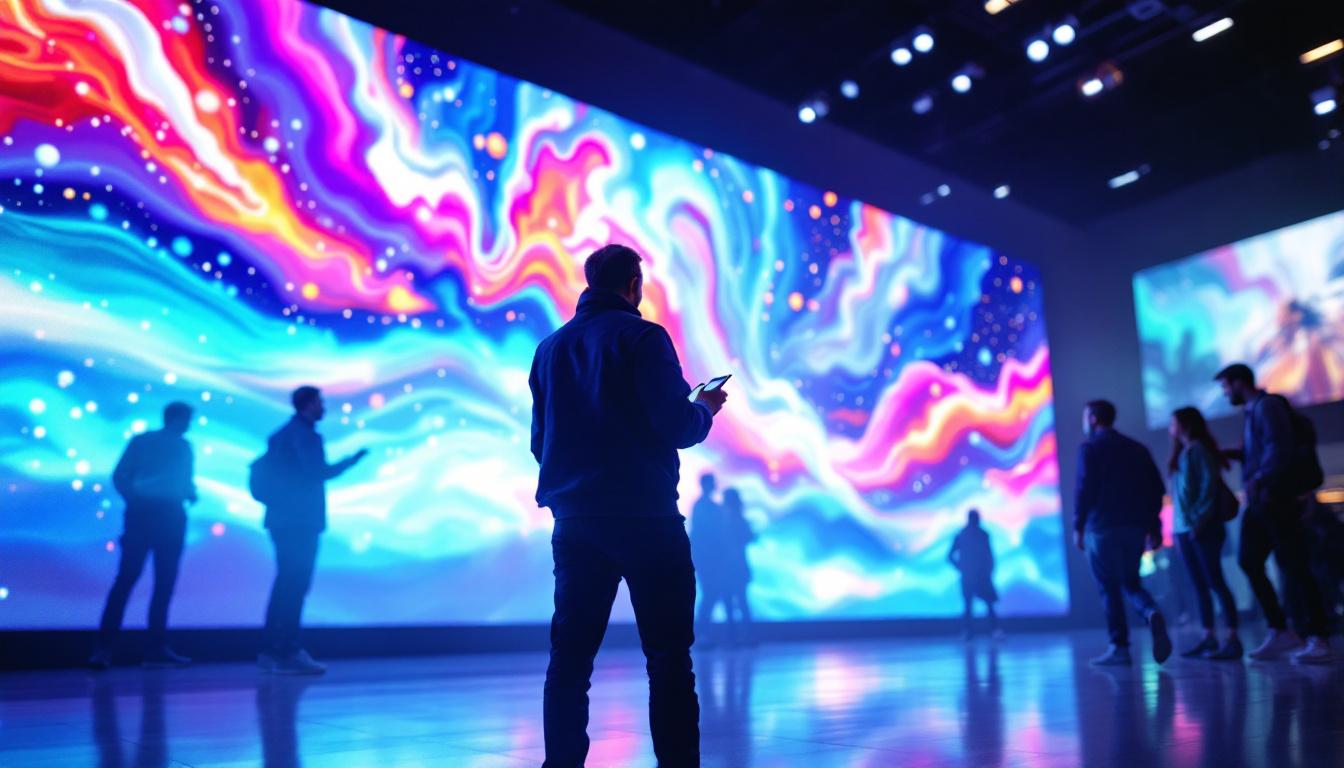
Indoor LED displays also offer the advantage of interactivity. Touch-enabled LED screens are increasingly used for wayfinding, product demonstrations, and interactive promotions, enhancing customer engagement and providing valuable data insights. Additionally, the integration of augmented reality (AR) with indoor LED displays is gaining traction, allowing brands to create immersive experiences that captivate audiences and encourage them to interact with the content in innovative ways.
Event and Sports Venues
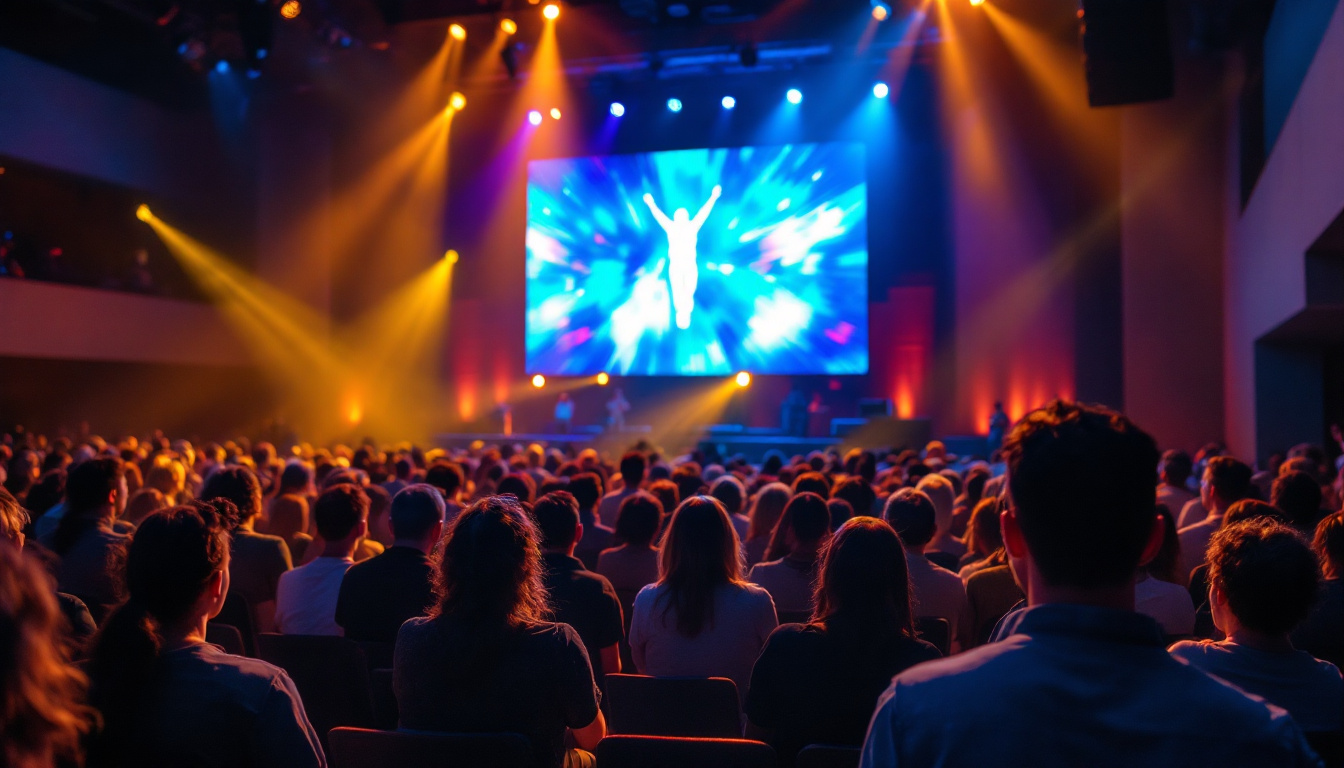
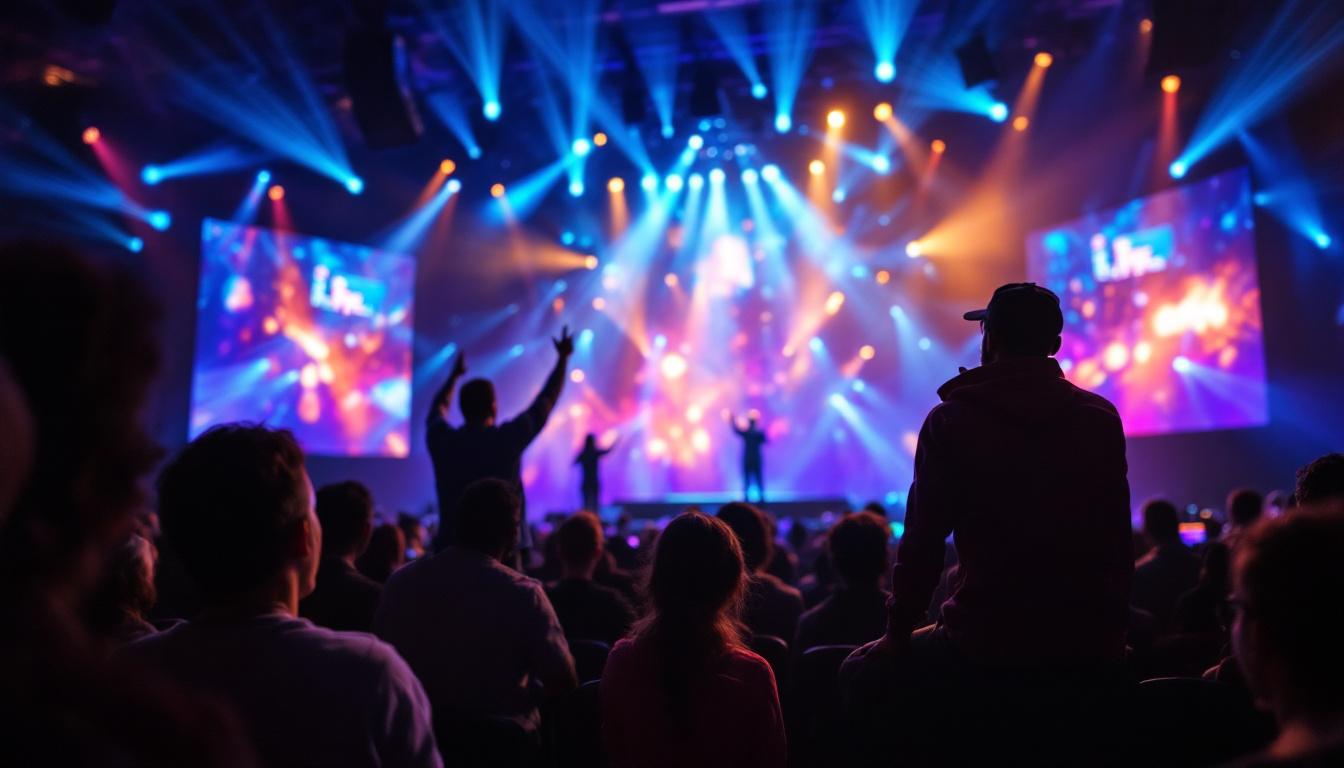
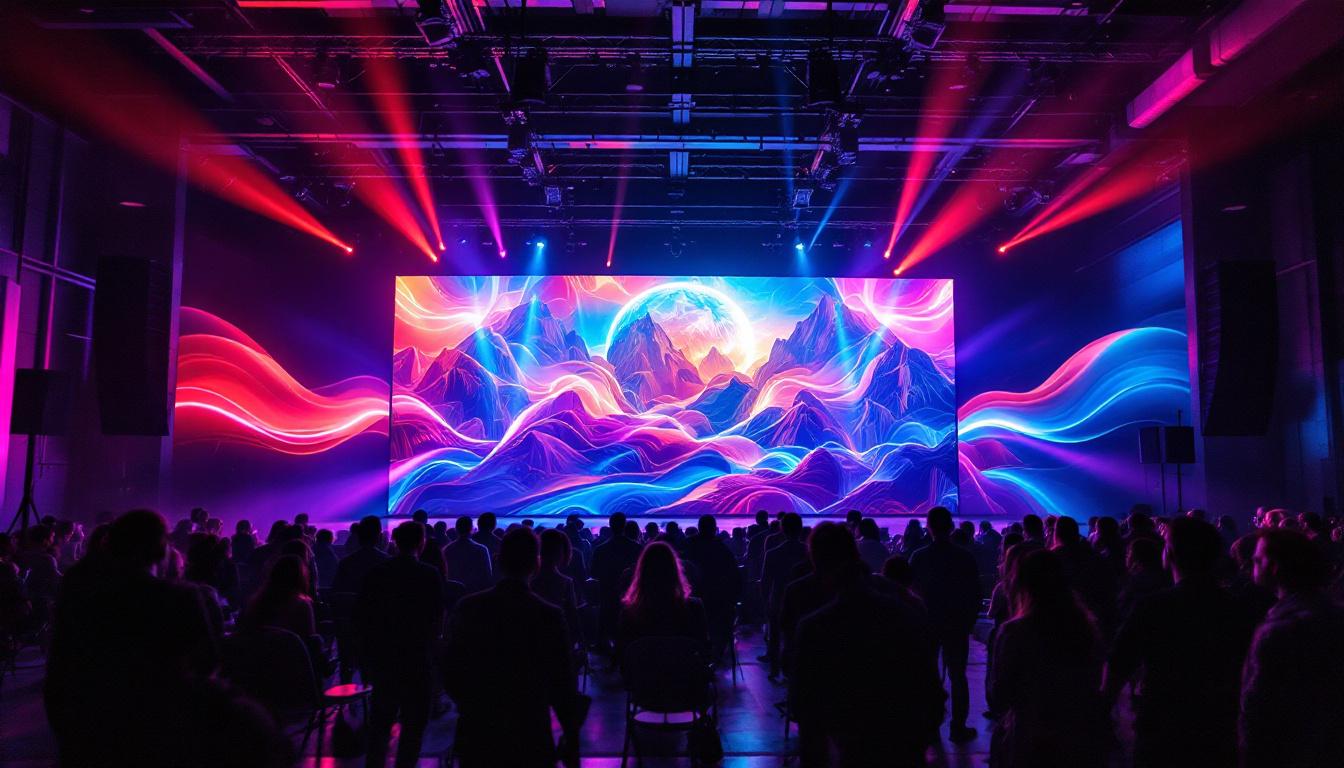
LED displays have become an integral part of event production, from concerts to sports stadiums. Their ability to produce large, bright images visible from a distance helps enhance the spectator experience. For advertisers, these venues offer prime real estate to reach captive audiences with dynamic content.
For instance, the use of LED perimeter boards around sports fields allows brands to display multiple ads during a single event, maximizing exposure. The 2022 FIFA World Cup utilized cutting-edge LED technology to deliver immersive advertising and fan engagement experiences. Furthermore, the incorporation of live feeds and instant replays on these displays not only entertains the audience but also provides brands with the opportunity to showcase their products in action, creating a lasting impression that resonates with viewers long after the event concludes. The versatility of LED displays in these settings continues to evolve, making them a staple in modern advertising strategies.
Key Factors Influencing LED Display Performance
To maximize the effectiveness of an LED display in advertising, several technical and environmental factors must be considered. Understanding these elements helps in selecting the right display and optimizing its use.
Brightness and Contrast
Brightness, measured in nits, determines how well an LED display can be seen under various lighting conditions. Outdoor displays typically require brightness levels between 5,000 and 8,000 nits to remain visible in direct sunlight. Indoor displays, on the other hand, generally operate at lower brightness levels to avoid eye strain and conserve energy.
Contrast ratio—the difference between the darkest black and the brightest white—also plays a vital role in image quality. High contrast ratios improve readability and visual appeal, especially in environments with ambient light.
Viewing Angle
The viewing angle of an LED display defines the range within which the image remains clear and color-accurate. Wider viewing angles are essential for public advertising where viewers may see the screen from various positions. Modern LED displays often feature viewing angles of 140 degrees or more horizontally and vertically.
Durability and Weather Resistance
For outdoor LED displays, durability is paramount. These screens must withstand rain, wind, dust, and temperature fluctuations without compromising performance. Many outdoor LED displays are rated with an IP65 or higher ingress protection rating, indicating strong resistance to water and dust.
Additionally, robust casing materials and cooling systems prevent overheating and extend the lifespan of the display, ensuring consistent operation over years.
Energy Efficiency
Energy consumption is a significant consideration, especially for large-scale LED installations. Advances in LED technology have dramatically improved energy efficiency, reducing operating costs and environmental impact. Some modern LED displays incorporate smart sensors that adjust brightness based on ambient light, further conserving energy.
Future Trends in LED Display Advertising
The LED display industry continues to evolve rapidly, driven by technological innovation and changing advertising needs. Several emerging trends are shaping the future of screen advertising.
MicroLED and MiniLED Technologies
MicroLED and MiniLED represent the next generation of LED displays, offering even higher resolution, better color accuracy, and improved energy efficiency. MicroLED displays consist of microscopic LEDs that can deliver exceptional brightness and contrast without the burn-in issues associated with OLEDs.
These technologies are expected to expand the possibilities for both indoor and outdoor advertising, enabling ultra-high-definition screens that are thinner and more flexible.
Integration with Artificial Intelligence (AI)
AI-powered content management systems are becoming integral to LED advertising. By analyzing real-time data such as audience demographics, weather, and traffic patterns, AI can optimize ad delivery for maximum impact. This dynamic targeting enhances engagement and return on investment for advertisers.
Interactive and Immersive Experiences
Interactivity is transforming LED screen advertising from passive viewing to active participation. Touch screens, gesture recognition, and augmented reality (AR) overlays allow consumers to engage directly with content, creating memorable brand experiences.
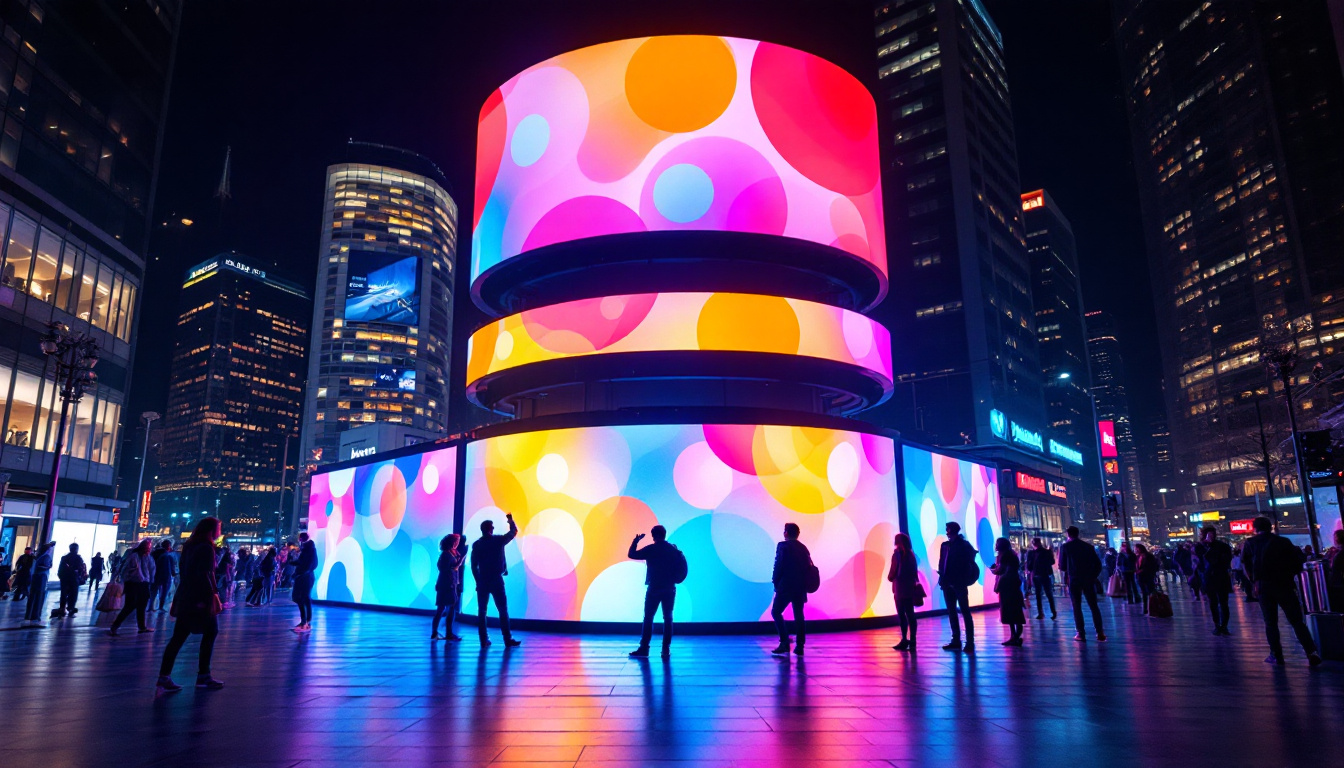
Immersive LED installations, such as 360-degree screens and LED walls, are also gaining popularity at events and retail spaces, offering captivating environments that draw in audiences.
Conclusion
LED displays have fundamentally changed the landscape of screen advertising by offering unmatched brightness, flexibility, and visual appeal. Whether used in towering outdoor billboards or sleek indoor screens, their ability to deliver dynamic, high-quality content makes them indispensable for modern advertisers.
Understanding the technology, applications, and factors affecting LED display performance is crucial for businesses looking to leverage this medium effectively. With ongoing advancements like MicroLED technology and AI integration, the future of LED advertising promises even greater innovation and impact.
For companies aiming to capture attention in crowded marketplaces, investing in LED display advertising is not just a choice—it’s a strategic imperative.
Explore the Future of Visual Engagement with LumenMatrix
Ready to elevate your advertising strategy and captivate your audience with unparalleled brightness and clarity? Discover LumenMatrix’s innovative LED display solutions, where cutting-edge technology meets creative design. From vibrant Indoor and Outdoor LED Wall Displays to dynamic Vehicle and Sports LED Displays, LumenMatrix offers a comprehensive range of products designed to make your brand stand out. Experience the revolution in visual communication with our Custom, All-in-One, and Transparent LED Displays, each tailored to deliver your message with maximum impact. Don’t just advertise—mesmerize. Check out LumenMatrix LED Display Solutions today and transform your screen advertising into a strategic asset.