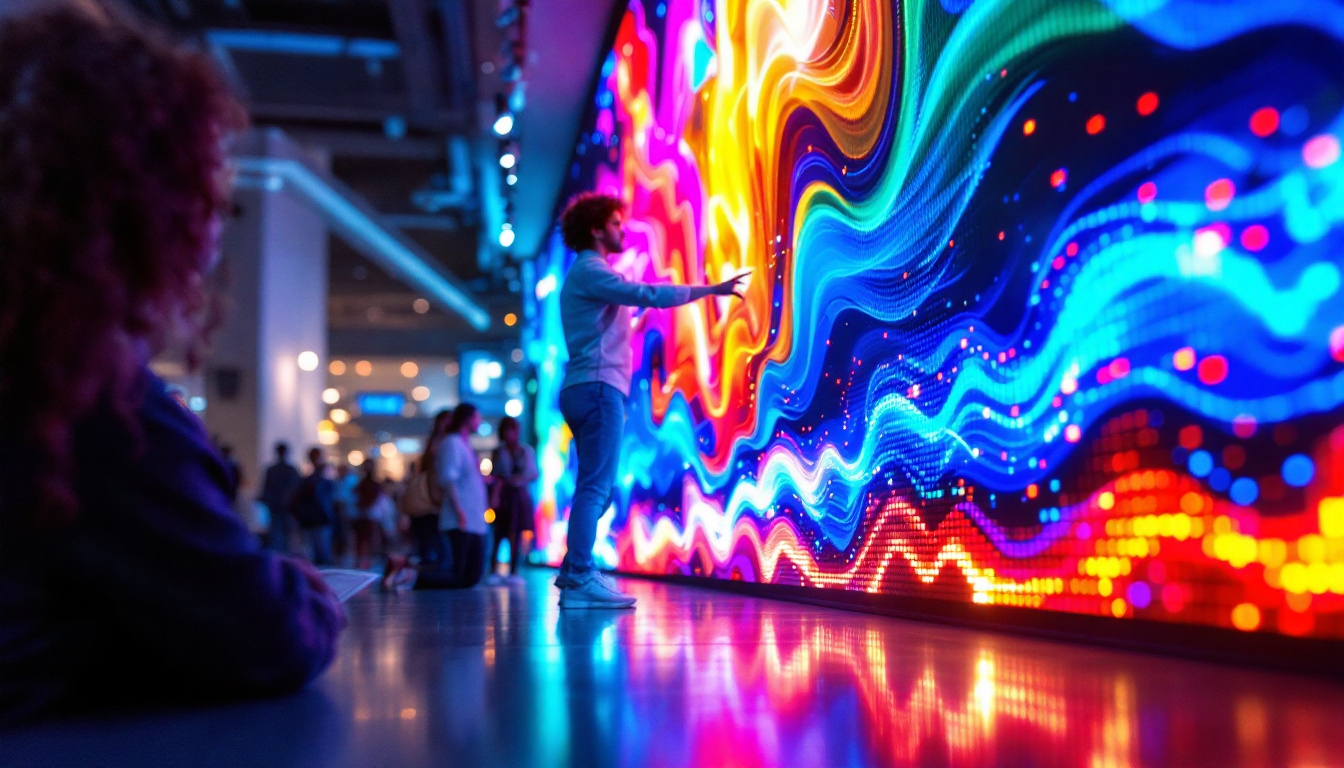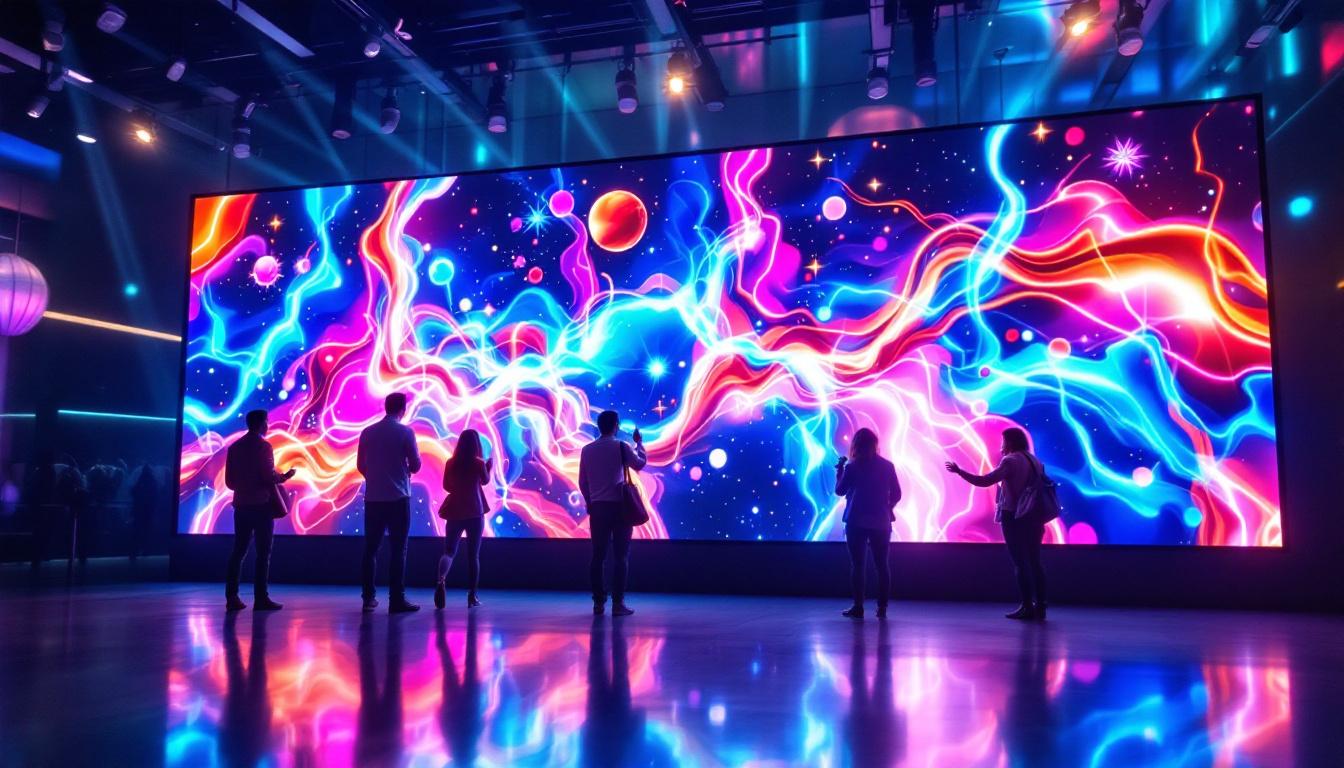
In today’s digital age, screens dominate our daily lives—from smartphones and televisions to large-scale advertising billboards and stadium displays. Central to these screens is the pixel, the fundamental unit that forms the images we see. Among various display technologies, LED (Light Emitting Diode) displays have emerged as a leading choice for vibrant, energy-efficient, and versatile screens. This article explores the concept of screen pixels in LED displays, how they work, their types, and why they have become indispensable in modern visual technology.
Understanding Screen Pixels and Their Role in LED Displays
What Is a Pixel?
A pixel, short for “picture element,” is the smallest controllable unit of a digital image or display. When combined in large numbers, pixels create the images and videos we view on screens. Each pixel can emit or block light in varying colors and intensities, enabling the display to render detailed and colorful visuals.
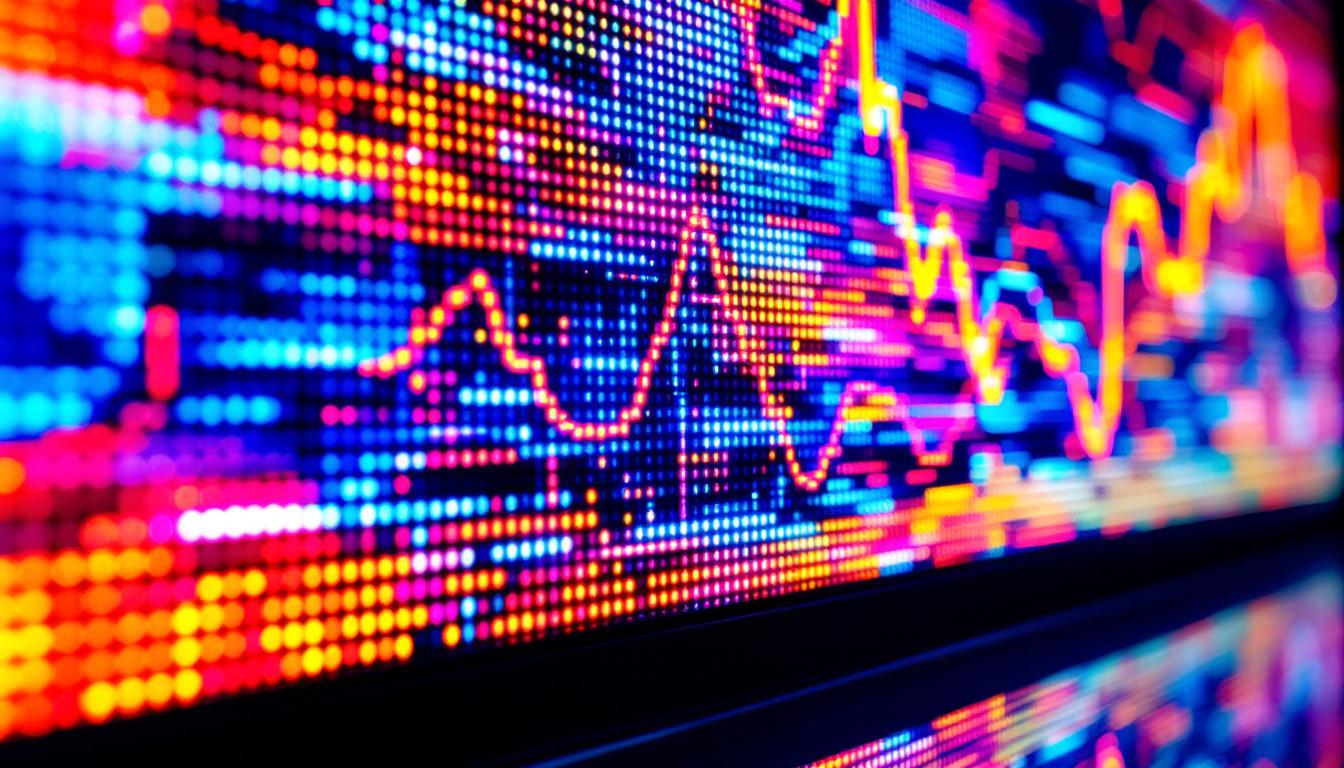
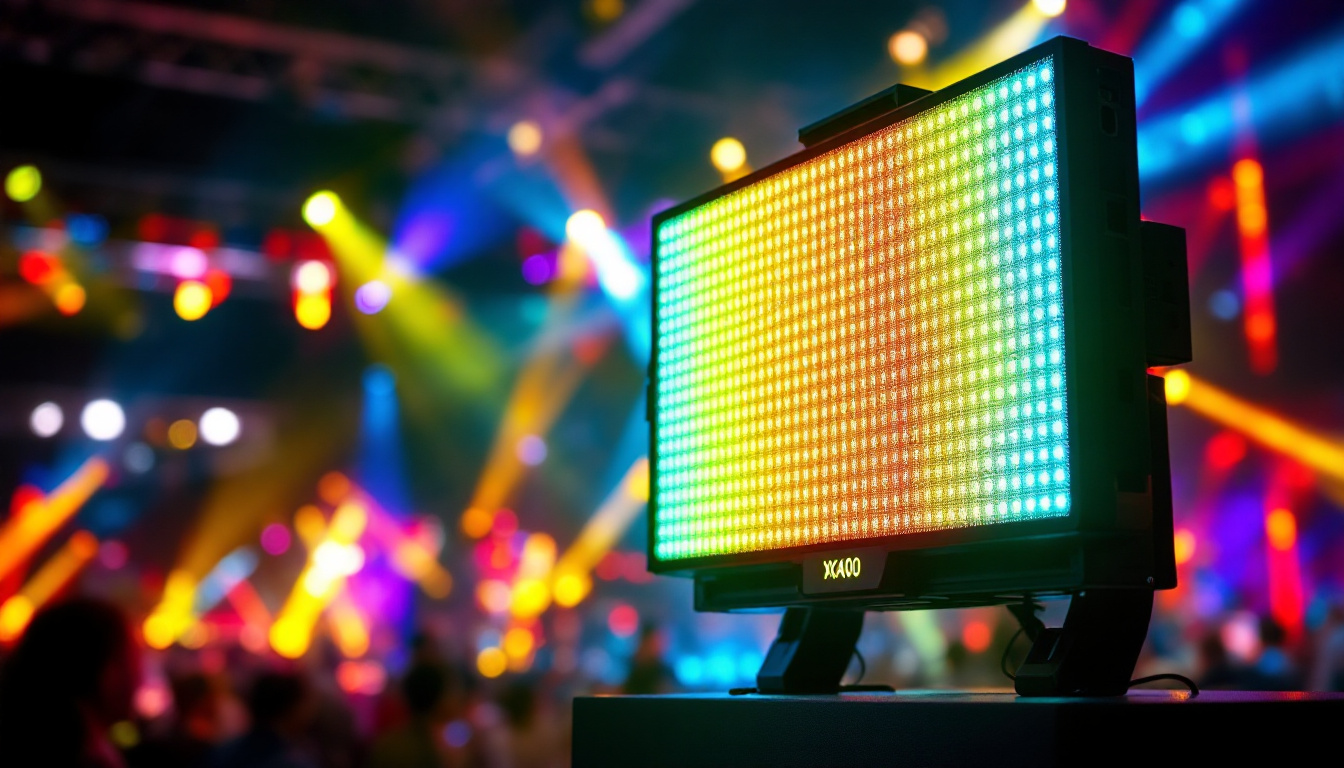
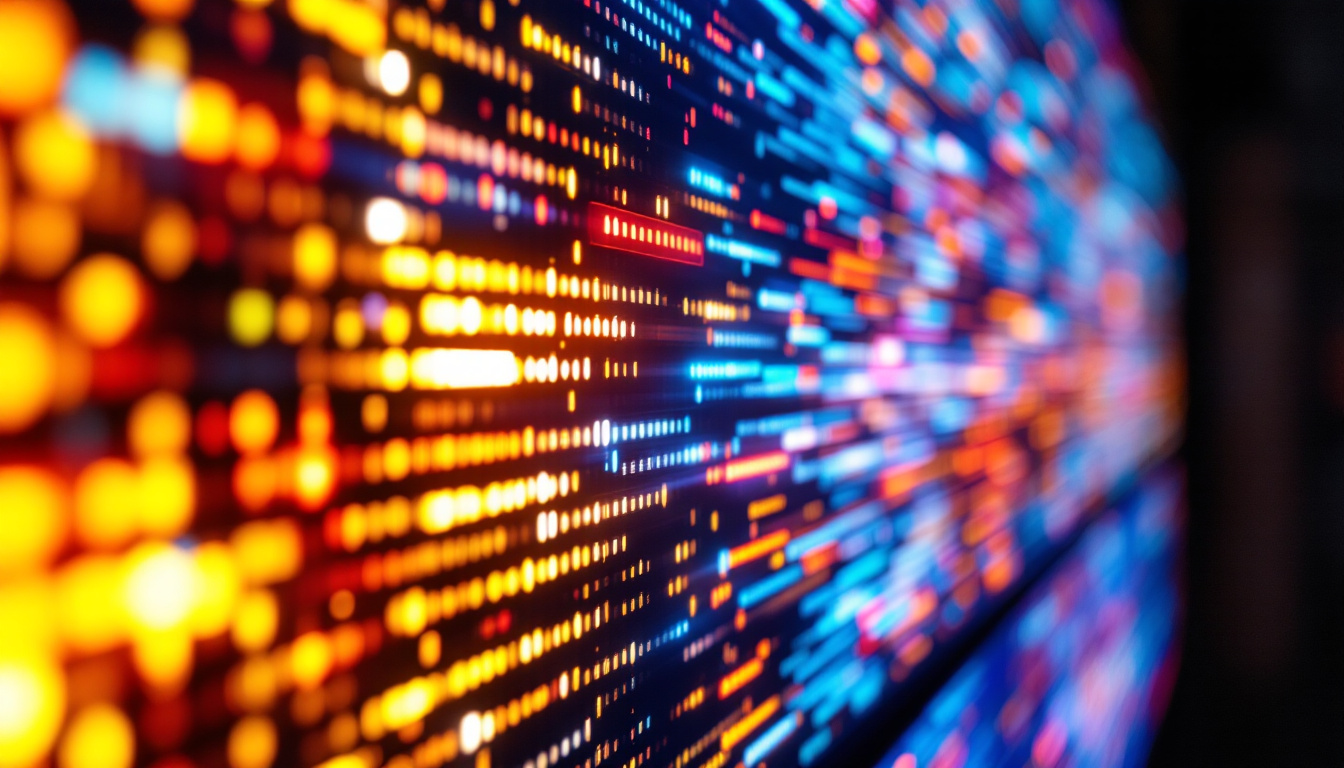
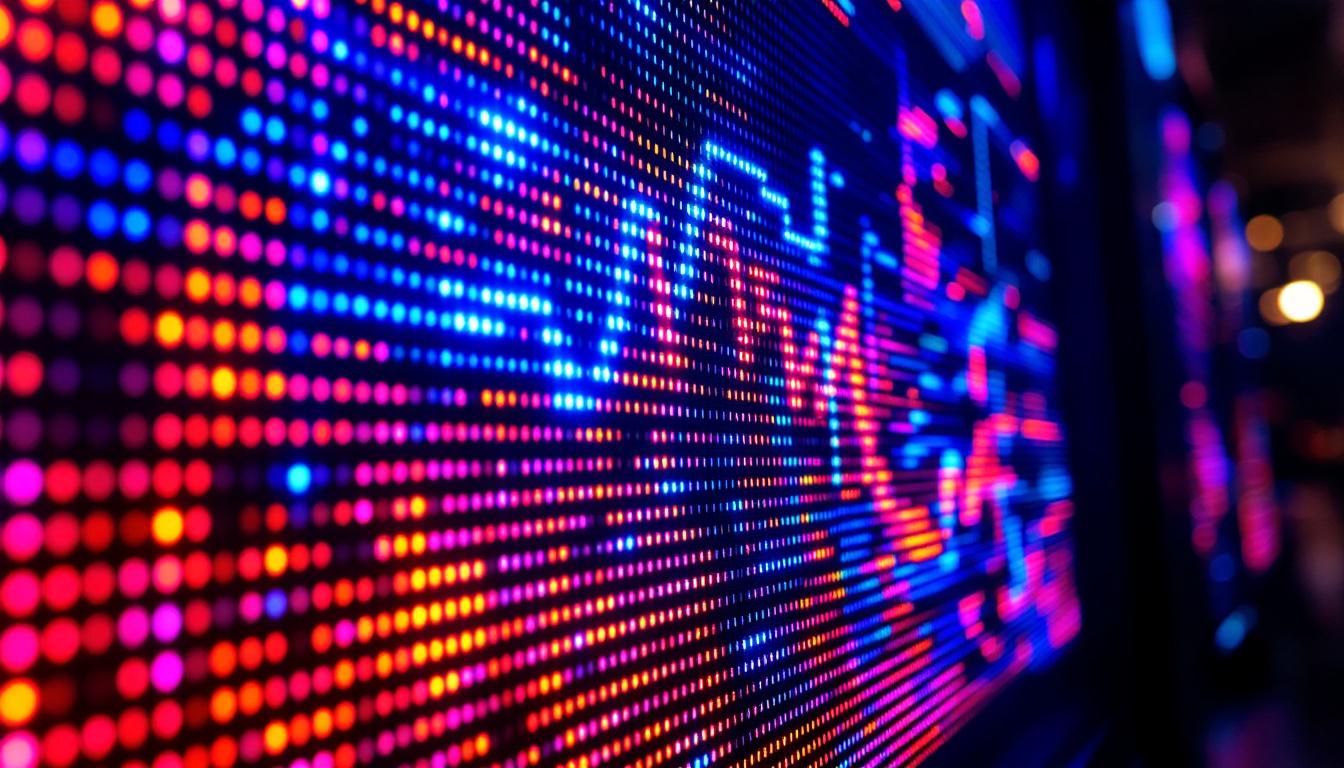
In LED displays, pixels are composed of tiny light-emitting diodes arranged in a grid. Each pixel typically consists of three sub-pixels—red, green, and blue (RGB)—which combine in different intensities to produce a wide spectrum of colors. The precise control of these sub-pixels allows LED displays to achieve high color accuracy and brightness. This RGB model is fundamental to color theory in digital displays, as it mirrors how human vision perceives color through the combination of these three primary colors.
Moreover, advancements in technology have led to the development of additional color channels, such as white or yellow sub-pixels, which can enhance the brightness and color range of displays. This innovation is particularly beneficial in outdoor LED screens, where ambient light can wash out colors, and the need for vivid, eye-catching visuals is paramount.
How Pixels Work in LED Displays
LED displays function by controlling the light output of individual diodes at the pixel level. When electricity passes through an LED, it emits light of a specific color depending on the semiconductor material used. By adjusting the current to each sub-pixel, the display can mix red, green, and blue light in varying proportions to create any color.
This process happens millions of times per second, allowing for smooth motion and rich imagery. The resolution of an LED display is determined by the number of pixels it contains; more pixels mean finer detail and sharper images. For example, a 4K LED display has approximately 8.3 million pixels, offering exceptional clarity for large screens.
In addition to resolution, the pixel density, measured in pixels per inch (PPI), plays a crucial role in the perceived quality of the display. Higher pixel density results in sharper images, especially when viewed up close. This is particularly important in devices like smartphones and tablets, where users often hold the screen just inches from their eyes. Furthermore, advancements in pixel technology, such as the introduction of microLED and miniLED, promise even greater control over light and color, pushing the boundaries of what is possible in display technology.
Types of LED Displays and Pixel Configurations
Direct View LED Displays
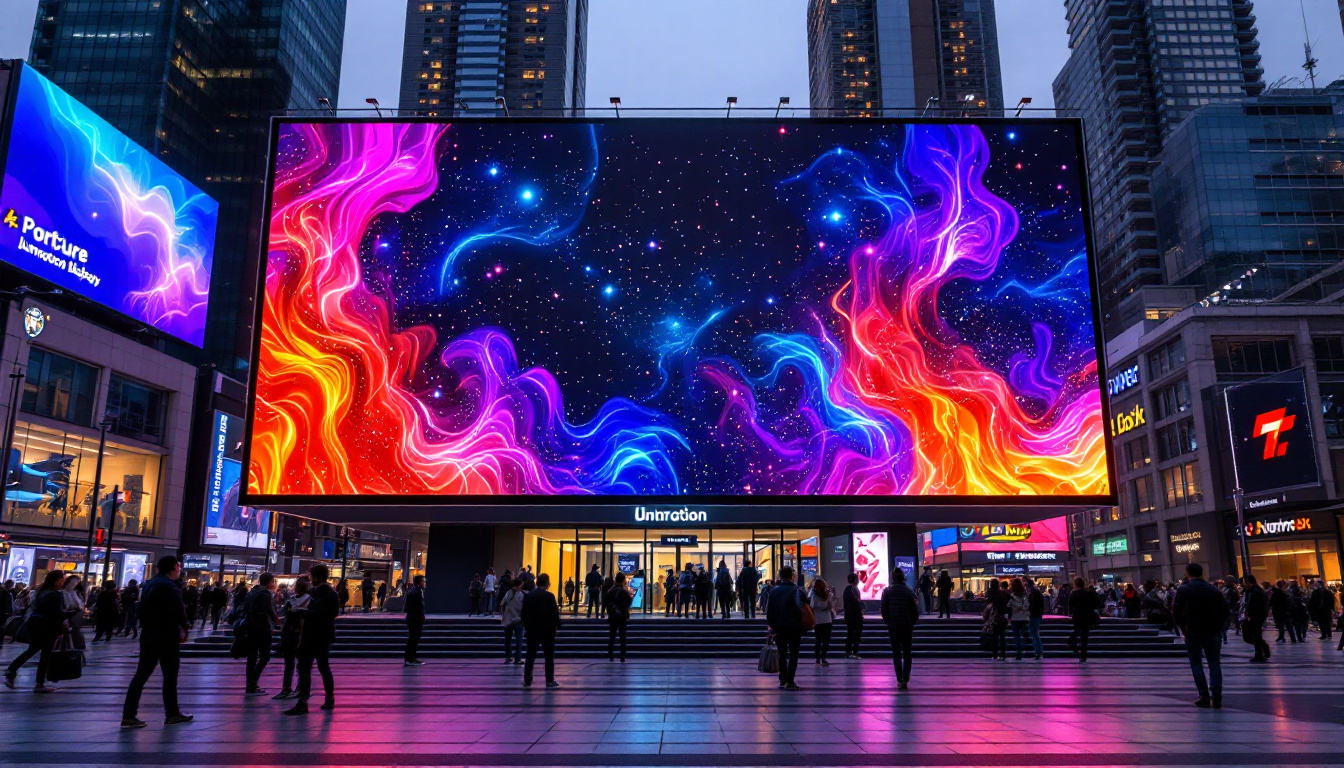
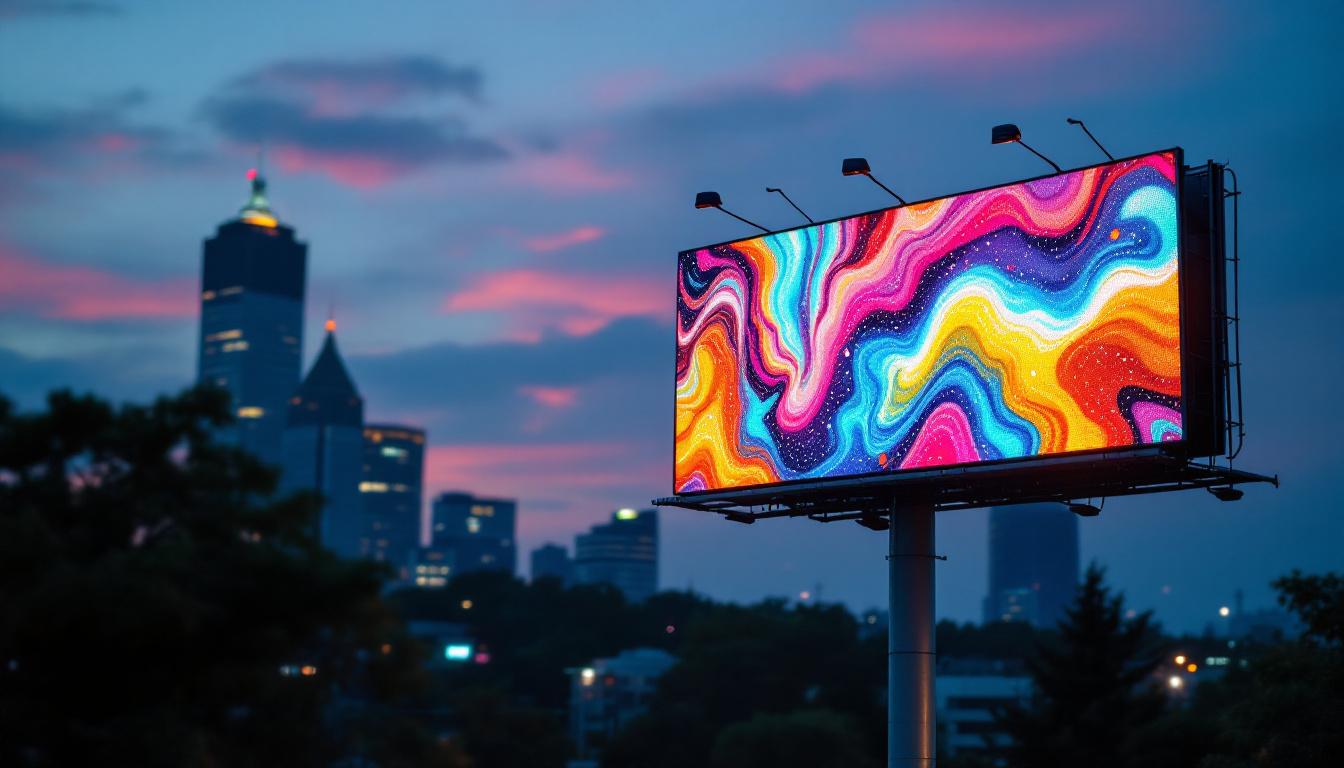
Direct view LED (DVLED) displays are composed of individual LEDs that form the pixels directly visible to the viewer. These are commonly used in large outdoor screens, stadium displays, and digital billboards. DVLEDs are prized for their brightness, durability, and ability to produce vivid colors even in bright sunlight.
Pixel pitch—the distance between the centers of two adjacent pixels—is a critical specification in DVLED displays. Smaller pixel pitches mean higher pixel density and better image resolution. For example, a pixel pitch of 1.2 mm is considered very fine and suitable for close viewing distances, while pitches of 10 mm or more are typically used for large outdoor displays viewed from afar.
LED-backlit LCD Displays
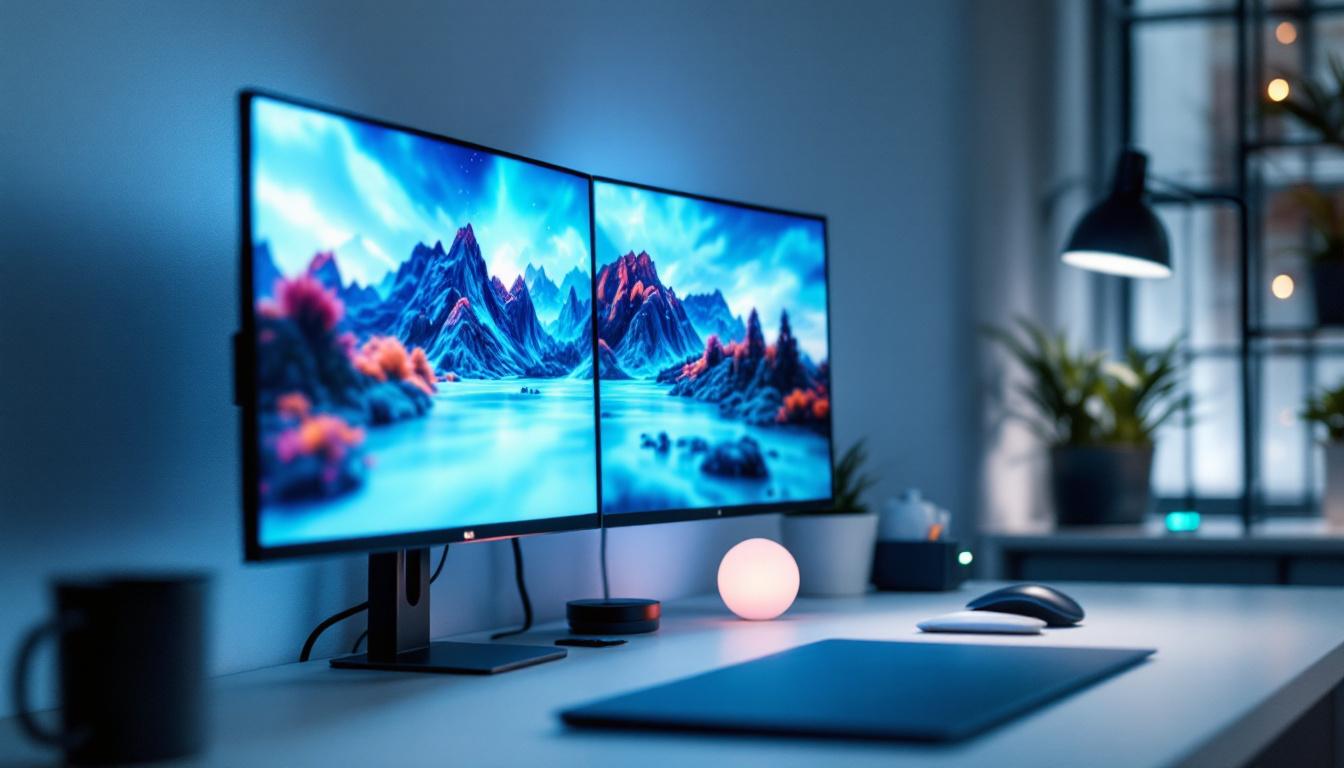
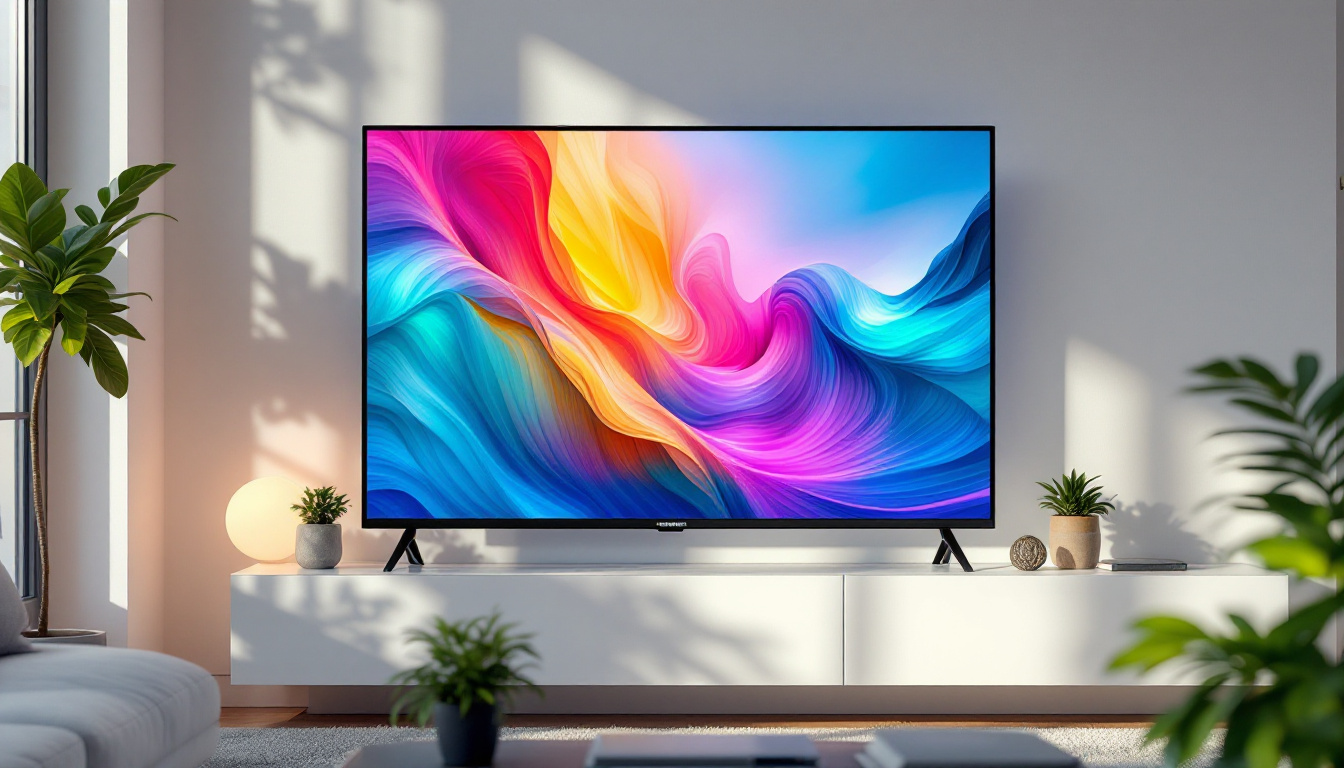
While direct view LED displays use LEDs as the pixels themselves, most consumer TVs and monitors use LED-backlit LCD technology. In these displays, pixels are formed by liquid crystals that modulate light passing through them, while LEDs serve as the backlight source.
This hybrid approach allows for thinner screens and lower power consumption compared to traditional CCFL-backlit LCDs. However, since the LEDs are not the pixels themselves, the display’s pixel resolution depends on the LCD panel, not the LED backlight. This technology has become standard in televisions, computer monitors, and mobile devices.
MicroLED and MiniLED: The Next Generation
Emerging technologies such as MicroLED and MiniLED represent advances in LED display pixel technology. MicroLED displays use microscopic LEDs as individual pixels, offering superior brightness, contrast, and energy efficiency compared to OLED and traditional LED-backlit LCDs. Because each MicroLED emits its own light, these displays can achieve perfect blacks and vibrant colors without burn-in issues.
MiniLED technology, on the other hand, uses thousands of tiny LEDs as a backlight for LCD panels, enabling more precise local dimming zones and improved contrast ratios. This technology is increasingly popular in high-end TVs and professional monitors.
Why LED Displays Are Preferred: Advantages of LED Pixels
Brightness and Visibility
One of the most significant advantages of LED displays is their high brightness levels. LEDs can produce intense light output, making them ideal for both indoor and outdoor environments. For instance, outdoor LED billboards can reach brightness levels of over 5,000 nits, ensuring visibility even in direct sunlight.
This brightness capability is crucial for applications such as digital signage, sports arenas, and transportation hubs, where clear visibility is essential regardless of ambient lighting conditions.
Energy Efficiency and Longevity
LED technology is renowned for its energy efficiency compared to traditional lighting and display methods. LEDs consume less power while delivering higher brightness, which translates to lower operating costs and reduced environmental impact. This efficiency is particularly important in large-scale installations where energy consumption can be substantial.
Additionally, LEDs have longer lifespans than other light sources, often exceeding 50,000 hours of operation. This durability reduces maintenance costs and downtime, making LED displays a cost-effective choice over time.
Color Accuracy and Flexibility
LED pixels provide excellent color reproduction due to the precise control over each sub-pixel’s light intensity. This capability allows LED displays to achieve wide color gamuts and high dynamic range (HDR), enhancing the viewing experience with more vivid and lifelike images.
Moreover, LED displays can be manufactured in various shapes and sizes, including curved and flexible screens. This versatility enables innovative applications in architecture, advertising, and entertainment, where unique display forms can create immersive visual experiences.
Applications of LED Pixel Technology
Consumer Electronics
In consumer electronics, LED pixels are foundational to the displays found in smartphones, tablets, laptops, and televisions. The ongoing improvements in LED pixel density and efficiency have driven the evolution of ultra-high-definition screens with stunning clarity and color fidelity.
Smartphone manufacturers, for example, often highlight pixel density (measured in pixels per inch, or PPI) as a key selling point. Devices with higher PPI values deliver sharper text and images, enhancing user satisfaction and usability.
Commercial and Public Displays
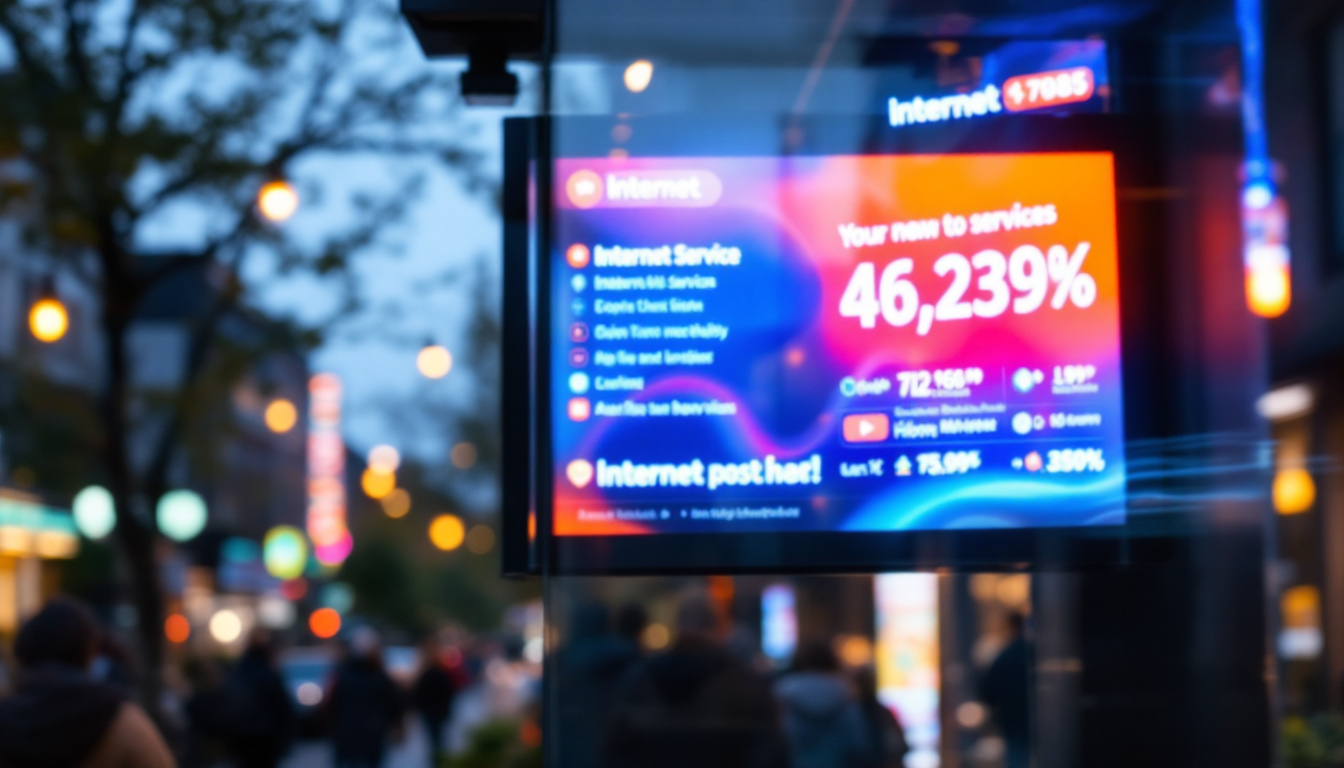
LED displays dominate the commercial sector, particularly in advertising and public information systems. Digital billboards, transit signs, and event screens rely on robust LED pixels to deliver bright, attention-grabbing content that can be updated in real-time.
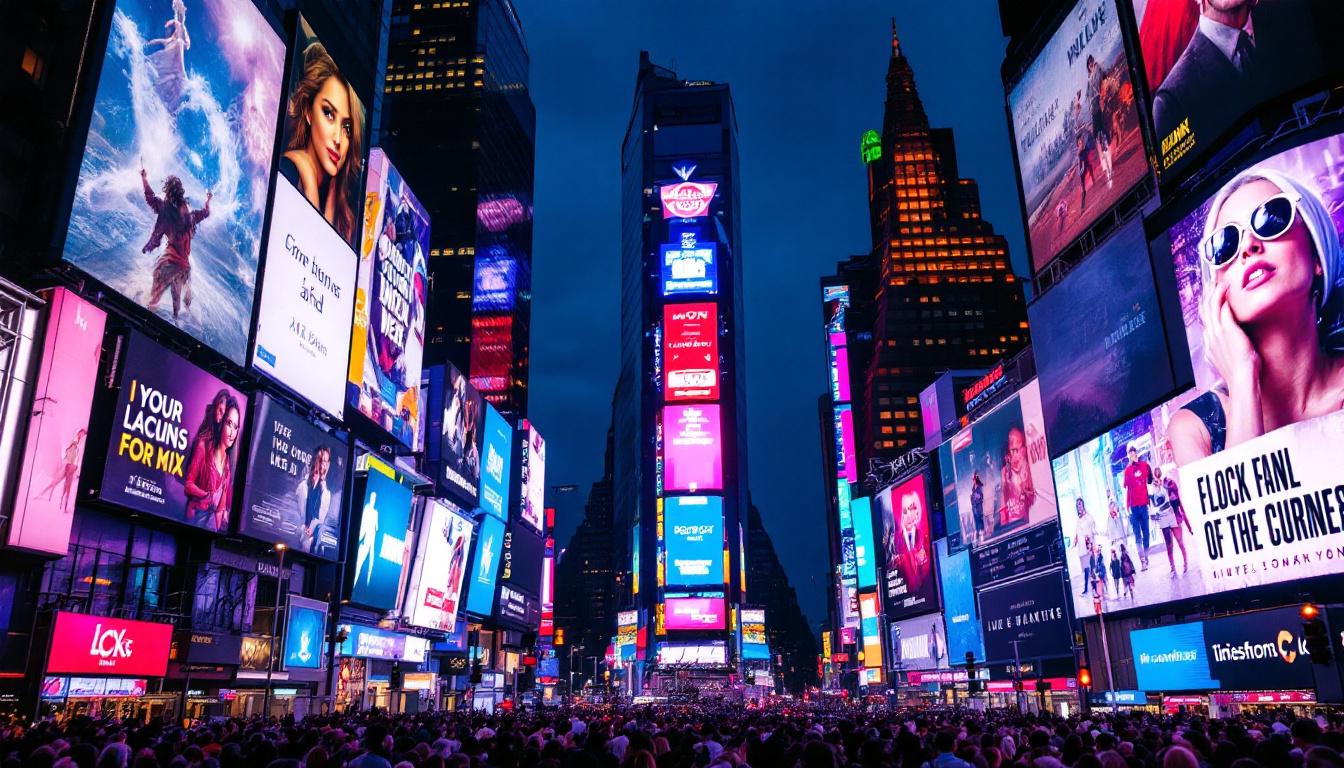
The scalability of LED displays allows for massive installations, such as Times Square’s towering digital signs or stadium scoreboards, where millions of pixels work in concert to produce dynamic visuals visible from great distances.
Industrial and Medical Uses
Beyond entertainment and advertising, LED pixel technology plays a critical role in industrial and medical applications. High-resolution LED displays are used in control rooms, simulators, and diagnostic equipment where precise image rendering is vital for safety and accuracy.
For instance, surgical monitors with LED pixel technology provide surgeons with clear, high-contrast images during procedures, improving outcomes and patient safety.
Challenges and Future Trends in LED Pixel Technology
Addressing Pixel Density and Resolution Limits
As consumers demand ever-higher resolution displays, manufacturers face challenges in increasing pixel density without compromising brightness or energy efficiency. Shrinking pixel size while maintaining uniform light output requires advanced materials and manufacturing techniques.
Research into novel semiconductor materials and nanotechnology is ongoing to overcome these physical limitations, promising even more detailed and vibrant LED displays in the future.
Cost Considerations and Accessibility
While LED displays offer numerous benefits, the cost of producing high-resolution, fine-pitch LED panels remains relatively high compared to other technologies. This cost factor can limit accessibility, particularly for smaller businesses or consumers on a budget.
However, as manufacturing processes improve and economies of scale are realized, prices are expected to decrease, making advanced LED pixel technology more widely available.
Integration with Emerging Technologies
The future of LED pixel technology is closely tied to developments in augmented reality (AR), virtual reality (VR), and flexible electronics. MicroLEDs, with their compact size and excellent performance, are poised to become the display technology of choice for AR glasses and wearable devices.
Furthermore, integration with artificial intelligence (AI) and smart control systems will enable LED displays to adapt dynamically to content and environmental conditions, enhancing user experience and energy efficiency.
Conclusion
Screen pixels are the building blocks of modern digital displays, and LED technology has revolutionized how these pixels deliver light and color. From the smallest smartphone screens to the largest stadium displays, LED pixels provide unmatched brightness, energy efficiency, and color accuracy.
Understanding the intricacies of LED pixels—from their composition and operation to their applications and challenges—reveals why LED displays have become the preferred choice across industries. As technology advances, LED pixel innovation will continue to shape the future of visual media, offering richer, more immersive experiences for audiences worldwide.
Explore the Future of Visual Experience with LumenMatrix
As you’ve discovered the transformative power of LED pixels in modern displays, take the next step with LumenMatrix. Our commitment to innovation in LED display technology ensures your message shines with unparalleled brightness, precision, and efficiency. Whether you’re looking to captivate audiences with an Indoor LED Wall Display, make a statement with a Vehicle LED Display, or create a unique environment with a Custom LED Display, LumenMatrix has the solution. Check out LumenMatrix LED Display Solutions today and join the revolution in visual communication.