In today’s digital age, monitors have become an indispensable part of both professional and personal environments. Whether it’s for work, gaming, or entertainment, the quality and longevity of a monitor’s display are crucial. One often overlooked accessory that can significantly impact the lifespan and performance of LED monitors is the screen protector. This article delves into the world of screen protectors for LED monitors, explaining their purpose, benefits, types, and how to choose the right one for your display.
Understanding LED Monitors and Their Vulnerabilities
LED (Light Emitting Diode) monitors dominate the market due to their superior brightness, energy efficiency, and color accuracy compared to older LCD or CRT displays. These monitors use an array of LEDs as a backlight to illuminate the screen, producing vibrant images with high contrast ratios. The advancements in LED technology have also allowed for thinner designs, making them a popular choice for both home and professional settings. This sleek aesthetic not only saves space but also enhances the overall look of a workspace or entertainment area.
Despite their advanced technology, LED monitors are not immune to damage. The screen surface can be susceptible to scratches, smudges, glare, and even impact damage. Such issues not only degrade the visual experience but can also reduce the monitor’s lifespan. For professionals working with high-resolution graphics or gamers requiring crisp visuals, maintaining the integrity of the screen is paramount. Furthermore, the longevity of LED monitors can be significantly affected by environmental factors, such as humidity and temperature fluctuations, which can lead to internal component degradation over time.
Common Risks to LED Monitor Screens
Understanding the typical risks that LED screens face helps in appreciating the value of screen protectors:
- Scratches and Abrasions: Everyday dust particles, cleaning cloths, or accidental contact with sharp objects can scratch the screen surface. Even minor scratches can disrupt the viewing experience, especially in high-definition displays where clarity is essential.
- Glare and Reflections: Ambient lighting, especially in office environments, can cause glare that strains the eyes and reduces visibility. Anti-glare coatings are available, but they may not always provide complete protection against the harshest lighting conditions.
- Fingerprints and Smudges: Touching the screen, especially on touch-enabled monitors, leaves marks that obscure the display. Regular cleaning is necessary, but improper cleaning techniques can further damage the screen.
- Impact Damage: While LED screens are generally sturdy, accidental knocks or drops can cause cracks or pixel damage. This is particularly concerning for portable monitors that are frequently moved or transported.
In addition to these common risks, LED monitors can also be affected by issues such as burn-in, which occurs when static images are displayed for prolonged periods, leading to ghosting effects on the screen. This phenomenon is less common in LED technology compared to older display types, but it can still occur under certain conditions. Moreover, the quality of the monitor’s components plays a significant role in its resilience; lower-quality models may be more prone to these vulnerabilities. As such, investing in a high-quality LED monitor can not only enhance the viewing experience but also mitigate some of the risks associated with screen damage.
The Role and Benefits of Screen Protectors for LED Monitors
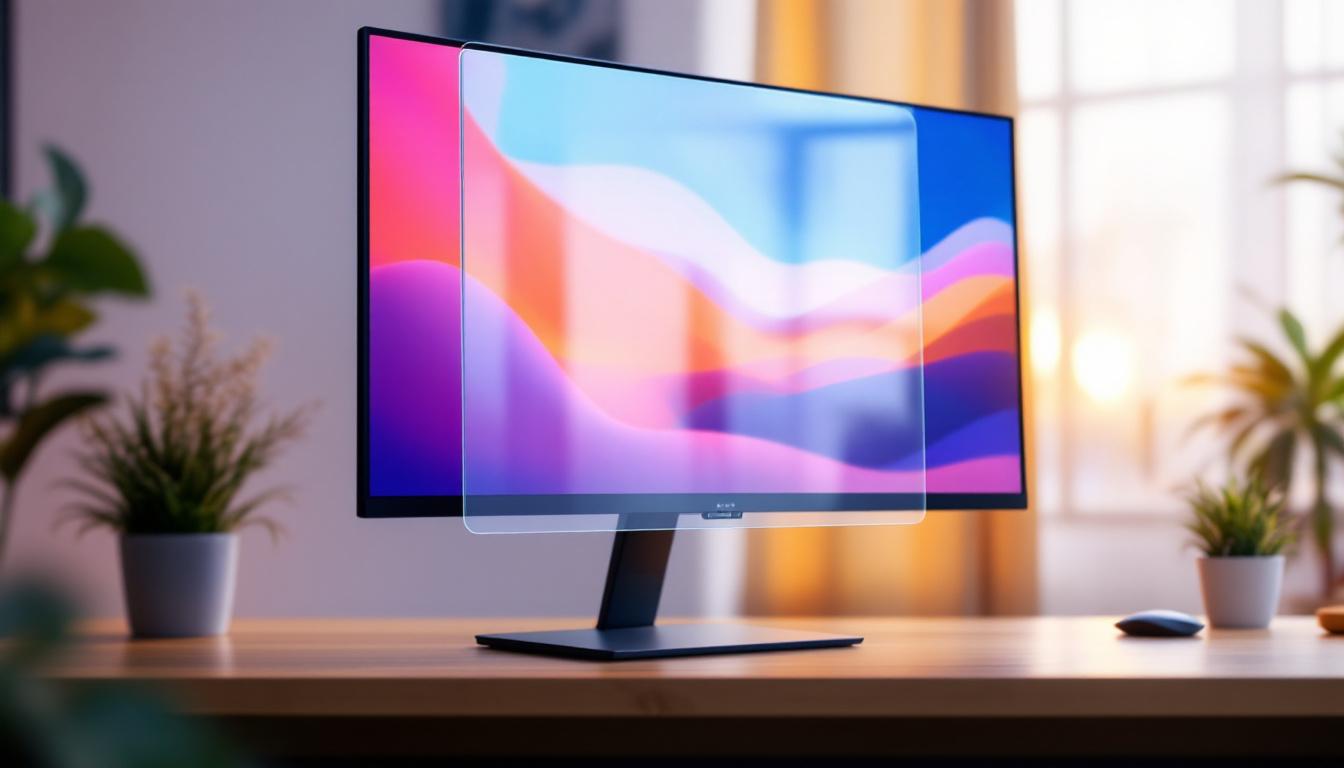
Screen protectors serve as a barrier between the user and the delicate LED screen. They are designed to absorb or deflect damage that would otherwise affect the monitor’s surface. Beyond protection, modern screen protectors offer additional benefits that enhance the user experience.
Key Advantages of Using Screen Protectors
Here are some of the main benefits that justify investing in a quality screen protector:
- Scratch Resistance: High-grade screen protectors use tempered glass or durable polymers that resist scratches from everyday use.
- Anti-Glare Properties: Many protectors feature matte finishes or anti-reflective coatings that reduce glare, making it easier to view the screen in bright environments.
- Fingerprint and Smudge Reduction: Oleophobic coatings repel oils from fingers, keeping the screen cleaner for longer periods.
- Enhanced Privacy: Some screen protectors incorporate privacy filters that narrow the viewing angle, preventing others from seeing sensitive information on the screen.
- Impact Protection: Tempered glass protectors can absorb shocks, reducing the risk of cracks or pixel damage from accidental bumps.
According to a 2023 survey by TechProtect, 68% of office workers who use screen protectors reported fewer eye strain symptoms and improved screen visibility, highlighting the practical benefits beyond mere physical protection.
In addition to these advantages, screen protectors can also contribute to the longevity of your monitor. By shielding the screen from dust, dirt, and other environmental factors, they help maintain the clarity and color accuracy of the display over time. This is particularly important for professionals who rely on precise color representation, such as graphic designers and photographers. Furthermore, the installation of a screen protector can be a straightforward process, with many products offering bubble-free application methods that make it easy for anyone to achieve a flawless finish.
Moreover, the variety of screen protectors available on the market caters to different user needs and preferences. For instance, gamers may opt for high-definition protectors that enhance visual clarity without compromising responsiveness, while business professionals might prioritize privacy filters to safeguard confidential information during meetings. This customization ensures that users can find a screen protector that not only fits their lifestyle but also enhances their overall viewing experience, making it a worthwhile investment for anyone who spends extended periods in front of a screen.
Types of Screen Protectors for LED Monitors
Screen protectors come in various materials and finishes, each offering unique advantages. Selecting the right type depends on the user’s specific needs, monitor size, and usage environment.
Tempered Glass Screen Protectors
Tempered glass protectors are among the most popular options due to their robustness and clarity. They are made by heating glass to high temperatures and then rapidly cooling it, resulting in a material that is several times stronger than regular glass.
Benefits include:
- Exceptional scratch and impact resistance
- High transparency ensuring minimal color distortion
- Easy to clean and maintain
However, tempered glass protectors tend to be thicker and may add slight weight to the monitor. They are ideal for users seeking maximum protection without compromising image quality.
Plastic Film Screen Protectors
Plastic film protectors, typically made from PET or TPU materials, are thinner and more flexible than tempered glass. They are often less expensive and easier to install but offer lower impact resistance.
Advantages include:
- Lightweight and thin, preserving the monitor’s sleek profile
- Good scratch resistance for everyday use
- Matte finishes available to reduce glare
These protectors are suitable for users who want basic protection against scratches and smudges without adding bulk.
Matte vs. Glossy Finishes
The finish of a screen protector affects both aesthetics and functionality:
- Matte Finish: Reduces glare and fingerprints, providing a more comfortable viewing experience in bright environments. However, it may slightly reduce screen sharpness and vibrancy.
- Glossy Finish: Maintains the original clarity and color richness of the LED display but can reflect ambient light, causing glare and fingerprints to be more visible.
Choosing between matte and glossy depends on the typical lighting conditions where the monitor is used and personal preference.
How to Choose the Right Screen Protector for Your LED Monitor
With numerous options available, selecting the right screen protector can be daunting. Consider the following factors to make an informed decision:
Monitor Size and Compatibility
Screen protectors are designed to fit specific monitor dimensions. It is essential to measure the screen accurately or purchase protectors tailored for your monitor model to ensure full coverage without interfering with bezels or sensors.
Usage Environment
Evaluate the lighting conditions and typical usage scenarios:
- For brightly lit offices or outdoor use, an anti-glare matte protector can reduce eye strain.
- For graphic design or video editing, a glossy protector that maintains color accuracy is preferable.
- In shared or public spaces, consider privacy filters to protect sensitive information.
Durability and Maintenance
Consider how often you clean your monitor and how durable the protector needs to be. Tempered glass is easier to clean and more durable, while plastic films may require more frequent replacement.
Installation Ease
Some protectors come with installation kits that minimize bubbles and misalignment. Reading user reviews can provide insight into the ease of application.
Installation and Maintenance Tips for Screen Protectors
Proper installation and care significantly affect the performance and lifespan of screen protectors.
Step-by-Step Installation Guide
- Clean the Screen Thoroughly: Use a microfiber cloth and alcohol-based cleaner to remove dust, fingerprints, and oils.
- Align the Protector: Without removing the adhesive backing, position the protector over the screen to ensure proper fit.
- Apply Slowly: Peel off the backing gradually while pressing the protector onto the screen from one edge to the other to avoid bubbles.
- Remove Air Bubbles: Use a soft card or squeegee to push out any trapped air.
Maintenance Best Practices
To keep your screen protector in optimal condition:
- Clean regularly with a soft, lint-free cloth and avoid harsh chemicals.
- Handle the monitor gently to prevent impact damage.
- Replace the protector if it becomes scratched or damaged to maintain clear visibility.
Conclusion: Protecting Your Investment with the Right Screen Protector
LED monitors represent a significant investment, both in terms of cost and the role they play in daily productivity and entertainment. A high-quality screen protector not only safeguards the screen from physical damage but also enhances viewing comfort by reducing glare and fingerprints. By understanding the types of protectors available and considering individual needs, users can select the best option to extend the life and performance of their LED displays.
As technology evolves, screen protectors continue to improve, offering features like blue light filtering and anti-bacterial coatings. Staying informed about these advancements ensures that users can make choices that protect their eyes and devices alike.
Ultimately, a well-chosen screen protector is a small investment that pays off with prolonged monitor durability, improved visual experience, and peace of mind.
Discover the Ultimate Screen Protection with LumenMatrix
As you consider the importance of protecting your LED monitor, why not pair it with the best in display technology? LumenMatrix, a leader in innovative LED display solutions, offers an array of products designed to elevate your visual experience. From Indoor and Outdoor LED Wall Displays to specialized options like Vehicle, Sports, and Floor LED Displays, LumenMatrix ensures your content makes a lasting impression. Embrace the future of visual communication with our Custom, All-in-One, and Transparent LED Displays. Ready to transform your space and captivate your audience? Check out LumenMatrix LED Display Solutions today and see the difference quality makes.