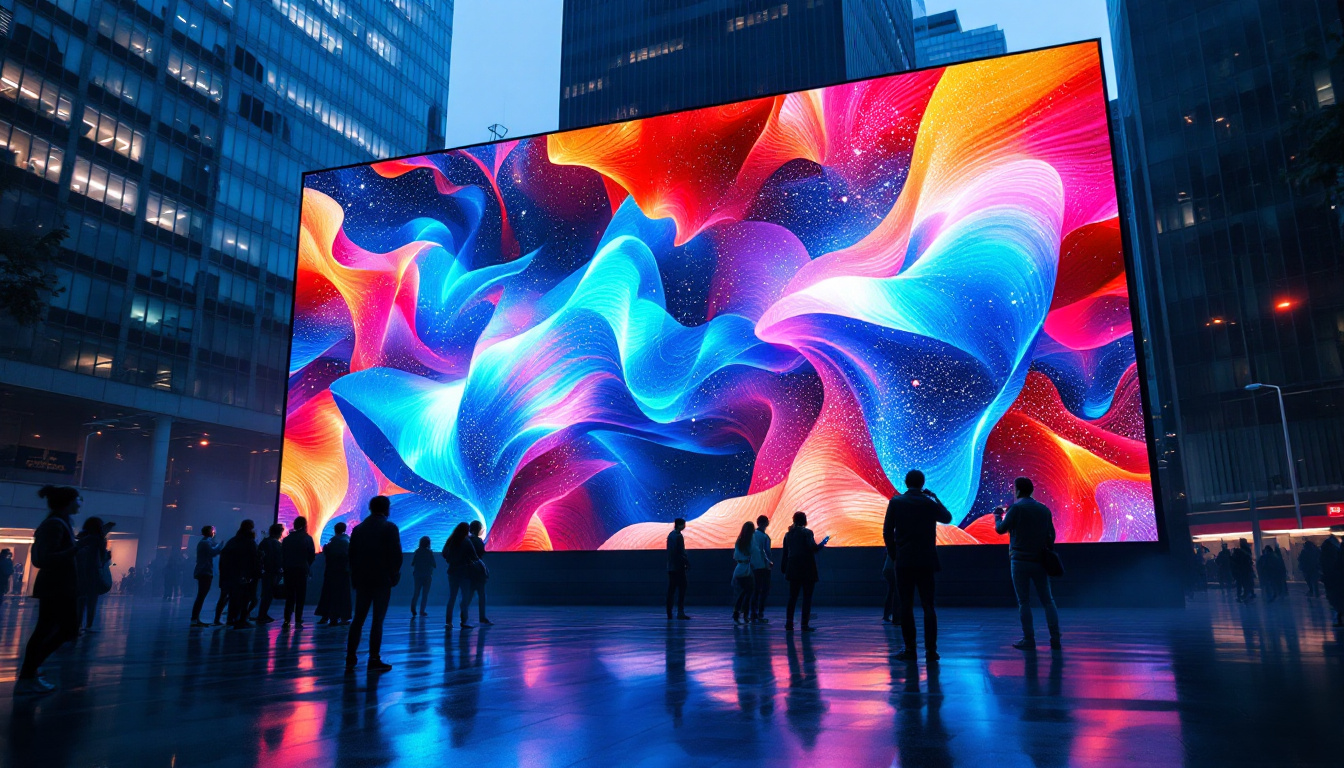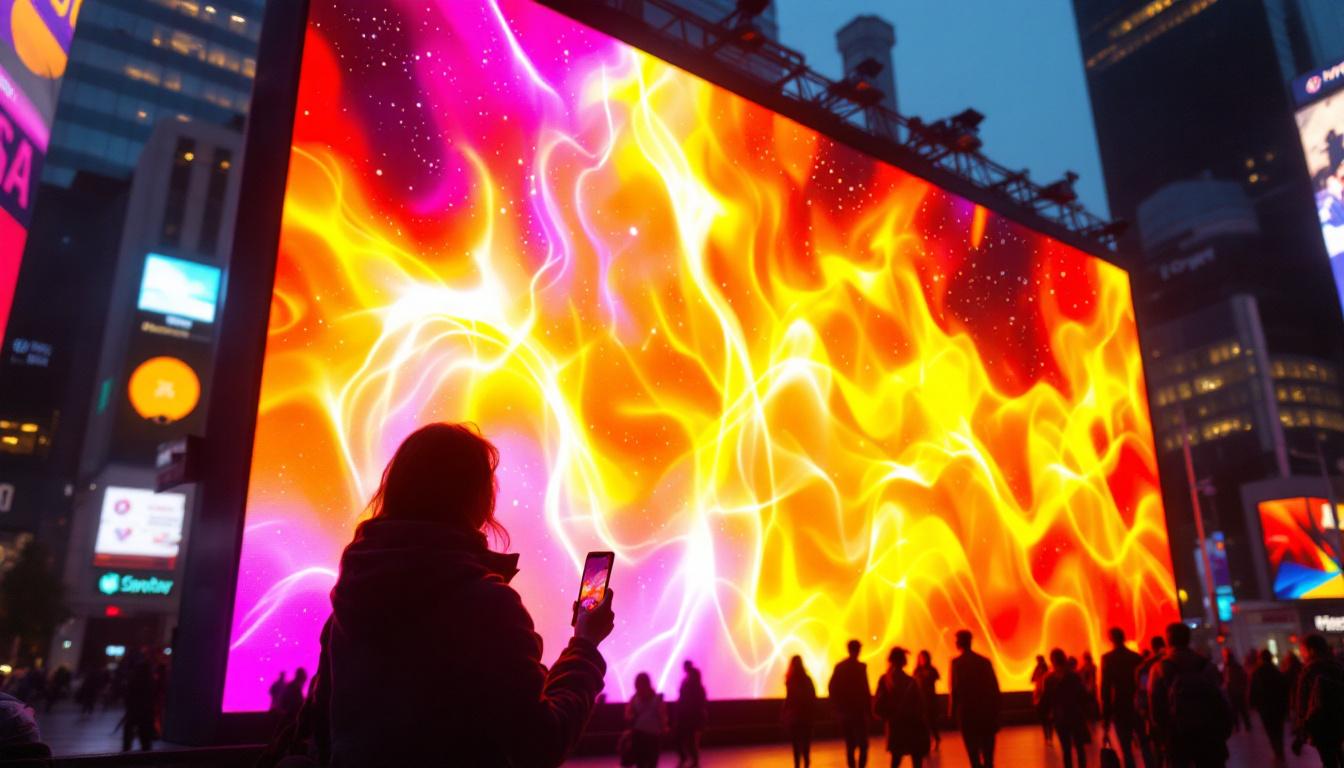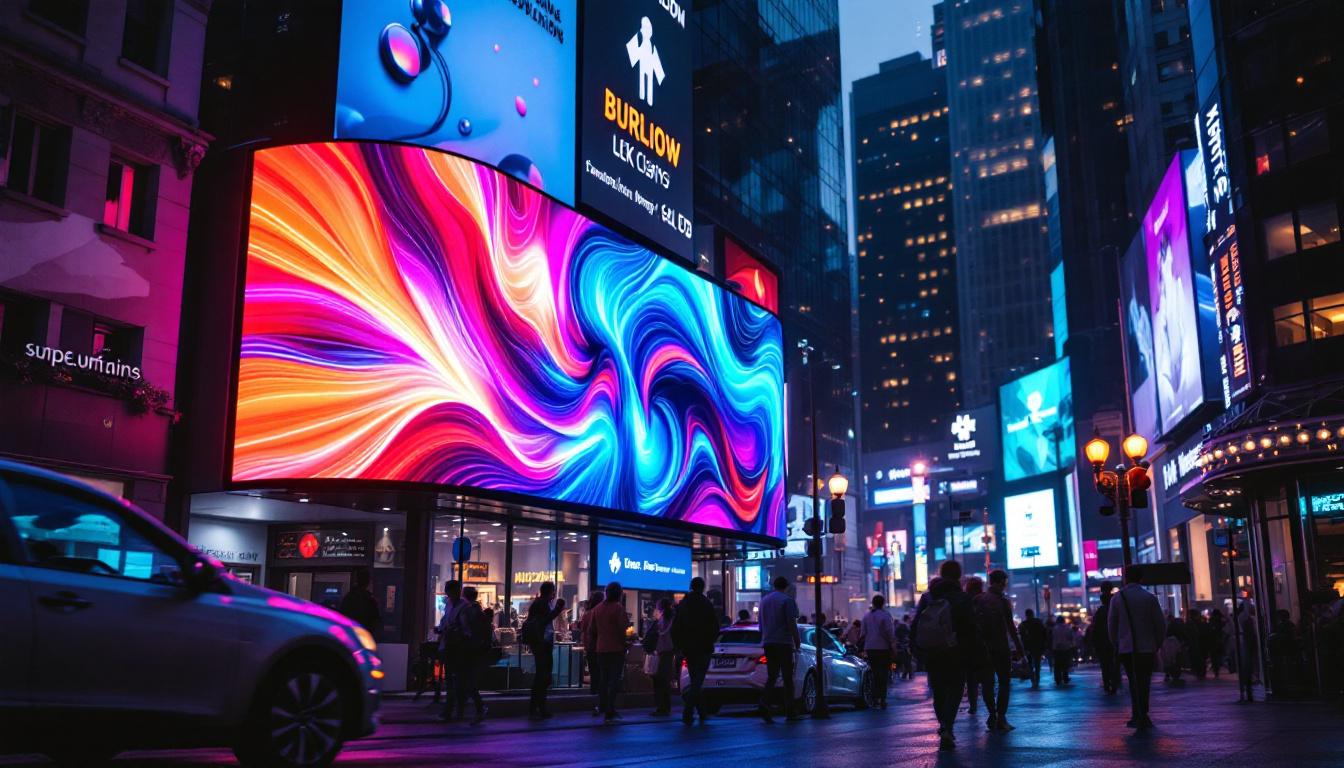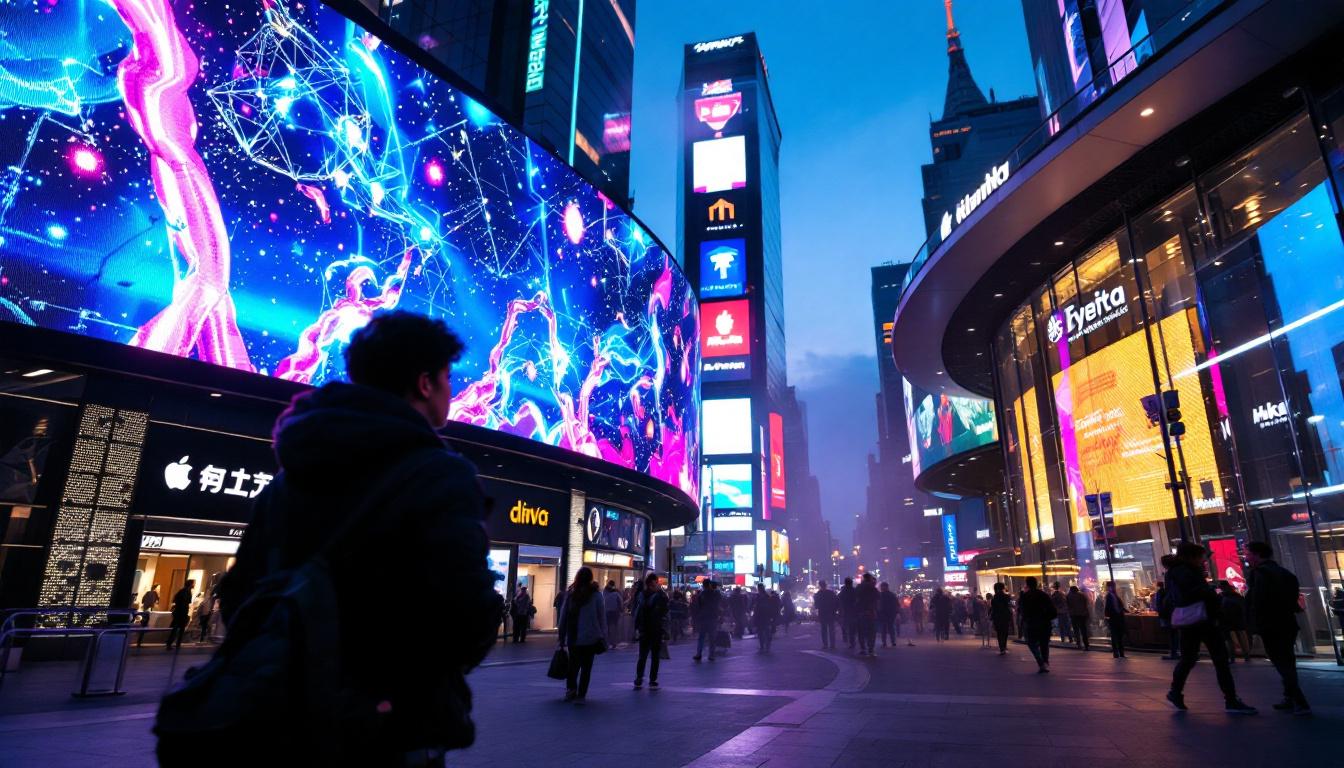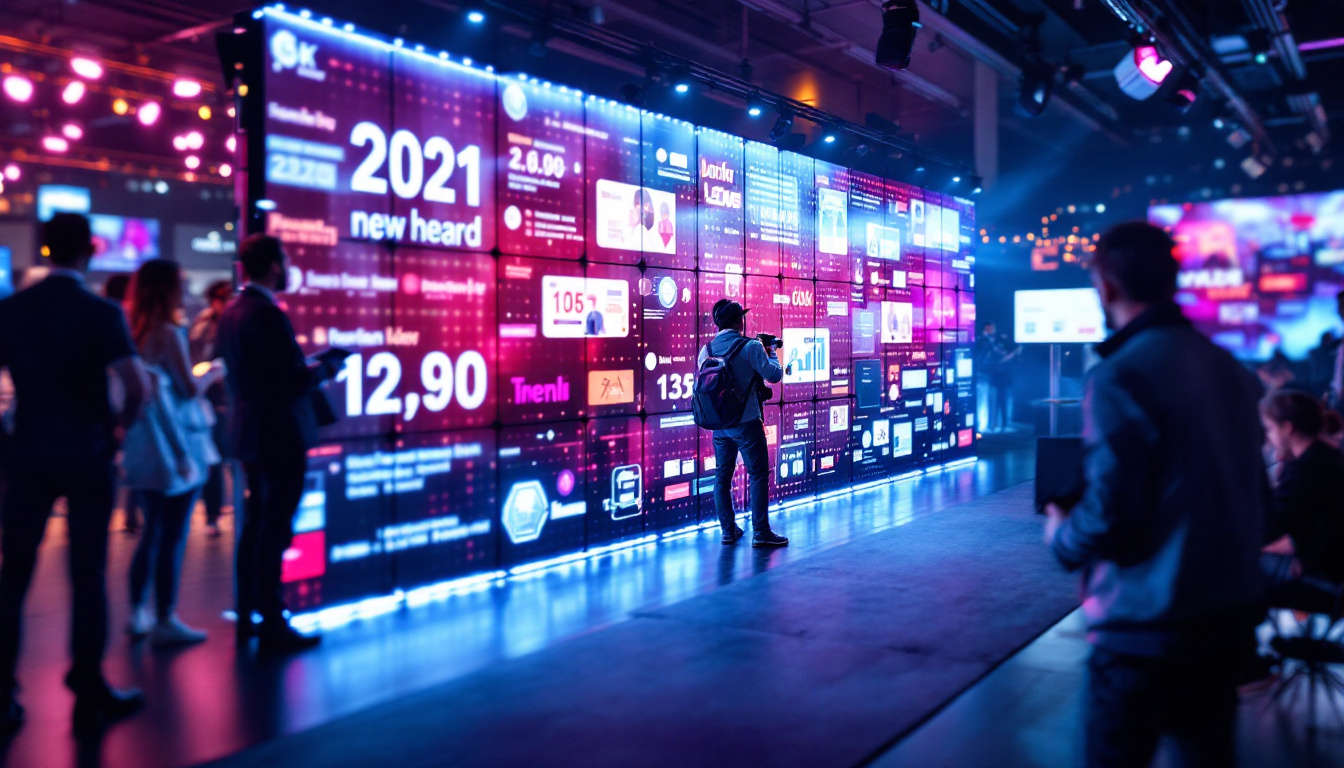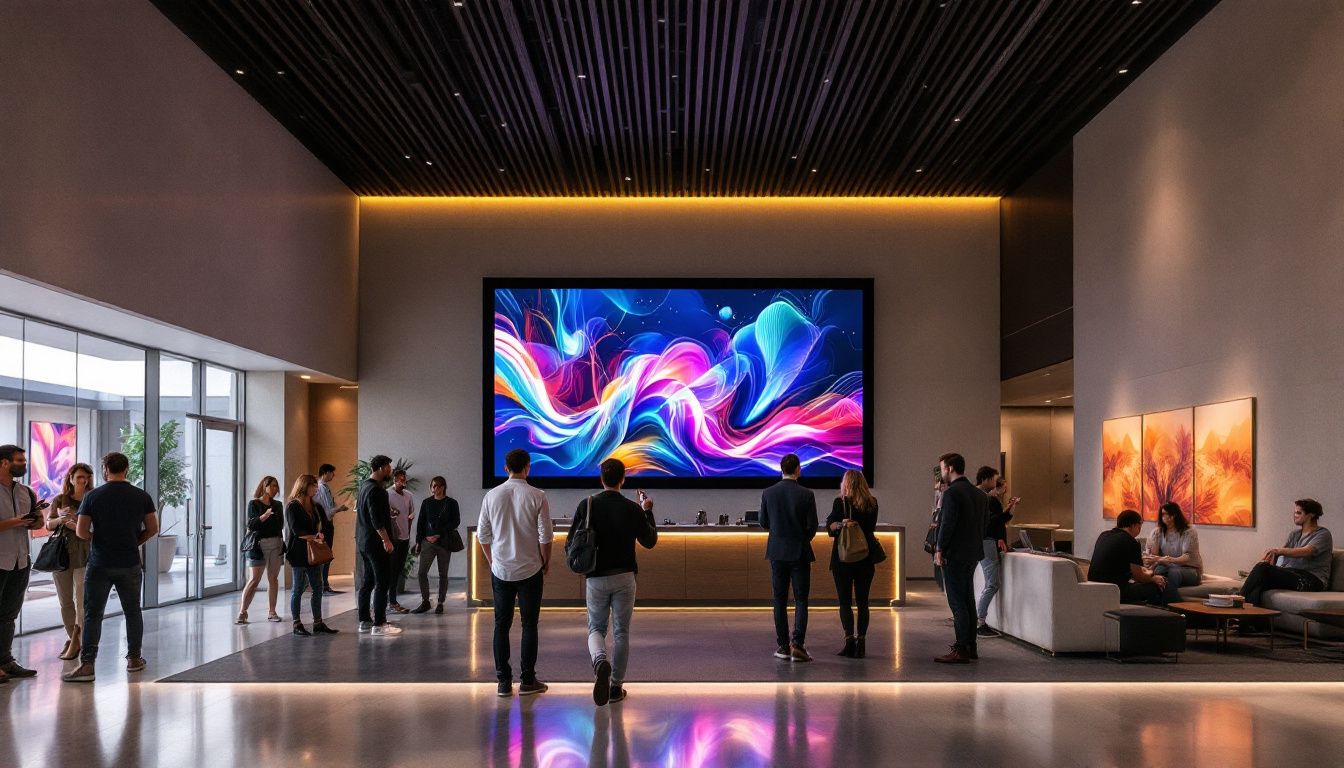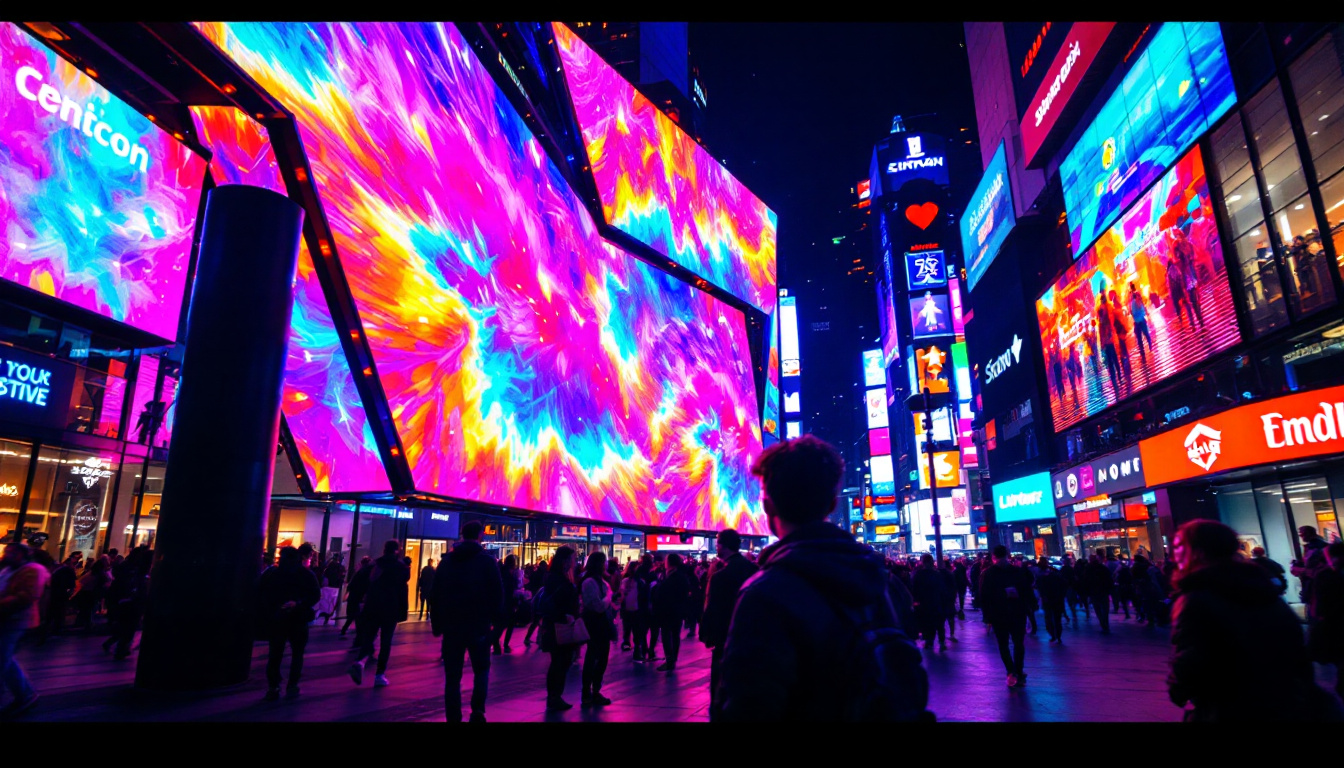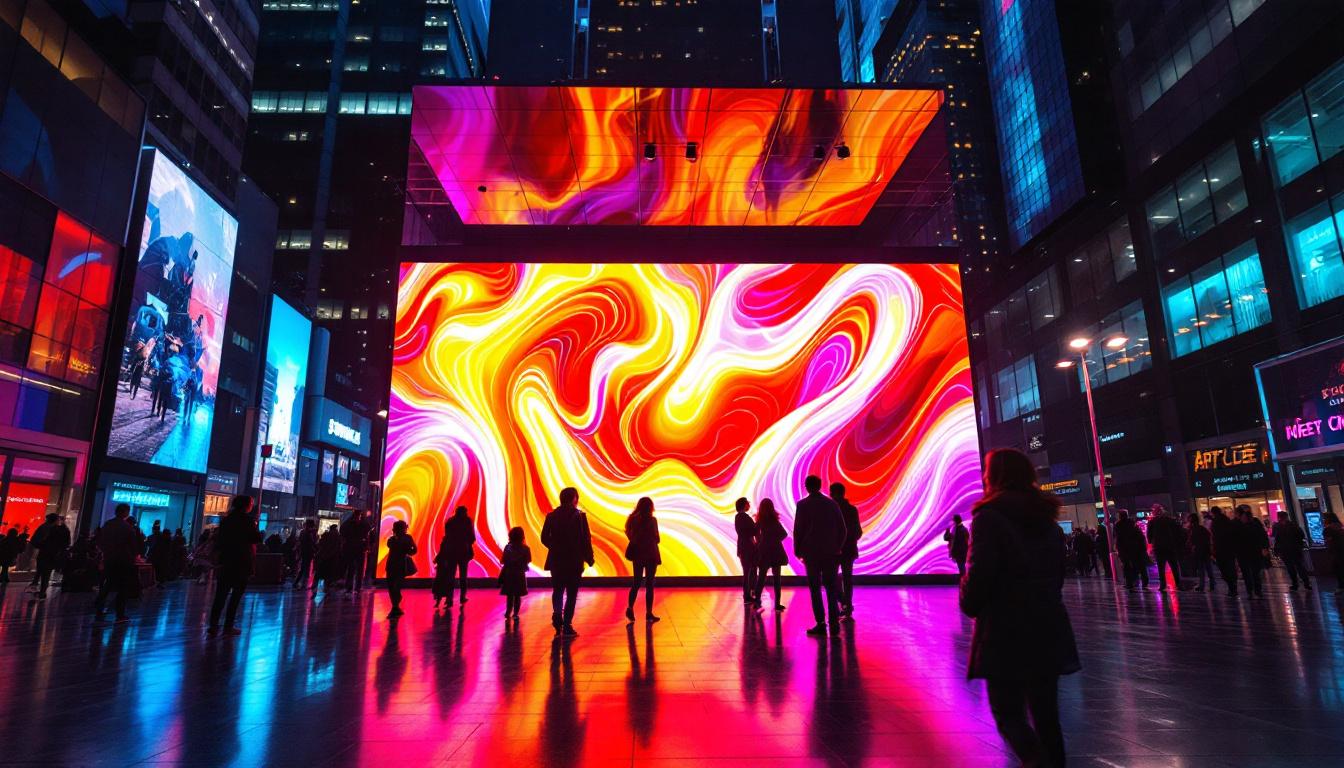
In today’s fast-paced digital world, LED displays have become an integral part of communication, advertising, and entertainment. From massive outdoor billboards to indoor event screens, LED technology offers vibrant visuals that capture attention and convey messages effectively. This article delves into the fundamentals of LED displays, exploring how they work, their types, applications, and the latest innovations shaping the industry.
Understanding LED Display Technology
What is an LED Display?
LED, or Light Emitting Diode, displays are screens made up of tiny light sources called diodes that emit light when an electric current passes through them. Unlike traditional LCD or plasma displays, LED screens produce their own light, resulting in brighter images, deeper blacks, and higher contrast ratios. This self-illumination capability makes LED displays ideal for environments with varying lighting conditions. For instance, in outdoor settings, such as billboards or stadium screens, LED displays can maintain visibility even in direct sunlight, a significant advantage over other display technologies.
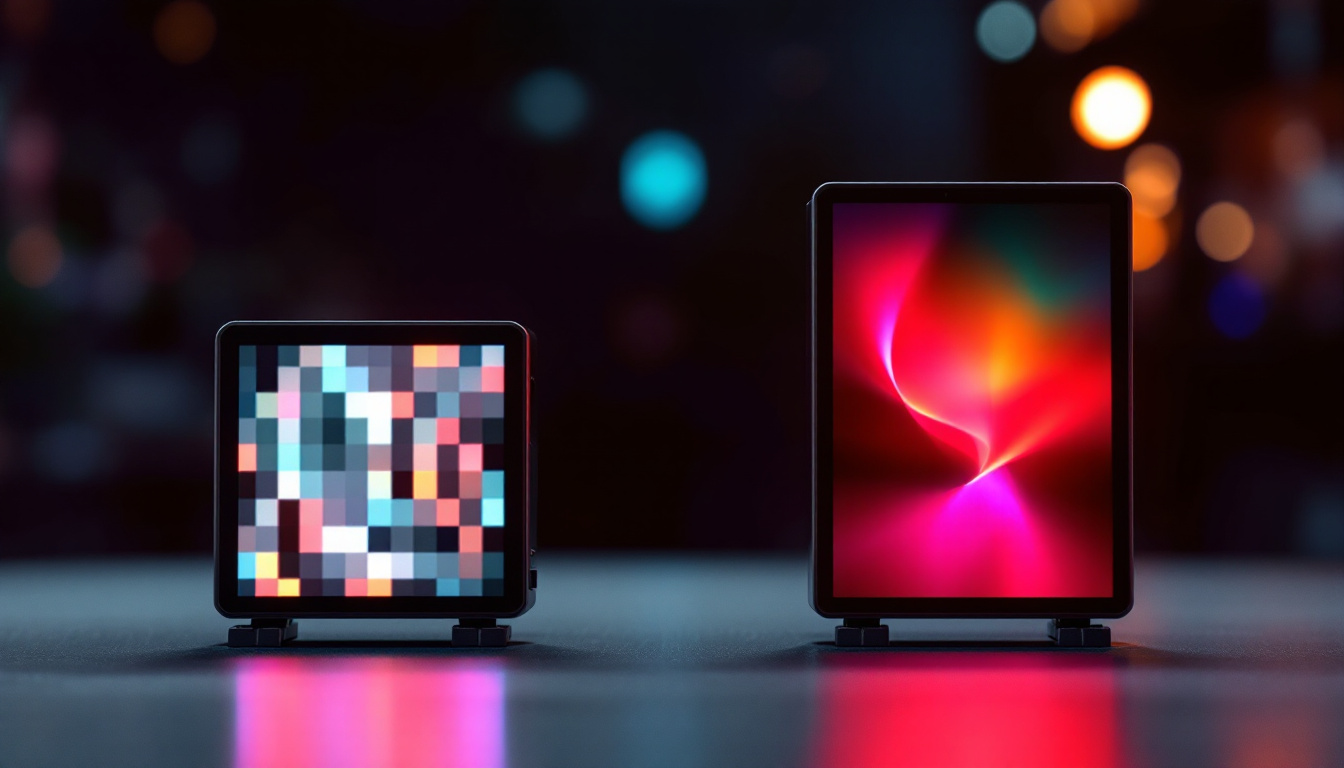
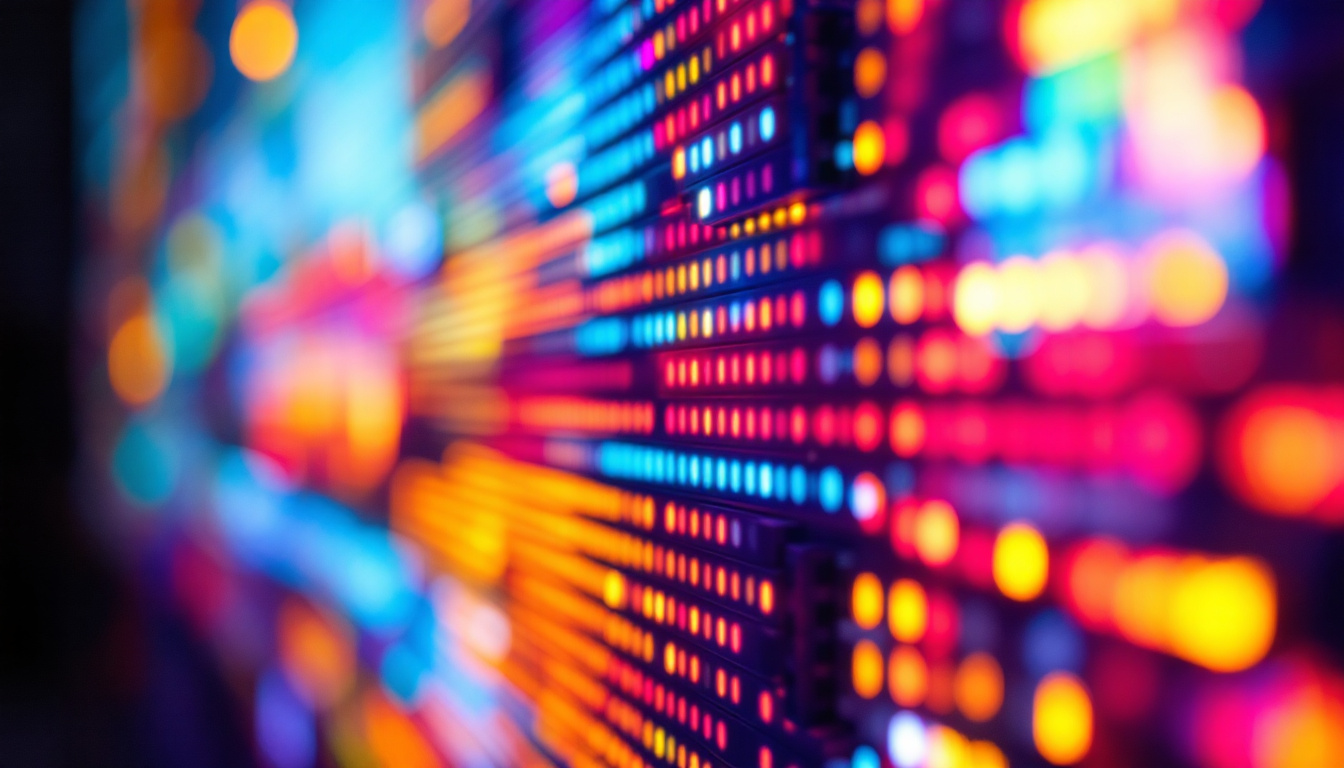
LED displays consist of an array of these diodes arranged in pixels, which together form images or videos. Each pixel typically contains red, green, and blue diodes, allowing the screen to produce a full spectrum of colors through color mixing. The precision and density of these pixels determine the display’s resolution and clarity. High-resolution LED displays, often referred to as fine-pitch displays, are becoming increasingly popular in applications like digital signage and high-end home theaters, where image quality is paramount. As technology advances, manufacturers are continually pushing the boundaries of pixel density, leading to displays that can achieve resolutions previously thought unattainable.
How Do LED Displays Work?
The core principle behind LED displays is electroluminescence, where semiconductors emit light in response to an electric current. When voltage is applied, electrons recombine with holes within the diode, releasing energy in the form of photons — the basic units of light. By controlling the intensity of each diode’s light output, the display can render complex images and videos with remarkable detail. This capability allows for vibrant colors and sharp contrasts, making LED displays a favorite choice for everything from televisions to large-scale advertising screens.
Modern LED displays use sophisticated driver circuits and control systems to manage the brightness and color of each pixel. These systems ensure uniform light distribution and enable dynamic adjustments based on ambient lighting, content type, and viewing distance. Additionally, advancements in technology have led to the development of smart LED displays that can integrate with various software platforms, allowing for real-time content updates and interactive features. This interactivity is particularly useful in retail environments, where businesses can tailor their messaging to engage customers effectively. Furthermore, the energy efficiency of LED technology not only reduces operational costs but also contributes to a smaller carbon footprint, aligning with the growing demand for sustainable practices in technology.
Types of LED Displays
Indoor LED Displays
Indoor LED displays are designed for close-range viewing, such as in retail stores, conference rooms, or entertainment venues. They typically have a smaller pixel pitch — the distance between individual pixels — ranging from 0.9mm to 4mm. This tight pixel spacing allows for high-resolution images that appear crisp even at short distances.
These displays are optimized for controlled lighting environments, offering high brightness levels without overwhelming viewers. Their modular design makes them easy to customize in size and shape, catering to diverse applications like digital signage, video walls, and interactive kiosks.
Outdoor LED Displays
Outdoor LED displays are engineered to withstand harsh weather conditions, including rain, dust, and extreme temperatures. They feature robust enclosures with high ingress protection (IP) ratings, typically IP65 or higher, ensuring durability and reliability.
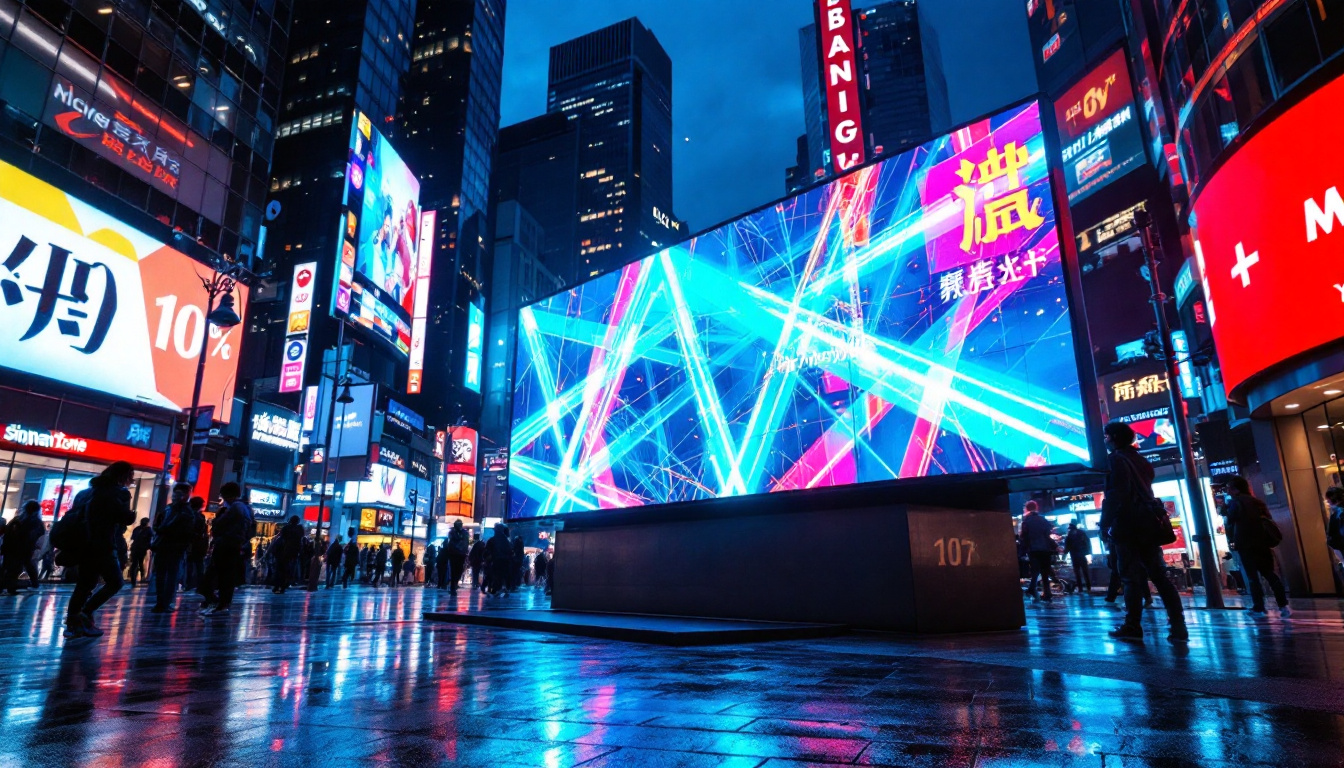
Due to the longer viewing distances outdoors, these displays have larger pixel pitches, often ranging from 4mm to 20mm or more. They also boast higher brightness levels — sometimes exceeding 5,000 nits — to remain visible under direct sunlight. Common uses include billboards, stadium screens, and transportation signage.
Transparent and Flexible LED Displays
Innovations in LED technology have led to the development of transparent and flexible LED displays. Transparent LED screens allow light to pass through, making them perfect for glass storefronts or architectural installations where visibility from both sides is desired. These displays maintain image quality while preserving natural light and visibility.
Flexible LED displays use bendable substrates, enabling installation on curved surfaces or irregular shapes. This versatility opens new creative possibilities for designers and advertisers, allowing LED technology to integrate seamlessly into diverse environments.
Applications of LED Displays
Advertising and Marketing
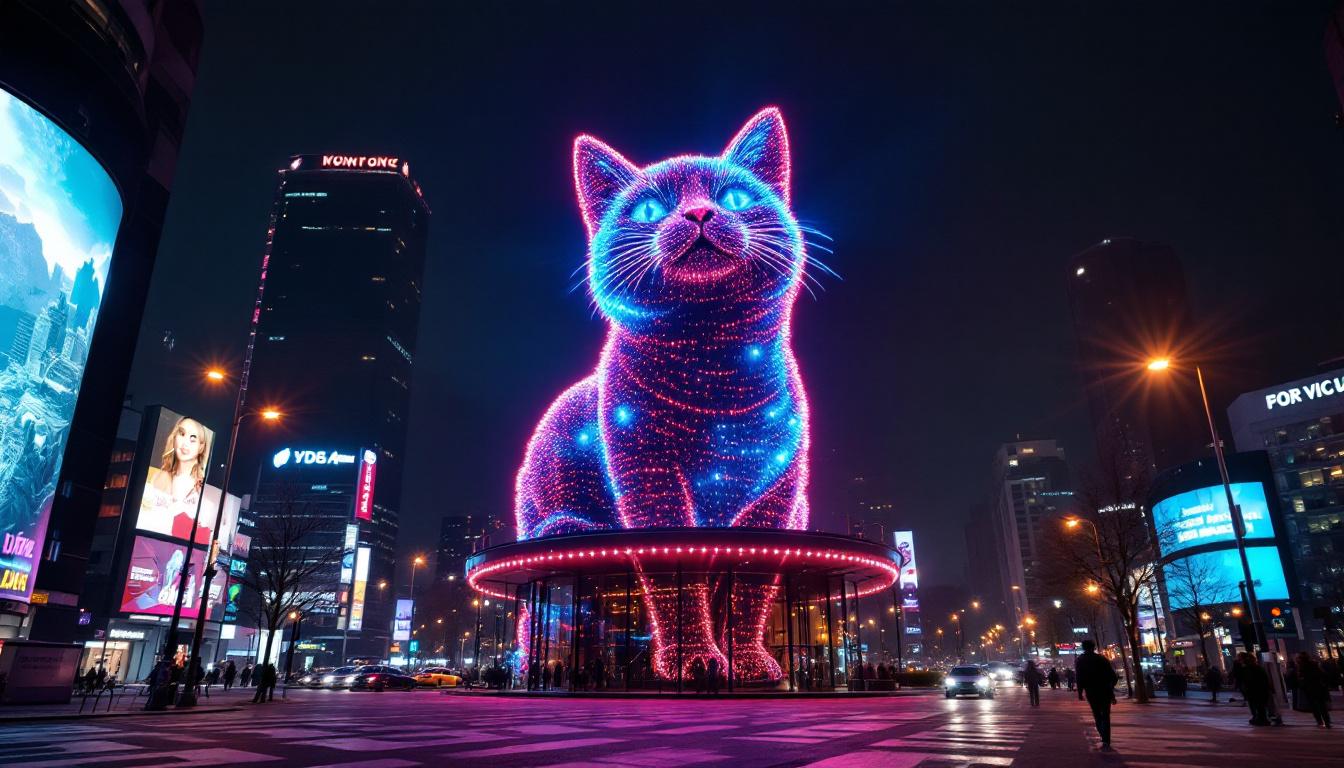
LED displays have revolutionized advertising by providing dynamic, eye-catching visuals that outperform static billboards. Their ability to display videos, animations, and real-time content makes them invaluable for brand promotion and customer engagement. According to a 2023 report by Grand View Research, the global digital signage market, heavily driven by LED technology, is projected to reach $32 billion by 2028, highlighting the growing demand.
Retailers use indoor LED displays to showcase promotions and product information, while outdoor LED billboards target passing traffic with high-impact messaging. The flexibility to update content remotely and instantly is a significant advantage over traditional media.
Events and Entertainment
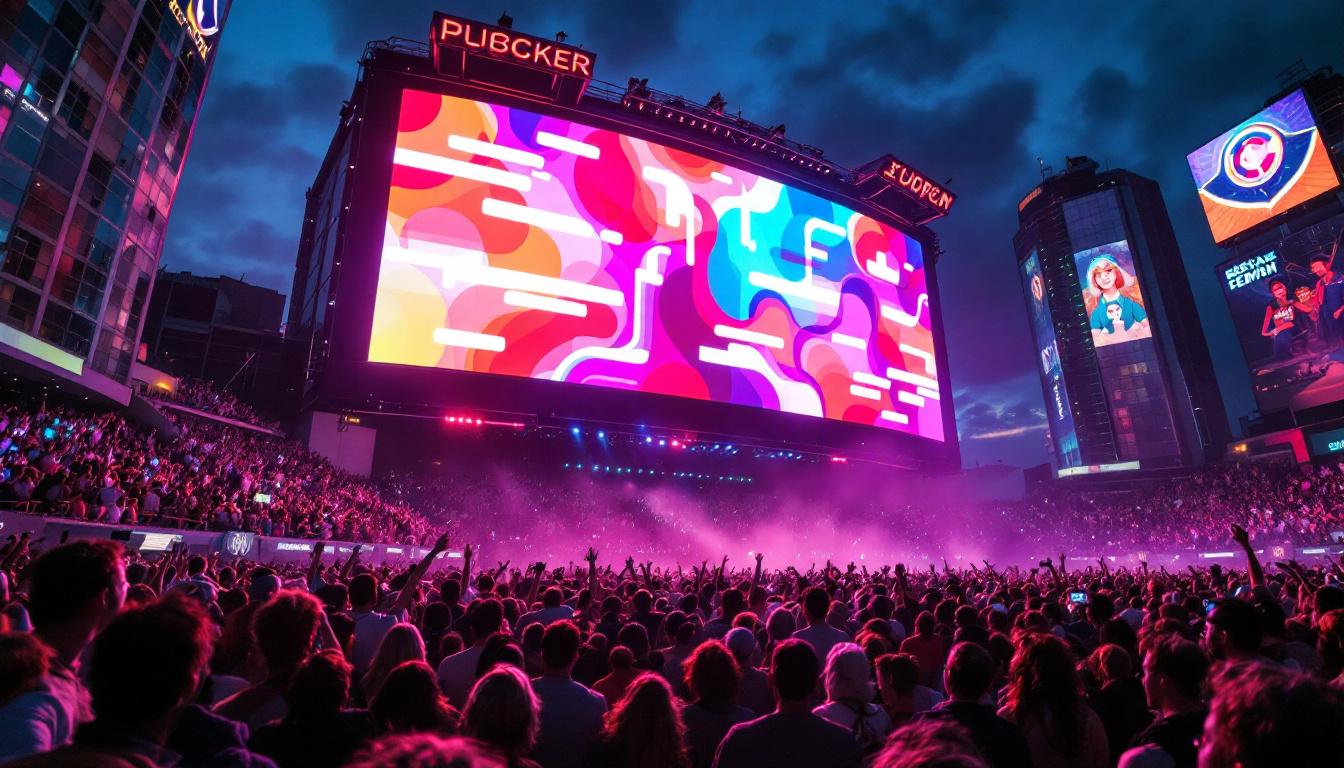
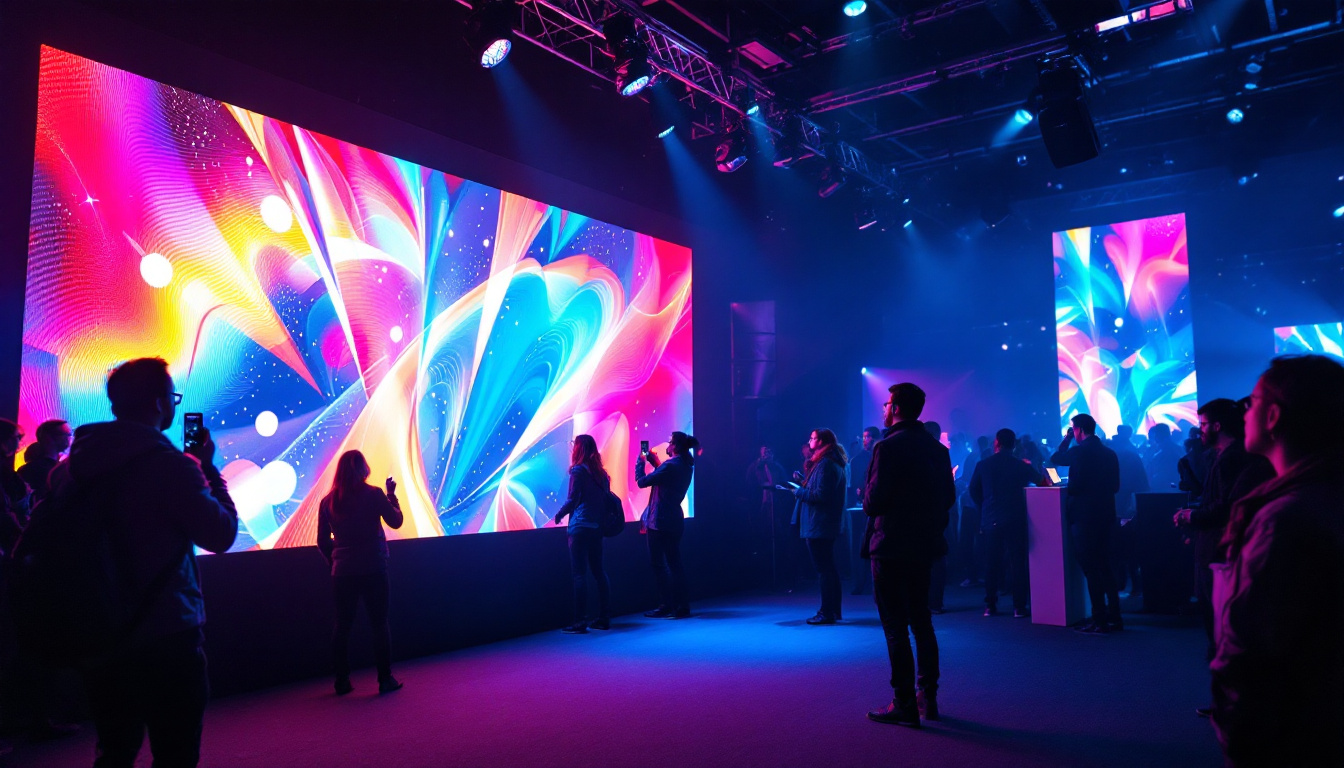
Concerts, sports arenas, and conferences rely on LED displays to enhance the audience experience. Large-scale LED video walls provide immersive visuals that can be seen clearly from any seat. Their scalability allows event organizers to tailor screen sizes to venue dimensions and event requirements.
Moreover, LED displays support interactive features, such as real-time social media feeds and audience participation, creating engaging and memorable experiences. The durability and portability of modern LED panels facilitate quick setup and teardown, essential for touring events.
Corporate and Educational Use
In corporate environments, LED displays serve as powerful tools for presentations, video conferencing, and digital communication. Their high resolution and brightness ensure clear visibility in boardrooms and auditoriums. Educational institutions also benefit from LED technology by enhancing lectures and digital signage across campuses.
Interactive LED walls enable collaborative learning and dynamic content delivery, fostering engagement among students and staff. The ability to integrate with various multimedia sources makes LED displays versatile assets in modern educational settings.
Key Advantages of LED Displays
Superior Image Quality
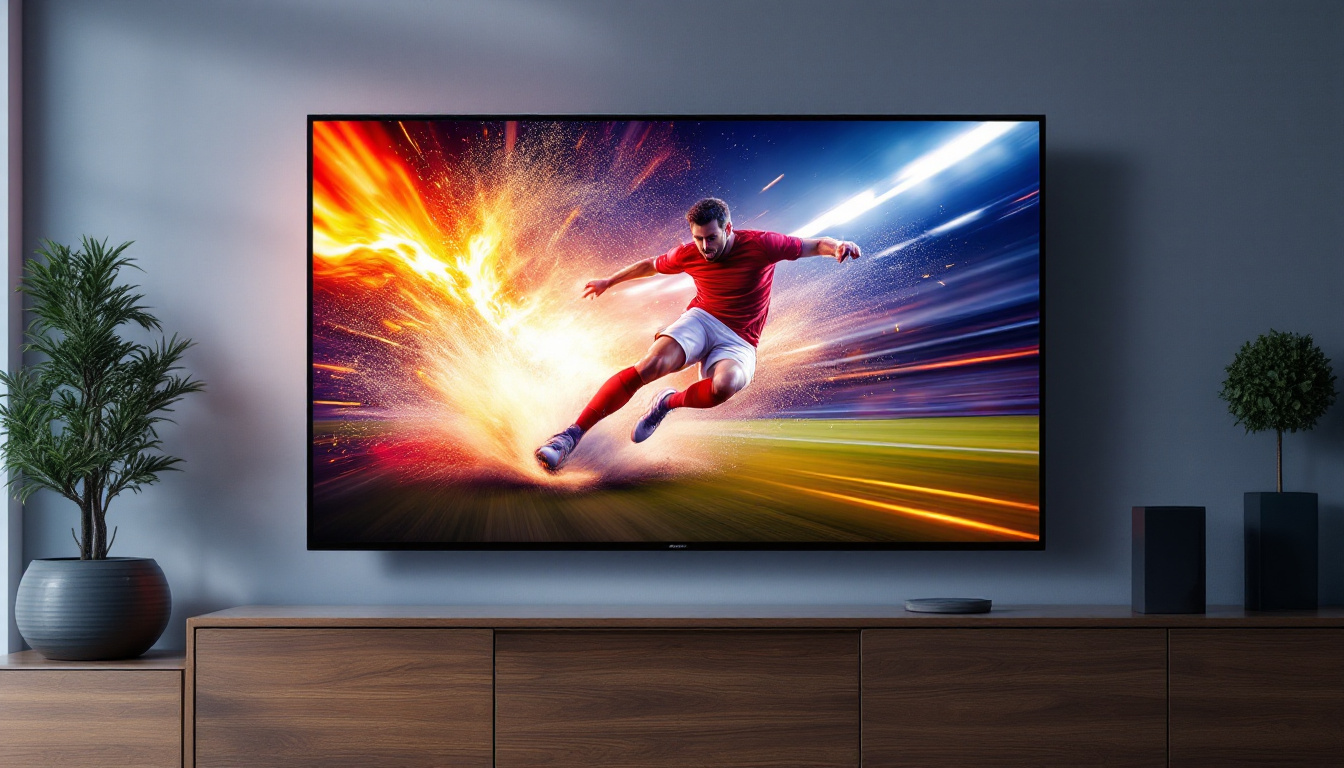
One of the primary benefits of LED displays is their exceptional image quality. High brightness levels, vibrant colors, and excellent contrast ratios contribute to visually stunning content that captures attention. Unlike LCDs, LED displays offer true blacks by turning off individual diodes, enhancing depth and realism.
Additionally, LED technology supports wide viewing angles, ensuring consistent image quality regardless of the viewer’s position. This characteristic is crucial for public spaces where audiences are dispersed.
Energy Efficiency and Longevity
LED displays are known for their energy efficiency compared to traditional lighting and display technologies. They consume less power while delivering higher brightness, reducing operational costs and environmental impact. Advances in LED chip design and power management have further improved efficiency in recent years.
Moreover, LED displays boast long lifespans, often exceeding 100,000 hours of operation. This durability minimizes maintenance and replacement expenses, making them cost-effective investments over time.
Flexibility and Customization
The modular nature of LED panels allows for extensive customization in size, shape, and resolution. Whether creating a seamless video wall spanning hundreds of square feet or a small interactive kiosk, LED technology can be tailored to specific needs.
Furthermore, LED displays can be integrated with sensors, cameras, and control systems to enable interactive and adaptive content. This flexibility supports innovative applications across industries.
Emerging Trends and Innovations in LED Displays
MicroLED Technology
MicroLED is an emerging display technology that uses microscopic LEDs to create individual pixels. This approach promises even higher brightness, better color accuracy, and improved energy efficiency compared to conventional LED displays. MicroLED screens offer superior contrast and faster response times, making them ideal for next-generation televisions, smartphones, and large-format displays.
While still in the early stages of commercialization, MicroLED is expected to disrupt the display market within the next five years, offering new possibilities for both consumers and businesses.
AI-Driven Content and Display Management
Artificial intelligence is increasingly being integrated into LED display systems to optimize content delivery and screen performance. AI algorithms analyze viewer demographics, environmental conditions, and engagement metrics to tailor content in real-time. This personalization enhances the effectiveness of advertising campaigns and improves user experience.
Additionally, AI-powered diagnostics and predictive maintenance help reduce downtime by identifying potential issues before they impact operation.
Sustainability and Eco-Friendly Design
As environmental concerns grow, manufacturers are focusing on sustainable materials and energy-saving features in LED display production. Innovations include recyclable components, reduced hazardous substances, and improved thermal management to lower energy consumption.
These efforts align with corporate social responsibility goals and regulatory requirements, making eco-friendly LED displays an attractive choice for environmentally conscious organizations.
Choosing the Right LED Display for Your Needs
Factors to Consider
Selecting the appropriate LED display depends on several factors, including the intended application, viewing distance, ambient lighting, and budget. For example, a retail store may prioritize high resolution and color accuracy with a small pixel pitch, while an outdoor billboard requires maximum brightness and weather resistance.
Other considerations include installation logistics, maintenance accessibility, and integration with existing systems. Consulting with experienced display solution providers can help identify the best configuration to meet specific goals.
Working with Screen Solutions Int
Screen Solutions Int specializes in delivering customized LED display solutions tailored to diverse industries. With expertise spanning from design and installation to ongoing support, the company ensures clients maximize the value of their LED investments.
By leveraging the latest technologies and industry best practices, Screen Solutions Int helps businesses create impactful visual experiences that engage audiences and drive results.
Conclusion
LED displays have transformed the way information and entertainment are presented across multiple sectors. Their superior image quality, energy efficiency, and versatility make them indispensable tools for modern communication. As technology continues to advance with innovations like MicroLED and AI integration, the potential for LED displays will only expand.
Understanding the fundamentals of LED technology and its applications enables organizations to make informed decisions and harness the full power of this dynamic medium. Whether for advertising, events, corporate use, or education, partnering with knowledgeable providers like Screen Solutions Int ensures successful implementation and ongoing satisfaction.
Discover LumenMatrix’s Innovative LED Display Solutions
Ready to elevate your visual communication with cutting-edge LED technology? Look no further than LumenMatrix, a pioneer in the industry, offering a comprehensive range of LED display modules designed to bring your brand to life. From vibrant Indoor and Outdoor LED Wall Displays to dynamic Vehicle and Sports Displays, LumenMatrix has the perfect solution to captivate your audience. Embrace the future of digital signage with our All-in-One LED Displays, LED Posters, and revolutionary Transparent Displays. Experience the power of LumenMatrix and transform your space with unparalleled clarity and impact. Check out LumenMatrix LED Display Solutions today and start your journey towards unforgettable visual storytelling.