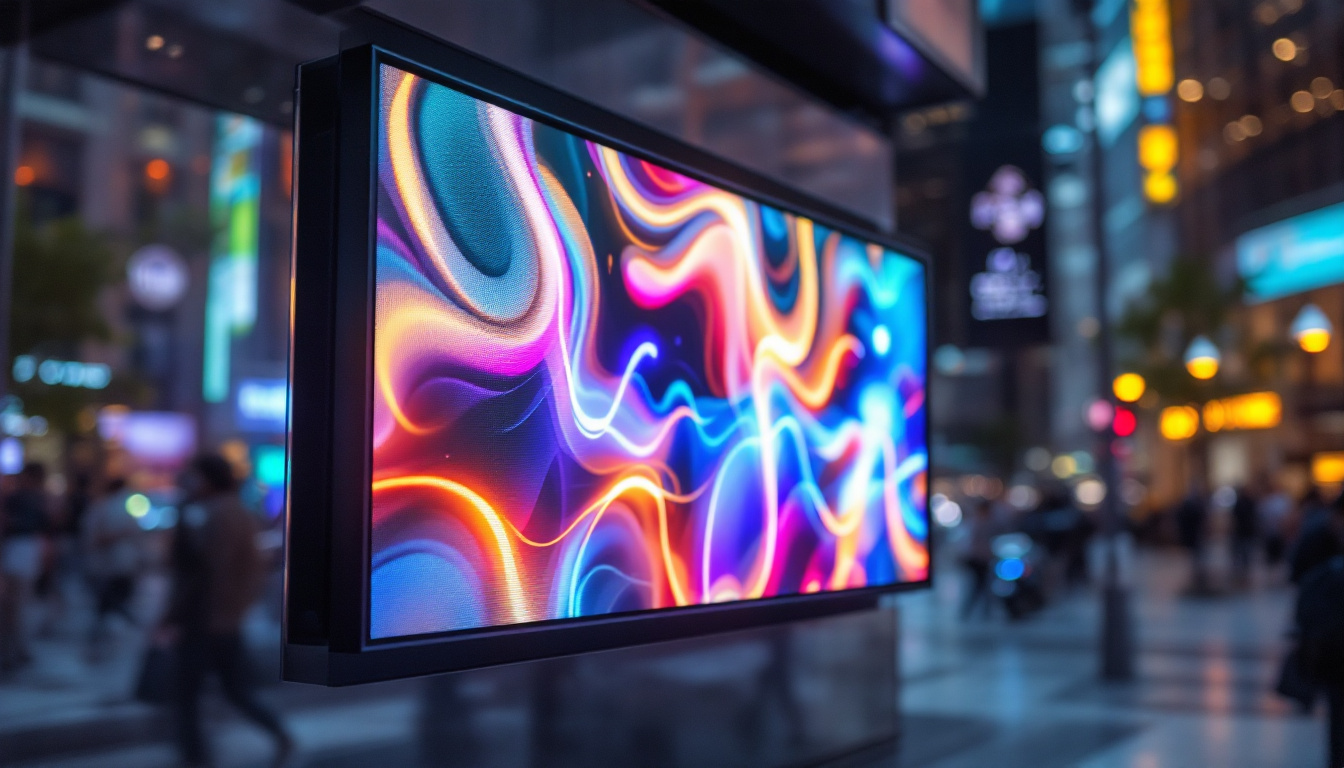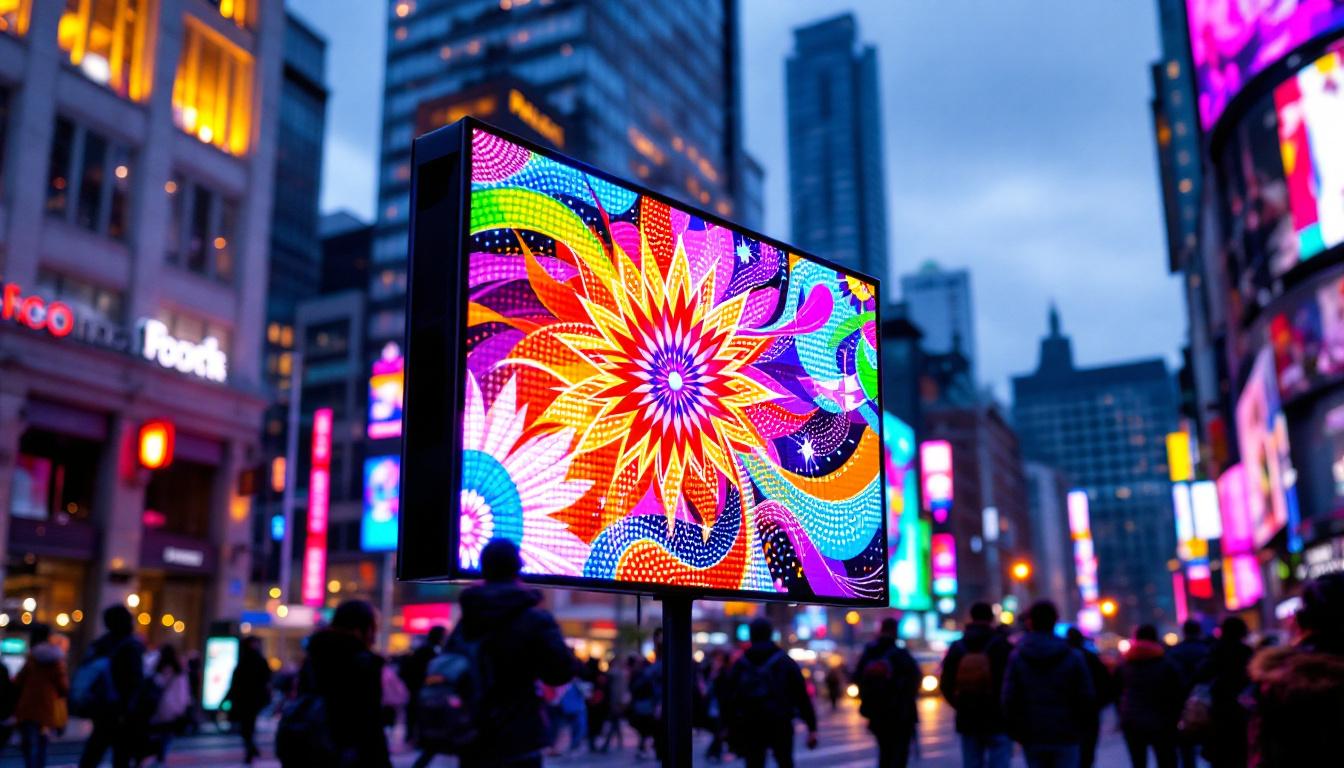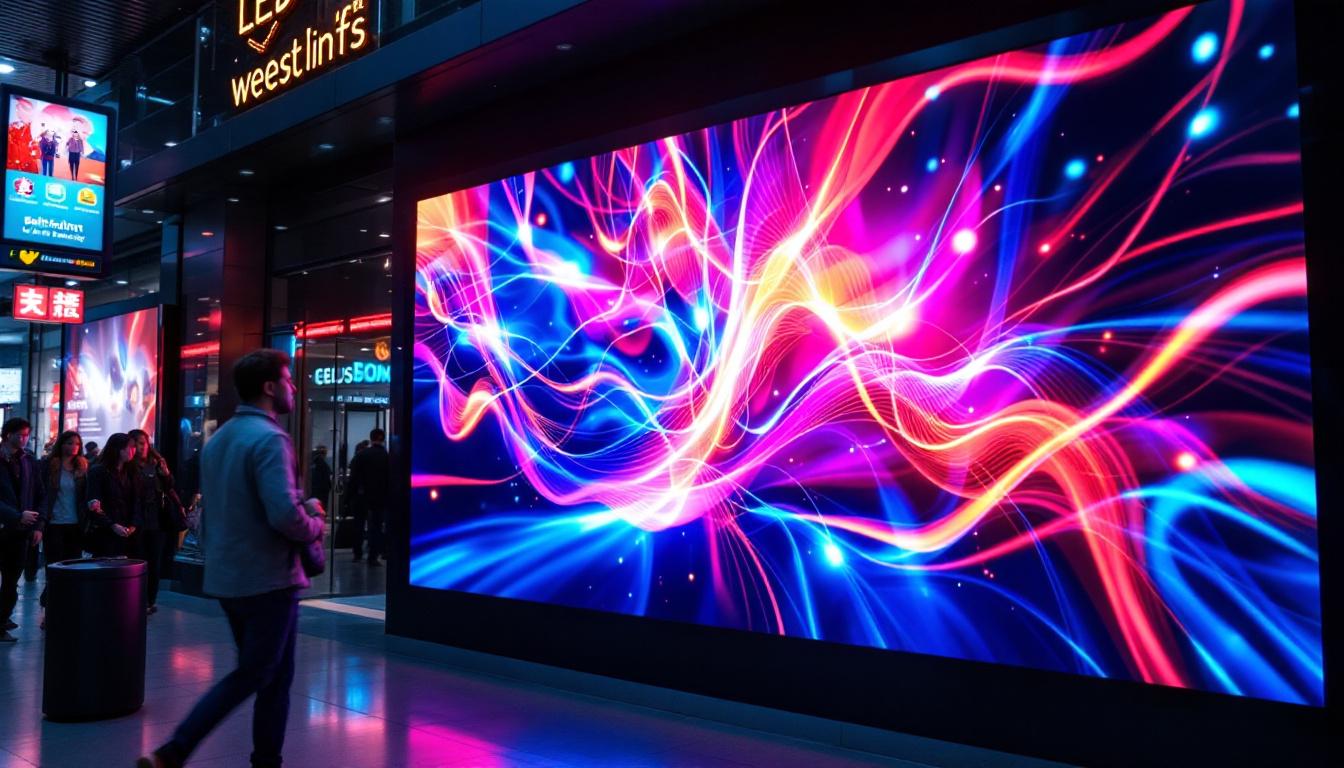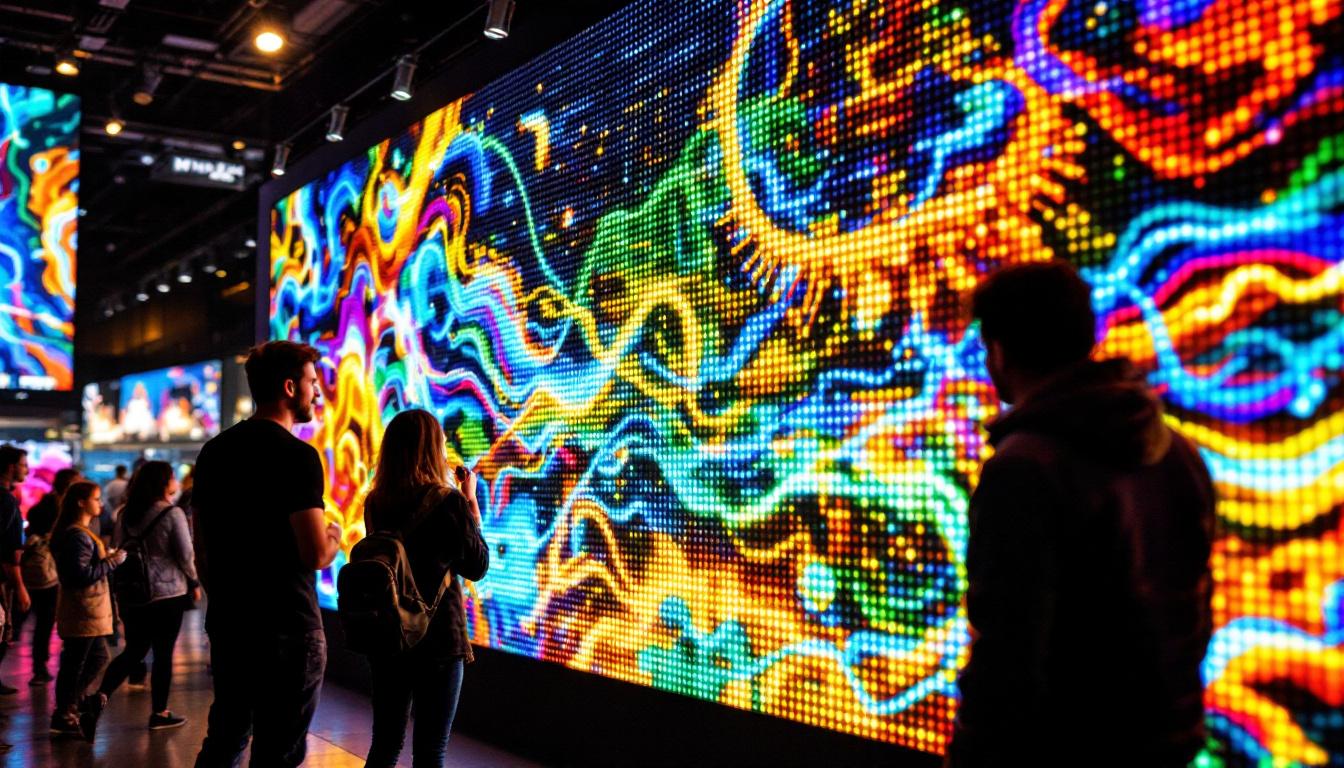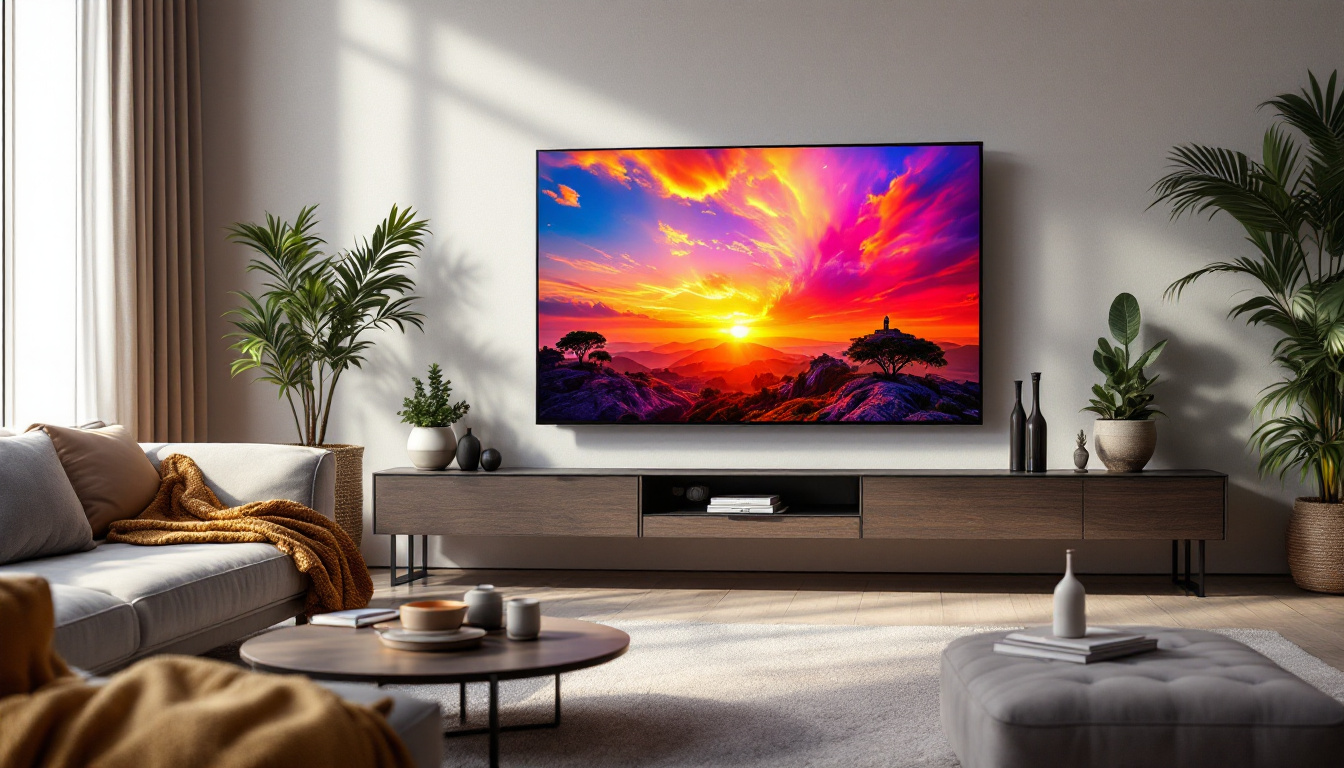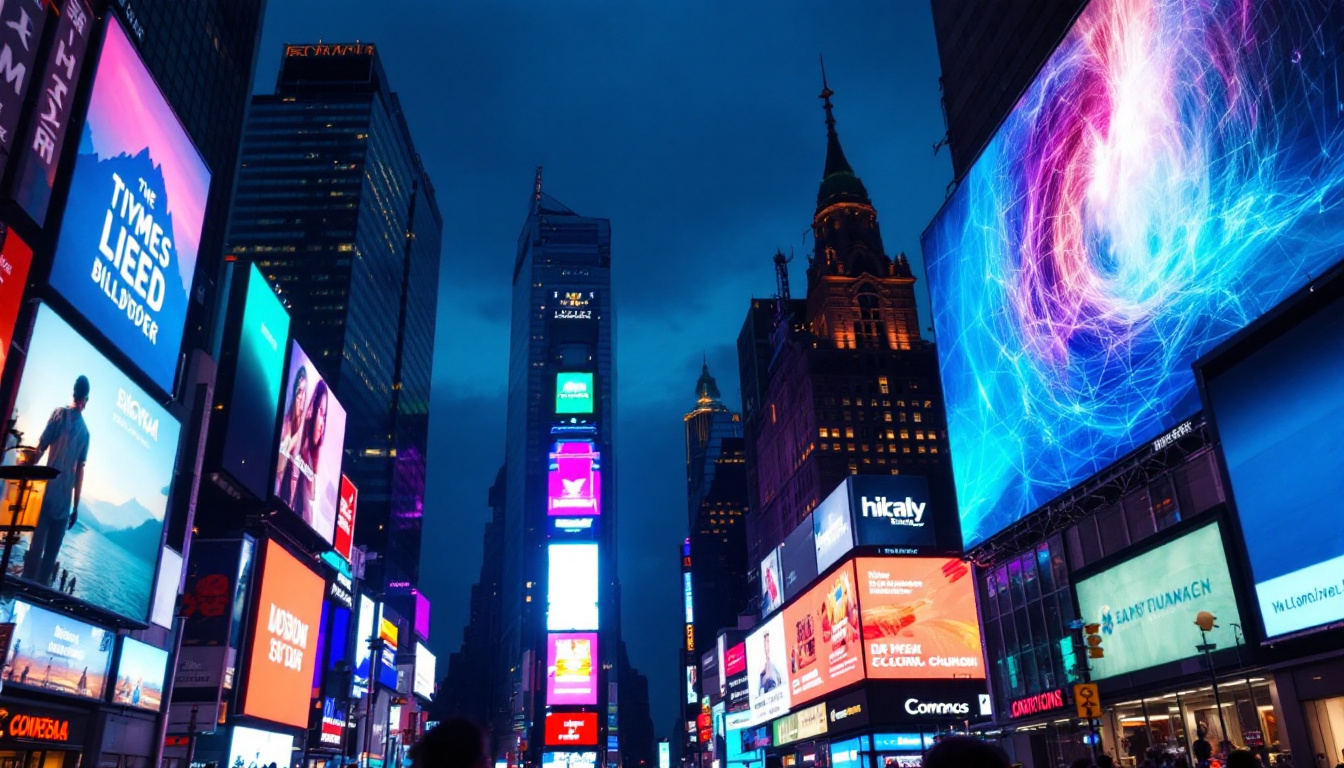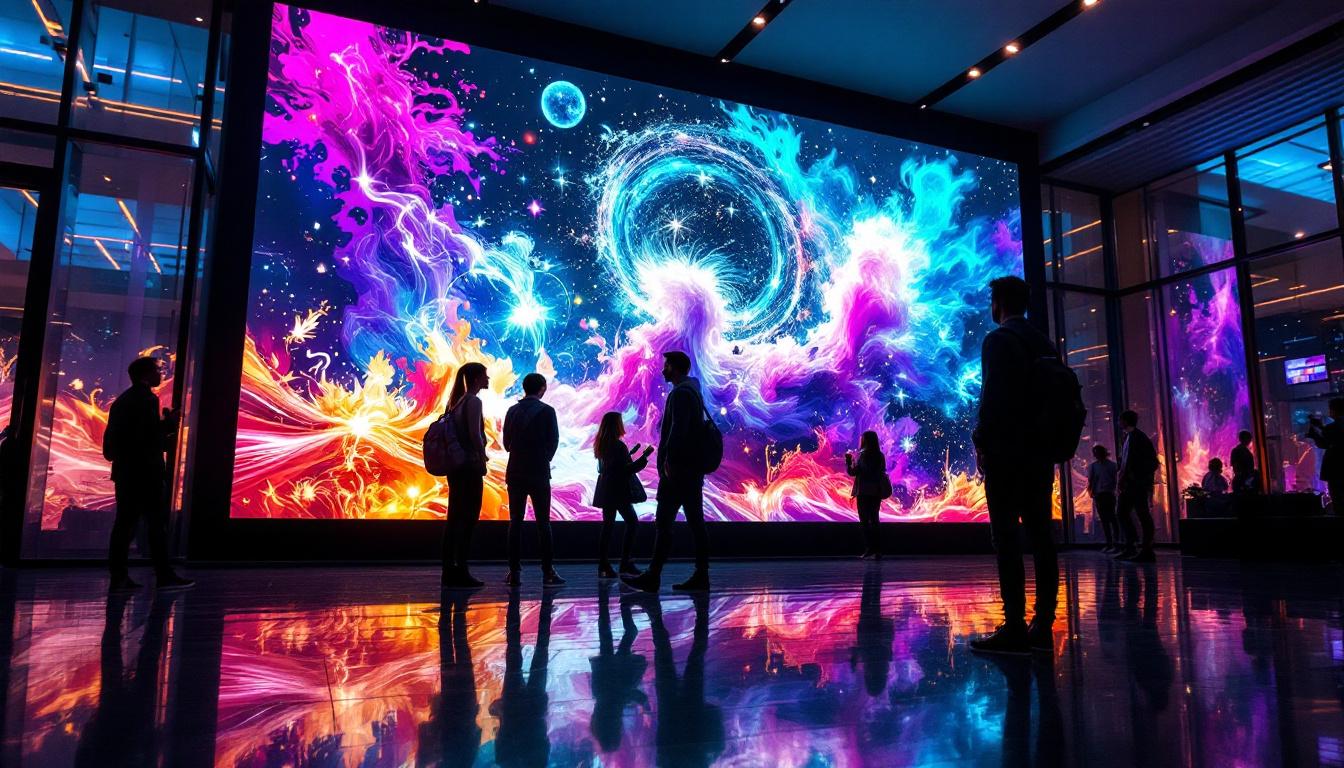
In today’s digital age, LED displays have become an integral part of how information is communicated visually, from smartphones and televisions to massive outdoor billboards. Understanding the technology behind LED displays is essential not only for consumers but also for professionals working in advertising, event management, retail, and digital signage. This comprehensive guide will explain what LED displays are, how they work, their types, applications, and key considerations when choosing or using them.
What Is an LED Display?
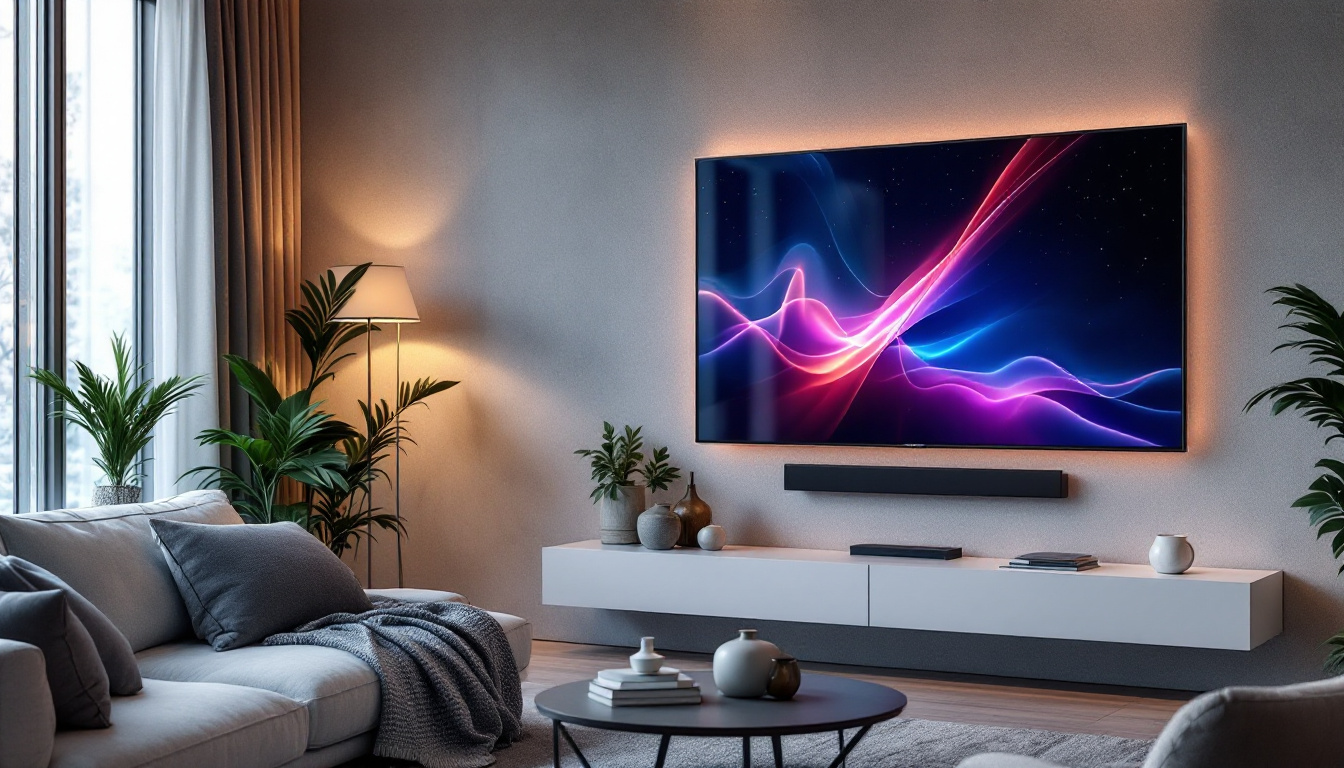
LED stands for Light Emitting Diode, a semiconductor device that emits light when an electric current passes through it. An LED display is a flat panel display that uses arrays of these tiny LEDs to produce images, videos, and text. Unlike traditional LCD screens that rely on backlighting, LED displays generate their own light, which offers several advantages including higher brightness, better contrast, and energy efficiency.
LED displays are widely used because of their versatility and durability. They can be found in various sizes, from small wearable devices to enormous outdoor screens that can be seen from miles away. The technology behind LED displays has evolved significantly over the past decade, improving color accuracy, resolution, and power consumption.
One of the key innovations in LED display technology is the development of organic light-emitting diodes (OLEDs), which utilize organic compounds to produce light. This advancement allows for thinner displays with even greater contrast ratios and color depth, making OLEDs particularly popular in high-end televisions and smartphones. Additionally, the flexibility of OLED technology has led to the creation of curved and foldable screens, pushing the boundaries of design and functionality in consumer electronics.
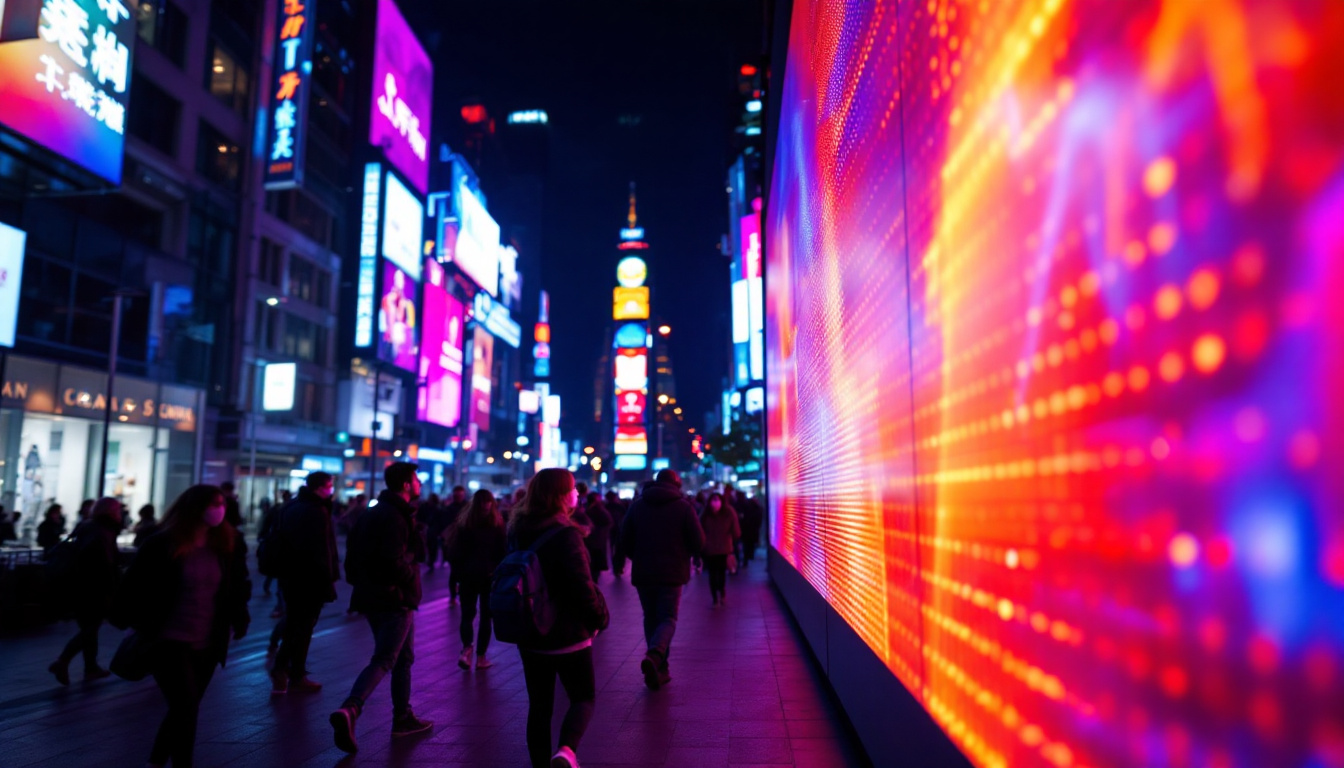
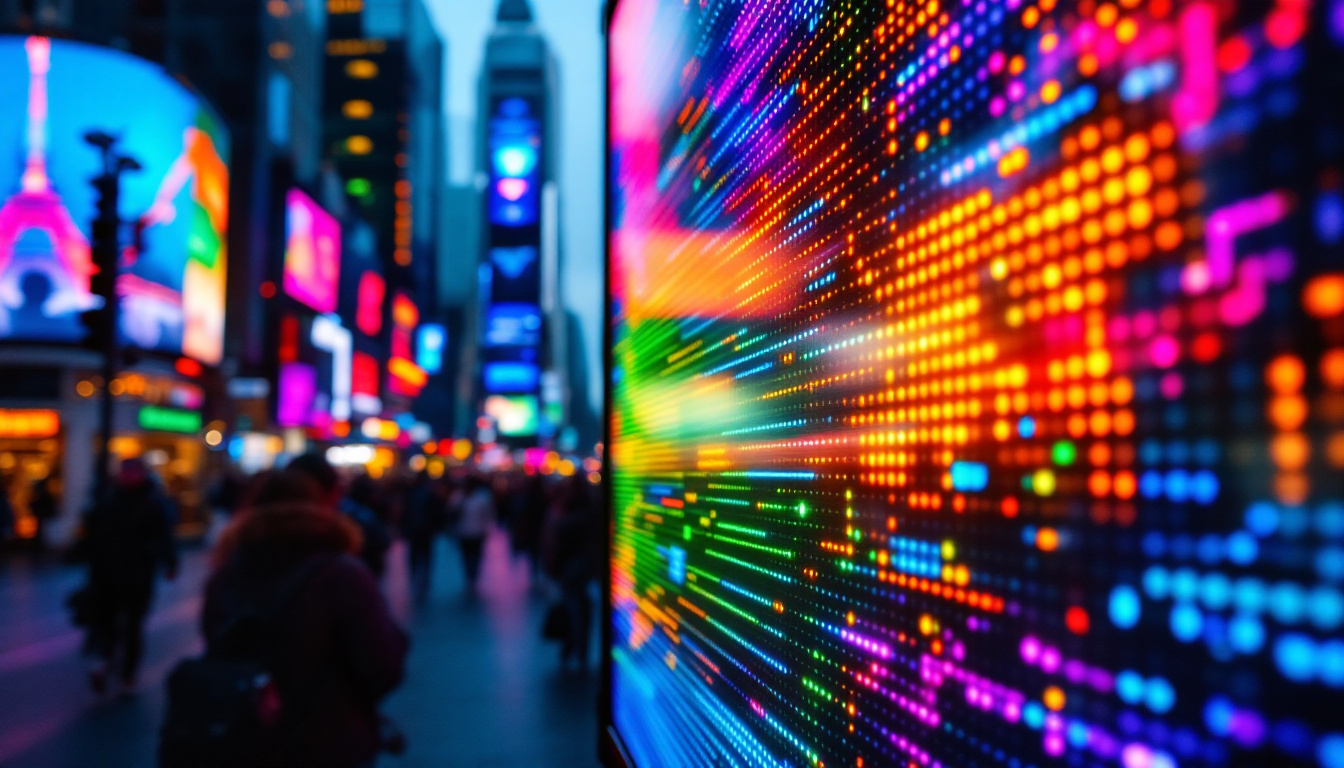
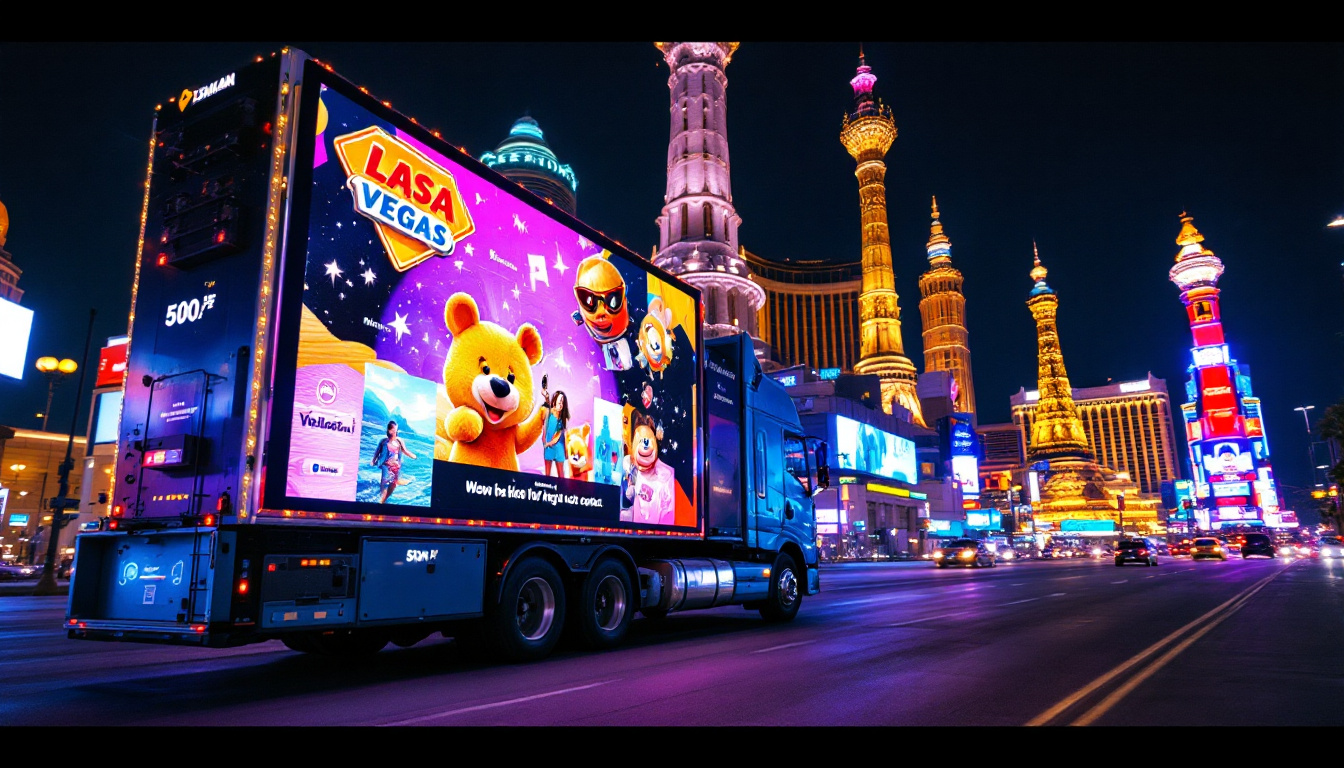
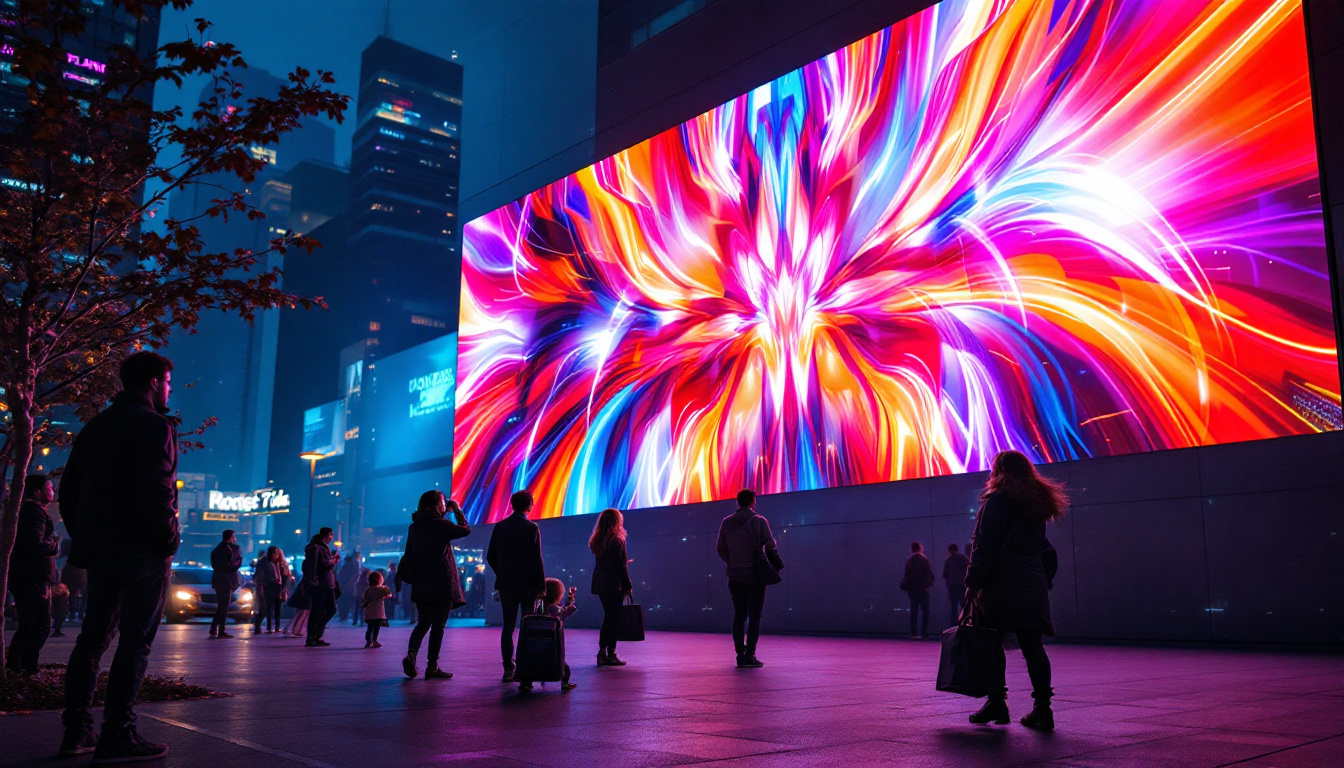
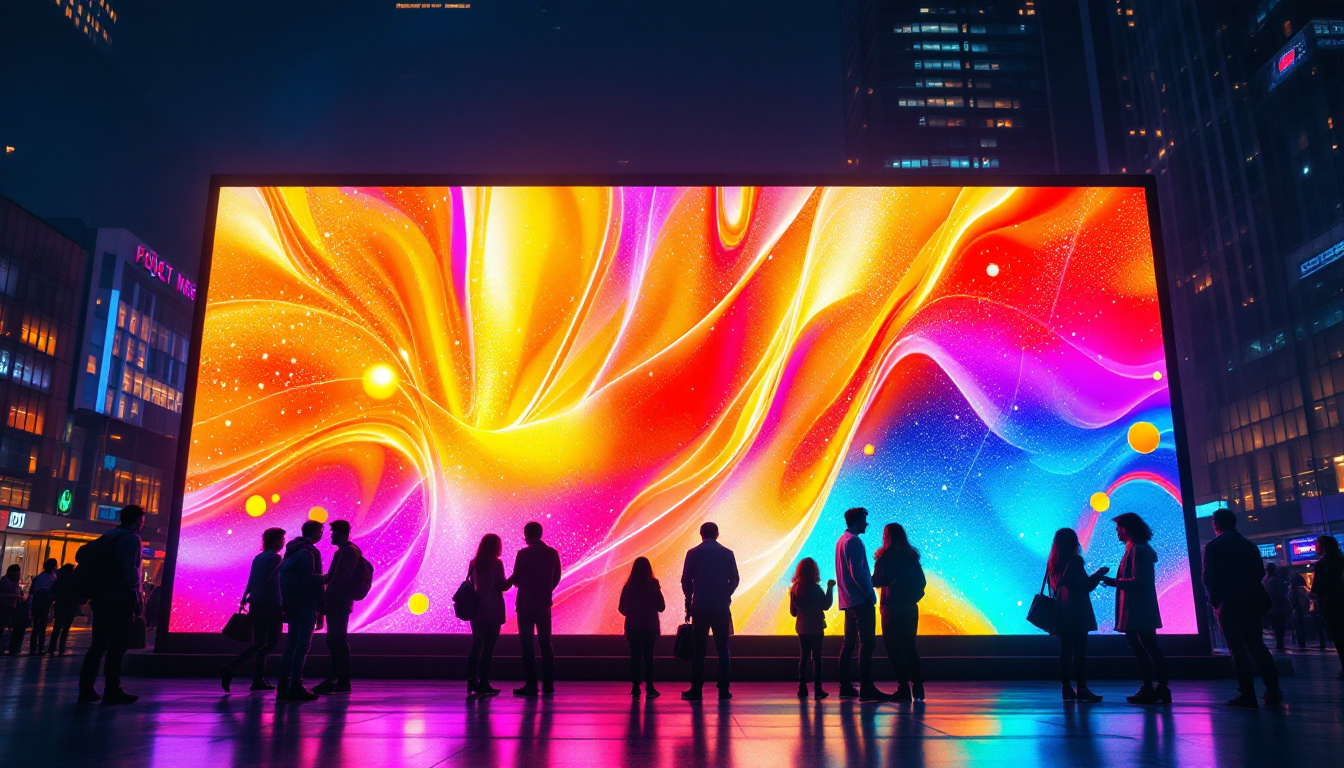
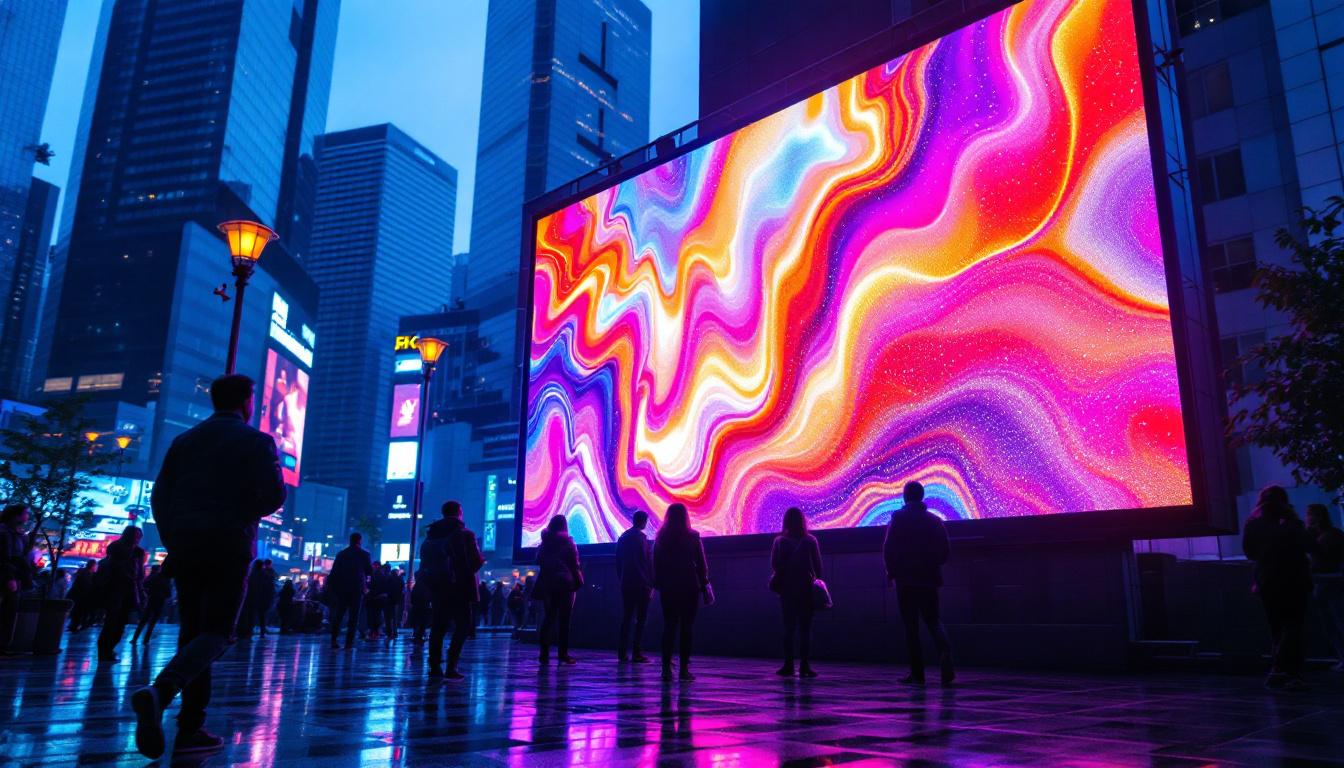
Moreover, LED displays are not just limited to consumer electronics; they have found extensive applications in advertising, sports arenas, and public information systems. Digital billboards, for instance, can display dynamic content that can be updated in real-time, allowing advertisers to tailor their messages based on the time of day or audience demographics. This adaptability makes LED displays an attractive option for businesses looking to maximize their visibility and engagement with potential customers.
How Do LED Displays Work?
The Basic Principle
At the core of an LED display are millions of tiny LEDs arranged in a grid. Each LED acts as a pixel or part of a pixel, producing light in red, green, or blue colors. By varying the intensity of these three colors, the display can create a full spectrum of colors that form images and videos.
The LEDs are controlled by a driver circuit that regulates the current and voltage to each diode, enabling precise control over brightness and color. This process happens thousands of times per second, allowing for smooth motion and vivid visuals.
Types of LED Pixels
There are two primary types of LED pixel configurations:
- Single LED per pixel: Each pixel consists of a single LED that emits one color. This type is common in monochrome or single-color displays such as scoreboards or simple indicators.
- Tri-color LED pixels: Each pixel is made up of three separate LEDs—red, green, and blue. By mixing these colors at varying intensities, the pixel can display millions of colors. This configuration is standard in full-color LED displays.
Types of LED Displays
Indoor vs. Outdoor LED Displays
One of the most important distinctions in LED displays is whether they are designed for indoor or outdoor use. This difference influences brightness, durability, and pixel pitch.
Indoor LED displays are designed for environments with controlled lighting. They typically have lower brightness levels, around 800 to 1,500 nits, which is sufficient for indoor visibility without causing glare. Indoor displays often have a finer pixel pitch, meaning the LEDs are closer together, resulting in higher resolution and sharper images at close viewing distances.
Outdoor LED displays need to be much brighter—often between 5,000 to 10,000 nits—to remain visible in direct sunlight. They are also built to withstand harsh weather conditions such as rain, wind, and temperature fluctuations. Outdoor displays usually have a larger pixel pitch to accommodate longer viewing distances.
Direct View LED (DVLED) vs. LED-Backlit LCD
It’s important to differentiate between Direct View LED (DVLED) displays and LED-backlit LCD screens. DVLED displays use LEDs as the actual pixels emitting light directly to the viewer, whereas LED-backlit LCDs use LEDs only as a backlight behind an LCD panel.
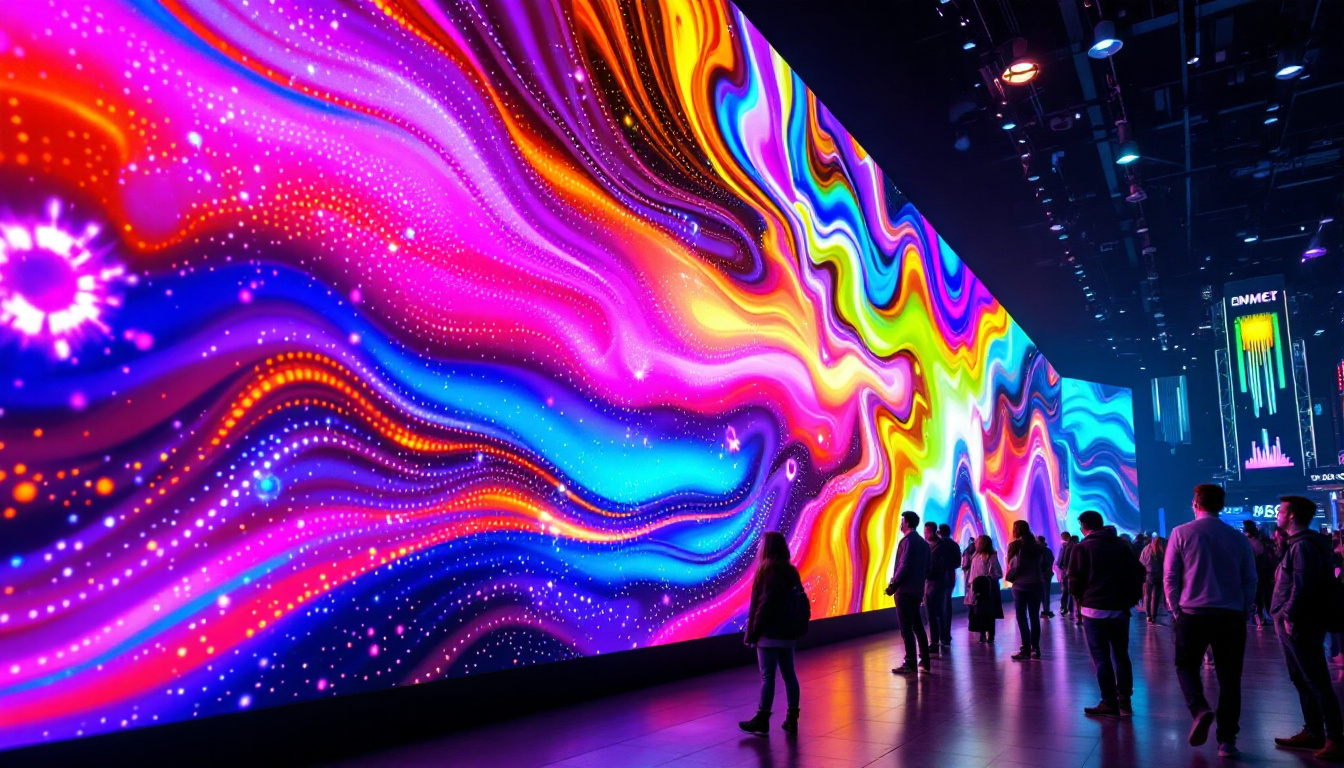
DVLED displays generally offer superior contrast, faster response times, and better viewing angles. They are commonly used in large-scale signage, stadium screens, and high-end video walls. LED-backlit LCDs are more common in consumer electronics like laptops and televisions due to their cost-effectiveness and slimmer profiles.
Flexible and Transparent LED Displays
Innovations in LED technology have led to flexible and transparent LED displays. Flexible LED panels can bend or curve, making them ideal for creative installations, wearable tech, or curved screens. Transparent LED displays allow light to pass through the screen, enabling see-through digital signage on glass surfaces such as storefront windows or vehicle windshields.
Key Specifications to Understand
Pixel Pitch
Pixel pitch is the distance between the centers of two adjacent pixels, usually measured in millimeters. It is a critical factor that determines the resolution and viewing distance of an LED display. A smaller pixel pitch means higher resolution and better image clarity but typically comes at a higher cost.
For example, an indoor LED display might have a pixel pitch of 1.5mm to 3mm, suitable for close viewing distances of a few feet. Outdoor displays often have pixel pitches ranging from 6mm to 20mm, optimized for visibility from tens or hundreds of feet away.
Brightness and Contrast Ratio
Brightness is measured in nits (candelas per square meter) and indicates how luminous the display is. High brightness is essential for outdoor displays to combat sunlight glare. Contrast ratio refers to the difference in luminance between the brightest white and the darkest black the display can produce. LED displays typically have excellent contrast ratios because LEDs can be turned off completely to produce true blacks.
Refresh Rate
The refresh rate is how many times per second the display updates its image, measured in Hertz (Hz). Higher refresh rates reduce flicker and motion blur, improving the viewing experience, especially for video content or dynamic signage. Most LED displays have refresh rates of 60Hz or higher, with premium models reaching 120Hz or more.
Applications of LED Displays
Advertising and Digital Signage
LED displays are a cornerstone of modern advertising. Their brightness, vivid colors, and flexibility make them ideal for digital billboards, retail signage, and event promotions. According to recent market research, the global digital signage market is expected to grow at a CAGR of over 8% through 2027, driven largely by the adoption of LED technology.
Retailers use LED displays to attract customers, showcase products, and deliver dynamic content that can be updated in real-time. In urban centers, large LED billboards dominate cityscapes, delivering high-impact advertising visible day and night.
Sports and Entertainment Venues
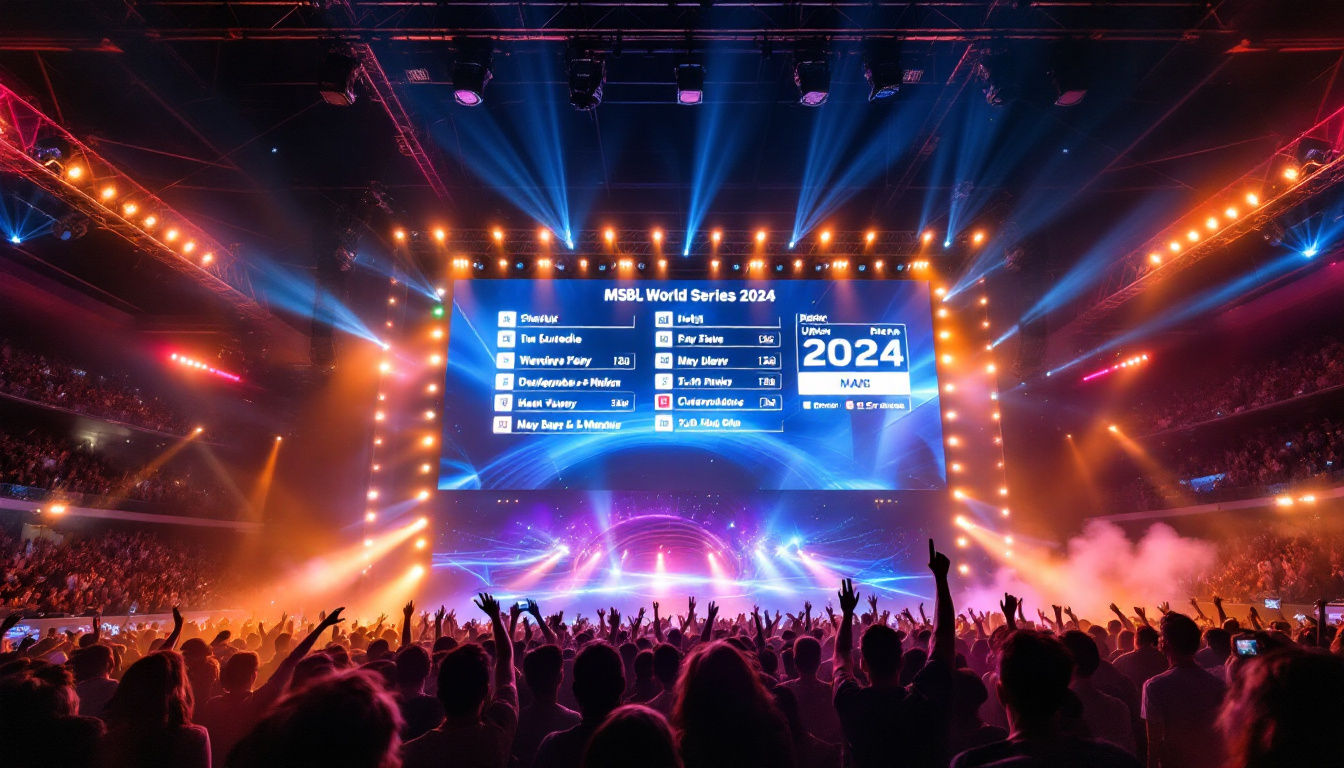
Stadiums and arenas rely heavily on large LED screens to enhance the spectator experience. These displays provide live action replays, scores, and interactive content. The ability to produce bright, high-resolution images visible from any seat makes LED technology indispensable in these environments.
Transportation and Public Information
LED displays are widely used in airports, train stations, and bus terminals to provide real-time information such as arrivals, departures, and alerts. Their reliability and visibility in various lighting conditions ensure passengers stay informed.
Corporate and Control Rooms
In control rooms and corporate environments, LED video walls are used for monitoring, presentations, and collaboration. Their seamless design and high resolution allow for detailed data visualization and immersive experiences.
Choosing the Right LED Display
Assessing Viewing Distance and Environment
Determining the appropriate pixel pitch and brightness starts with understanding where and how the display will be viewed. For close-range indoor applications, a fine pixel pitch is essential to avoid pixelation. Outdoor displays must prioritize brightness and weather resistance.
Resolution and Content Type
The type of content displayed influences the resolution requirements. Static images and text can tolerate lower resolutions, while video and detailed graphics benefit from higher pixel density. It’s also important to consider the content management system used to control the display, ensuring compatibility and ease of updates.
Durability and Maintenance
Outdoor LED displays should have an IP rating indicating protection against dust and water ingress. Maintenance accessibility is another factor, as some LED modules allow for front or rear servicing, which can reduce downtime and installation complexity.
Energy Efficiency and Cost
LED technology is generally energy-efficient compared to other display types, but power consumption varies based on brightness and size. Balancing upfront costs with long-term energy savings and maintenance expenses is crucial for budgeting.
Future Trends in LED Display Technology
LED display technology continues to advance rapidly. Mini-LED and micro-LED technologies are pushing the boundaries of resolution and brightness while reducing power consumption. These developments promise even thinner, lighter, and more flexible displays with exceptional image quality.
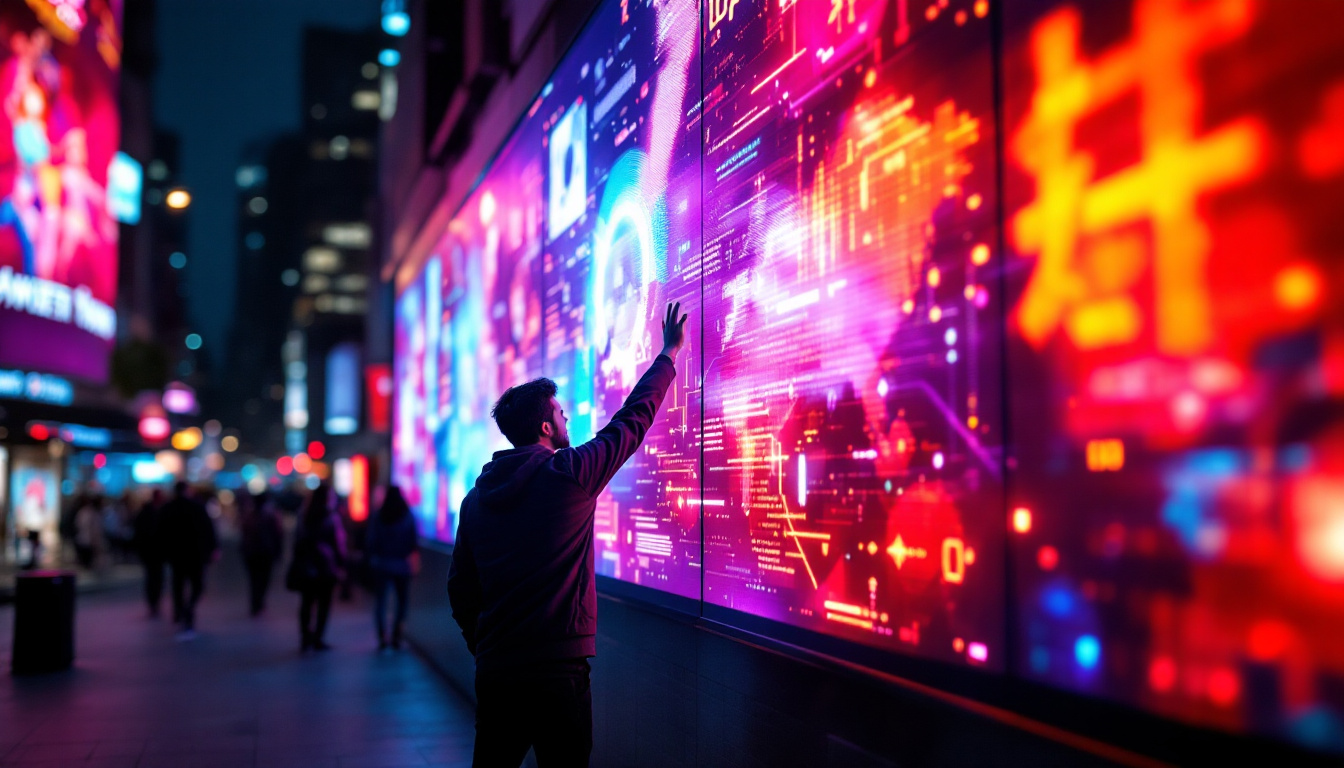
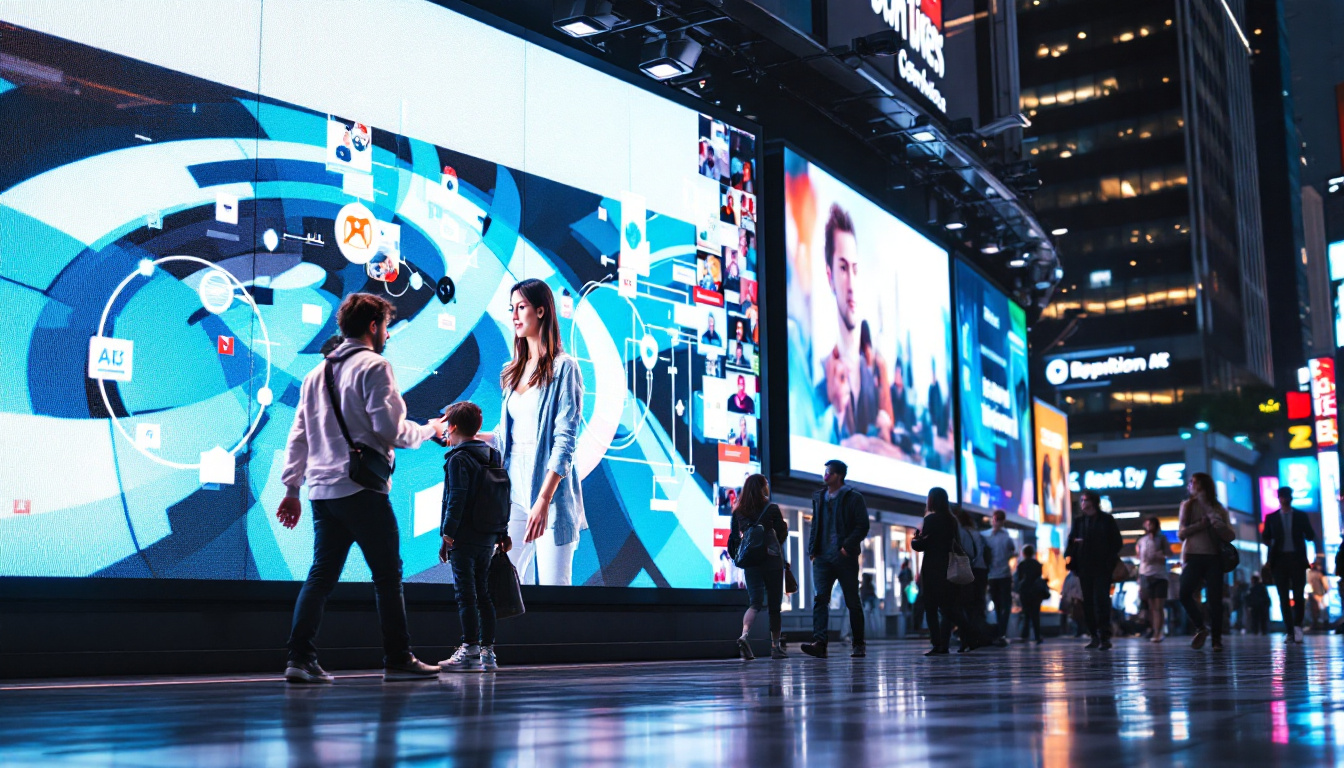
Artificial intelligence and IoT integration are also transforming LED displays into smart devices capable of dynamic content adaptation based on audience demographics, weather conditions, or time of day. This level of interactivity and personalization is expected to become standard in digital signage.
Conclusion
LED displays have revolutionized the way visual content is presented across industries and environments. Their superior brightness, color accuracy, and flexibility make them the preferred choice for applications ranging from advertising to entertainment and public information. Understanding the technical aspects such as pixel pitch, brightness, and refresh rate is essential for selecting the right LED display to meet specific needs.
As technology evolves, LED displays will become even more versatile and intelligent, offering exciting possibilities for communication and engagement. Whether you are a business owner, event organizer, or technology enthusiast, staying informed about LED display technology will help you make better decisions and leverage this powerful medium effectively.
Explore Cutting-Edge LED Solutions with LumenMatrix
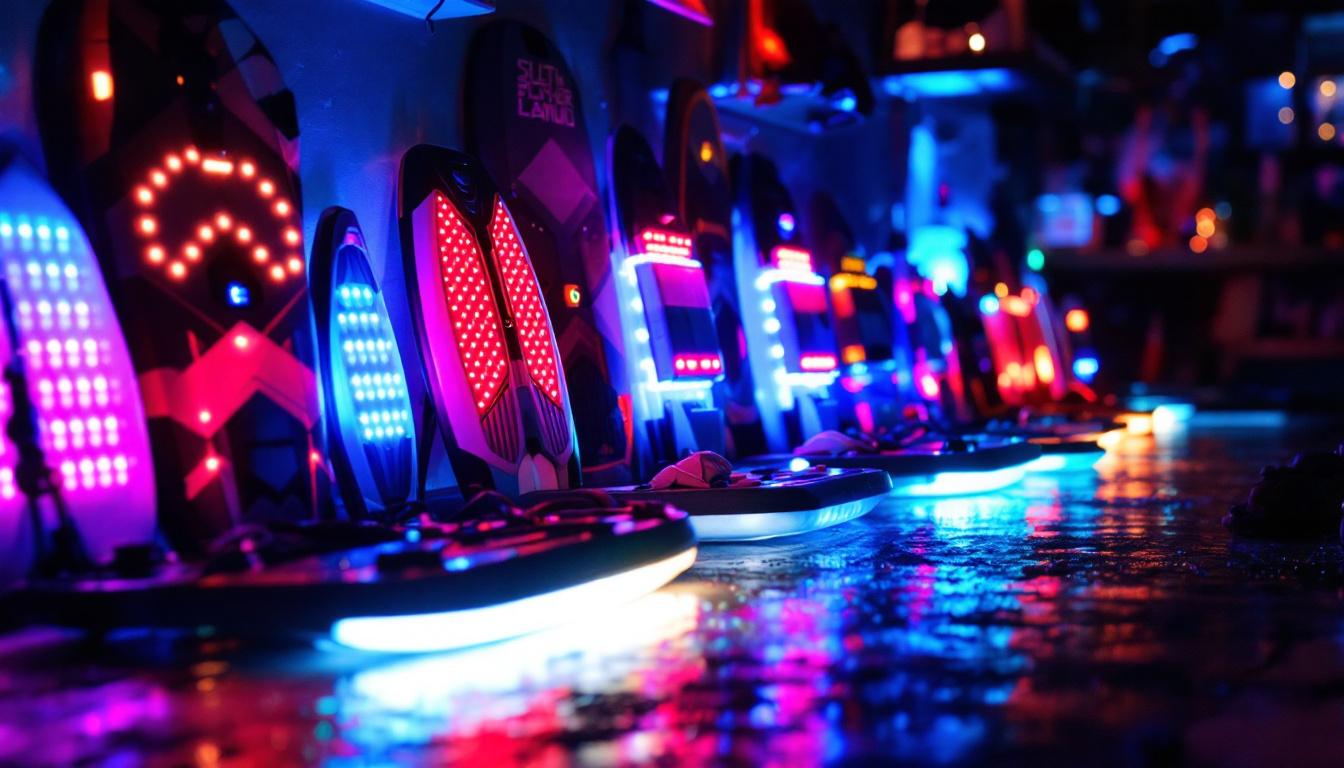
Ready to elevate your visual communication with the latest in LED technology? LumenMatrix is at the forefront of innovation, offering a diverse range of LED display solutions tailored to your needs. From vibrant Indoor and Outdoor LED Wall Displays to dynamic Vehicle and Sports Displays, our products are designed to captivate and engage your audience. Discover the transformative power of LED Poster Displays, Floor LEDs, Custom configurations, and our All-in-One and Transparent LED options. Experience the future of digital signage with LumenMatrix and share your message with unparalleled clarity and impact. Check out LumenMatrix LED Display Solutions today and see the difference for yourself.