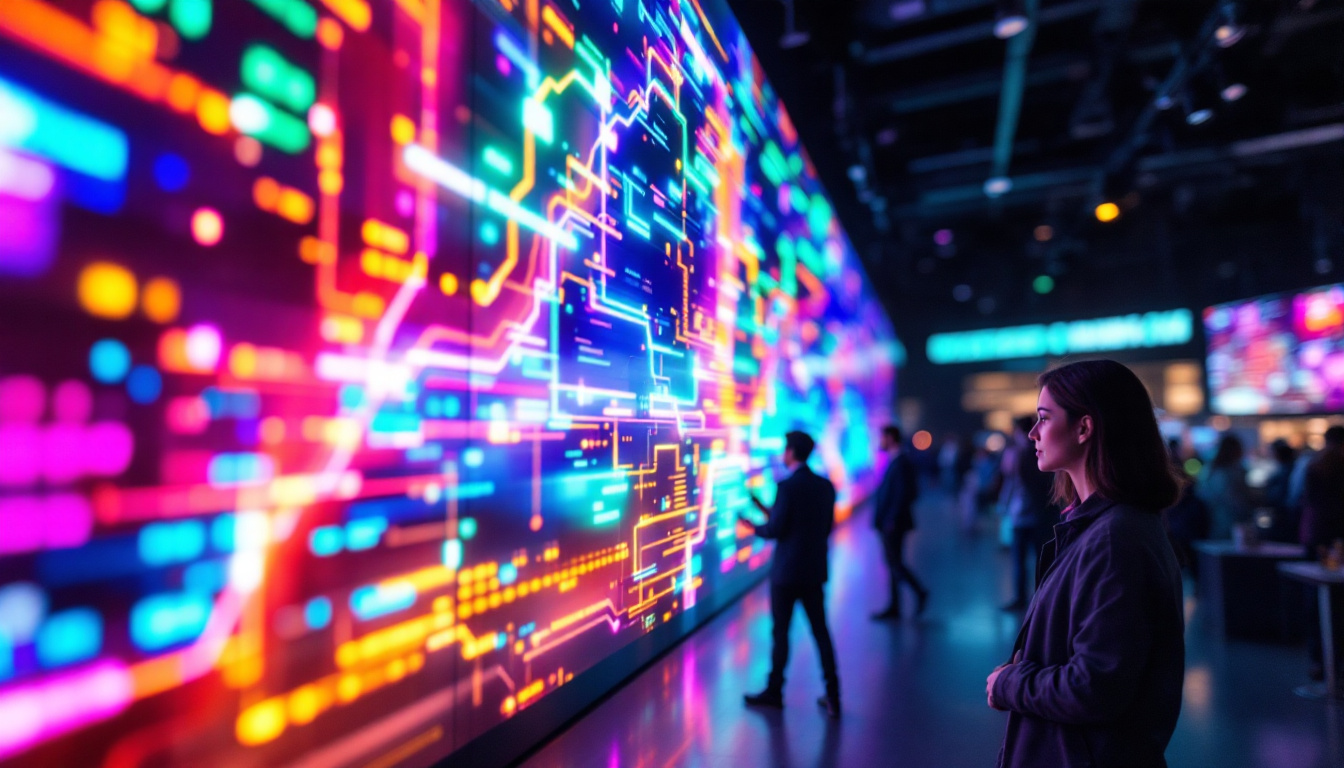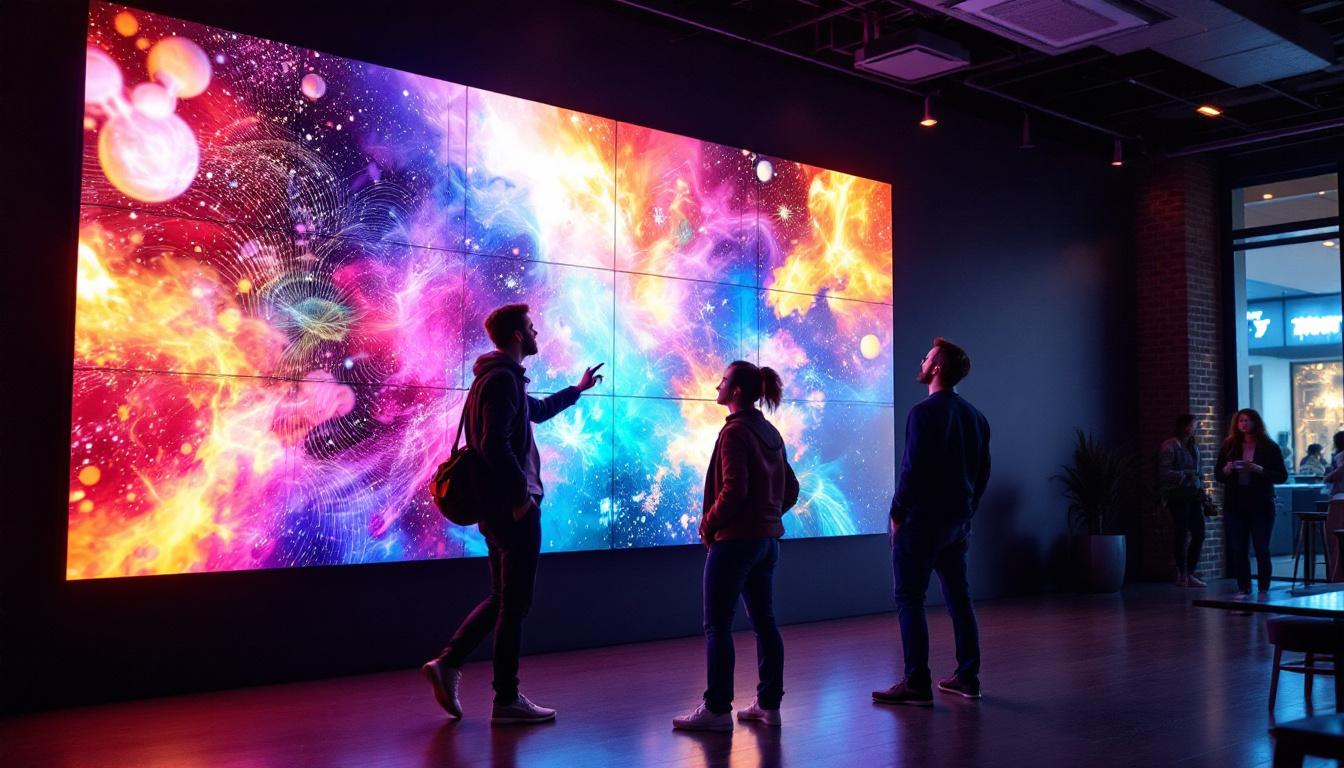
In today’s fast-paced digital world, visual communication plays a pivotal role in capturing attention and conveying messages effectively. One technology that has revolutionized large-scale digital displays is the LED video wall. From bustling city centers to corporate boardrooms, LED video walls have become the go-to solution for dynamic, high-impact visual presentations. This article dives deep into the world of screen video walls, explaining what LED displays are, how they work, their benefits, applications, and what to consider when choosing one.
Understanding LED Video Walls: The Basics
LED video walls are large display systems composed of multiple LED panels seamlessly tiled together to form a single, expansive screen. Unlike traditional LCD or projection screens, LED video walls use light-emitting diodes (LEDs) as pixels, which provide vibrant colors, high brightness, and excellent contrast.
What Is an LED Display?
At its core, an LED display consists of thousands to millions of tiny LEDs arranged in a grid. Each LED acts as a pixel that can emit light of varying colors and intensities. By controlling these LEDs collectively, the display can produce detailed images and videos with remarkable clarity.
LED displays are categorized mainly into two types: direct-view LED and LED-backlit LCD. The term “LED video wall” typically refers to direct-view LED technology, where the LEDs themselves form the image, rather than just providing backlighting. This distinction is crucial, as direct-view LED displays offer superior performance in terms of brightness and color accuracy, making them ideal for high-impact visual applications.
How Does an LED Video Wall Work?
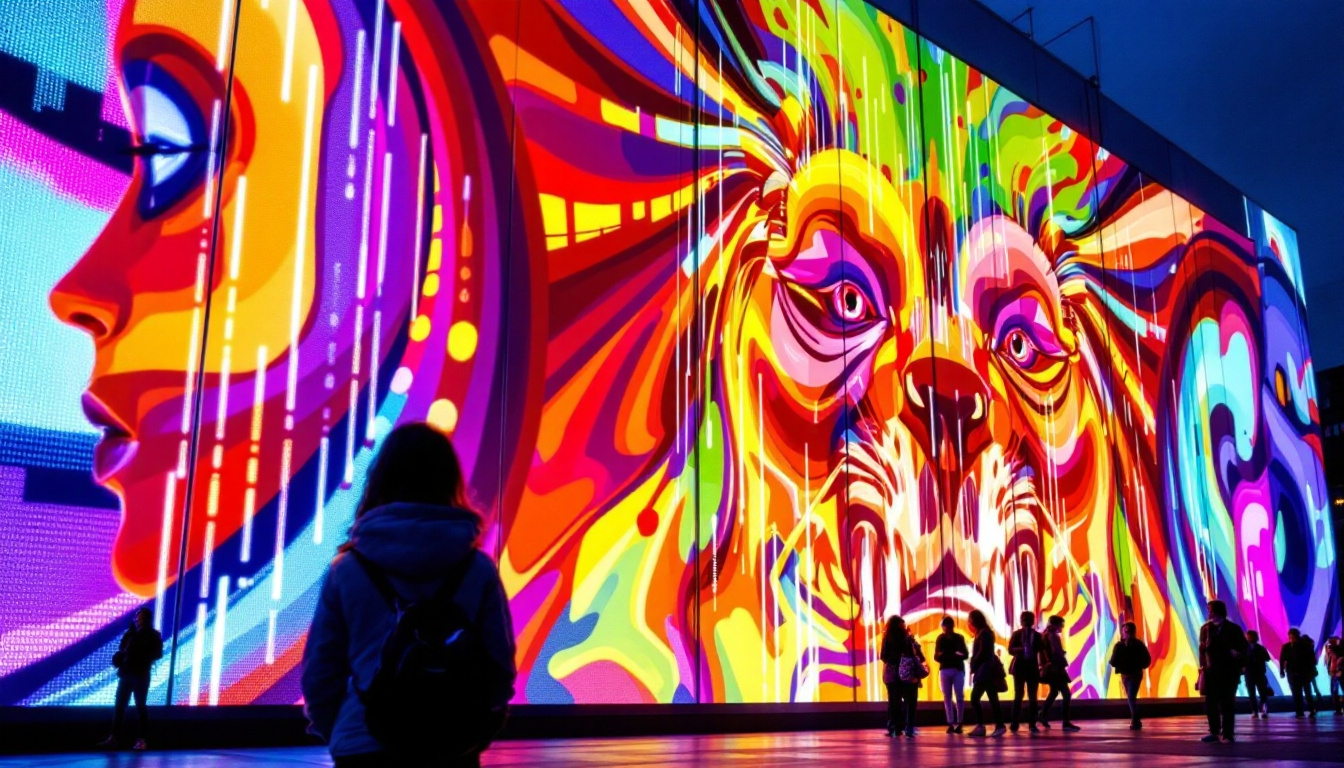
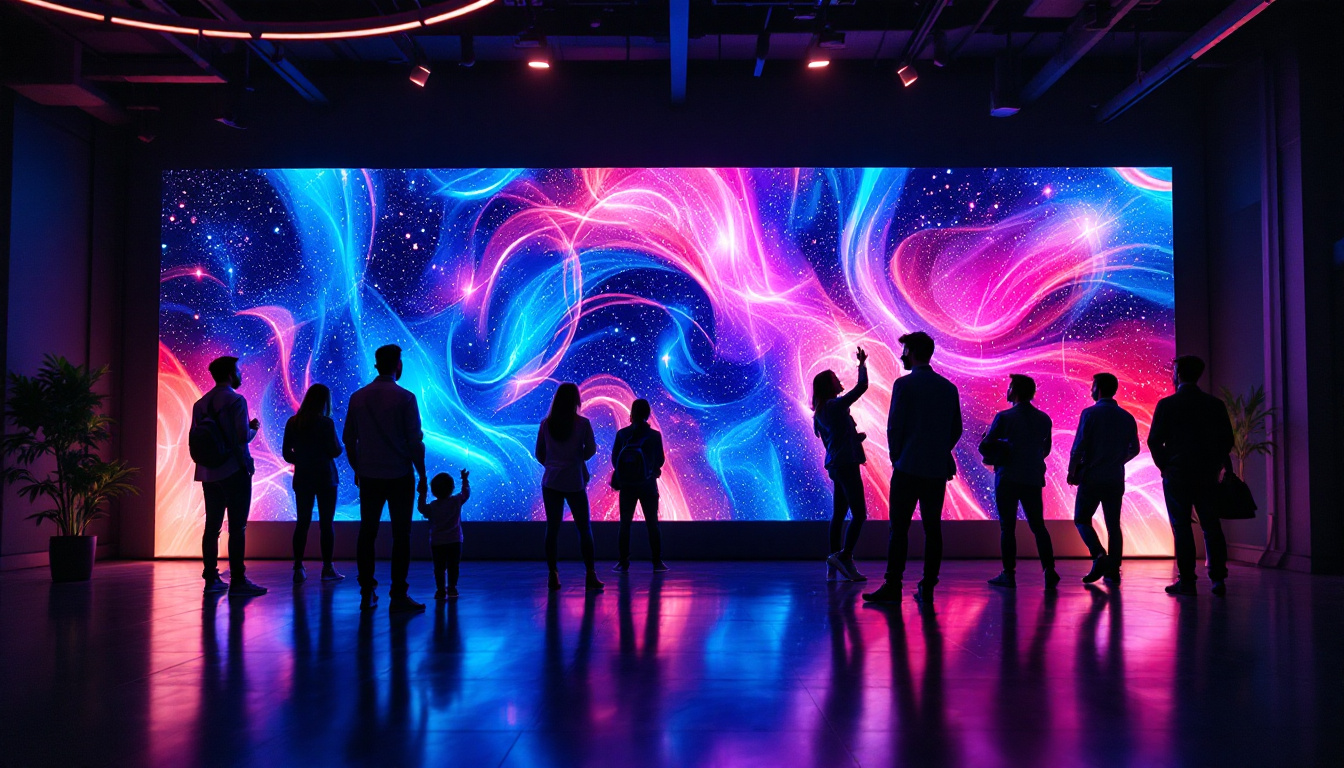
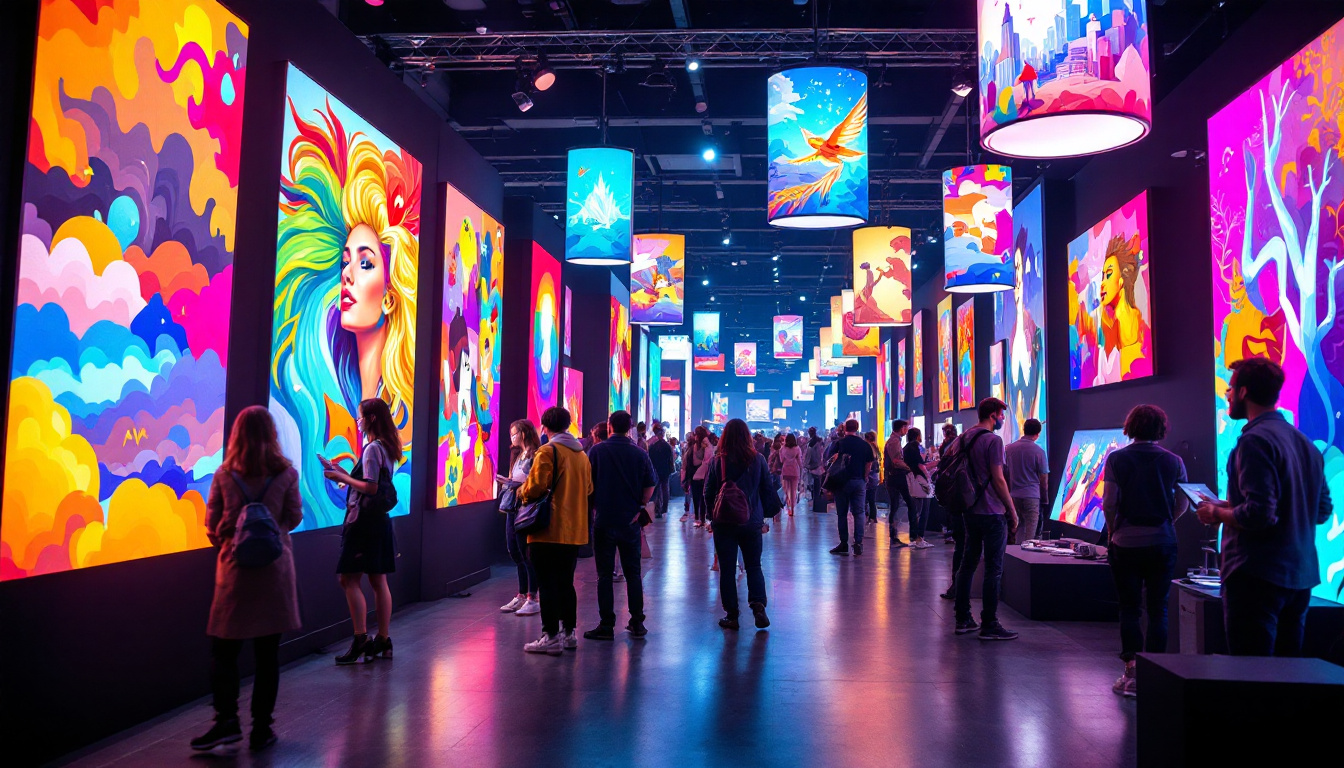
Each LED panel in a video wall is a modular unit that can be connected to others to create a larger display. These panels are controlled by a central processing system that sends video signals and synchronizes the image across all panels. The result is a seamless, large-scale image that can be customized in size and shape to fit specific environments. This flexibility allows for creative installations, from large corporate presentations to immersive art displays in galleries.
The brightness of LEDs allows video walls to be visible even in bright ambient light conditions, such as outdoor settings or well-lit indoor spaces. Additionally, LED technology supports high refresh rates and wide viewing angles, ensuring consistent image quality from various perspectives. This capability is particularly beneficial for events and venues where audience engagement is key, as it ensures that everyone, regardless of their position in the room, can enjoy the same high-quality visual experience.
Moreover, LED video walls are increasingly being integrated with advanced technologies such as content management systems and interactive software. This integration allows for dynamic content that can be updated in real-time, enabling businesses to display advertisements, social media feeds, or live event coverage. The ability to change content on-the-fly not only enhances viewer engagement but also provides a versatile platform for marketing and communication strategies.
As LED technology continues to evolve, innovations such as transparent LED panels and flexible displays are emerging, pushing the boundaries of what can be achieved with video walls. These advancements open up new possibilities for creative design and application, allowing for installations that blend seamlessly into their surroundings or create entirely new visual experiences. With their growing popularity across various sectors, from retail to entertainment, LED video walls are set to redefine the way we interact with digital content.
Key Advantages of LED Video Walls
LED video walls offer several advantages over traditional display technologies, making them a preferred choice for many industries and applications.
Exceptional Brightness and Color Accuracy
One of the standout features of LED video walls is their ability to deliver intense brightness levels, often exceeding 1,000 nits. This makes them highly effective in environments with significant ambient light, such as outdoor advertising billboards or retail storefronts.
Moreover, modern LED panels support a wide color gamut and high dynamic range (HDR), resulting in vivid, lifelike images that captivate viewers. This level of color accuracy is essential for applications like digital signage, live events, and control rooms where precise visuals matter.
Scalability and Flexibility
Because LED video walls are modular, they can be scaled up or down to fit virtually any space. Whether it’s a small conference room display or a massive stadium screen, LED panels can be arranged to create custom sizes and aspect ratios.
This flexibility extends to shape and curvature as well. Curved or angled video walls can be constructed to enhance viewer immersion or fit architectural constraints, providing designers with creative freedom.
Durability and Longevity
LEDs are solid-state components, meaning they are more robust and less prone to damage compared to traditional bulbs or LCD screens. High-quality LED video walls are rated for tens of thousands of hours of operation, often exceeding 100,000 hours, which translates to years of continuous use.
Additionally, LED panels are designed to withstand environmental factors such as temperature fluctuations, moisture, and dust, especially those intended for outdoor use.
Energy Efficiency
Compared to other large-format display technologies, LED video walls consume less power relative to their brightness output. This energy efficiency not only reduces operational costs but also aligns with sustainability goals, an increasingly important consideration for businesses and municipalities.
Common Applications of LED Video Walls
The versatility of LED video walls has led to their adoption across a wide range of sectors. Below are some of the most prevalent applications that highlight the technology’s impact.
Advertising and Digital Signage
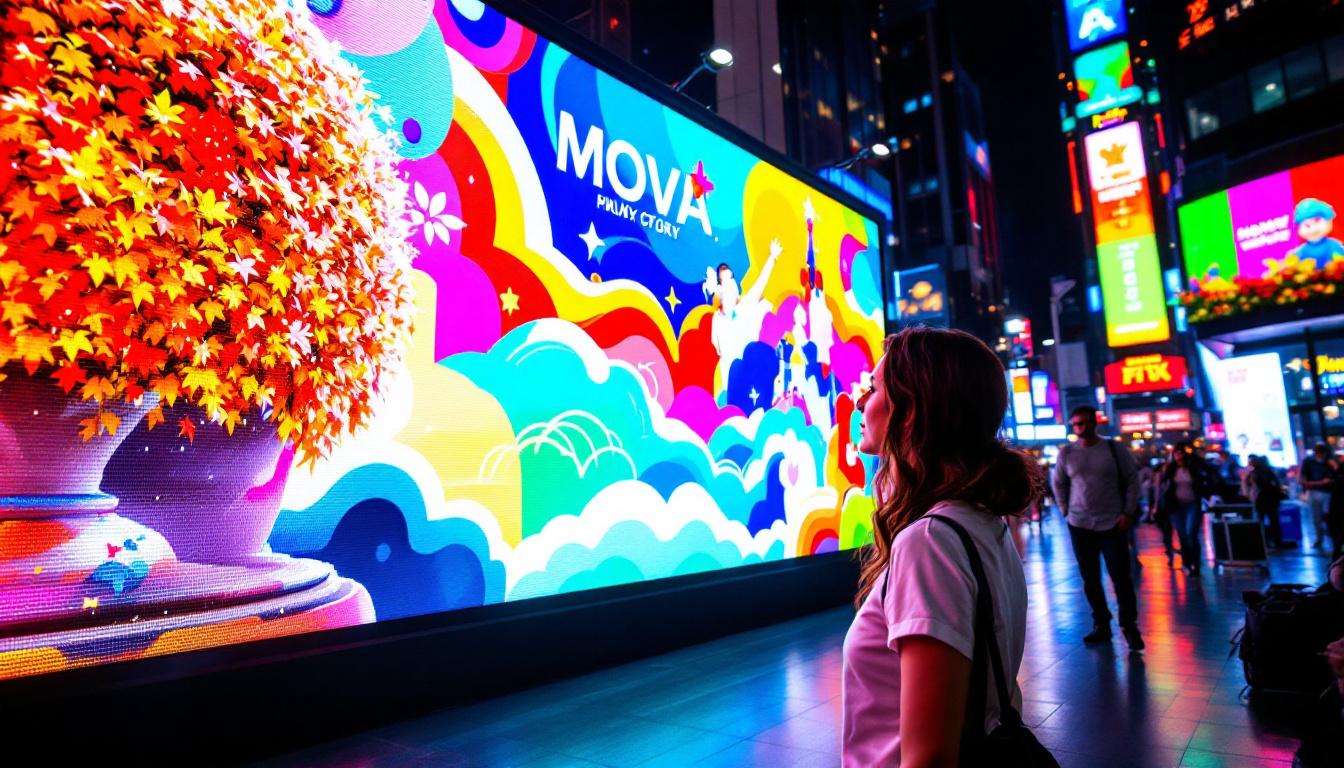
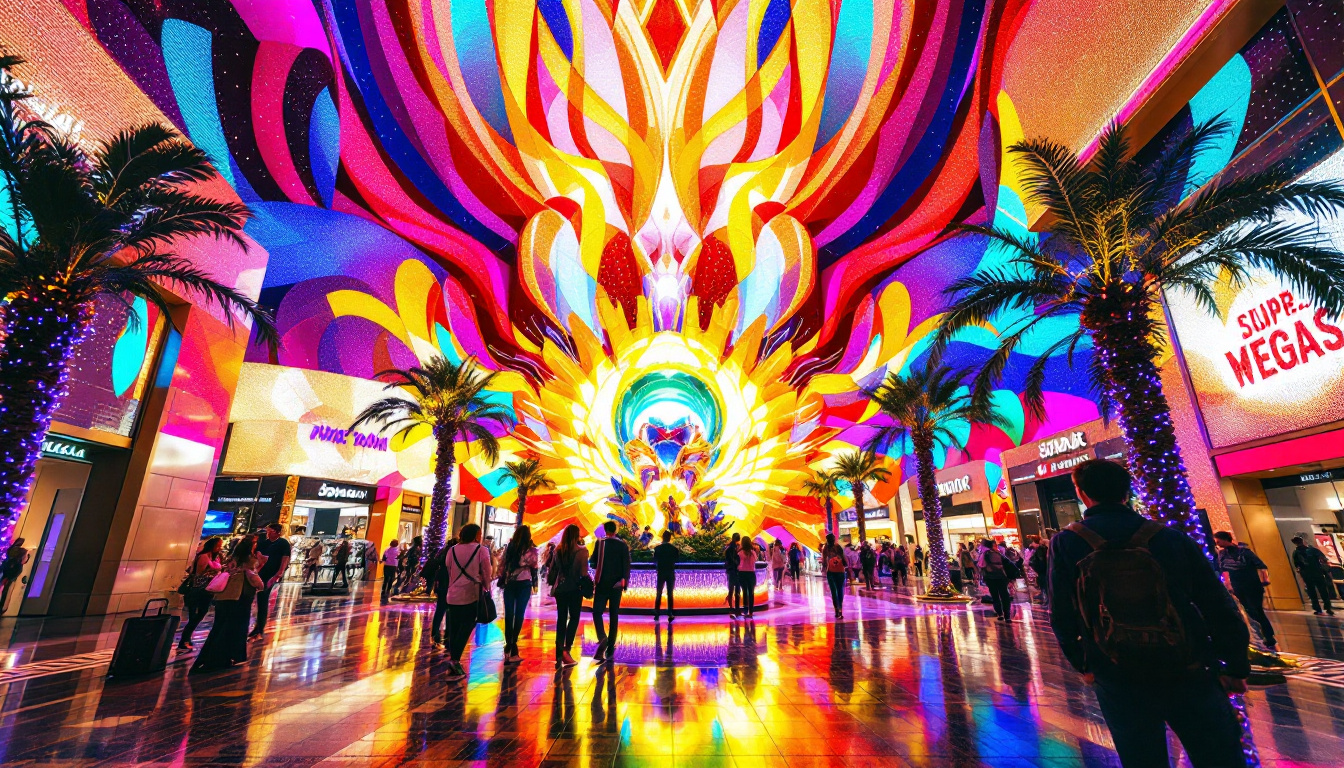
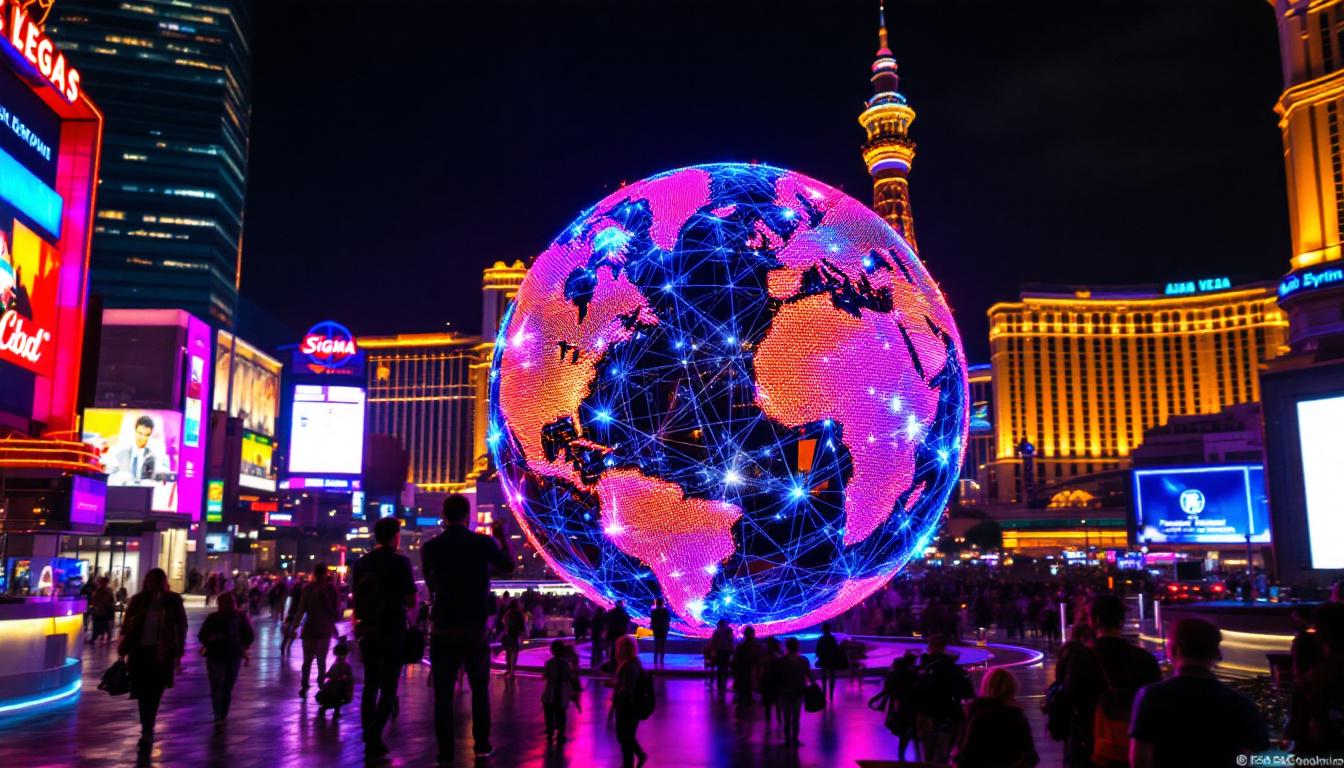
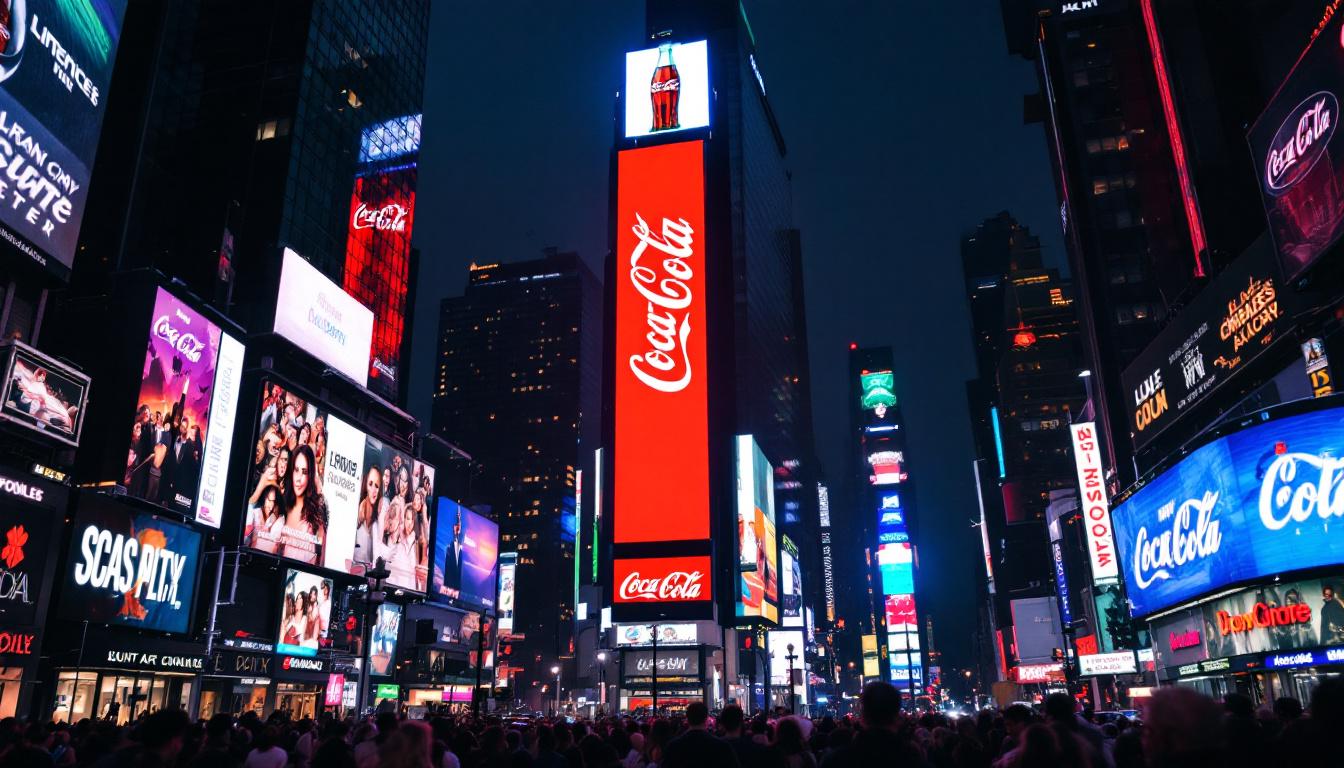
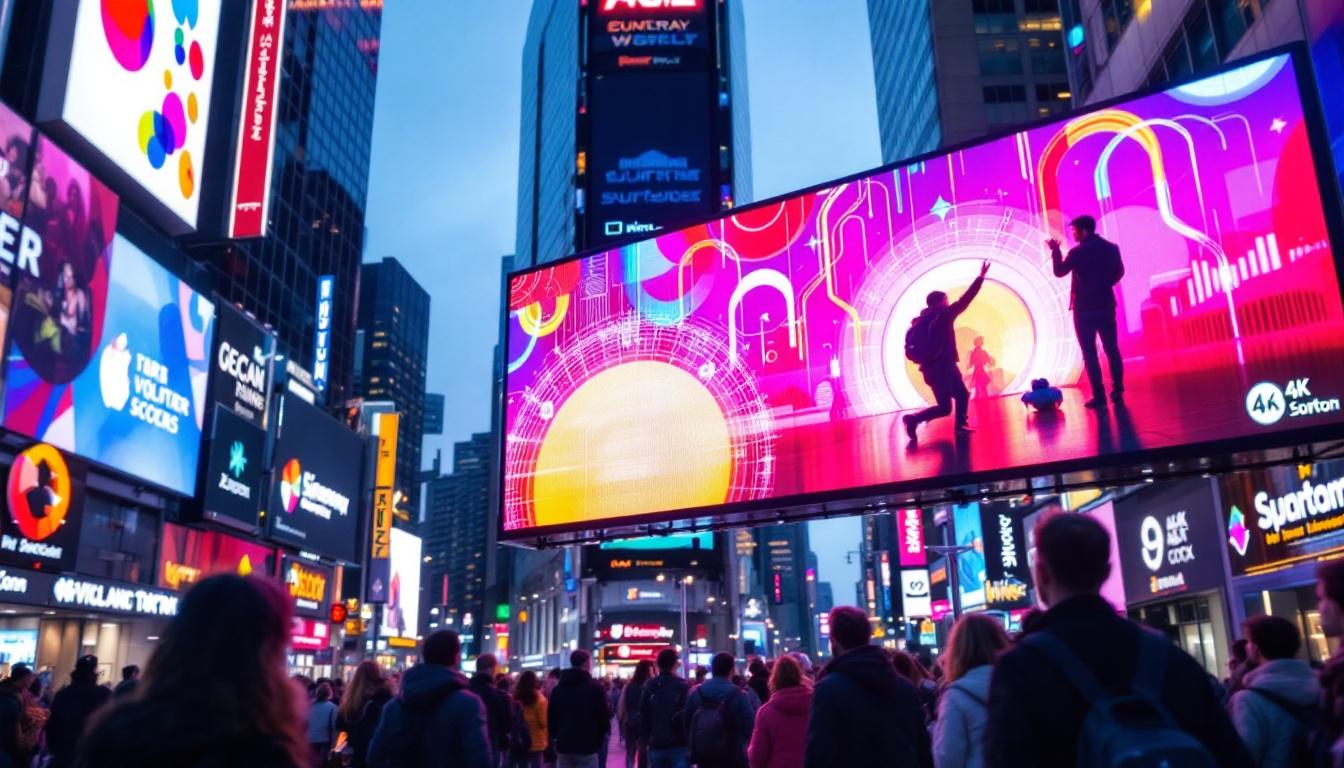
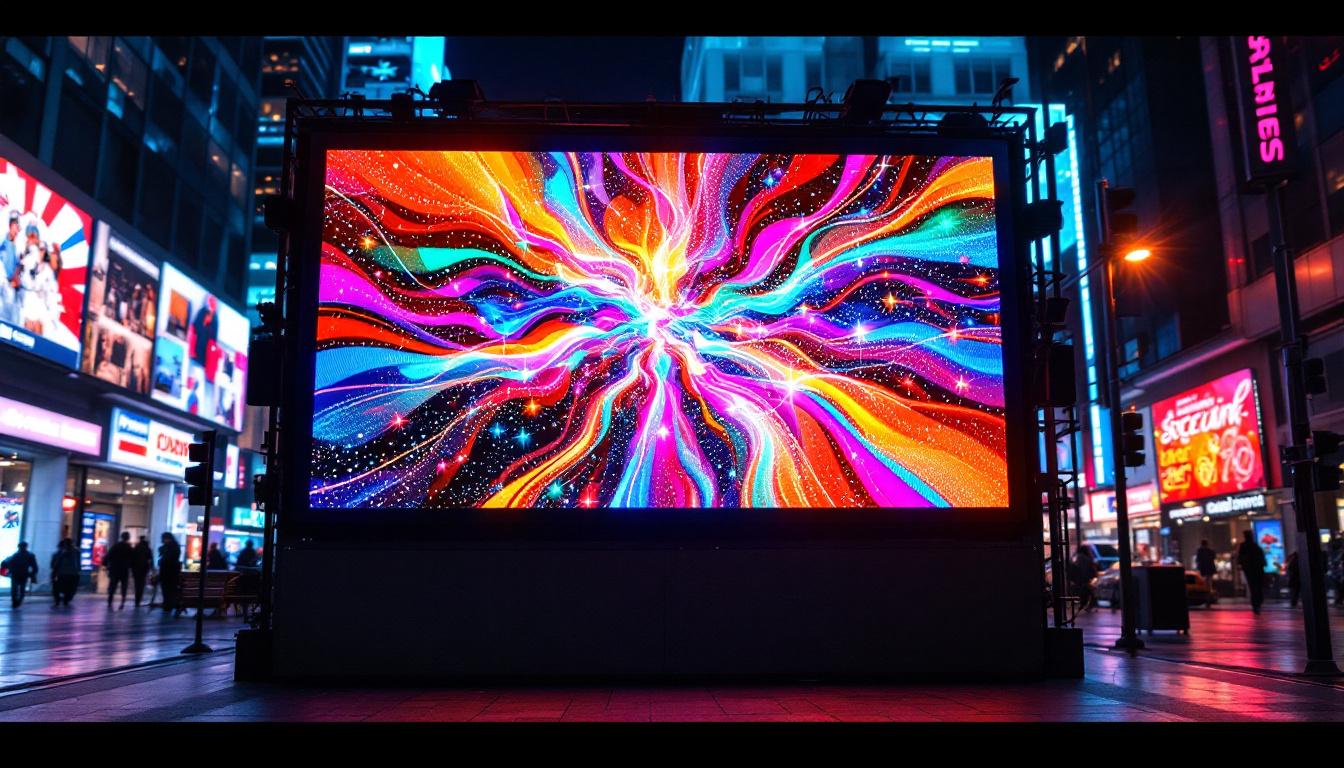
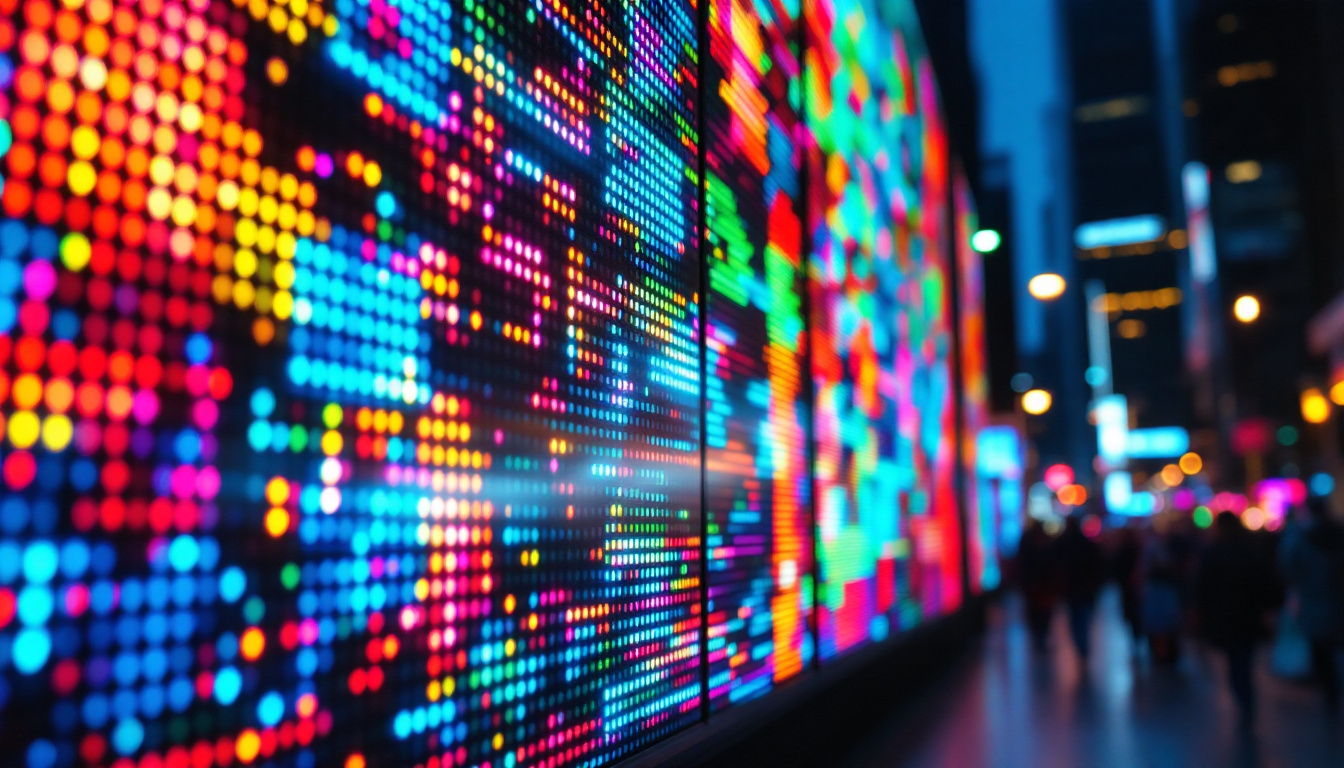
Outdoor advertising has been transformed by LED video walls, which enable dynamic, eye-catching content that can be updated in real-time. From Times Square to shopping malls worldwide, LED billboards deliver high-impact marketing messages that attract and engage consumers.
Digital signage also benefits from LED video walls in airports, train stations, and retail environments, providing wayfinding, promotions, and informational content with clarity and vibrancy.
Broadcast and Entertainment
Television studios and live event venues frequently use LED video walls as backdrops and immersive stage elements. Their ability to display high-resolution video and graphics enhances production value and audience experience.
Concerts, sports arenas, and theaters utilize massive LED screens to ensure spectators, even those far from the stage, enjoy clear views of the action.
Corporate and Control Rooms
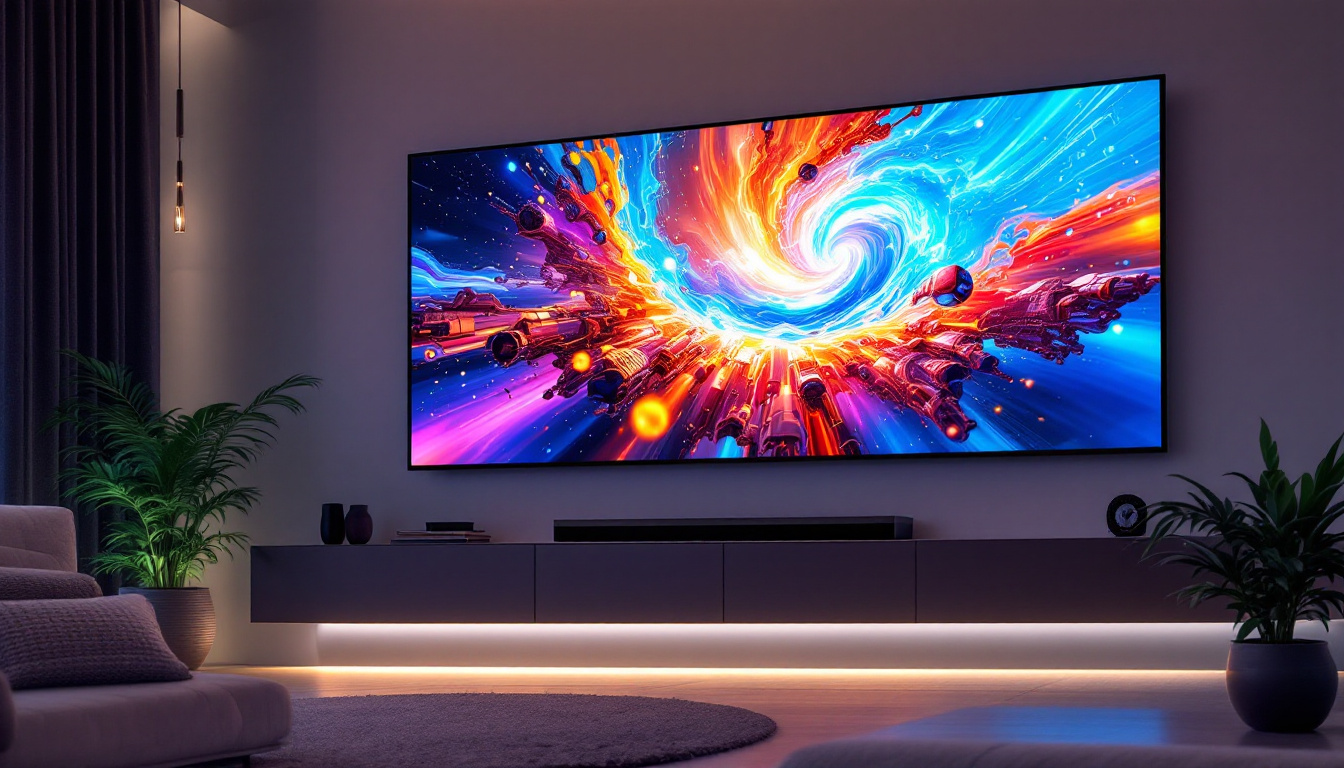
In corporate settings, LED video walls serve as powerful tools for presentations, video conferencing, and collaborative workspaces. Their large size and high resolution enable detailed data visualization and multi-source content display.
Control rooms for utilities, transportation, and emergency services rely on LED video walls to monitor operations in real-time, ensuring critical information is visible and accessible to decision-makers.
Education and Museums
Educational institutions and museums are increasingly adopting LED video walls to create interactive exhibits and immersive learning environments. These displays support multimedia content that can engage visitors and enhance understanding.
Technical Considerations When Choosing an LED Video Wall
Selecting the right LED video wall involves evaluating several technical factors to ensure the display meets the specific needs of the application and environment.
Pixel Pitch and Resolution
Pixel pitch refers to the distance between the centers of adjacent LEDs, typically measured in millimeters. A smaller pixel pitch means higher pixel density, resulting in sharper images, especially at close viewing distances.
For indoor environments where viewers are close to the screen, pixel pitches as low as 0.9mm to 2.5mm are common. Outdoor displays, viewed from greater distances, often use pixel pitches ranging from 4mm to 20mm or more.
Brightness and Contrast Ratio
Brightness is a critical factor, especially for outdoor or brightly lit indoor spaces. Choosing a display with sufficient nits (brightness units) ensures visibility under various lighting conditions.
Contrast ratio, the difference between the darkest black and brightest white the display can produce, impacts image depth and clarity. Higher contrast ratios contribute to more vivid and engaging visuals.
Refresh Rate and Viewing Angle
Refresh rate, measured in hertz (Hz), indicates how many times per second the display updates its image. High refresh rates (above 60Hz) are important for smooth video playback and reducing flicker, particularly in broadcast or live event settings.
Viewing angle refers to the maximum angle at which the display can be viewed without significant color or brightness degradation. Wide viewing angles are essential for video walls intended for large audiences.
Installation and Maintenance
LED video walls require precise installation to ensure seamless panel alignment and optimal performance. Considerations include mounting options, accessibility for maintenance, and cooling requirements.
Many modern LED panels feature front or rear serviceability, allowing technicians to replace modules or components without dismantling the entire wall, reducing downtime.
Future Trends in LED Video Wall Technology
The LED video wall industry continues to evolve rapidly, driven by advances in materials, processing power, and user demands.
MicroLED and MiniLED Innovations
Emerging technologies like MicroLED and MiniLED promise even higher resolutions and improved energy efficiency. MicroLED displays use microscopic LEDs to achieve pixel densities comparable to OLED screens but with superior brightness and lifespan.
Integration with Smart Technologies
Integration with AI and IoT is enabling smarter content management and adaptive displays. For example, video walls can automatically adjust brightness based on ambient light or change content dynamically based on audience demographics.
Enhanced Interactivity
Touch-enabled LED video walls and gesture recognition are becoming more common, especially in retail and education sectors. These interactive features create engaging user experiences and new possibilities for digital communication.
Conclusion
LED video walls represent a powerful medium for large-scale digital displays, combining exceptional brightness, color accuracy, and flexibility. Their modular nature allows for customization in size and shape, making them suitable for a vast array of applications from advertising and entertainment to corporate environments and public spaces.
Understanding the technical aspects such as pixel pitch, brightness, and refresh rate is crucial when selecting an LED video wall to ensure it meets the specific needs of the intended use case. As technology advances, LED video walls will continue to offer richer, more immersive visual experiences, further cementing their role in modern digital communication.
Discover LumenMatrix’s Innovative LED Display Solutions
Ready to elevate your visual communication with the latest in LED display technology? Look no further than LumenMatrix. As a pioneer in the industry, we offer an extensive range of LED display modules designed to bring your brand to life. Whether you need an Indoor LED Wall Display for your corporate headquarters, an Outdoor LED Wall Display for impactful advertising, or any of our specialized solutions like Vehicle, Sports, or Floor LED Displays, LumenMatrix has you covered. Embrace the future of digital signage and create unforgettable visual experiences with our Custom, All-in-One, and Transparent LED Displays. Check out LumenMatrix LED Display Solutions today and start transforming your space into a dynamic visual showcase.