In today’s visually-driven world, display technology plays a pivotal role across various industries—from advertising and entertainment to corporate communications and public information systems. Among the many types of display technologies available, LED (Light Emitting Diode) displays have emerged as a leading solution for delivering sharp, high-definition visuals with exceptional brightness and energy efficiency. This article delves into the intricacies of LED displays, with a particular focus on Sharp’s high-definition LED display technology, explaining what makes these displays stand out and why they are becoming the preferred choice for many applications.
Understanding LED Display Technology
What is an LED Display?
At its core, an LED display is a flat panel display that uses an array of light-emitting diodes as pixels to create images and videos. Unlike traditional LCDs that rely on backlighting, LEDs emit their own light, enabling displays to produce brighter images with better contrast ratios. This self-illumination characteristic allows for deeper blacks and more vibrant colors, which are essential for high-definition visuals. The versatility of LED technology has made it a popular choice across various industries, from advertising to entertainment, where visual impact is paramount.
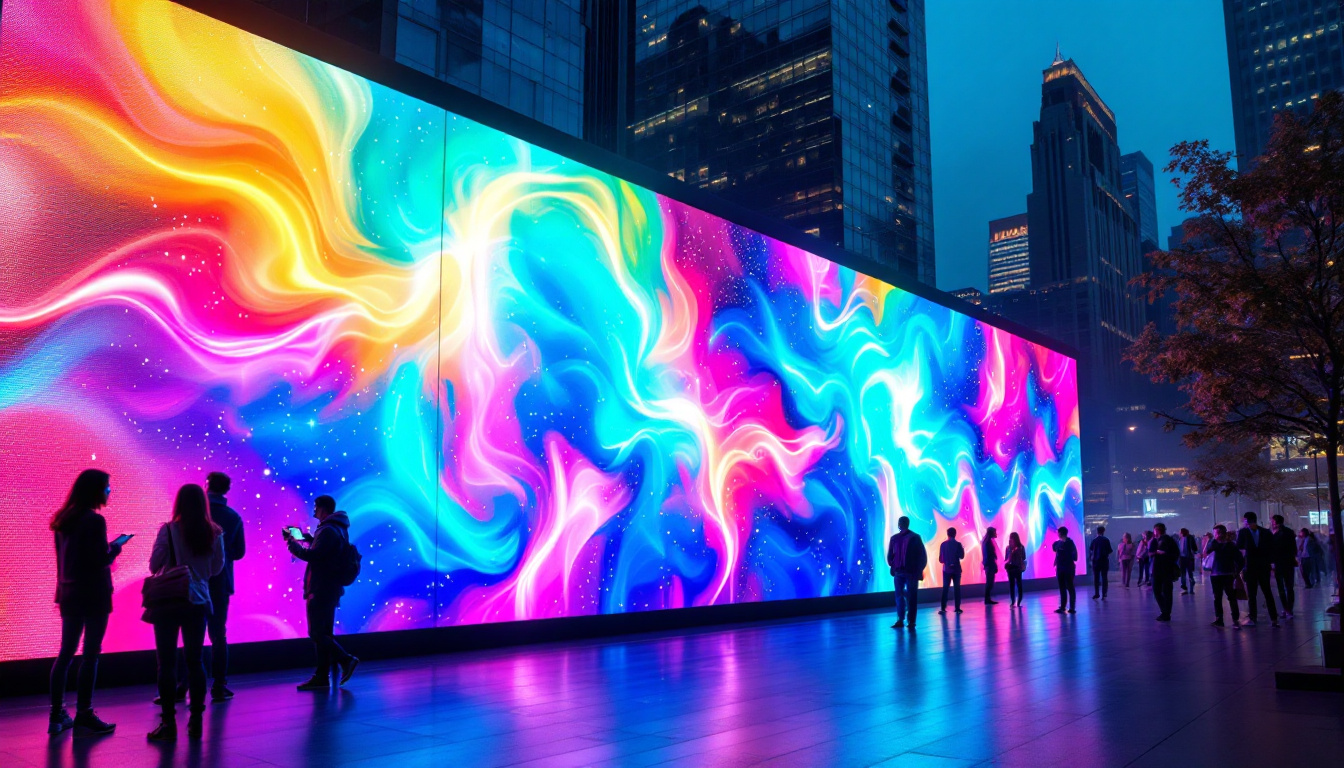
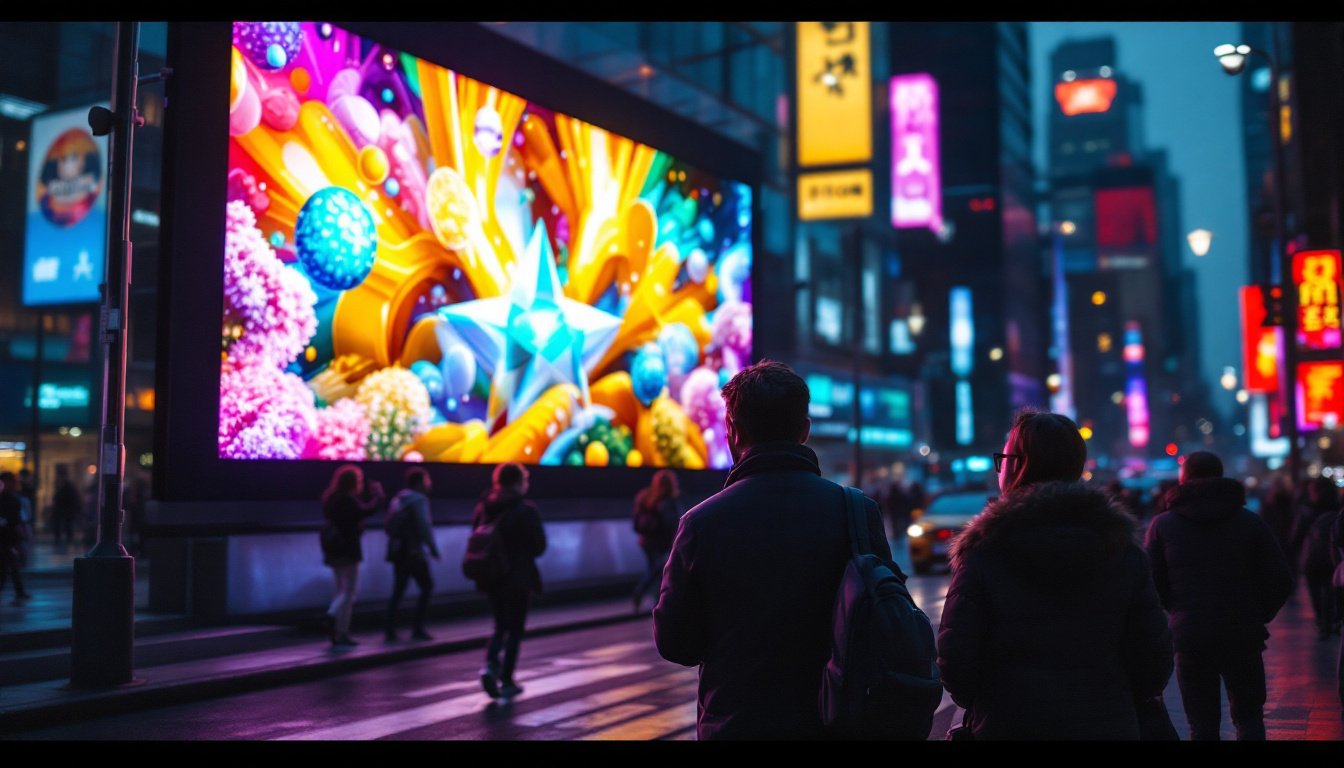
LED displays can be categorized into two main types: direct-view LED displays and LED-backlit LCDs. Direct-view LED displays consist of individual LEDs forming each pixel, commonly used in large outdoor screens and digital billboards. These displays are designed to withstand harsh weather conditions, making them ideal for outdoor advertising and public displays. LED-backlit LCDs, on the other hand, use LEDs as a backlight behind an LCD panel, typical in consumer televisions and monitors. Sharp’s high-definition LED displays primarily leverage direct-view LED technology to achieve superior image quality and durability. The advancements in LED technology have also led to the development of flexible and transparent displays, opening new avenues for creative applications in architecture and design.
How Do LED Displays Work?
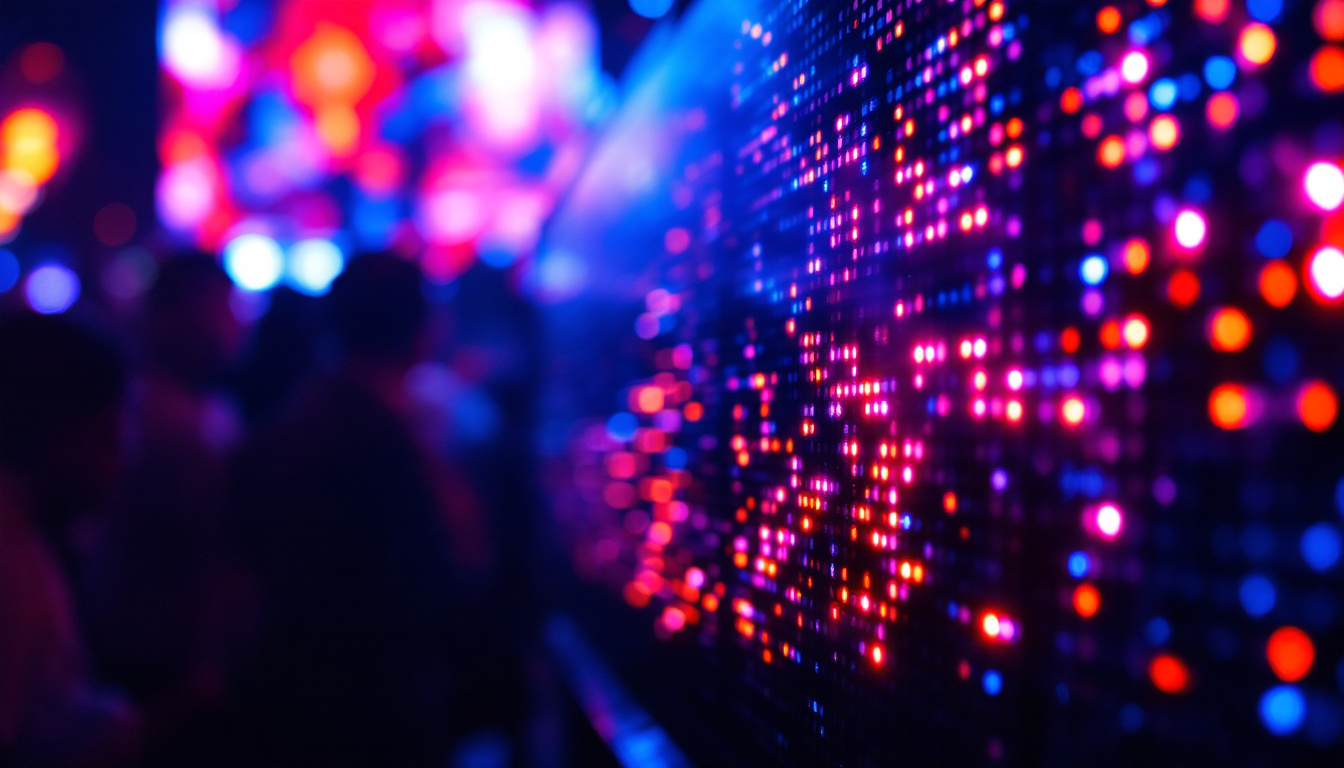
Each pixel in an LED display is composed of red, green, and blue (RGB) LEDs. By varying the intensity of these three colors, the display can produce a full spectrum of colors. The control system adjusts the brightness of each LED rapidly to render detailed images and smooth video playback. This pixel-level control is what enables LED displays to deliver sharp, high-definition content with excellent color accuracy. Additionally, many modern LED displays incorporate advanced technologies such as HDR (High Dynamic Range), which enhances the contrast and color range, resulting in more lifelike images that captivate viewers.
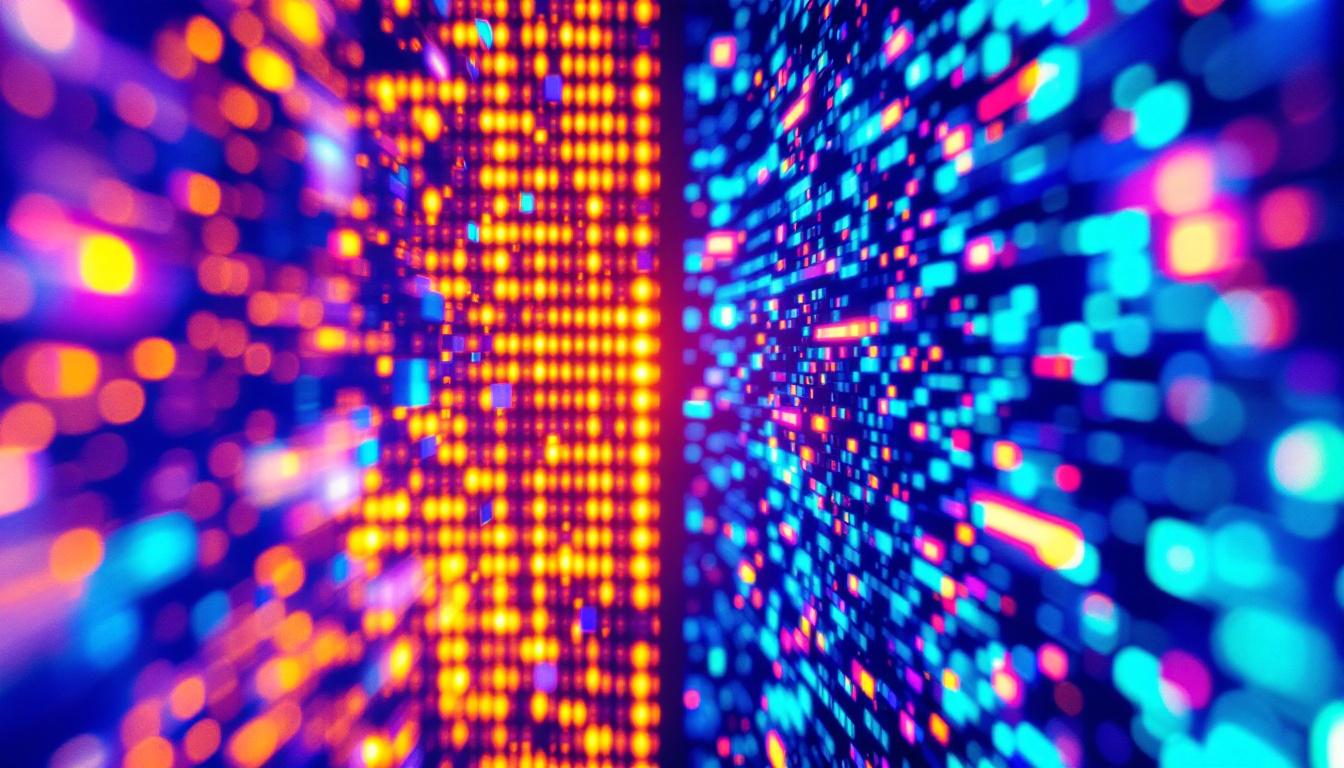
Furthermore, the resolution of an LED display is determined by its pixel pitch—the distance between the centers of two adjacent pixels. A smaller pixel pitch means more pixels per unit area, resulting in higher resolution and sharper images. Sharp’s high-definition LED displays feature ultra-fine pixel pitches, often less than 1mm, which is crucial for applications requiring close viewing distances, such as indoor digital signage and control rooms. The ability to create seamless video walls using multiple LED panels has transformed how businesses present information, allowing for immersive experiences that engage audiences in ways that traditional displays cannot. As technology continues to evolve, we can expect even more innovations in LED display design and functionality, making them an integral part of our visual landscape.
Key Advantages of Sharp High-Definition LED Displays
Exceptional Image Quality
One of the most compelling reasons to choose Sharp’s high-definition LED displays is their outstanding image quality. With cutting-edge LED technology and advanced calibration, these displays deliver vibrant colors, deep blacks, and high contrast ratios. This combination ensures that images and videos appear lifelike and engaging, capturing viewers’ attention effectively.
Sharp’s proprietary image processing algorithms also enhance clarity and reduce motion blur, making their LED displays ideal for dynamic content such as sports broadcasts, digital advertising, and interactive presentations. The high refresh rates supported by these displays contribute to smooth motion rendering, which is essential for maintaining viewer engagement.
Brightness and Visibility in Any Environment
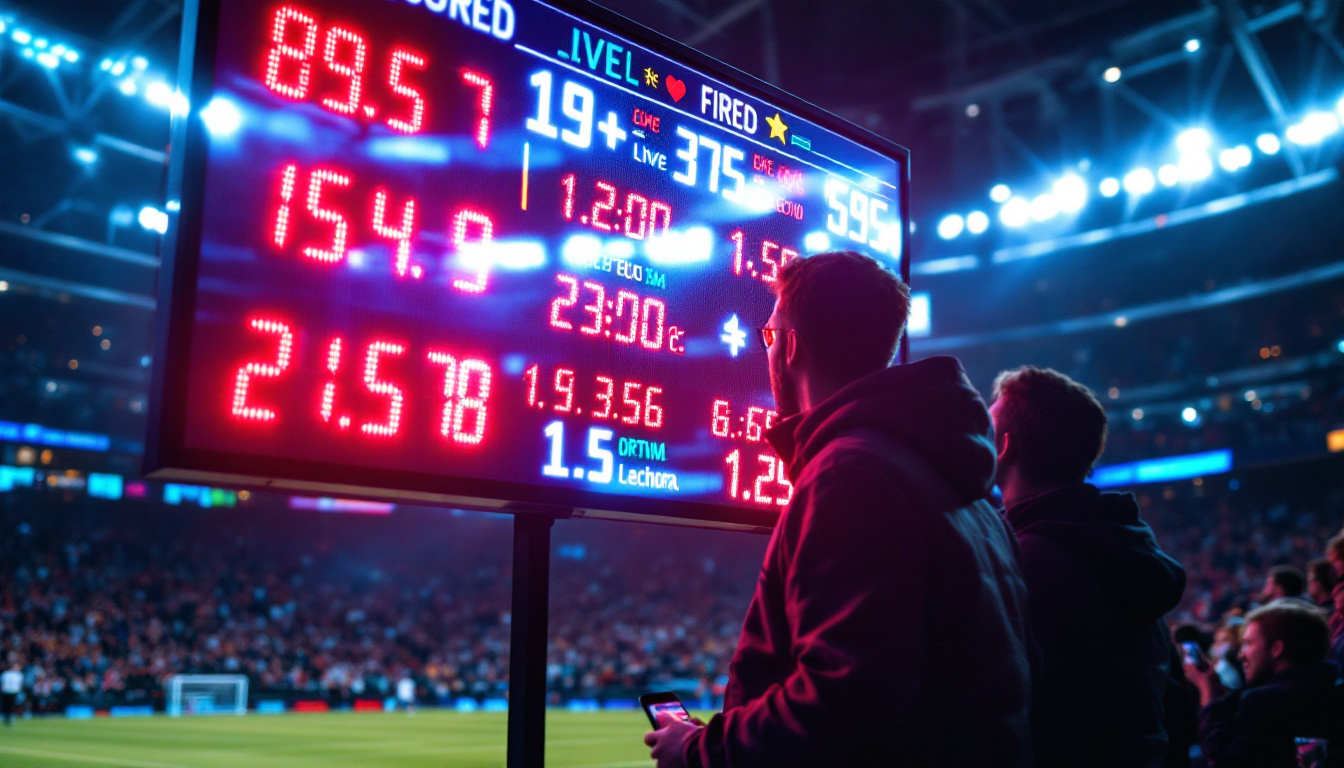
LED displays are renowned for their brightness, and Sharp’s high-definition models are no exception. They can achieve brightness levels exceeding 1,000 nits, ensuring clear visibility even in brightly lit environments or direct sunlight. This makes them suitable for both indoor and outdoor applications, from retail stores and airports to stadiums and public squares.
Moreover, Sharp’s LED displays incorporate ambient light sensors and automatic brightness adjustment features. This technology optimizes screen brightness based on surrounding lighting conditions, enhancing viewer comfort and reducing power consumption without compromising image quality.
Energy Efficiency and Longevity
Energy efficiency is a critical consideration for businesses and organizations operating large display installations. Sharp’s LED displays consume significantly less power compared to traditional display technologies, such as plasma or fluorescent-backlit LCDs. This efficiency translates into lower operating costs and a reduced environmental footprint.
In addition to energy savings, LED displays boast impressive longevity. The LEDs used in Sharp’s displays have a lifespan of up to 100,000 hours, meaning they can operate continuously for over a decade under normal usage conditions. This durability reduces maintenance costs and downtime, making LED displays a cost-effective long-term investment.
Applications of Sharp High-Definition LED Displays
Retail and Advertising
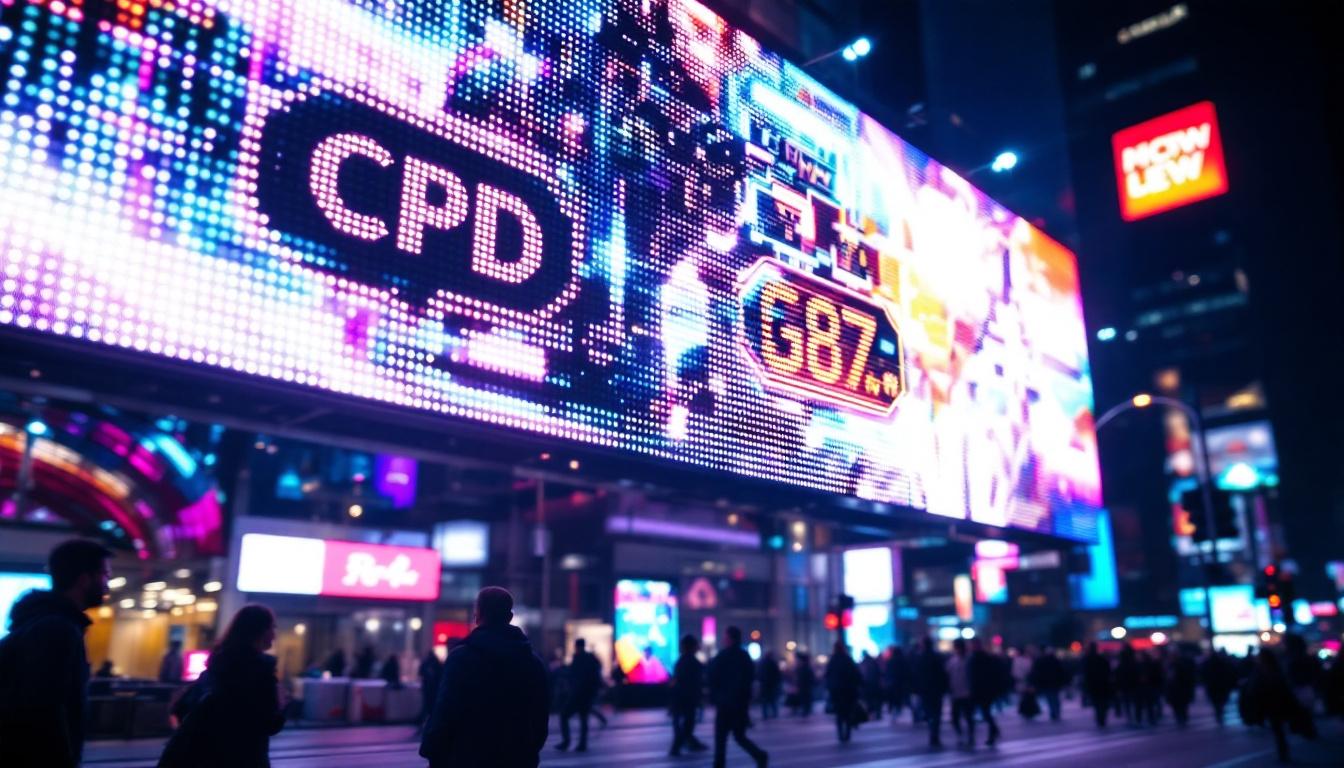
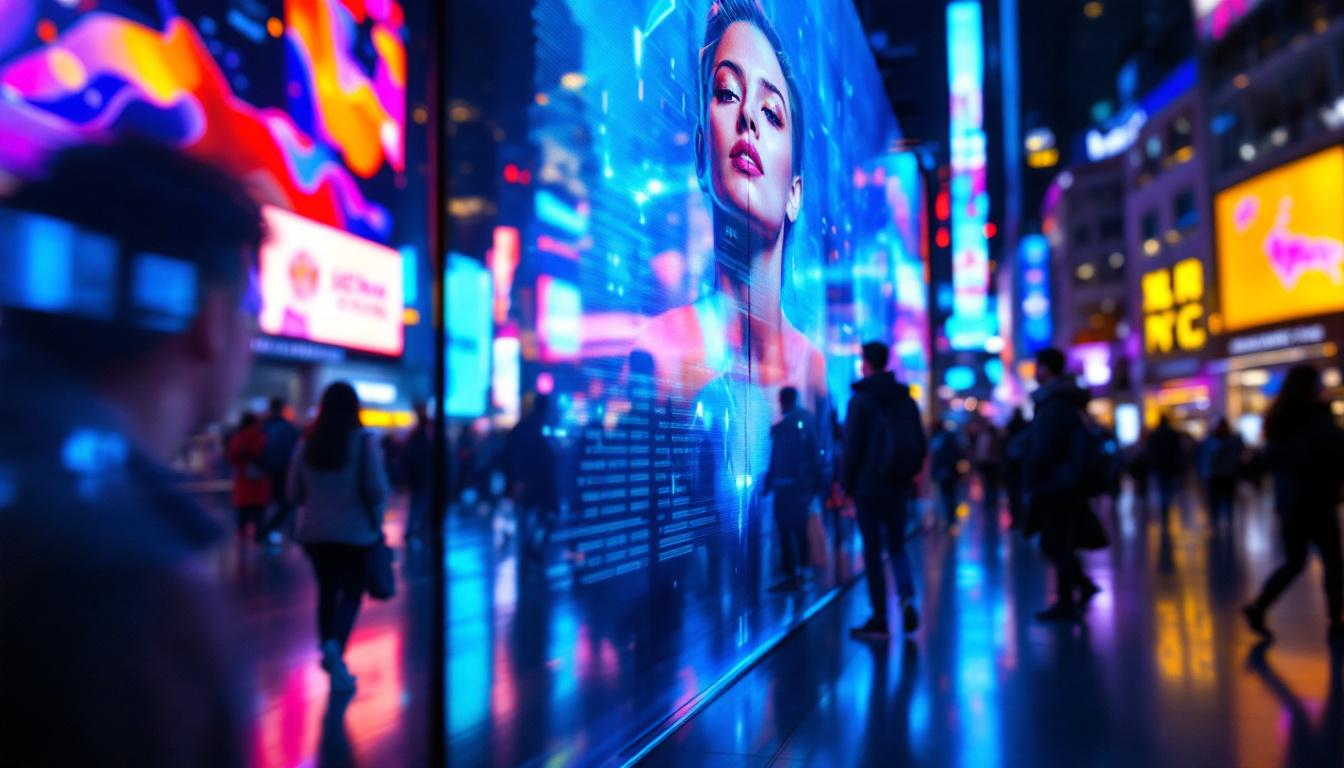
Retail environments benefit immensely from high-definition LED displays due to their ability to attract customers with vivid, dynamic content. Sharp’s LED displays are widely used for digital signage, window displays, and promotional screens that showcase products and offers with eye-catching visuals. The high resolution and brightness ensure that advertisements remain clear and impactful, even in busy or brightly lit spaces.
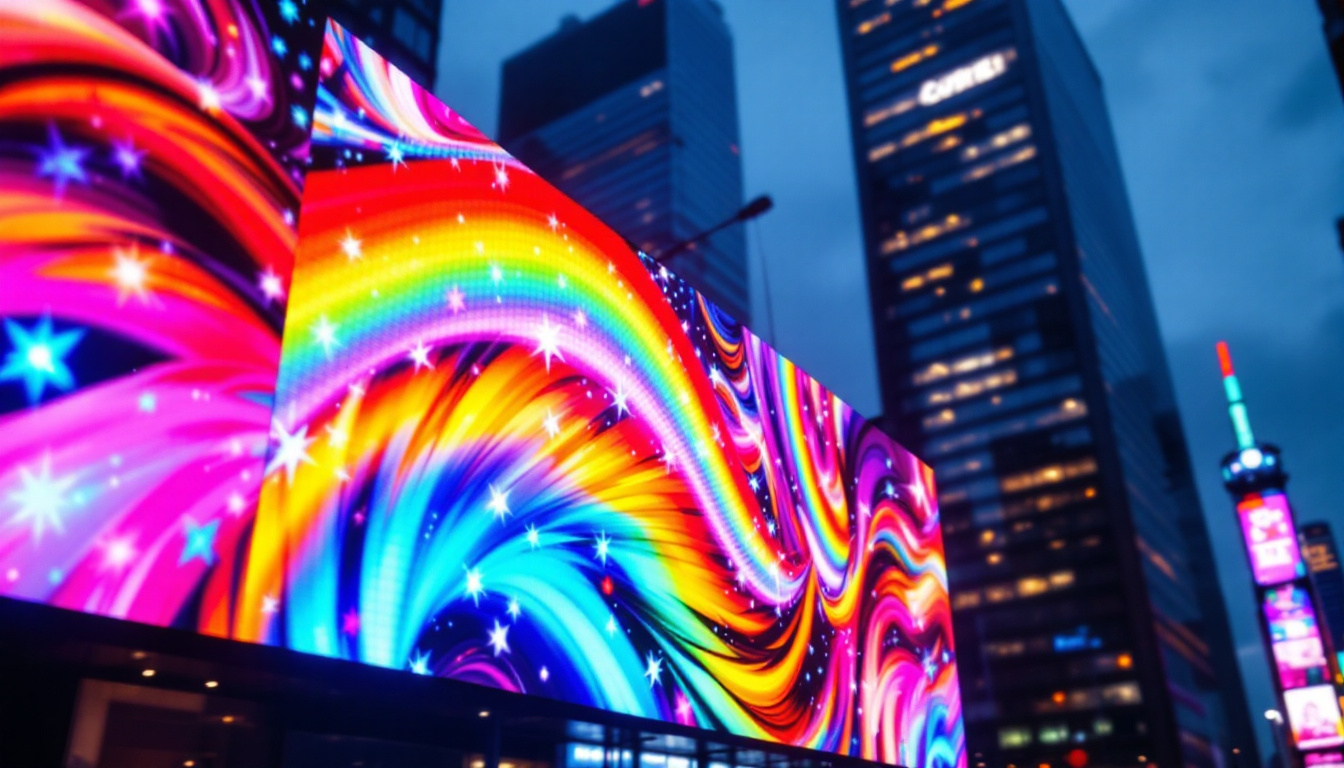
Digital billboards powered by Sharp’s LED technology are also transforming outdoor advertising. Their scalability and weather-resistant design allow for large-format displays that maintain sharp image quality regardless of size or environmental conditions.
Corporate and Control Rooms
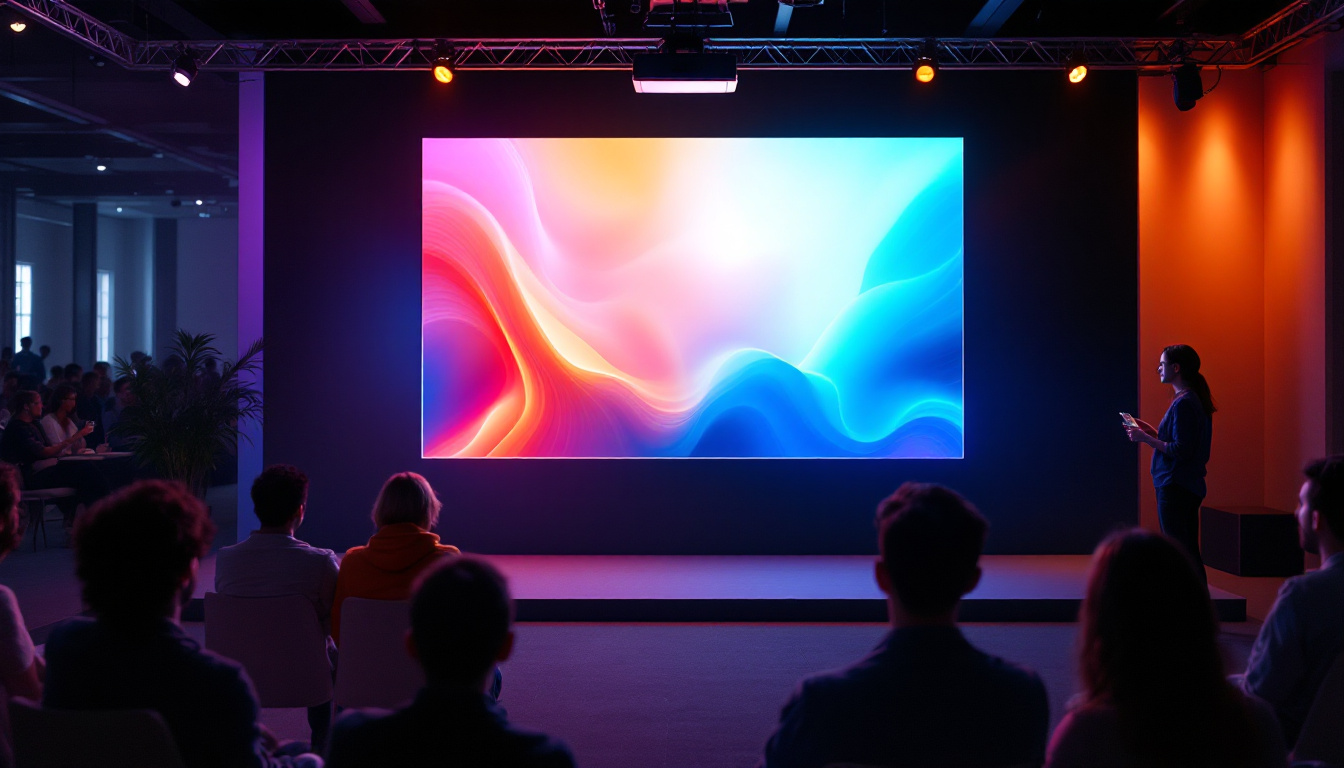
In corporate settings, high-definition LED displays facilitate effective communication and collaboration. Sharp’s displays are often installed in conference rooms, auditoriums, and control centers, where clear visualization of data and presentations is paramount. The ultra-fine pixel pitch ensures that detailed information, such as charts and graphs, is easily readable from various viewing angles.
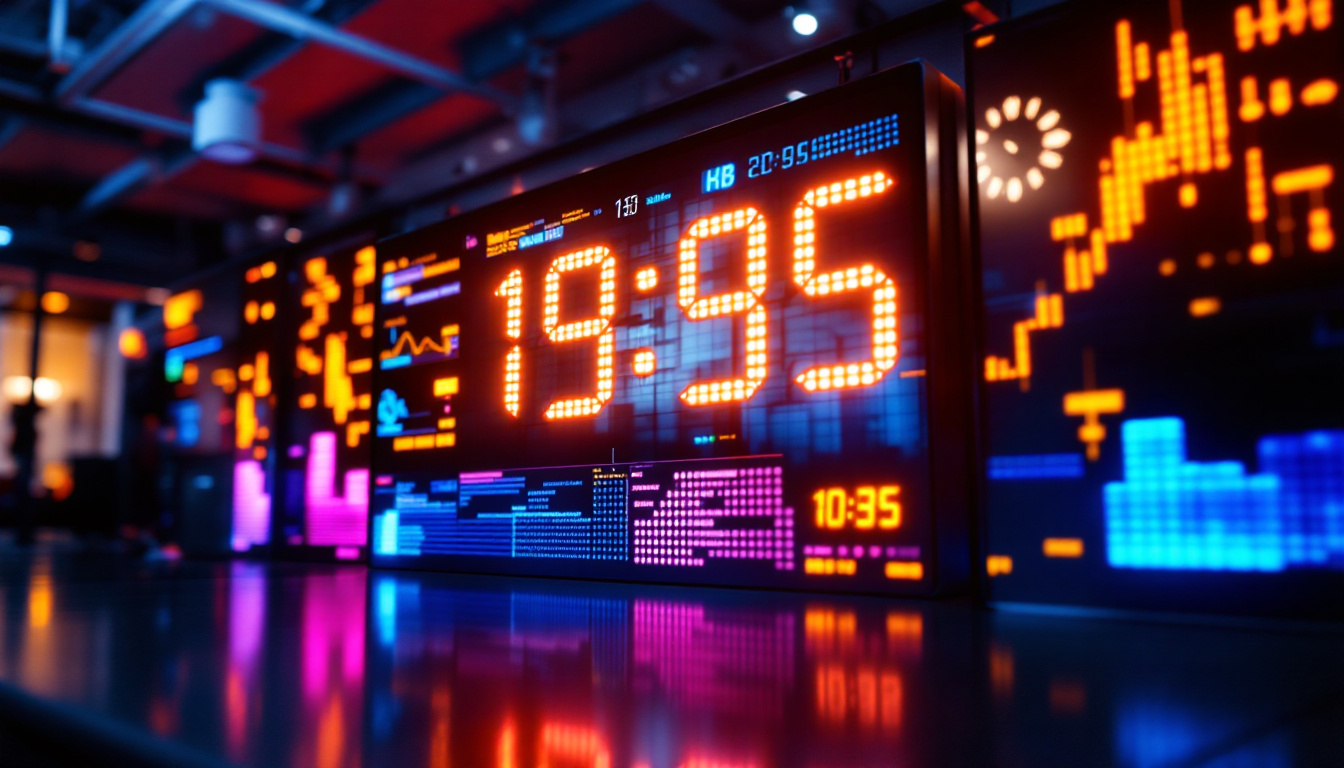
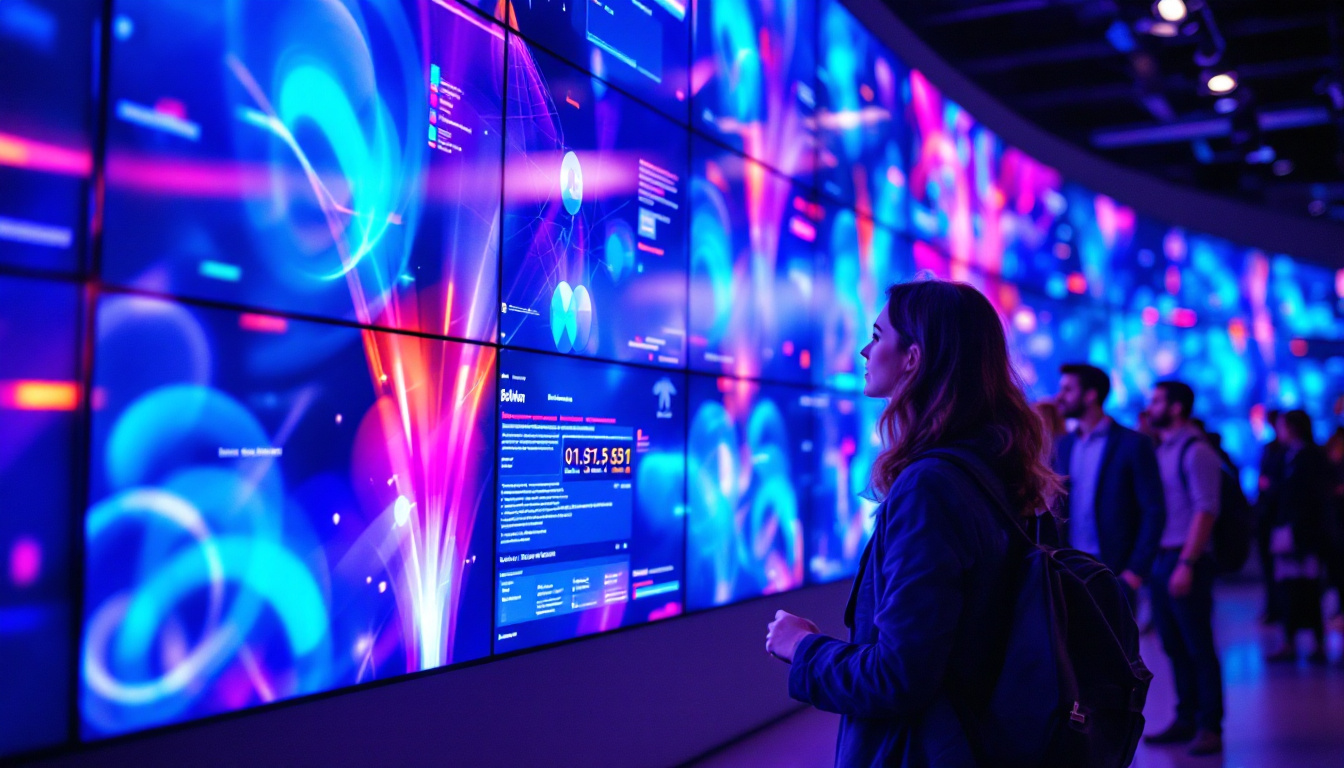
Control rooms, in particular, demand reliable and precise displays for monitoring critical operations. Sharp’s LED technology supports multi-screen configurations and real-time data visualization, enabling operators to make informed decisions quickly and efficiently.
Entertainment and Events
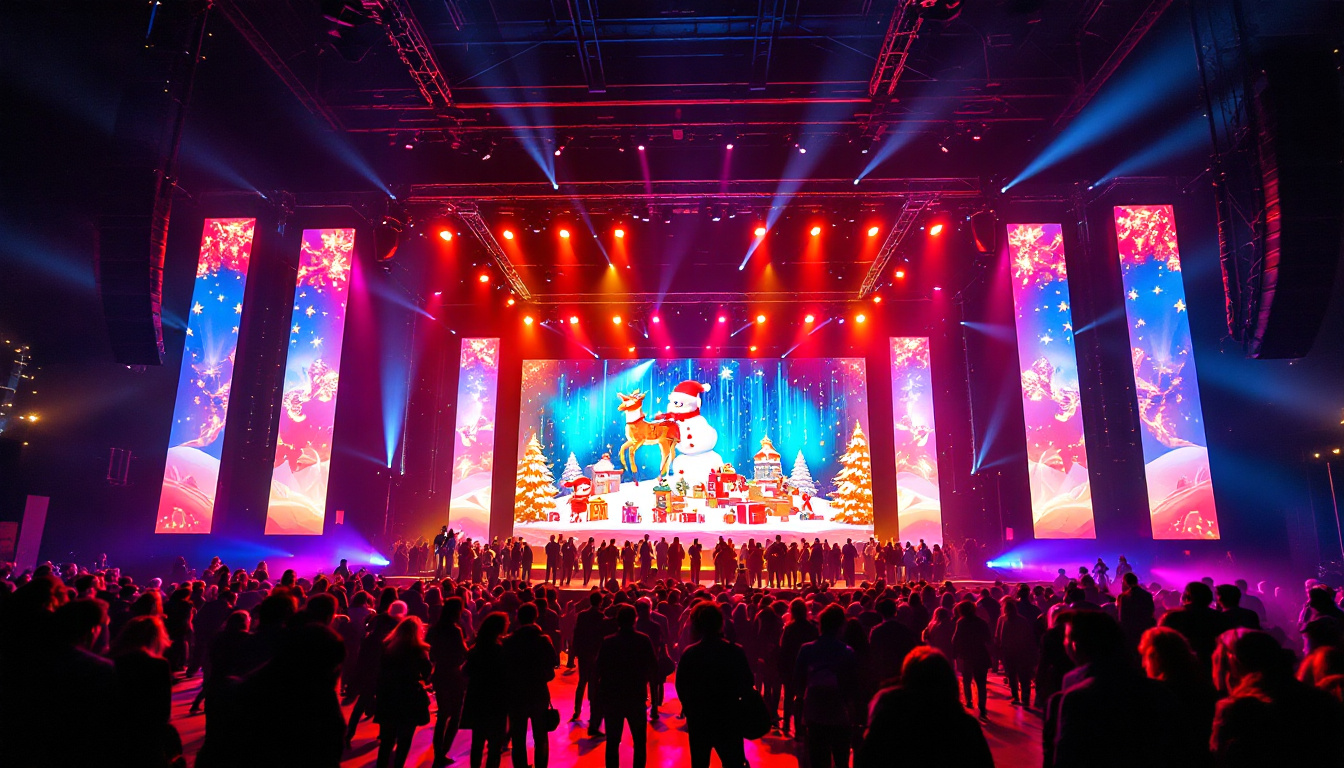
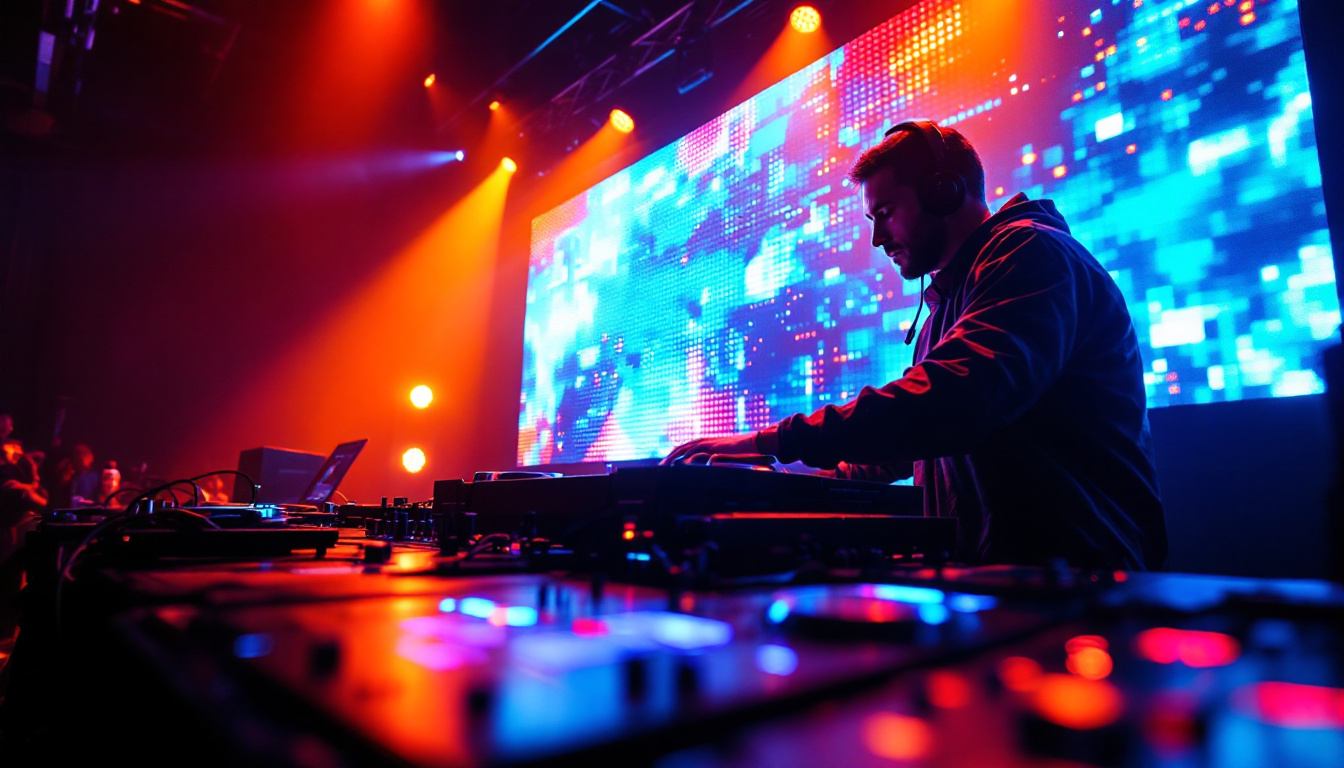
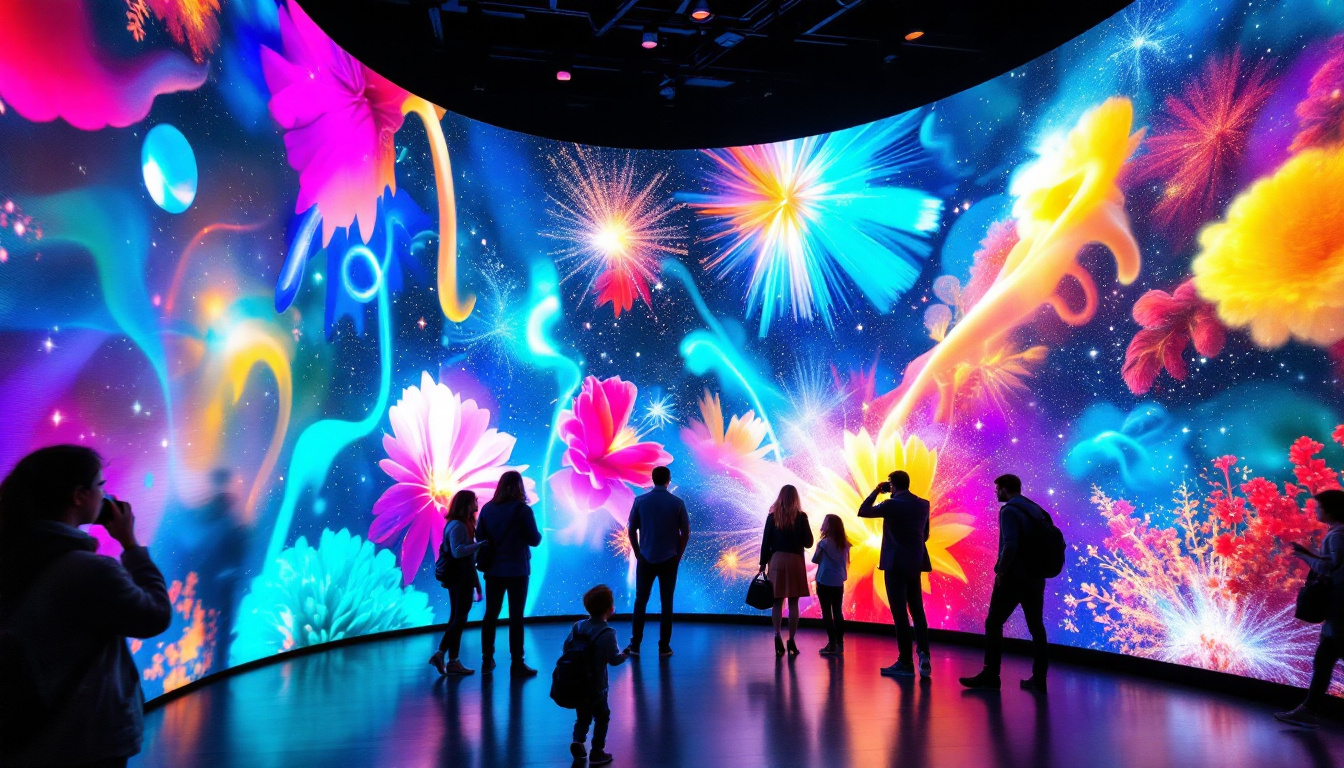
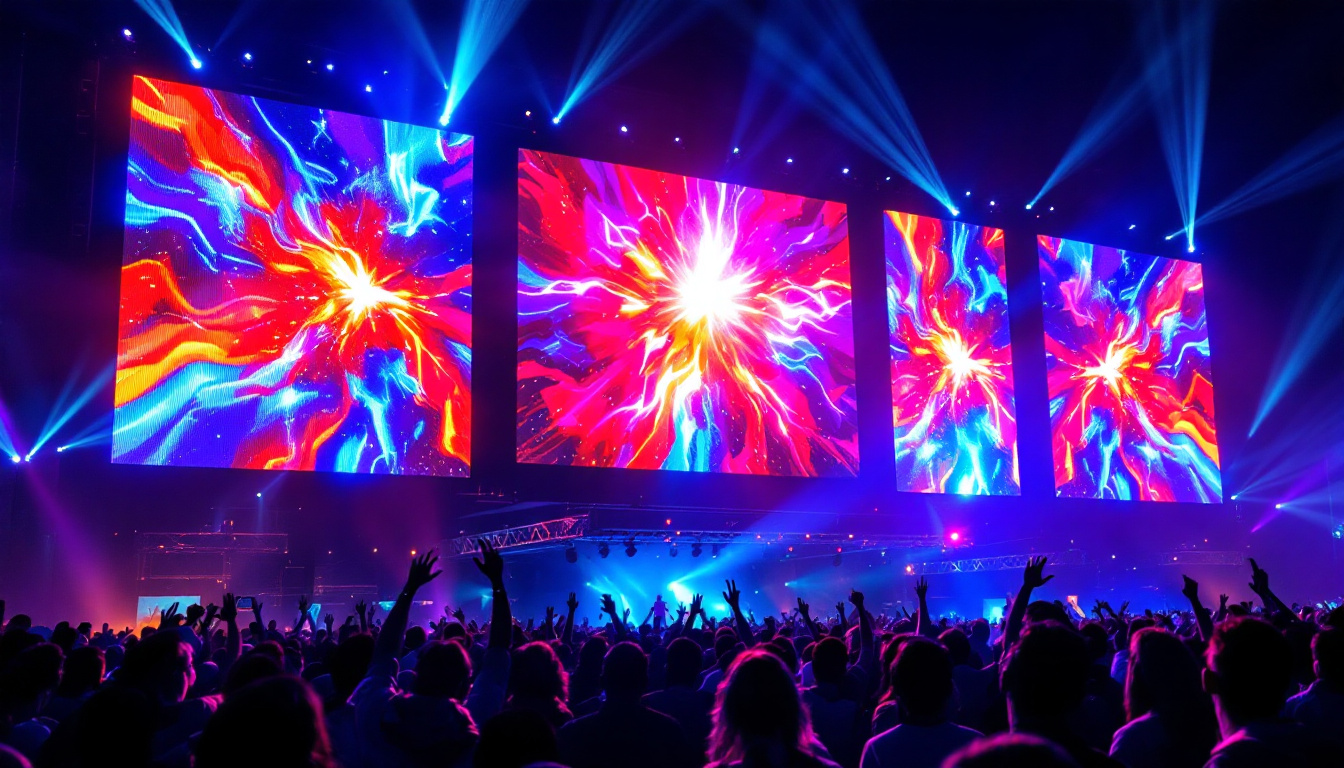
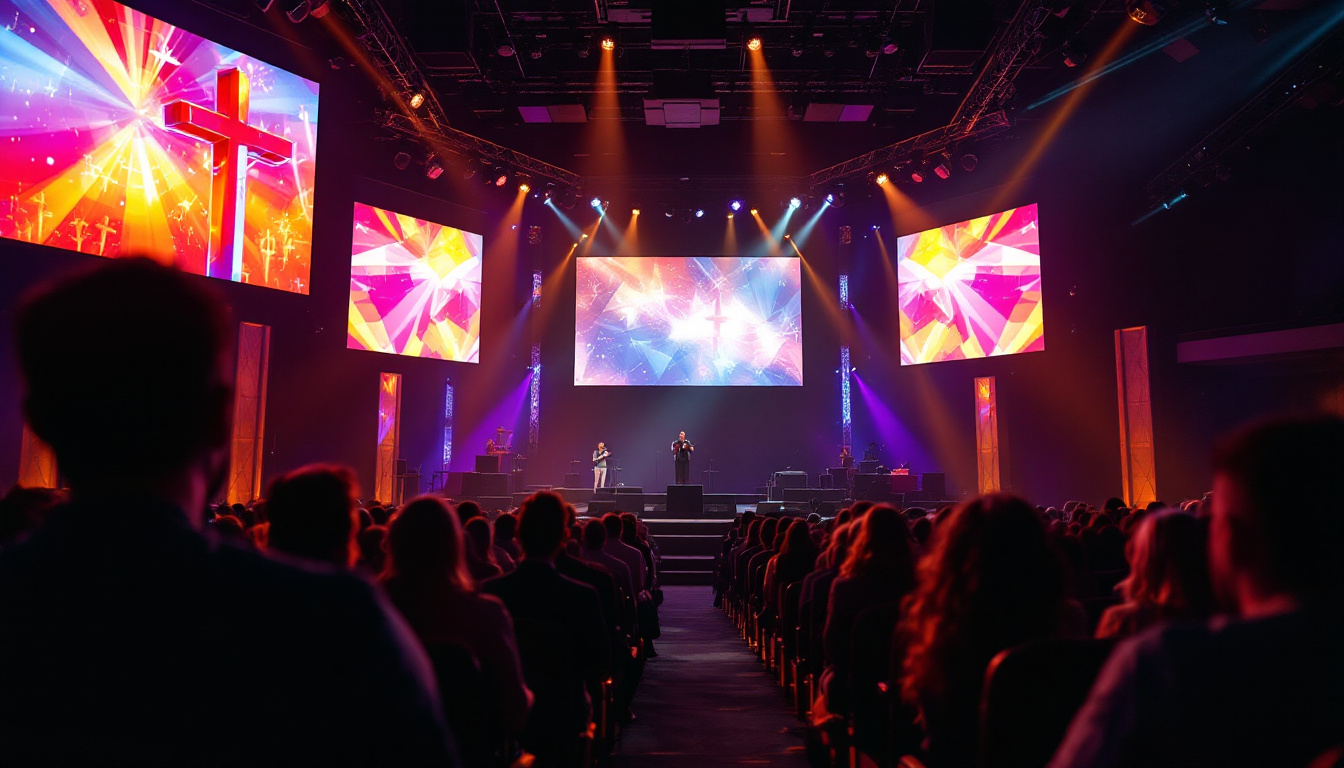
The entertainment industry has embraced LED displays for concerts, theaters, and live events due to their versatility and superior image quality. Sharp’s high-definition LED displays provide immersive visual experiences that enhance performances and audience engagement. Their lightweight and modular design allow for flexible installation and customization to fit different venue sizes and layouts.
Additionally, LED displays are integral to broadcasting studios, where accurate color reproduction and high resolution are essential for producing professional-grade content.
Technological Innovations Behind Sharp’s LED Displays
Advanced Pixel Technology
Sharp invests heavily in research and development to push the boundaries of LED display technology. One of their key innovations is the development of micro-LED technology, which uses microscopic LEDs to create displays with even higher resolution and brightness. This technology promises to revolutionize display quality by offering superior color accuracy, contrast, and energy efficiency compared to conventional LEDs.
Sharp’s expertise in semiconductor manufacturing also enables precise control over LED size and placement, resulting in displays with minimal pixel gaps and uniform brightness distribution. This attention to detail is critical for achieving the sharp, high-definition visuals that define their products.
Smart Display Features
Modern LED displays are more than just screens—they are intelligent devices equipped with features that enhance usability and integration. Sharp’s high-definition LED displays come with built-in sensors, network connectivity, and software platforms that allow remote management, content scheduling, and real-time diagnostics.
These smart capabilities enable businesses to optimize content delivery, monitor display health, and respond quickly to technical issues, ensuring consistent performance and reduced operational complexity.
Choosing the Right Sharp LED Display for Your Needs
Assessing Resolution and Pixel Pitch
When selecting a Sharp LED display, it is essential to consider the intended viewing distance and application. For close-range viewing, such as in retail stores or control rooms, a display with a fine pixel pitch (below 1mm) is recommended to ensure crisp images without visible pixelation. For larger venues or outdoor installations where viewers are farther away, a wider pixel pitch may be sufficient and more cost-effective.
Consider Environmental Factors
Sharp offers LED displays designed for various environments, including weatherproof models for outdoor use and high-brightness panels for areas with intense ambient light. Understanding the installation environment will guide the choice of display type, brightness level, and protective features needed to maintain optimal performance.
Integration and Support Services
Sharp provides comprehensive support services, including installation, calibration, and maintenance, to ensure that LED displays operate at peak performance. Engaging with Sharp’s technical experts during the planning phase can help tailor the solution to specific requirements and maximize the return on investment.
Conclusion: The Future of Visual Displays with Sharp LED Technology
Sharp’s high-definition LED displays represent the forefront of display technology, combining exceptional image quality, energy efficiency, and innovative features to meet the demands of diverse industries. As digital content continues to dominate communication and marketing strategies, investing in a reliable and sharp LED display becomes increasingly important.
With ongoing advancements such as micro-LED technology and smart display integration, Sharp is well-positioned to lead the evolution of visual displays, delivering immersive and impactful experiences that captivate audiences worldwide. Whether for advertising, corporate communication, entertainment, or public information, Sharp’s LED displays offer a compelling solution for those seeking sharp, high-definition visuals with lasting value.
Discover LumenMatrix’s Advanced LED Display Solutions
Ready to elevate your visual display capabilities? Explore LumenMatrix’s innovative LED display solutions, where cutting-edge technology meets creative design. From vibrant Indoor LED Wall Displays to robust Outdoor LED Wall Displays, and from dynamic Vehicle LED Displays to sleek LED Poster Displays, LumenMatrix offers a wide range of products tailored to your unique needs. Whether you’re looking to enhance your sports venue with an LED Sports Display, add movement with a Floor LED Display, or customize your message with a Custom LED Display, LumenMatrix has you covered. Experience the future of visual communication with our All-in-One LED Display and LED Transparent Display options. Check out LumenMatrix LED Display Solutions today and transform how you connect with your audience.