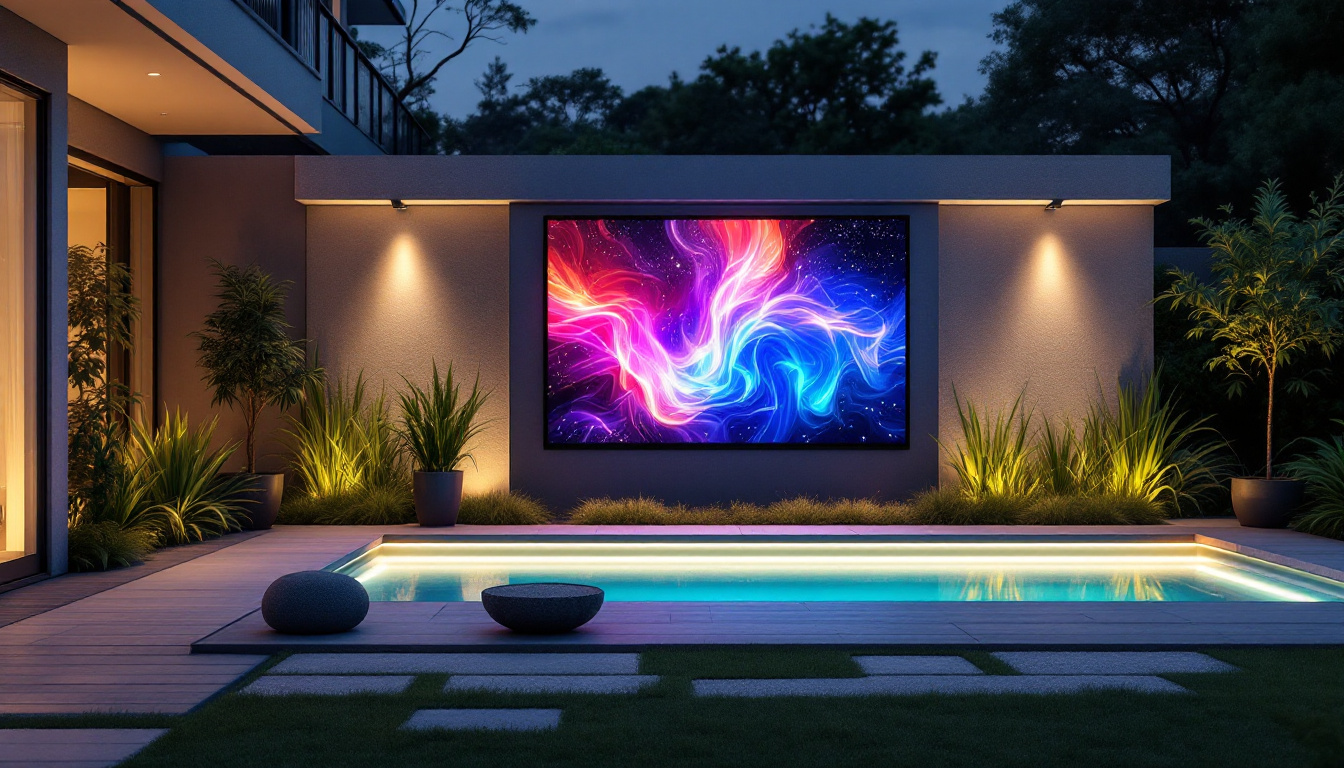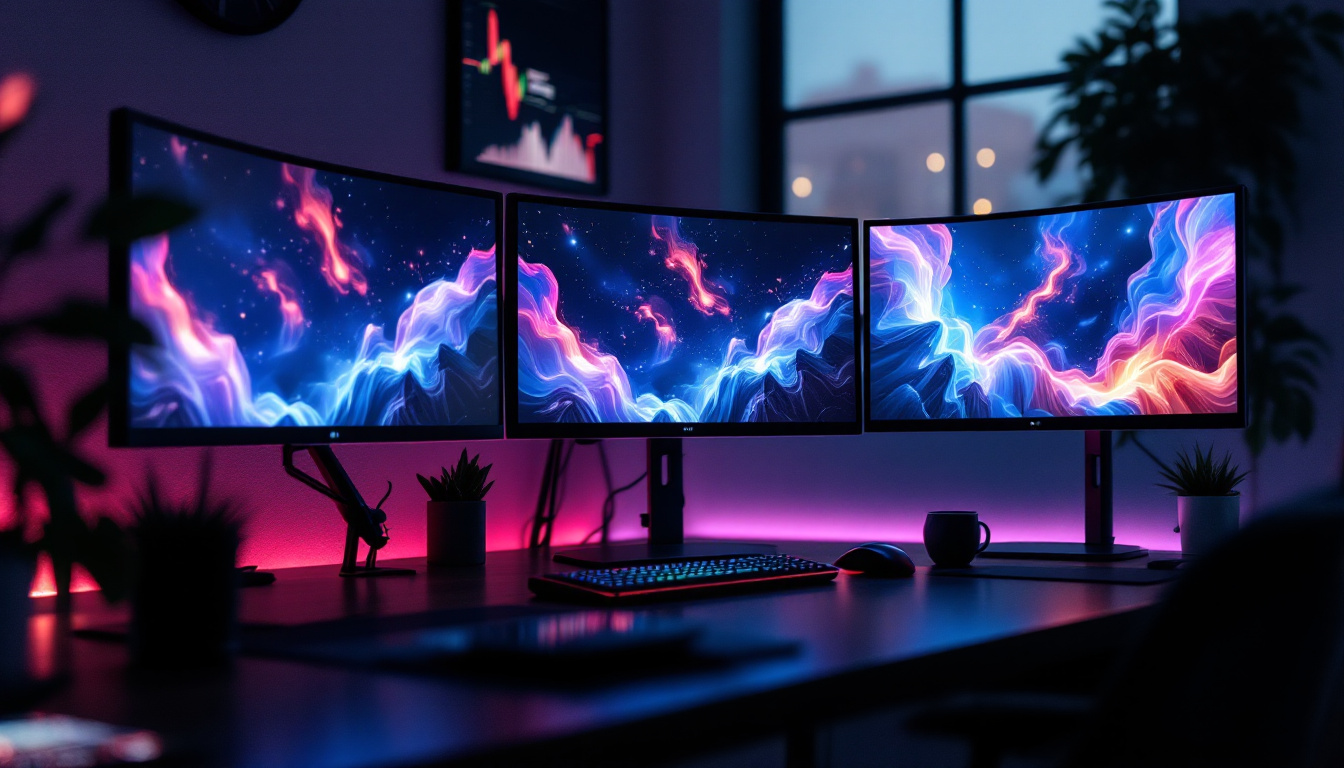
In today’s competitive retail and exhibition environments, capturing customer attention is more challenging than ever. Showrooms, whether for automobiles, electronics, fashion, or luxury goods, rely heavily on visual appeal to engage visitors and communicate brand messages effectively. One of the most powerful tools in this visual arsenal is the LED display. This technology has transformed the way businesses showcase products, deliver dynamic content, and create immersive experiences for their customers.
This article explores LED displays in the context of showroom environments, explaining what they are, how they work, and why they have become indispensable in modern retail and exhibition spaces. From technical insights to practical applications and benefits, this comprehensive guide will help showroom managers, marketers, and business owners understand how to leverage LED displays to maximize impact.
Understanding LED Displays: Technology and Types
What is an LED Display?
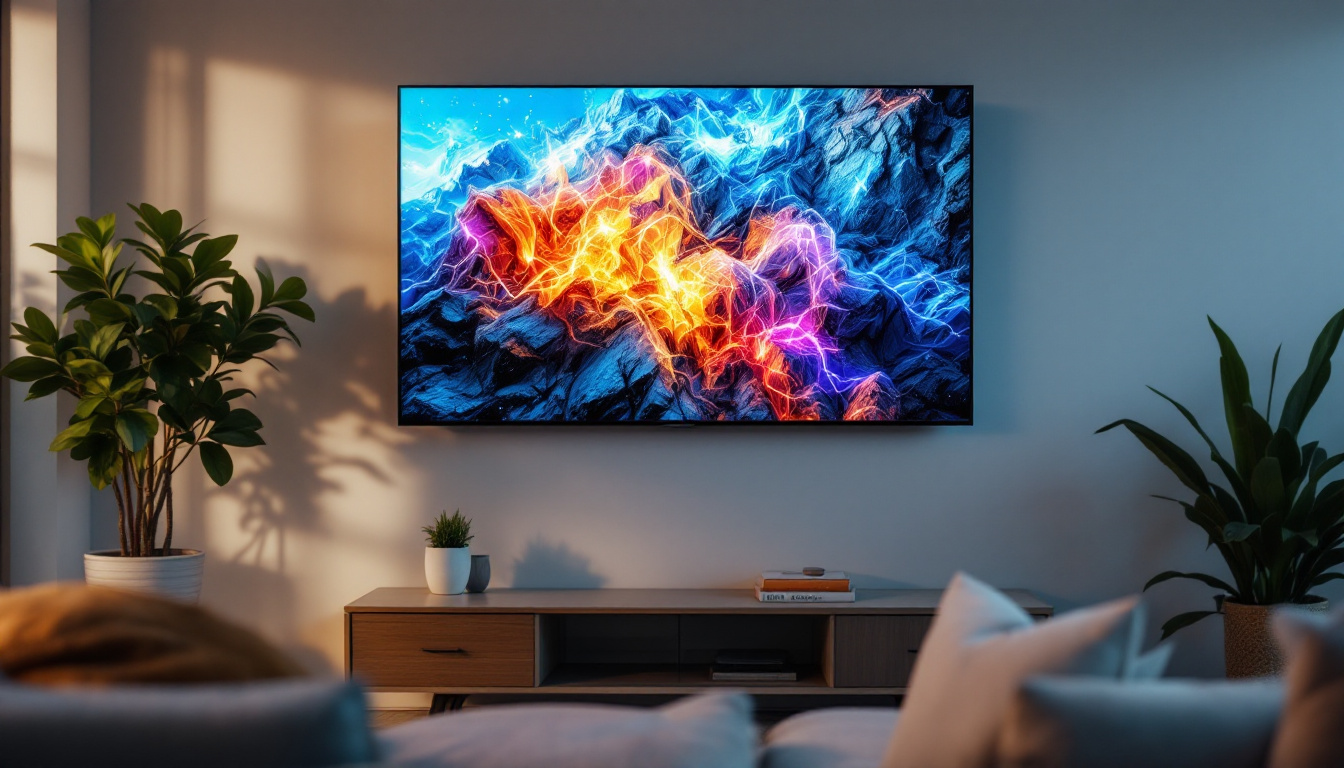
LED stands for Light Emitting Diode, a semiconductor device that emits light when an electric current passes through it. An LED display is a flat panel display that uses an array of these tiny LEDs to create images, videos, and text. Unlike traditional LCD screens, LED displays can be much brighter, more energy-efficient, and capable of producing vivid colors with high contrast ratios. This technology has revolutionized the way visual content is presented, making it more engaging and impactful for viewers.
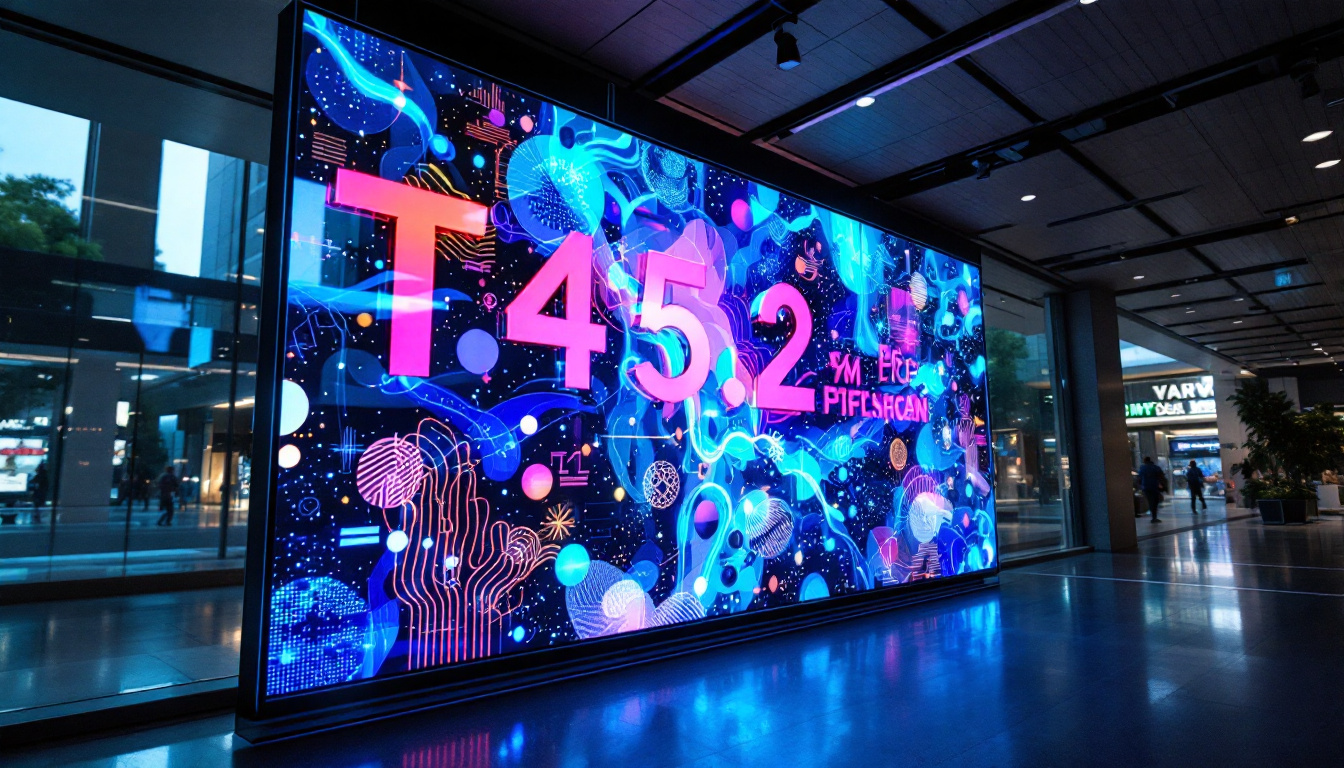
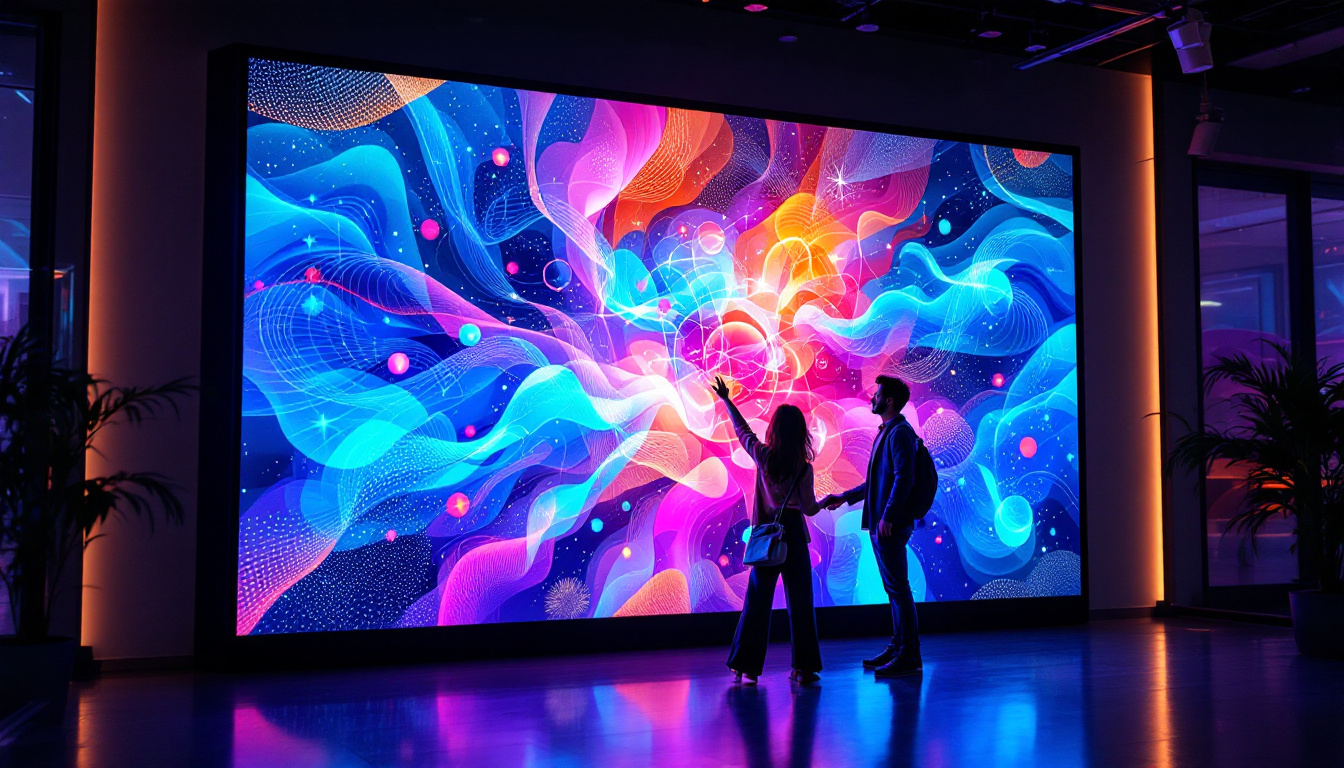
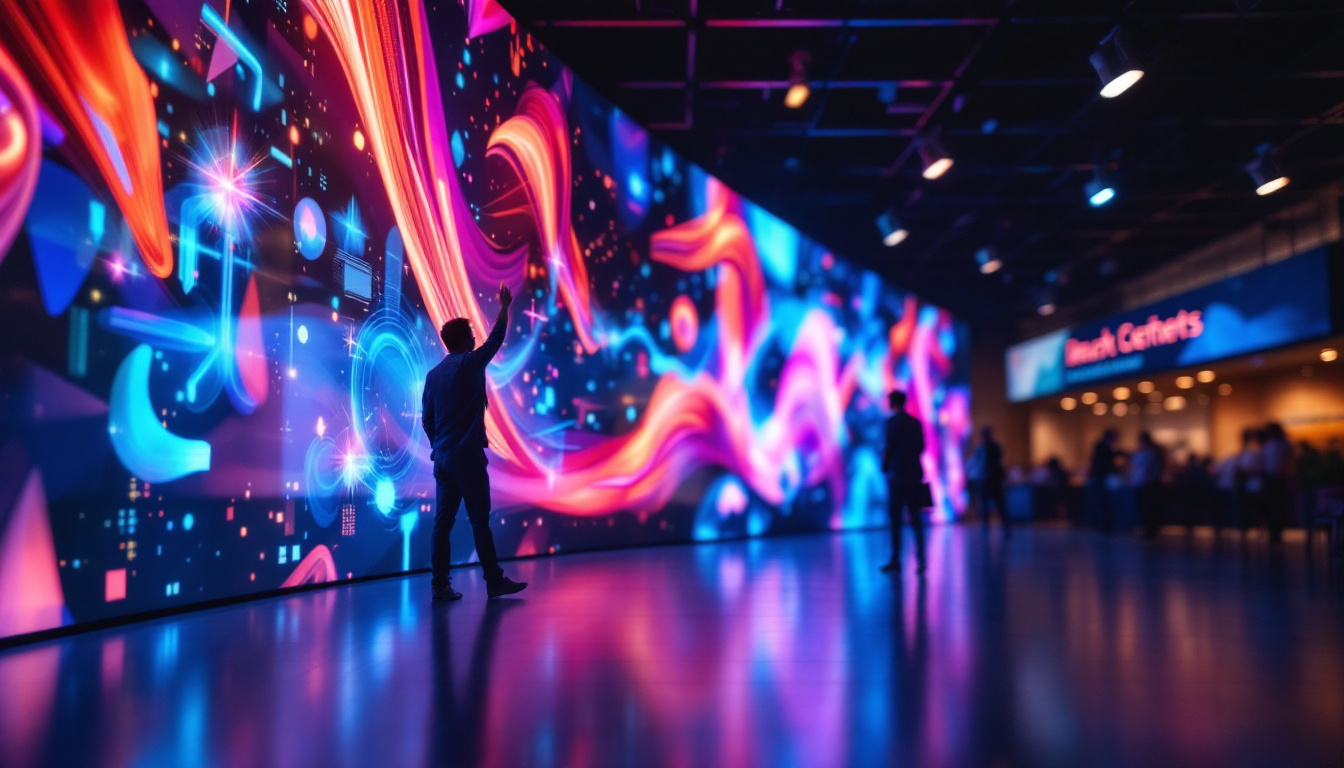
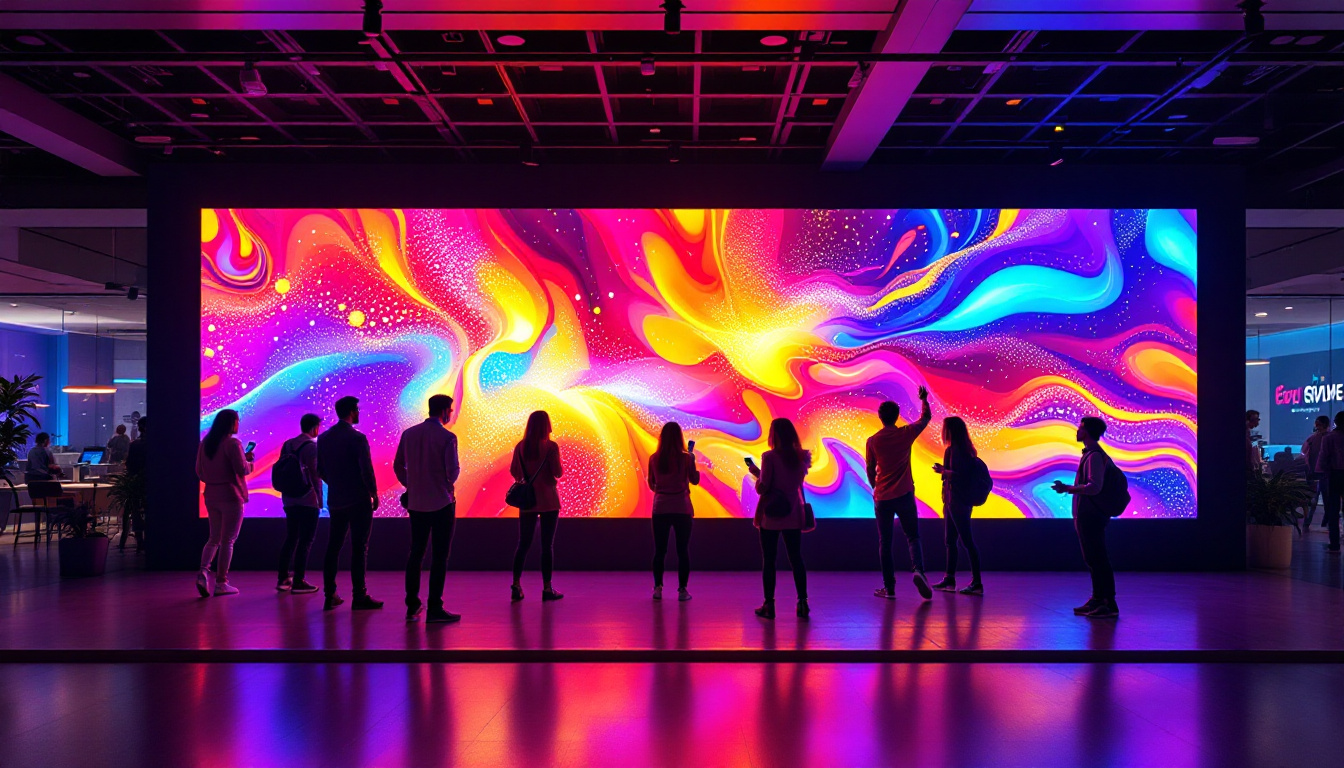
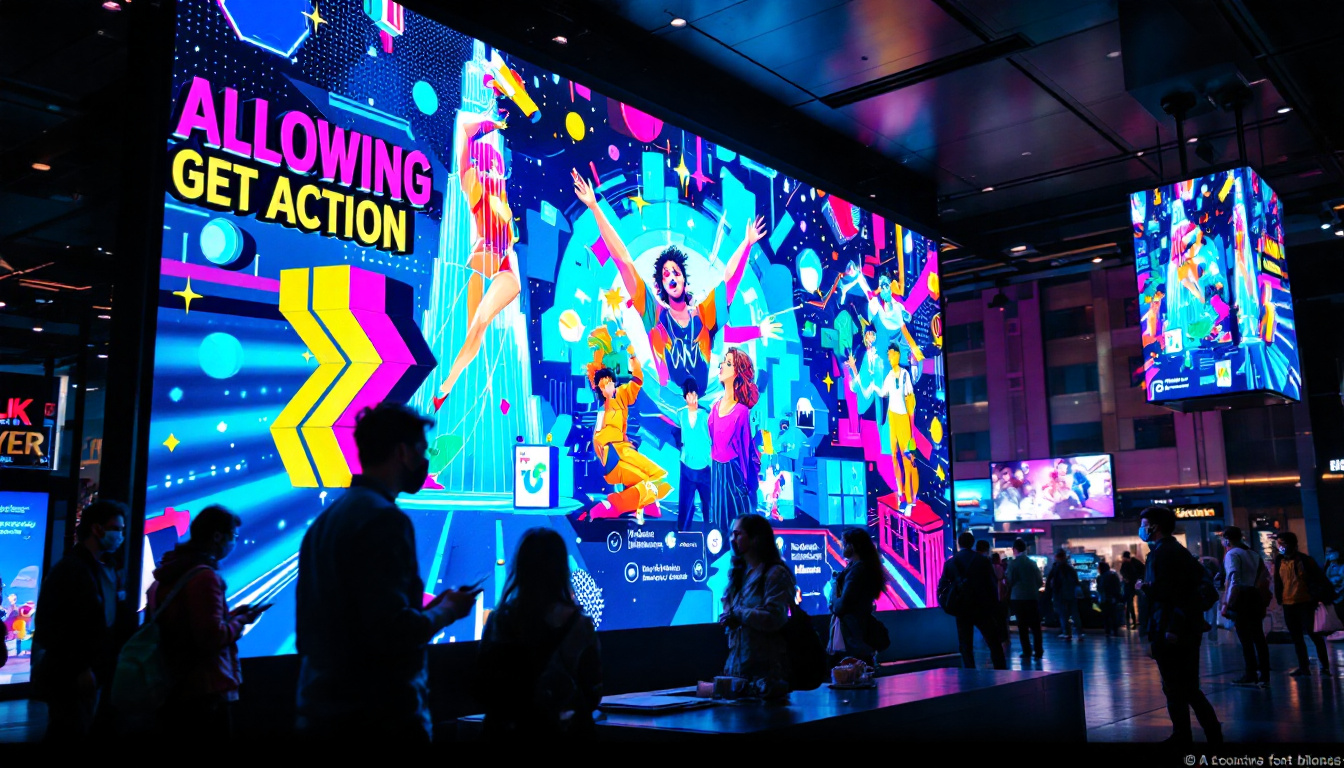
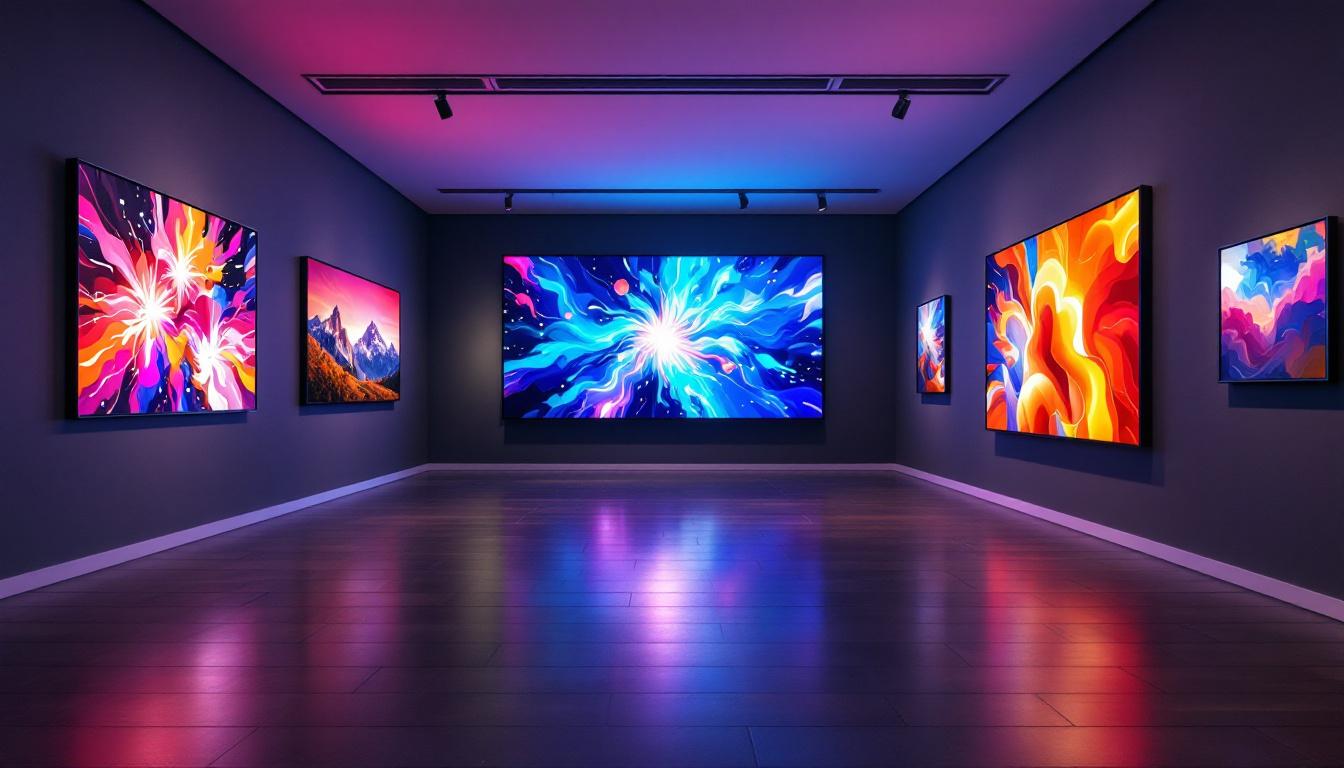
In showrooms, LED displays are often used as large-format screens or video walls that can be customized in size and shape to fit the space and design requirements. They can display static images, animations, live video feeds, or interactive content, making them versatile tools for engaging customers. The ability to update content in real-time allows businesses to showcase promotions, new products, or events instantly, enhancing customer interaction and driving sales. Additionally, the low maintenance and long lifespan of LED technology contribute to its growing popularity in commercial settings.
Types of LED Displays Used in Showrooms
There are several types of LED displays commonly used in showroom settings, each with unique characteristics suited to different applications:
- Indoor LED Displays: Designed for indoor environments, these displays offer high resolution and brightness levels suitable for well-lit showrooms. They typically have smaller pixel pitches (the distance between LEDs), allowing for sharper images at close viewing distances. This makes them ideal for displaying intricate details in product showcases, ensuring that customers can appreciate the quality and craftsmanship of items on display.
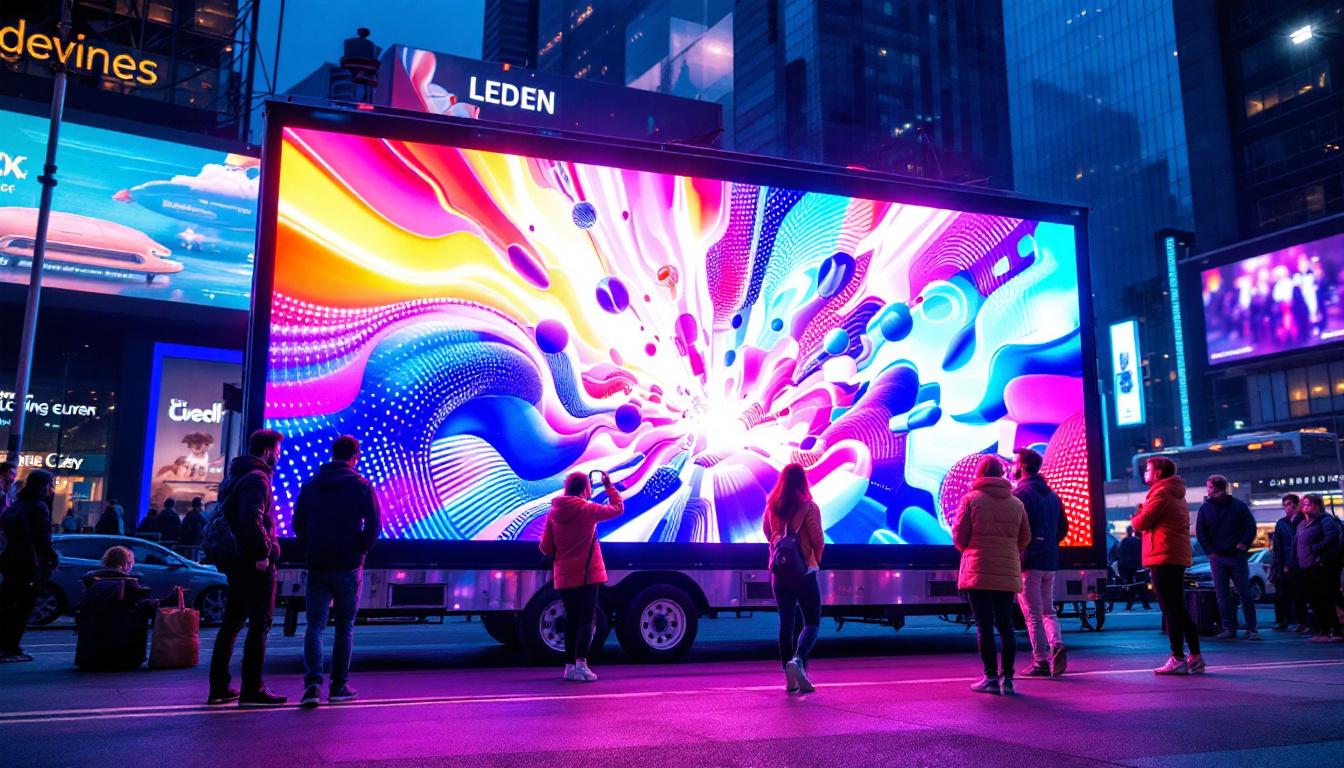
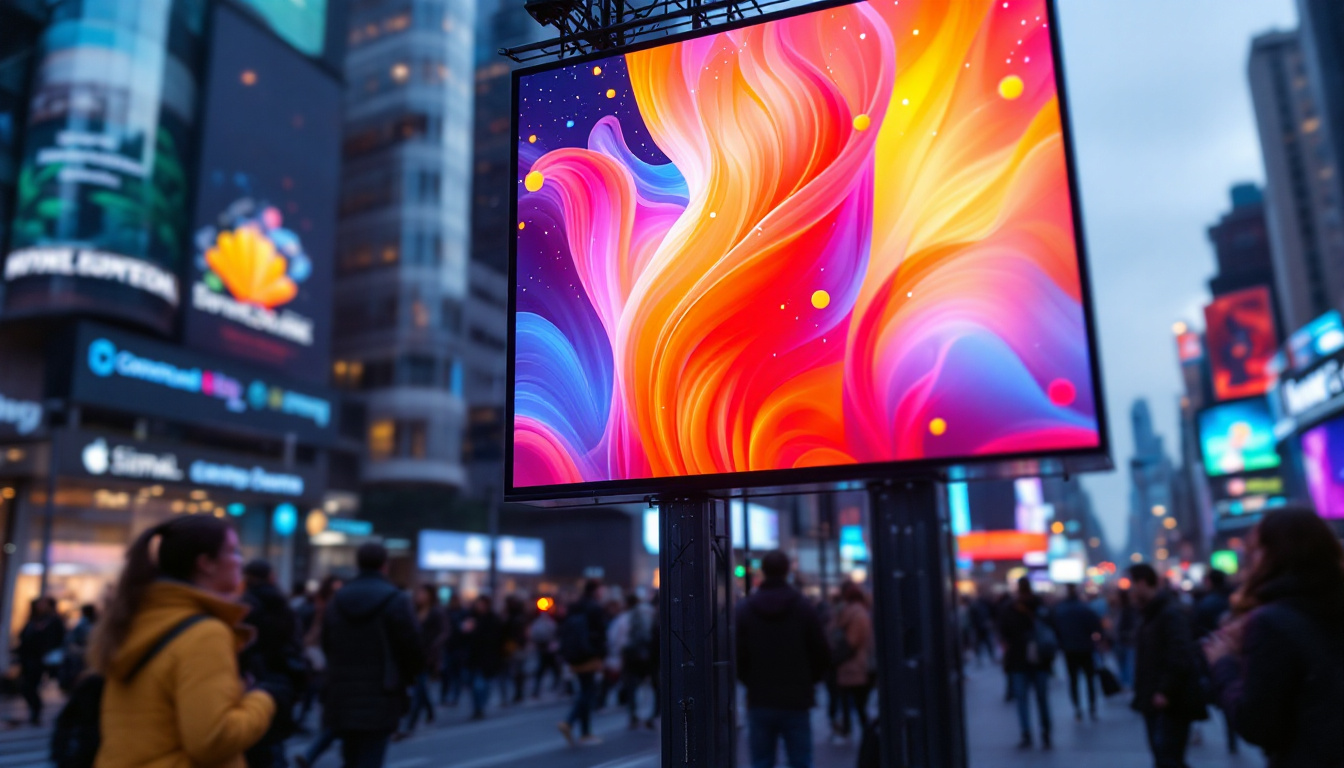
- Outdoor LED Displays: Although primarily designed for exterior use, some showrooms with large windows or open spaces use outdoor-grade LED displays for enhanced brightness and weather resistance. These displays are built to withstand the elements, making them perfect for attracting foot traffic and engaging passersby with eye-catching advertisements and promotions.
- Transparent LED Displays: These innovative screens allow light to pass through them, making them ideal for showroom windows or glass walls. They enable dynamic content display without obstructing natural light or visibility. This feature not only enhances the aesthetic appeal of the showroom but also creates a unique shopping experience, allowing customers to see products both inside and outside the store.
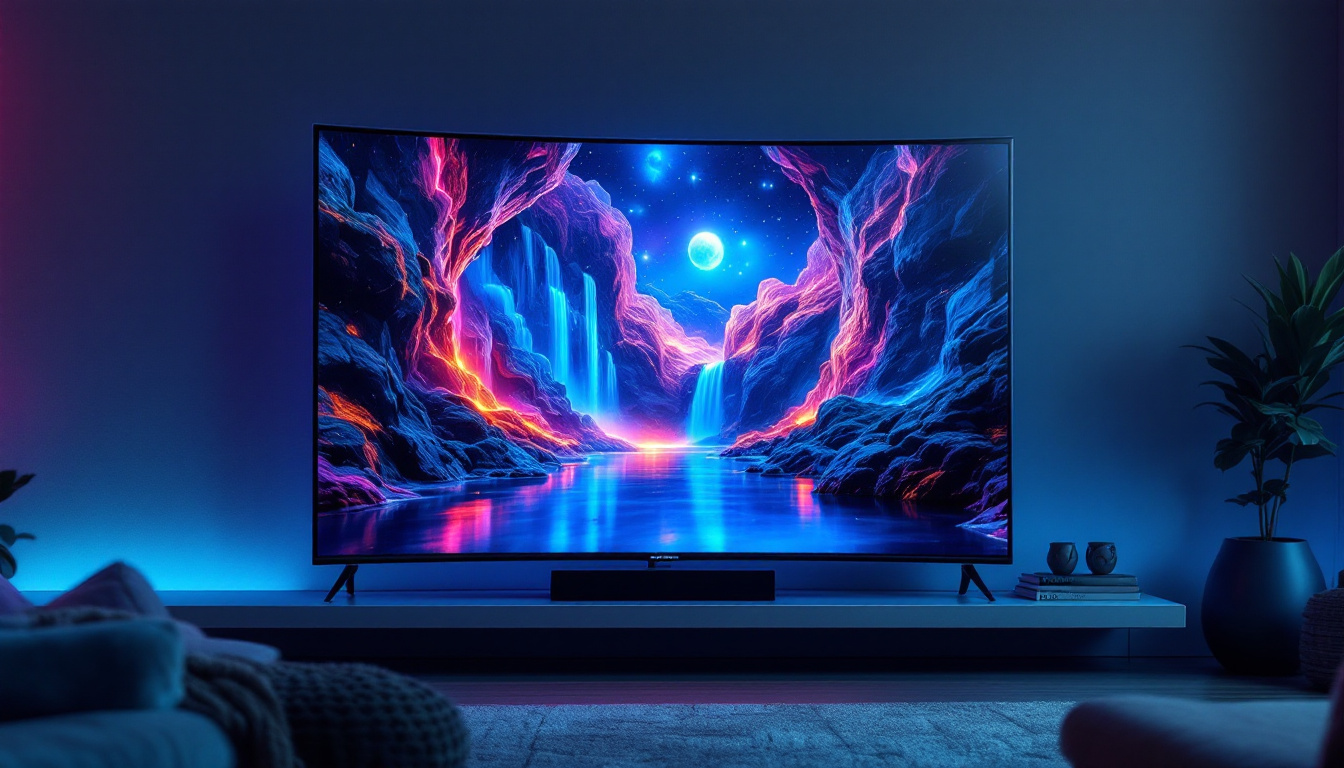
- Flexible and Curved LED Displays: For creative showroom designs, flexible LED panels can be curved or shaped to fit unique architectural features, adding a futuristic and immersive element to the space. These displays can be used to create stunning visual effects, such as wrapping around columns or creating a seamless panoramic view, which can captivate customers and draw them into the showroom environment.
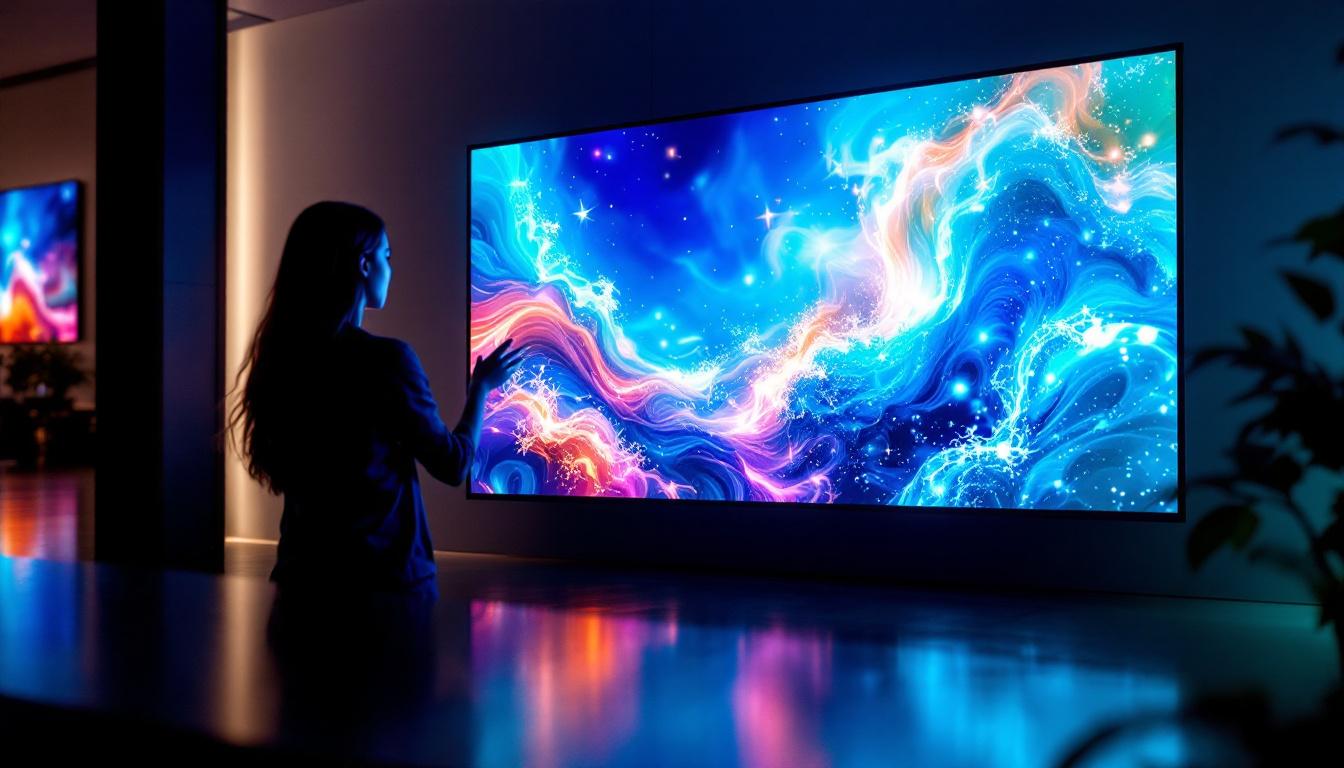
Moreover, the integration of smart technology with LED displays is on the rise, allowing for advanced features such as touch interactivity and integration with mobile devices. This interactivity can transform a passive viewing experience into an engaging one, where customers can explore products in depth, access additional information, or even customize their selections through the display itself. As technology continues to evolve, the possibilities for LED displays in showrooms will expand, further enhancing the customer experience and driving innovation in retail environments.
Why LED Displays Are Ideal for Showrooms
Superior Visual Impact
One of the primary reasons LED displays dominate showroom environments is their unparalleled visual impact. With brightness levels often exceeding 1,000 nits, LED screens remain vibrant and clear even under strong ambient lighting conditions. This is crucial in showrooms where natural and artificial light can wash out traditional displays.
The high contrast ratio and wide color gamut of LED technology ensure that product images and promotional content are rendered with stunning clarity and realism. This capability is particularly important for luxury goods, automotive displays, and fashion showrooms where color accuracy and detail can influence purchasing decisions.
Dynamic and Customizable Content
Unlike static posters or printed banners, LED displays allow for dynamic content that can be updated in real-time. Showrooms can showcase product videos, live social media feeds, interactive catalogs, and even augmented reality experiences. This flexibility enables businesses to tailor their messaging to different audiences, seasons, or promotional campaigns without the cost and delay of reprinting materials.
For example, a car dealership might use an LED video wall to display different vehicle models, highlight special financing offers, or stream live events such as test drives and customer testimonials. This adaptability enhances customer engagement and helps keep the showroom experience fresh and relevant.
Energy Efficiency and Longevity
Modern LED displays are highly energy-efficient compared to older display technologies like plasma or fluorescent backlit LCDs. They consume less power while delivering brighter images, which helps reduce operational costs in showrooms that run displays for extended hours daily.
Additionally, LED panels have a long lifespan, typically rated between 50,000 to 100,000 hours of use. This durability means less frequent replacements and lower maintenance costs, making LED displays a cost-effective investment over time.
Key Considerations When Choosing an LED Display for a Showroom
Resolution and Pixel Pitch
Resolution is a critical factor that determines the clarity and sharpness of the displayed content. Pixel pitch, the distance between individual LEDs, directly affects resolution. Smaller pixel pitches (e.g., 1.5mm to 2.5mm) offer higher resolution and are ideal for close viewing distances common in showrooms.
Choosing the right pixel pitch depends on the showroom size and how close customers will be to the screen. For example, a large LED video wall behind a reception desk might use a pixel pitch of 2mm for crisp visuals, while a smaller display in a product alcove could use an even finer pitch.
Brightness and Viewing Angle
Brightness is measured in nits and determines how well the display performs under various lighting conditions. Showrooms with large windows or bright overhead lighting require displays with higher brightness levels to maintain visibility.
Viewing angle is another important consideration. LED displays typically offer wide viewing angles (up to 160 degrees or more), ensuring that content is visible and vibrant from different positions within the showroom. This is essential for creating an inclusive and engaging environment for all visitors.
Size and Installation Flexibility
The physical size of the LED display should complement the showroom layout and not overwhelm the space. Modular LED panels allow for scalable solutions, enabling businesses to customize the size and shape of the display to fit walls, ceilings, or even floors.
Installation options vary from wall-mounted video walls to freestanding kiosks or hanging displays. Some showrooms incorporate transparent or curved LED screens to enhance architectural aesthetics and create immersive brand experiences.
Practical Applications of LED Displays in Showrooms
Product Highlight and Demonstrations
LED displays are perfect for showcasing product features and benefits in an engaging way. For example, electronics retailers use LED screens to demonstrate the capabilities of new gadgets, while fashion showrooms might display runway footage or styling tips.
In automotive showrooms, LED video walls can simulate driving experiences, showcase vehicle specifications, or highlight safety features through interactive content. This approach helps customers visualize the product in real-world scenarios, increasing confidence and interest.
Brand Storytelling and Marketing
Showrooms are not just places to sell products; they are brand experience centers. LED displays provide a dynamic platform for storytelling, allowing brands to communicate their heritage, values, and innovations through compelling visuals and video content.
Seasonal campaigns, promotional events, and partnerships can be highlighted instantly on LED screens, keeping the showroom environment lively and aligned with broader marketing strategies. This integration strengthens brand identity and fosters customer loyalty.
Interactive and Immersive Experiences
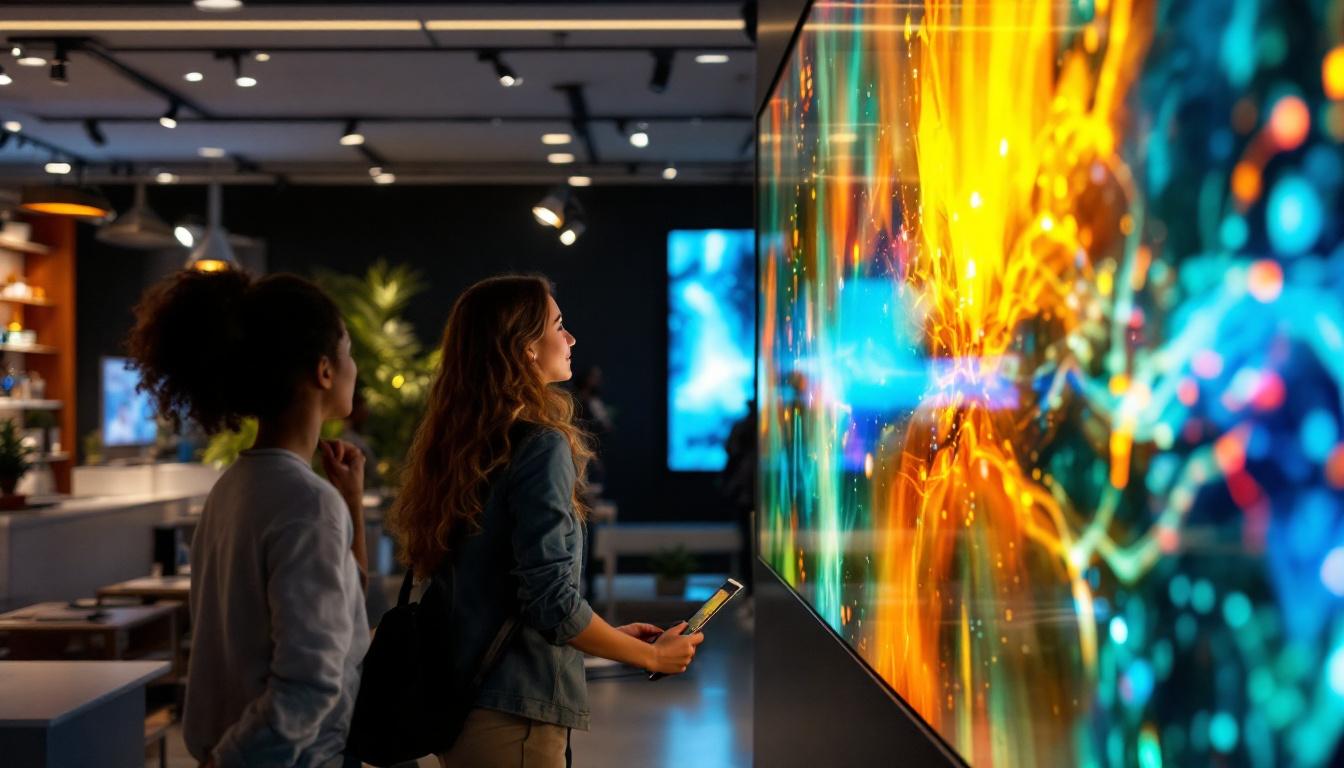
Advanced LED displays can be combined with touchscreens, motion sensors, and augmented reality to create interactive experiences that captivate visitors. For instance, a cosmetics showroom might use an LED mirror with augmented reality to let customers virtually try on makeup products.
Immersive LED environments, such as 360-degree video walls or curved displays, can transport customers into unique brand worlds or product scenarios, making showroom visits memorable and shareable on social media.
Future Trends in LED Displays for Showrooms
MicroLED and MiniLED Technologies
Emerging technologies like MicroLED and MiniLED promise even higher brightness, better color accuracy, and improved energy efficiency. MicroLED, in particular, offers the potential for ultra-thin, flexible displays with superior image quality and longer lifespans.
As these technologies mature and become more affordable, showrooms will benefit from more versatile and visually stunning LED display options that further enhance customer engagement.
Integration with AI and Data Analytics
Smart LED displays integrated with artificial intelligence and data analytics can personalize content based on customer demographics, behavior, and preferences. For example, facial recognition technology can trigger tailored advertisements or product recommendations in real-time.
This level of customization increases relevance and effectiveness of showroom displays, providing valuable insights for marketers and improving the overall customer experience.
Sustainability and Eco-Friendly Solutions
With growing emphasis on sustainability, LED display manufacturers are focusing on eco-friendly materials, reduced power consumption, and recyclability. Showrooms adopting green technologies can highlight these efforts through their LED displays, appealing to environmentally conscious consumers.
Energy-efficient LED solutions also contribute to lower carbon footprints and operational costs, aligning business goals with global sustainability trends.
Conclusion
LED displays have revolutionized showroom environments by offering vibrant, dynamic, and customizable visual solutions that captivate customers and enhance brand storytelling. Their superior brightness, energy efficiency, and versatility make them ideal for a wide range of applications—from product demonstrations to immersive brand experiences.
As technology continues to evolve, showrooms that embrace the latest LED innovations will gain a competitive edge, creating memorable customer interactions and driving sales growth. Understanding the technical aspects, practical benefits, and future trends of LED displays empowers businesses to make informed decisions and maximize the impact of their showroom presentations.
Investing in the right LED display technology is not just about aesthetics; it’s a strategic move that can transform the way customers perceive and engage with a brand. In an era where visual communication is paramount, LED displays stand out as a powerful tool to illuminate the path to success.
Illuminate Your Showroom with LumenMatrix
Ready to elevate your showroom experience with the vibrant, dynamic, and customizable visual solutions discussed in this article? LumenMatrix is at the forefront of LED display innovation, offering a wide array of products from Indoor and Outdoor LED Wall Displays to specialized solutions like Vehicle and Sports LED Displays. Embrace the future of visual communication with our cutting-edge technology designed to captivate your audience and amplify your brand’s message. Check out LumenMatrix LED Display Solutions today and transform your space into a beacon of engagement and storytelling.