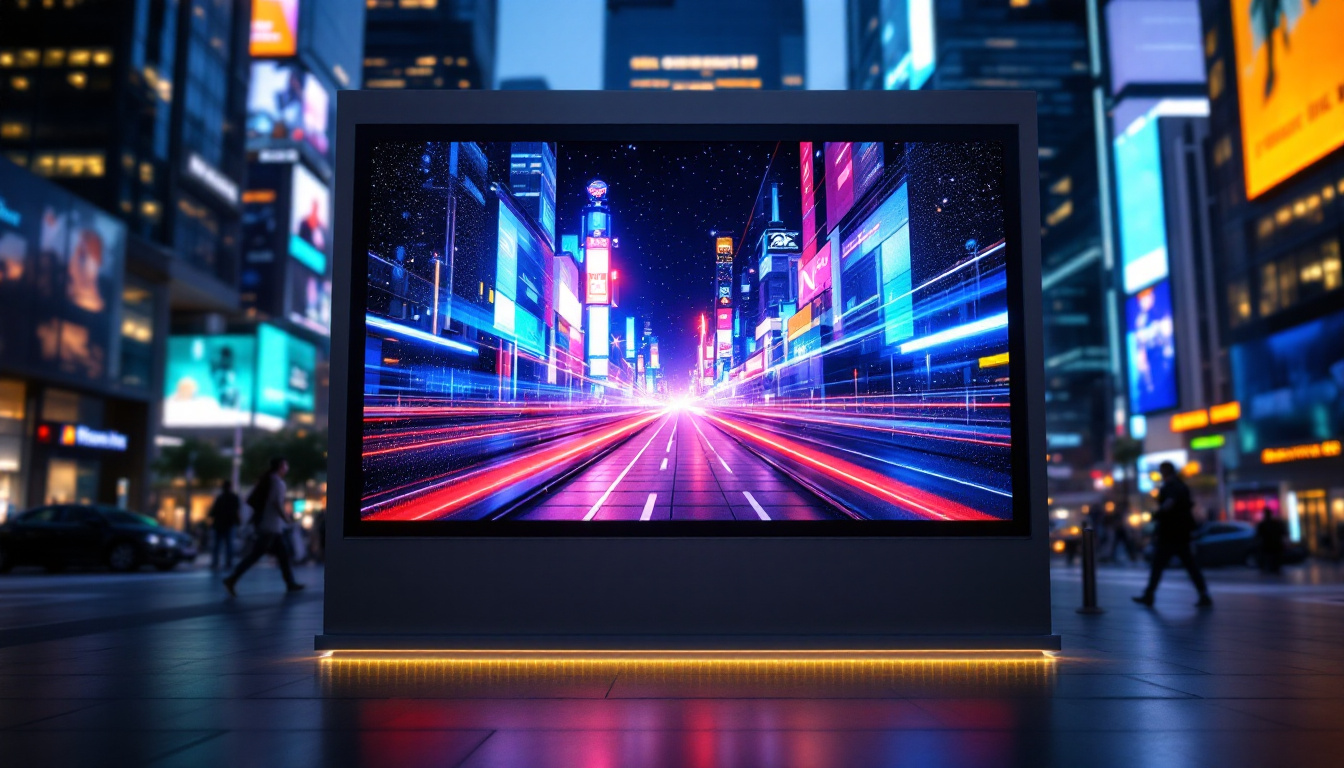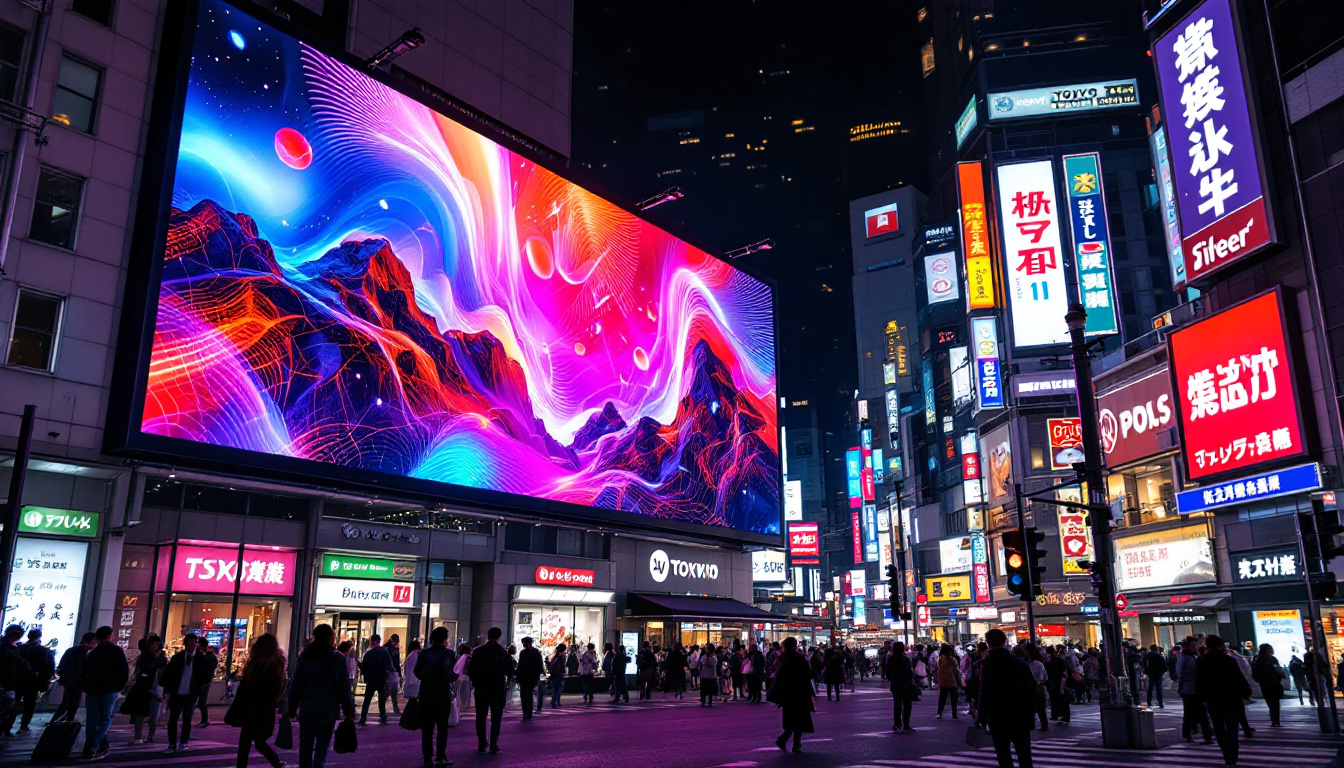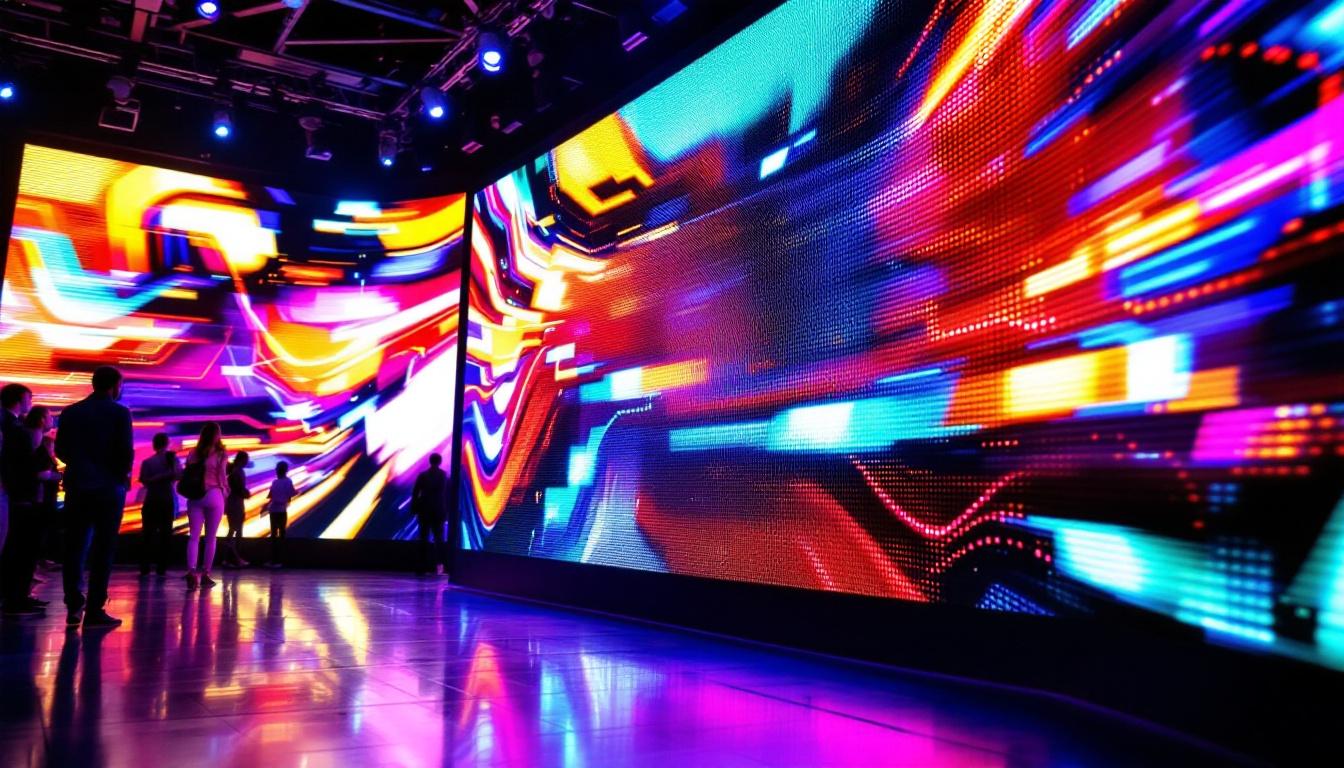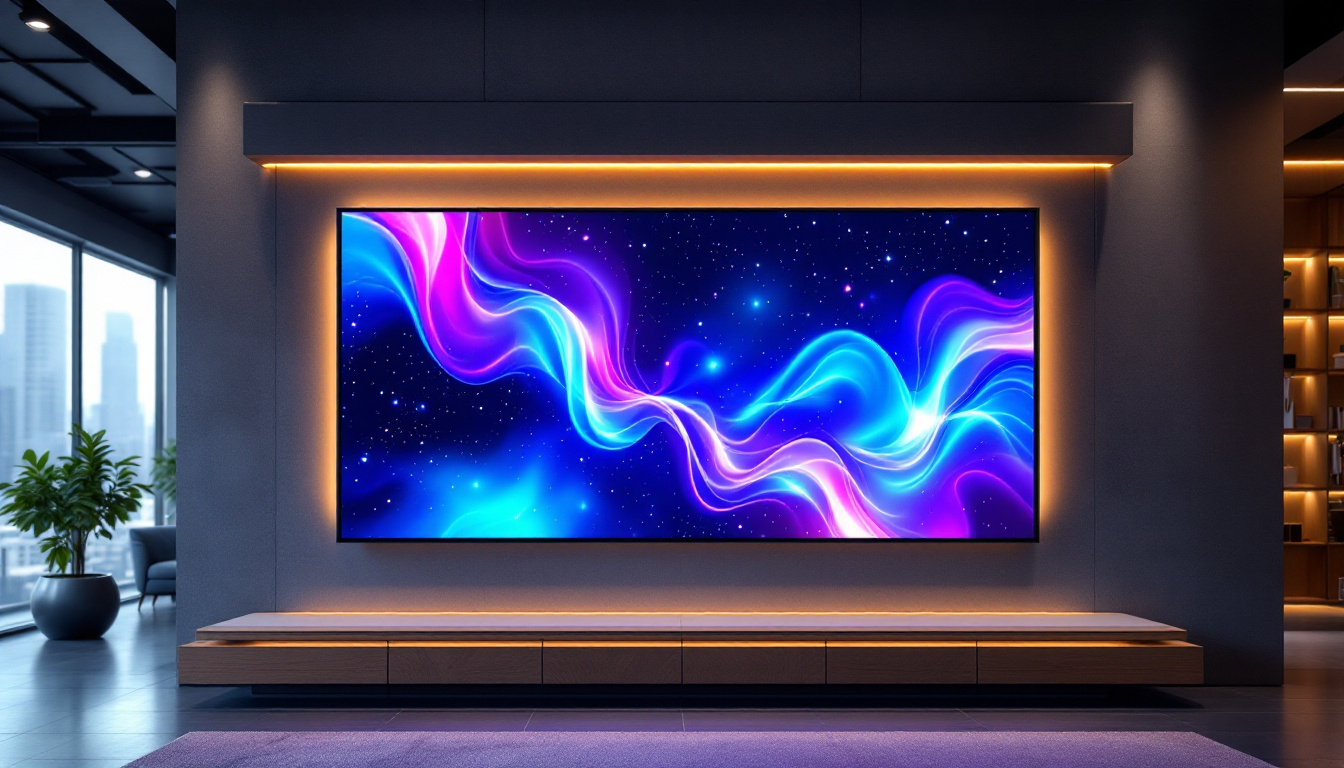
In today’s fast-paced world, grabbing attention quickly and effectively is crucial for businesses, public services, and event organizers alike. One of the most powerful tools to achieve this is the LED display signage board. These dynamic, bright, and versatile displays have revolutionized the way information is communicated in public spaces, retail environments, transportation hubs, and beyond.
This article delves into the essentials of LED display signage boards, explaining what they are, how they work, their benefits, and key considerations when choosing the right LED signage for your needs. Whether you’re a business owner, marketing professional, or simply curious about modern display technology, this comprehensive guide will illuminate the subject.
What is an LED Display Signage Board?
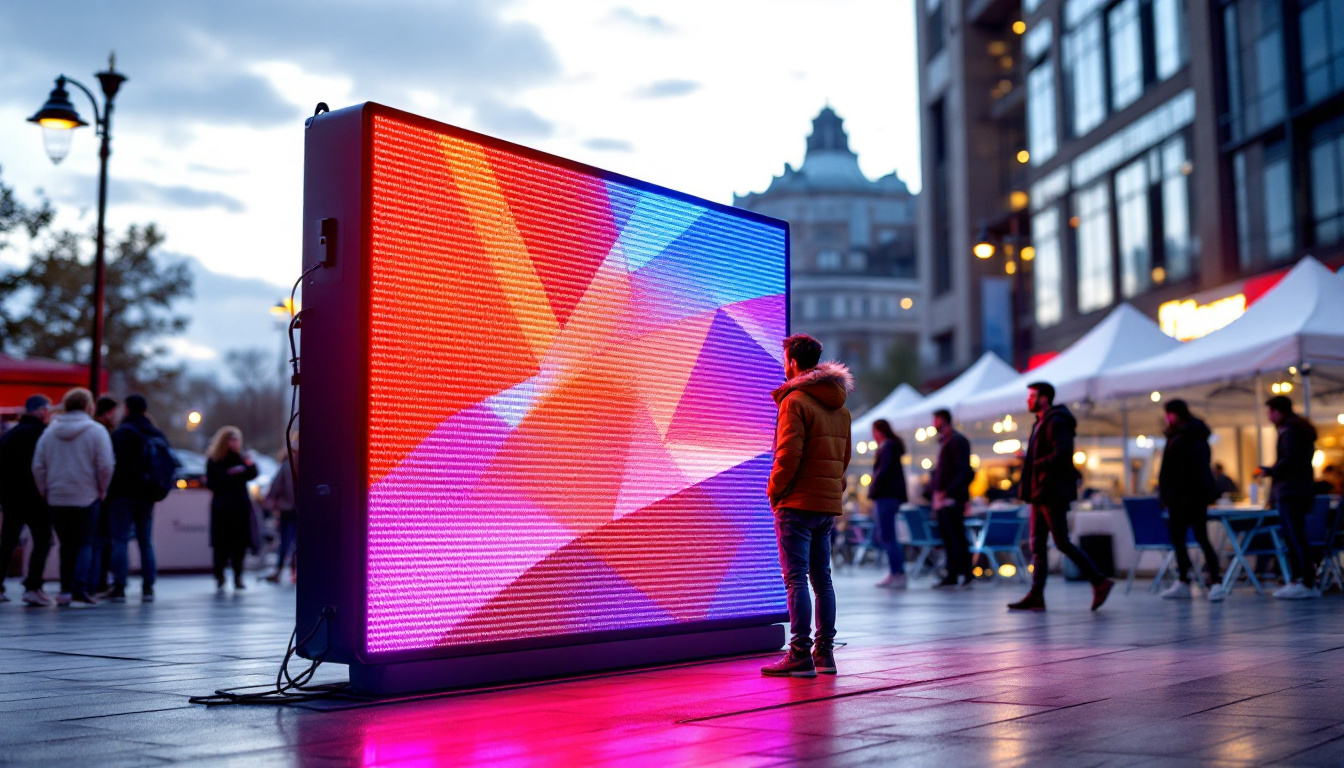
LED display signage boards are electronic signs that use light-emitting diodes (LEDs) to present information visually. Unlike traditional static signs, LED displays can show text, images, videos, and animations, making them highly engaging and adaptable to different messaging needs. This versatility allows businesses and organizations to communicate dynamic content that can be updated in real-time, enhancing customer interaction and engagement.
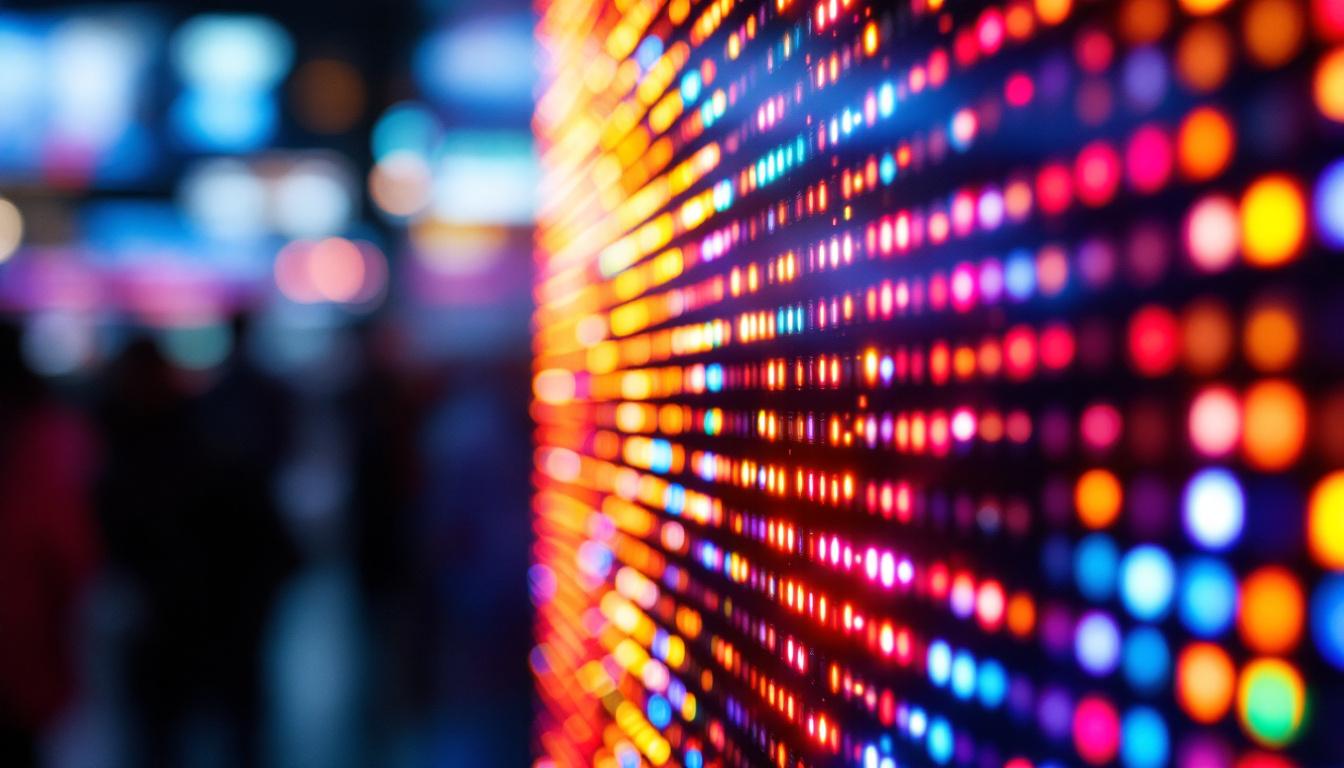
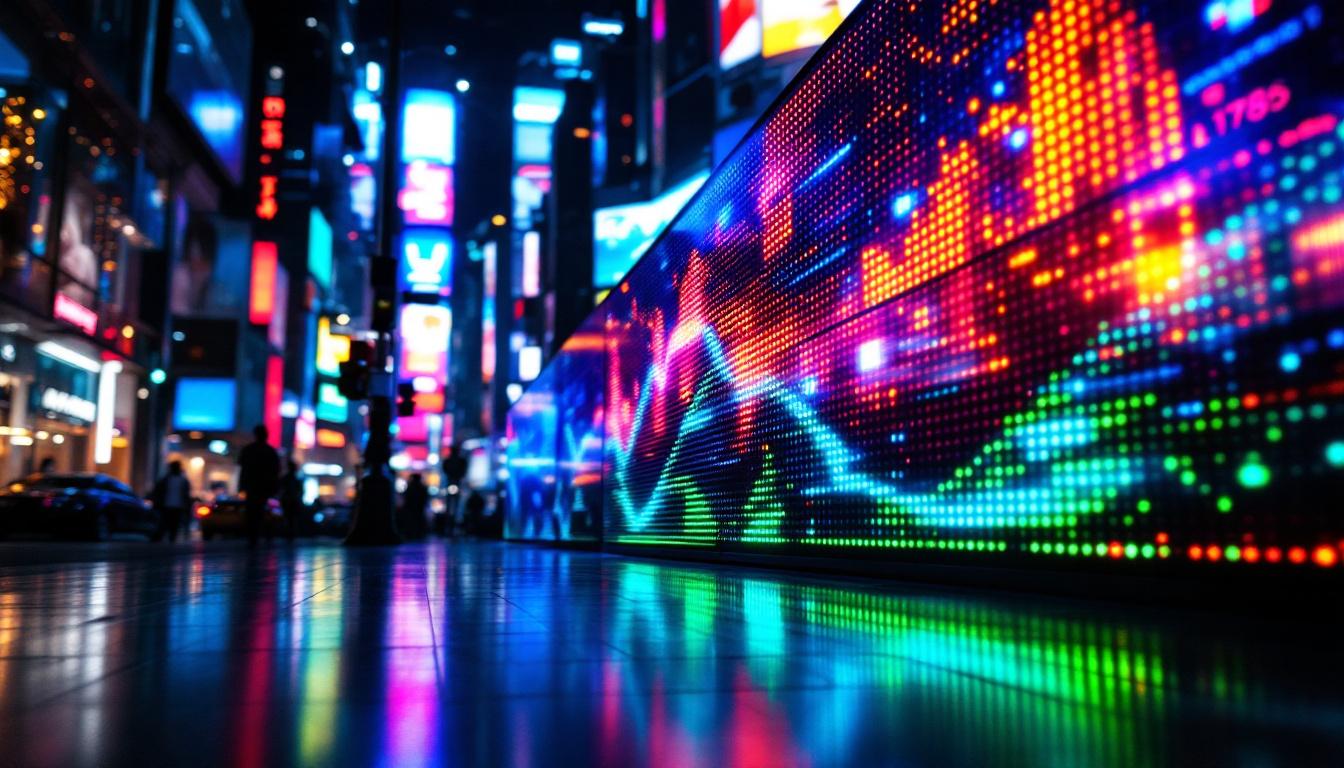
LEDs are semiconductor devices that emit light when an electric current passes through them. They are known for their brightness, energy efficiency, and long lifespan. When arranged in a matrix or grid, these tiny diodes form a screen capable of displaying complex visuals with vivid colors and sharp contrast. The technology behind LEDs has evolved significantly, resulting in displays that not only consume less power but also offer higher resolutions, making them suitable for a wide range of applications from advertising to information dissemination.
Types of LED Displays
LED signage boards come in various types, primarily differentiated by their structure and application:
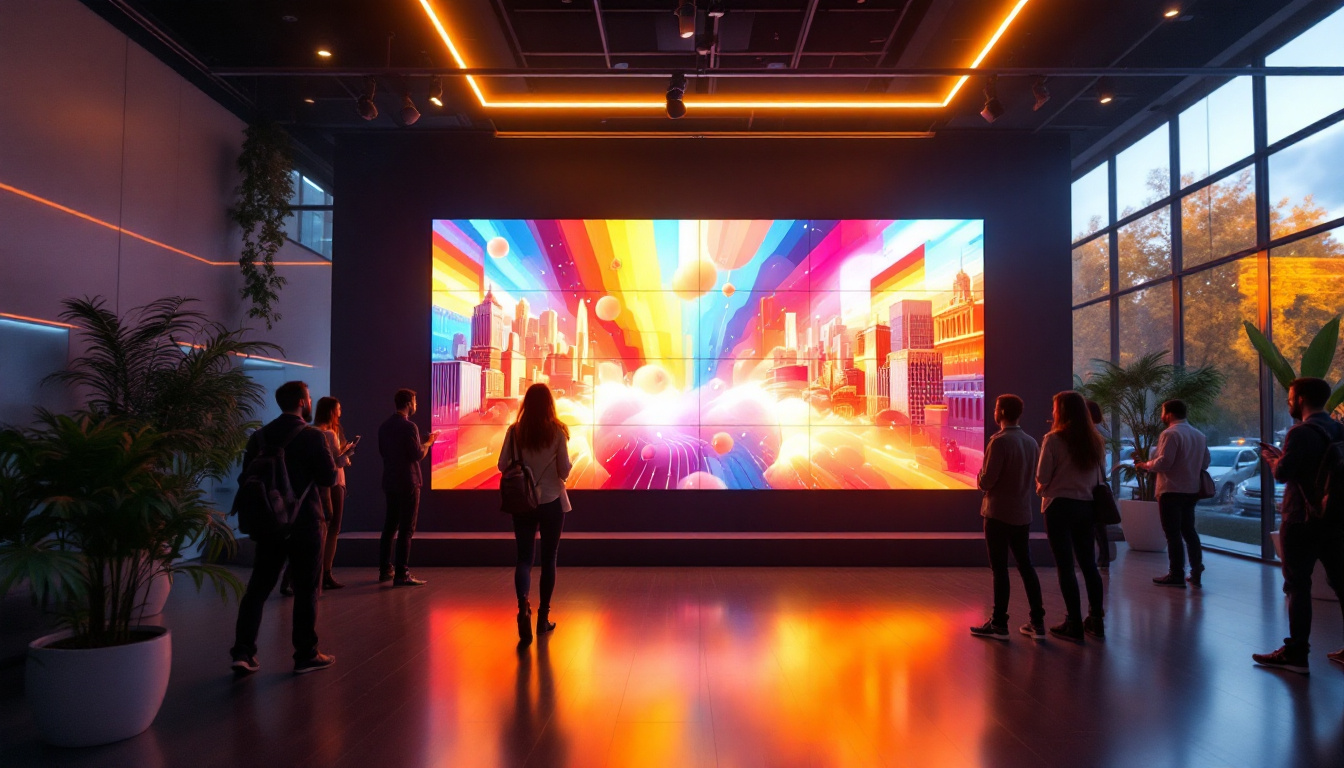
- Indoor LED Displays: Designed for close-range viewing, these displays have a higher pixel density, providing sharper images and text. They are commonly used in retail stores, conference rooms, and indoor advertising. The ability to showcase high-definition content makes them ideal for engaging presentations and promotional displays that capture the attention of customers and clients alike.
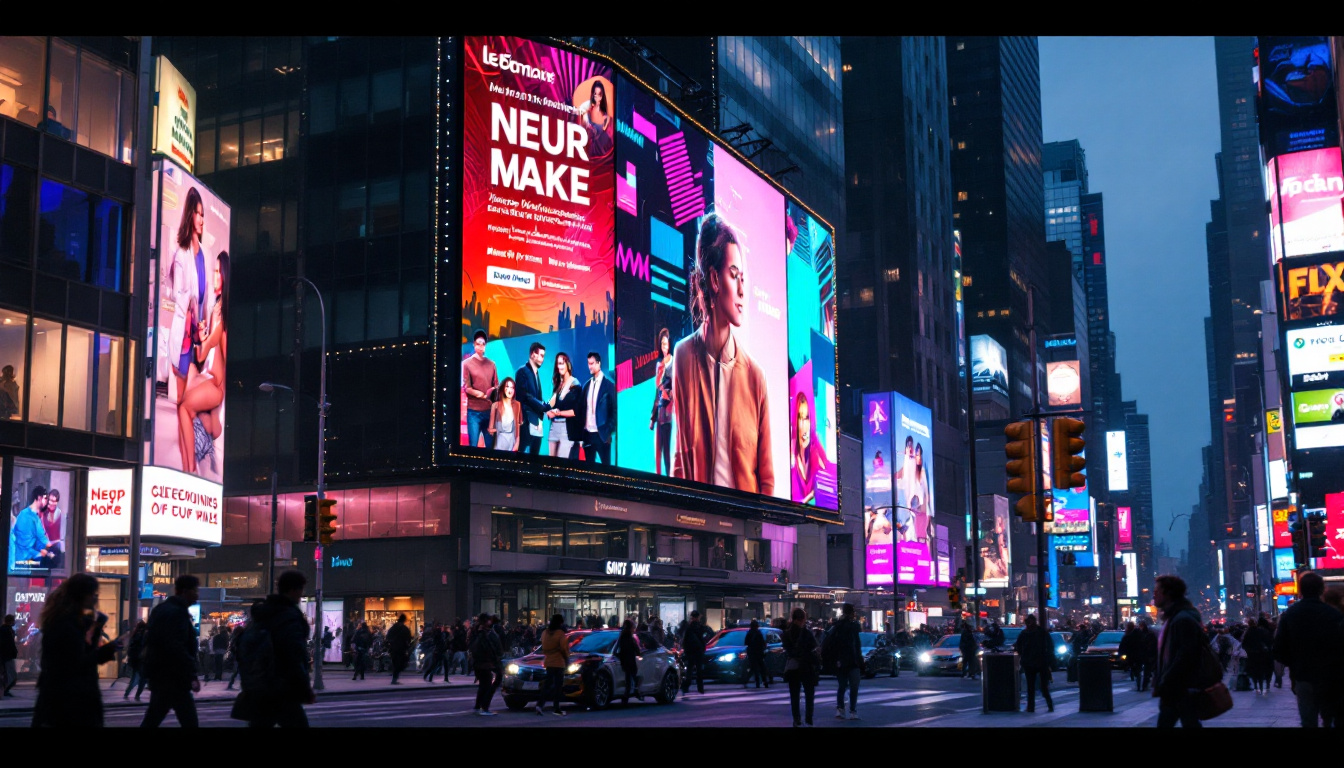
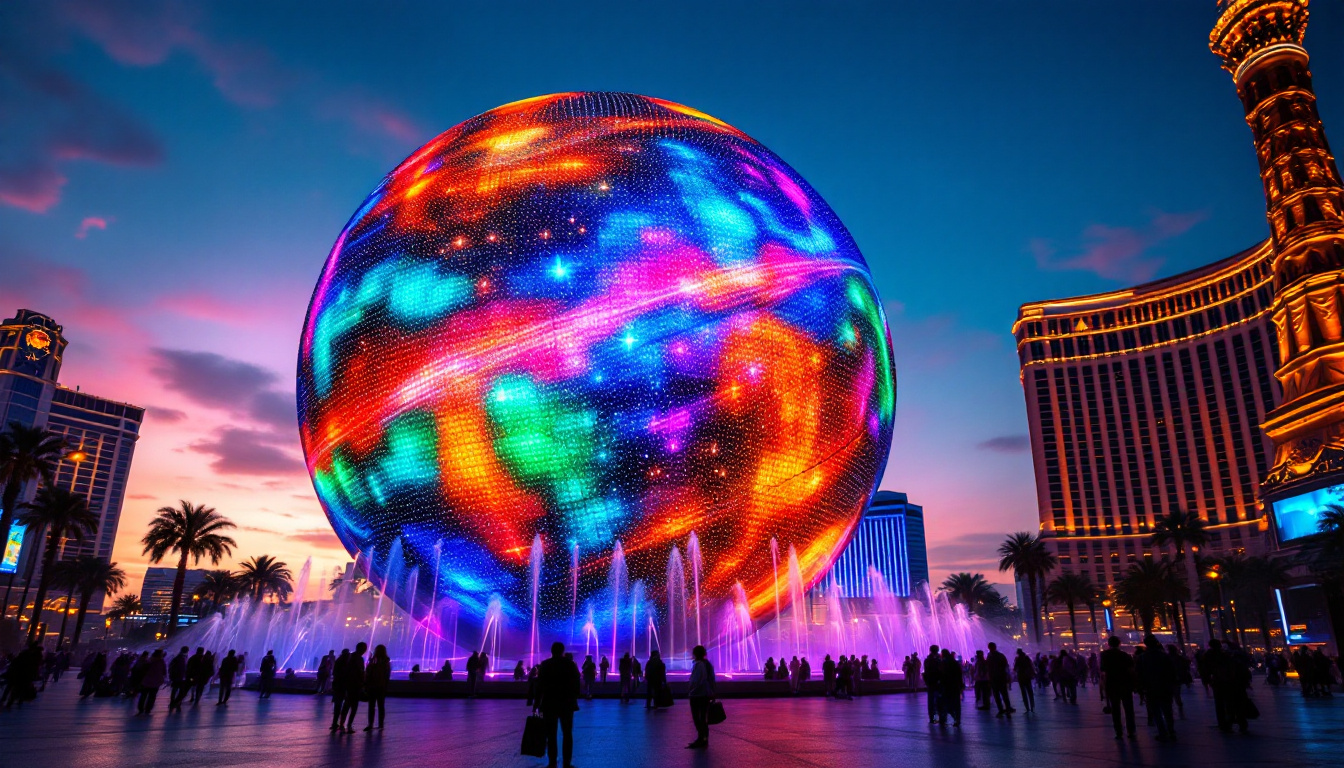
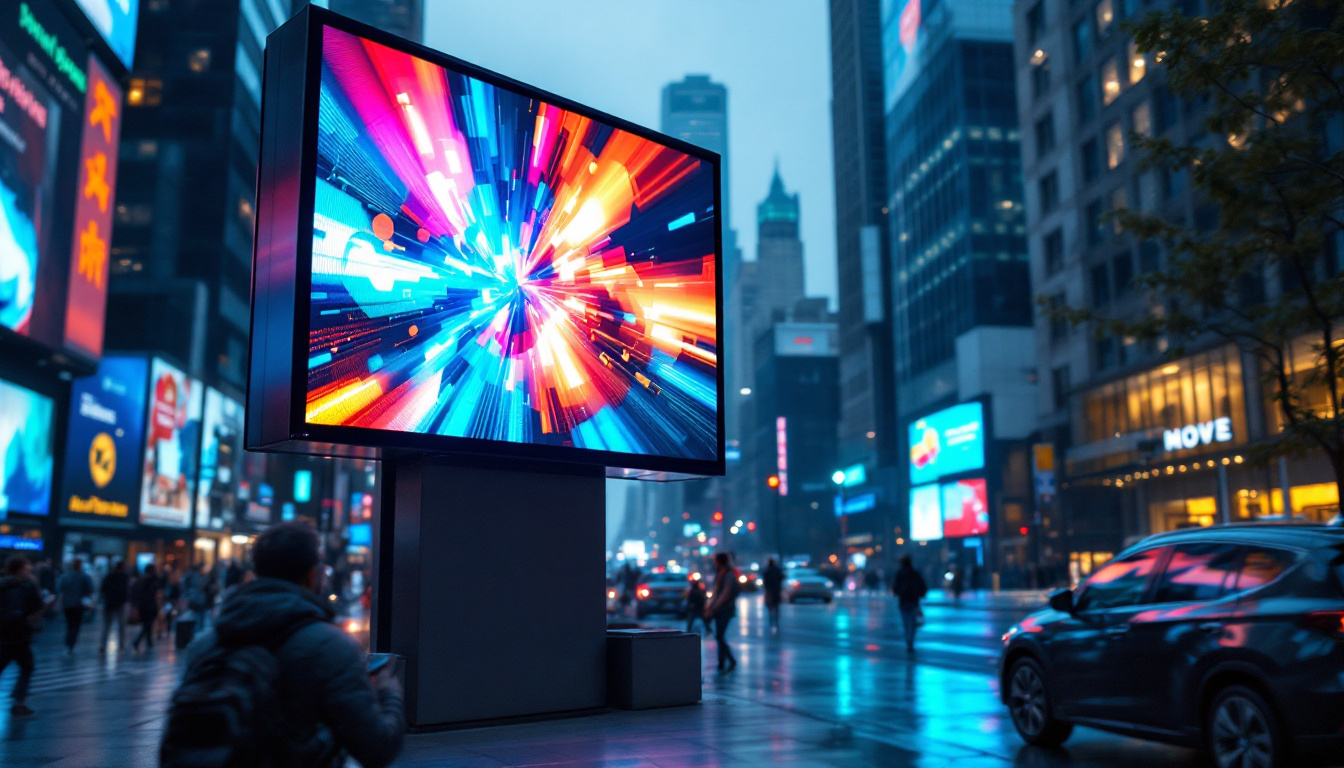
- Outdoor LED Displays: Built to withstand weather conditions and direct sunlight, outdoor displays are brighter and more robust. They are often seen on billboards, stadiums, and transportation terminals. These displays are engineered to maintain visibility even in bright daylight, utilizing advanced technologies like automatic brightness adjustment to ensure optimal viewing in varying light conditions.
- Flexible LED Displays: These are made with bendable materials, allowing for curved or irregular shapes. They are popular in creative installations and architectural designs. The flexibility of these displays opens up new avenues for artistic expression, enabling designers to create immersive environments that captivate audiences in unique ways.
- Transparent LED Displays: Featuring a see-through design, these displays are used on glass surfaces, such as storefront windows, enabling visibility both inside and outside. This innovative approach allows businesses to showcase advertisements without obstructing the view of their products, creating a seamless blend of marketing and aesthetics.
In addition to these types, LED displays can also be categorized based on their pixel pitch, which refers to the distance between the center of one LED pixel to the center of the adjacent pixel. A smaller pixel pitch results in a higher resolution display, making it suitable for applications where detail is crucial, such as in high-end retail environments or during live events. Furthermore, advancements in LED technology have led to the development of smart displays that can integrate with various software solutions, allowing for automated content updates and real-time data integration. This capability is particularly beneficial for businesses looking to enhance their digital signage strategies and improve customer engagement through targeted messaging.
How LED Display Signage Boards Work
Understanding the operational basics of LED displays helps in appreciating their advantages and potential limitations. At the core, an LED display consists of thousands to millions of tiny LEDs arranged in a grid. Each LED acts as a pixel or part of a pixel, which can be individually controlled to emit light of specific colors and intensities.
Pixel Pitch and Resolution
One of the most important technical specifications in LED displays is the pixel pitch, which refers to the distance between the centers of two adjacent pixels. Measured in millimeters, pixel pitch directly affects the resolution and viewing distance of the display. A smaller pixel pitch means higher resolution and sharper images, suitable for close viewing. Conversely, larger pixel pitches are acceptable for displays meant to be seen from a distance.
For example, an indoor LED display might have a pixel pitch of 1.5mm to 4mm, while outdoor displays typically range from 6mm to 20mm or more, depending on the installation environment.
Color and Brightness Control
LED displays use red, green, and blue (RGB) LEDs to create a full spectrum of colors through color mixing. By adjusting the brightness of each color LED, the display can produce millions of colors, allowing for vibrant images and videos.
Brightness levels are crucial, especially for outdoor displays exposed to sunlight. Outdoor LED signage can reach brightness levels of 5,000 to 10,000 nits or more, ensuring visibility even in direct daylight. Indoor displays typically operate at lower brightness levels, around 800 to 1,500 nits, to avoid glare and eye strain.
Benefits of Using LED Display Signage Boards
LED display signage boards offer a range of advantages over traditional signage and other digital display technologies. These benefits have driven their widespread adoption across various industries and applications.
High Visibility and Impact
LED displays are exceptionally bright and colorful, making them highly visible from long distances and in various lighting conditions. This high visibility ensures that messages reach a wider audience effectively, increasing brand awareness and engagement.
Dynamic and Flexible Content
Unlike static signs, LED displays can show changing content, including animations, videos, and real-time updates. This flexibility allows businesses to tailor their messaging based on time of day, audience, or promotional campaigns, maximizing the effectiveness of their communication.
Energy Efficiency and Longevity
LED technology is known for its energy efficiency, consuming significantly less power than traditional incandescent or fluorescent lighting. Additionally, LEDs have a long operational life, often exceeding 50,000 hours, which reduces maintenance costs and downtime.
Cost-Effectiveness Over Time
While the initial investment in LED signage may be higher than traditional options, the long-term savings in energy consumption, maintenance, and the ability to update content without printing new materials make LED displays a cost-effective solution.
Environmental Benefits
LED displays are environmentally friendly due to their low energy consumption and the absence of hazardous materials like mercury, which is found in some other lighting technologies. Their durability also means less frequent replacement, reducing waste.
Applications of LED Display Signage Boards
LED signage boards have become ubiquitous in many sectors, each leveraging the technology’s strengths to meet specific communication needs.
Retail and Advertising
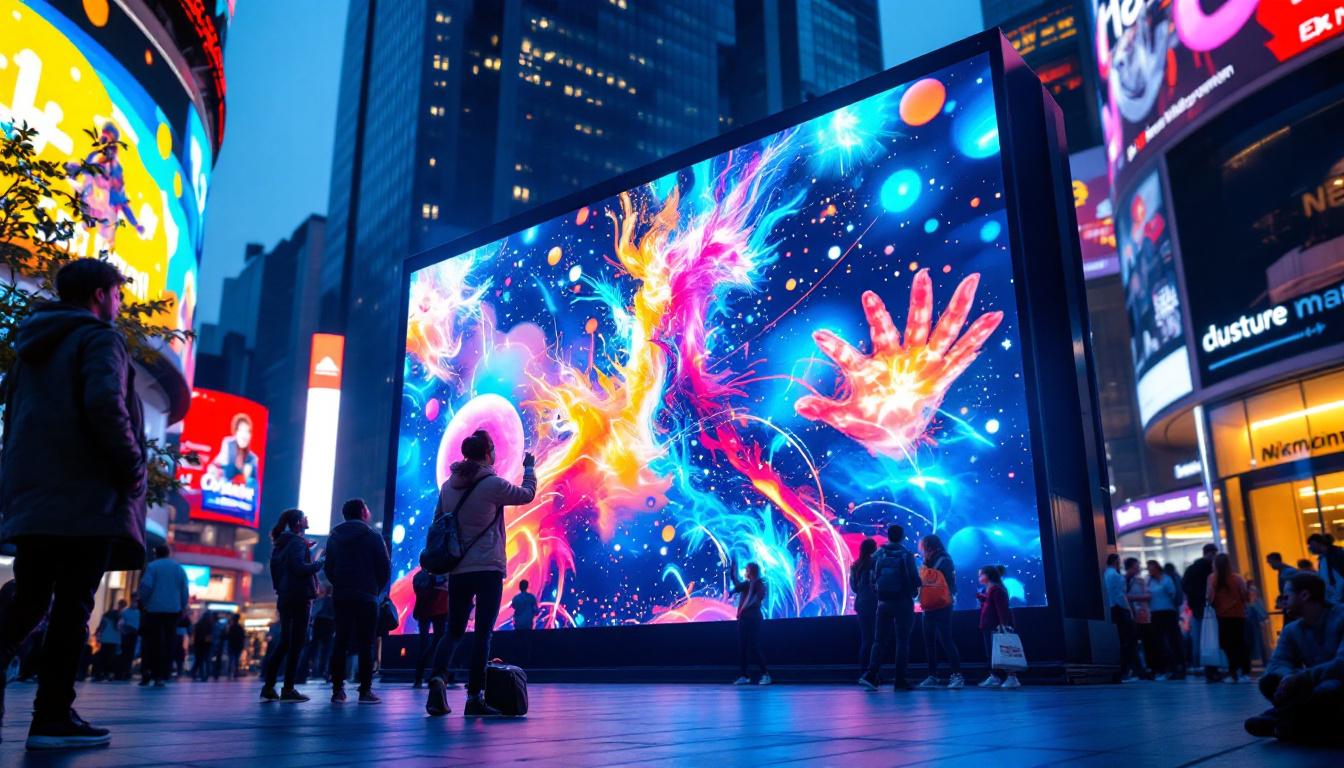
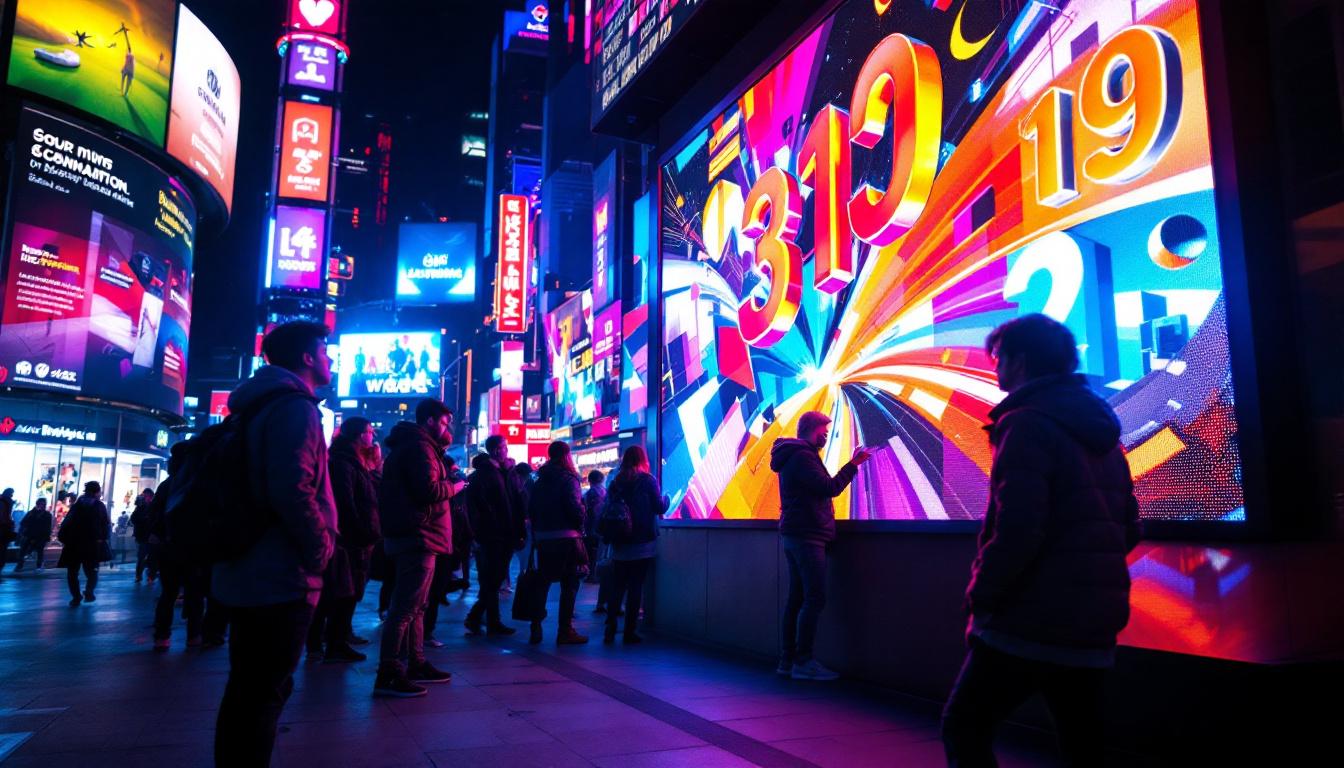
Retailers use LED displays to attract customers with eye-catching promotions, product information, and brand messaging. Digital billboards and storefront window displays are common examples, often strategically placed to maximize foot traffic and sales.
Transportation and Public Information
Airports, train stations, and bus terminals rely on LED displays to provide real-time information such as arrival and departure times, delays, and safety messages. Their clarity and ability to update instantly make them indispensable in these environments.
Sports and Entertainment Venues
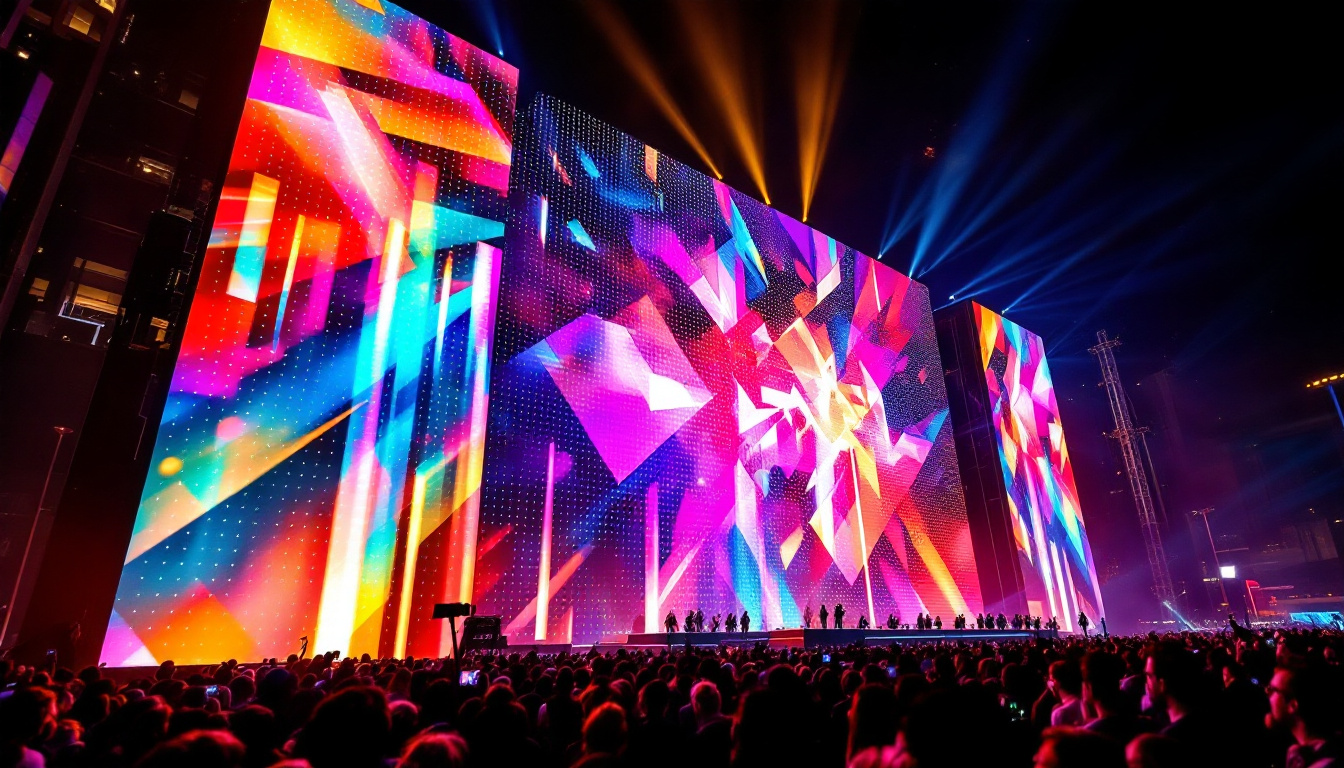
Stadiums and arenas use large LED screens to enhance the spectator experience by displaying live action, replays, scores, and advertisements. These displays are designed to be visible from great distances and withstand outdoor conditions.
Corporate and Educational Settings
In offices, conference centers, and educational institutions, LED signage boards facilitate communication through digital notice boards, event schedules, and interactive displays, improving information dissemination and engagement.
Key Considerations When Choosing an LED Display Signage Board
Selecting the right LED display requires careful evaluation of several factors to ensure it meets the specific needs of the intended application.
Viewing Distance and Location
Understanding the typical distance from which the display will be viewed helps determine the appropriate pixel pitch and size. For example, a display intended for a busy highway billboard must be visible from hundreds of meters, while a retail window display may only need to be clear from a few meters away.
Brightness and Environmental Conditions
Outdoor displays must be bright enough to compete with sunlight and weather-resistant to operate reliably year-round. Indoor displays should balance brightness to avoid glare and ensure comfortable viewing.
Content Management System (CMS)
A user-friendly CMS is essential for updating and scheduling content efficiently. Many modern LED displays come with cloud-based CMS platforms that allow remote management, real-time updates, and integration with other digital marketing tools.
Resolution and Image Quality
Higher resolution displays provide crisper images and text but come at a higher cost. The choice depends on the content type and viewing distance. For text-heavy or detailed graphics, higher resolution is preferable.
Installation and Maintenance
Consider the complexity of installation, available space, and ease of maintenance. Modular LED panels that can be easily replaced or repaired reduce downtime and service costs.
Budget and Return on Investment
While LED displays require upfront investment, evaluating the potential return through increased sales, improved communication, and reduced printing costs is vital. Many providers offer financing options or leasing plans to ease initial expenses.
Future Trends in LED Display Signage
The LED display industry continues to evolve rapidly, driven by advancements in technology and changing user demands.
Higher Resolution and Mini-LED Technology
Emerging mini-LED and micro-LED technologies promise even higher resolutions and better energy efficiency, enabling ultra-sharp displays suitable for close viewing and detailed content.
Interactive and Smart Displays
Integration with touchscreens, sensors, and AI-powered content management is making LED signage more interactive and personalized. This trend enhances user engagement and opens new possibilities for marketing and information delivery.
Integration with IoT and Data Analytics
Smart LED signage connected to the Internet of Things (IoT) can collect data on viewer interactions, environmental conditions, and content performance, enabling data-driven decision-making and targeted communication strategies.
Sustainability and Energy Innovations
Manufacturers are focusing on reducing the environmental impact of LED displays through recyclable materials, lower power consumption, and solar-powered installations, aligning with global sustainability goals.
Conclusion
LED display signage boards have transformed the landscape of visual communication, offering unparalleled brightness, flexibility, and efficiency. Their ability to deliver dynamic content tailored to diverse audiences makes them indispensable across industries, from retail and transportation to entertainment and corporate environments.
Choosing the right LED display involves careful consideration of technical specifications, environmental factors, and budget constraints. Staying informed about emerging technologies and trends will help businesses and organizations maximize the impact of their signage investments.
As LED technology continues to advance, the future of signage boards promises even more innovative, interactive, and sustainable solutions, ensuring that messages not only reach audiences but resonate with them effectively.
Discover LumenMatrix’s Innovative LED Display Solutions
Ready to elevate your visual communication strategy with the latest in LED display technology? LumenMatrix offers a comprehensive range of LED display modules designed to captivate and engage your audience. From stunning Indoor LED Walls to robust Outdoor LED Displays, and from versatile Vehicle LED Displays to sleek LED Posters, our solutions are crafted to suit any application. Embrace the future of digital signage with LumenMatrix’s mission to deliver unparalleled clarity and impact. Check out LumenMatrix LED Display Solutions today and transform your brand’s visibility with our state-of-the-art products.