In the rapidly evolving world of digital advertising and public communication, LED display technology has become a cornerstone for businesses and organizations seeking dynamic, eye-catching signage solutions. From retail storefronts and corporate lobbies to stadiums and transportation hubs, LED displays offer unparalleled brightness, flexibility, and impact. This article delves into the fundamentals of LED signage TVs, exploring how they work, their advantages, types, and practical applications, helping you make informed decisions about integrating LED technology into your signage strategy.
Understanding LED Display Technology
What Is an LED Display?
LED stands for Light Emitting Diode, a semiconductor device that emits light when an electric current passes through it. An LED display is essentially a flat panel that uses an array of these tiny diodes to produce images, videos, and text. Unlike traditional LCD or plasma screens, LED displays are made up of individual light sources, which can be controlled independently to create vibrant and high-contrast visuals.
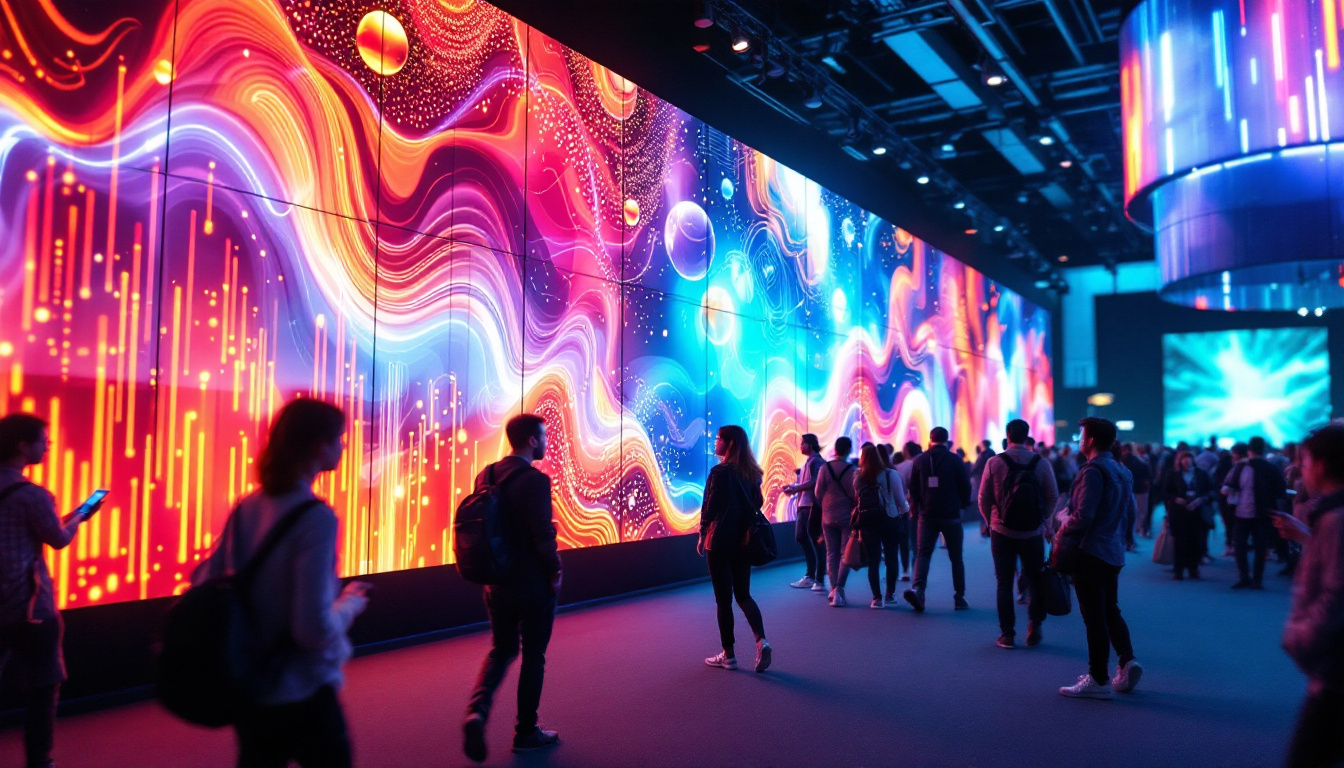
LED displays are often used in large-scale signage because they can be manufactured in various sizes and shapes, from small indoor panels to massive outdoor billboards. The modular nature of LED technology means that individual panels can be combined seamlessly to create virtually any screen dimension.
How Do LED Displays Work?
Each pixel on an LED display consists of red, green, and blue diodes. By varying the intensity of these three colors, the display can reproduce a full spectrum of colors. This RGB (Red, Green, Blue) color mixing is the foundation of all digital color displays but is particularly vivid in LED technology due to the brightness and color purity of LEDs.
LED displays are controlled by sophisticated electronics and software that manage the timing and color output of each diode. This allows for smooth video playback, real-time data updates, and interactive content. The refresh rate, resolution, and pixel pitch (distance between individual LEDs) are critical factors that determine the clarity and quality of the displayed image.
Advantages of LED Signage TVs
Superior Brightness and Visibility
One of the most significant advantages of LED displays is their exceptional brightness. LEDs can produce light levels far beyond those of LCD or projection-based displays, making them highly visible even in direct sunlight. This is why LED signage is a preferred choice for outdoor advertising, where ambient light conditions can vary dramatically throughout the day.
According to industry benchmarks, modern outdoor LED displays can achieve brightness levels exceeding 5,000 nits (a measure of luminance), compared to typical LCD screens that max out around 500-700 nits. This tenfold increase ensures that messages remain clear and vibrant regardless of environmental lighting.
Energy Efficiency and Longevity
LED technology is also renowned for its energy efficiency. LEDs consume significantly less power than traditional incandescent or fluorescent lighting and even outperform many LCD backlighting systems. This efficiency translates into lower operating costs, especially for large-scale signage that runs for extended hours daily.
Moreover, LEDs have a long operational lifespan, often rated between 50,000 to 100,000 hours. This durability reduces maintenance needs and replacement costs, making LED signage a cost-effective investment over time.
Flexibility and Customization
LED displays offer unmatched flexibility in terms of size, shape, and resolution. Modular LED panels can be configured to fit unconventional spaces, including curved or irregular surfaces. This adaptability allows brands to create unique visual experiences that stand out from standard rectangular screens.
Additionally, LED signage supports dynamic content, enabling real-time updates, animations, and interactive features. This capability is particularly valuable for retail environments, event venues, and transportation centers, where timely information and engaging visuals can enhance customer experience and operational efficiency.
Types of LED Displays for Signage TVs
Indoor vs. Outdoor LED Displays
LED displays are broadly categorized into indoor and outdoor types, each designed to meet specific environmental and performance requirements.
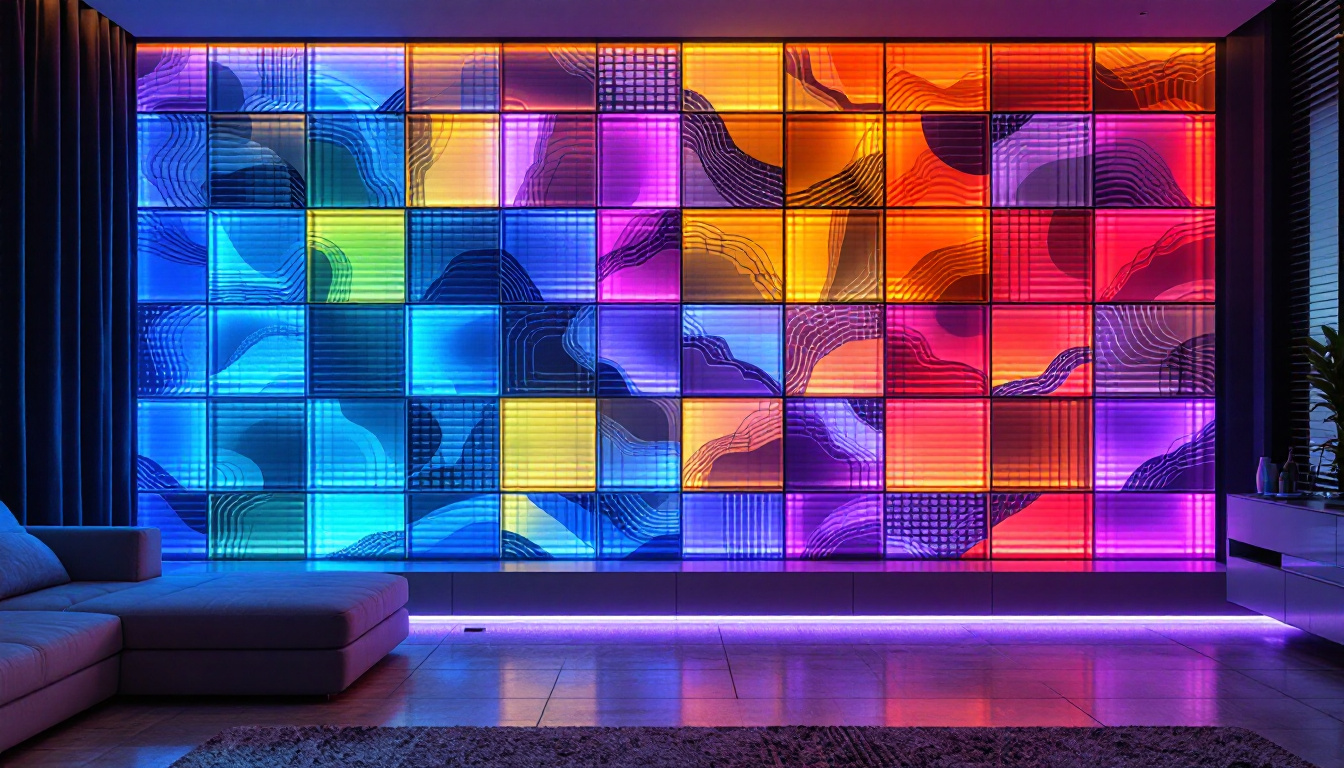
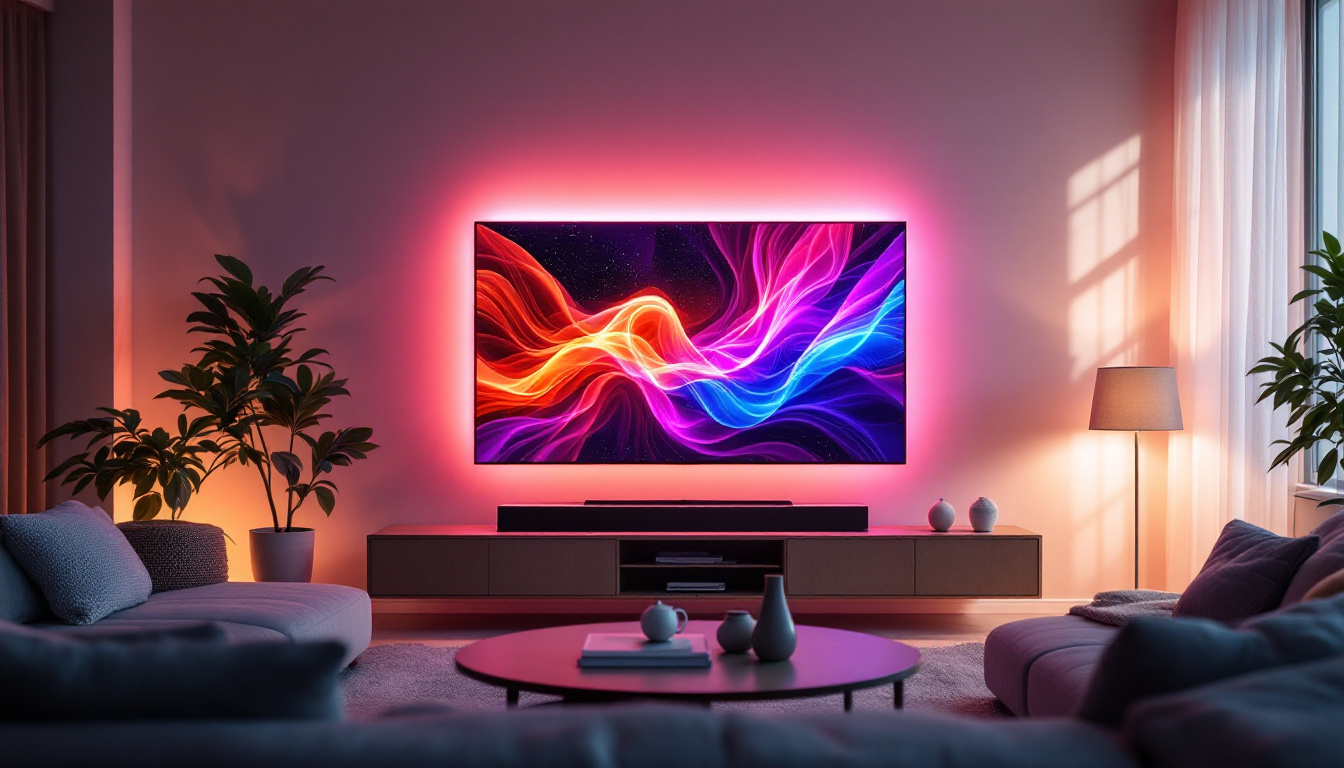
Indoor LED Displays typically have a smaller pixel pitch (often between 1.2mm and 4mm), which means the LEDs are packed closely together. This high resolution is necessary because viewers are usually closer to the screen indoors. Indoor LED displays are commonly used in retail stores, corporate offices, conference rooms, and entertainment venues.
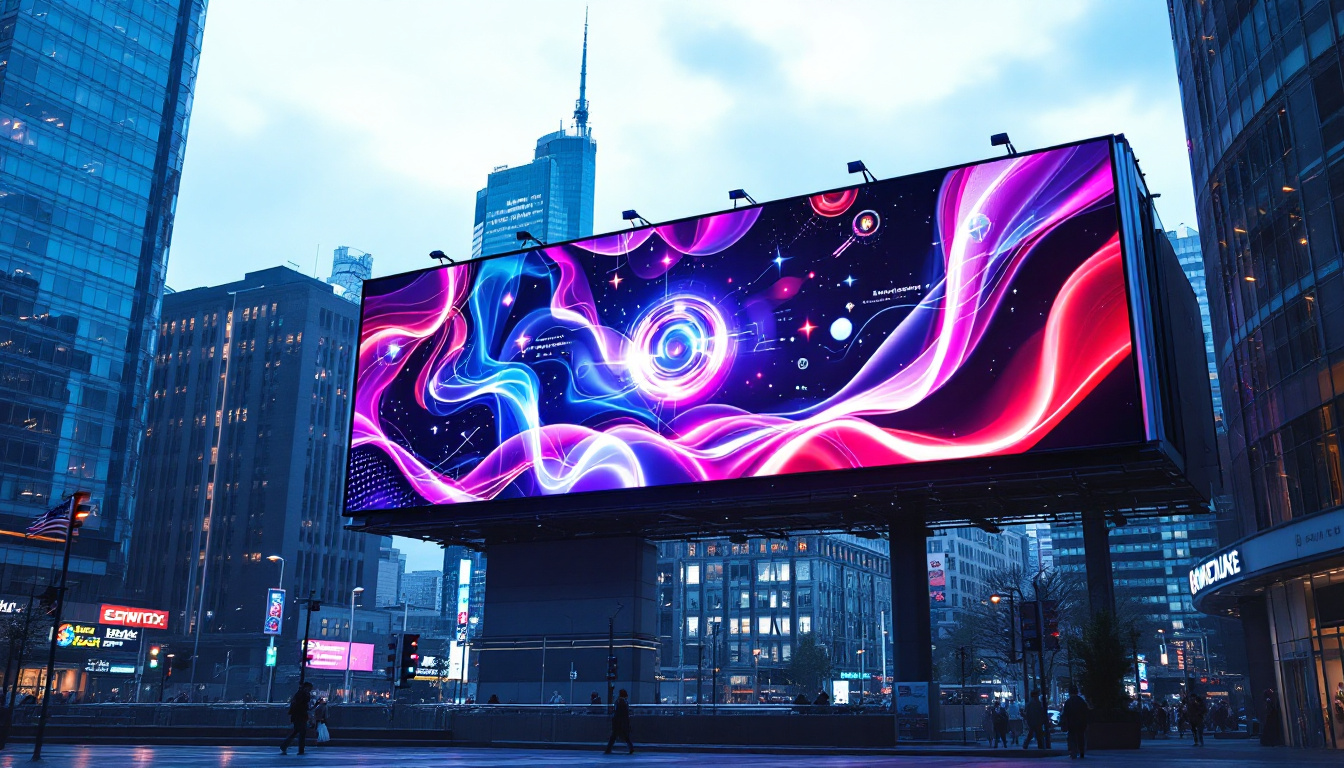
Outdoor LED Displays feature a larger pixel pitch (ranging from 4mm to 20mm or more) to accommodate viewing distances that can be tens or hundreds of feet away. These displays are built to withstand harsh weather conditions, including rain, wind, and temperature fluctuations. They also have higher brightness levels to combat sunlight glare, making them ideal for billboards, stadium screens, and transportation signage.
Direct View LED vs. LED Backlit LCD
It’s important to distinguish between two common types of LED-based displays:
- Direct View LED (DVLED): This is the true LED display technology where each pixel is an individual LED or cluster of LEDs. DVLED offers superior brightness, contrast, and viewing angles. It is often used in large-format signage and high-end video walls.
- LED Backlit LCD: These are traditional LCD screens that use LEDs as a backlight source instead of fluorescent lamps. While they benefit from LED efficiency and improved color, they do not match the brightness or viewing angles of direct view LED displays and are typically used for smaller screens like TVs and monitors.
Flexible and Transparent LED Displays
Recent innovations have introduced flexible and transparent LED displays, expanding the creative possibilities for signage.
Flexible LED displays use bendable substrates that allow screens to curve around architectural features or be wrapped around columns and other structures. This flexibility enables immersive and futuristic designs that capture attention.
Transparent LED displays consist of LED modules embedded in clear panels, allowing viewers to see through the display while still showing dynamic content. These are popular in retail windows, museums, and corporate environments where maintaining visibility through glass is essential.
Applications of LED Signage TVs
Retail and Advertising
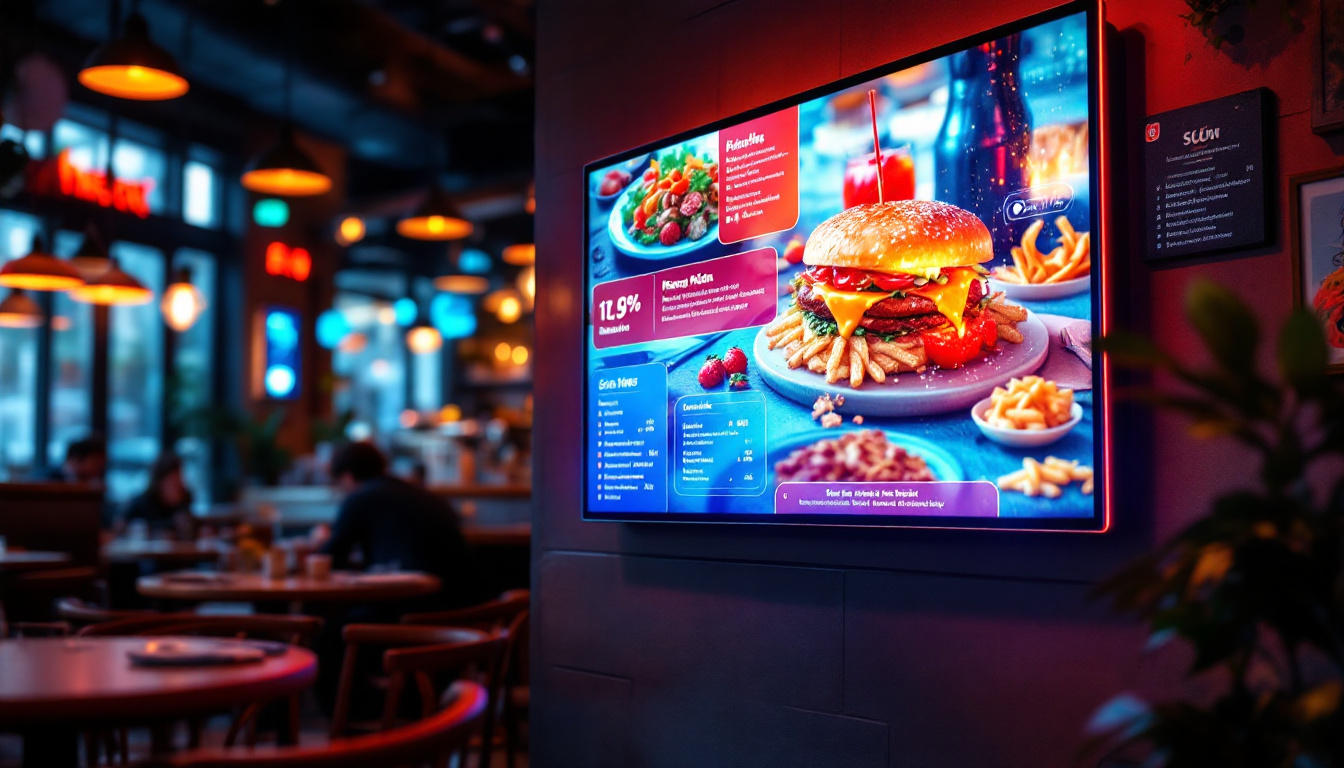
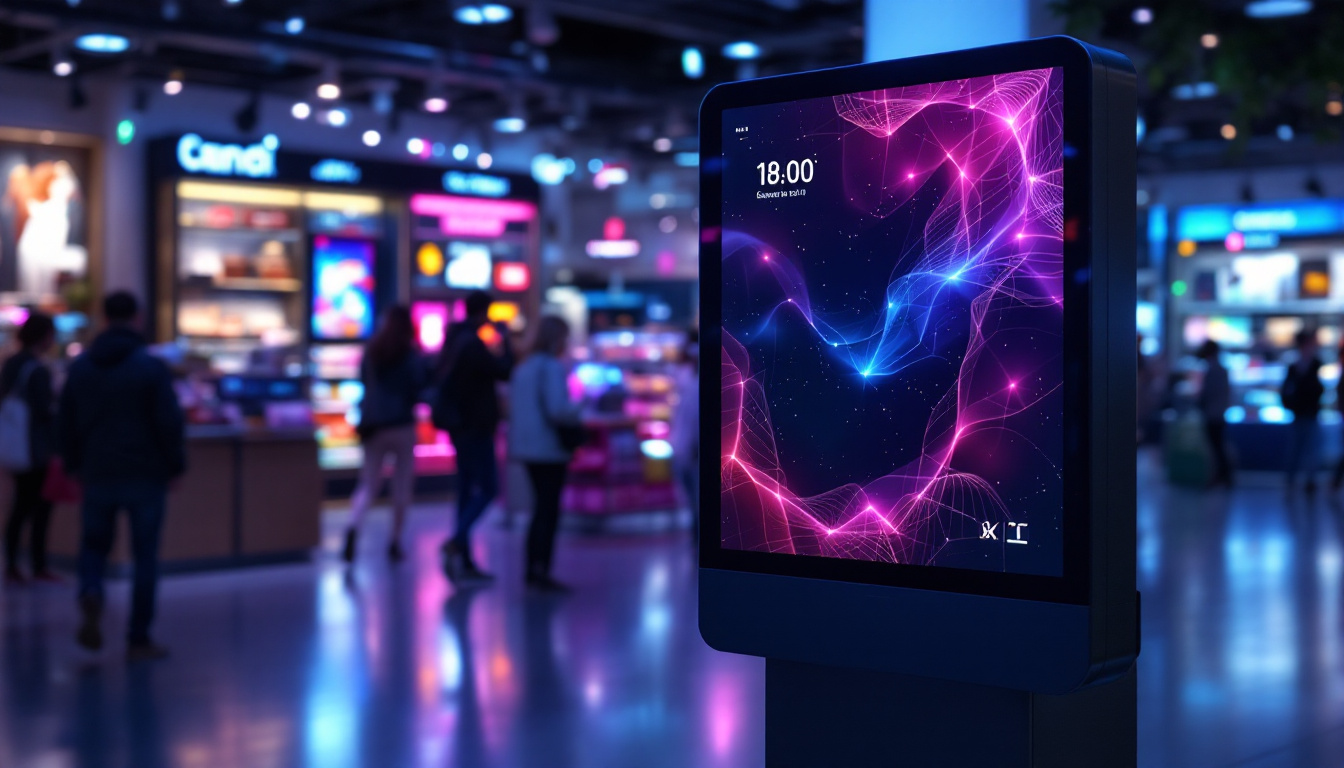
Retailers leverage LED signage TVs to attract customers, promote products, and enhance brand presence. Dynamic LED displays can showcase promotions, new arrivals, and interactive content that engages shoppers. According to a 2023 report by the Digital Signage Federation, businesses using LED digital signage saw an average sales increase of 30% compared to static signs.
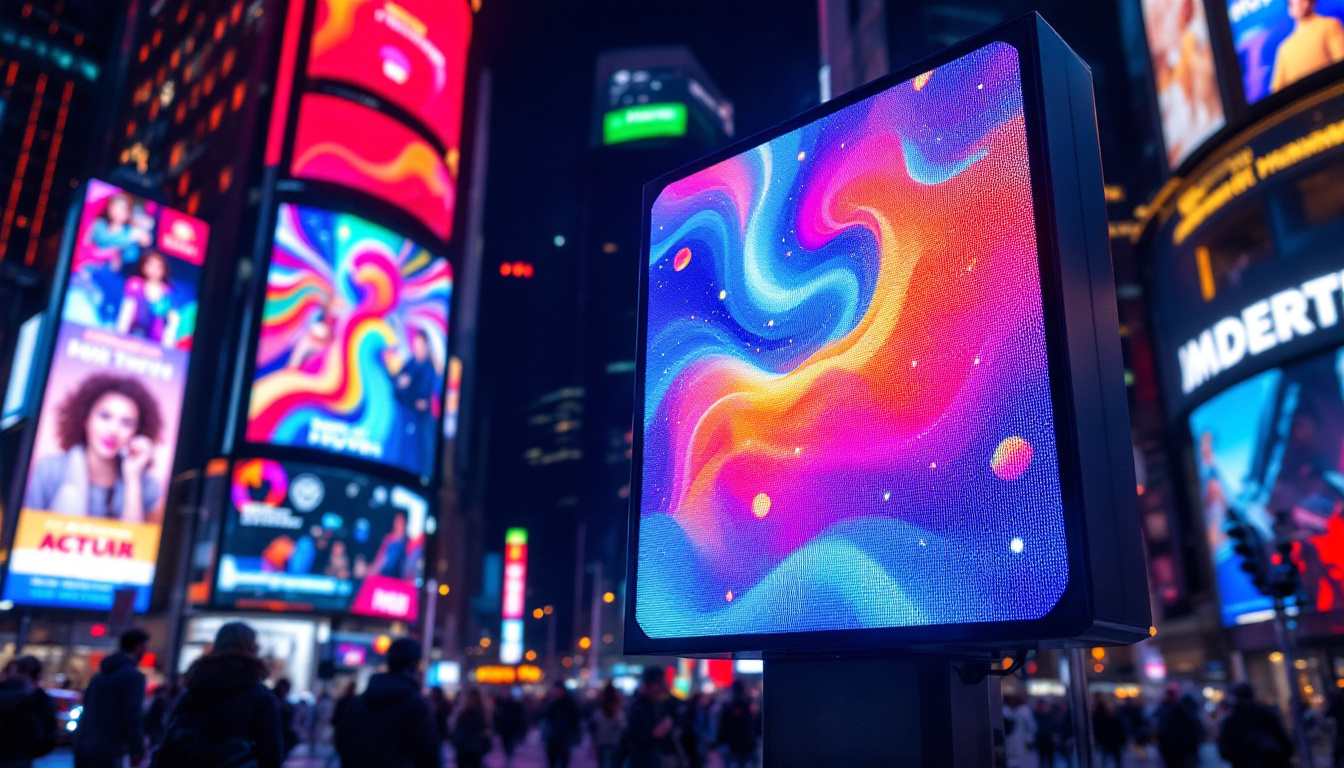
Outdoor LED billboards are a staple of modern advertising, capable of delivering high-impact messages to thousands of passersby daily. The ability to update content remotely and schedule ads for optimal times adds to their effectiveness and convenience.
Transportation and Public Information
Airports, train stations, and bus terminals utilize LED signage TVs to provide real-time schedules, alerts, and wayfinding information. The high visibility and legibility of LED displays ensure travelers receive critical updates promptly, improving overall transit efficiency and safety.
In urban environments, LED displays are also used for public service announcements, emergency alerts, and community messaging, making them vital tools for communication in densely populated areas.
Entertainment and Sports Venues
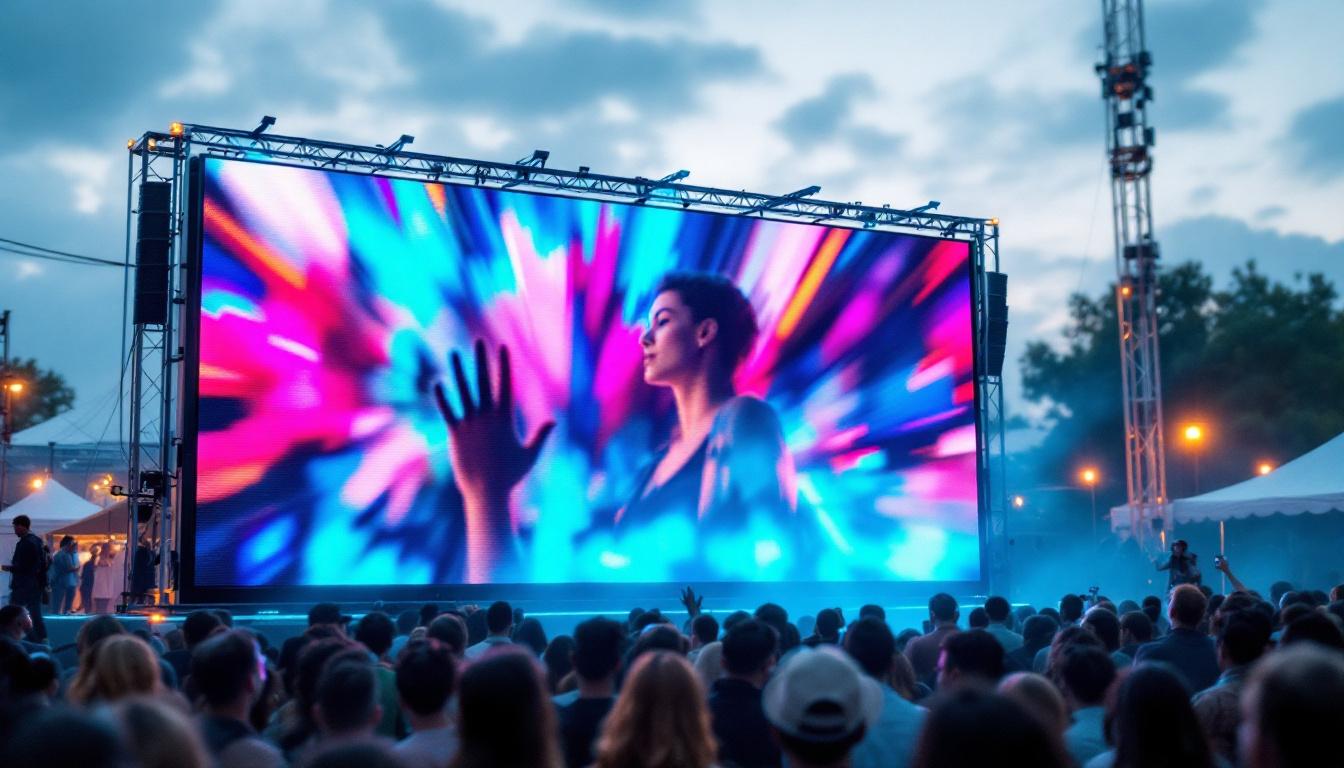
Stadiums and arenas employ massive LED video walls to enhance the spectator experience. These displays show live game action, replays, advertisements, and interactive fan content. The brightness and resolution of LED technology make it possible to deliver clear images visible from any seat, even in daylight.
Concerts and festivals also use LED signage TVs for stage backdrops and immersive visual effects, contributing to memorable live events.
Corporate and Educational Environments
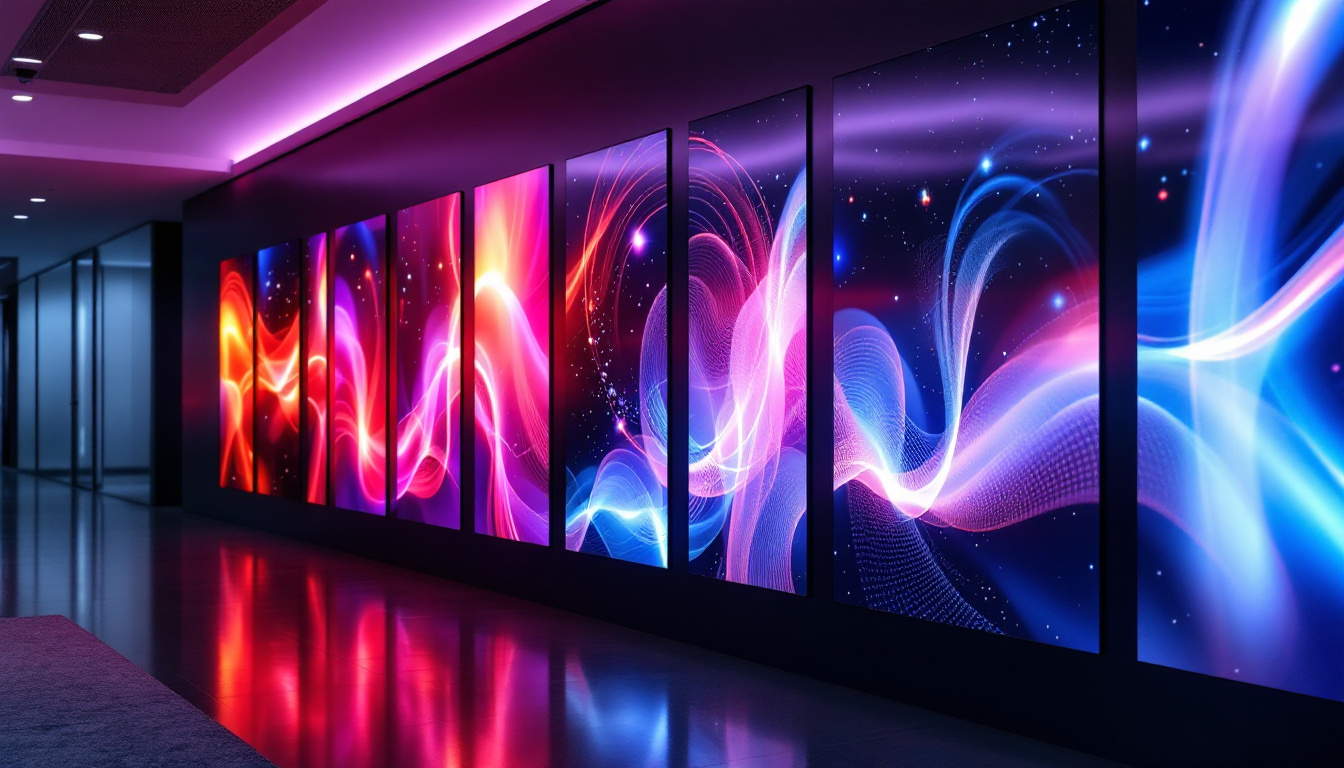
In corporate settings, LED displays serve as digital notice boards, presentation screens, and branding elements in lobbies and meeting rooms. They facilitate communication and create a modern, tech-savvy atmosphere.
Educational institutions use LED signage to broadcast announcements, event information, and emergency notifications, helping maintain a connected campus community.
Choosing the Right LED Signage TV
Key Factors to Consider
Selecting the appropriate LED signage TV depends on several critical factors:
- Viewing Distance: Determines the required pixel pitch and resolution. Closer viewing distances require finer pixel pitches for clarity.
- Location: Indoor or outdoor placement affects brightness, weatherproofing, and durability requirements.
- Content Type: Static images, video, or interactive content may influence hardware and software choices.
- Budget: Initial investment, installation costs, and long-term maintenance should be balanced against expected benefits.
- Installation Environment: Consider mounting options, power availability, and ambient light conditions.
Working with Professionals
Given the technical complexity and customization options of LED signage TVs, partnering with experienced manufacturers and integrators is advisable. Professionals can conduct site surveys, recommend optimal configurations, and ensure compliance with local regulations and safety standards.
Additionally, many providers offer content management systems (CMS) that simplify scheduling, updating, and monitoring display content, enhancing operational efficiency.
The Future of LED Signage TVs
Technological Innovations
LED display technology continues to advance rapidly. MicroLED, an emerging technology, promises even higher resolution, brightness, and energy efficiency by using microscopic LEDs. This could revolutionize signage TVs by enabling ultra-thin, flexible, and incredibly sharp displays.
Artificial intelligence and machine learning are also being integrated into digital signage systems to deliver personalized content based on audience demographics and behavior, increasing engagement and ROI.
Sustainability and Environmental Impact
As businesses prioritize sustainability, LED signage TVs offer an eco-friendly alternative to traditional signage. Their energy efficiency and long lifespan reduce carbon footprints, and many manufacturers are adopting recyclable materials and responsible production practices.
Future developments may focus on further reducing power consumption and incorporating solar-powered or battery-operated LED displays for off-grid applications.
Conclusion
LED signage TVs represent a powerful tool for communication, marketing, and information dissemination across diverse industries. Their superior brightness, energy efficiency, versatility, and durability make them an ideal choice for both indoor and outdoor applications. Understanding the technology, types, and practical considerations can help businesses and organizations harness the full potential of LED displays to captivate audiences and deliver impactful messages.
As LED technology evolves, it will continue to open new possibilities for creative expression and operational efficiency, making it a smart investment for the future of digital signage.
Explore Cutting-Edge LED Display Solutions with LumenMatrix
Ready to elevate your signage strategy with the latest in LED display technology? LumenMatrix offers a comprehensive range of innovative LED display solutions tailored to your unique needs. From vibrant Indoor and Outdoor LED Wall Displays to dynamic Vehicle and Sports LED Displays, and from sleek LED Poster Displays to immersive Floor and Custom LED options, our products are designed to captivate and engage. Discover the future of visual communication with our All-in-One and Transparent LED Displays. Check out LumenMatrix LED Display Solutions today and transform your space into a visual spectacle that resonates with your audience.