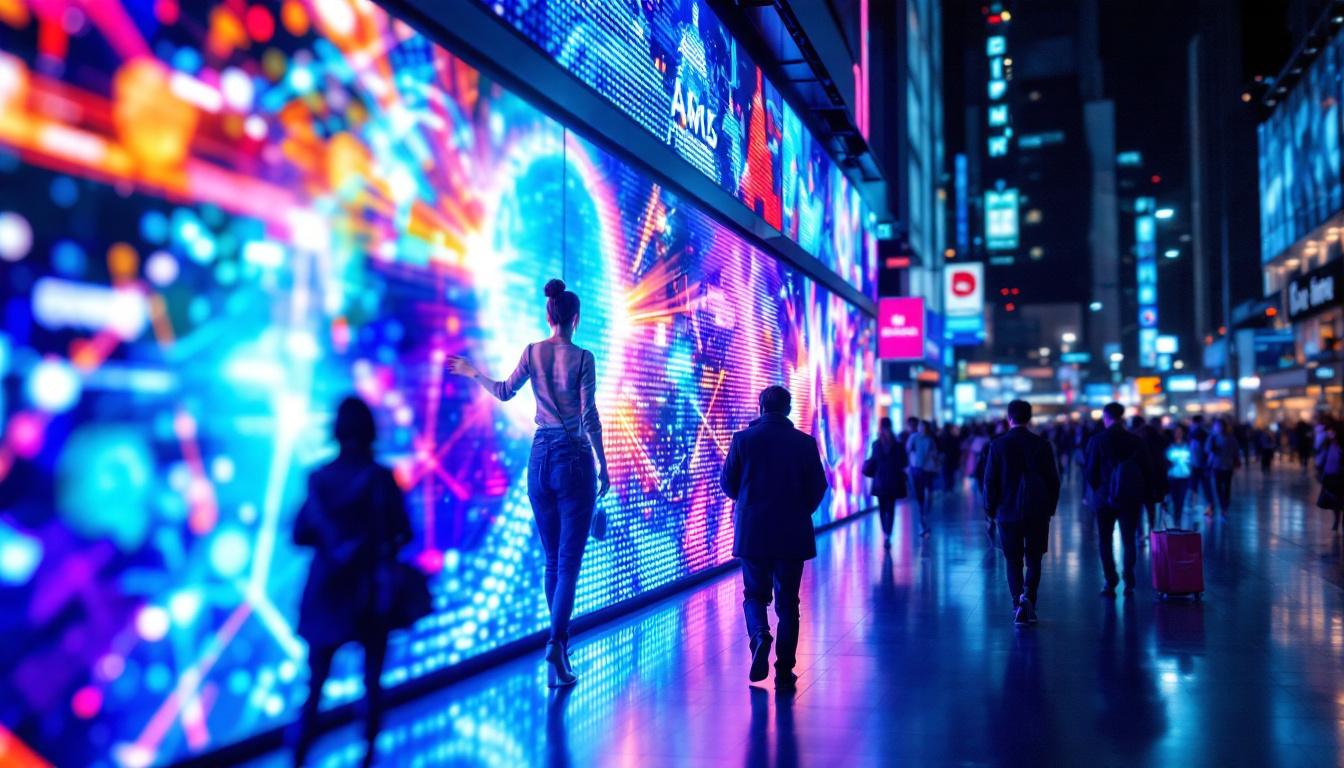
In today’s fast-paced digital world, the way businesses and organizations communicate with their audiences has evolved dramatically. Among the most impactful tools for visual communication is the LED display signage wall. These dynamic, vibrant, and versatile installations have transformed advertising, information dissemination, and entertainment across numerous industries. This article delves into the world of LED display signage walls, explaining what they are, how they work, their benefits, and why they are becoming an essential element in modern communication strategies.
Understanding LED Display Signage Walls
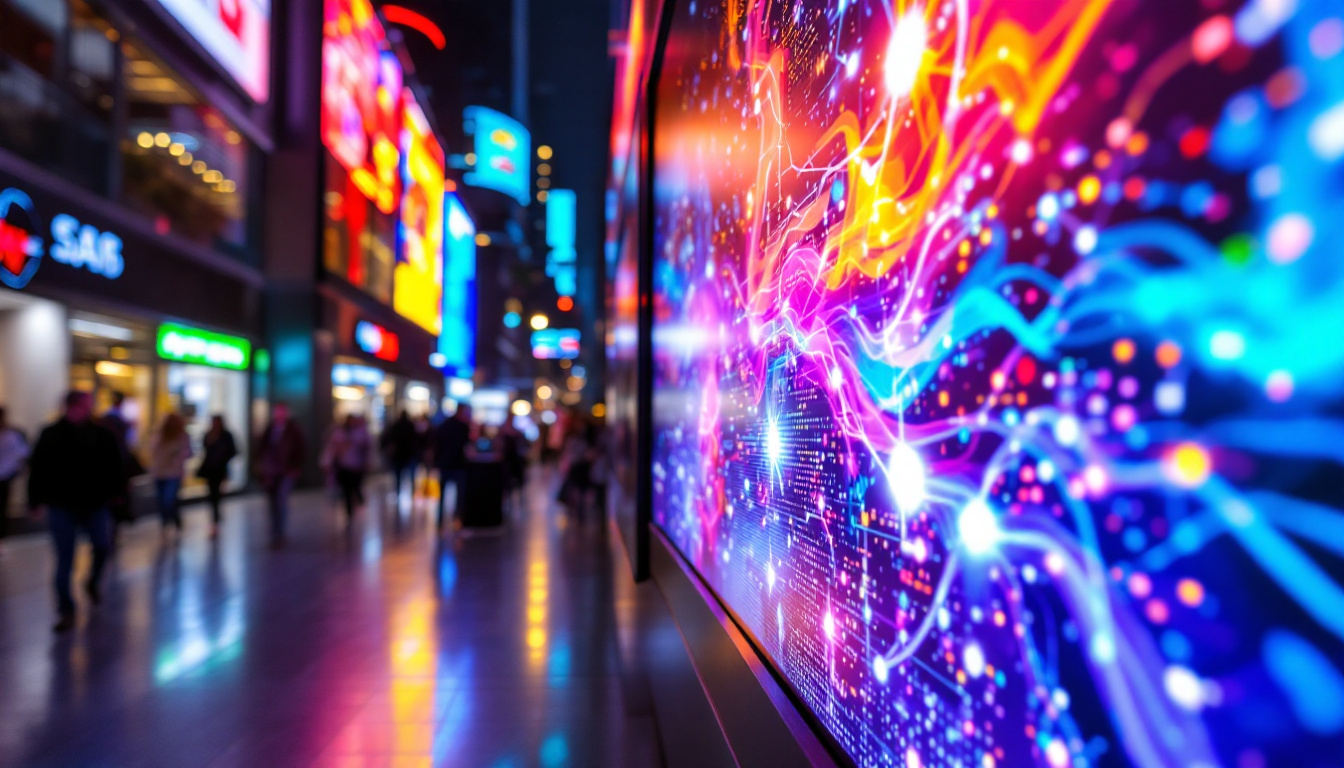
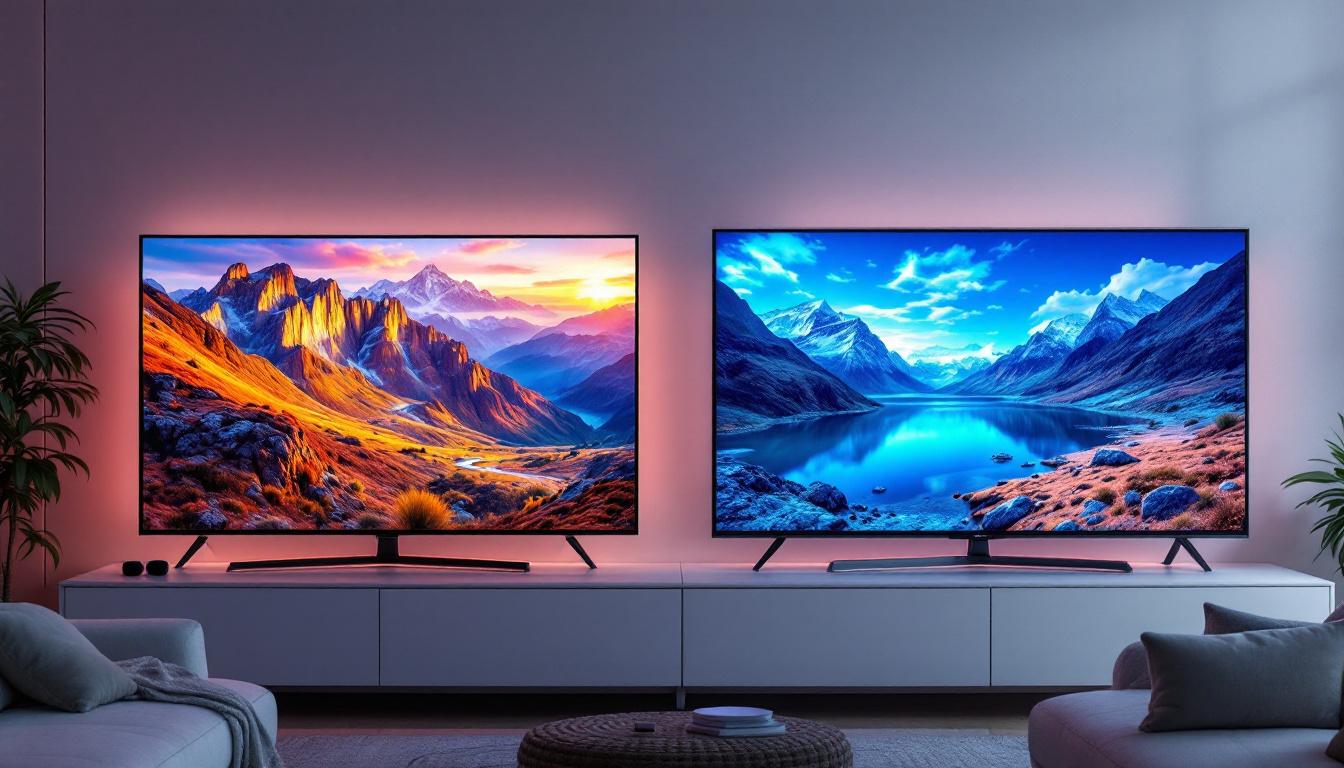
LED display signage walls are large-format screens composed of numerous light-emitting diodes (LEDs) arranged in a matrix to display images, videos, text, and animations. Unlike traditional static signs, LED walls offer dynamic content that can be updated in real-time, making them ideal for a variety of applications from retail advertising to public information systems. Their versatility allows businesses to engage customers with vibrant visuals and timely information, enhancing the overall experience in any setting.
What Is an LED Display?
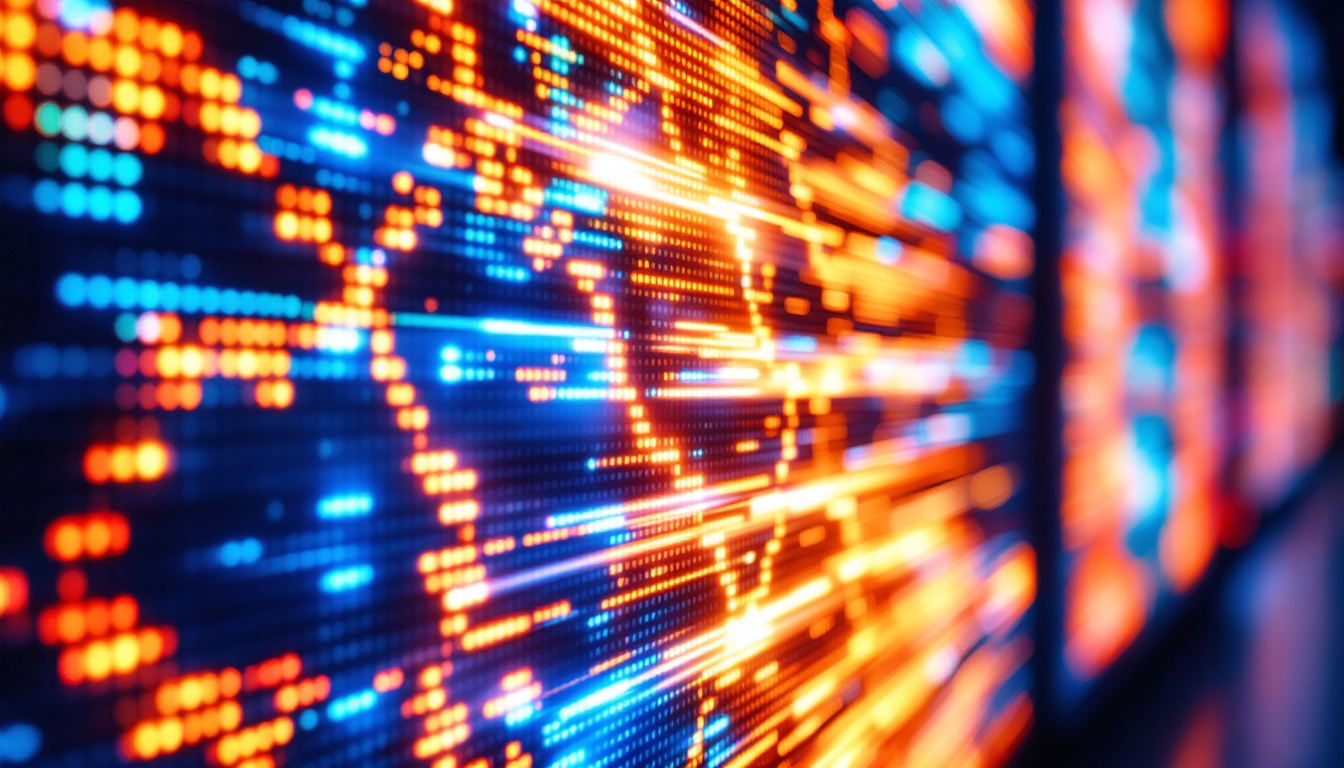
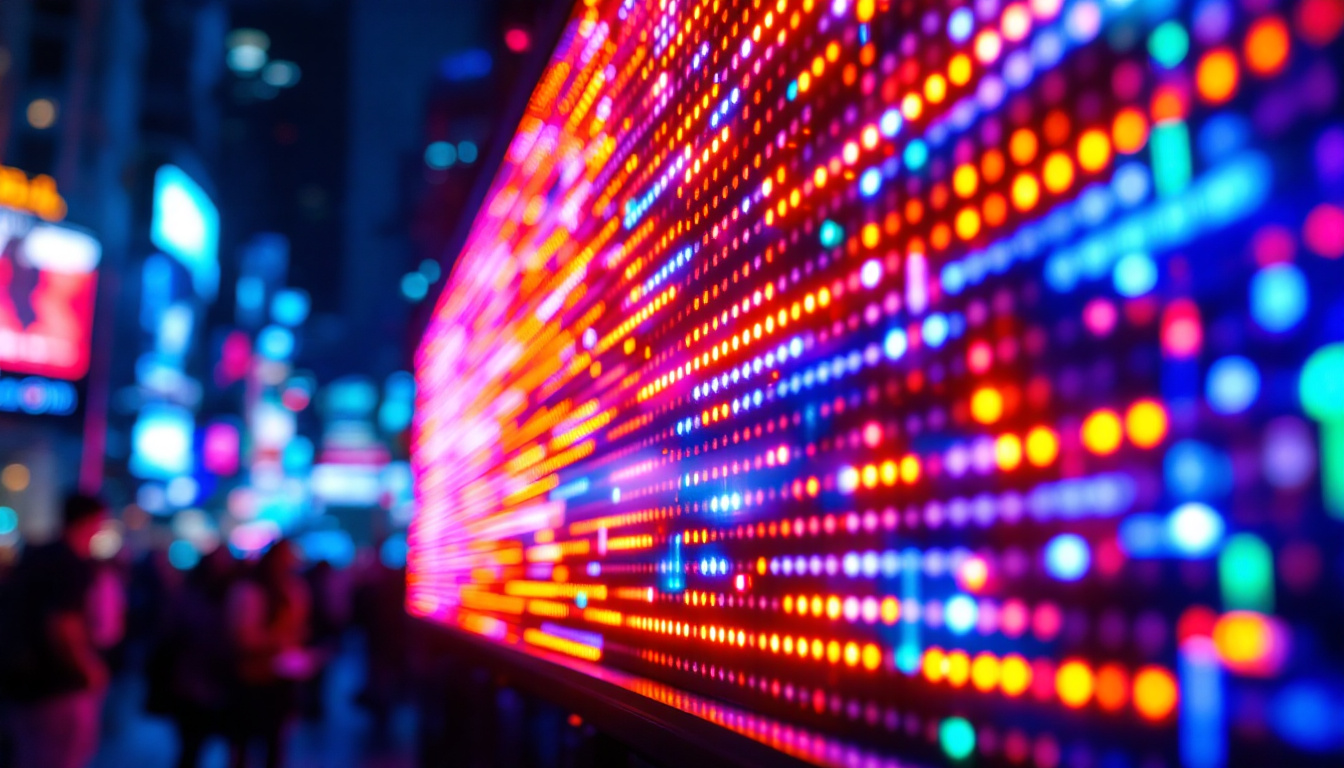
At its core, an LED display consists of tiny diodes that emit light when an electrical current passes through them. These diodes are grouped into pixels, and each pixel can be controlled to produce a specific color and brightness. When thousands of these pixels work together, they create a seamless, high-resolution image visible from considerable distances. The technology behind LED displays has evolved significantly, leading to advancements like pixel mapping and color calibration, which ensure that the displayed content is both striking and true to life.
LED technology is favored for signage because of its brightness, energy efficiency, and longevity. Modern LED displays can operate effectively in both indoor and outdoor environments, with brightness levels reaching up to 10,000 nits or more, ensuring visibility even under direct sunlight. This high level of brightness not only enhances visibility but also allows for creative applications such as interactive displays and immersive environments that capture the attention of passersby.
Types of LED Displays Used in Signage Walls
LED signage walls come in different configurations depending on their intended use:
- Indoor LED Displays: Typically have a smaller pixel pitch (distance between pixels), ranging from 1mm to 4mm, allowing for high-resolution images viewed at close range. These are common in shopping malls, airports, and conference centers. Their ability to display detailed graphics makes them perfect for showcasing products, event schedules, or even live feeds.
- Outdoor LED Displays: Feature larger pixel pitches (4mm to 20mm or more) to accommodate longer viewing distances and higher brightness levels to combat sunlight glare. They are often used for billboards, stadium screens, and public information boards. These displays are engineered to withstand various weather conditions, ensuring durability and consistent performance over time.
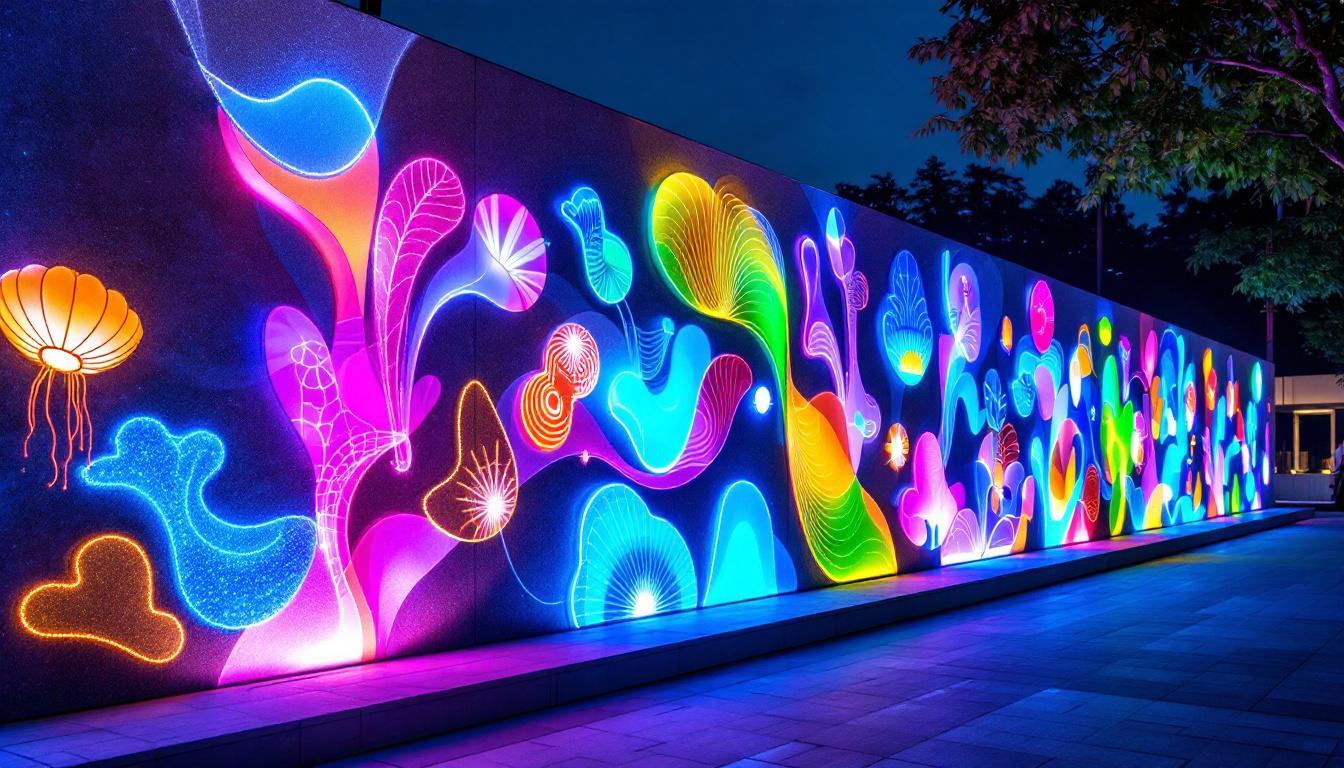
- Transparent LED Displays: These innovative displays allow light to pass through the screen, making them ideal for storefront windows and architectural applications where visibility both inside and outside is desired. This unique feature not only enhances aesthetic appeal but also enables businesses to maintain a connection with their surroundings while promoting products or services.
In addition to these types, there are also curved and flexible LED displays that can be customized to fit unique spaces and designs. These displays are particularly popular in modern architecture and event staging, where traditional flat screens may not suffice. The adaptability of LED technology allows for creative installations that can transform any environment, making it more engaging and visually appealing.
Furthermore, the integration of smart technology into LED displays has revolutionized how content is managed and delivered. With the use of cloud-based platforms, businesses can remotely update their signage, schedule content, and analyze viewer engagement in real-time. This level of interactivity not only maximizes the effectiveness of advertising campaigns but also allows for tailored messaging that resonates with specific audiences at different times of the day.
The Technology Behind LED Signage Walls
To appreciate the capabilities of LED signage walls, it’s important to understand the technology that powers them. Several components and innovations contribute to their effectiveness and appeal.
Pixel Pitch and Resolution
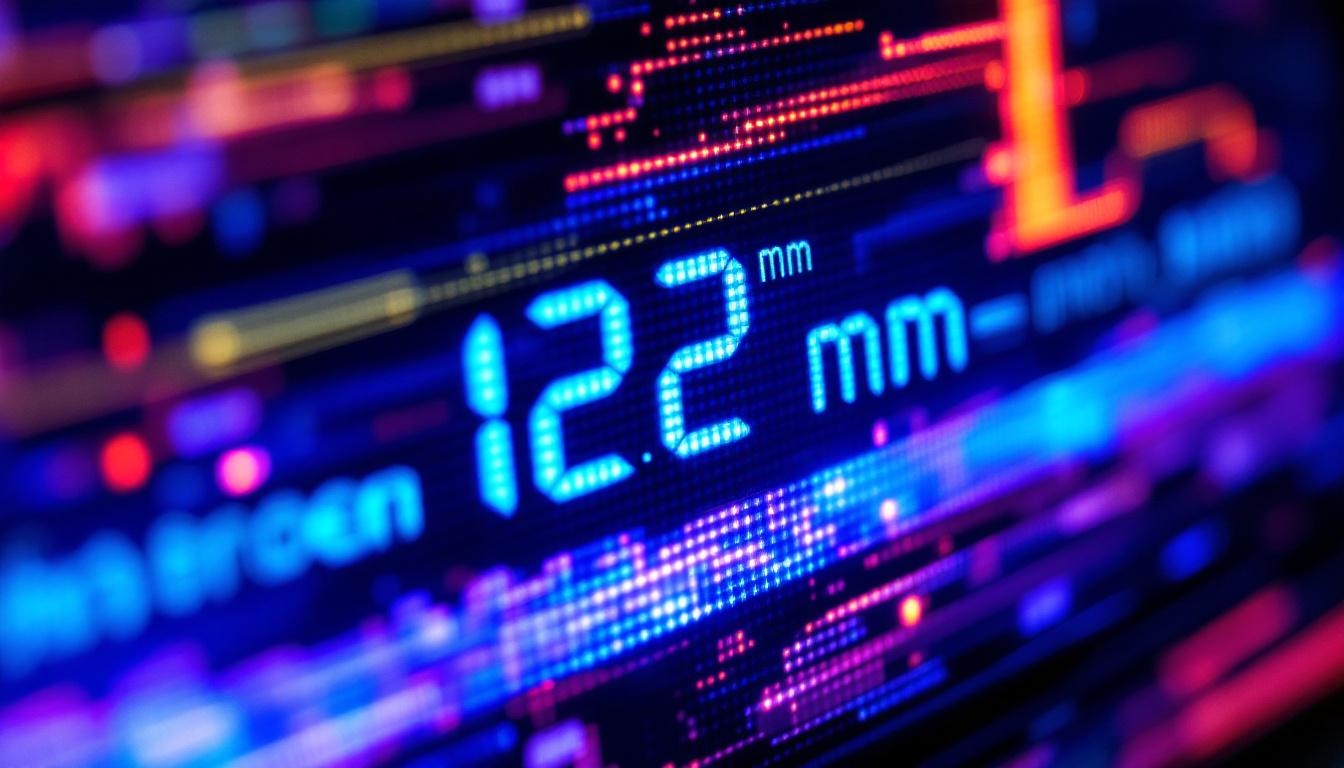
Pixel pitch is a critical specification in LED displays, defining the distance between the centers of two adjacent pixels. The smaller the pixel pitch, the higher the resolution and image clarity, especially at close viewing distances. For example, a 1.2mm pixel pitch LED wall can display ultra-clear images suitable for indoor use, while a 10mm pixel pitch is more appropriate for large outdoor billboards viewed from afar.
Resolution is directly tied to pixel pitch and the overall size of the display. A larger display with a fine pixel pitch can deliver stunning visuals that captivate audiences, making it a powerful tool for branding and messaging.
Brightness and Contrast
One of the standout features of LED signage walls is their exceptional brightness. Unlike LCD screens, LED displays emit their own light, allowing them to reach brightness levels that can surpass 5,000 nits outdoors and 1,000 nits indoors. This ensures content remains visible even in bright daylight conditions.
Contrast ratio—the difference between the darkest black and the brightest white—is also vital for image quality. High contrast ratios enhance the depth and vibrancy of the displayed content, making visuals more engaging and easier to read.
Color Accuracy and Viewing Angles
Modern LED displays support millions of colors, offering rich and accurate color reproduction. This is essential for brand consistency and creating visually appealing content.
Additionally, LED walls typically have wide viewing angles, often exceeding 140 degrees horizontally and vertically. This means that audiences can see the display clearly from various positions, making it ideal for public spaces where viewers approach from multiple directions.
Applications of LED Signage Walls
LED signage walls have found widespread use across many sectors, thanks to their flexibility and impact. Below are some of the most common applications.
Retail and Advertising
Retailers leverage LED signage walls to attract customers, promote products, and create immersive brand experiences. Dynamic content can be updated instantly to reflect promotions, new arrivals, or seasonal campaigns. Studies show that digital signage can increase customer engagement by up to 30%, making it a valuable investment for retailers seeking to boost sales.
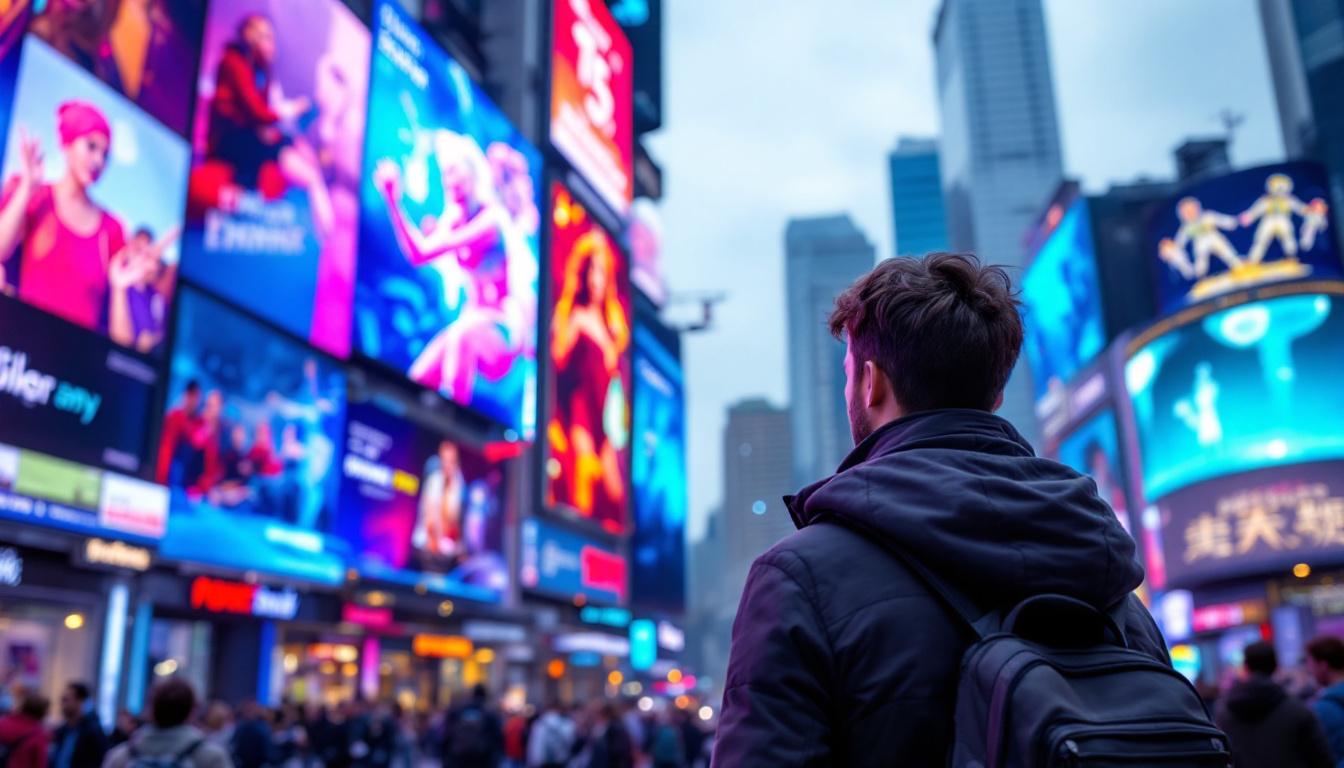
Outdoor LED billboards have also revolutionized advertising by offering eye-catching visuals that can be tailored to different times of day or audience demographics, maximizing marketing effectiveness.
Transportation Hubs and Public Spaces
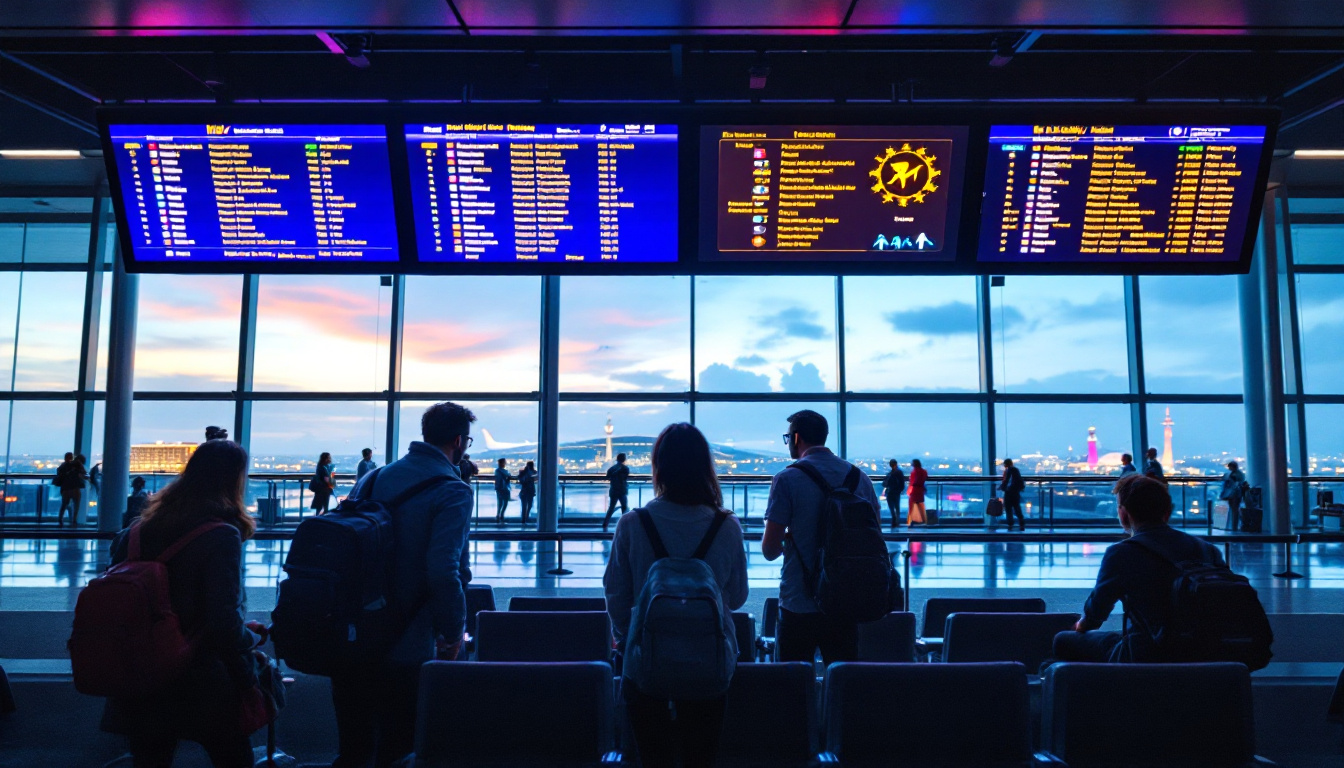
Airports, train stations, and bus terminals use LED signage walls to provide real-time information such as arrival and departure times, gate changes, and emergency alerts. The high visibility and clarity of LED displays ensure that travelers receive timely updates, improving overall experience and safety.
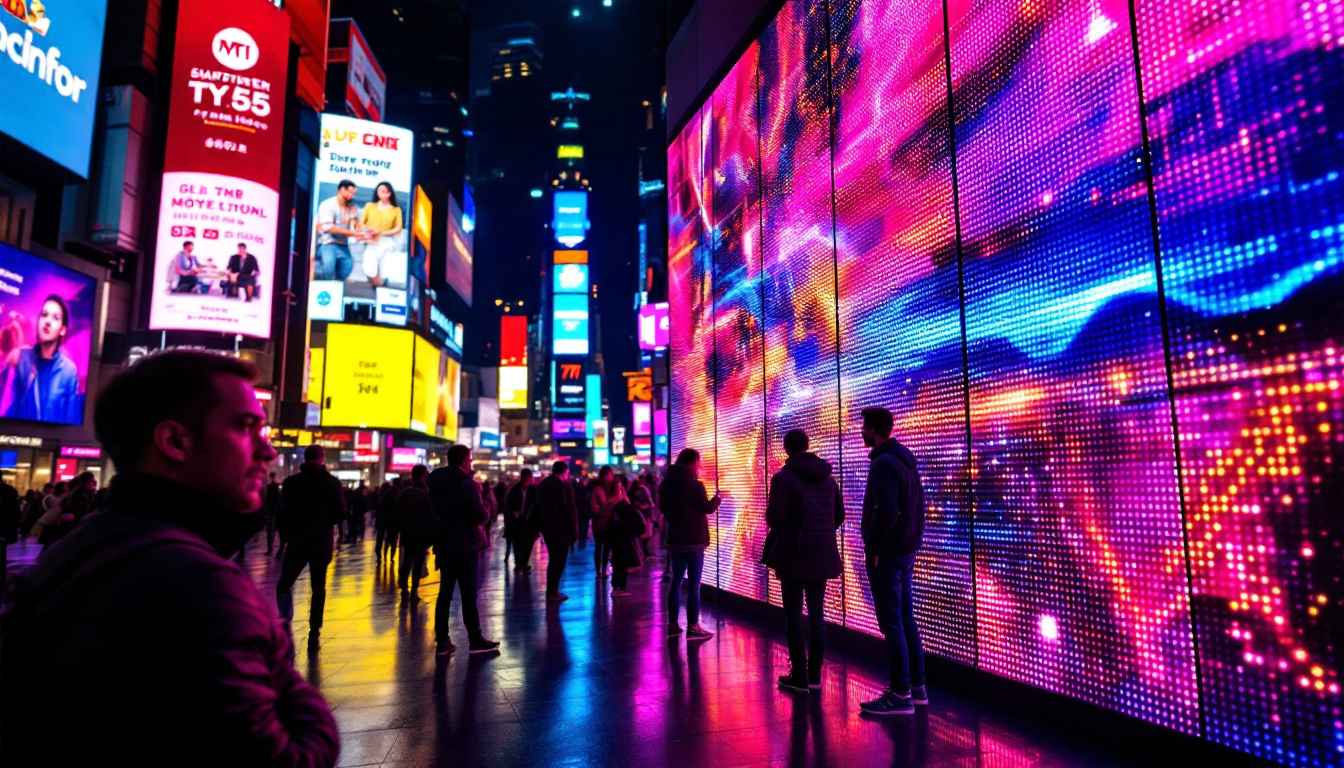
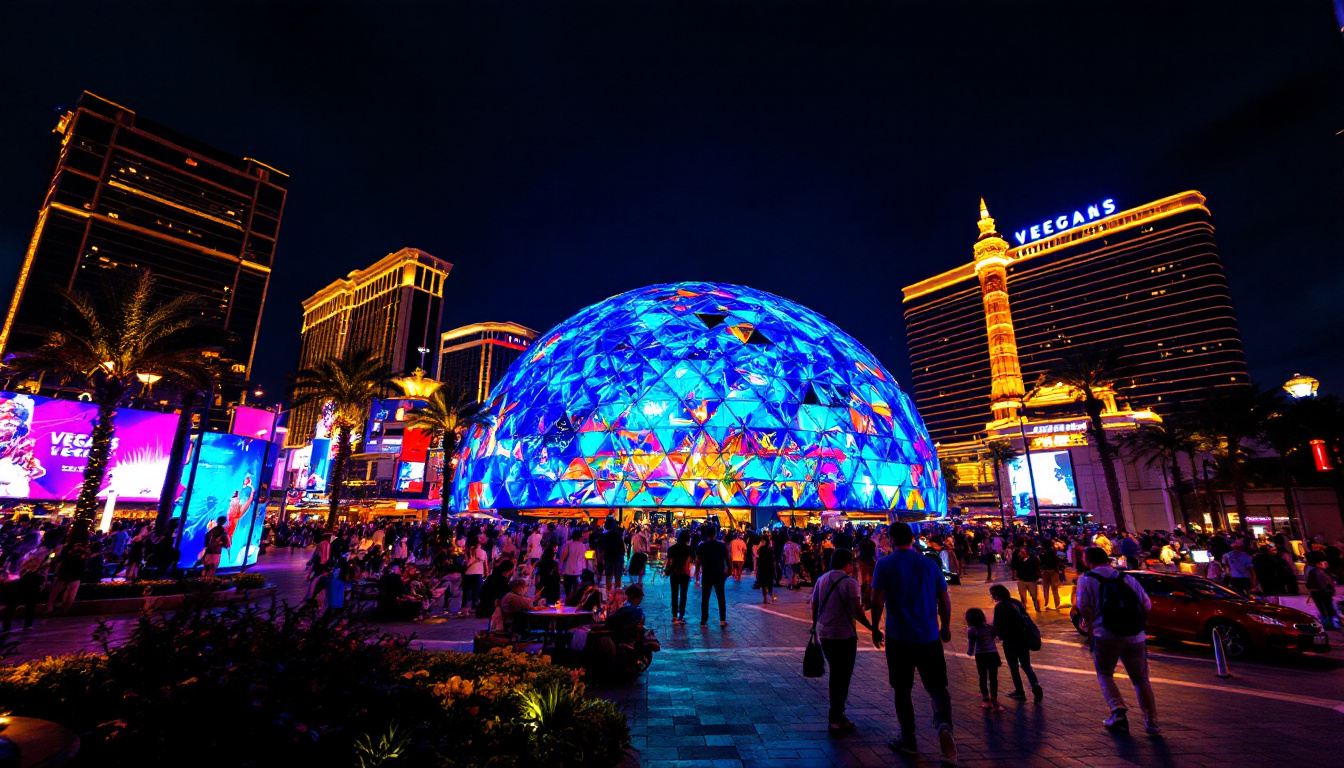
Similarly, city centers and public squares utilize LED walls for event promotion, public announcements, and even interactive installations that engage the community.
Entertainment and Sports Venues
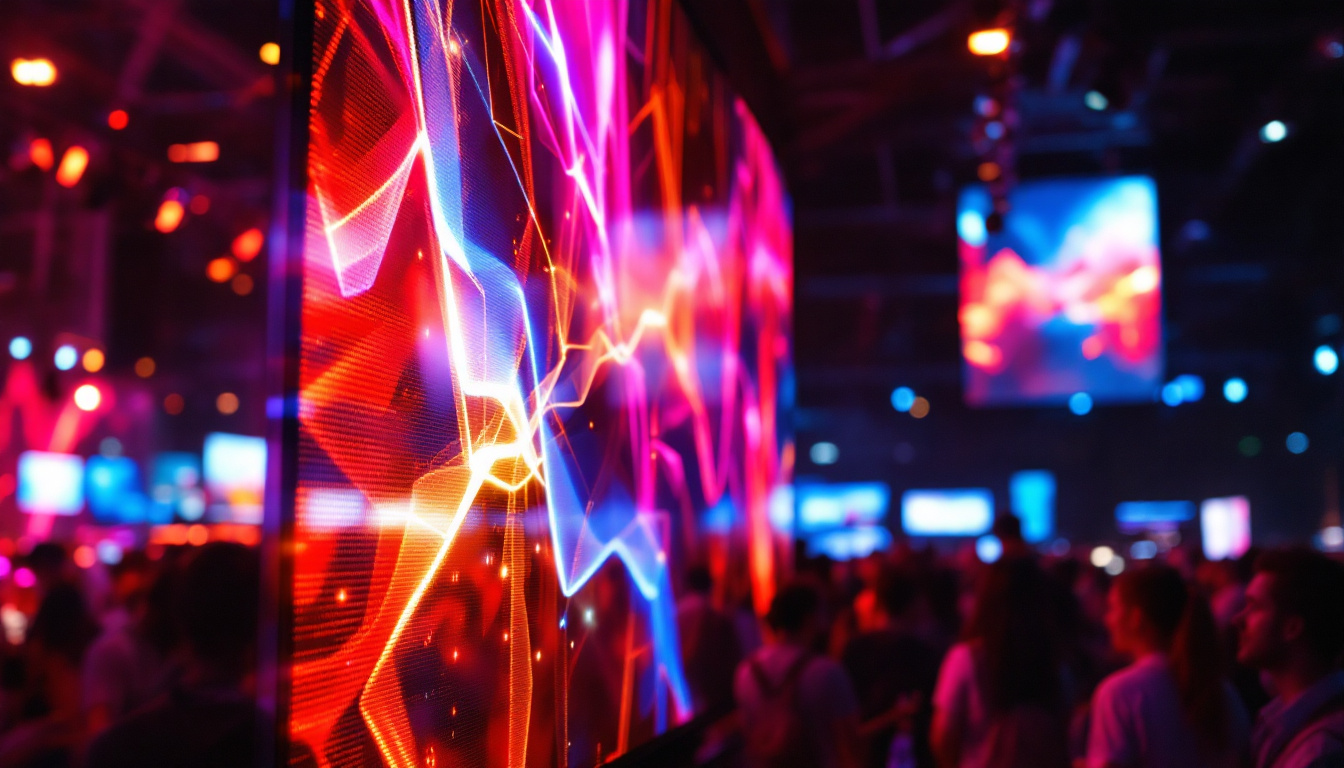
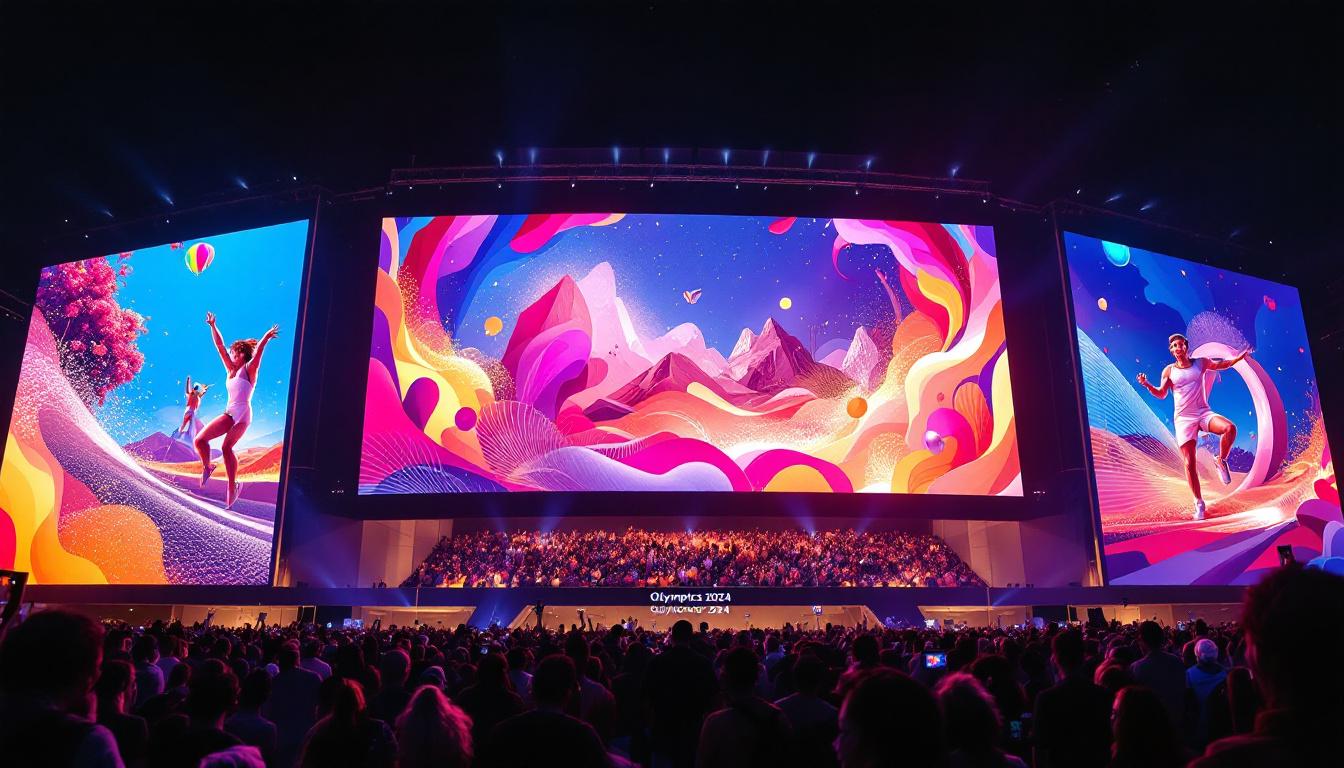
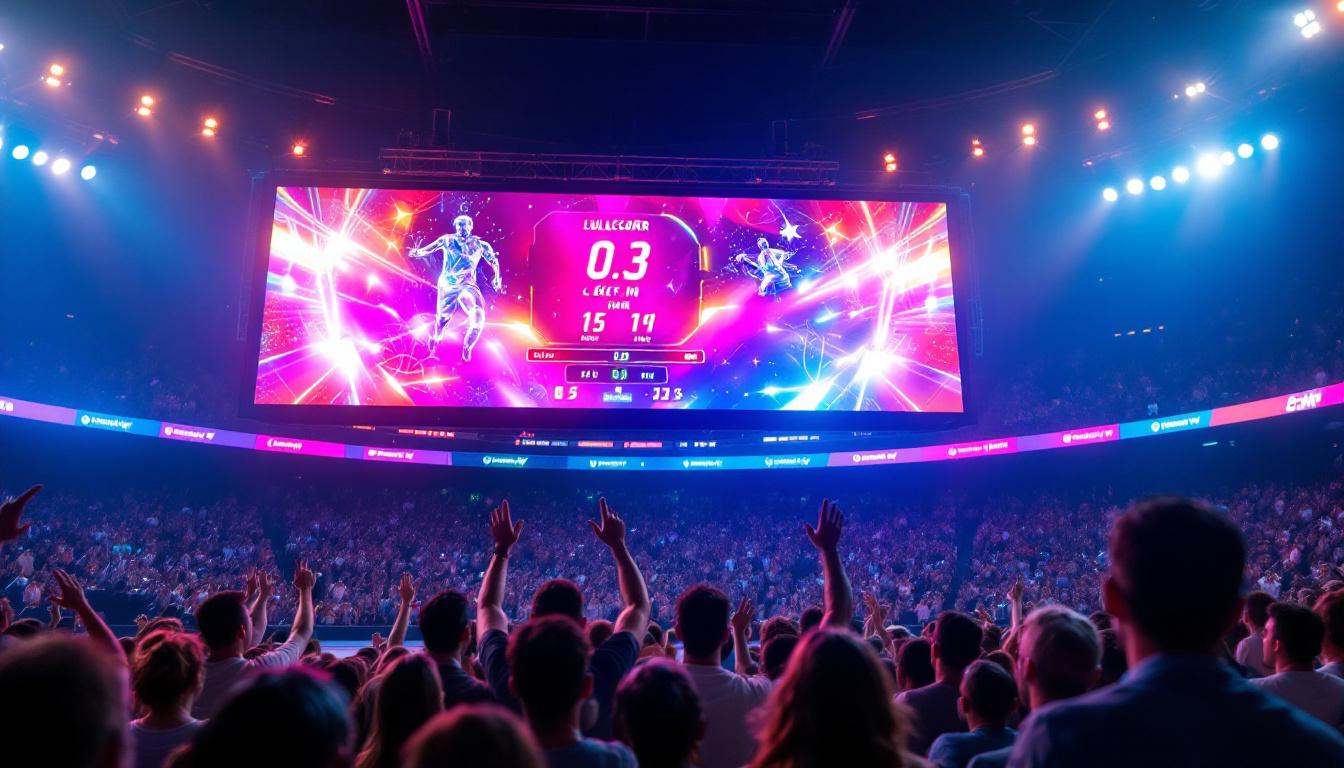
From concert stages to stadiums, LED signage walls enhance the spectator experience by displaying live video feeds, scores, advertisements, and interactive content. Their ability to deliver high-resolution images on massive scales makes them indispensable in modern entertainment settings.
Corporate and Educational Environments
Businesses and educational institutions use LED walls for presentations, digital notice boards, and collaborative workspaces. The ability to display multiple content streams simultaneously and update information quickly supports effective communication and engagement.
Benefits of Using LED Display Signage Walls
LED signage walls offer numerous advantages over traditional signage methods, which explains their growing popularity.
High Visibility and Impact
The brightness and size of LED walls ensure that messages stand out, even in crowded or brightly lit environments. This high visibility translates into greater audience attention and message retention.
Flexibility and Real-Time Updates
Unlike static signs, LED displays can be updated instantly, allowing for timely and relevant content delivery. This flexibility enables businesses to respond quickly to market trends, customer behavior, or unforeseen events.
Energy Efficiency and Longevity
LED technology is inherently energy-efficient compared to other lighting and display technologies. Modern LED walls consume less power while providing superior brightness. Additionally, LEDs have a long operational lifespan, often exceeding 100,000 hours, reducing maintenance and replacement costs.
Customization and Creativity
LED signage walls support a wide range of content types, including video, animations, and interactive elements. This opens the door for creative campaigns and unique brand experiences that can captivate audiences and differentiate businesses from competitors.
Considerations When Choosing an LED Signage Wall
While LED signage walls offer many benefits, selecting the right solution requires careful consideration of several factors.
Location and Viewing Distance
Understanding where the display will be installed and how far viewers will be is critical. This determines the appropriate pixel pitch, brightness, and size to ensure optimal visibility and image quality.
Content Management System (CMS)
A robust CMS allows users to schedule, update, and manage content efficiently. Choosing a system with user-friendly interfaces and remote access capabilities can simplify operations and maximize the display’s potential.
Environmental Conditions
Outdoor installations must withstand weather conditions such as rain, wind, and extreme temperatures. Ensuring the LED wall has appropriate IP ratings (Ingress Protection) and durability is essential for longevity.
Budget and ROI
While LED signage walls represent a significant investment, the return on investment can be substantial when factoring in increased engagement, advertising revenue, and operational efficiencies. It’s important to balance upfront costs with long-term benefits.
Future Trends in LED Display Signage Walls
The LED display industry continues to innovate, with emerging trends shaping the future of signage walls.
MicroLED and MiniLED Technologies
These advancements offer even higher resolution, improved brightness, and better energy efficiency. MicroLED, in particular, promises displays with superior contrast and color accuracy, pushing the boundaries of visual quality.
Interactive and AI-Driven Displays
Integration of touch capabilities, gesture recognition, and AI-powered content personalization is making LED walls more engaging and responsive to audience behavior. This evolution enhances user experience and marketing effectiveness.
Flexible and Curved LED Screens
New materials and manufacturing techniques enable LED walls to be curved or flexible, allowing for innovative architectural designs and immersive environments.
Conclusion
LED display signage walls have firmly established themselves as a cornerstone of modern visual communication. Their ability to deliver bright, dynamic, and customizable content makes them invaluable across industries, from retail and transportation to entertainment and corporate sectors. Understanding the technology, applications, and benefits of LED signage walls empowers businesses and organizations to harness their full potential, creating impactful and memorable experiences for their audiences.
As technology advances, LED display walls will continue to evolve, offering even greater opportunities for creativity, engagement, and effective communication in the digital age.
Discover LumenMatrix’s Innovative LED Display Solutions
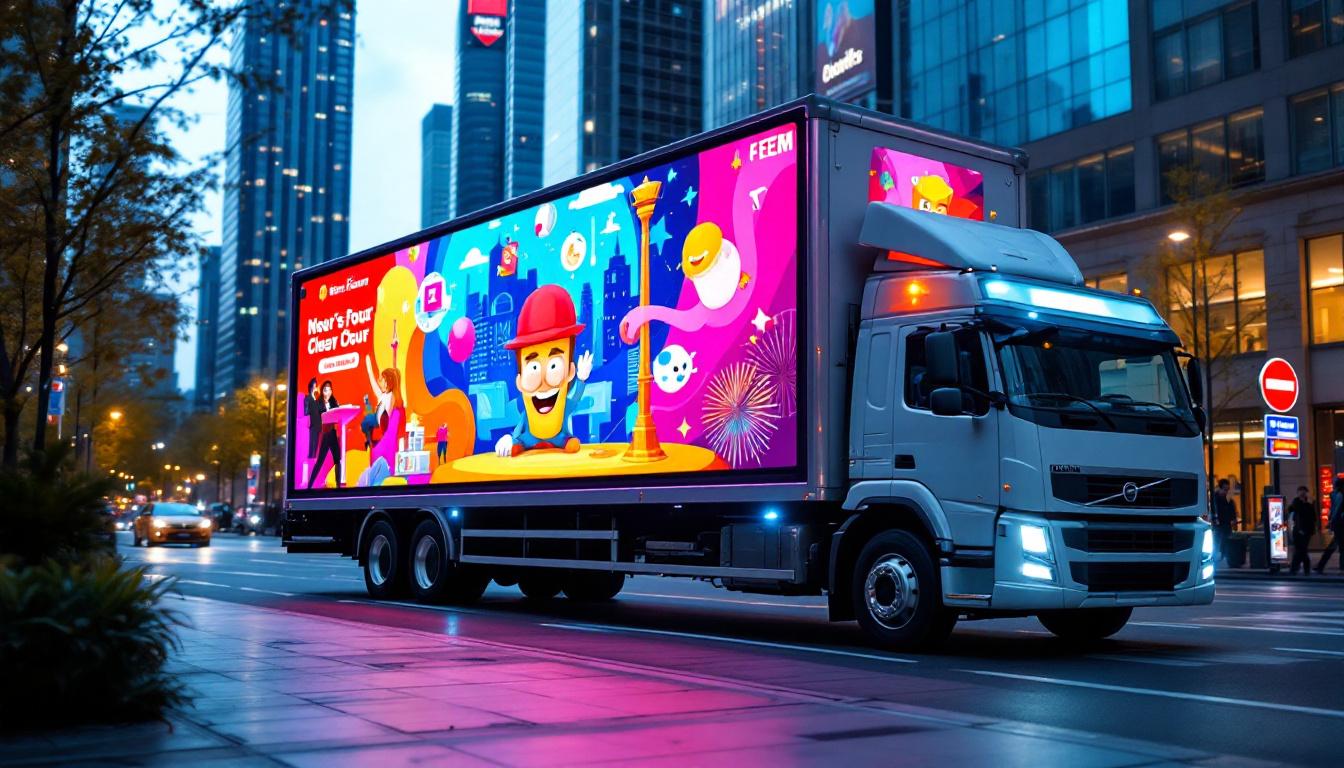
Ready to elevate your visual communication strategy with the latest in LED display technology? LumenMatrix is at the forefront of creating immersive and dynamic visual experiences. From Indoor and Outdoor LED Wall Displays to specialized solutions like Vehicle, Sports, and Floor LED Displays, we offer a wide range of customizable options to fit your specific needs. Embrace the future of digital signage with LumenMatrix’s cutting-edge LED display modules and transform how you connect with your audience. Check out LumenMatrix LED Display Solutions today and start making a lasting impression with unparalleled clarity and impact.