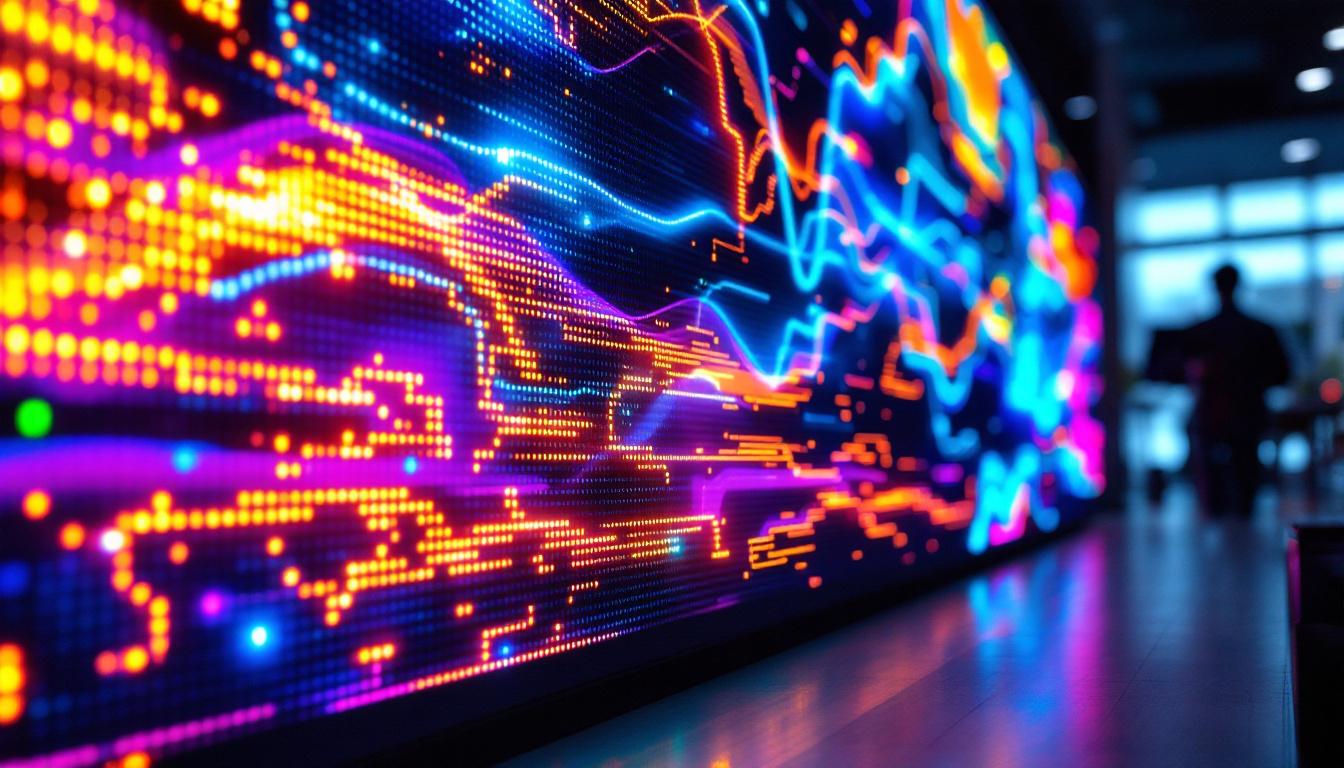
In the rapidly evolving world of digital signage and display technology, LED displays have emerged as a dominant force, transforming how businesses, advertisers, and event organizers communicate visually. Among the innovations in this sector, “Slim Ups” LED displays have gained significant attention for their sleek design and advanced functionality. This article delves into the intricacies of Slim Ups LED displays, exploring their technology, applications, benefits, and what sets them apart in a competitive market.
Understanding LED Display Technology
What Are LED Displays?
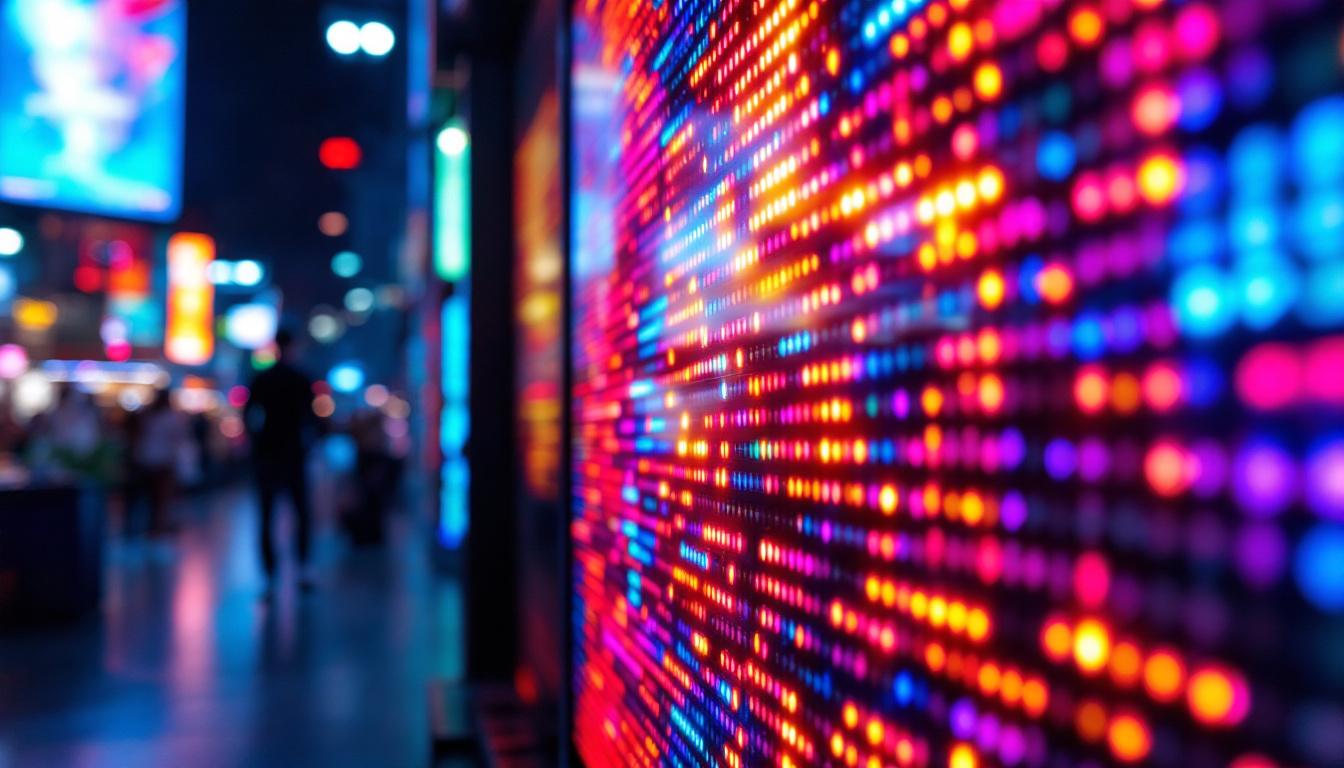
LED, or Light Emitting Diode, displays are screens composed of numerous tiny LEDs that emit light when an electric current passes through them. Unlike traditional LCD or plasma screens, LED displays produce their own light, resulting in brighter images, higher contrast ratios, and better energy efficiency. These qualities make LED displays ideal for a wide range of environments, from outdoor billboards to indoor advertising panels.
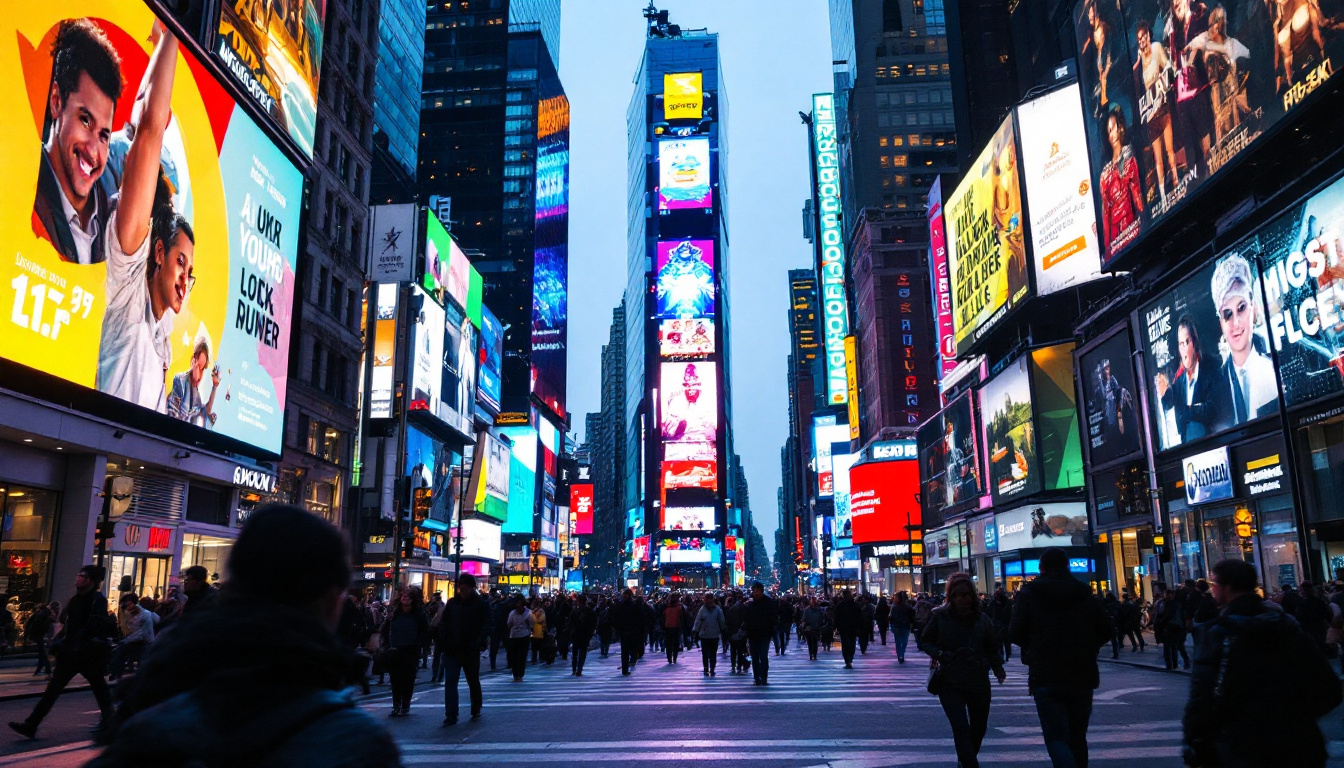
LED displays come in various forms, including direct view LED panels, where each pixel is a small LED cluster, and LED-backlit LCDs, which use LEDs to illuminate an LCD screen. The former is particularly relevant for large-format displays, such as those used in stadiums, shopping malls, and public spaces. The ability to create vivid colors and deep blacks makes LED displays particularly appealing for dynamic content, such as video presentations and live broadcasts, where clarity and vibrancy are paramount. Additionally, the lifespan of LED technology often exceeds that of traditional display technologies, making them a cost-effective solution in the long run.
What Makes Slim Ups Different?
Slim Ups LED displays are a category of direct view LED screens characterized by their ultra-thin design and lightweight construction. Traditional LED displays, especially large-scale models, tend to be bulky and heavy, which can limit installation options and increase logistical challenges. Slim Ups address these issues by leveraging advances in LED module design, materials, and assembly techniques to create panels that are significantly thinner and easier to mount.
Typically, Slim Ups panels measure just a few centimeters in depth, compared to the 10-15 cm thickness common in older models. This reduction in size does not compromise image quality; instead, it enhances versatility and aesthetic integration, especially in environments where space and appearance are critical. For instance, in modern retail environments, where visual merchandising plays a key role in attracting customers, Slim Ups can be seamlessly integrated into store designs without overwhelming the space. Furthermore, their lightweight nature allows for easier installation and maintenance, reducing downtime and labor costs associated with setup and repairs. The innovative design of Slim Ups also opens up possibilities for creative installations, such as curved or irregular shapes that can enhance the overall visual experience in a variety of settings.
Key Features and Technical Specifications of Slim Ups
High Resolution and Pixel Pitch
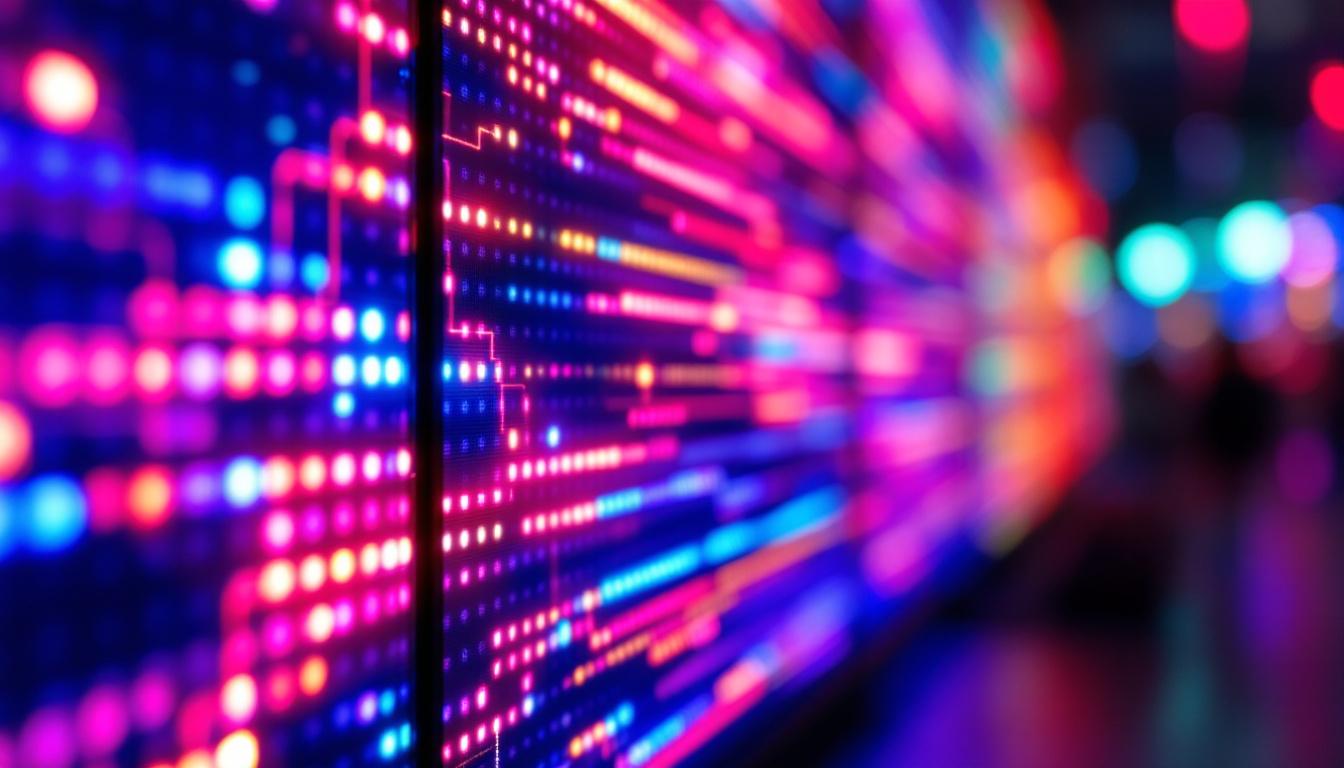
Resolution and pixel pitch are crucial factors in determining the clarity and sharpness of an LED display. Pixel pitch refers to the distance between the centers of two adjacent pixels, usually measured in millimeters. Slim Ups LED displays often feature a fine pixel pitch, sometimes as low as 1.2mm, enabling them to render detailed images and text even at close viewing distances.
For example, a Slim Ups display with a 1.5mm pixel pitch can deliver crisp visuals suitable for retail environments, corporate lobbies, and control rooms where viewers are close to the screen. Larger pixel pitches, such as 4mm or 6mm, are more common in outdoor applications where viewers are farther away.
Brightness and Contrast Ratios
One of the standout attributes of Slim Ups LED displays is their high brightness levels, often exceeding 1,000 to 1,500 nits for indoor models and up to 5,000 nits or more for outdoor variants. This ensures excellent visibility even in brightly lit environments or direct sunlight.
Contrast ratio, the difference between the darkest black and brightest white a display can produce, is another critical specification. Slim Ups displays typically achieve contrast ratios of 3,000:1 or higher, delivering vivid colors and deep blacks. This capability enhances the visual impact of advertisements, presentations, and informational content.
Energy Efficiency and Heat Management
Despite their brightness and performance, Slim Ups LED displays are designed with energy efficiency in mind. Advances in LED chip technology and power management systems reduce electricity consumption compared to older LED models and other display types.
Additionally, the slim form factor incorporates innovative heat dissipation solutions, such as aluminum backplates and passive cooling designs, to maintain optimal operating temperatures. Efficient heat management prolongs the lifespan of the LEDs and minimizes maintenance requirements.
Applications of Slim Ups LED Displays
Retail and Commercial Spaces
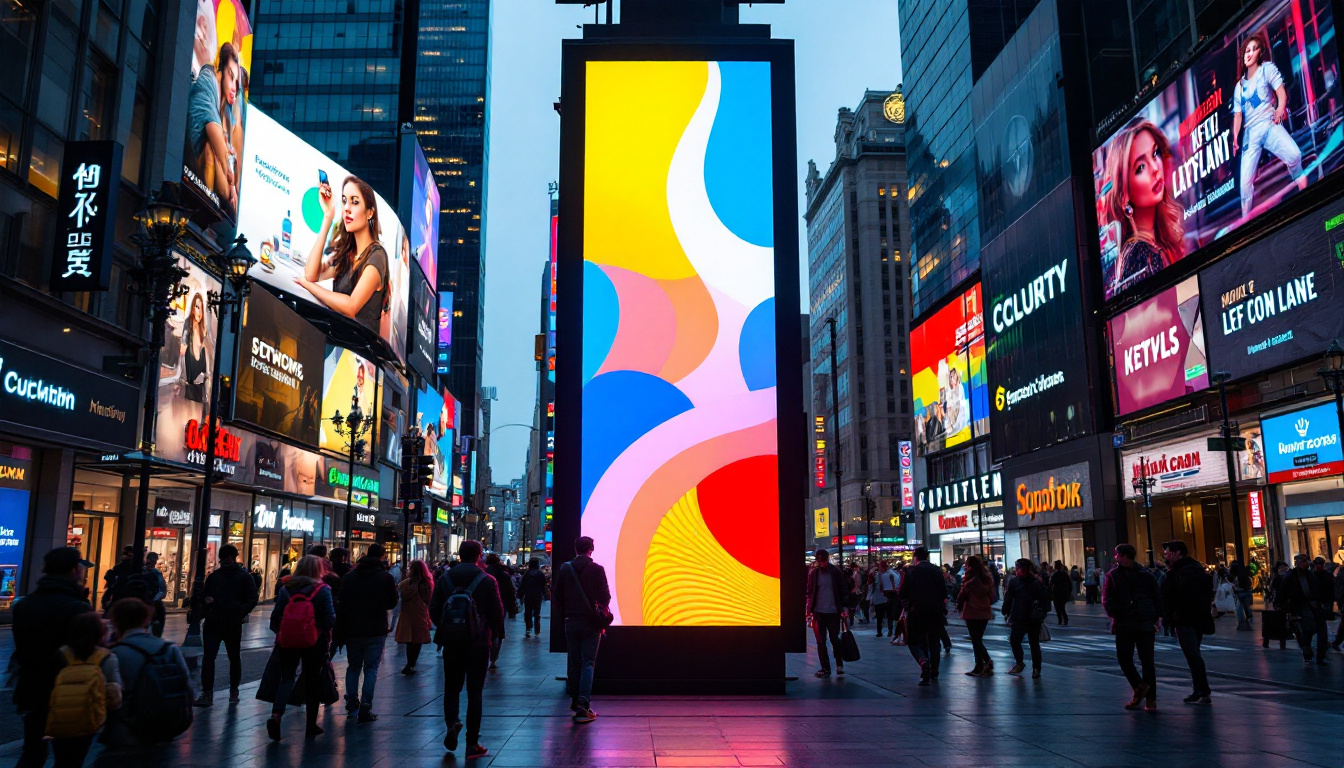
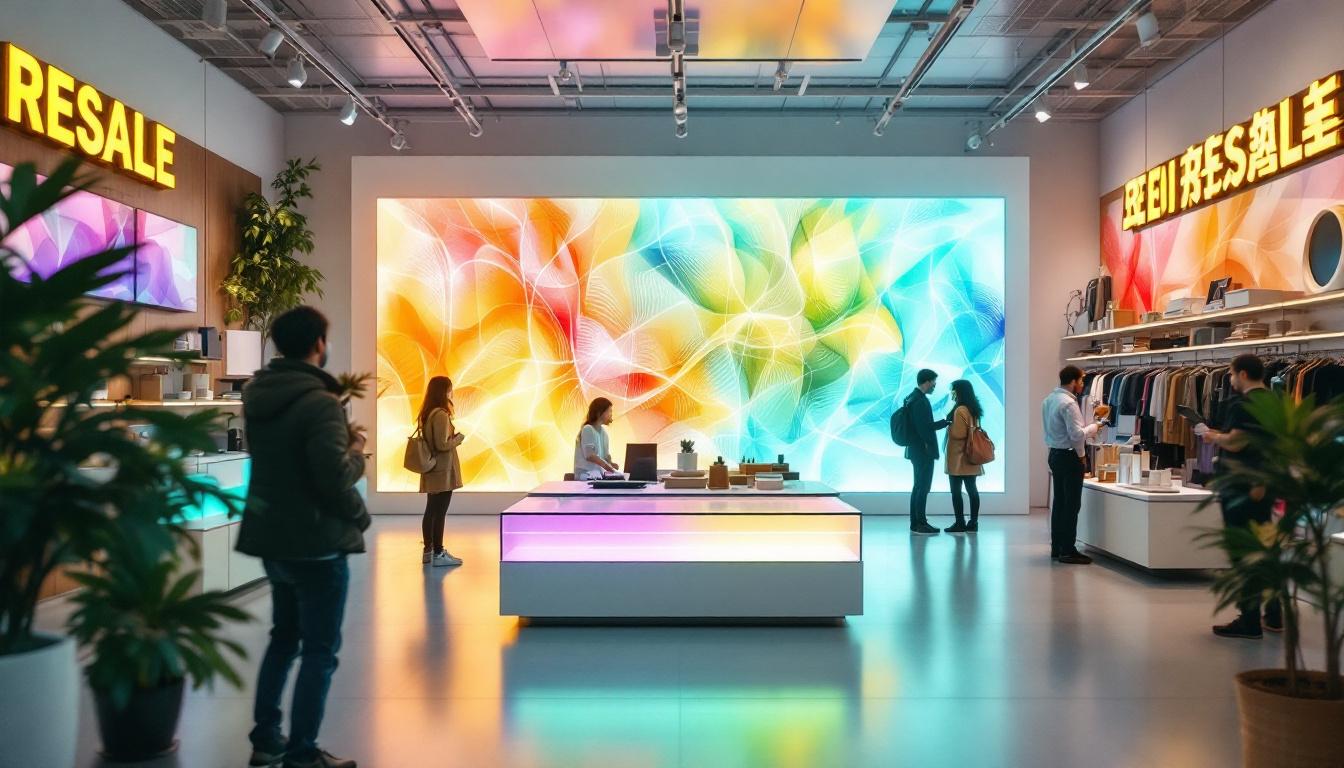
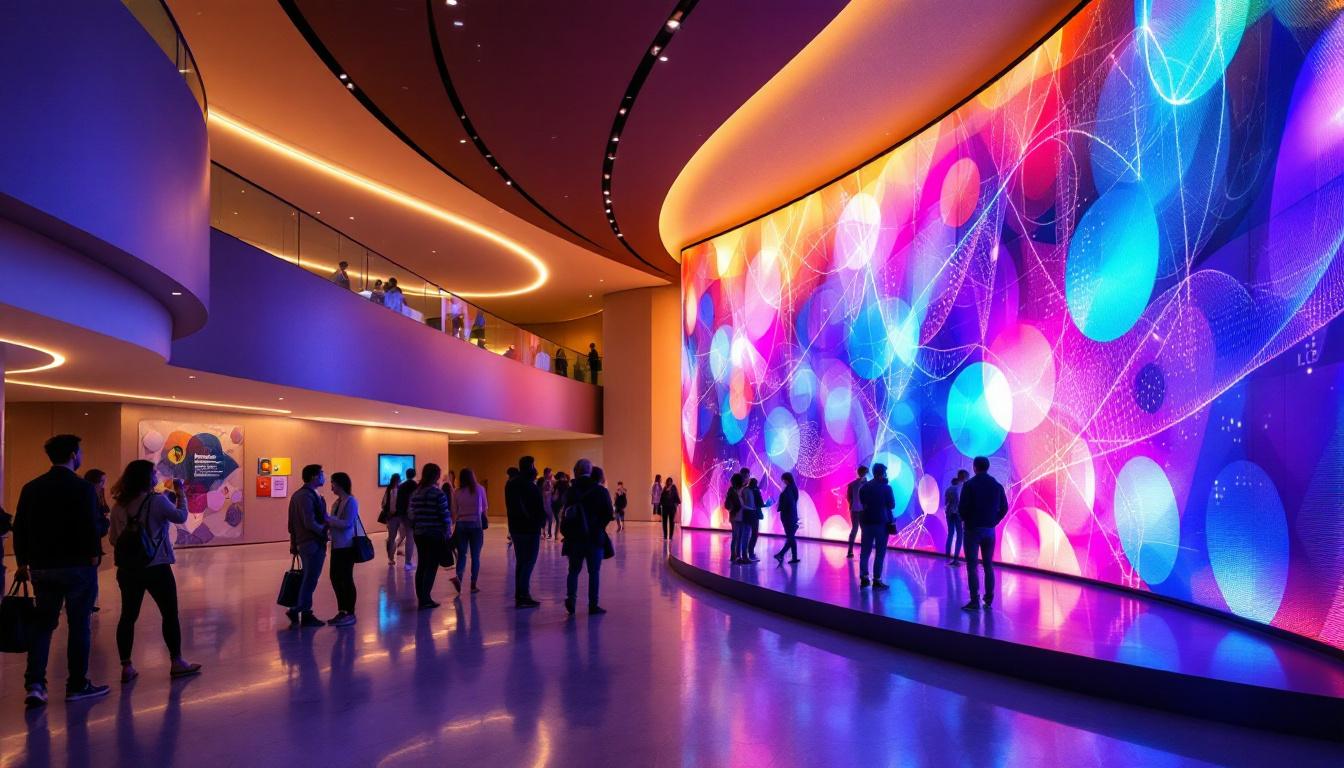
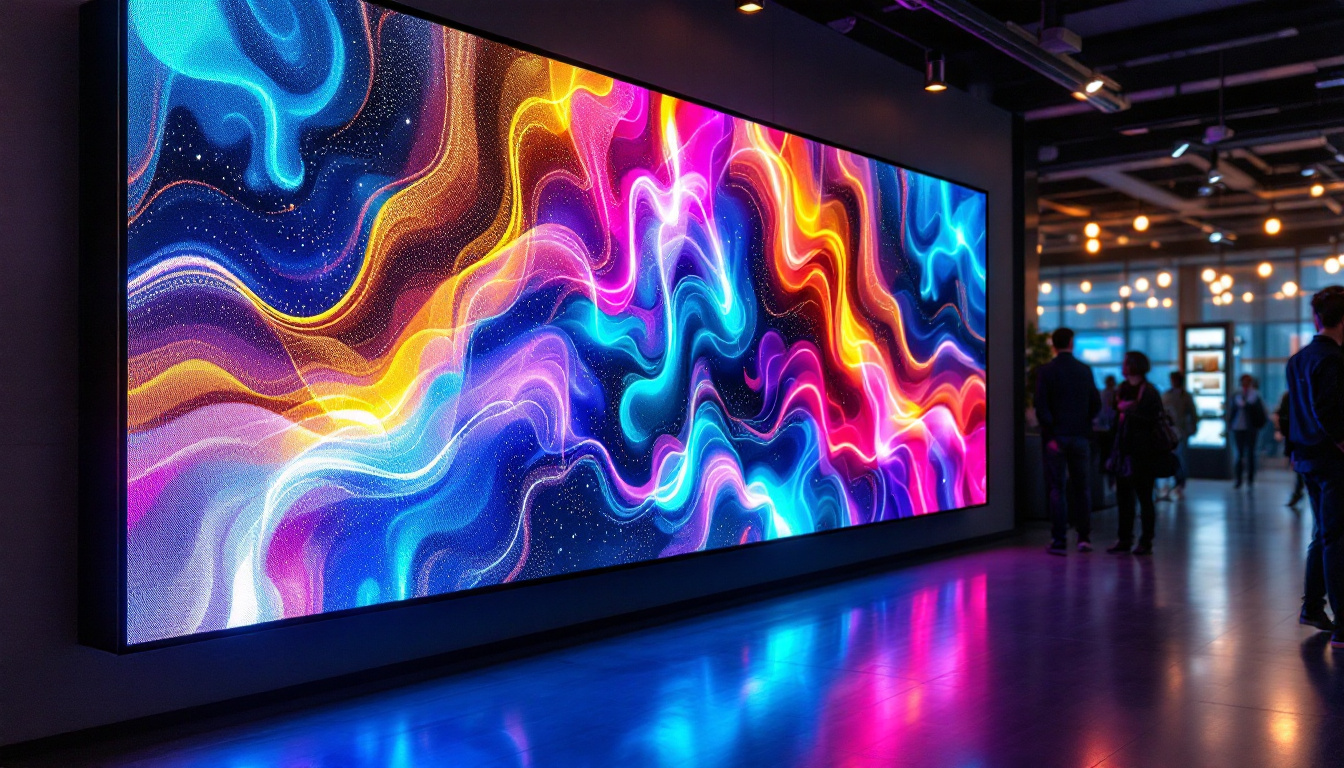
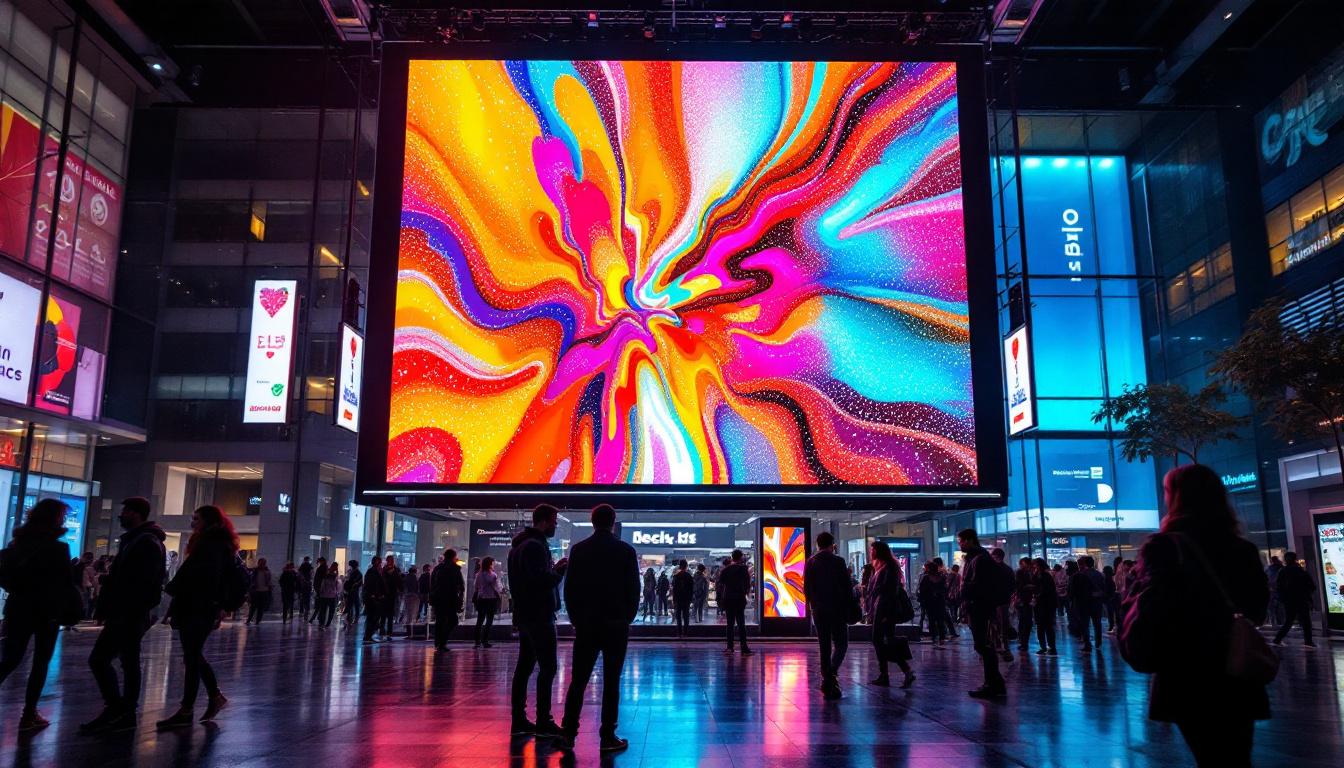
Retailers increasingly rely on dynamic digital signage to attract customers and enhance the shopping experience. Slim Ups LED displays fit seamlessly into modern store designs due to their slim profile and high-resolution capabilities. They can be mounted on walls, integrated into shelving units, or used as digital posters, providing vibrant, eye-catching content without occupying valuable floor space.
According to a 2023 study by the Digital Signage Federation, over 70% of retailers reported increased customer engagement and sales after installing high-quality LED displays, highlighting the importance of visual appeal in competitive markets.
Corporate and Event Environments
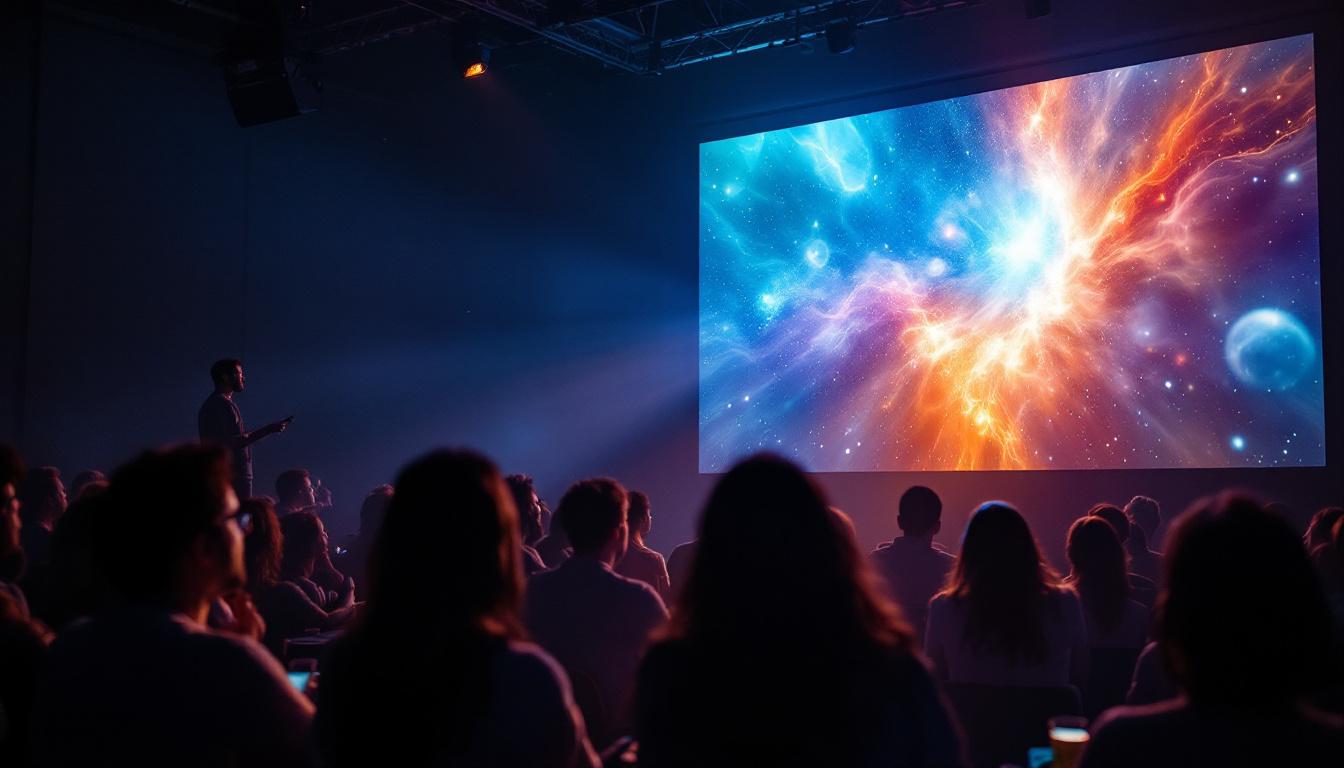
In corporate settings, Slim Ups displays are popular for conference rooms, lobbies, and trade show booths. Their sleek design complements modern office aesthetics while delivering clear, professional presentations. The lightweight nature of these displays also facilitates easy transport and setup for events and exhibitions, where quick assembly and disassembly are essential.
Event organizers benefit from the modularity of Slim Ups panels, which can be configured into various shapes and sizes to suit different venues. This flexibility supports creative stage designs and immersive audience experiences.
Transportation Hubs and Public Spaces
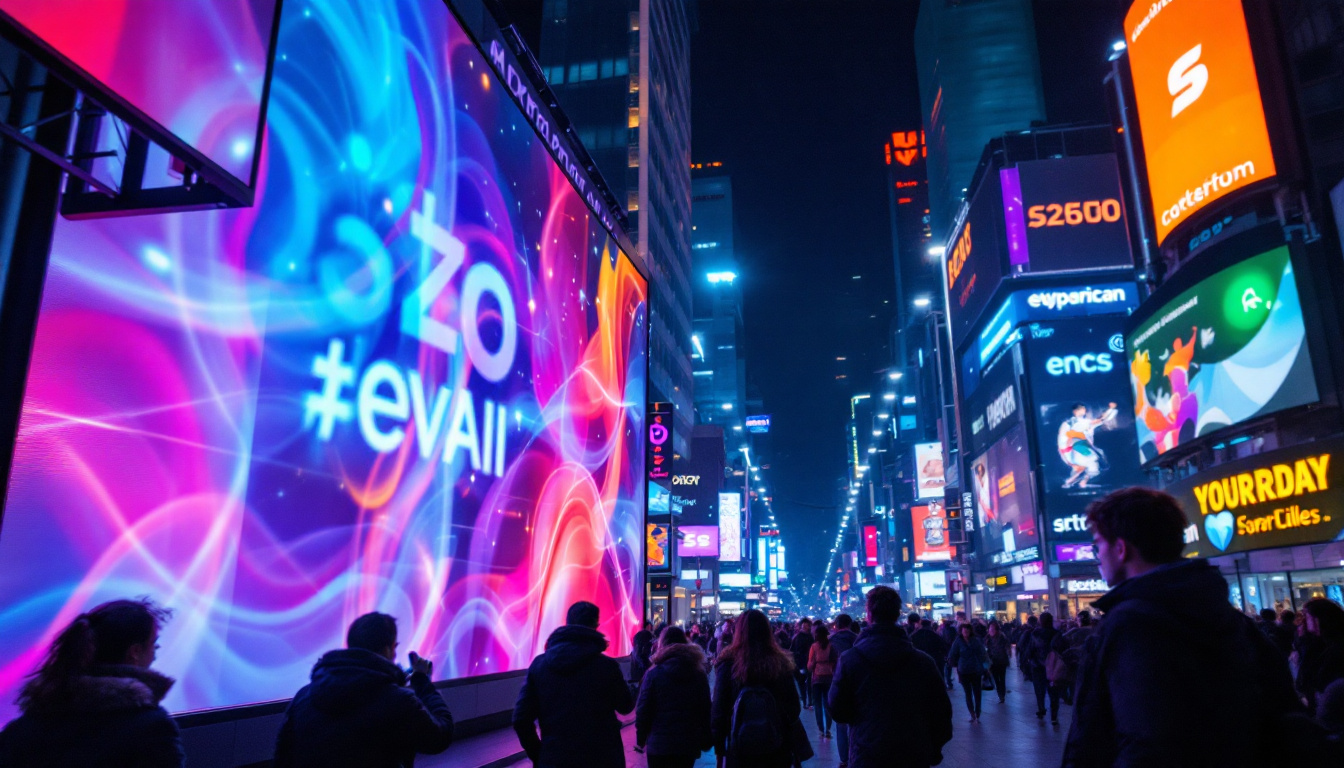
Airports, train stations, and bus terminals require durable, high-visibility displays that can convey real-time information efficiently. Slim Ups LED displays meet these demands by offering robust construction, excellent legibility, and low maintenance requirements.
Moreover, their slim design allows for installation in tight spaces without obstructing passenger flow or architectural features. This integration helps maintain a clean, modern look while enhancing communication with travelers.
Advantages of Choosing Slim Ups LED Displays
Space-Saving and Aesthetic Appeal
The slim profile of these LED displays is a significant advantage for venues where space is at a premium. Unlike bulky traditional screens, Slim Ups can be mounted flush against walls or embedded within structures, preserving valuable floor area and maintaining a sleek appearance.
This design also offers architects and interior designers greater freedom to incorporate digital signage into their projects without compromising on style or functionality.
Enhanced Visual Performance
With high resolution, brightness, and contrast, Slim Ups displays deliver superior image quality that captures attention and conveys messages effectively. This visual excellence is crucial in competitive environments where first impressions matter and content must stand out.
Additionally, these displays support a broad color gamut and high refresh rates, ensuring smooth video playback and vibrant color reproduction that enhance viewer engagement.
Durability and Reliability
Slim Ups LED displays are engineered for long-term use, with robust materials and components that withstand environmental stresses such as temperature fluctuations, humidity, and dust. Many models come with IP-rated protection for outdoor use, ensuring resistance to water and particulate ingress.
Reliable operation reduces downtime and maintenance costs, making Slim Ups a cost-effective choice over the display’s lifecycle.
Considerations When Selecting a Slim Ups LED Display
Viewing Distance and Environment
Choosing the appropriate pixel pitch and brightness depends largely on where the display will be installed and how far viewers will be from the screen. For indoor environments with close viewing distances, a finer pixel pitch is essential to avoid visible pixelation. Conversely, outdoor displays intended for distant viewing can utilize larger pixel pitches without sacrificing perceived image quality.
Environmental factors such as ambient light levels, temperature, and exposure to weather elements also influence the selection of display specifications and protective features.
Installation and Maintenance
While Slim Ups displays are designed for easy installation, considerations around mounting structures, power supply, and data connectivity are important. Professional installation ensures optimal performance and safety.
Maintenance plans should account for cleaning, firmware updates, and potential repairs. The modular design of Slim Ups panels facilitates quick replacement of individual modules if necessary, minimizing disruption.
Budget and Total Cost of Ownership
Initial investment in Slim Ups LED displays can be higher than traditional signage solutions. However, factors such as energy efficiency, durability, and reduced maintenance often result in lower total cost of ownership over time.
Businesses should evaluate their specific needs, expected lifespan, and potential return on investment when making purchasing decisions.
The Future of Slim Ups and LED Display Technology
As LED technology continues to advance, Slim Ups displays are expected to become even thinner, lighter, and more energy-efficient. Innovations such as microLED and miniLED promise higher pixel densities and improved color accuracy, pushing the boundaries of what is possible in digital signage.
Integration with smart technologies, including IoT connectivity and AI-driven content management, will further enhance the functionality and interactivity of Slim Ups displays, enabling personalized and data-driven experiences for viewers.
With sustainability gaining importance, manufacturers are also focusing on eco-friendly materials and recycling programs to reduce the environmental impact of LED display production and disposal.
Conclusion
Slim Ups LED displays represent a significant evolution in digital signage, combining cutting-edge technology with sleek design to meet the demands of modern visual communication. Their versatility, high performance, and aesthetic appeal make them an excellent choice for a wide range of applications, from retail and corporate environments to public spaces and events.
By understanding the technical features, benefits, and considerations associated with Slim Ups, businesses and organizations can make informed decisions that enhance their visual presence and engage audiences effectively. As the technology continues to evolve, Slim Ups LED displays will undoubtedly play a pivotal role in shaping the future of digital communication.
Explore the Future of Visual Communication with LumenMatrix
Ready to elevate your visual messaging with the sleek design and superior performance of Slim Ups LED displays? Discover how LumenMatrix’s innovative LED display solutions can transform your space and captivate your audience. From vibrant Indoor LED Walls to dynamic Outdoor Displays and beyond, LumenMatrix offers a comprehensive range of products tailored to your unique needs. Check out LumenMatrix LED Display Solutions today and step into the future of digital signage.