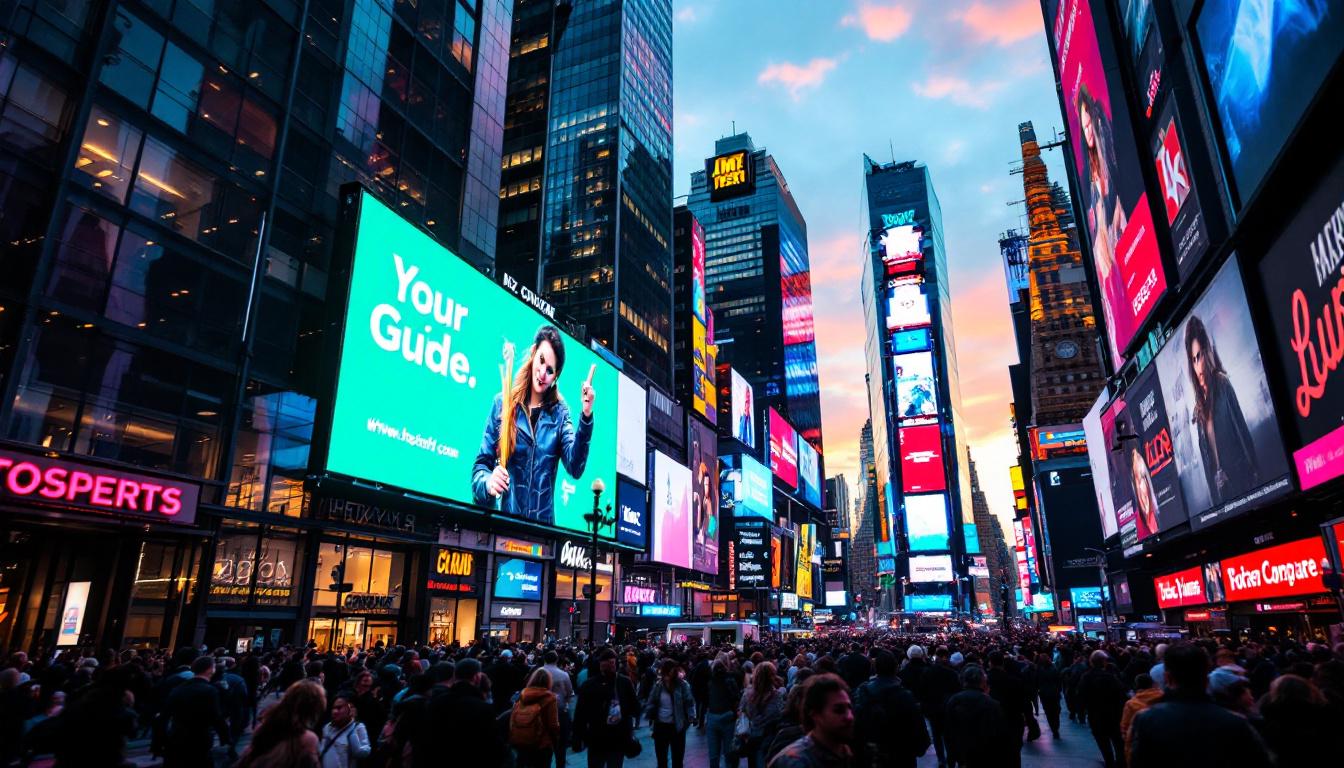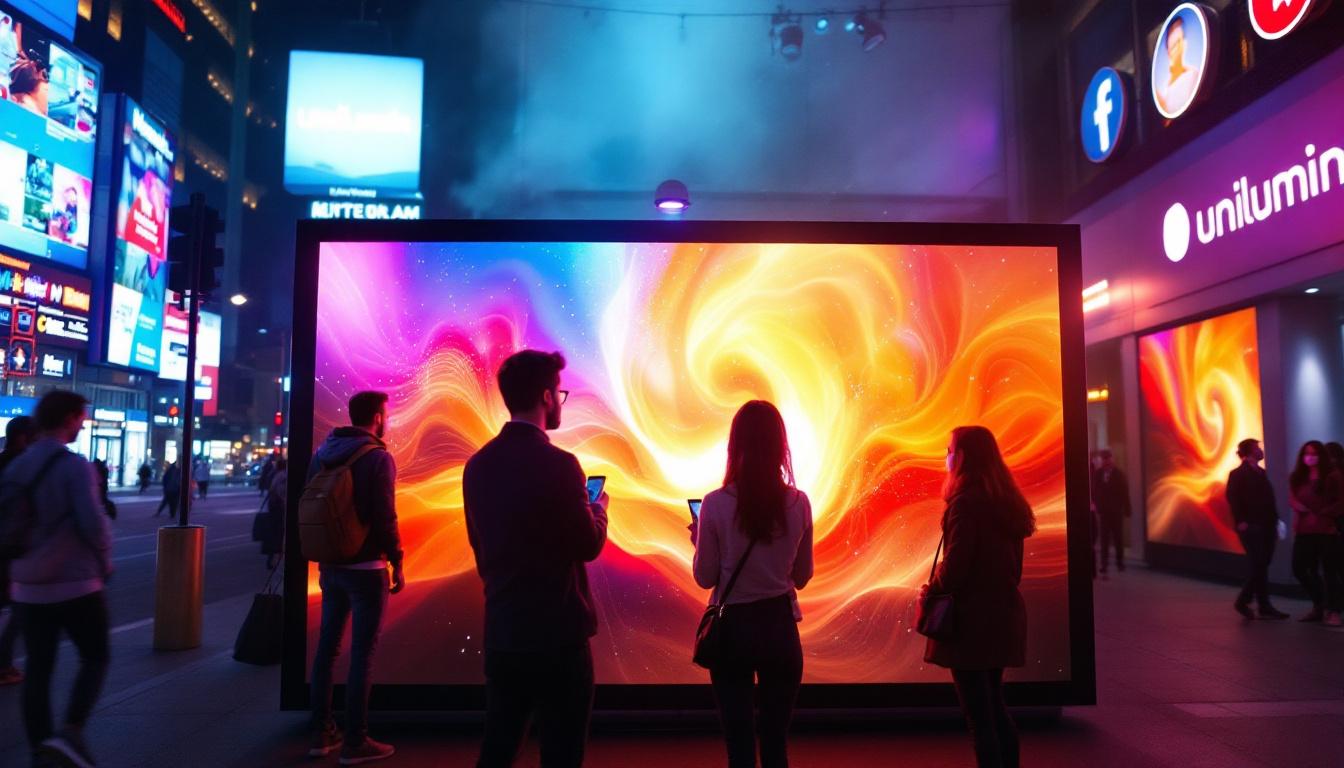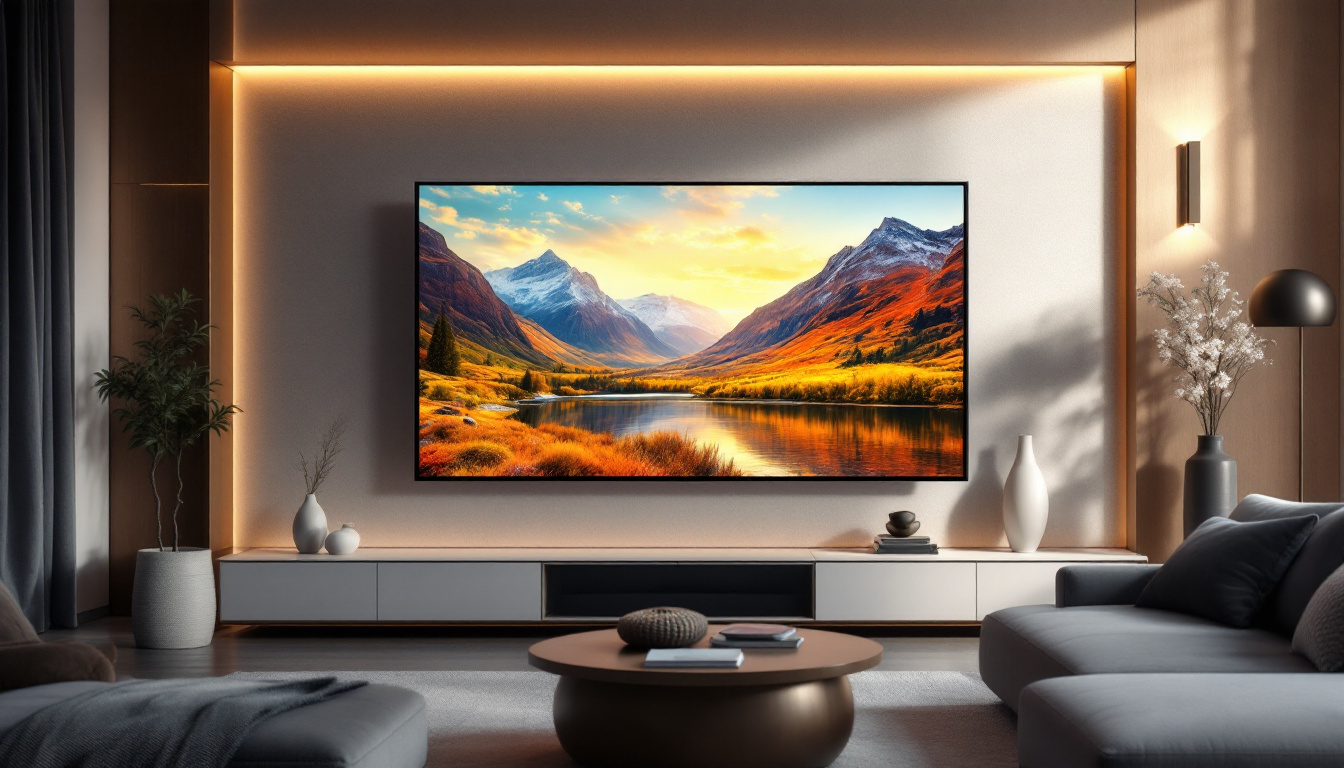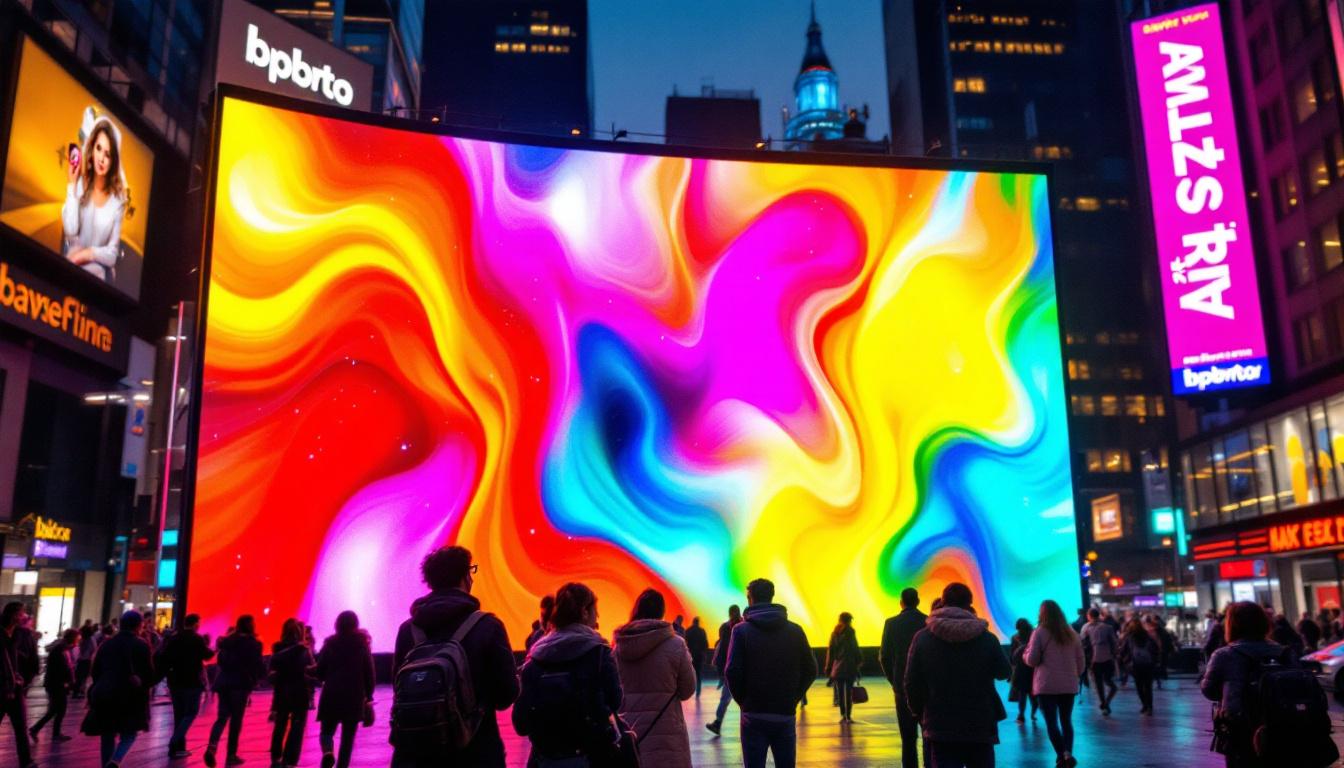
In today’s visually driven world, LED displays have become a cornerstone of advertising, information dissemination, and entertainment. Whether it’s a massive billboard in Times Square, a dynamic scoreboard in a stadium, or an interactive digital sign in a retail store, LED technology powers vivid, eye-catching visuals that capture attention and communicate messages effectively.
This article explores the fundamentals of LED displays, their types, advantages, and practical considerations for purchasing one. If you’re considering investing in an LED display for your business or event, understanding the technology and market landscape is essential to make an informed decision.
What is an LED Display?
LED stands for Light Emitting Diode, a semiconductor device that emits light when an electric current passes through it. An LED display is a flat panel display that uses an array of light-emitting diodes as pixels to create images, videos, or text.
Unlike traditional LCD or plasma screens, LED displays rely on these tiny diodes to produce bright, vibrant colors with high contrast and excellent visibility even in direct sunlight. This makes them ideal for both indoor and outdoor applications. The energy efficiency of LED technology also contributes to lower operational costs, as they consume significantly less power than their predecessors, making them a more sustainable option for large-scale displays.
Furthermore, LED displays are known for their durability and long lifespan, often lasting tens of thousands of hours before needing replacement. This resilience is particularly beneficial in environments where displays are exposed to harsh weather conditions or constant use, such as in sports arenas, concert venues, and advertising billboards.
How LED Displays Work
Each LED pixel is composed of one or more diodes that emit red, green, and blue light. By varying the intensity of these three colors, the display can produce a full spectrum of colors. The LEDs are arranged in a grid, and the display controller manages which diodes light up at any given time to form the desired image.
Modern LED displays often use surface-mounted device (SMD) technology, where each pixel contains multiple diodes in a compact package, enabling higher resolution and better color accuracy. This technology allows for finer pixel pitch, which means that the distance between pixels is reduced, resulting in sharper images and smoother transitions in video playback. Additionally, advancements in LED technology have led to innovations such as flexible LED displays, which can be bent or shaped to fit unique spaces, providing designers with unprecedented creative freedom.
Moreover, LED displays can be categorized into various types, including direct view LED, which is commonly used for large outdoor displays, and LED-backlit LCDs, which enhance traditional LCD screens by providing brighter and more uniform lighting. This versatility allows LED technology to be utilized in a wide range of applications, from digital signage and television screens to automotive displays and smart home devices, showcasing the transformative impact of this technology across different industries.
Types of LED Displays
LED displays come in various forms, each suited to different applications and environments. Understanding these types helps buyers select the right product for their needs.
Indoor LED Displays
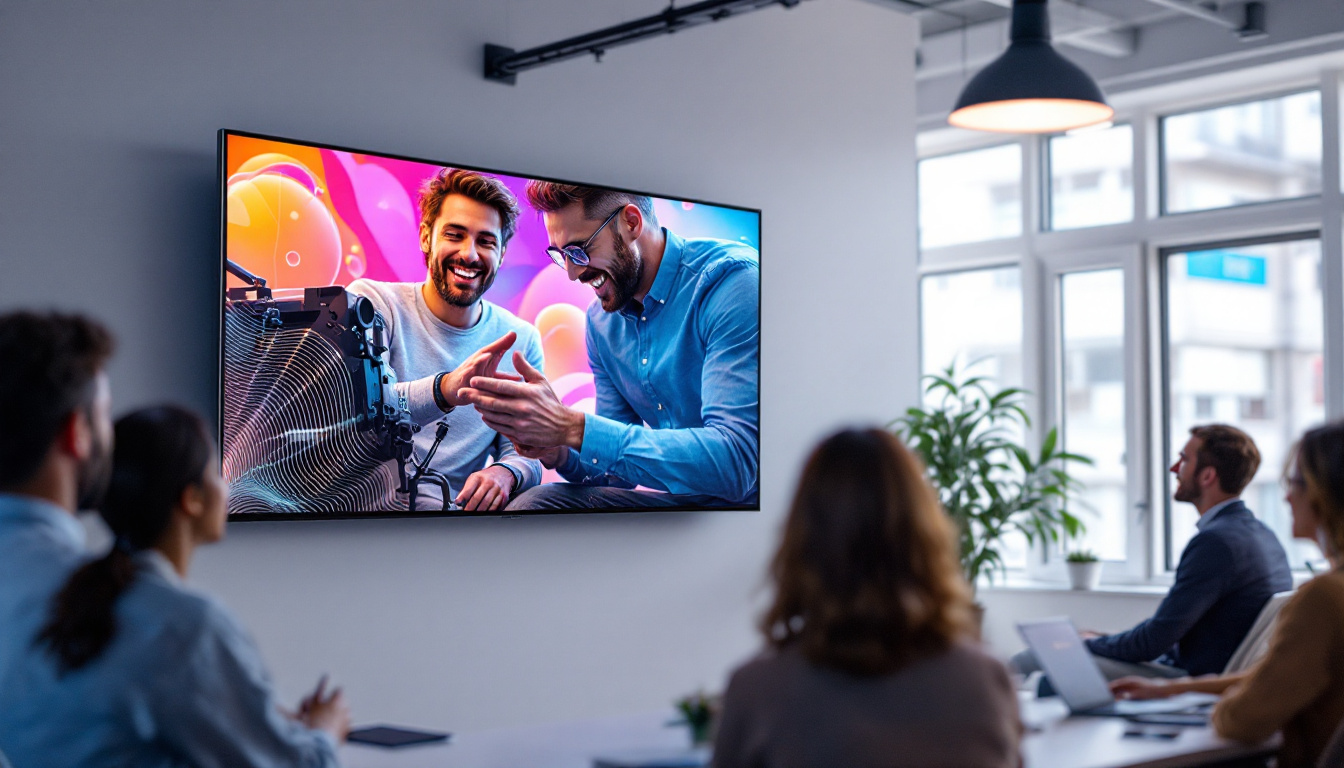
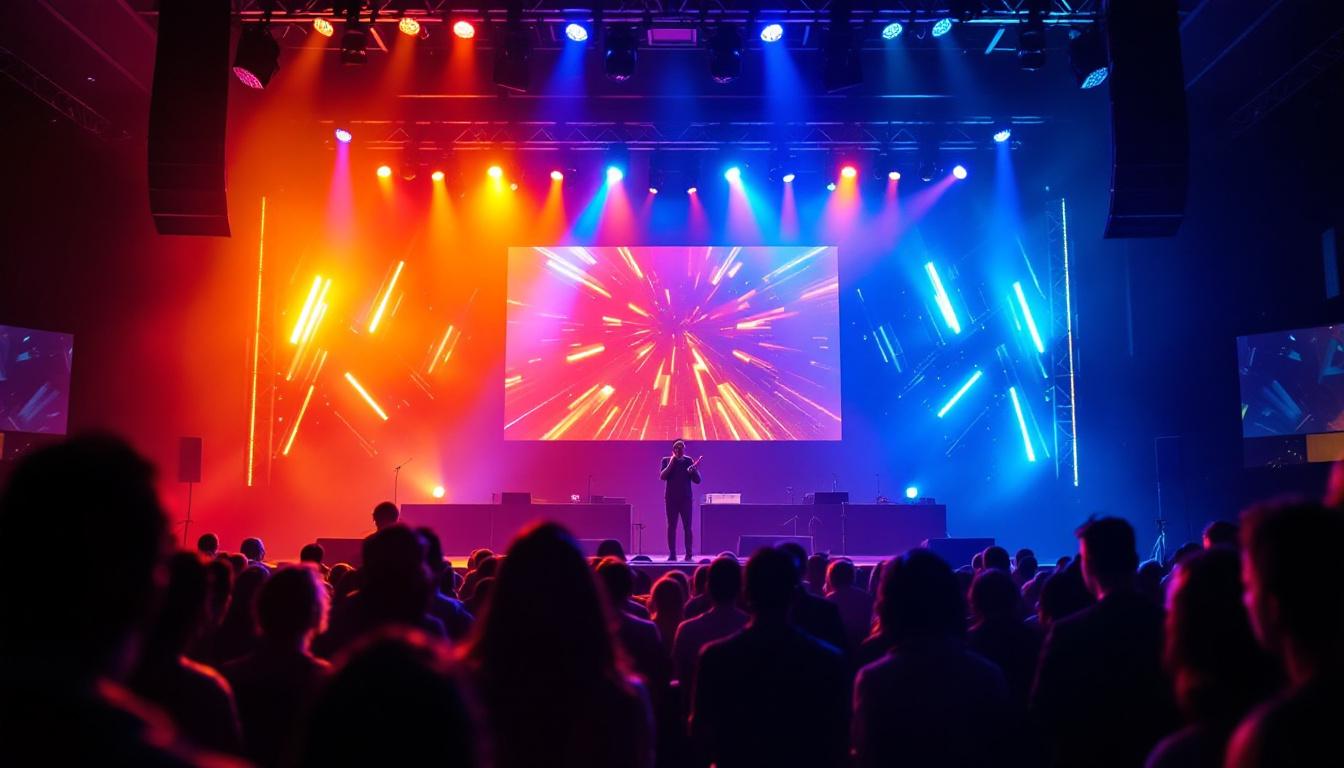
Indoor LED displays are designed for environments with controlled lighting conditions. They typically have a higher pixel density (smaller pixel pitch) to deliver crisp images at close viewing distances. Common uses include corporate presentations, retail signage, conference rooms, and entertainment venues.
Because ambient light is less intense indoors, these displays do not require extremely high brightness levels, which also helps reduce power consumption.
Outdoor LED Displays
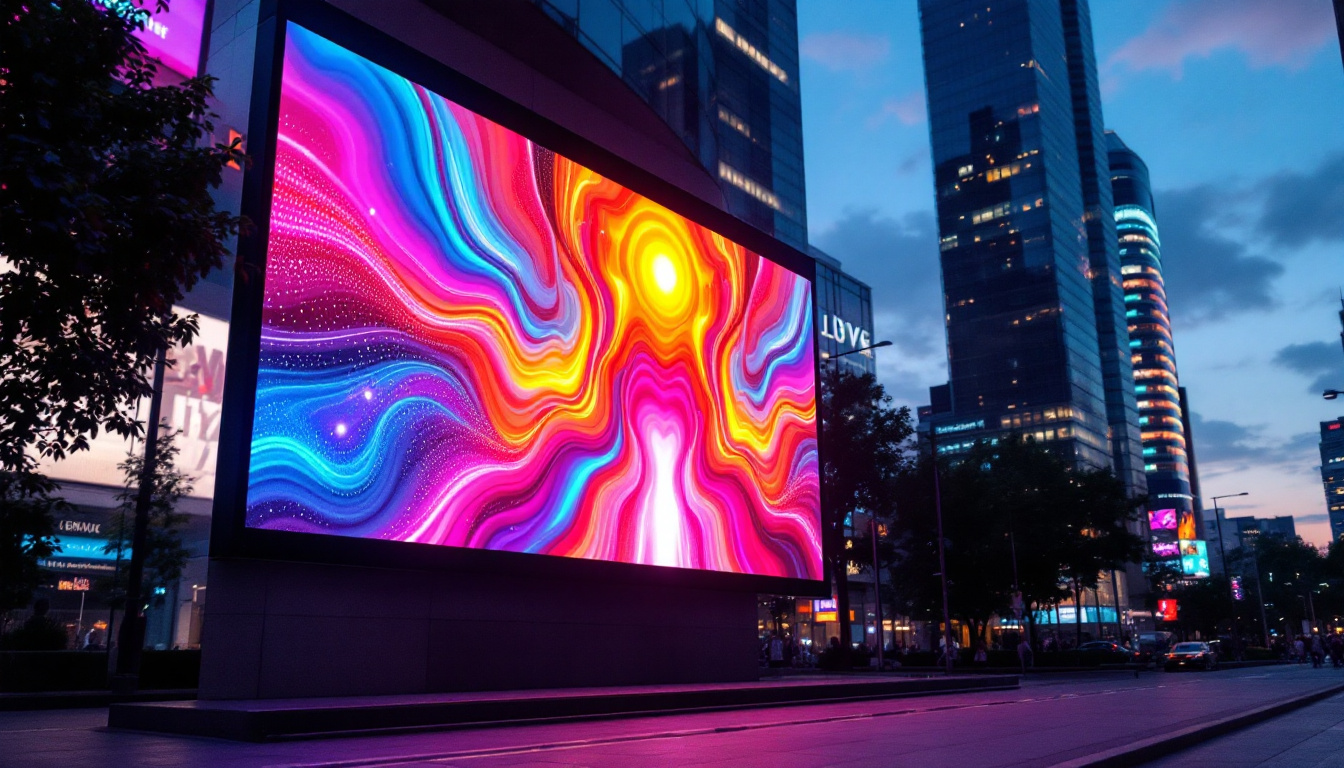
Outdoor LED displays are built to withstand harsh weather conditions such as rain, wind, and extreme temperatures. They feature higher brightness levels—often exceeding 5,000 nits—to remain visible even in direct sunlight. Additionally, they have protective enclosures that resist dust and moisture.
Typical applications include billboards, stadium screens, transit signage, and public information boards. Their durability and visibility make them invaluable for advertising and communication in open spaces.
Transparent LED Displays
Transparent LED displays are a newer innovation that allows light to pass through the screen, making them ideal for glass windows or storefronts. These displays combine advertising with architectural aesthetics by enabling natural light and visibility from inside buildings while displaying dynamic content.
They are gaining popularity in retail environments, museums, and corporate headquarters where blending technology with design is important.
Key Advantages of LED Displays
LED displays offer several benefits that make them a preferred choice over other types of digital signage and traditional displays.
Brightness and Visibility
One of the standout features of LED displays is their exceptional brightness. Outdoor LED screens can reach brightness levels of up to 8,000 nits, making them easily visible under bright sunlight. Indoor displays, while less bright, still offer superior clarity compared to LCDs.
This brightness ensures that messages are seen clearly from a distance and in various lighting conditions, which is crucial for advertising effectiveness and safety communications.
Energy Efficiency
LED technology is inherently energy-efficient compared to older display technologies like incandescent or fluorescent lighting. LEDs consume less power while delivering higher brightness, which translates to lower operating costs over time.
For businesses concerned about sustainability and electricity expenses, LED displays provide an environmentally friendly and cost-effective solution.
Longevity and Durability
LED displays are known for their long lifespan, often rated between 50,000 to 100,000 hours of operation. This durability reduces the need for frequent replacements or repairs.
Outdoor LED displays are also engineered to resist weather-related damage, ensuring reliable performance in diverse climates. This robustness makes them a sound investment for long-term use.
Flexibility and Customization
LED displays come in various sizes, shapes, and resolutions, allowing for highly customizable installations. From curved screens to modular panels that can be assembled into massive video walls, the technology accommodates creative and functional design requirements.
Additionally, LED displays support dynamic content, enabling real-time updates, animations, and interactive features that engage audiences more effectively than static signage.
Factors to Consider When Buying an LED Display
Before purchasing an LED display, several critical factors should be evaluated to ensure the product aligns with your specific needs and budget.
Pixel Pitch and Resolution
Pixel pitch refers to the distance between the centers of two adjacent pixels, usually measured in millimeters. A smaller pixel pitch means higher resolution and sharper images, which is essential for displays viewed up close.
For example, indoor displays typically have pixel pitches ranging from 1.2mm to 4mm, while outdoor displays may have larger pitches, such as 6mm to 20mm, since they are viewed from greater distances.
Brightness and Contrast Ratio
Brightness is measured in nits and determines how well the display performs under various lighting conditions. Outdoor screens require higher brightness to combat sunlight glare, while indoor screens can operate effectively at lower levels.
Contrast ratio, the difference between the brightest whites and darkest blacks, affects image depth and clarity. Higher contrast ratios produce more vivid and lifelike visuals.
Viewing Angle
The viewing angle defines how far off-center a viewer can be while still seeing a clear image. Wider viewing angles are important for displays meant to be seen by large crowds or from multiple directions, such as in stadiums or public squares.
Durability and Weather Resistance
For outdoor installations, ensure the LED display has an appropriate IP (Ingress Protection) rating indicating resistance to dust and water. Ratings like IP65 or higher are common for outdoor screens.
Also, verify the operating temperature range to confirm the display can perform reliably in your local climate.
Control System and Connectivity
Modern LED displays come with sophisticated control systems that allow content management via software platforms. Look for displays that support easy integration with your existing network and offer remote content updating capabilities.
Connectivity options such as HDMI, DVI, USB, and wireless controls enhance flexibility in content delivery.
Installation and Maintenance
Consider the complexity of installation and ongoing maintenance. Modular LED panels simplify repairs and upgrades but may require professional installation services.
Check warranty terms and availability of technical support to minimize downtime and ensure smooth operation.
Current Market Trends and Innovations
The LED display market continues to evolve rapidly, driven by technological advancements and changing consumer expectations.
Mini and Micro LED Technology
Mini LED and Micro LED displays use smaller diodes than traditional LEDs, enabling even higher resolutions and improved color accuracy. These technologies are beginning to penetrate premium indoor display markets and are expected to become more widespread in the coming years.
Interactive and Smart Displays
Integration of touch sensors, cameras, and AI-powered content management systems is transforming LED displays into interactive tools. Retailers and event organizers leverage these features to enhance customer engagement and gather valuable data.
Energy-Saving Features
Newer LED displays incorporate adaptive brightness controls and power-saving modes that adjust output based on ambient light and usage patterns, further reducing energy consumption.
Environmental Sustainability
Manufacturers are increasingly focusing on eco-friendly materials and recycling programs to reduce the environmental impact of LED display production and disposal.
Conclusion: Making the Right Choice
Investing in an LED display is a significant decision that can greatly enhance your communication and marketing efforts. By understanding the technology, types, and key considerations outlined above, buyers can select the ideal LED display tailored to their specific environment and audience.
Whether you need a bright, durable outdoor billboard, a high-resolution indoor video wall, or a sleek transparent display for your storefront, LED technology offers versatile and effective solutions. Staying informed about the latest trends and innovations will also help you future-proof your investment and maximize the impact of your visual messaging.
Discover LumenMatrix’s Advanced LED Display Solutions
Ready to elevate your visual communication with cutting-edge LED technology? Look no further than LumenMatrix, a pioneer in the field, committed to bringing your brand to life through vibrant and immersive visual experiences. From versatile Indoor and Outdoor LED Wall Displays to innovative solutions like Vehicle LED Displays and LED Transparent Displays, LumenMatrix has the perfect LED solution to meet your unique needs. Embrace the future of digital signage and create unforgettable impressions with our LED Sports Displays, Floor LED Displays, and more. Check out LumenMatrix LED Display Solutions today and transform the way you connect with your audience.