In today’s fast-paced digital world, visual communication has become a cornerstone of effective messaging. Among the many display technologies available, smart LED wall panels have emerged as a powerful solution for delivering vibrant, dynamic content across a variety of settings. From advertising billboards to corporate environments and entertainment venues, these displays are revolutionizing how information is presented and consumed.
This article delves into the intricacies of smart LED wall panels, exploring their technology, benefits, applications, and future trends. Whether you are a business owner considering a digital signage upgrade or a technology enthusiast curious about LED displays, this comprehensive guide will provide valuable insights into this cutting-edge technology.
Understanding Smart LED Wall Panels
What Is a Smart LED Wall Panel?
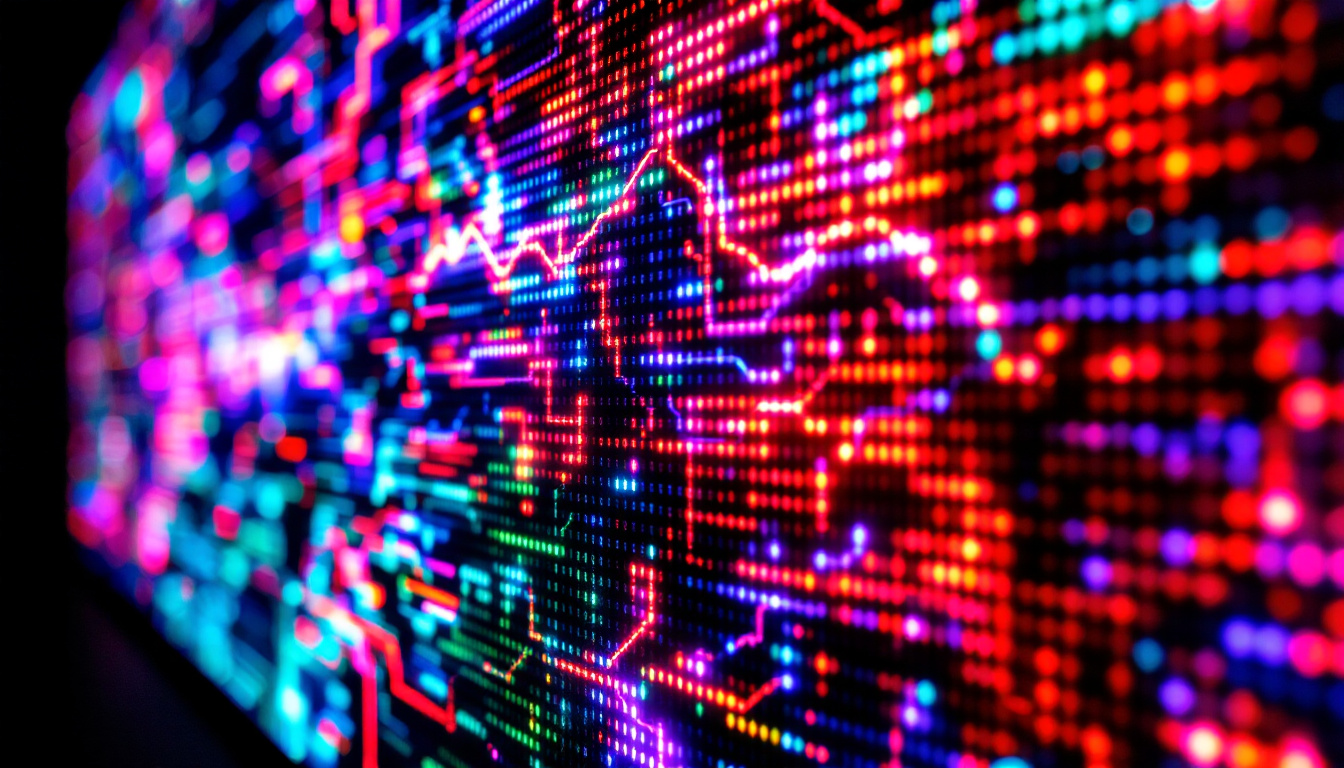
A smart LED wall panel is a large-scale display composed of numerous light-emitting diodes (LEDs) arranged in a matrix. Unlike traditional screens, these panels are designed to be modular, allowing multiple panels to be seamlessly connected to form a continuous, high-resolution display surface. The “smart” aspect refers to the integration of advanced control systems, connectivity options, and software intelligence that enable dynamic content management, remote control, and interactive features.
These panels can range in size from a few square feet to entire building facades, making them suitable for both indoor and outdoor use. Their modular design means that they can be customized to fit virtually any space or shape, offering unparalleled flexibility compared to conventional display technologies like LCD or projection.
Key Components and Technology
At the heart of every smart LED wall panel are the LEDs themselves. These tiny semiconductor devices emit light when an electric current passes through them. Modern LED panels utilize surface-mounted device (SMD) LEDs, which combine red, green, and blue diodes into a single package, allowing for full-color display capabilities.
Other critical components include:
- Driver ICs: Integrated circuits that regulate the power supplied to each LED, ensuring consistent brightness and color accuracy.
- Control System: Often powered by embedded processors or connected to external media servers, this system manages the display’s content, brightness, and refresh rate.
- Power Supply Units: Efficient power converters that provide stable voltage and current to the LEDs and control electronics.
- Cabinet and Frame: Durable enclosures that protect the LEDs and electronics from environmental factors, especially in outdoor installations.
Advanced smart LED panels also incorporate sensors (such as ambient light sensors) and network interfaces (Wi-Fi, Ethernet) to enable adaptive brightness and remote content updates.
Advantages of Smart LED Wall Panels
Superior Visual Quality
One of the primary reasons smart LED wall panels have gained popularity is their exceptional visual performance. These displays offer:
- High Brightness: With brightness levels often exceeding 1,000 nits for indoor panels and 5,000 nits or more for outdoor models, LED walls remain clearly visible even in direct sunlight.
- Wide Viewing Angles: Unlike LCD screens that can suffer from color shifting or dimming at angles, LED panels maintain consistent color and brightness from nearly any viewpoint.
- Vivid Colors and Contrast: The ability to individually control each LED allows for deep blacks and vibrant colors, resulting in striking images and videos.
- High Refresh Rates: Refresh rates of 3,000 Hz or higher reduce flicker and motion blur, making LED walls ideal for video playback and live broadcasts.
Scalability and Flexibility
Smart LED wall panels are inherently modular, meaning they can be scaled up or down to fit a wide range of applications. Whether it’s a small digital menu board or a massive stadium display, the panels can be combined to create virtually any size or shape. This flexibility extends to pixel pitch—the distance between the centers of adjacent LEDs—which can be chosen based on viewing distance and resolution requirements.
For example, a retail store might use a fine-pitch LED wall with pixel spacing as small as 1.2 mm for close-up viewing, while an outdoor billboard might use a larger pitch of 10 mm or more for visibility from hundreds of feet away.
Energy Efficiency and Longevity
Compared to traditional lighting and display technologies, LED panels consume significantly less power while delivering brighter output. Advances in LED efficiency have reduced energy consumption by up to 40% over the past decade, making these displays more sustainable and cost-effective to operate.
Moreover, LEDs have an exceptionally long lifespan, often rated at 50,000 to 100,000 hours of operation before brightness diminishes significantly. This durability reduces maintenance costs and downtime, especially for large-scale installations.
Interactive and Smart Features
The integration of smart technologies enables LED wall panels to do much more than just display static images or videos. Many systems support:
- Touch and Gesture Control: Interactive panels can respond to user input, making them ideal for exhibitions, retail, and educational environments.
- Real-Time Data Integration: Smart panels can pull live data feeds such as social media updates, weather forecasts, or stock prices, keeping content fresh and relevant.
- Remote Management: Cloud-based platforms allow operators to schedule content, monitor performance, and troubleshoot issues from anywhere in the world.
- Adaptive Brightness and Color Calibration: Sensors can automatically adjust display settings based on ambient conditions, optimizing visibility and reducing power consumption.
Applications of Smart LED Wall Panels
Advertising and Digital Signage
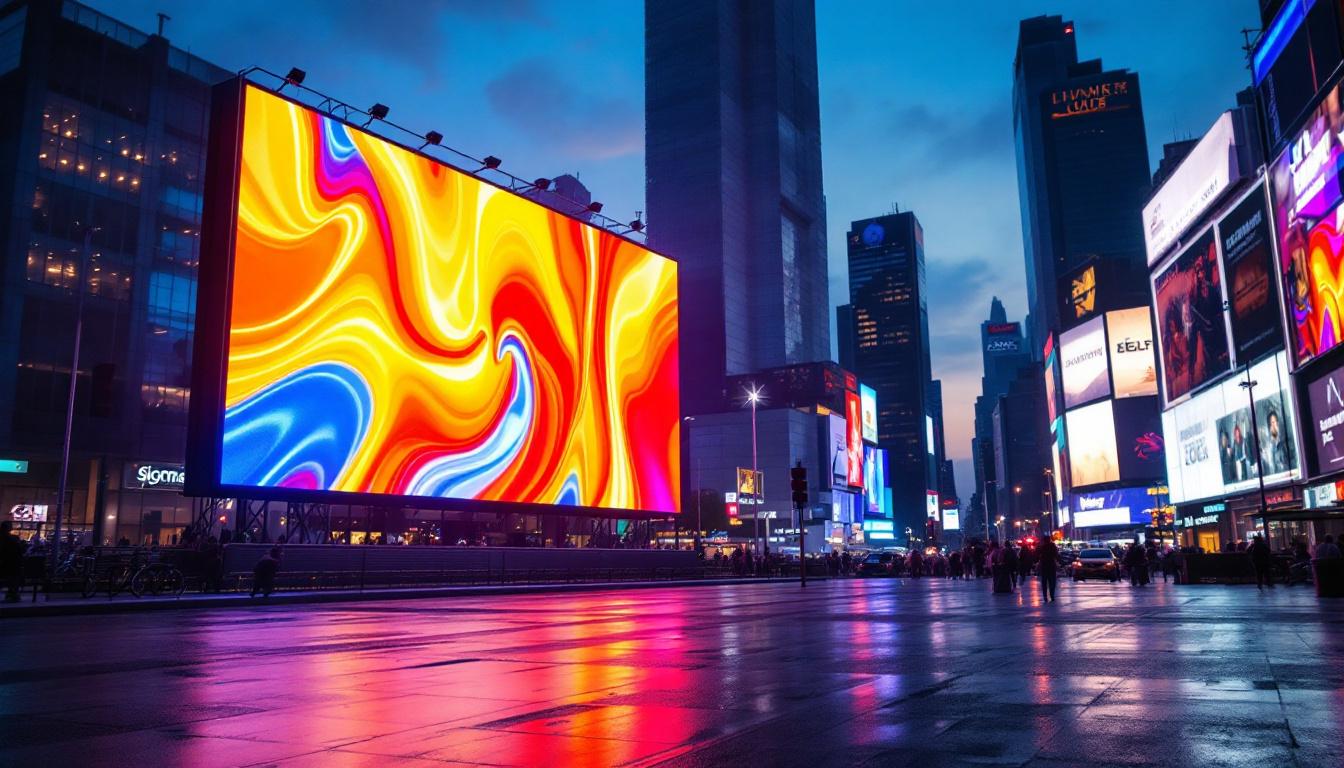
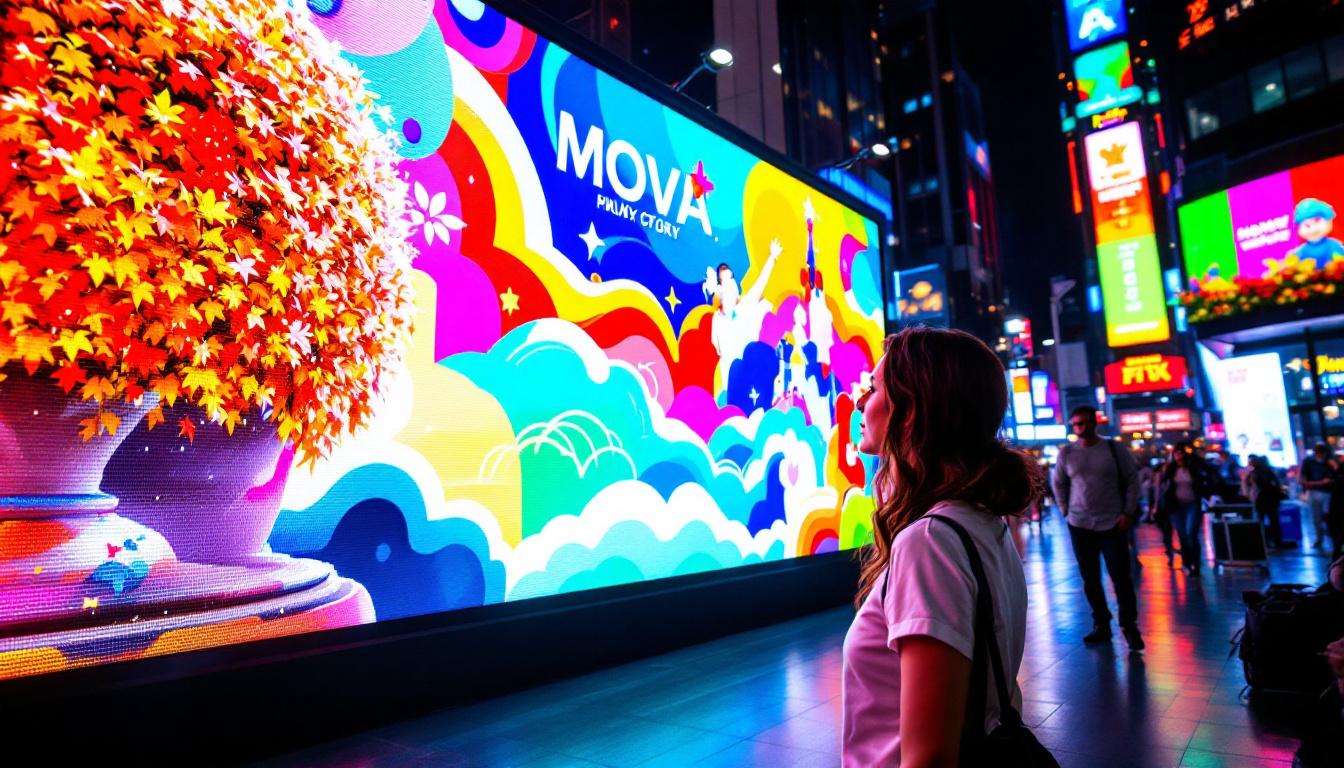
Advertising remains one of the largest markets for smart LED wall panels. Their ability to capture attention with bright, dynamic content makes them ideal for outdoor billboards, shopping malls, transit hubs, and event venues. According to recent market research, the global digital signage market is expected to grow at a compound annual growth rate (CAGR) of over 8% through 2028, driven largely by LED technology adoption.
Brands leverage these displays to deliver targeted campaigns, interactive promotions, and real-time updates, enhancing customer engagement and driving sales.
Corporate and Conference Environments
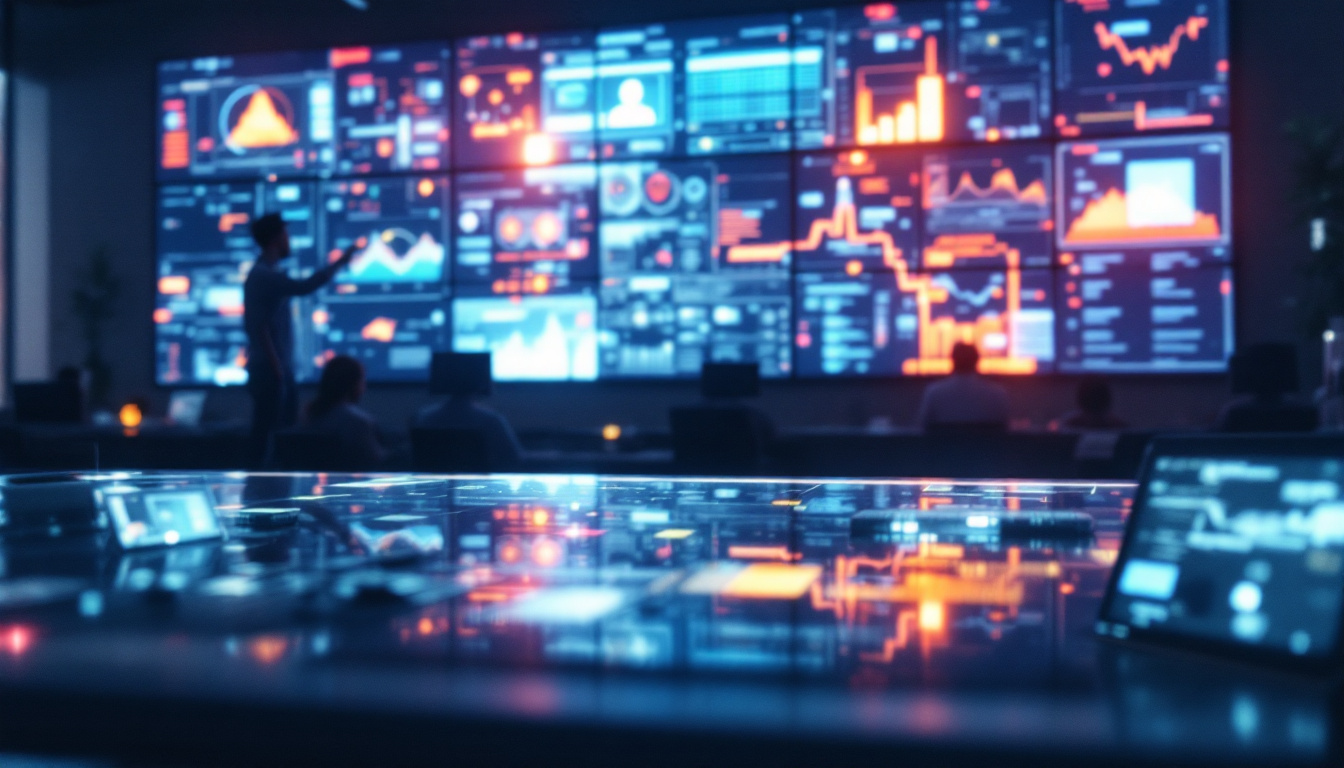
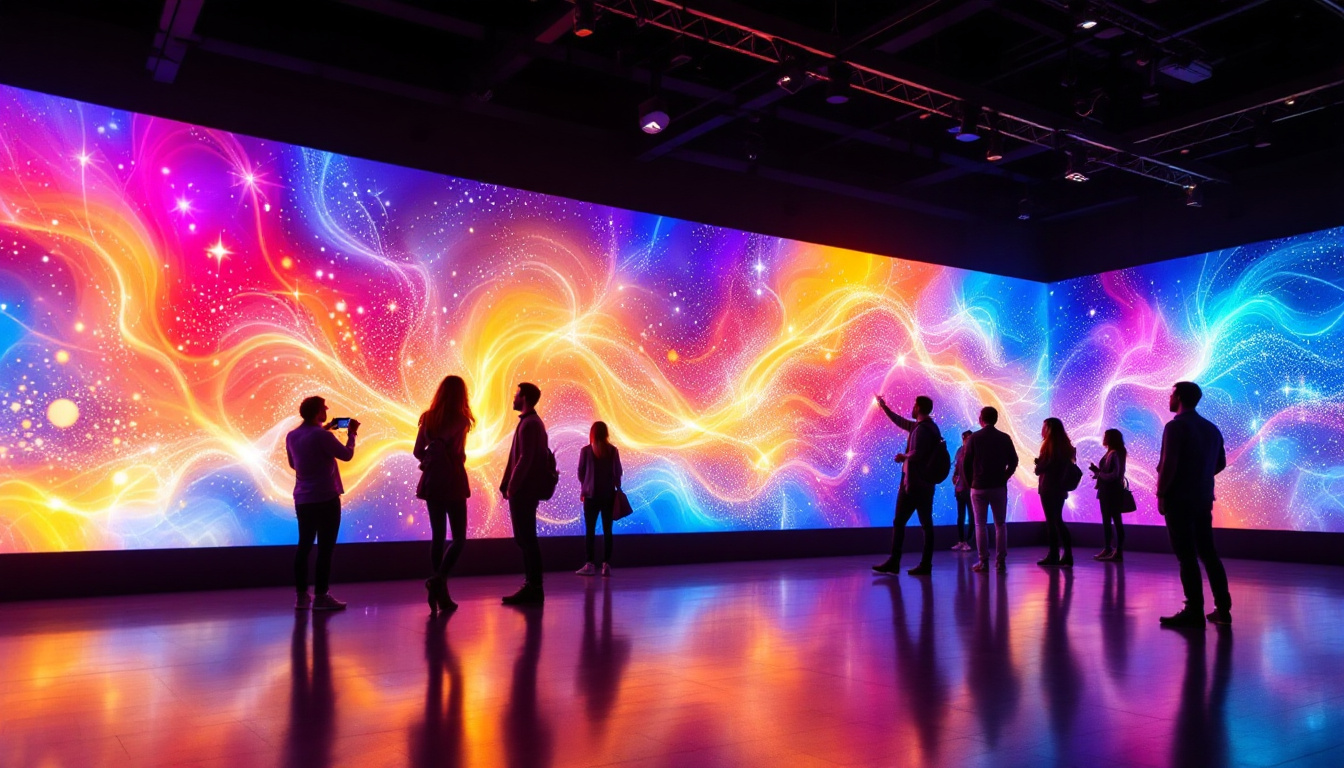
In corporate settings, LED walls are used for presentations, video conferencing, and immersive collaboration spaces. Their high resolution and seamless design create an impressive backdrop for meetings and events, while interactive capabilities facilitate brainstorming and data visualization.
Many companies invest in smart LED panels to modernize their boardrooms and auditoriums, fostering a more connected and productive workplace.
Entertainment and Sports Venues
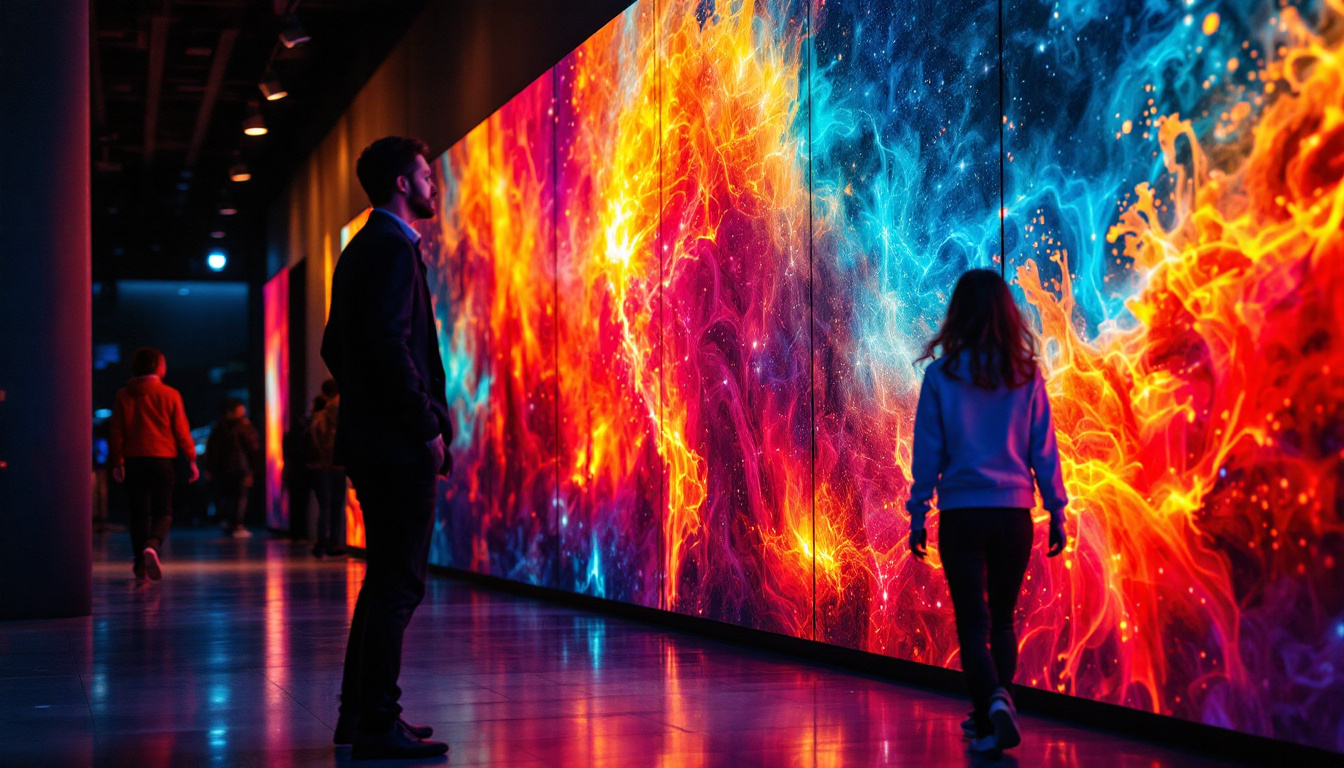
Stadiums, concert halls, and theaters increasingly rely on LED walls to enhance the spectator experience. Large-format displays provide live video feeds, instant replays, and immersive visual effects that engage audiences and create memorable events.
For example, some of the world’s largest stadium screens, such as the 10,000-square-foot LED display at AT&T Stadium in Texas, demonstrate the scale and impact of this technology.
Retail and Hospitality
Retailers use LED walls to create dynamic window displays, in-store promotions, and interactive product showcases. The hospitality industry employs these panels in hotel lobbies, casinos, and restaurants to deliver ambiance, information, and entertainment.
The ability to quickly update content and tailor messaging to specific audiences makes LED walls a versatile tool for enhancing customer experiences.
Choosing the Right Smart LED Wall Panel
Factors to Consider
Selecting the appropriate LED wall panel involves evaluating several key factors:
- Pixel Pitch: Determines resolution and viewing distance. Smaller pitches provide higher resolution but come at a higher cost.
- Brightness and Contrast: Essential for ensuring visibility in ambient lighting conditions, especially outdoors.
- Durability and Weather Resistance: Outdoor installations require panels with IP65 or higher ratings to withstand rain, dust, and temperature fluctuations.
- Control and Connectivity Options: Compatibility with content management systems, network protocols, and smart features.
- Installation and Maintenance: Consider ease of installation, modularity, and access for repairs or upgrades.
Cost Considerations
While LED wall panels represent a significant upfront investment, their long-term benefits often justify the expense. Prices vary widely depending on size, resolution, and features, with fine-pitch indoor panels costing several thousand dollars per square meter and large outdoor panels priced more competitively per unit area.
When budgeting, it is important to factor in installation costs, power consumption, content creation, and ongoing maintenance. Many providers offer leasing or financing options to spread out costs and align with project timelines.
The Future of Smart LED Wall Panels
Emerging Technologies
The LED display industry continues to innovate rapidly. Some promising developments include:
- MicroLED Technology: MicroLEDs are even smaller than traditional SMD LEDs, enabling ultra-high resolution and improved energy efficiency. This technology is poised to compete with OLED and LCD displays in the near future.
- Flexible and Transparent Panels: Advances in materials science have led to bendable and see-through LED panels, opening new possibilities for architectural integration and creative design.
- Artificial Intelligence Integration: AI-driven content optimization and audience analytics will allow displays to adapt dynamically to viewer preferences and behaviors.
Sustainability and Environmental Impact
As energy efficiency becomes a global priority, manufacturers are focusing on reducing the carbon footprint of LED panels through improved materials, recycling programs, and smarter power management. The ability to replace individual modules rather than entire screens also contributes to waste reduction.
Expanding Use Cases
Beyond traditional commercial applications, smart LED wall panels are finding new roles in education, healthcare, transportation, and public safety. For instance, hospitals use LED walls for wayfinding and patient information, while smart cities deploy them for real-time traffic updates and emergency alerts.
Conclusion
Smart LED wall panels represent a transformative technology in the realm of digital displays. Their superior visual quality, scalability, energy efficiency, and intelligent features make them an ideal choice for a wide range of applications. As technology advances and costs continue to decline, these displays are set to become even more prevalent in public spaces, businesses, and entertainment venues worldwide.
Understanding the fundamentals of LED technology, the benefits it offers, and the factors involved in selecting the right panel can empower decision-makers to harness the full potential of smart LED walls. Whether enhancing brand visibility, creating immersive environments, or delivering critical information, smart LED wall panels are reshaping the way we communicate visually in the modern era.
Discover the Future of Visual Communication with LumenMatrix
Ready to elevate your visual messaging with the latest in LED display technology? LumenMatrix is at the forefront of innovation, offering a wide array of LED display solutions tailored to your needs. From vibrant Indoor and Outdoor LED Wall Displays to dynamic Vehicle and Sports LED Displays, our products are designed to captivate and engage. Experience the revolution in digital signage with our Floor, Custom, All-in-One, and Transparent LED Displays. Embrace the future of visual communication and check out LumenMatrix LED Display Solutions today to transform your space into a mesmerizing visual experience.