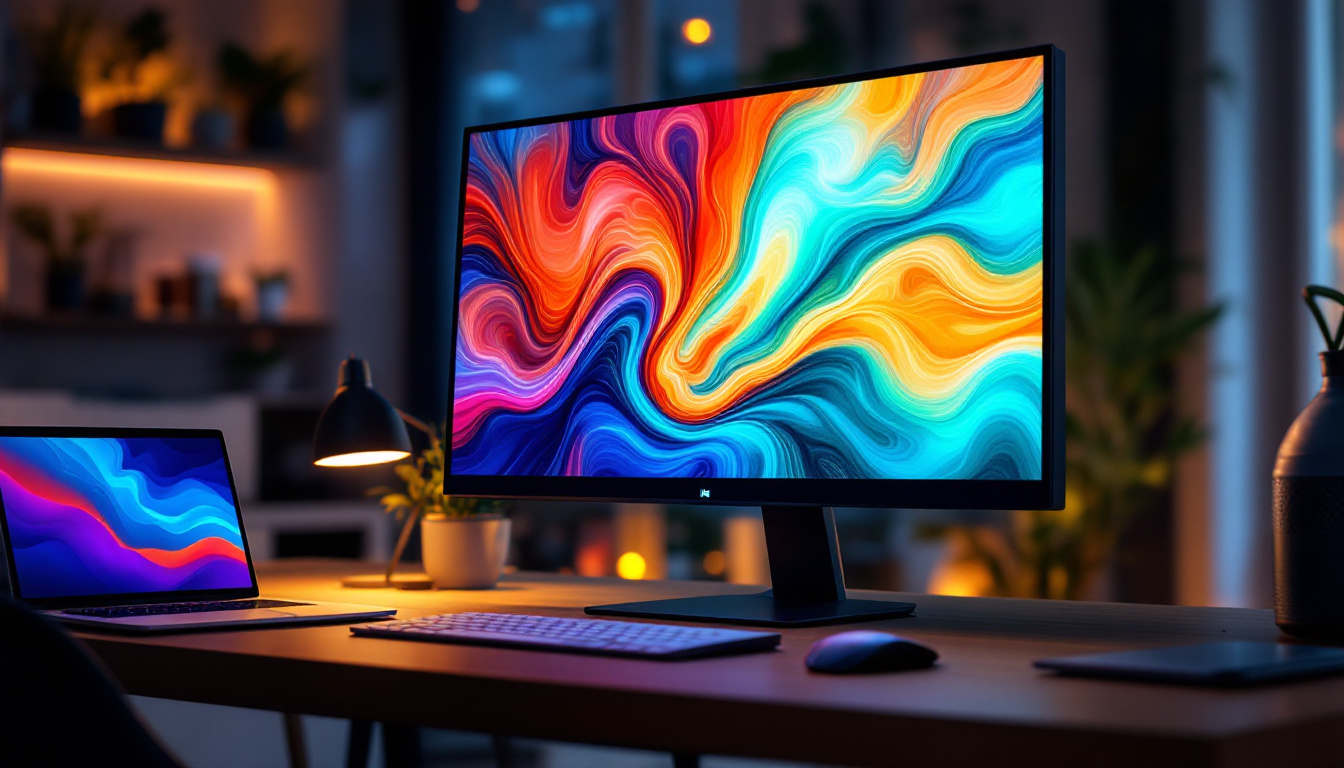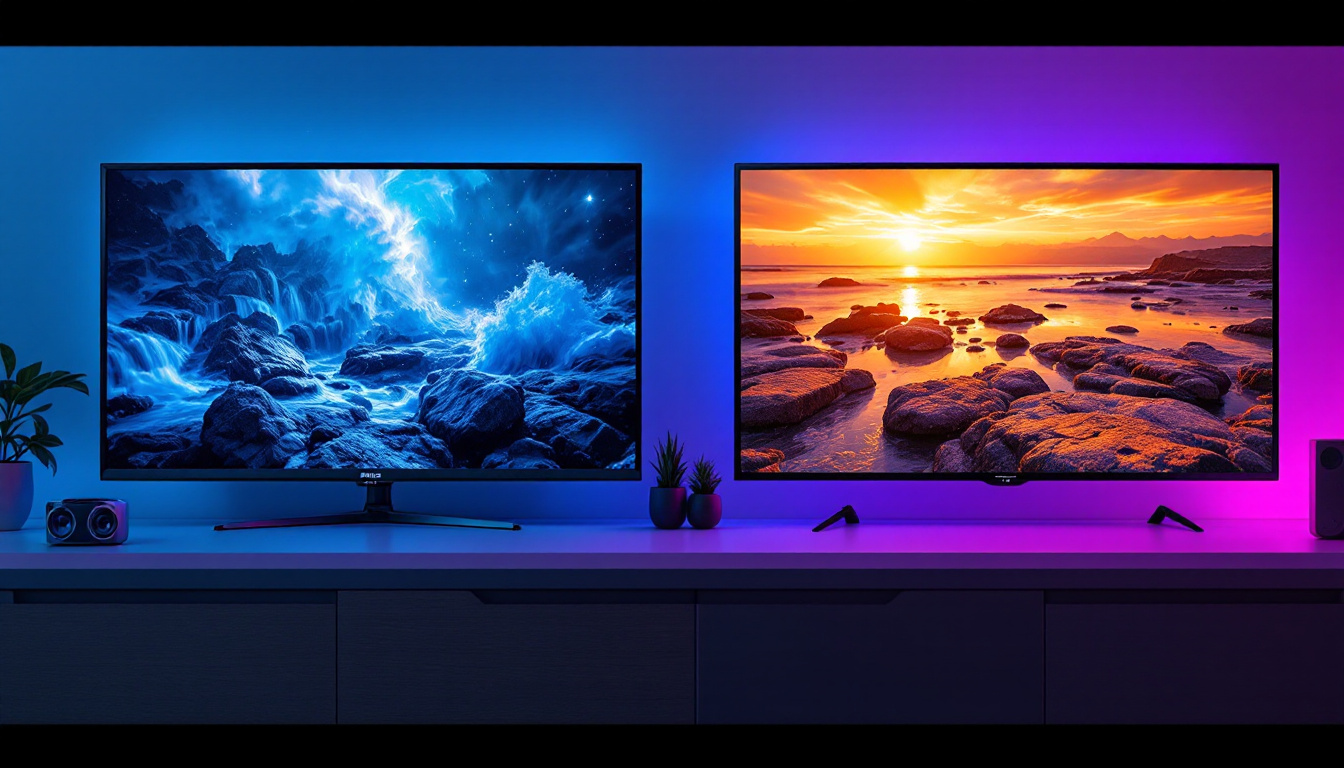
In today’s digital age, the quality and technology behind computer monitors play a crucial role in productivity, entertainment, and overall user experience. Among the many display technologies available, LED displays have become the industry standard for monitors, televisions, and other screens. But what exactly is an LED display, and why has it become so dominant? This article dives deep into the world of LED displays, explaining their technology, benefits, and how they compare to other display types. Whether you’re a casual user, a professional designer, or a gamer, understanding LED technology can help you make smarter choices when selecting your next monitor.
Understanding LED Display Technology
What Does LED Stand For?
LED stands for Light Emitting Diode. It is a semiconductor device that emits light when an electric current passes through it. In the context of monitors, LEDs serve as the light source that illuminates the screen, allowing images to be displayed vividly and clearly. The efficiency of LEDs is one of the key reasons for their widespread adoption in various applications, from televisions to smartphones and even large-scale billboards.
How LED Displays Work
LED displays use an array of tiny LEDs to illuminate the pixels on the screen. These LEDs can be arranged in different ways depending on the type of display. The most common configurations are:
- Edge-Lit LED: LEDs are placed along the edges of the screen, and light is diffused across the display using light guides.
- Direct-Lit LED: LEDs are positioned directly behind the screen, providing more uniform lighting.
- Full-Array LED: A grid of LEDs behind the screen allows for precise local dimming, enhancing contrast and black levels.
These LEDs illuminate an LCD (liquid crystal display) panel, which is responsible for creating the actual image by controlling the passage of light through colored subpixels (red, green, and blue). This combination is often referred to as an LED-LCD display. The advancements in LED technology have also led to improvements in energy efficiency, making these displays not only brighter but also more environmentally friendly compared to older technologies.
Difference Between LED and OLED
While LED displays use LEDs as a backlight for an LCD panel, OLED (Organic Light Emitting Diode) displays use organic compounds that emit light themselves when an electric current is applied. This means OLED pixels can turn on and off individually, allowing for perfect blacks and superior contrast. However, OLED monitors are generally more expensive and less common than LED-LCD monitors. The unique self-emissive nature of OLED technology also enables thinner screens and more flexible designs, which has opened up new possibilities for innovative product forms in the market.
Additionally, the color accuracy and viewing angles of OLED displays are often superior to those of traditional LED displays, making them a preferred choice for professionals in graphic design and photography. Despite their advantages, potential buyers should also consider factors such as burn-in issues that can occur with OLED screens, where static images can leave a permanent mark if displayed for extended periods. This has led to ongoing research and development aimed at mitigating such drawbacks, ensuring that OLED technology continues to evolve and improve.
Advantages of LED Monitors
Energy Efficiency and Environmental Impact
One of the primary reasons LED monitors have become so popular is their energy efficiency. Compared to older technologies like CCFL (Cold Cathode Fluorescent Lamp) backlighting, LEDs consume significantly less power. According to the U.S. Department of Energy, LED monitors can use up to 40% less energy than CCFL-backlit LCDs, which not only reduces electricity bills but also lowers carbon footprints.
This efficiency stems from the fact that LEDs produce less heat and can be more precisely controlled, reducing wasted energy. For environmentally conscious consumers and businesses aiming to reduce operational costs, LED monitors represent a smarter and more sustainable choice.
Improved Brightness and Color Accuracy
LED backlighting allows for brighter displays with better color reproduction. Modern LED monitors can achieve brightness levels of 300 to 600 nits or more, making them suitable for use in well-lit environments without sacrificing image quality. Additionally, LED technology supports wider color gamuts, including standards like DCI-P3 and Adobe RGB, which are essential for professionals in photography, video editing, and graphic design.
Many LED monitors now incorporate advanced features like quantum dot technology, which enhances color accuracy and vibrancy even further. This makes LED displays ideal for users who demand precise color fidelity.
Thin and Lightweight Design
Because LEDs are small and require less space than traditional backlighting systems, LED monitors can be designed to be thinner and lighter. This sleek form factor is not only aesthetically pleasing but also practical for users with limited desk space or those who frequently transport their monitors.
Types of LED Monitors and Their Use Cases
Standard LED-LCD Monitors
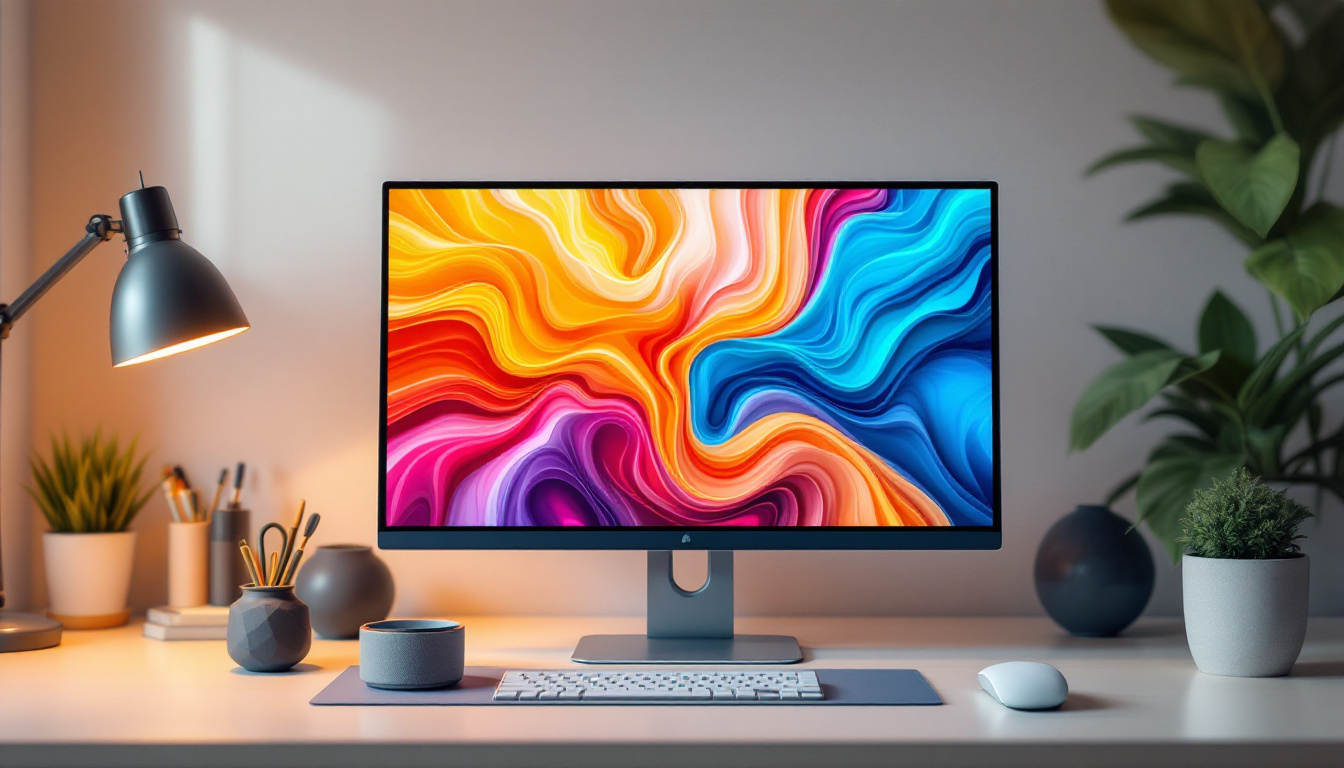
The majority of LED monitors on the market today are LED-LCDs, which use LED backlighting combined with an LCD panel. These monitors are versatile and come in a range of sizes and resolutions, from basic 1080p office monitors to 4K displays for professional use. They are suitable for everyday tasks such as web browsing, office work, and casual gaming.
Gaming Monitors with LED Technology
Gaming monitors often leverage LED technology to deliver high refresh rates (120Hz, 144Hz, or even 240Hz) and fast response times, which are critical for smooth gameplay. Many gaming monitors also feature LED backlighting with local dimming zones to improve contrast and reduce motion blur. Brands have introduced RGB LED lighting on the monitor chassis itself, adding customizable aesthetics that appeal to gamers.
Professional and Creative Use Monitors
For professionals in fields like photography, video production, and graphic design, LED monitors offer the color accuracy and resolution necessary for detailed work. These monitors often support 10-bit color depth, HDR (High Dynamic Range), and factory calibration to ensure consistent color reproduction. Technologies like IPS (In-Plane Switching) panels combined with LED backlighting provide wide viewing angles and uniform brightness, essential for critical visual tasks.
Comparing LED Displays to Other Technologies
LED vs. LCD (CCFL Backlit)
Traditional LCD monitors used CCFL backlighting, which is bulkier, less energy-efficient, and offers lower brightness compared to LED backlighting. LED monitors provide better color accuracy, thinner profiles, and longer lifespans. As a result, CCFL-backlit monitors have largely been phased out in favor of LED technology.
LED vs. OLED
While OLED displays offer superior contrast ratios and true blacks, they are generally more expensive and less widely available in desktop monitor form. OLEDs can suffer from burn-in issues over time, which is a consideration for users who display static images for long periods. LED monitors, especially those with full-array local dimming, have improved black levels and are more cost-effective for most users.
LED vs. QLED
QLED (Quantum Dot LED) is a marketing term used by some manufacturers to describe LED monitors that incorporate quantum dot technology. Quantum dots are semiconductor nanocrystals that emit precise colors when illuminated by an LED backlight, resulting in brighter displays and wider color gamuts. Essentially, QLED is an enhanced form of LED display, offering better performance for color-critical applications.
Key Features to Look for in an LED Monitor
Resolution and Screen Size
Choosing the right resolution and screen size depends largely on your use case. For general office work, a 24-inch monitor with 1080p resolution is often sufficient. For creative professionals or gamers, 27-inch or larger monitors with 1440p or 4K resolution provide more screen real estate and sharper images. Higher resolutions demand more powerful graphics hardware, so users should balance their needs accordingly.
Refresh Rate and Response Time
Refresh rate, measured in hertz (Hz), indicates how many times the screen updates per second. A higher refresh rate results in smoother motion, which is particularly important for gaming and video editing. Response time measures how quickly pixels change color, affecting motion clarity. LED monitors with refresh rates of 120Hz or higher and response times below 5ms are ideal for fast-paced applications.
Color Accuracy and Calibration
For users requiring precise color reproduction, look for monitors that cover a wide color gamut (e.g., 99% Adobe RGB or 100% sRGB) and support hardware calibration. Some LED monitors come factory-calibrated to ensure color accuracy out of the box, which is a valuable feature for professionals.
Connectivity and Ergonomics
Modern LED monitors often include multiple connectivity options such as HDMI, DisplayPort, USB-C, and USB hubs. USB-C ports can deliver video, data, and power, simplifying cable management. Adjustable stands with tilt, swivel, height, and pivot controls improve ergonomics, reducing strain during long hours of use.
Future Trends in LED Monitor Technology
Mini-LED and Micro-LED Innovations
Emerging LED technologies like Mini-LED and Micro-LED promise to revolutionize display performance further. Mini-LED uses thousands of tiny LEDs for backlighting, enabling even more precise local dimming and superior contrast ratios. Micro-LED, still in early development, features self-emissive pixels like OLED but with higher brightness and longer lifespan, potentially combining the best of both worlds.
Integration with Smart Features
Smart monitors with built-in AI capabilities, voice assistants, and adaptive display settings are becoming more common. These features optimize brightness and color based on ambient light and content type, enhancing user comfort and reducing eye strain.
Environmental Sustainability
Manufacturers are increasingly focusing on sustainable materials and energy-efficient designs. LED monitors with recyclable components and certifications like ENERGY STAR and EPEAT help consumers make environmentally responsible choices.
Conclusion
LED display technology has transformed the way monitors deliver images, offering a blend of energy efficiency, vibrant colors, and sleek design. Understanding the nuances of LED monitors—from backlighting types and color accuracy to refresh rates and connectivity—empowers users to select the right display for their needs. Whether for professional work, immersive gaming, or everyday computing, LED monitors continue to set the benchmark for smarter, more efficient, and visually stunning displays.
As technology advances, innovations like Mini-LED and Micro-LED promise even greater improvements, making now an excellent time to invest in an LED monitor that will serve well into the future.
Explore Cutting-Edge LED Displays with LumenMatrix
Ready to experience the future of visual technology? LumenMatrix is at the forefront of LED display innovation, offering a wide array of solutions that cater to any need—from Indoor and Outdoor LED Wall Displays to specialized options like Vehicle and Sports LED Displays. Embrace the power of vibrant colors, dynamic content, and energy-efficient design to elevate your visual communication. Don’t miss out on the opportunity to transform your space with LumenMatrix’s advanced LED display modules. Check out LumenMatrix LED Display Solutions and join the revolution of high-impact, sustainable visual experiences.