In the rapidly evolving world of digital displays, understanding the technology behind LED screens is essential for businesses, advertisers, and tech enthusiasts alike. Two terms frequently encountered in this domain are SMD (Surface-Mounted Device) and LED (Light Emitting Diode) displays. While both involve LEDs, the distinction between SMD and traditional LED displays can often be confusing. This article aims to demystify these concepts, exploring their differences, applications, advantages, and how they impact the quality and performance of LED screens.
Understanding LED Display Technology
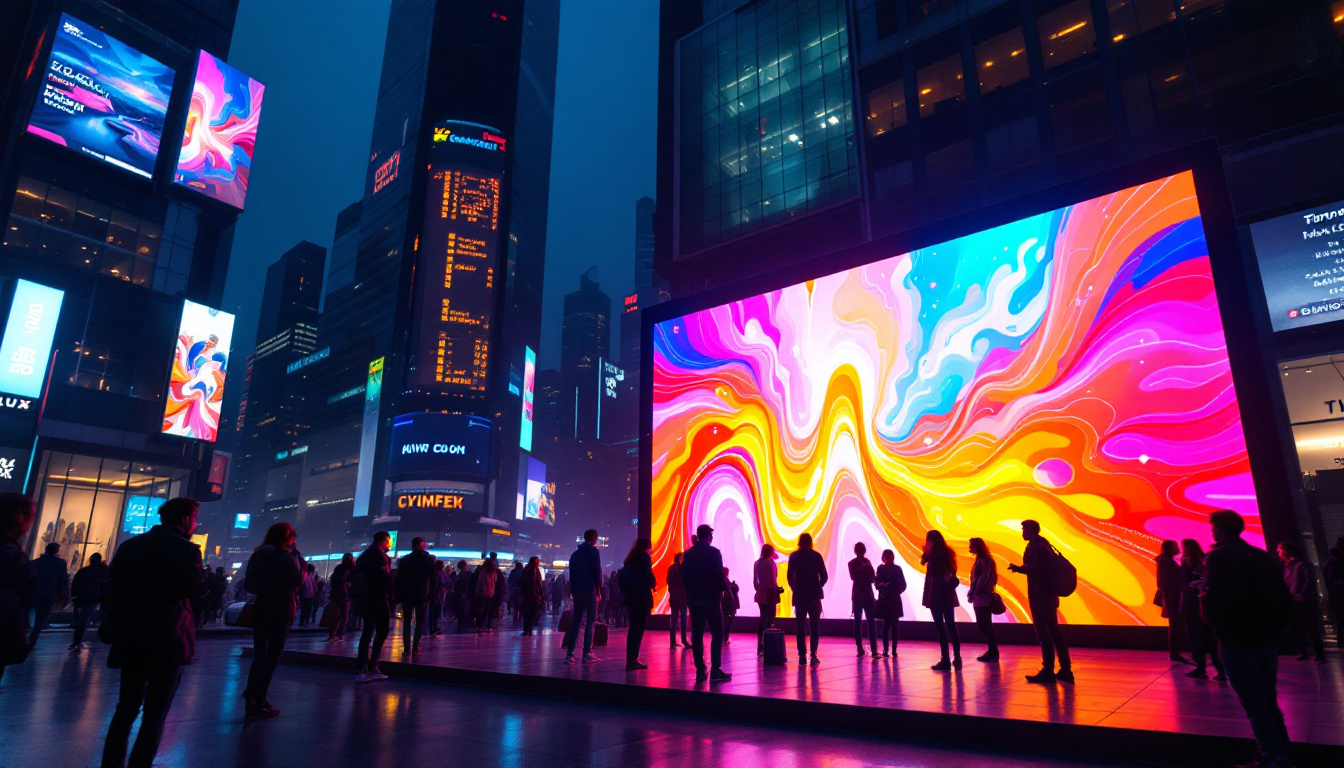
LED displays are digital screens that use light-emitting diodes to produce images and videos. These displays have become the standard for outdoor advertising, stadium screens, digital billboards, and even indoor signage due to their brightness, energy efficiency, and versatility.
At the core, an LED display is composed of numerous tiny LEDs arranged in a matrix. Each LED acts as a pixel or part of a pixel, emitting light of specific colors to form images. The quality of the display depends on factors such as pixel pitch, resolution, brightness, and the type of LED technology used. The pixel pitch, which refers to the distance between the centers of two adjacent pixels, plays a crucial role in determining the clarity of the image. A smaller pixel pitch results in higher resolution and sharper images, making it ideal for close viewing distances, such as in retail environments.
What is an LED Display?
LED displays use individual LEDs as the light source. Traditionally, these LEDs are discrete components mounted on circuit boards and arranged to form pixels. Each pixel can be a single LED or a cluster of red, green, and blue LEDs that combine to create full-color images.
LED displays are known for their high brightness levels, making them ideal for outdoor environments where sunlight can wash out other types of screens. They also offer excellent viewing angles and long lifespans, often exceeding 100,000 hours of operation. This longevity not only reduces maintenance costs but also contributes to a lower total cost of ownership over time. Furthermore, advancements in LED technology have led to the development of features such as dynamic brightness adjustment, allowing displays to adapt to changing ambient light conditions, ensuring optimal visibility at all times.
What Does SMD Mean in LED Displays?
SMD stands for Surface-Mounted Device. It refers to a method of mounting electronic components directly onto the surface of printed circuit boards (PCBs). In the context of LED displays, SMD LEDs are tiny diodes mounted on the display’s surface, combining red, green, and blue chips into a single package.
This integration allows SMD LEDs to produce more precise colors and smoother images compared to traditional discrete LED displays. SMD technology has revolutionized LED displays by enabling higher resolution and more compact designs. Additionally, the compact nature of SMD components allows for thinner display profiles, which is particularly advantageous in applications where space is limited, such as in retail displays or architectural installations. The versatility of SMD technology also extends to flexible LED displays, which can be bent or shaped to fit unconventional spaces, opening up new creative possibilities for designers and advertisers alike.
Comparing SMD and Traditional LED Displays
While both SMD and traditional LED displays use LEDs as the light source, their construction and performance characteristics differ significantly. Understanding these differences is crucial when selecting the right display technology for specific applications.
Pixel Structure and Resolution
Traditional LED displays typically use discrete LEDs for each color channel (red, green, blue). These LEDs are physically separated, resulting in a pixel structure where each color is distinct and spaced apart. This can lead to a less smooth image, especially at close viewing distances.
In contrast, SMD displays integrate red, green, and blue LEDs into a single package, creating a unified pixel. This design allows for much smaller pixel pitches—sometimes as low as 1.2mm—leading to higher resolution and sharper images. For indoor applications where viewers are close to the screen, SMD displays provide a significantly better visual experience.
Brightness and Viewing Angles
Traditional LED displays often have higher peak brightness levels, making them suitable for outdoor environments with direct sunlight. However, their viewing angles can be narrower, causing color shifts and reduced image quality when viewed from the side.
SMD displays generally offer wider viewing angles—up to 160 degrees horizontally and vertically—ensuring consistent image quality from various perspectives. Although their maximum brightness might be slightly lower than traditional LEDs, modern SMD technology has advanced to provide sufficient brightness for most outdoor uses as well.
Durability and Maintenance
Traditional LED displays are robust and can withstand harsh outdoor conditions. Their discrete LED components are easier to replace individually, which can simplify maintenance in some cases. However, the larger size of LEDs means the overall display can be bulkier and heavier.
SMD displays are more compact and lightweight due to the smaller size of the LED packages. They are also sealed more effectively against dust and moisture, enhancing durability. Maintenance can be more challenging because the LEDs are densely packed, but modular designs have improved serviceability.
Applications and Use Cases
The choice between SMD and traditional LED displays depends largely on the intended application, viewing distance, environment, and budget. Each technology has strengths that make it better suited for specific scenarios.
Indoor Displays
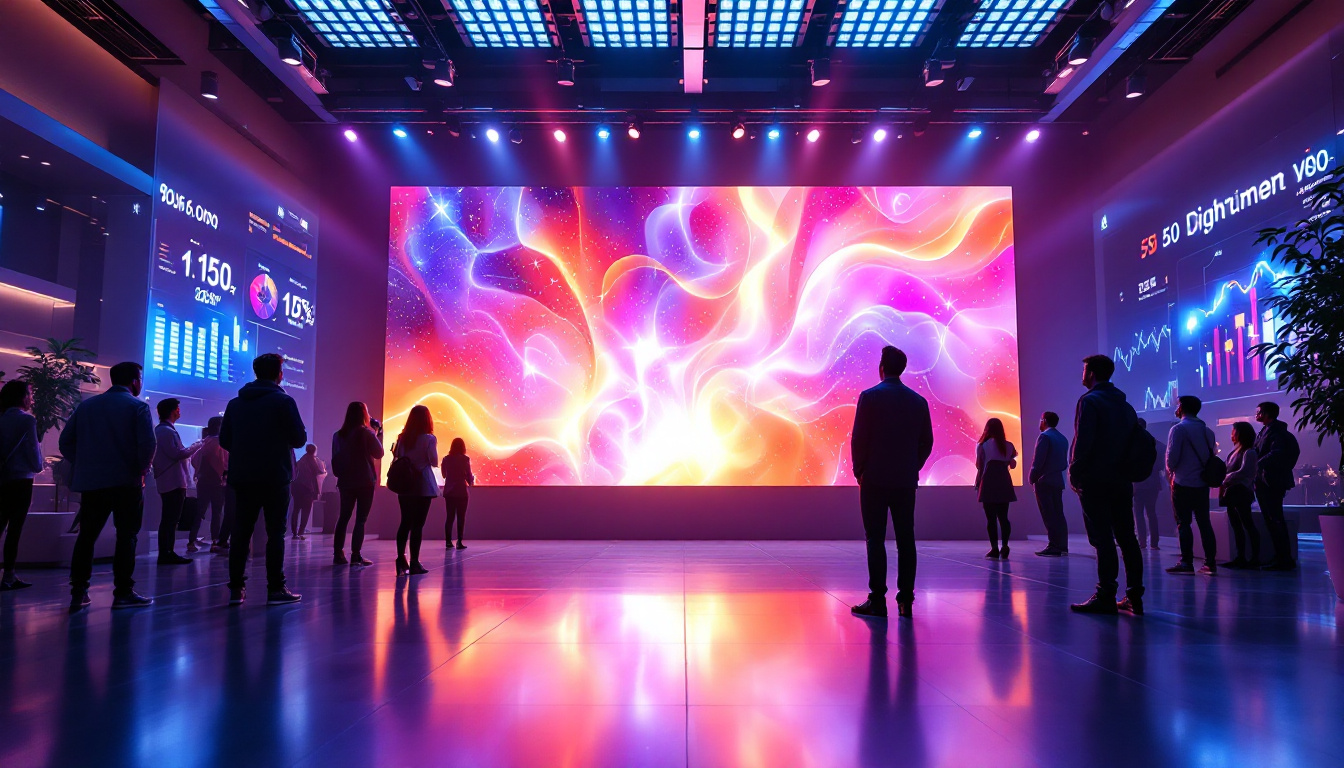
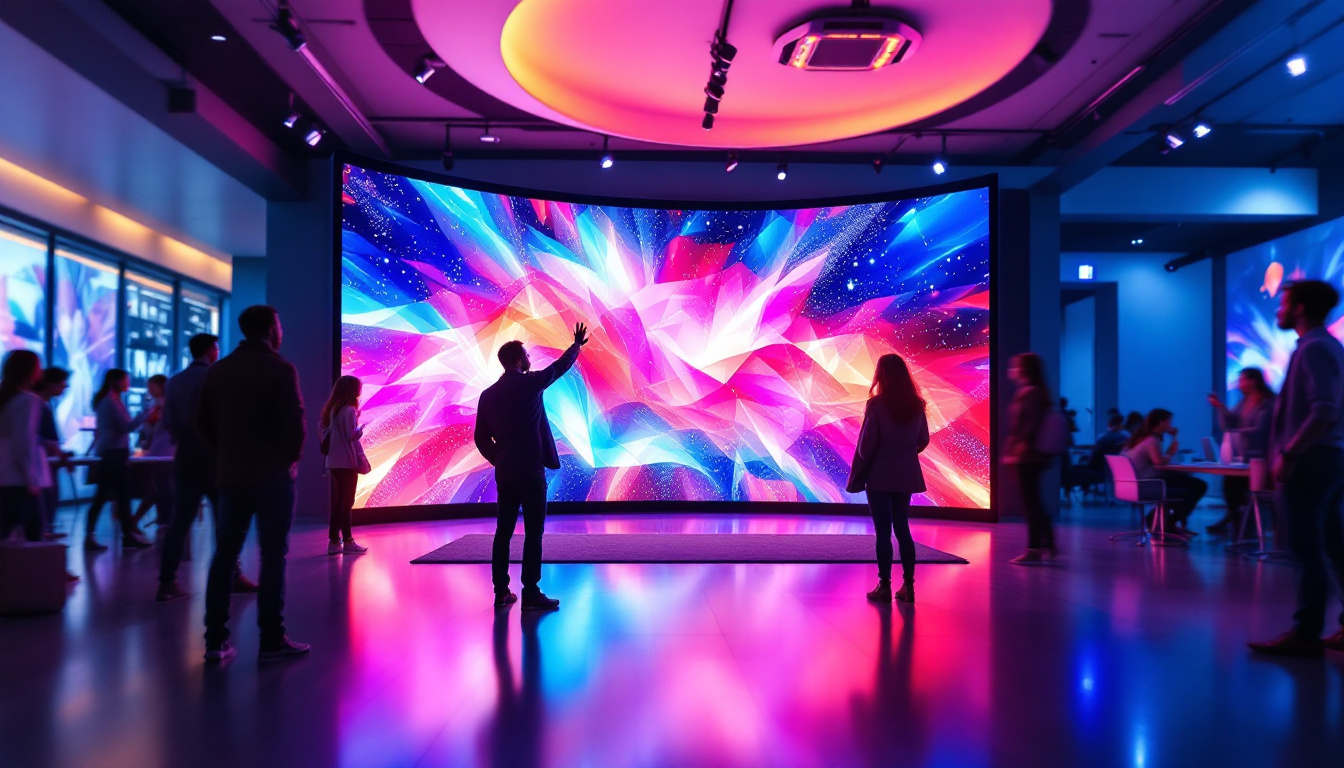
Indoor LED displays benefit greatly from SMD technology. The close viewing distances in retail stores, conference rooms, and control centers demand high resolution and smooth image quality. SMD displays, with their small pixel pitch and excellent color reproduction, are ideal for these environments.
For example, a corporate lobby video wall or a high-end retail digital signage installation would typically use SMD LED displays to ensure crisp visuals and vibrant colors.
Outdoor Displays
Outdoor LED displays require high brightness to combat sunlight and must be weather-resistant. Traditional LED displays have historically dominated this space due to their superior brightness and ruggedness.
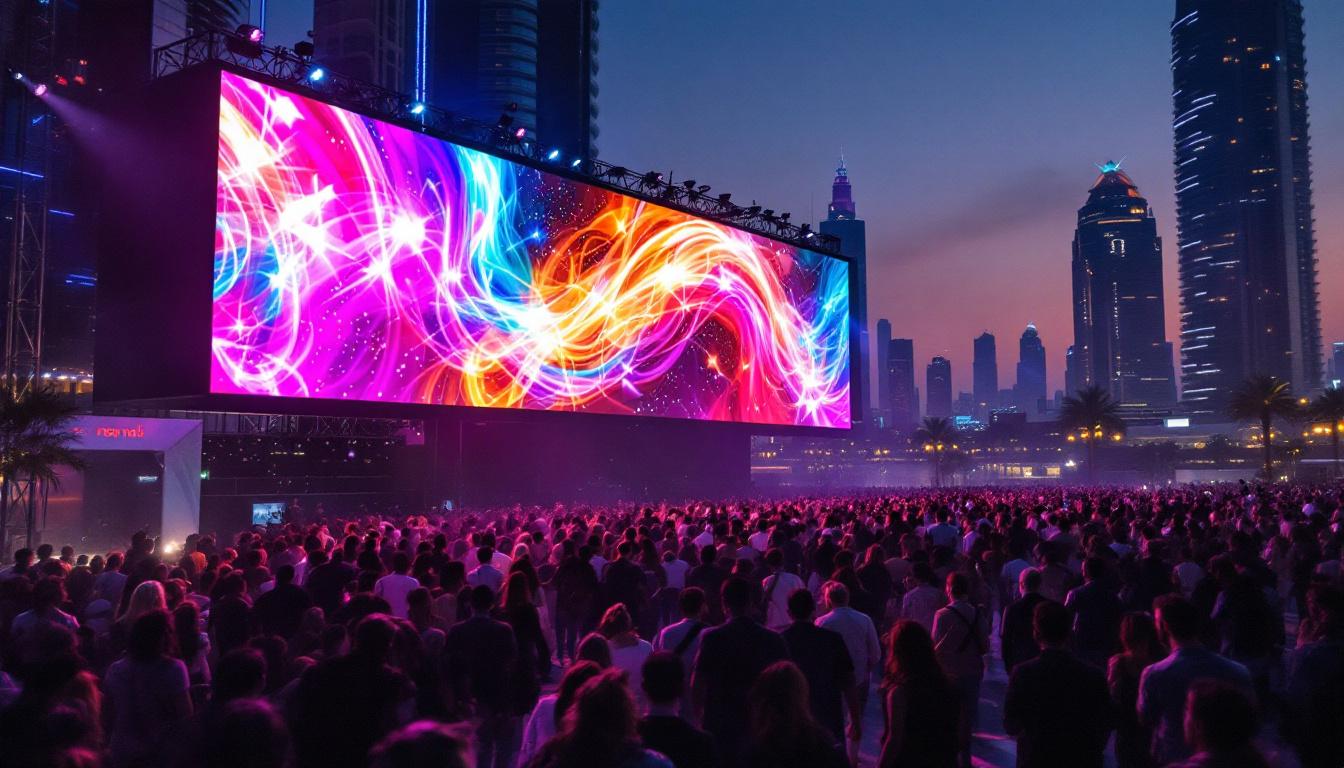
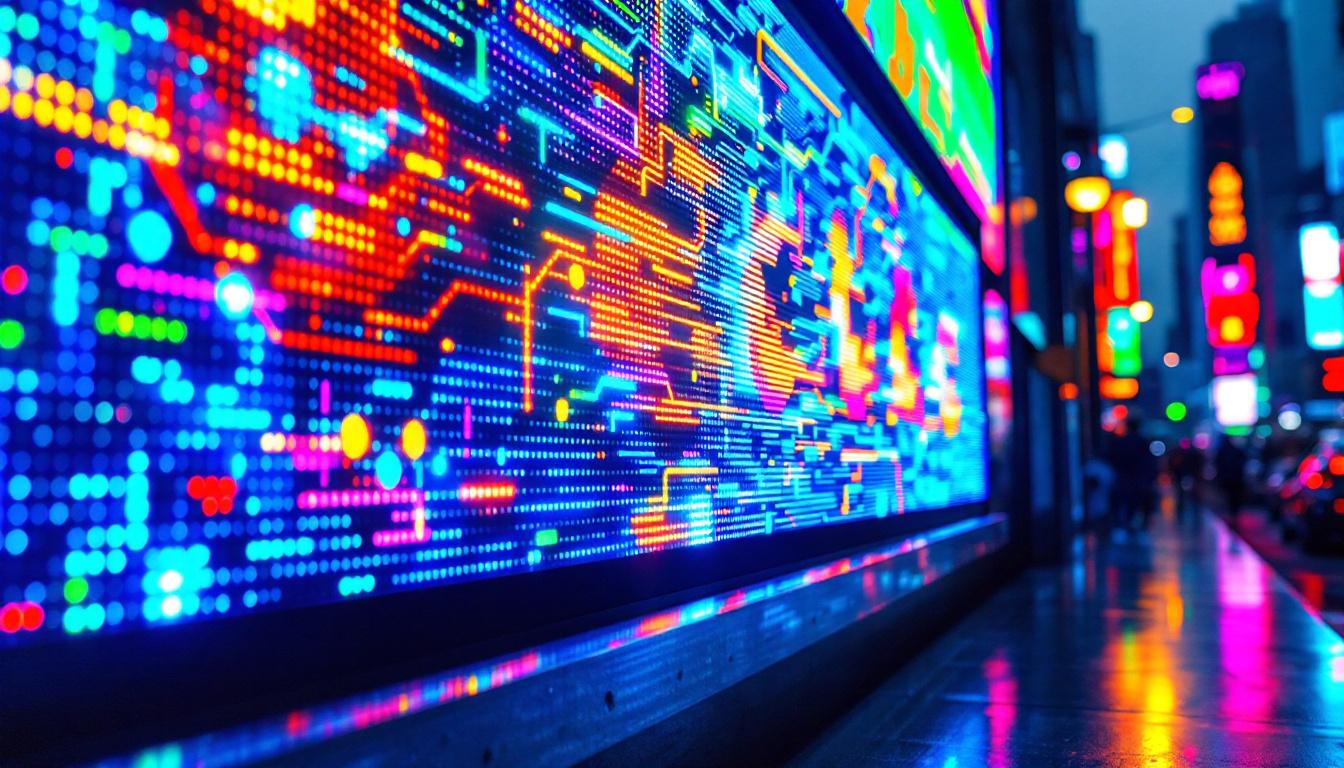
However, advancements in SMD technology have made it increasingly viable for outdoor use. Many modern outdoor LED billboards and stadium screens now use SMD LEDs with pixel pitches ranging from 4mm to 10mm, balancing resolution and brightness effectively.
Specialized Applications
Beyond advertising and information displays, LED technology is used in arenas, transportation hubs, and entertainment venues. For instance, sports stadiums often employ a combination of both technologies—traditional LEDs for large, high-brightness scoreboards and SMD LEDs for closer-viewing areas like VIP lounges or indoor screens.
Key Factors to Consider When Choosing Between SMD and Traditional LED Displays
When selecting an LED display, several critical factors influence the decision between SMD and traditional LED technologies. Understanding these factors helps ensure optimal performance, cost-effectiveness, and user satisfaction.
Viewing Distance and Pixel Pitch
Pixel pitch—the distance between the centers of two adjacent pixels—is a fundamental factor. Smaller pixel pitches provide higher resolution and better image clarity at close distances. SMD displays excel here, offering pixel pitches as low as 0.9mm for indoor use.
For outdoor applications where viewers are farther away, larger pixel pitches (e.g., 10mm or more) are acceptable and more cost-effective. Traditional LED displays often use these larger pitches effectively.
Brightness Requirements
Brightness is measured in nits (cd/m²). Outdoor displays typically require brightness levels above 5,000 nits to remain visible in direct sunlight. Traditional LEDs have historically provided higher brightness, but modern SMD displays can reach comparable levels, especially with high-quality components.
Budget and Total Cost of Ownership
SMD displays tend to be more expensive upfront due to their advanced technology and higher resolution. However, their energy efficiency and longer lifespan can reduce operational costs over time.
Traditional LED displays may have a lower initial cost but could incur higher maintenance expenses depending on the environment and usage.
Installation and Maintenance
The compact nature of SMD displays makes installation easier in tight spaces and allows for sleek designs. Maintenance access should also be considered; modular panels and front-serviceable designs simplify repairs.
Future Trends in LED Display Technology
The LED display industry continues to innovate rapidly, with emerging trends promising even better performance and versatility.
MicroLED and MiniLED Technologies
MicroLED technology, which uses microscopic LEDs smaller than 100 micrometers, is poised to revolutionize display quality by combining the best attributes of OLED and LED displays—offering exceptional brightness, color accuracy, and energy efficiency.
MiniLEDs, slightly larger than MicroLEDs but smaller than traditional SMD LEDs, provide improved contrast and local dimming capabilities, enhancing image quality in high-end displays.
Flexible and Transparent LED Displays
Advancements in materials and manufacturing have enabled flexible and transparent LED displays, opening new possibilities for creative advertising and architectural integration.
Artificial Intelligence and Smart Displays
Integration of AI and IoT technologies is enabling smart LED displays that can adapt content dynamically based on audience demographics, environmental conditions, and real-time analytics, enhancing engagement and effectiveness.
Conclusion
Choosing between SMD and traditional LED displays depends on a variety of factors including application, viewing distance, brightness needs, and budget. SMD technology offers superior resolution, color accuracy, and viewing angles, making it ideal for indoor and close-range applications. Traditional LED displays remain a strong choice for large-scale outdoor environments requiring extreme brightness and durability.
As LED technology advances, the lines between these categories continue to blur, with innovations like MicroLED and MiniLED promising even greater performance. Understanding the strengths and limitations of each technology helps stakeholders make informed decisions that maximize impact and return on investment.
Whether for advertising, entertainment, or information dissemination, LED displays remain a dynamic and essential tool in the digital age, illuminating the path forward with vibrant, engaging visuals.
Discover LumenMatrix LED Display Solutions
Ready to elevate your visual display capabilities? LumenMatrix is at the forefront of LED display innovation, offering a comprehensive range of solutions tailored to meet your needs. From stunning Indoor and Outdoor LED Wall Displays to dynamic Vehicle and Sports LED Displays, our products are designed to captivate and engage your audience. Experience the future of visual communication with our Floor, Custom, All-in-One, and Transparent LED Displays. Embrace the power of cutting-edge technology and check out LumenMatrix LED Display Solutions today to transform your brand’s visibility and messaging impact.