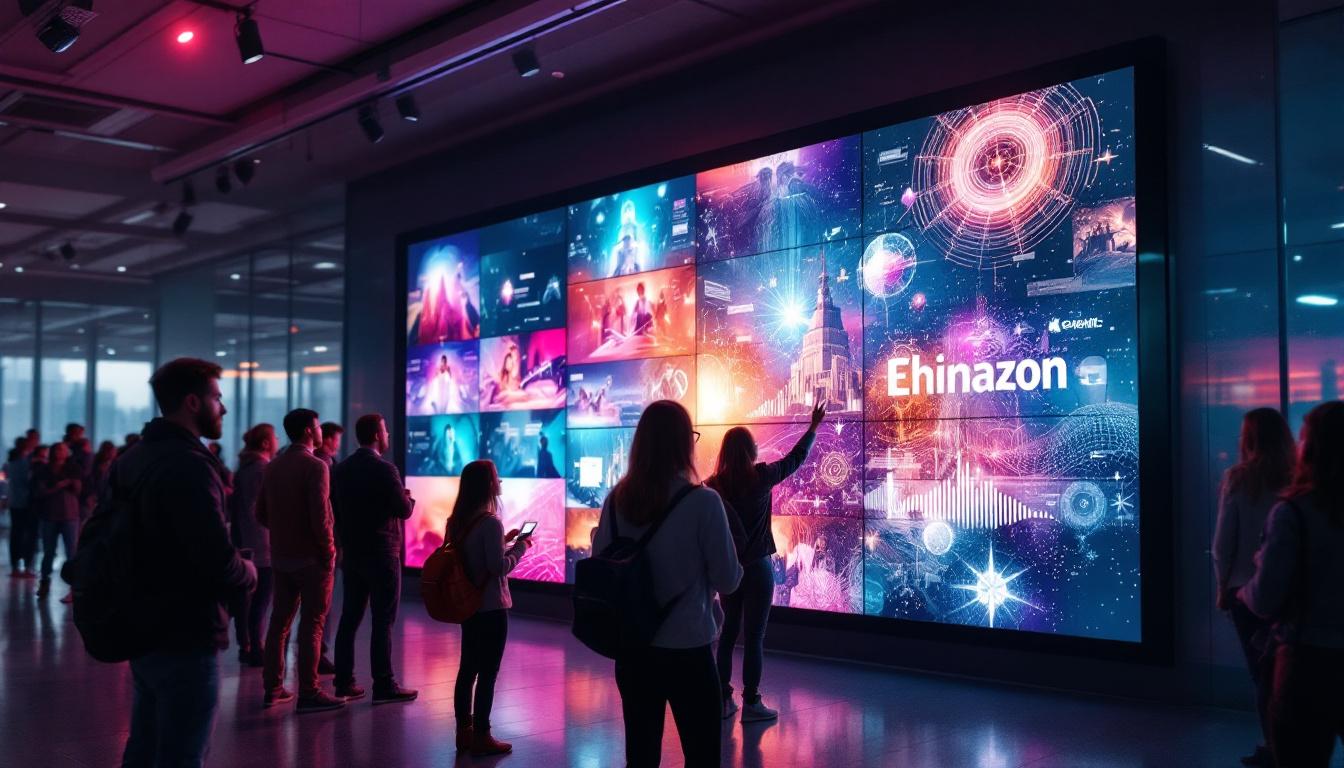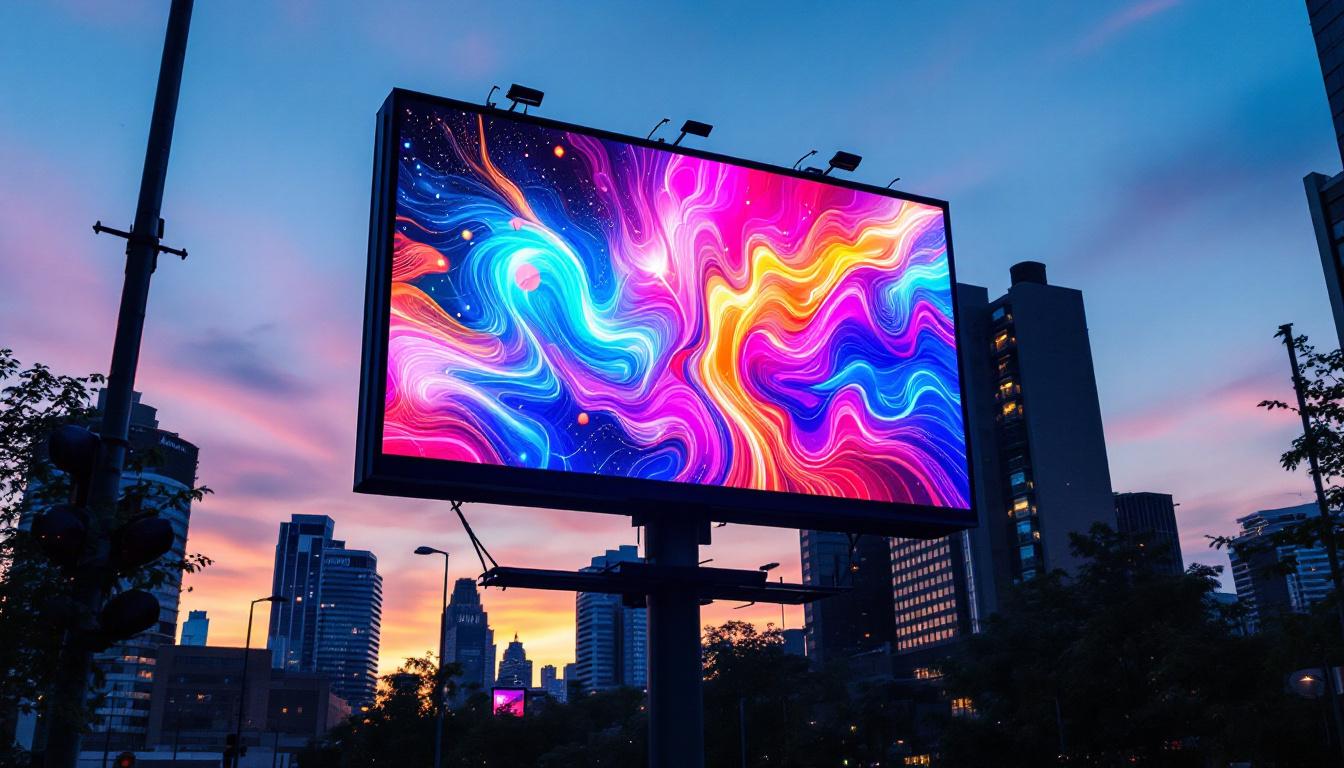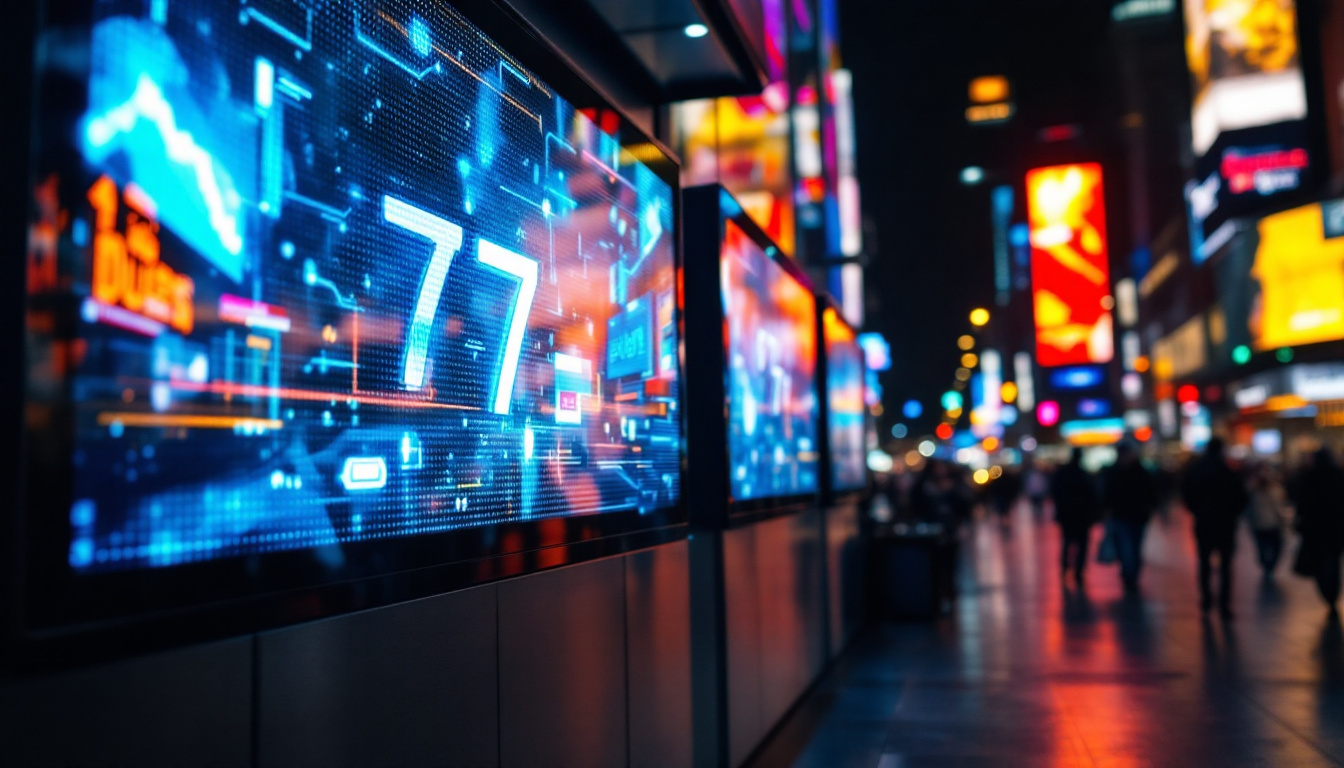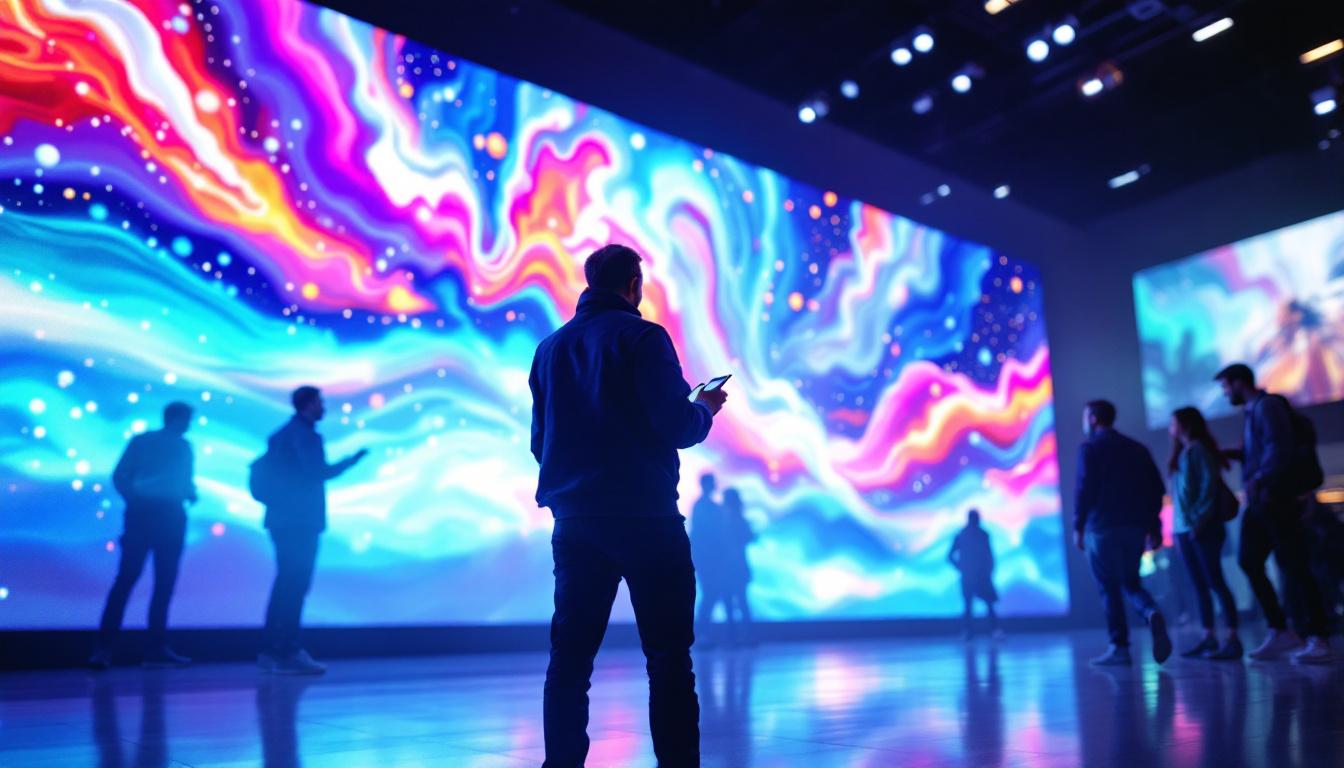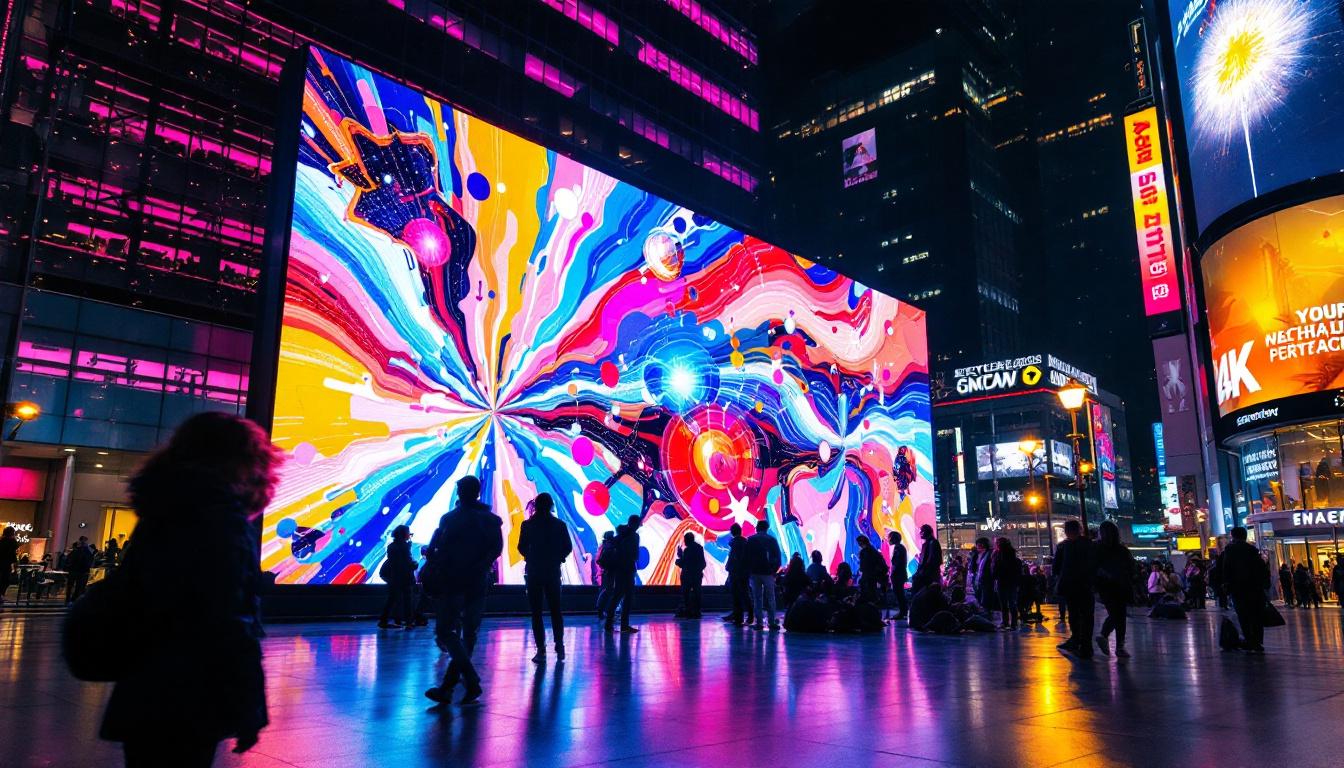
In today’s fast-evolving digital landscape, LED displays have become a cornerstone technology for advertising, entertainment, and information dissemination. From vibrant billboards in Times Square to dynamic scoreboards in stadiums, LED displays are everywhere. However, despite their ubiquity, many people remain unfamiliar with the underlying technology, its advantages, and its practical applications. This article aims to demystify LED displays by explaining how they work, their key benefits, and the latest trends shaping their future.
Understanding the Basics of LED Displays
What is an LED Display?
LED stands for Light Emitting Diode, a semiconductor device that emits light when an electric current passes through it. An LED display is essentially a flat panel that uses an array of these tiny diodes to create images, videos, or text. Unlike traditional LCD or plasma screens, LED displays produce their own light, which allows for brighter, more vibrant visuals.
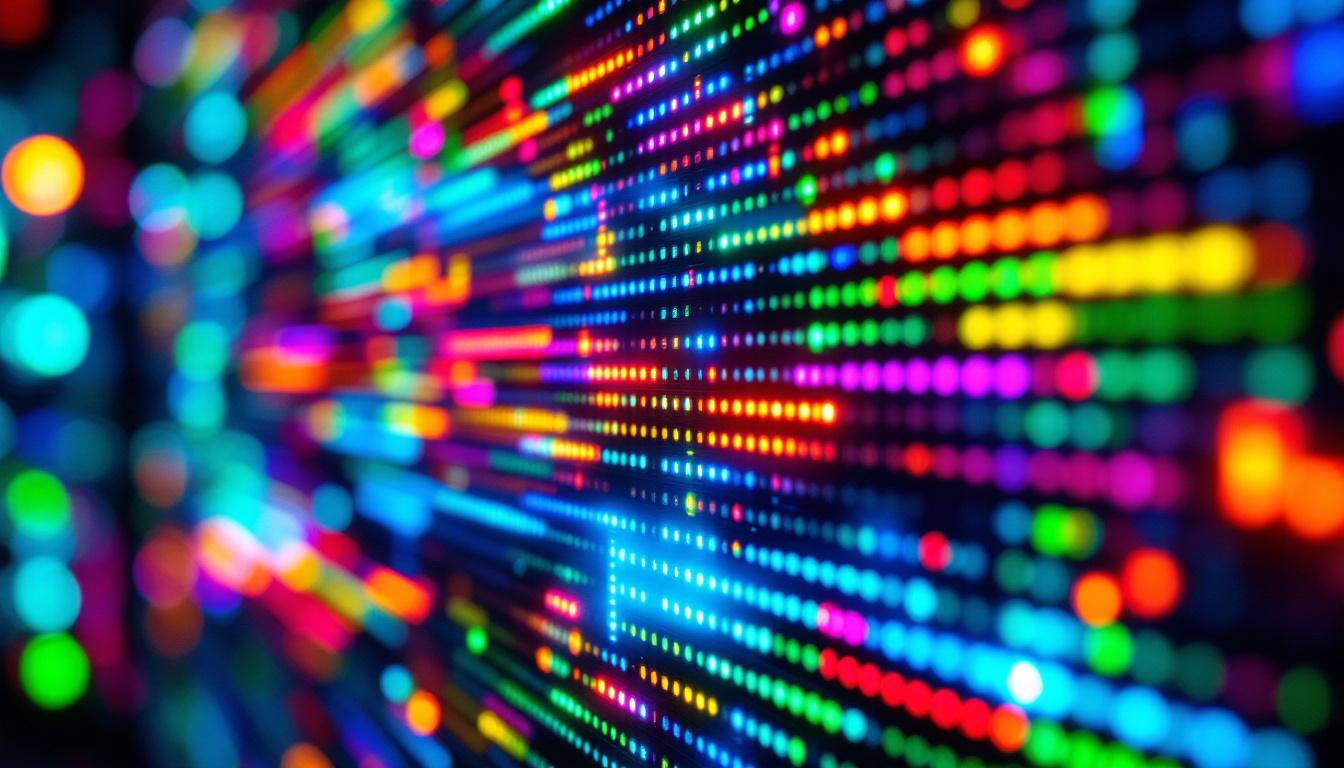
LED displays range from small digital signs to massive outdoor billboards and stadium screens. They are composed of thousands or even millions of individual LEDs arranged in a grid, each acting as a single pixel. By controlling the brightness and color of each LED, the display can render detailed images with high contrast and vivid colors. This capability makes LED displays particularly effective for environments with varying lighting conditions, as they can maintain visibility even in direct sunlight or low-light settings.
Moreover, the longevity of LED technology is another significant advantage. With a lifespan that can exceed 100,000 hours, LED displays require less frequent replacements compared to traditional display technologies. This durability not only reduces maintenance costs but also contributes to a lower environmental impact, as fewer displays end up in landfills over time.
Types of LED Displays
There are primarily two types of LED displays: direct view LED displays and LED-backlit LCD displays. Direct view LED displays use LEDs as the actual pixels that form the image, while LED-backlit LCDs use LEDs only as a backlight behind an LCD panel.
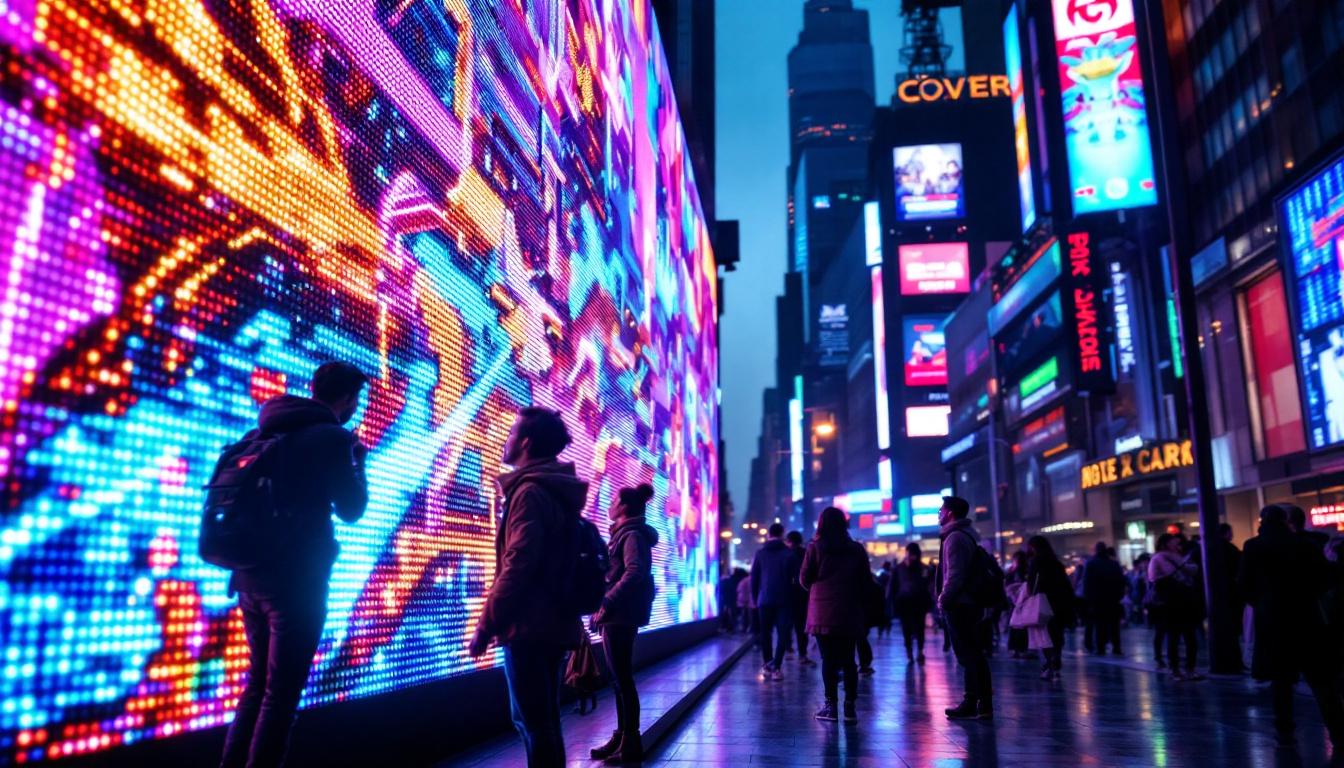
Direct view LED displays are commonly used for large-scale applications such as outdoor advertising, sports arenas, and concert venues due to their superior brightness and scalability. These displays can be customized in size and shape, allowing for creative installations that can fit any space or design requirement. For instance, they can be curved or shaped to create immersive experiences in retail environments or at events.
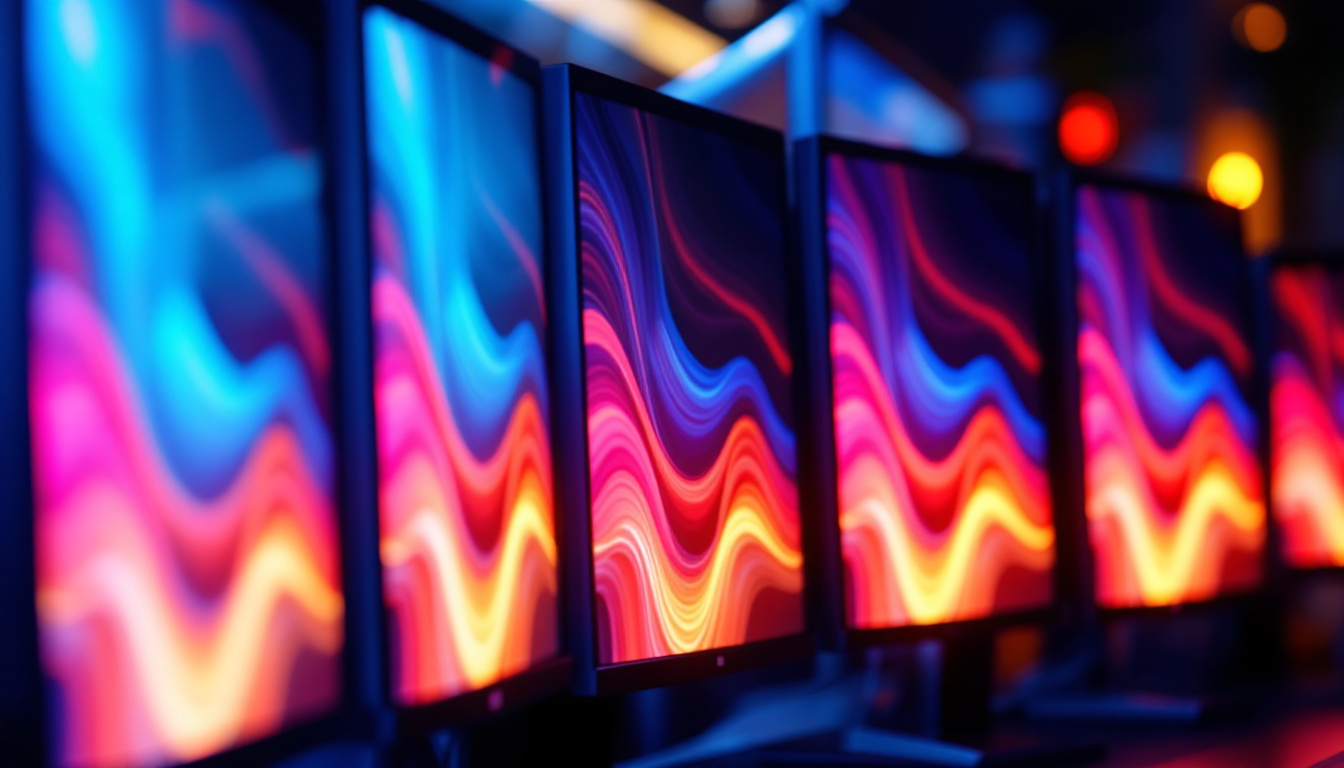
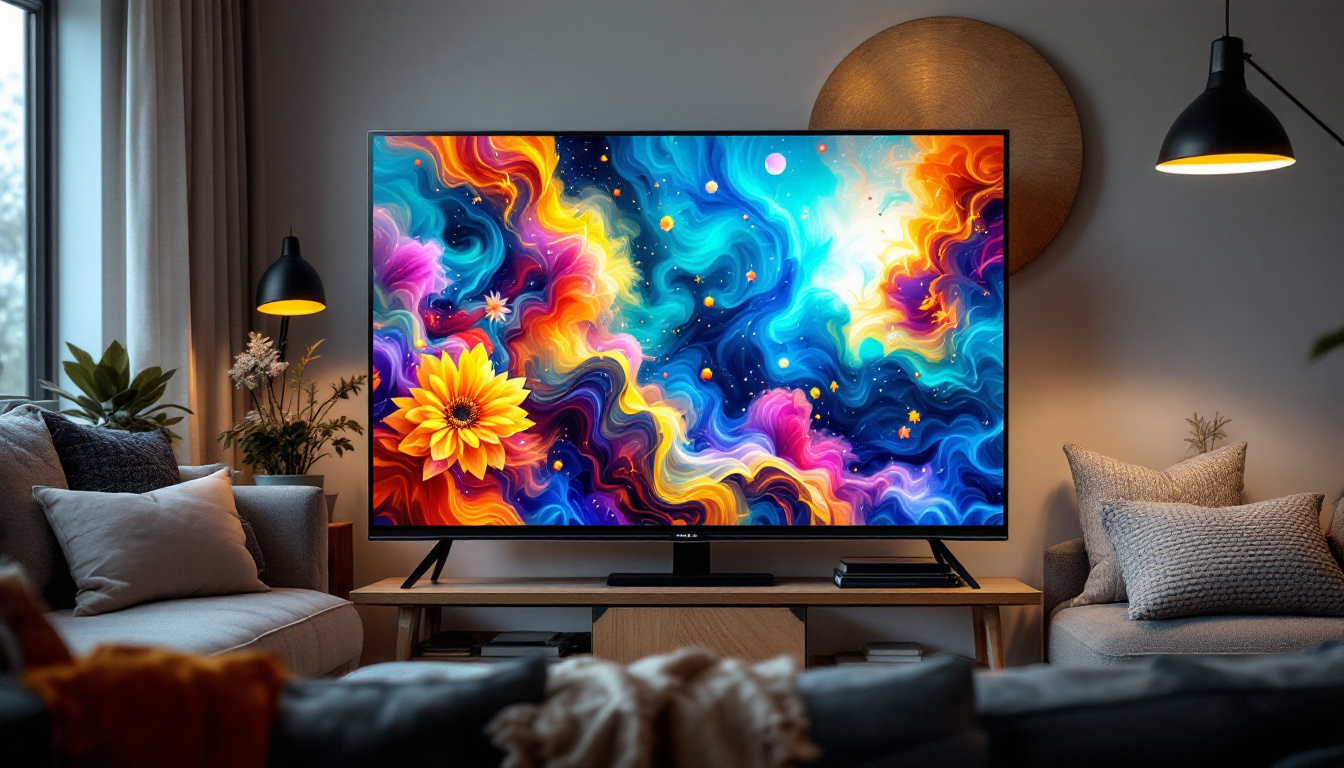
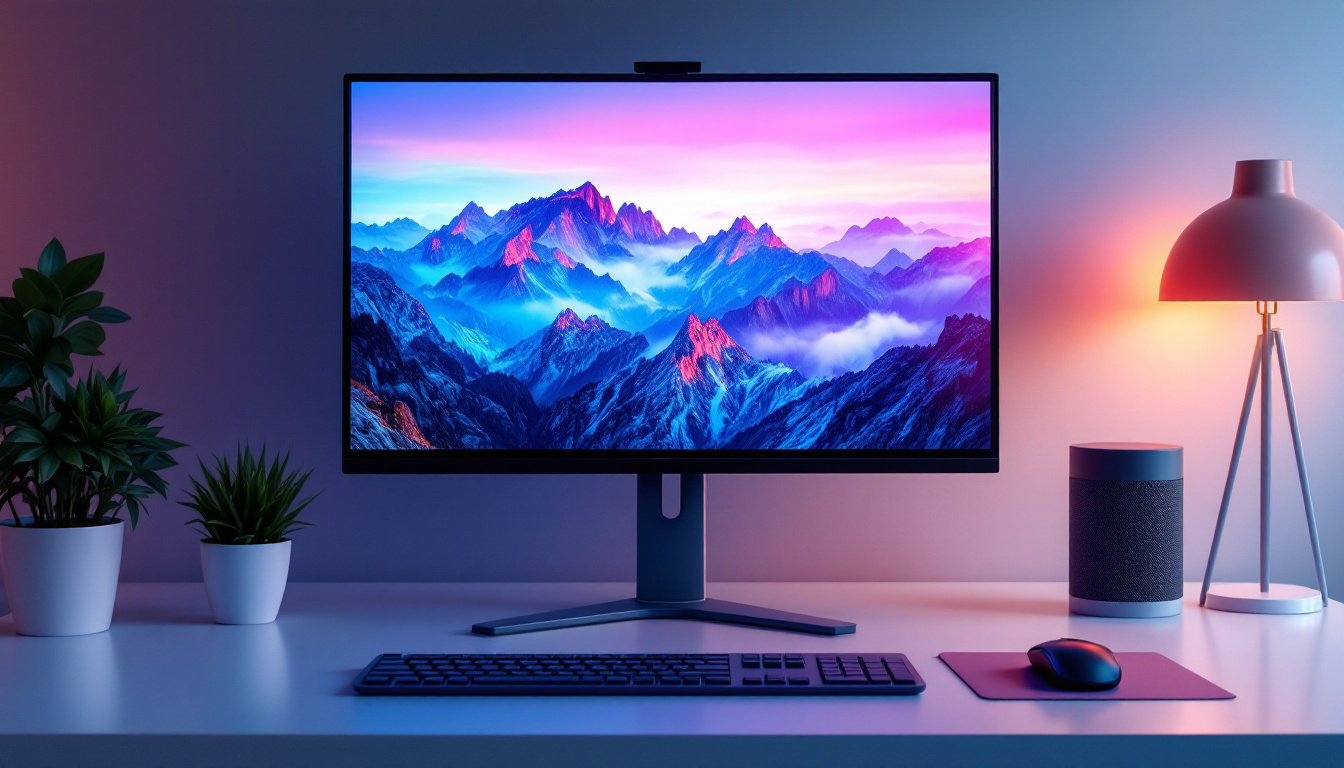
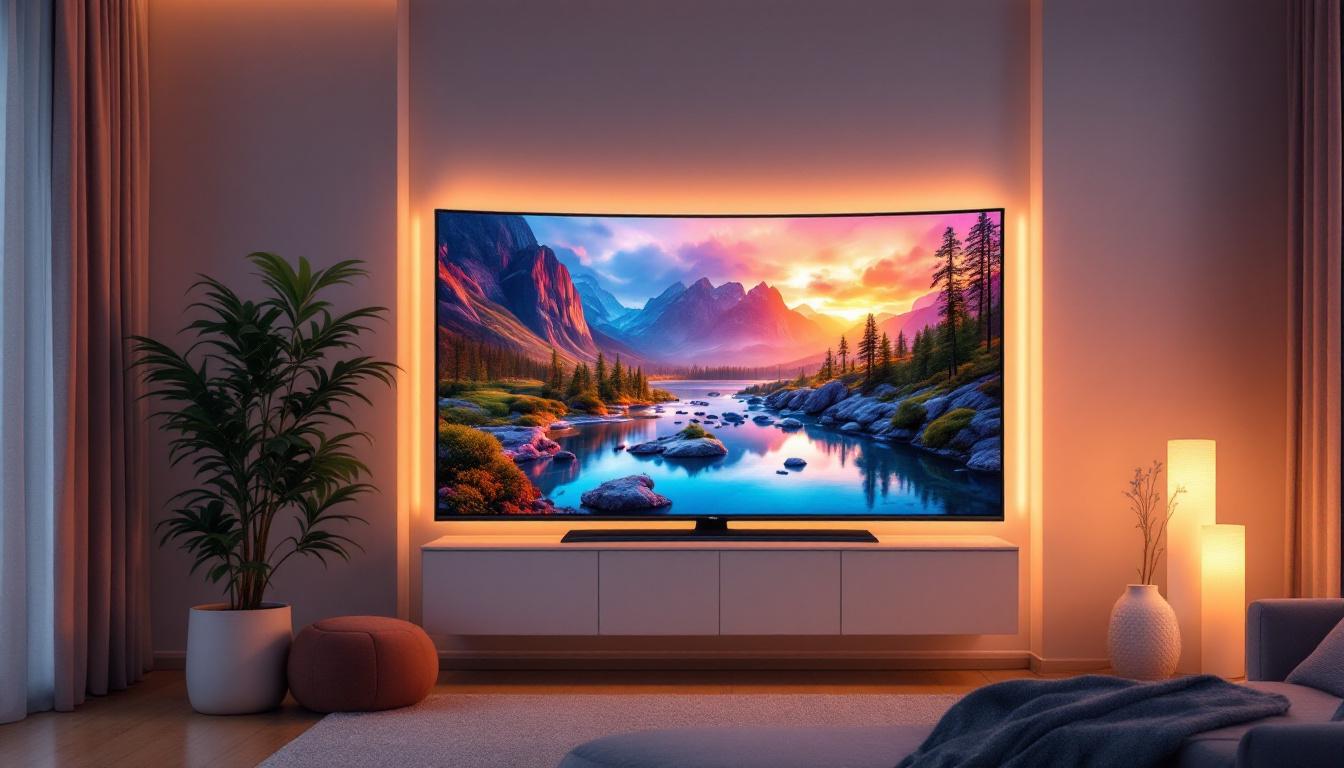
LED-backlit LCDs are more common in consumer electronics like televisions and computer monitors, offering improved energy efficiency and color accuracy over older CCFL-backlit LCDs. These displays have become increasingly popular in homes and offices, providing users with a high-quality viewing experience for everything from streaming movies to graphic design work. Additionally, advancements in technology have led to features such as local dimming, which enhances contrast by allowing specific areas of the screen to be dimmed while others remain bright, further improving the overall image quality.
How LED Displays Work: The Technology Behind the Glow
Pixel Composition and Color Generation
Each pixel in an LED display typically consists of three sub-pixels: red, green, and blue (RGB). By varying the intensity of these sub-pixels, the display can produce a broad spectrum of colors through additive color mixing. This RGB model is fundamental to all digital displays, but LED technology enhances it by allowing each sub-pixel to emit light directly, resulting in higher brightness and better color saturation.
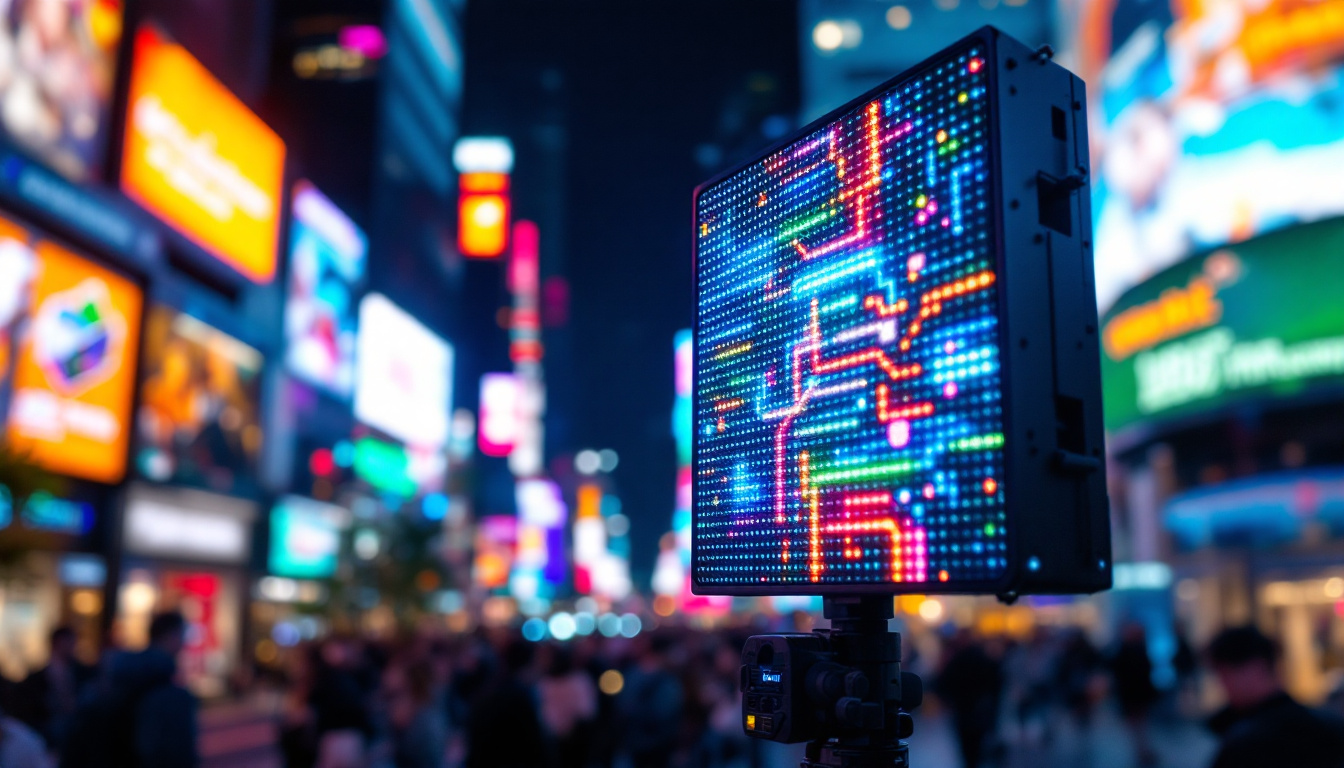
Modern LED displays often use surface-mounted device (SMD) LEDs, which are tiny, highly efficient diodes mounted directly onto circuit boards. These SMD LEDs can be packed densely to achieve high resolution and fine pixel pitch, enabling crisp images even when viewed up close.
Pixel Pitch and Resolution
Pixel pitch refers to the distance between the centers of two adjacent pixels, usually measured in millimeters. It is a critical factor influencing the resolution and viewing distance of an LED display. Smaller pixel pitches mean more pixels per unit area, resulting in higher resolution and finer image detail.
For example, an LED display with a pixel pitch of 1.5mm is suitable for indoor environments where viewers are close to the screen, such as retail stores or conference rooms. Conversely, displays with pixel pitches of 10mm or more are designed for outdoor use, where viewers are typically farther away.
Brightness and Contrast
One of the standout advantages of LED displays is their exceptional brightness. Outdoor LED billboards can reach luminance levels exceeding 5,000 nits, making them clearly visible even in direct sunlight. This is a significant improvement over traditional LCD displays, which generally max out around 500-700 nits.
LED displays also offer superior contrast ratios because the LEDs can be turned off completely to produce true blacks, unlike LCDs that rely on backlighting. This capability enhances image depth and vibrancy, making LED displays ideal for high-impact visual content.
Applications of LED Displays Across Industries
Advertising and Digital Signage
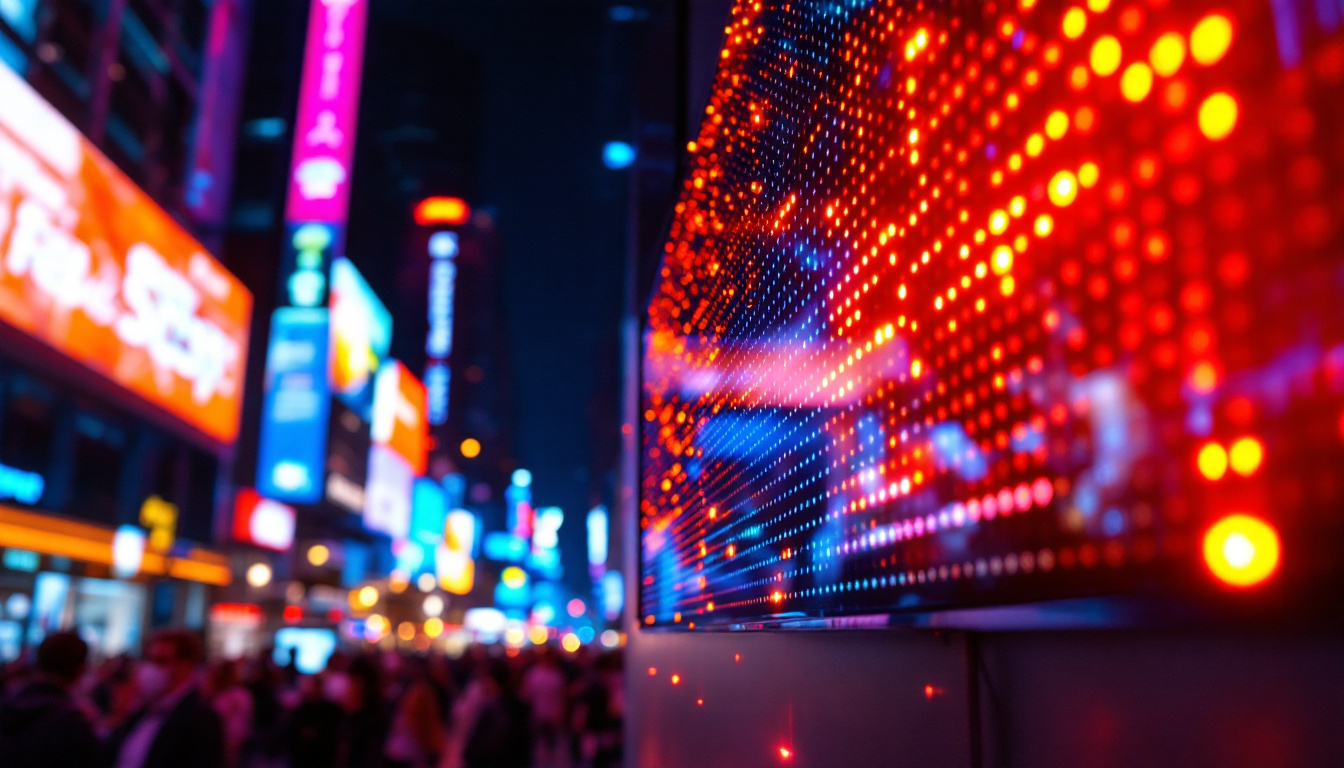
Advertising is arguably the most visible application of LED displays. Digital billboards have revolutionized outdoor advertising by enabling dynamic, eye-catching content that can be updated remotely in real-time. According to the Outdoor Advertising Association of America (OAAA), digital out-of-home (DOOH) advertising spending in the U.S. surpassed $4 billion in 2023, reflecting the growing demand for LED-based signage.
Retail stores, malls, and transportation hubs also use LED displays for digital signage to engage customers with promotions, wayfinding, and interactive content. The flexibility and brightness of LED technology make it ideal for these environments, where visibility and adaptability are crucial.
Entertainment and Sports Venues
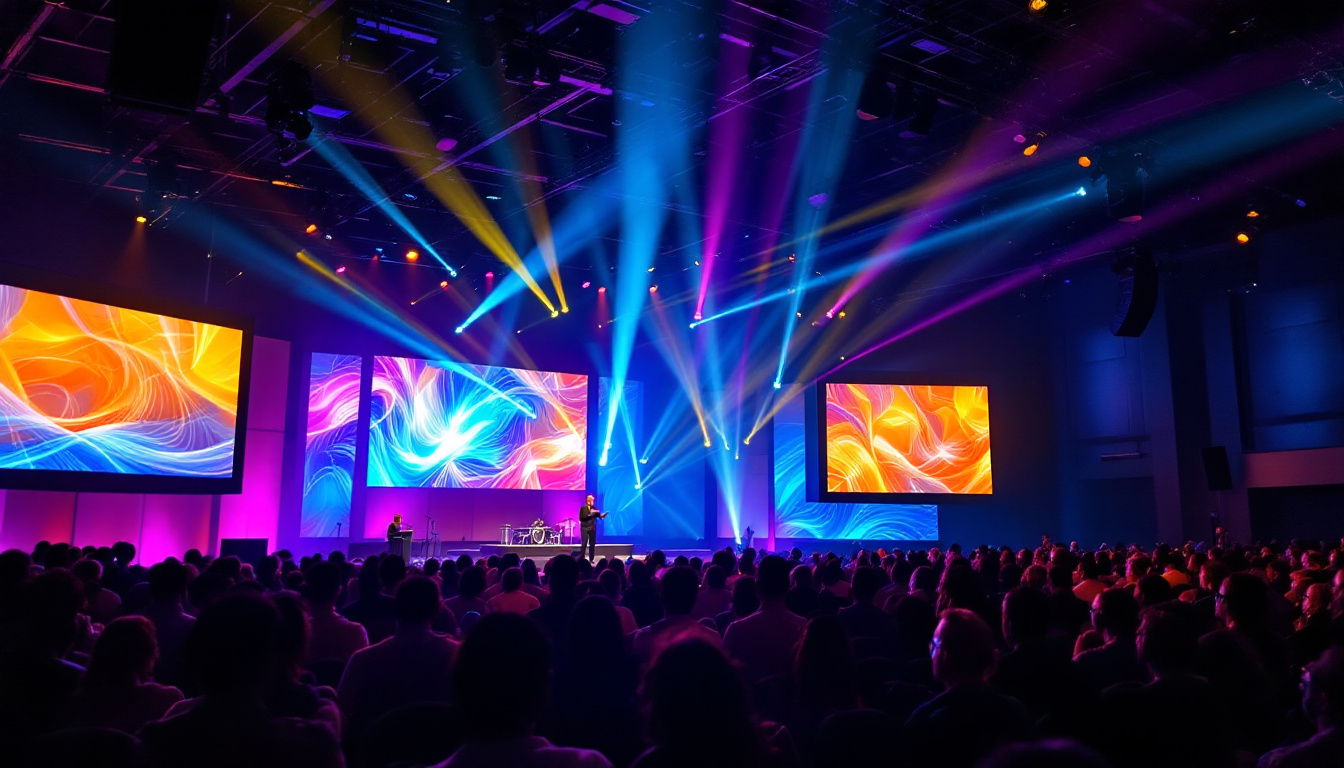
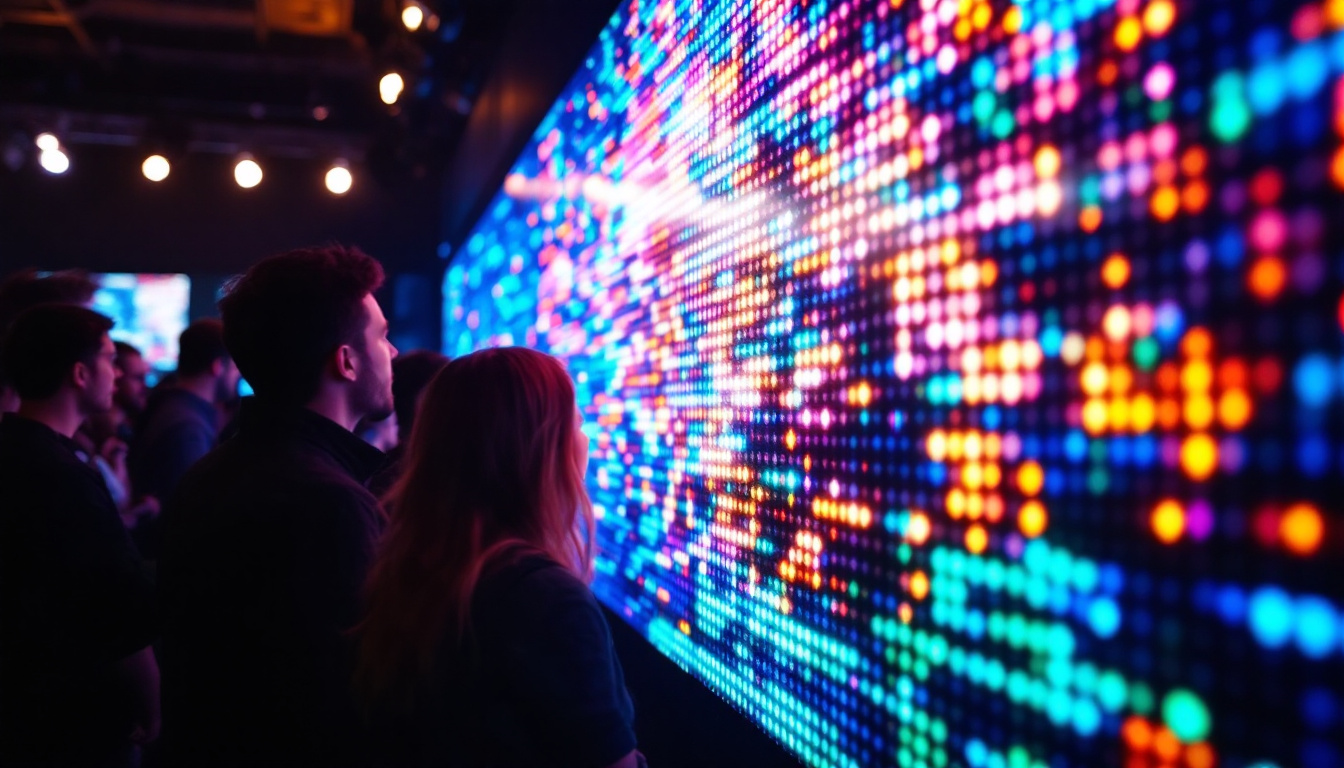
LED displays have transformed the spectator experience in sports arenas and concert venues. Massive LED screens provide real-time video feeds, replays, and immersive graphics that enhance audience engagement. For instance, the AT&T Stadium in Texas features one of the world’s largest center-hung LED video boards, measuring over 160 feet wide and 72 feet tall.
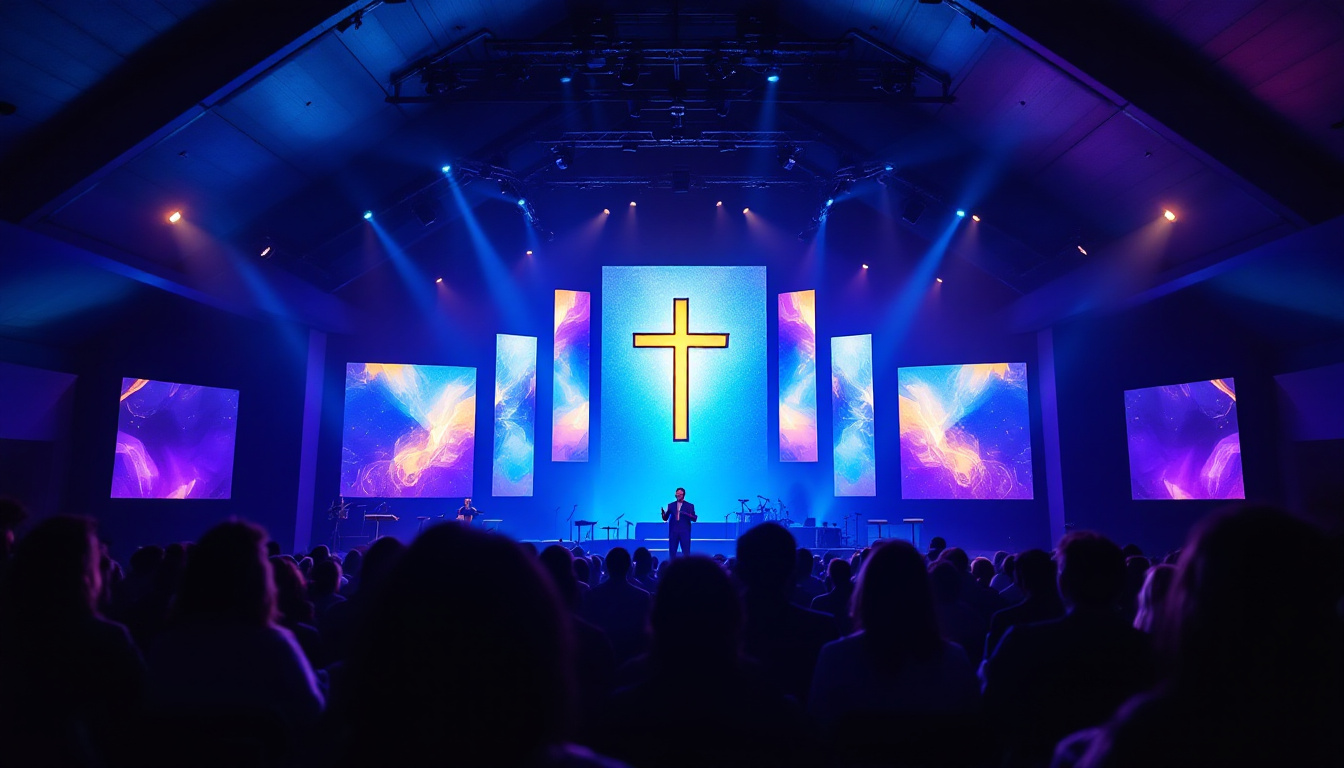
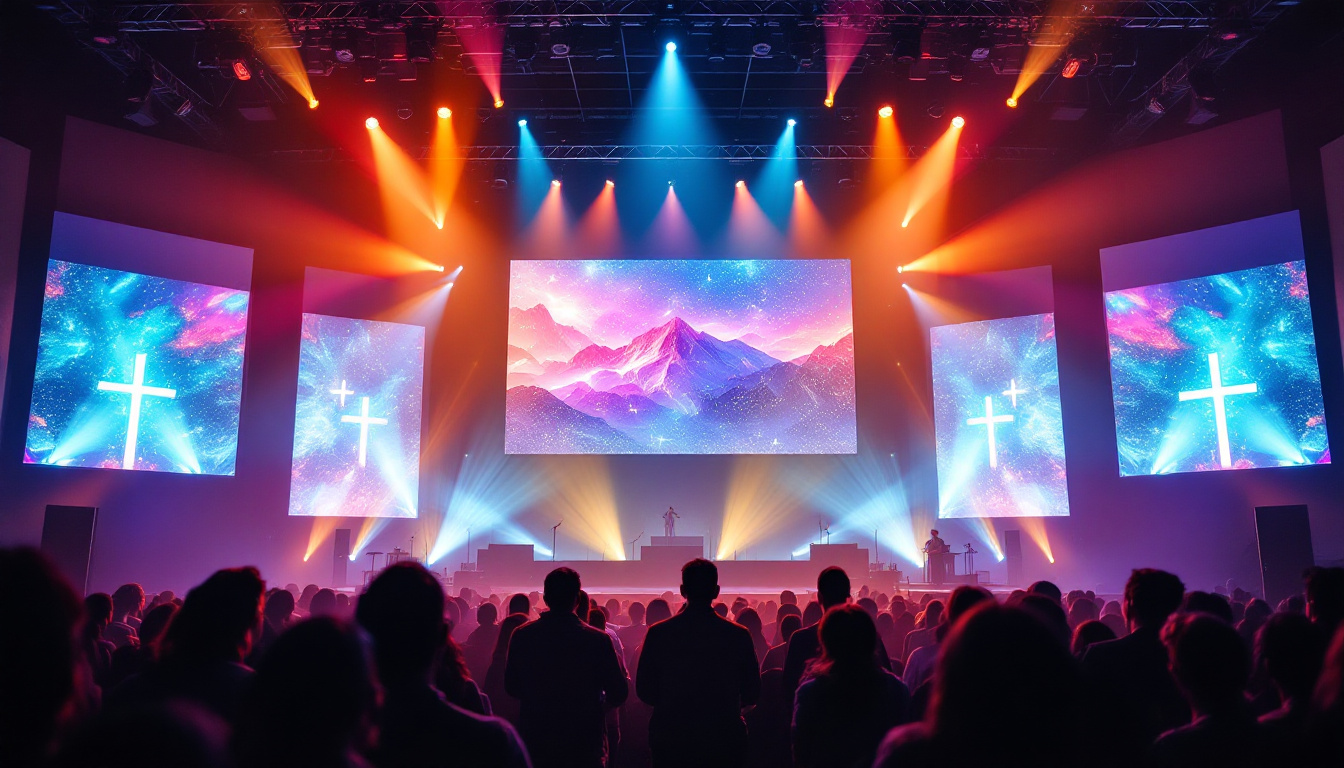
Beyond stadiums, LED walls are widely used in concerts, theater productions, and live events to create dynamic stage backdrops and visual effects. Their ability to deliver high brightness and color fidelity under various lighting conditions makes them indispensable in the entertainment industry.
Transportation and Public Information Displays
LED displays are also critical in transportation hubs such as airports, train stations, and bus terminals. They provide real-time information on schedules, delays, and safety messages. Their high visibility and reliability ensure that travelers receive timely updates even in challenging lighting conditions.
Moreover, LED technology is increasingly used in traffic signals, variable message signs, and pedestrian crossings to improve road safety and traffic management. The energy efficiency and long lifespan of LEDs reduce maintenance costs and downtime for municipalities.
Advantages of LED Displays Over Other Technologies
Energy Efficiency and Longevity
LED displays consume significantly less power compared to traditional display technologies. This energy efficiency translates into lower operational costs, especially for large-scale installations that run continuously. For example, a typical LED billboard can consume 50-70% less electricity than a comparable LCD billboard.
In addition to energy savings, LEDs have a longer lifespan, often exceeding 100,000 hours of operation. This durability reduces the frequency of replacements and maintenance, making LED displays a cost-effective investment over time.
Flexibility and Customization
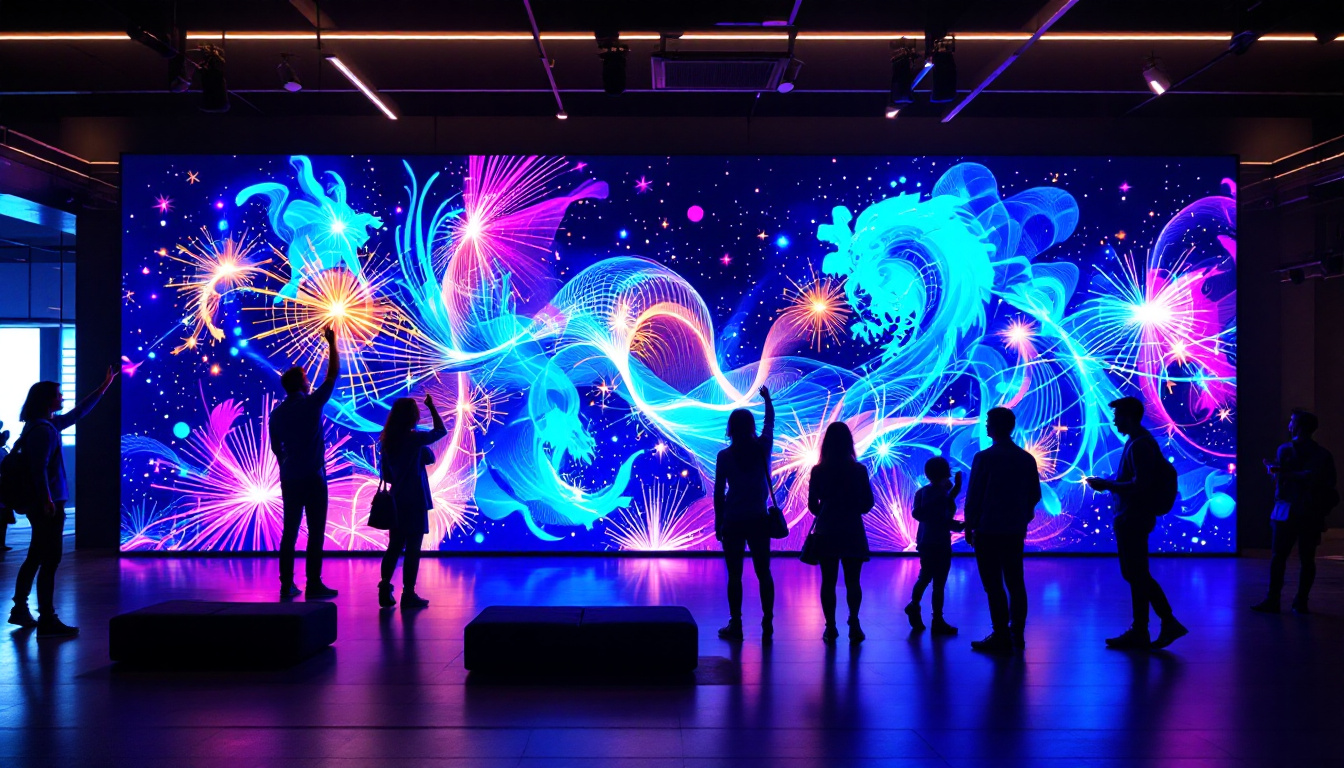
LED displays are highly customizable in terms of size, shape, and resolution. They can be configured as curved screens, transparent panels, or flexible strips to fit unique architectural designs. This versatility allows businesses and event organizers to create visually striking installations that capture attention and deliver tailored messaging.
Furthermore, LED displays support a wide range of content formats and can be integrated with advanced control systems for real-time content management, interactivity, and data analytics. This adaptability is a key reason why LED technology continues to dominate the digital display market.
Environmental Impact
Compared to older display technologies, LEDs have a smaller environmental footprint. They contain no hazardous materials like mercury, which is found in some fluorescent backlights. Additionally, their lower power consumption reduces greenhouse gas emissions associated with electricity generation.
Many manufacturers also focus on sustainable production practices and recyclable materials, further enhancing the eco-friendliness of LED displays. As environmental regulations tighten globally, the demand for greener display solutions is expected to drive continued innovation in LED technology.
Emerging Trends and the Future of LED Displays
MicroLED and MiniLED Technologies
The next frontier in LED display technology lies in microLED and miniLED innovations. MicroLEDs are microscopic LEDs that can be assembled into displays with even higher resolution, better color accuracy, and improved energy efficiency than current SMD LEDs. This technology promises to rival OLED displays in picture quality while avoiding issues like burn-in.
MiniLEDs, slightly larger than microLEDs, are being used to enhance LCD backlighting, offering better contrast and brightness. Both technologies are gaining traction in premium televisions, smartphones, and commercial displays, signaling a shift toward more advanced LED solutions.
Integration with Smart Technologies
LED displays are increasingly integrated with Internet of Things (IoT) and artificial intelligence (AI) to enable smarter, more interactive experiences. For example, digital signage can use AI-powered analytics to tailor content based on audience demographics or environmental conditions.
Smart LED displays can also connect with mobile devices, enabling interactive advertising campaigns and seamless user engagement. This convergence of LED technology with digital intelligence is opening new possibilities in marketing, entertainment, and public communication.
Sustainability and Circular Economy Initiatives
As sustainability becomes a priority, manufacturers and users of LED displays are adopting circular economy principles. This includes designing displays for easier disassembly, recycling components, and extending product lifecycles through modular upgrades.
Such initiatives not only reduce waste but also lower costs and improve resource efficiency. The LED display industry is poised to lead in sustainable innovation, aligning with global efforts to combat climate change and promote responsible consumption.
Conclusion
LED displays have revolutionized how information and entertainment are delivered in public and private spaces. Their superior brightness, energy efficiency, and versatility make them the preferred choice across numerous industries. As technology advances with microLEDs, smart integrations, and sustainability initiatives, LED displays will continue to evolve, offering richer experiences and greater environmental benefits.
Understanding the fundamentals of LED technology empowers businesses, advertisers, and consumers to make informed decisions about deploying and interacting with these dynamic displays. Whether illuminating a bustling cityscape or enhancing a corporate event, LED displays are lighting the way toward a more connected and visually engaging future.
Illuminate Your Space with LumenMatrix
Ready to elevate your visual presence and captivate your audience like never before? Discover the innovative world of LumenMatrix LED display solutions, where cutting-edge technology meets creative design. From the immersive Indoor LED Wall Display to the striking Outdoor LED Wall Display, and from the dynamic Vehicle LED Display to the sleek LED Poster Display, LumenMatrix offers a diverse range of products tailored to your unique needs. Embrace the future of visual communication with our LED Sports Display, Floor LED Display, Custom LED Display, All-in-One LED Display, and LED Transparent Display. Don’t just share your message—make it resonate with clarity and impact. Check out LumenMatrix LED Display Solutions today and transform your space into a beacon of engagement.