In modern interior design and architectural acoustics, the integration of technology and aesthetics has become increasingly important. One innovation that has gained traction is the use of sound boards for walls combined with LED displays. This fusion not only enhances sound quality within a space but also adds dynamic visual elements, transforming plain walls into interactive, vibrant surfaces. This article delves into the concept of sound boards for walls, explains how LED displays can be incorporated, and explores their benefits, applications, and installation considerations.
Understanding Sound Boards for Walls
What Is a Sound Board?
A sound board, often referred to as an acoustic panel, is a material or device designed to control sound within a room by absorbing, diffusing, or blocking sound waves. These panels reduce echo, reverberation, and background noise, improving the overall acoustic quality of the space. Traditionally, sound boards are made from materials like fiberglass, foam, or wood, and they are strategically placed on walls or ceilings to optimize sound performance.
The primary function of sound boards is to enhance audio clarity—whether in recording studios, home theaters, conference rooms, or public venues. By managing sound reflections, these panels ensure that speech and music are crisp and intelligible, reducing listener fatigue and improving communication. In environments where sound quality is paramount, such as concert halls or lecture theaters, the use of sound boards can be the difference between a mediocre experience and an exceptional one. Their ability to create a more immersive auditory environment is why they are increasingly being integrated into modern architectural designs.
Types of Sound Boards
Sound boards come in various forms depending on their acoustic properties and design. Common types include:
- Absorptive Panels: Made from porous materials that soak up sound waves, reducing echo and reverberation.
- Diffusive Panels: Designed to scatter sound waves evenly across a space, preventing hotspots and dead zones.
- Resonant Panels: These panels target specific frequencies, often used to control bass or midrange sounds.
- Composite Panels: Combining absorption and diffusion, these panels offer balanced acoustic treatment.
Choosing the right type depends on the room’s size, purpose, and the desired acoustic effect. For instance, a small home office may benefit from absorptive panels to minimize distractions, while a larger venue like a theater might require a combination of diffusive and resonant panels to achieve a rich, full sound. Additionally, aesthetics play a crucial role; many manufacturers now offer customizable options that blend seamlessly with interior design, allowing sound boards to serve both functional and decorative purposes. As awareness of sound quality grows, so does the innovation in materials and designs, making it easier than ever to find the perfect solution for any space.
The Role of LED Displays in Modern Wall Sound Boards
What Are LED Displays?
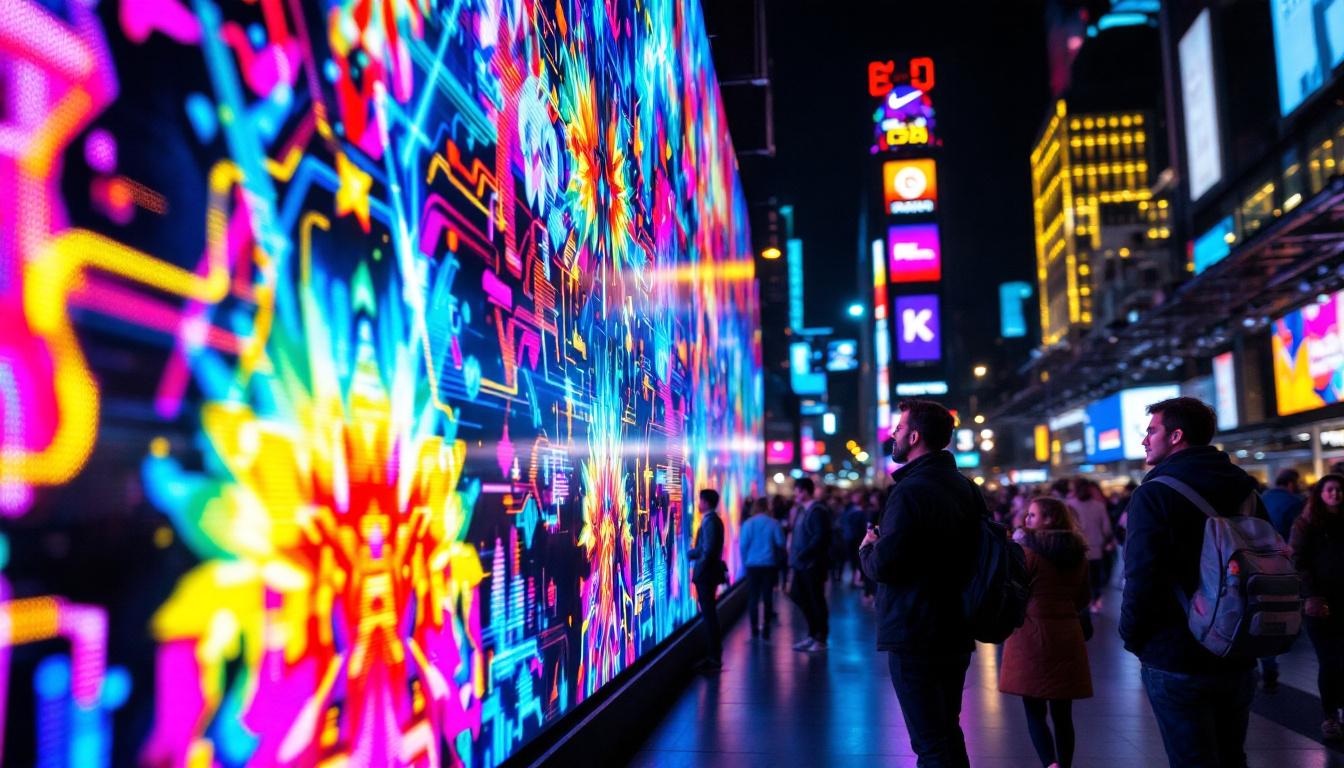
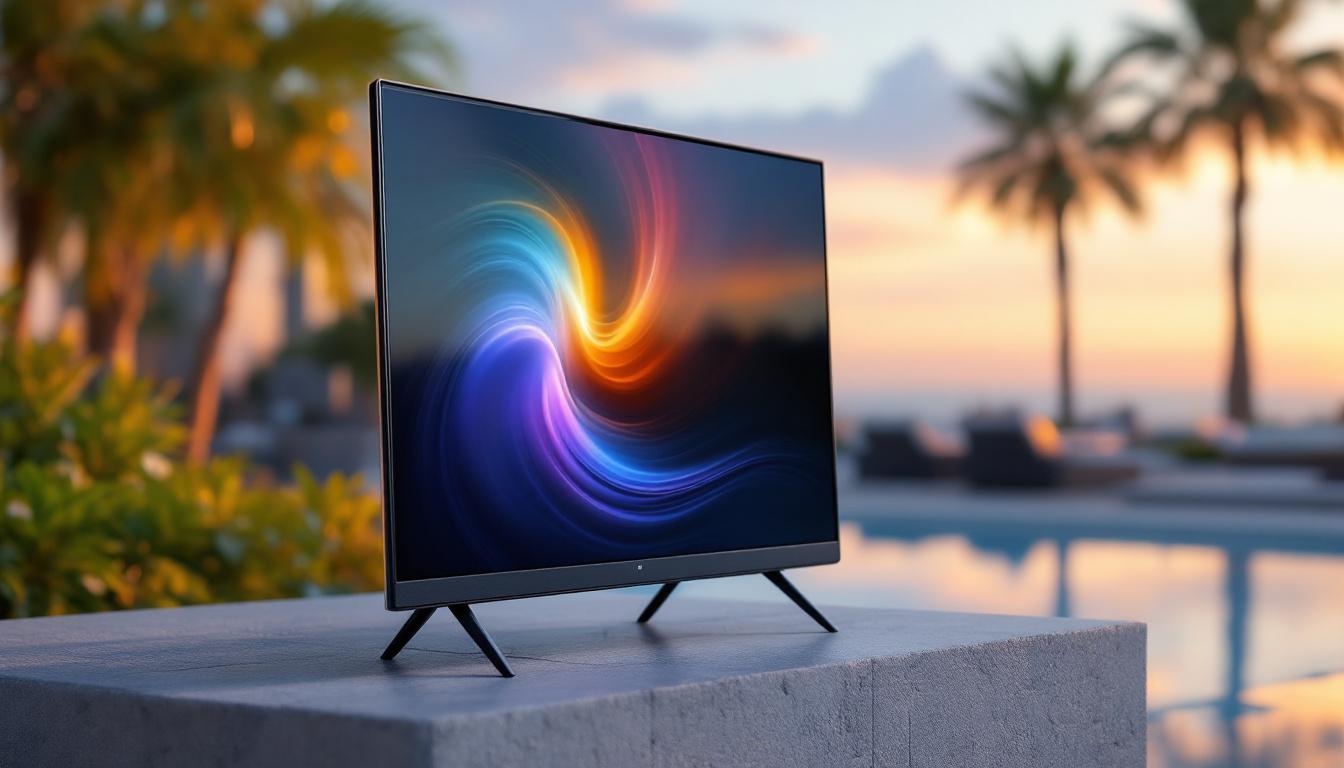
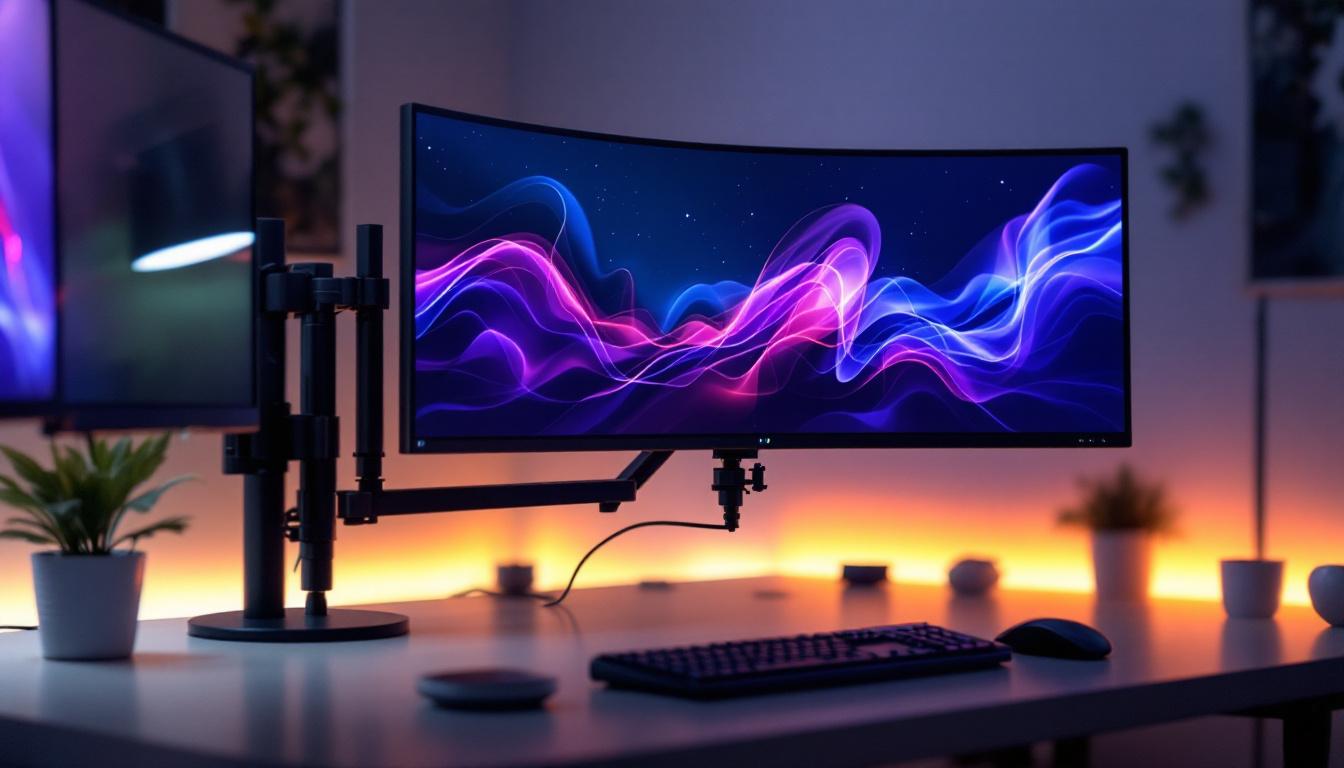
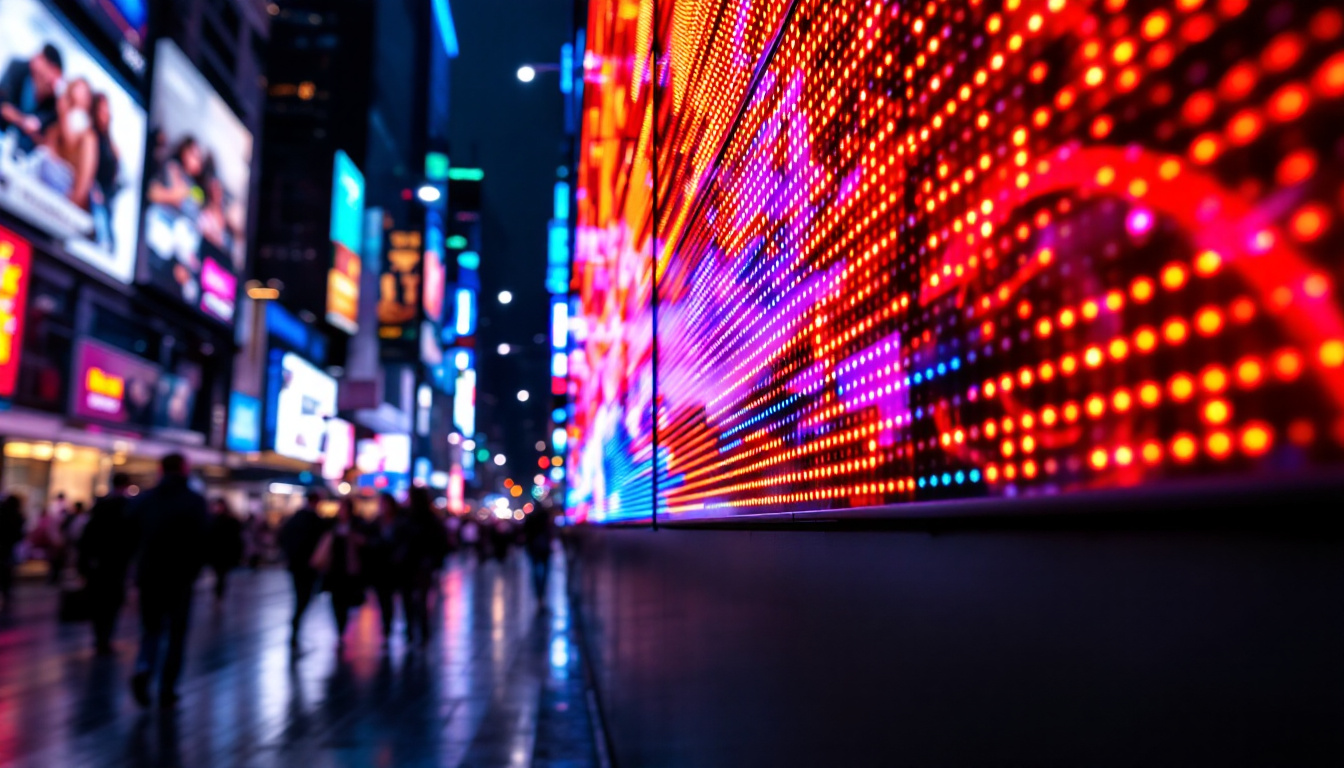
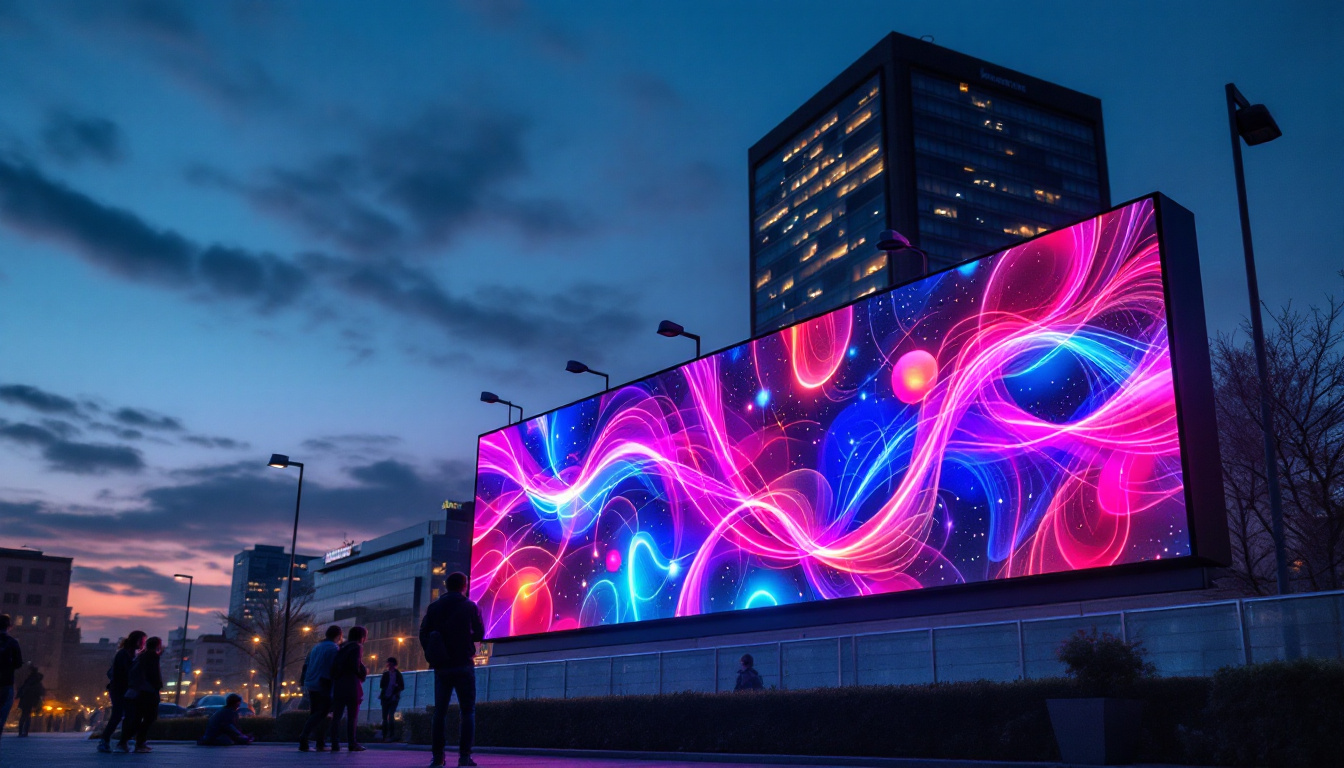
LED (Light Emitting Diode) displays are screens made up of numerous tiny LEDs that emit light when an electric current passes through them. They are widely used in digital signage, televisions, and interactive installations due to their brightness, energy efficiency, and versatility. LED displays can range from simple panels showing static images to complex, high-resolution screens capable of displaying video content and dynamic graphics. Their ability to produce vibrant colors and sharp images makes them an ideal choice for capturing attention in various environments, from bustling city streets to intimate indoor settings.
Integrating LED Displays with Sound Boards
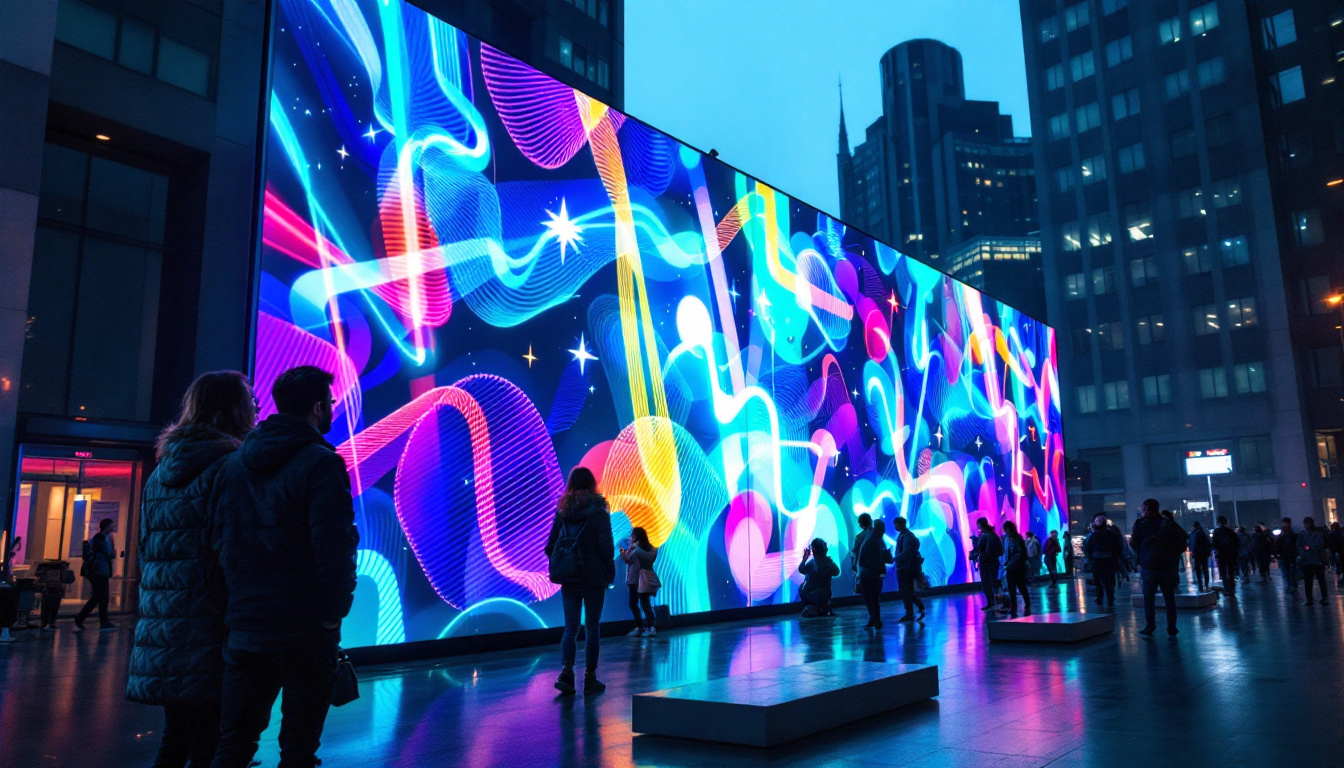
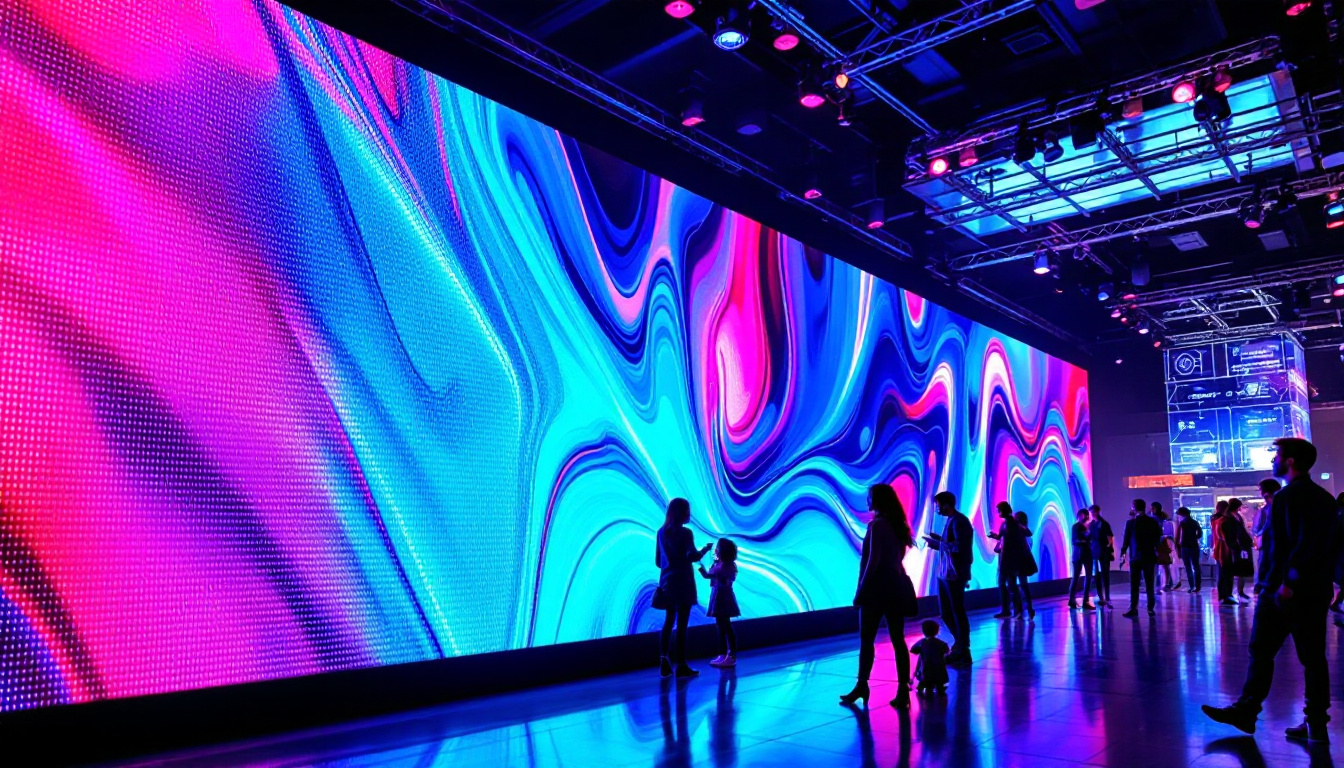
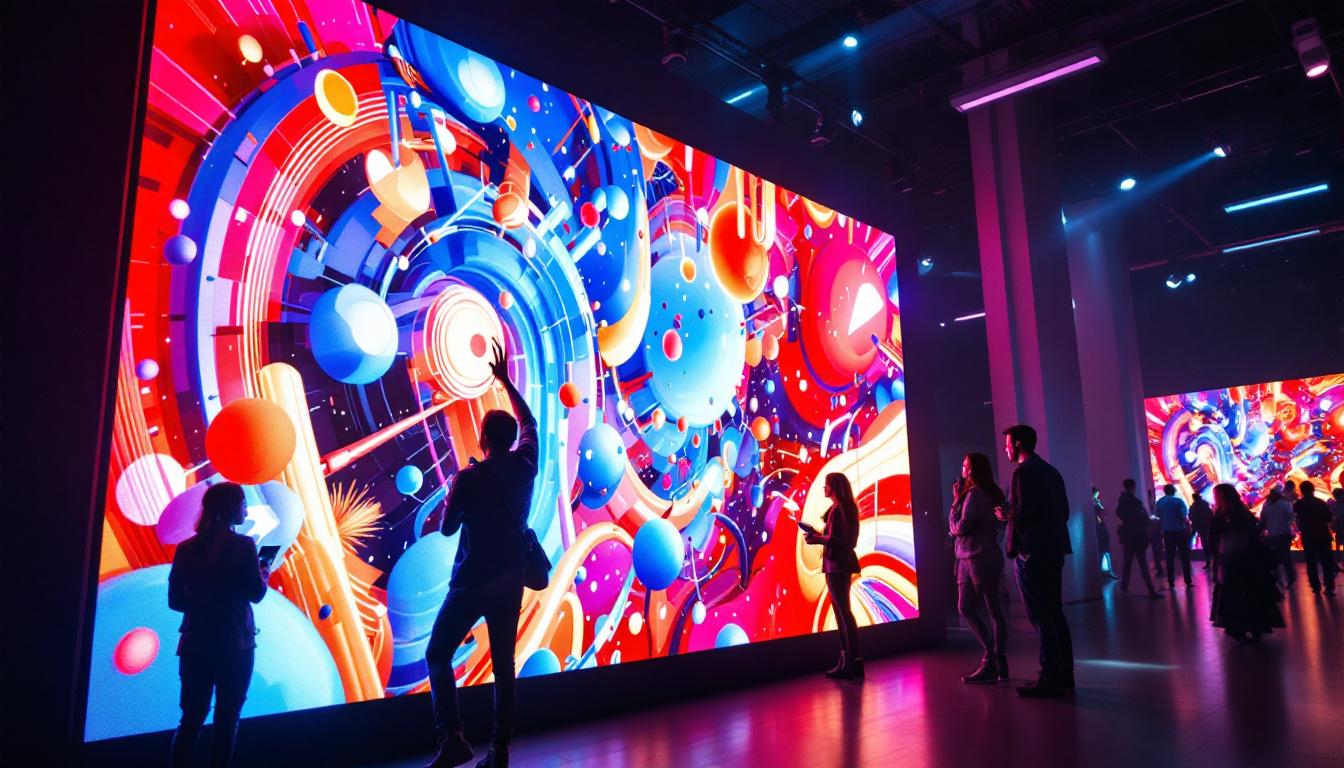
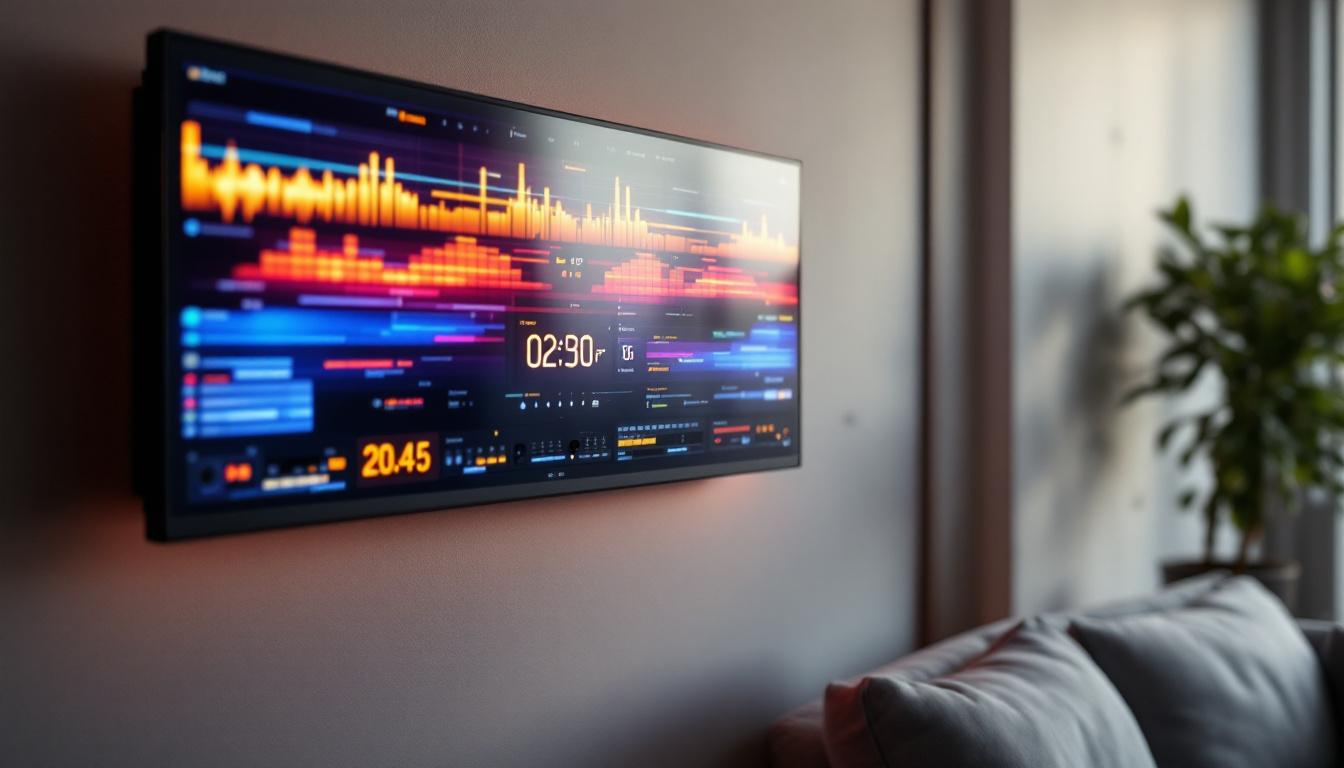
The integration of LED displays with sound boards represents a convergence of acoustic engineering and digital technology. This combination allows walls not only to manage sound effectively but also to serve as engaging visual mediums. For example, an LED display can show real-time sound levels, visualizations of music, ambient lighting effects, or even interactive content synchronized with audio playback. This synergy enhances the overall sensory experience, making events more memorable and engaging for audiences.
Such integration requires careful consideration of materials and design. The sound board must maintain its acoustic properties while supporting the LED display’s weight and electrical components. Advanced manufacturing techniques enable the creation of composite panels where acoustic materials are layered or embedded with LED modules. This innovation not only optimizes sound absorption but also allows for creative design possibilities, enabling architects and designers to push the boundaries of traditional wall aesthetics.
Benefits of Combining Sound Boards and LED Displays
There are several advantages to merging these technologies:
- Enhanced Ambiance: LED visuals can complement the acoustic environment, creating immersive experiences in entertainment venues, restaurants, or corporate spaces. The combination of sound and light can evoke emotions and set the mood, enhancing the overall atmosphere and engagement of the audience.
- Space Efficiency: Instead of separate installations for sound treatment and displays, a combined panel saves wall space and reduces clutter. This is particularly beneficial in urban environments where real estate is at a premium, allowing for more creative use of space without sacrificing functionality.
- Interactive Functionality: LED displays can react to sound inputs, providing visual feedback or interactive elements for users. This interactivity can transform passive viewers into active participants, fostering a deeper connection with the content being presented.
- Customizable Design: Panels can be tailored to specific aesthetic and acoustic requirements, blending technology seamlessly into interior design. From customizable shapes and sizes to a wide variety of colors and finishes, these integrated systems can be designed to fit any theme or branding, making them a versatile choice for any setting.
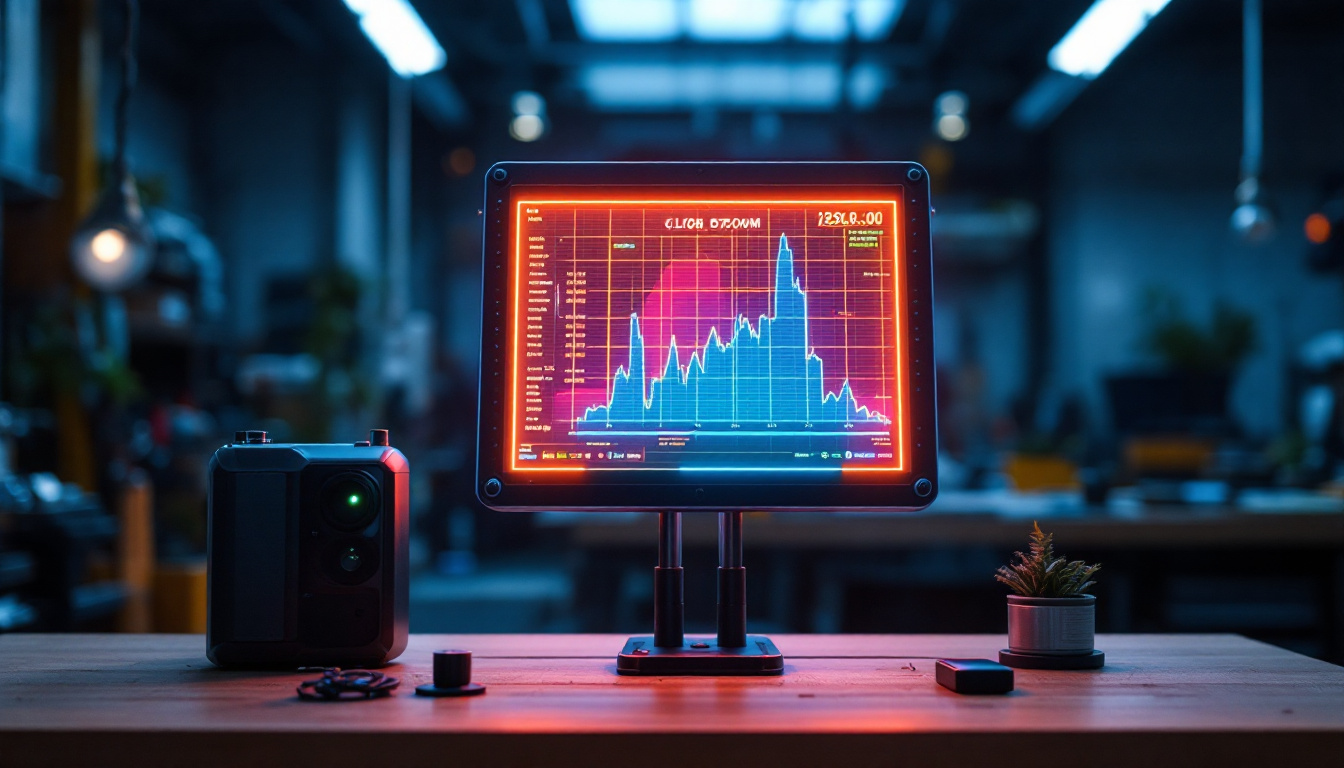
Moreover, the use of LED displays in sound boards can also facilitate advanced data visualization. For instance, in a corporate environment, real-time analytics related to sound performance can be displayed, allowing for immediate adjustments and improvements. This capability not only enhances operational efficiency but also empowers teams to make informed decisions based on live feedback. In educational settings, the combination can be utilized to create engaging learning environments where sound and visuals work in harmony to enhance comprehension and retention of information.
Applications of Sound Boards with LED Displays
Commercial and Public Spaces
In shopping malls, airports, and conference centers, managing sound quality is essential to reduce noise pollution and improve communication. Incorporating LED displays into sound boards allows these spaces to convey information visually while maintaining acoustic comfort. For instance, digital wayfinding signs can be embedded into acoustic panels, providing directions alongside noise reduction.
Moreover, in retail environments, LED-enhanced sound boards can create dynamic advertising backdrops that attract attention without compromising the auditory experience.
Entertainment and Performance Venues
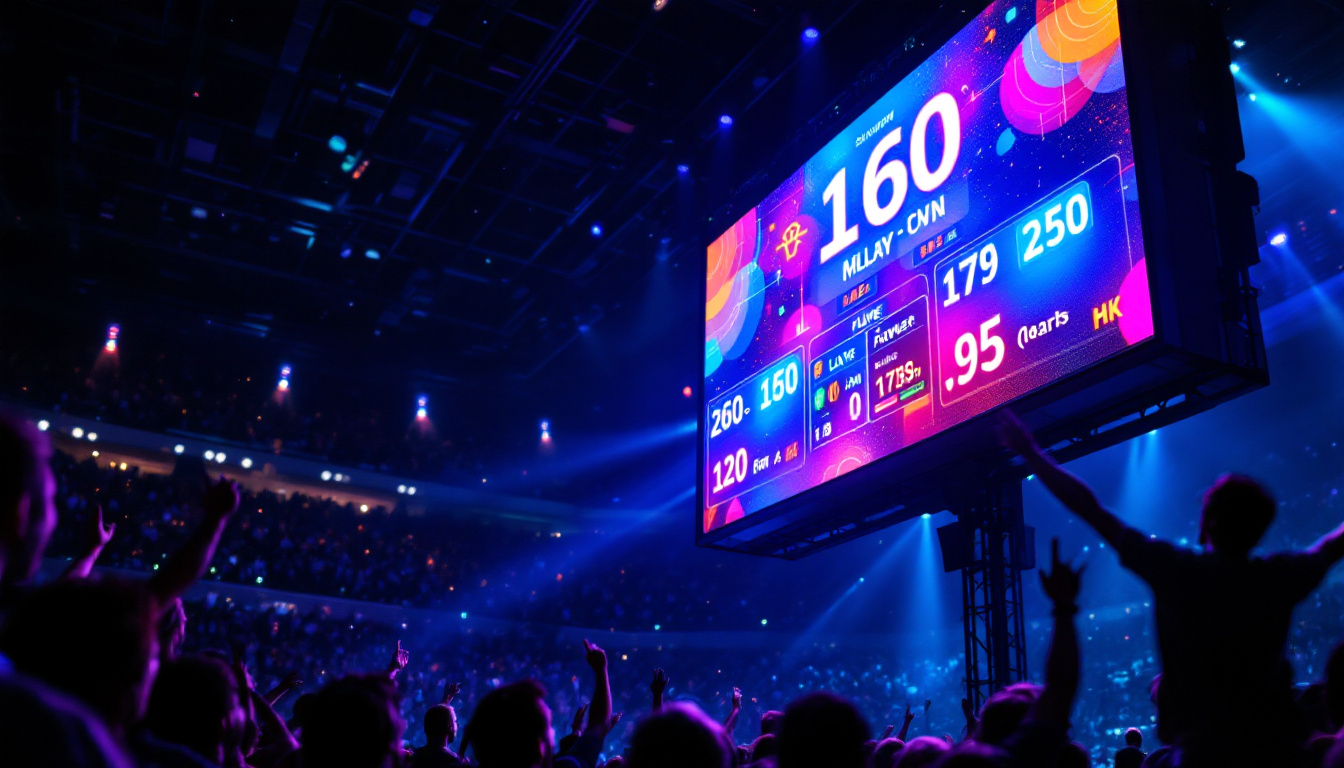
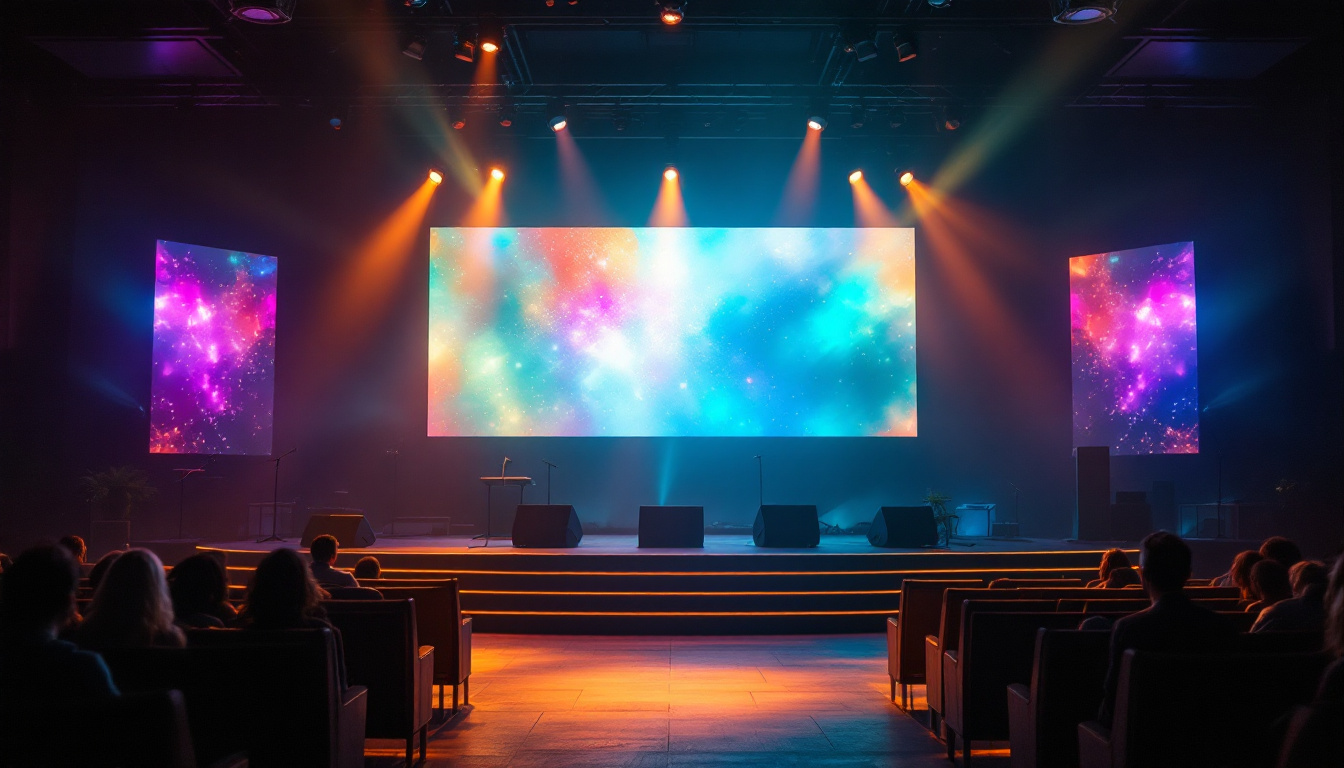
Theaters, concert halls, and clubs benefit significantly from this technology. Sound boards ensure optimal acoustics for performers and audiences, while LED displays add visual flair to performances. LED panels can display synchronized visuals, lyrics, or ambient effects that react in real-time to music.
This synergy elevates the overall sensory experience, making events more engaging and memorable.
Corporate and Educational Settings
Meeting rooms, lecture halls, and classrooms often struggle with poor acoustics, which can hinder communication and learning. Sound boards improve speech intelligibility, while LED displays provide a platform for presentations, video conferencing, or interactive teaching tools.
Integrating these technologies into a single wall panel streamlines the room’s design and enhances functionality.
Residential Use
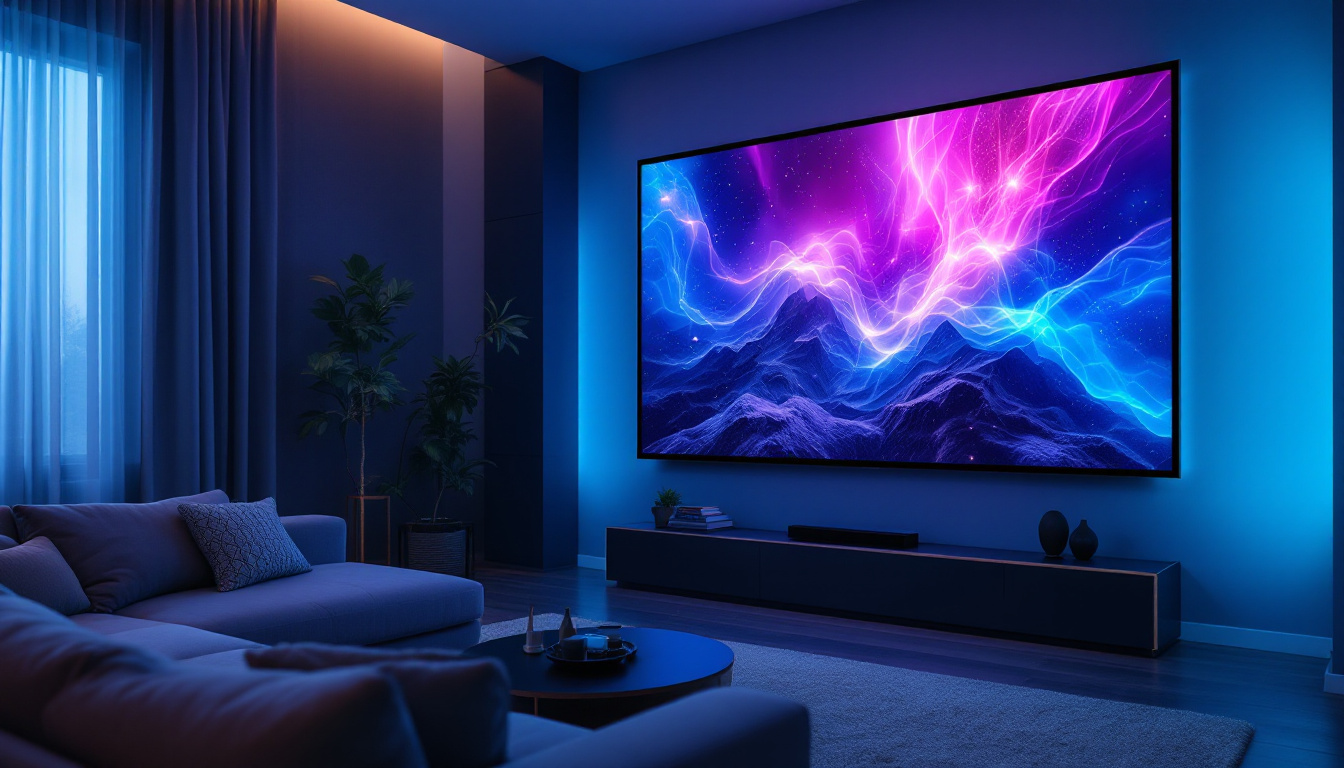
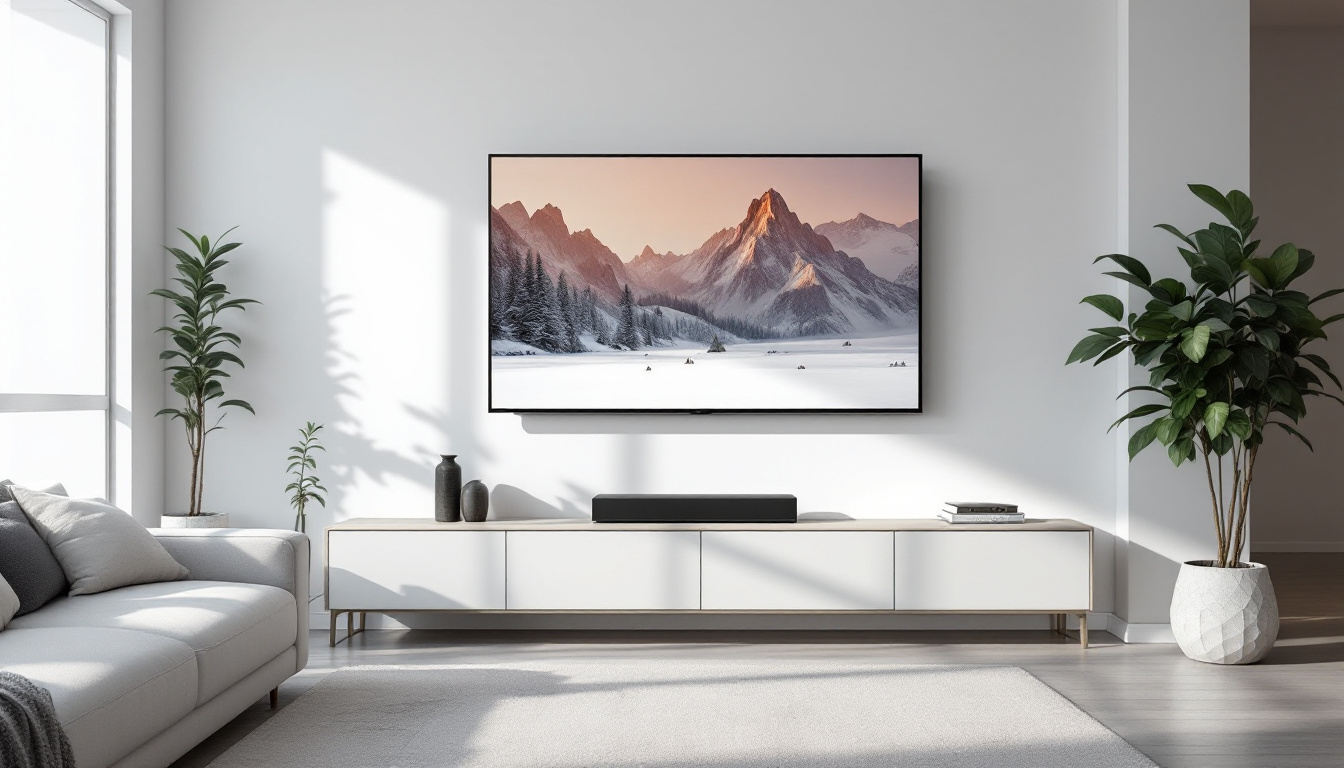
Home theaters and media rooms are increasingly adopting professional acoustic treatments. Incorporating LED displays into sound boards allows homeowners to enjoy superior sound quality alongside customizable ambient lighting or visual art. This combination can transform a living space into a high-tech entertainment hub.
Technical Considerations for Installation
Material Compatibility and Acoustic Performance
When combining LED displays with sound boards, it is crucial to ensure that the materials used do not compromise acoustic performance. For example, LED modules should be mounted in a way that does not create reflective surfaces or gaps that allow sound leakage.
Manufacturers often use perforated or micro-perforated panels that allow sound waves to pass through to the absorptive material behind while supporting the LED components on the surface. This design maintains the panel’s sound absorption capabilities.
Electrical and Structural Requirements
LED displays require power and data connections, which must be discreetly integrated into the wall system. This often involves routing cables through the wall or panel structure without interfering with acoustic materials.
Additionally, the wall and panel framework must support the weight of the LED display safely. Professional installation is recommended to ensure compliance with building codes and safety standards.
Maintenance and Durability
Both sound boards and LED displays require maintenance to perform optimally. Acoustic panels may need cleaning to remove dust that can affect sound absorption, while LED modules require regular checks for functionality and brightness consistency.
Choosing durable materials and designing panels for easy access can minimize maintenance challenges.
Future Trends and Innovations
Smart Acoustic Walls
Advancements in IoT (Internet of Things) technology are paving the way for smart acoustic walls that adjust their properties dynamically. Embedded sensors can monitor sound levels and automatically modify LED display content or acoustic panel configurations to optimize the environment.
Customizable and Modular Systems
Modular sound board and LED display systems allow users to customize panel size, shape, and function. This flexibility supports evolving needs in commercial and residential spaces, enabling upgrades or reconfigurations without extensive renovations.
Eco-Friendly Materials
As sustainability becomes a priority, manufacturers are developing eco-friendly acoustic materials and energy-efficient LED technologies. Panels made from recycled or biodegradable materials, combined with low-power LED displays, reduce environmental impact while maintaining high performance.
Conclusion
The integration of sound boards for walls with LED displays represents a significant advancement in interior design and acoustic engineering. This combination enhances sound quality while adding dynamic visual elements, creating multifunctional wall surfaces that cater to modern aesthetic and technological demands.
From commercial environments to residential spaces, the benefits of improved acoustics combined with interactive lighting and display capabilities are clear. As technology continues to evolve, these systems will become more adaptable, intelligent, and sustainable, offering exciting possibilities for architects, designers, and end-users alike.
Understanding the technical requirements and applications of sound boards with LED displays is essential for anyone looking to optimize their space’s acoustic and visual experience. With careful planning and professional installation, these innovative panels can transform ordinary walls into extraordinary sensory environments.
Discover LumenMatrix’s Innovative LED Display Solutions
Ready to elevate your space with the latest in LED display technology? LumenMatrix offers a wide range of cutting-edge solutions tailored to your needs, from Indoor and Outdoor LED Wall Displays to specialized options like Vehicle, Sports, and Floor LED Displays. Whether you’re looking to create an immersive home theater experience or captivate your audience in a commercial setting, LumenMatrix’s Custom and All-in-One LED Displays, along with their revolutionary Transparent Displays, are designed to bring your vision to life. Check out LumenMatrix LED Display Solutions today and transform your environment into a dynamic visual showcase.