In the world of sports, the atmosphere inside a stadium or arena plays a pivotal role in the overall fan experience. One of the most influential elements contributing to this atmosphere is the sports jumbotron—those massive LED displays that captivate audiences with live action, replays, scores, and interactive content. But what exactly is a sports jumbotron, how does it work, and why has LED technology become the gold standard for these displays? This article delves into the intricacies of sports jumbotrons, exploring their technology, evolution, and impact on sports entertainment.
Understanding the Sports Jumbotron: What Is It?
The term “jumbotron” originally referred to a specific brand of large-screen video displays developed in the 1980s. Over time, it has become a generic term used to describe any large-scale video screen installed in sports venues. These displays are designed to provide fans with real-time visuals, including live game footage, instant replays, player statistics, advertisements, and crowd engagement activities.
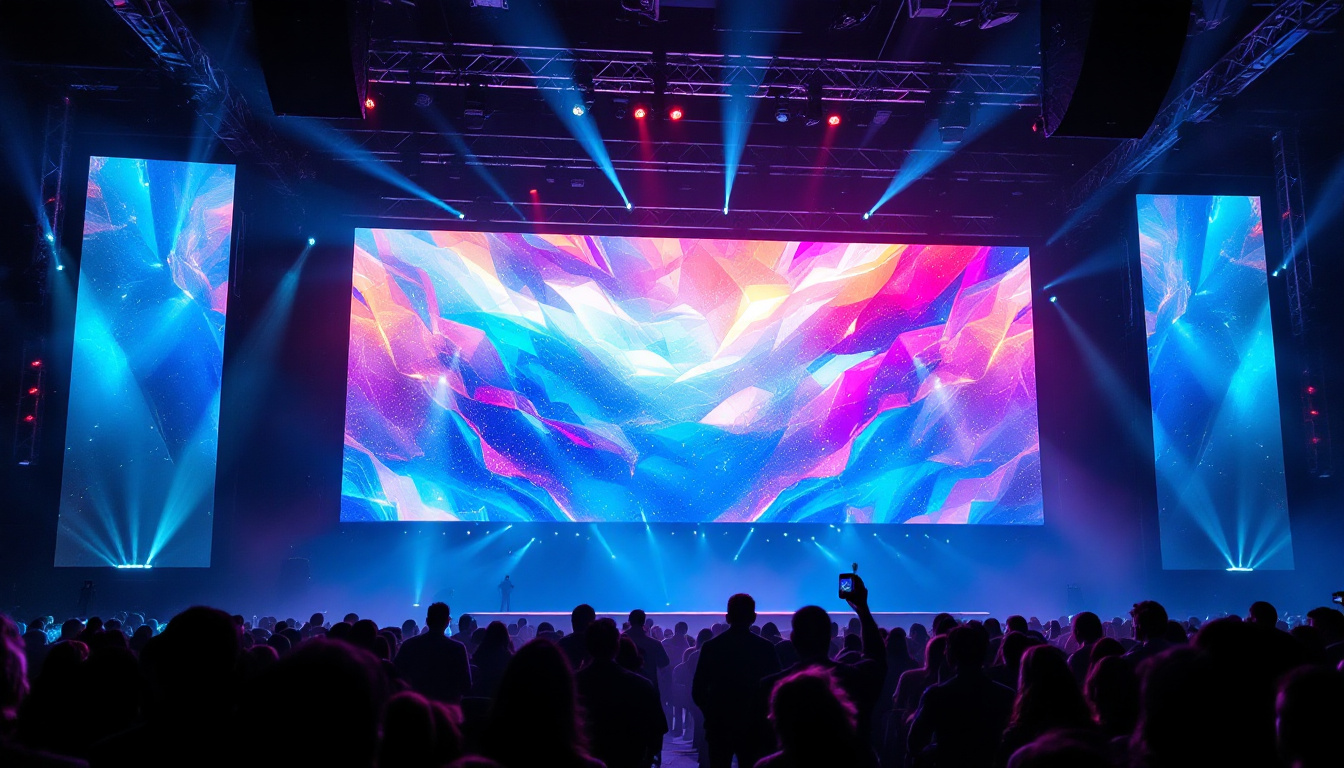
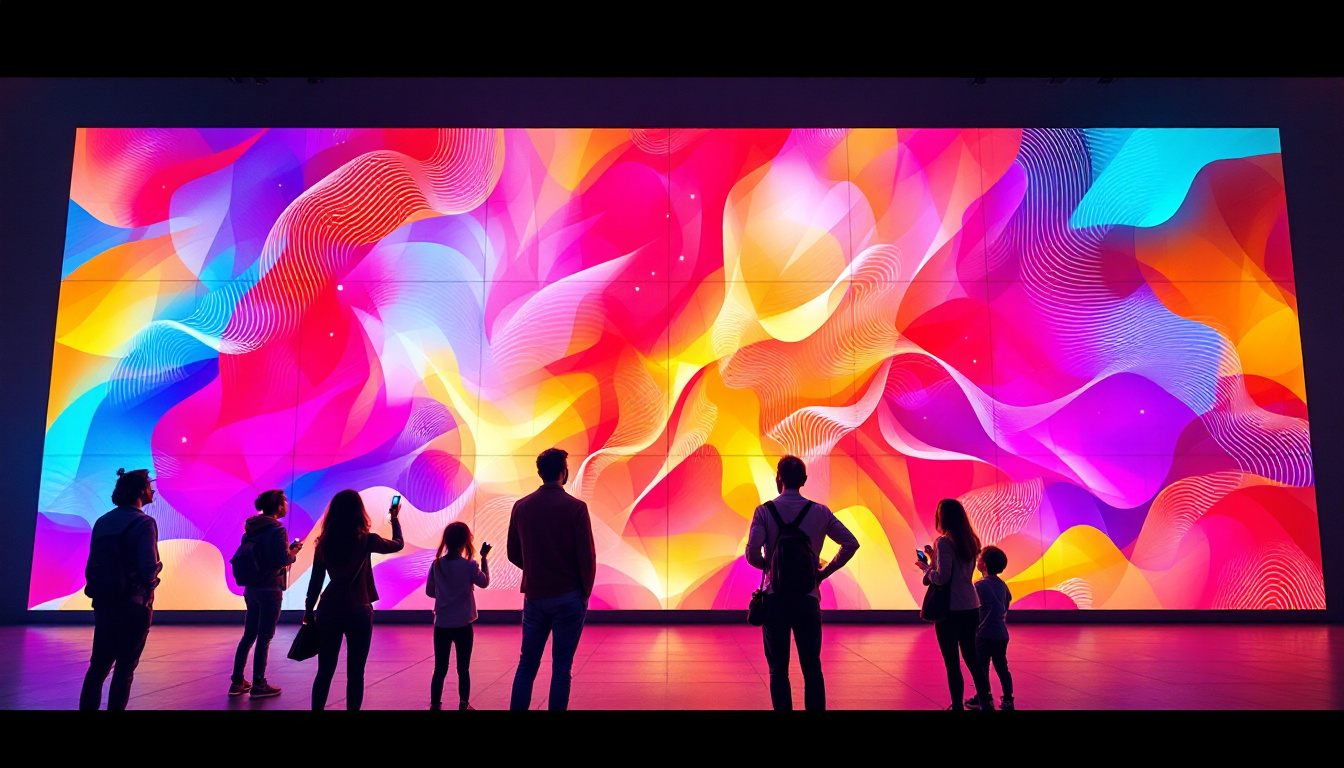
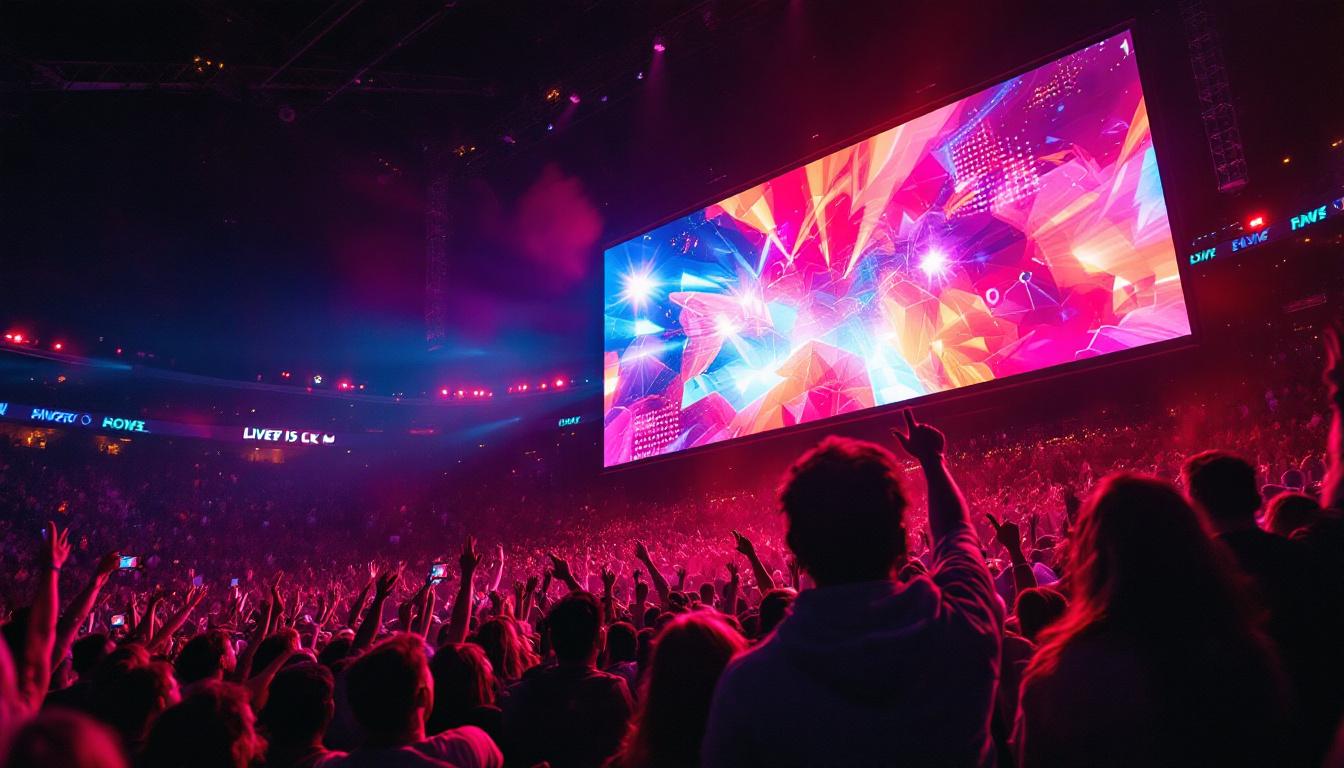
Modern sports jumbotrons are typically massive LED (Light Emitting Diode) video walls that can span thousands of square feet. They are engineered to be visible from long distances and under various lighting conditions, including direct sunlight. Their size and brightness make them essential tools for enhancing the spectator experience, especially in large stadiums where fans may be seated far from the action. The technology behind these displays has evolved significantly, with advancements in resolution and refresh rates allowing for crystal-clear images and smooth motion, which are crucial for capturing the excitement of live sports.
In addition to their visual capabilities, jumbotrons are often equipped with sophisticated audio systems that complement the visuals, creating an immersive experience for fans. This integration of sound and sight is designed to evoke emotions and heighten the atmosphere during games, making every touchdown, goal, or home run feel even more exhilarating. Moreover, the ability to synchronize video content with live announcements or music can transform the stadium into a vibrant entertainment hub, engaging fans not just as spectators but as active participants in the event.
Key Functions of a Sports Jumbotron
Beyond simply displaying the live game, jumbotrons serve multiple purposes:
- Instant Replays: Allowing fans to see critical moments again, often from multiple angles.
- Score and Stats Display: Keeping spectators updated with real-time scores, player stats, and game progress.
- Fan Engagement: Interactive content such as crowd cams, trivia, and social media feeds.
- Advertising: A significant revenue stream for venues through dynamic advertisements.
- Event Information: Announcements, schedules, and emergency notifications.
Moreover, jumbotrons are increasingly being used for community engagement initiatives, showcasing local events, charity drives, and public service announcements. This not only fosters a sense of community among fans but also strengthens the bond between the sports team and its supporters. As technology continues to advance, the potential for jumbotrons to incorporate augmented reality (AR) and virtual reality (VR) elements is becoming a reality, promising even more innovative ways to engage audiences and enhance the live sports experience.
The Evolution of Jumbotron Technology
Jumbotron technology has undergone significant transformation since its inception. The earliest large screens used cathode ray tube (CRT) technology or rear projection systems, which were bulky, expensive, and limited in brightness and resolution.
With the advent of LED technology, sports venues began transitioning to LED-based jumbotrons in the late 1990s and early 2000s. LEDs offered several advantages, including higher brightness, better color accuracy, lower power consumption, and greater durability.
From CRT to LED: A Technological Leap
Early jumbotrons, such as the first one installed at the 1985 World’s Fair in Japan, used CRTs that were heavy and required complex maintenance. The image quality was also limited, especially in outdoor environments where sunlight could wash out the display.
LED technology revolutionized the industry by enabling displays that are:
- Brighter: Modern LED jumbotrons can reach brightness levels exceeding 5,000 nits, ensuring visibility even in direct sunlight.
- More Energy-Efficient: LEDs consume less power compared to older technologies, reducing operational costs.
- Modular and Scalable: LED panels can be assembled in various sizes and shapes, allowing for custom installations.
- Durable: Resistant to weather, temperature fluctuations, and physical impact.
Resolution and Pixel Pitch
One of the critical factors in LED display quality is pixel pitch—the distance between the centers of two adjacent pixels. A smaller pixel pitch means higher resolution and sharper images, which is particularly important for close-up viewing.
Sports jumbotrons typically have pixel pitches ranging from 4mm to 20mm, depending on the viewing distance. For example, a jumbotron with a 10mm pixel pitch is ideal for viewers seated far from the screen, while indoor arenas with closer seating may opt for 4mm or 6mm pixel pitch displays for enhanced clarity.
How LED Sports Jumbotrons Work
LED jumbotrons consist of thousands of tiny LEDs arranged in a grid to form pixels. Each pixel is made up of red, green, and blue LEDs that combine to produce a full spectrum of colors. By controlling the brightness of each LED, the display can render images, videos, and text in vivid detail.
Modular Design for Maintenance and Flexibility
The modular nature of LED panels allows for easy installation and maintenance. Each panel is a self-contained unit with its own LEDs, power supply, and control circuitry. If a panel malfunctions, it can be replaced without dismantling the entire screen.
This modularity also enables venues to customize the size and shape of their jumbotrons, from rectangular video boards to curved or irregularly shaped displays that wrap around stadium structures.
Control Systems and Content Management
Behind the scenes, sophisticated control systems manage the content displayed on the jumbotron. These systems integrate live video feeds from cameras, graphics generated by software, and data from scoring and statistics providers.
Operators can switch between different content types in real time, such as live action, replays, advertisements, and interactive fan content. Advanced software platforms also support scheduling, automation, and remote management, making the operation seamless during high-pressure live events.
The Impact of Sports Jumbotrons on Fan Experience
Sports jumbotrons have transformed the way fans engage with live events. By providing instant replays and close-up views, they bring fans closer to the action regardless of their seat location.
Enhancing Visibility and Engagement
In large stadiums, fans seated in upper tiers or distant sections can struggle to see details of the game. Jumbotrons bridge this gap by delivering high-definition visuals that capture every moment. This accessibility improves satisfaction and encourages repeat attendance.
Moreover, interactive features such as fan cams, contests, and social media integration create a sense of community and participation. These elements help maintain energy levels during breaks and keep audiences entertained beyond the gameplay itself.
Revenue Generation for Venues
Advertising displayed on jumbotrons represents a significant revenue source for sports venues. Dynamic digital ads command higher prices than static billboards due to their visibility and ability to target specific audiences during key moments.
Additionally, sponsorships tied to jumbotron content—such as branded replays or fan engagement segments—offer lucrative partnership opportunities for teams and venues alike.
Challenges and Considerations in Jumbotron Deployment
While LED jumbotrons offer numerous benefits, their deployment involves several technical and logistical challenges that venues must address.
Cost and Installation Complexity
High-quality LED jumbotrons require substantial upfront investment. Costs include not only the display panels but also structural supports, power supplies, control systems, and installation labor. For example, a large stadium jumbotron can cost several million dollars.
Installation must account for factors such as weight load, weatherproofing, and sightlines to ensure optimal performance and safety. This often requires collaboration between engineers, architects, and technology providers.
Maintenance and Longevity
Although LEDs are durable, jumbotrons require regular maintenance to prevent issues such as dead pixels, color inconsistencies, and power failures. Venues must implement ongoing inspection and repair protocols to maintain image quality.
Furthermore, technology evolves rapidly, and jumbotron displays may need upgrades or replacements every 10 to 15 years to stay competitive and meet fan expectations.
Environmental and Energy Considerations
Large LED displays consume significant energy, especially when operating at high brightness levels for extended periods. Venues are increasingly adopting energy-efficient designs and incorporating renewable energy sources to reduce environmental impact.
Advancements in LED technology continue to improve efficiency, with some modern jumbotrons using intelligent brightness controls that adjust output based on ambient light conditions.
The Future of Sports Jumbotrons
The future of sports jumbotrons is poised for exciting innovation, driven by advances in display technology, augmented reality, and data integration.
Higher Resolution and Immersive Displays
As LED manufacturing improves, pixel pitches are shrinking, enabling ultra-high-definition displays even in large formats. This will allow fans to see crystal-clear images and detailed statistics from any seat.
Emerging microLED technology promises even greater brightness, contrast, and energy efficiency, potentially revolutionizing jumbotron design.
Integration with Augmented Reality and AI
Augmented reality (AR) overlays on jumbotrons could provide fans with real-time player tracking, tactical insights, and immersive graphics that enhance understanding of the game.
Artificial intelligence (AI) can optimize content delivery by analyzing crowd reactions, game context, and social media trends to tailor what is shown on the screen dynamically.
Interactive and Personalized Fan Experiences
Future jumbotrons may offer personalized content streams accessible through mobile devices, allowing fans to choose camera angles, stats, and replays. Interactive games and social features will deepen engagement and create unique event experiences.
Conclusion
Sports jumbotrons have become indispensable components of modern sports venues, transforming how fans experience live events. Powered by advanced LED technology, these massive displays deliver vivid visuals, instant replays, and interactive content that elevate the excitement and engagement of every game.
While the deployment of jumbotrons involves significant investment and technical challenges, their benefits in enhancing fan satisfaction and generating revenue are undeniable. As technology continues to evolve, sports jumbotrons will become even more immersive, intelligent, and integral to the future of sports entertainment.
Illuminate Your Venue with LumenMatrix
Ready to elevate your sports venue to the next level? Discover LumenMatrix’s innovative LED display solutions and transform your space into a dynamic, immersive environment. With our range of Indoor and Outdoor LED Wall Displays, Vehicle LED Displays, LED Poster Displays, and more, you can captivate your audience and enhance every aspect of the fan experience. Embrace the future of visual engagement with LumenMatrix’s cutting-edge technology. Check out LumenMatrix LED Display Solutions today and make your message shine with unparalleled clarity and impact.