In today’s fast-paced world, capturing consumer attention is more challenging than ever. Among the myriad advertising tools available, square LED displays have emerged as a powerful medium for brands seeking dynamic, eye-catching promotions. This article explores the technology behind square LED advertisements, their advantages, applications, and why they are becoming a staple in modern marketing strategies.
Understanding LED Display Technology
What Is an LED Display?
LED stands for Light Emitting Diode, a semiconductor device that emits light when an electric current passes through it. LED displays are screens composed of numerous tiny LEDs arranged in a grid to create images, videos, or text. Unlike traditional LCD or plasma screens, LED displays offer superior brightness, contrast, and energy efficiency. This technology has revolutionized the way we consume visual media, providing vibrant colors and deeper blacks that enhance the viewing experience.
Square LED displays specifically refer to panels or screens with a square aspect ratio, often used for advertisements due to their balanced and symmetrical shape. This format is particularly effective in public spaces where visual harmony can enhance message retention. Moreover, their compact design allows for creative installations in various environments, from retail stores to concert venues, making them a versatile choice for marketers looking to capture attention in a crowded marketplace.
How Do Square LED Displays Work?
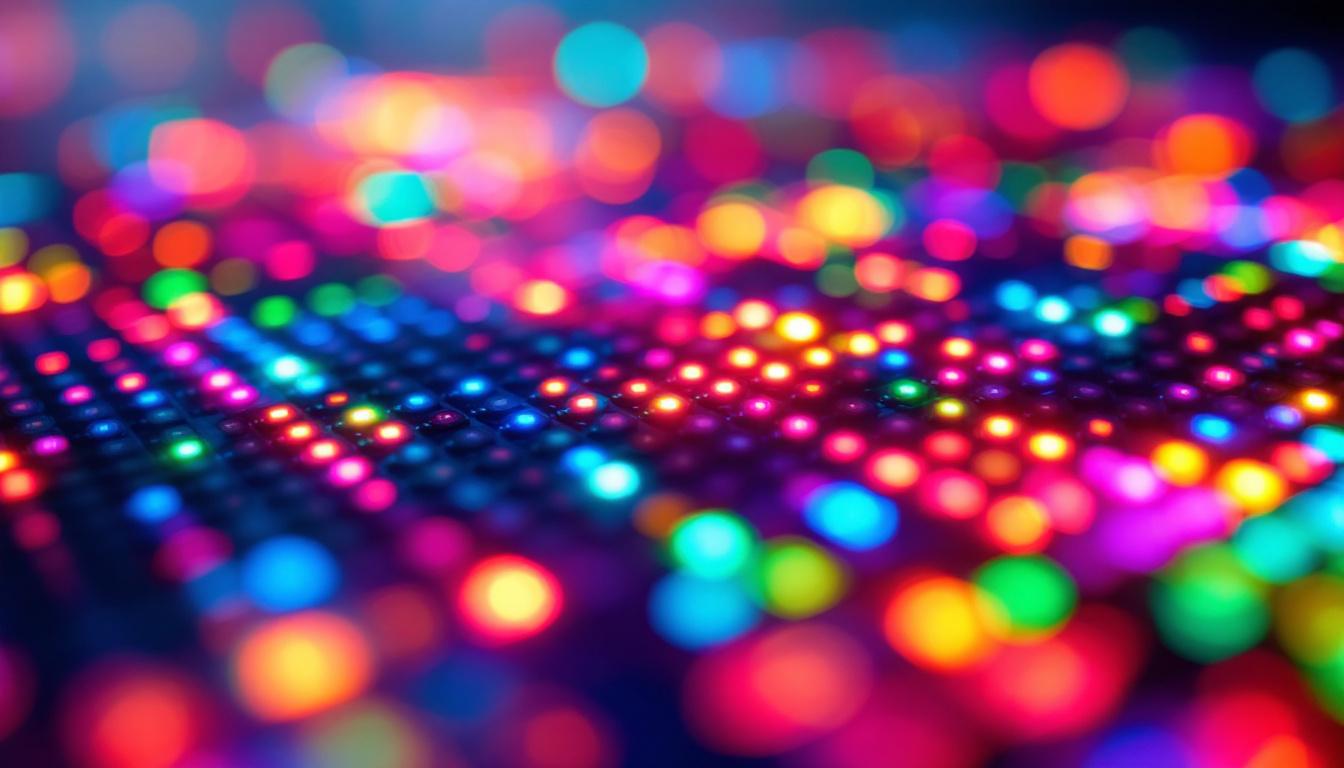
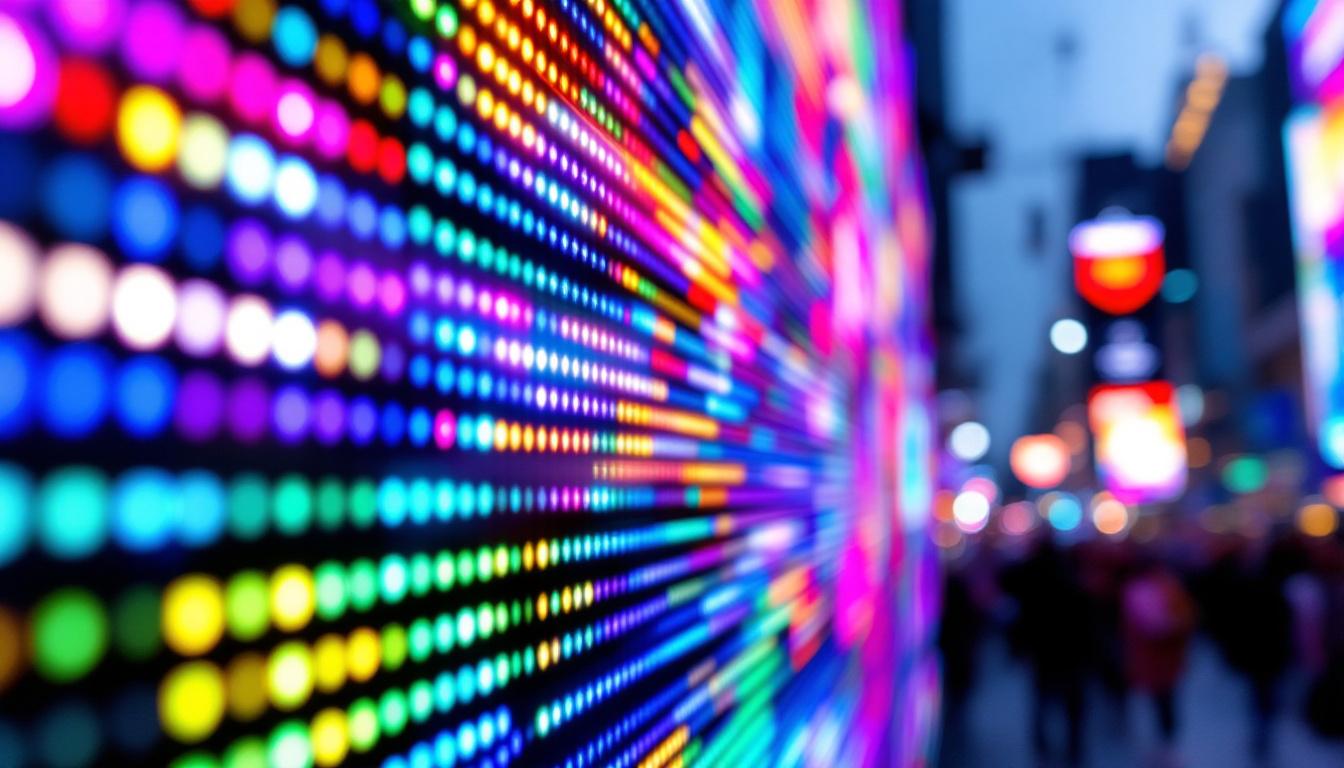
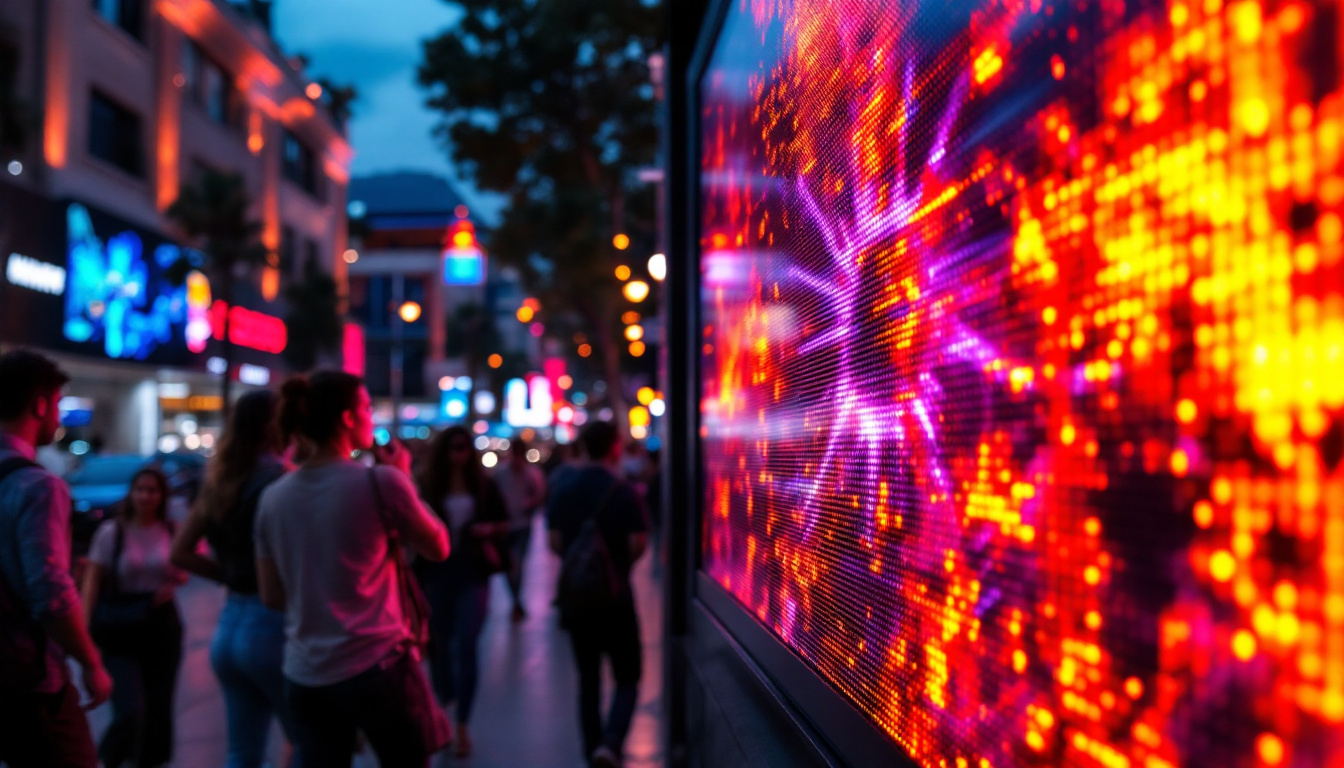
Each LED in the display acts as a pixel, and by controlling the intensity and color of each LED, the screen can render detailed visuals. Modern LED displays use RGB (red, green, blue) diodes to produce a wide color gamut. The resolution and pixel pitch (distance between LEDs) determine the clarity and sharpness of the image. Higher pixel density allows for closer viewing distances without loss of detail, which is particularly important in settings like trade shows or exhibitions where viewers may be up close to the display.
Square LED panels are typically modular, allowing advertisers to combine multiple units to create larger displays or maintain a compact size for more intimate settings. This flexibility is crucial for adapting to various advertising environments, from storefronts to large-scale outdoor billboards. Additionally, advancements in technology have led to the development of smart LED displays that can be programmed to change content dynamically based on time, audience demographics, or even weather conditions, thereby maximizing engagement and relevance. The integration of sensors and connectivity features further enhances their functionality, making them not just displays but interactive platforms that can communicate with viewers in real-time.
Advantages of Square LED Advertisements
High Visibility and Brightness
One of the primary benefits of LED displays is their exceptional brightness, which can reach up to 5,000 nits or more. This makes square LED advertisements easily visible even in direct sunlight, a significant advantage over traditional print or LCD displays. High visibility ensures that messages reach a broader audience throughout the day.
Additionally, the vibrant colors and high contrast ratios of LED screens make advertisements more engaging and memorable. Studies have shown that colorful digital signage can increase brand recall by up to 47%, which highlights the impact of using LED technology in marketing. The ability to display animations and videos further enhances viewer engagement, capturing attention in a way static images cannot. This dynamic capability allows brands to tell their stories more effectively, creating a lasting impression on potential customers.
Energy Efficiency and Longevity
LED technology is renowned for its energy efficiency compared to older lighting and display technologies. Square LED displays consume significantly less power, reducing operational costs for advertisers and businesses. This energy efficiency also aligns with growing environmental concerns and corporate sustainability goals. By opting for LED displays, companies can not only save on energy bills but also contribute to a reduction in their carbon footprint, appealing to eco-conscious consumers.
Moreover, LEDs have a longer lifespan, often exceeding 100,000 hours of use. This durability minimizes maintenance and replacement expenses, making LED displays a cost-effective long-term investment for advertising campaigns. The reduced need for frequent replacements means less waste, which is increasingly important in today’s environmentally aware market. Furthermore, many LED manufacturers offer warranties that ensure reliability and performance, giving businesses peace of mind in their advertising choices.
Flexibility and Customization
Square LED displays can be tailored in size, resolution, and brightness to suit specific advertising needs. Their modular design allows for easy installation in diverse locations, including retail stores, transit hubs, sports arenas, and urban streetscapes. This versatility means that businesses can create unique advertising experiences that resonate with their target audience, regardless of the setting.
Content on LED displays can be updated in real-time, enabling dynamic advertisements that respond to time of day, weather, or audience demographics. This adaptability enhances relevance and engagement, which are critical factors in successful advertising. For instance, a square LED display in a shopping mall can showcase different promotions based on peak shopping hours or feature localized content that appeals to the specific demographics present at any given time. This level of customization not only maximizes the effectiveness of the advertisement but also fosters a more personalized connection with consumers, ultimately driving sales and brand loyalty.
Applications of Square LED Advertisements
Retail Environments
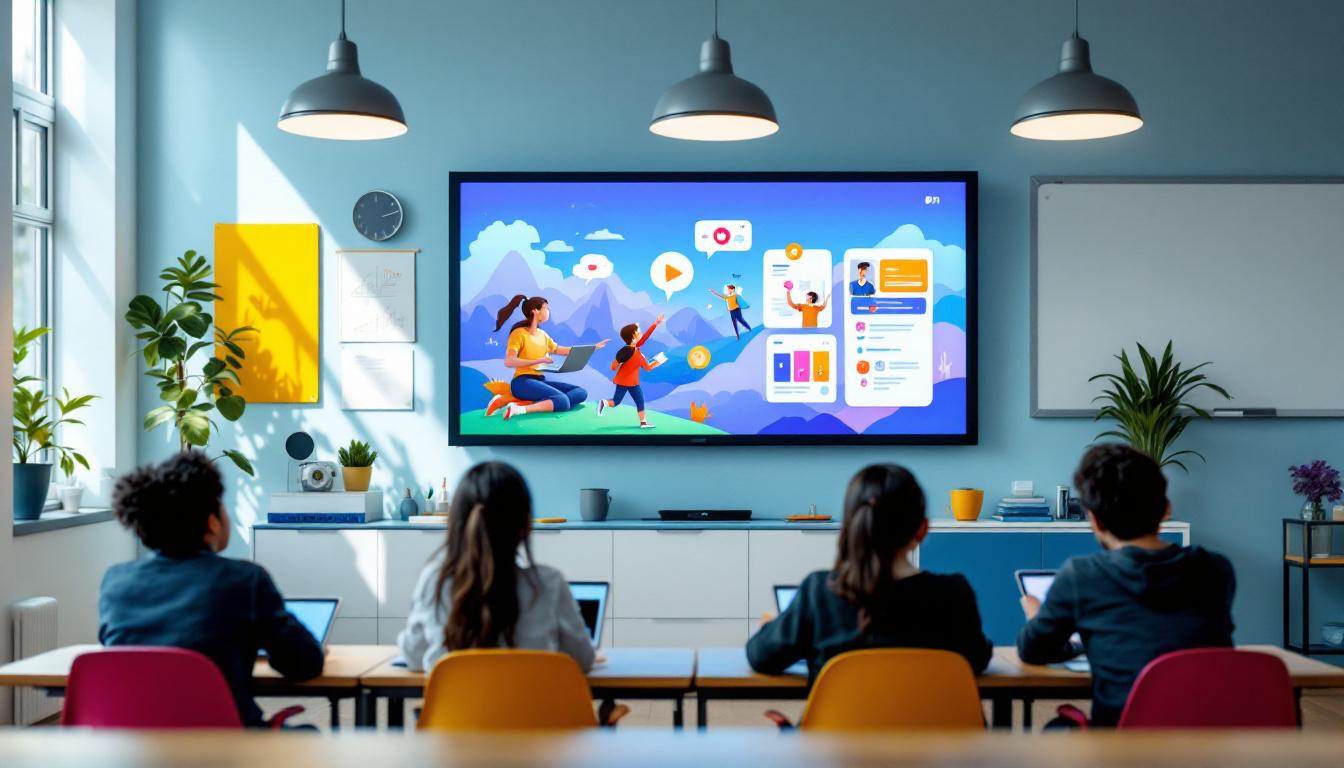
Retailers increasingly use square LED displays to attract customers and promote products. Positioned in storefront windows or inside stores, these displays can showcase promotions, new arrivals, or interactive content to enhance the shopping experience.
For example, a clothing retailer might use a square LED screen to display high-resolution images of seasonal collections, while a grocery store could highlight daily specials or nutritional information. The ability to quickly change content allows retailers to stay agile in competitive markets.
Outdoor Advertising and Public Spaces
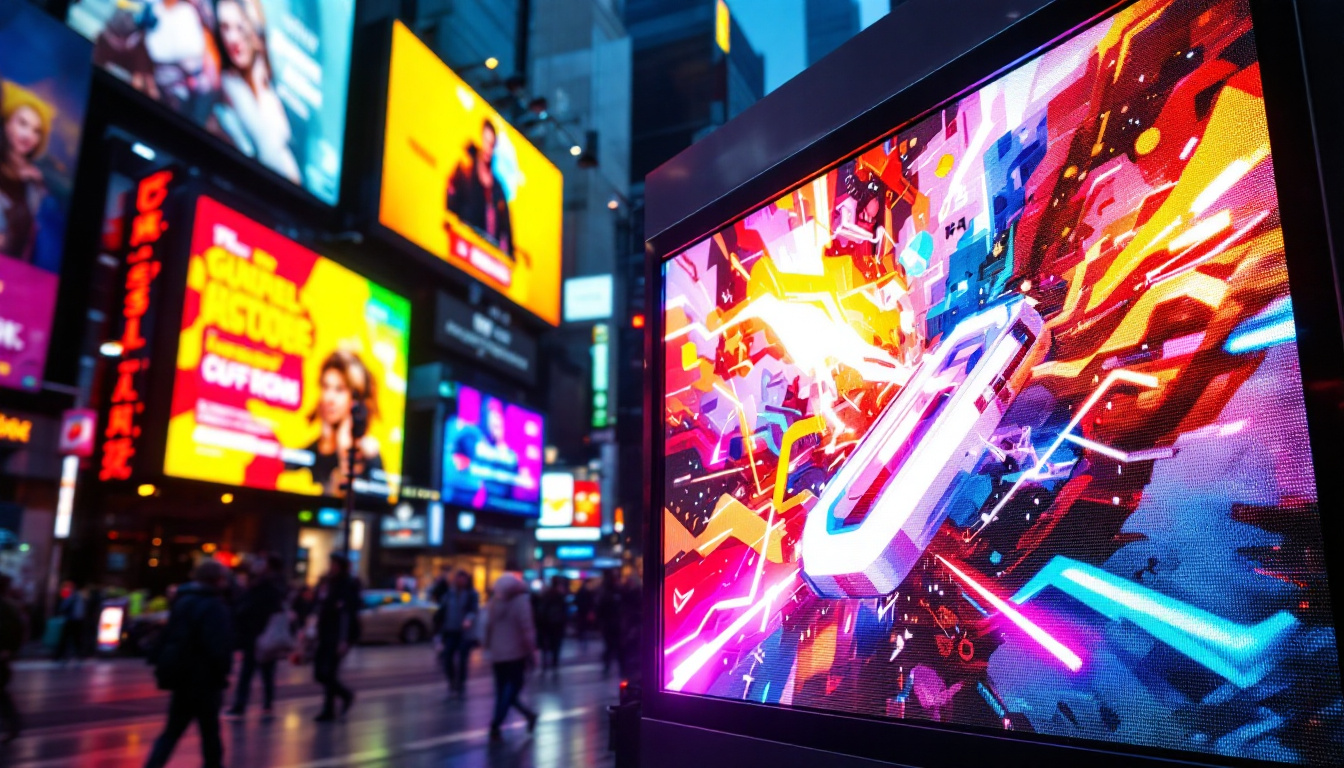
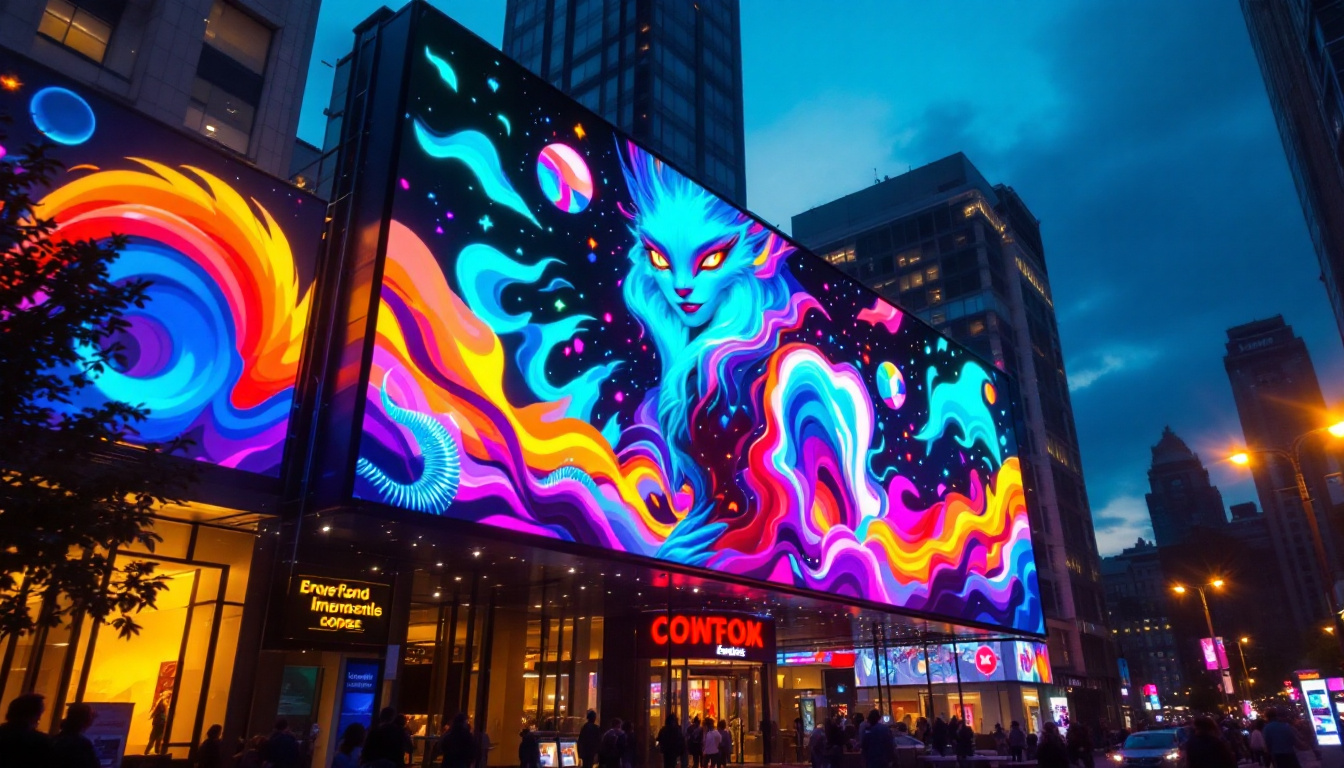
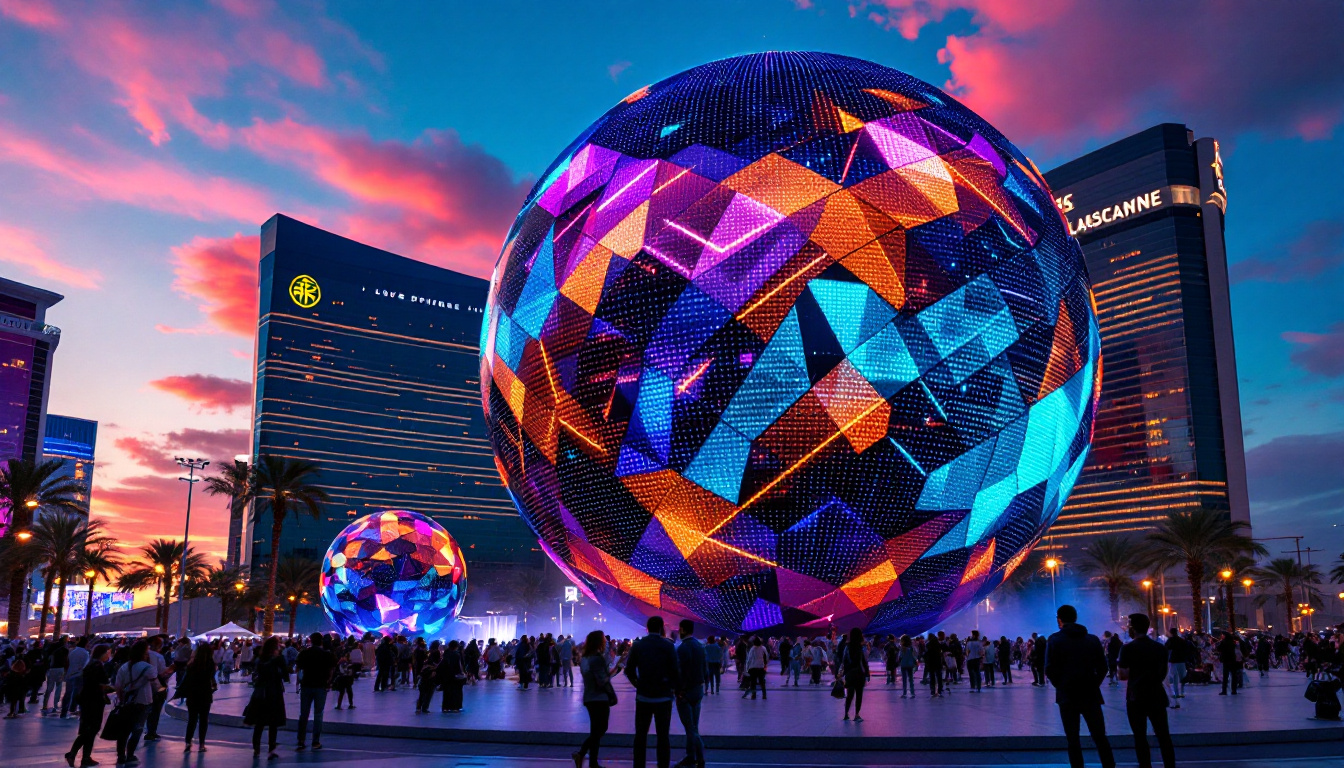
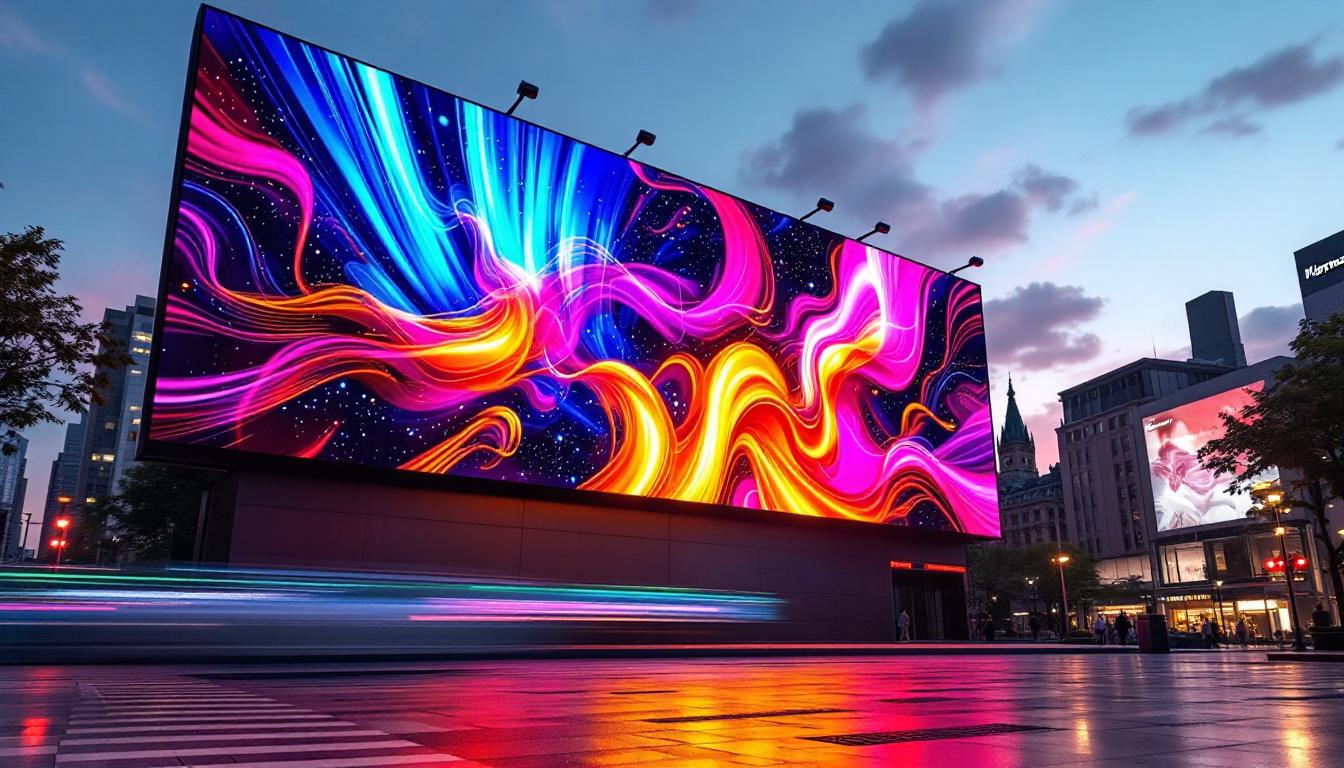
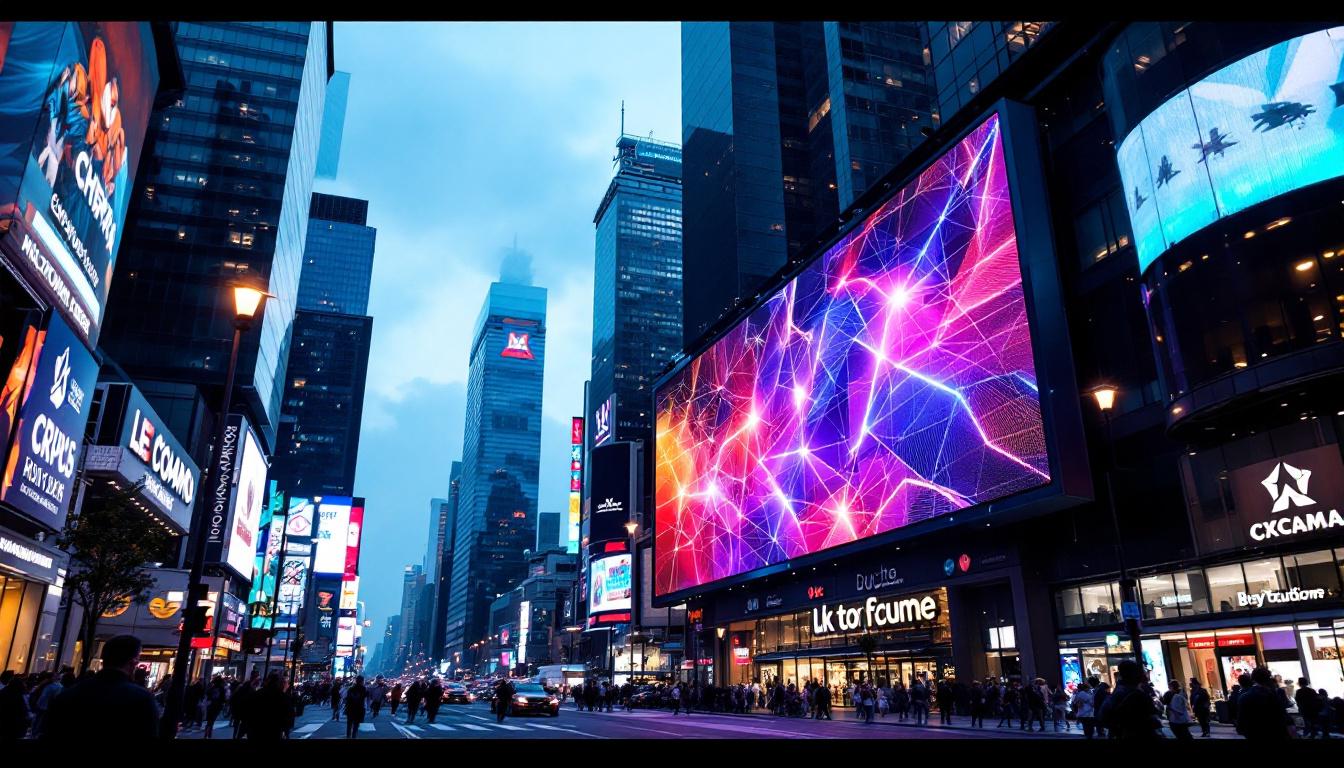
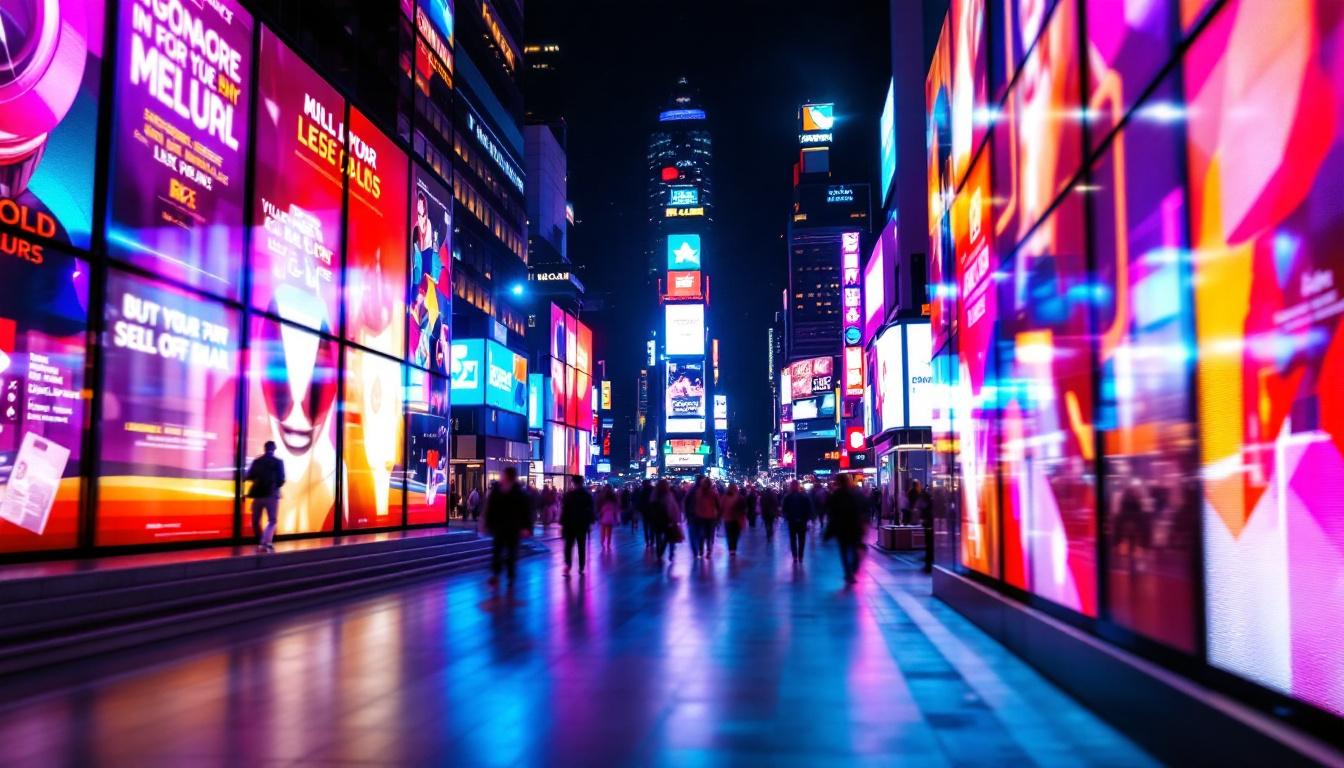
Square LED displays are highly effective in outdoor advertising due to their robustness and visibility. They are commonly found on building facades, bus shelters, and pedestrian zones, delivering targeted messages to passersby.
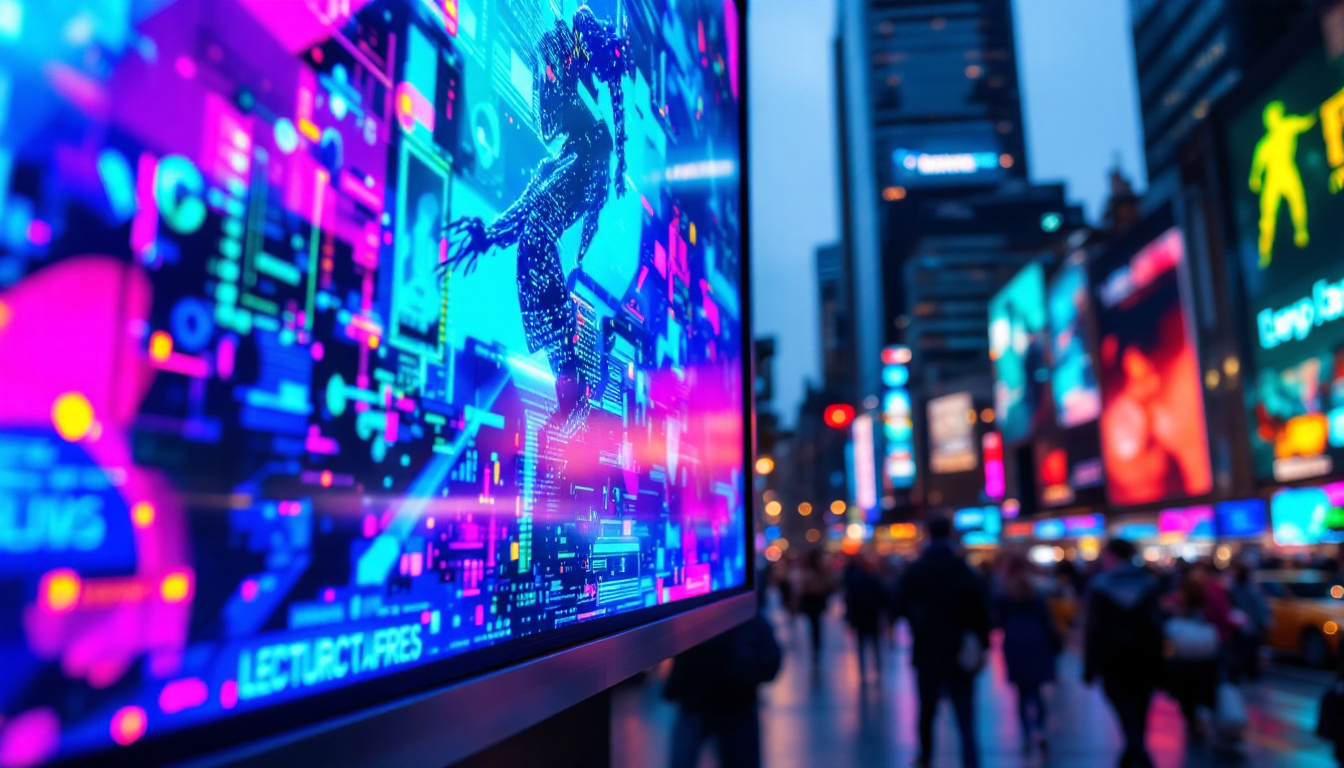
In urban centers, these displays contribute to the vibrant visual landscape, often used for event promotions, public service announcements, and brand campaigns. Their ability to withstand weather elements and maintain brightness ensures consistent performance in all conditions.
Events and Entertainment Venues
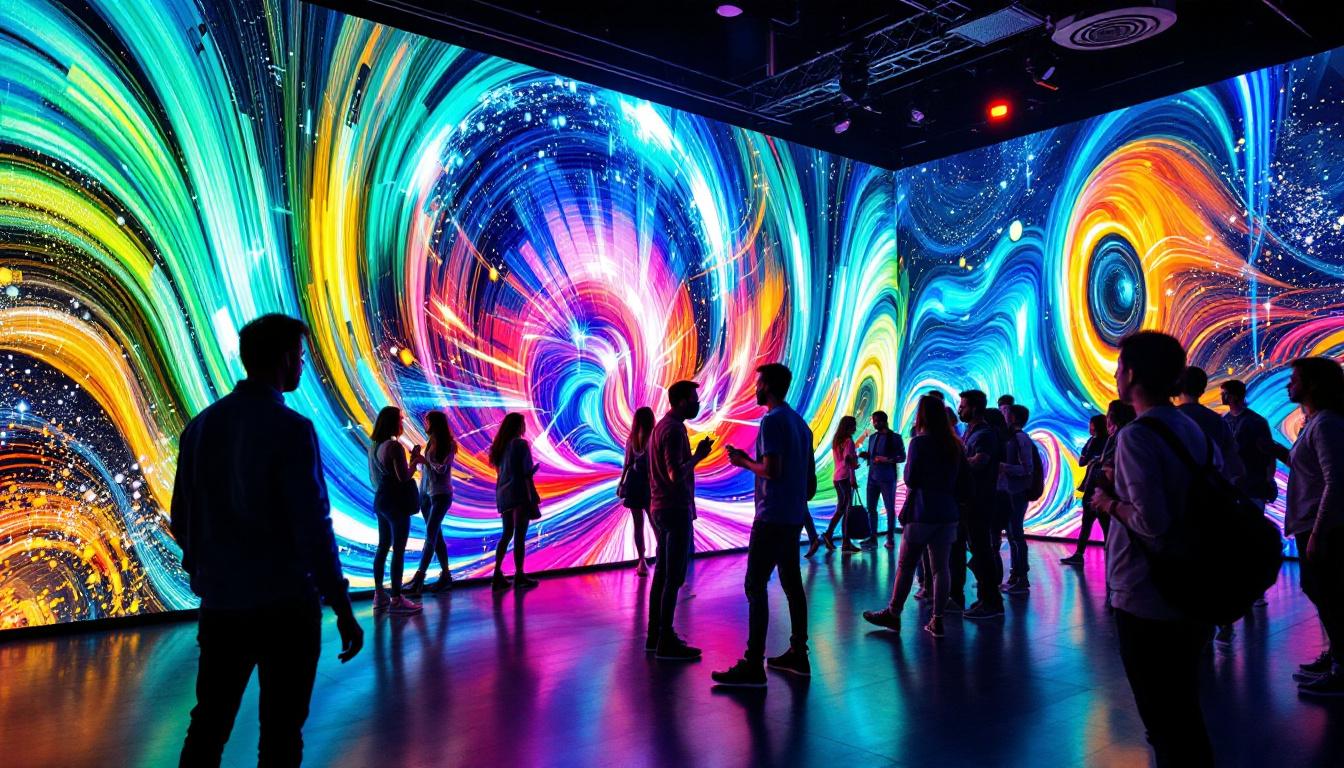
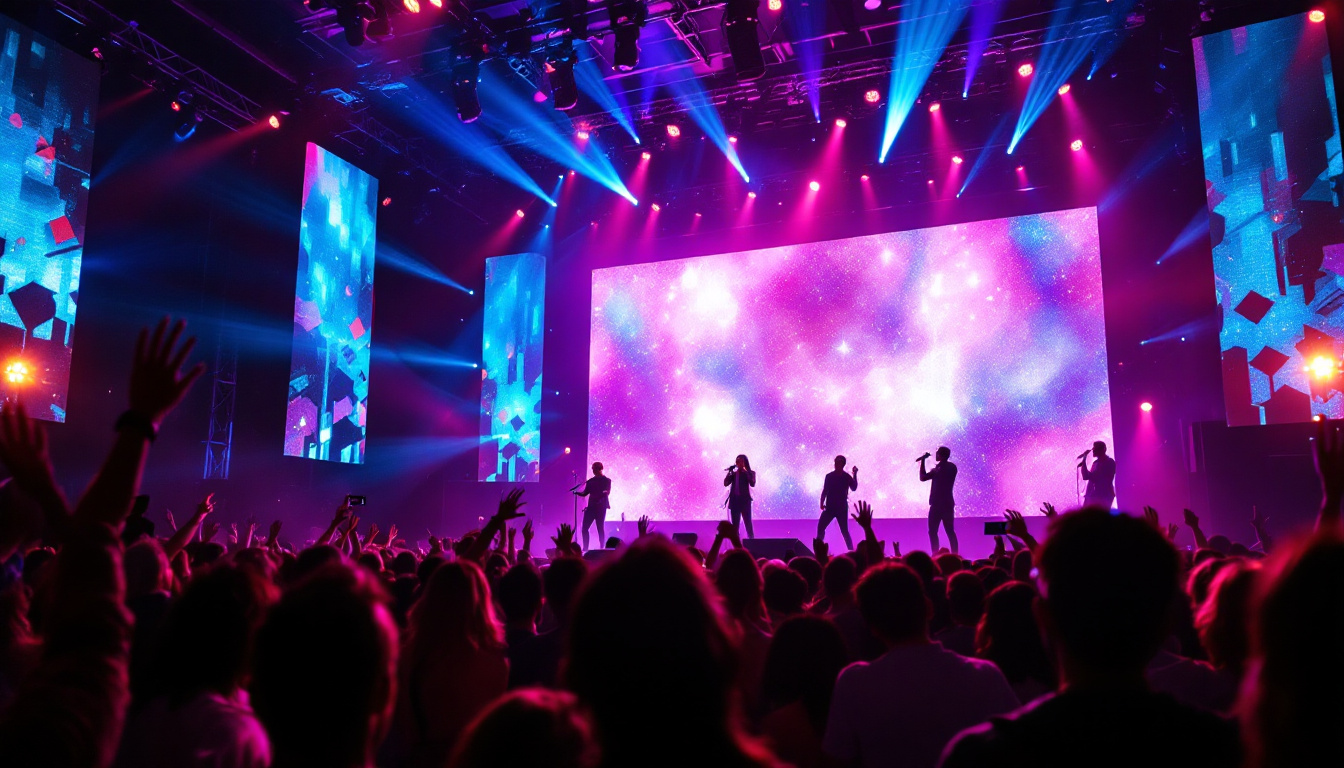
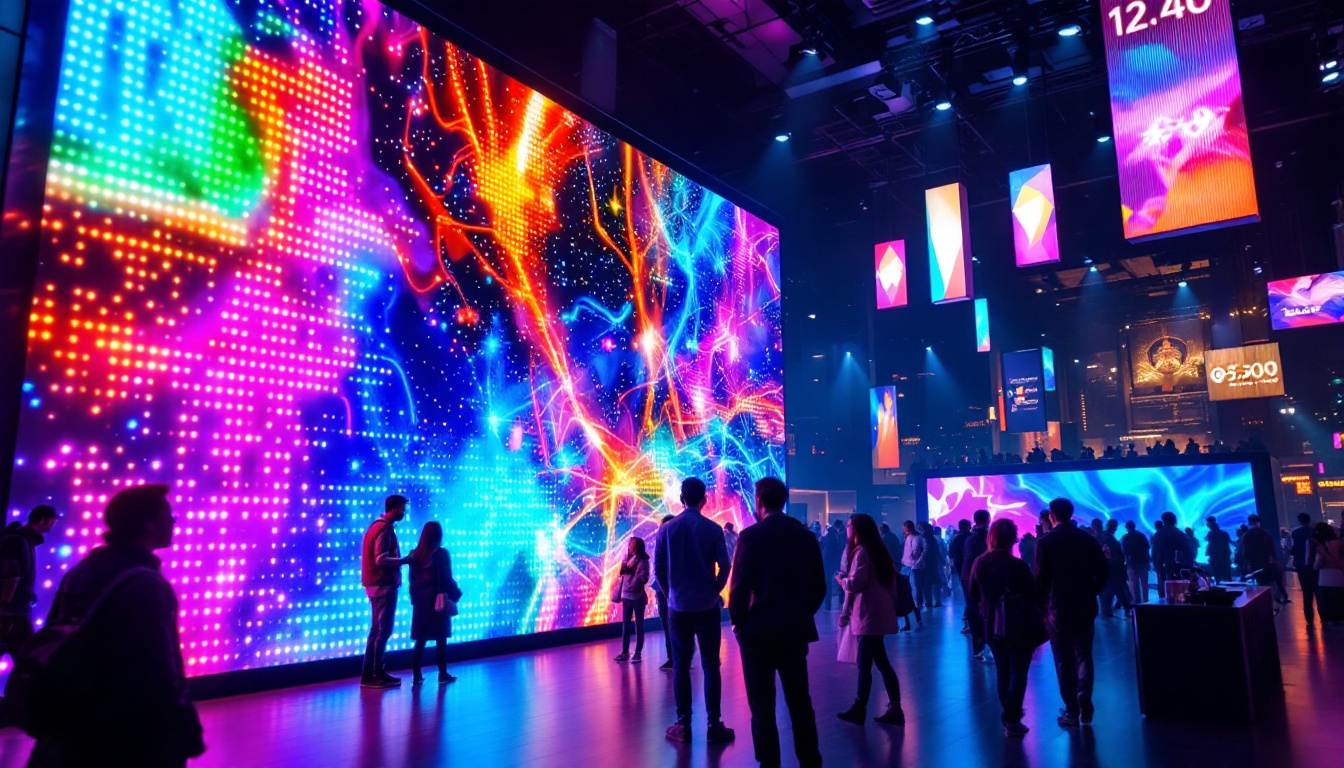
Concerts, sports events, and exhibitions frequently incorporate square LED displays to enhance audience engagement. These screens provide live feeds, advertisements, and interactive content that enrich the overall experience.
For instance, during a sports game, square LED panels can display player statistics, sponsor messages, and instant replays. Their square shape often fits well within venue design constraints, offering a visually pleasing and functional solution.
Design Considerations for Effective Square LED Advertisements
Content Optimization
Creating impactful content for square LED displays requires understanding the unique characteristics of the medium. Since these screens are often viewed from a distance, content should use bold visuals, clear typography, and concise messaging.
Animations and video loops can increase attention but must be balanced to avoid overwhelming viewers. Research indicates that digital signage with motion graphics can boost engagement by up to 30%, but excessive movement may reduce message retention.
Placement and Viewing Angles
The success of square LED advertisements depends heavily on strategic placement. Factors such as foot traffic patterns, sightlines, and ambient lighting conditions should guide installation decisions.
Square LED displays typically offer wide viewing angles, often exceeding 160 degrees, ensuring visibility from multiple perspectives. However, positioning the display at eye level or slightly above maximizes impact and accessibility.
Technical Specifications and Maintenance
Choosing the right pixel pitch is crucial for clarity; smaller pitches (e.g., 1.5mm to 4mm) are ideal for close-range viewing, while larger pitches suit outdoor or distant placements. Resolution should align with the display size to avoid pixelation.
Regular maintenance, including cleaning and software updates, ensures optimal performance. Many modern LED displays feature remote monitoring capabilities, allowing for proactive troubleshooting and content management.
The Future of Square LED Advertisements
Integration with Smart Technologies
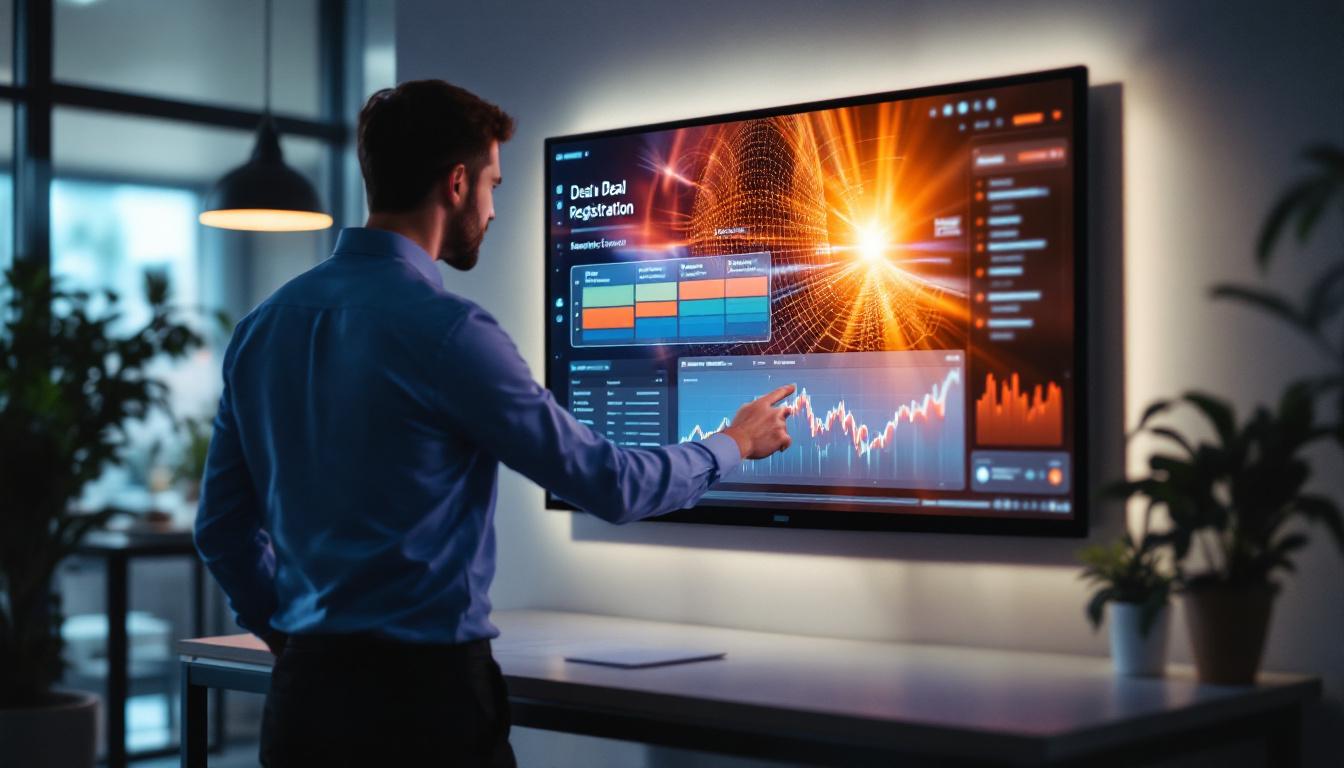
As digital advertising evolves, square LED displays are increasingly integrated with smart technologies such as AI, IoT, and data analytics. These advancements enable personalized and context-aware advertising, enhancing effectiveness.
For example, AI-powered cameras can analyze audience demographics in real-time, adjusting content to better suit viewer profiles. Similarly, IoT connectivity allows displays to respond to environmental factors like weather or traffic conditions, optimizing message delivery.
Advancements in Display Materials
Emerging developments in LED materials, such as microLED and miniLED technologies, promise even higher brightness, resolution, and energy efficiency. These innovations will further enhance the visual quality and versatility of square LED advertisements.
Flexible and transparent LED panels are also gaining traction, enabling novel applications like curved displays or integration into glass surfaces, expanding creative possibilities for advertisers.
Sustainability and Environmental Impact
With growing emphasis on sustainability, manufacturers and advertisers are focusing on reducing the environmental footprint of LED displays. This includes using recyclable materials, improving energy efficiency, and implementing responsible disposal practices.
Brands that adopt eco-friendly advertising solutions can strengthen their reputation and appeal to environmentally conscious consumers, aligning marketing efforts with broader corporate social responsibility goals.
Conclusion
Square LED advertisements represent a compelling fusion of technology, design, and marketing strategy. Their superior brightness, flexibility, and durability make them an ideal choice for a wide range of advertising applications, from retail to public spaces and events.
As technology continues to advance, the potential for more personalized, engaging, and sustainable LED advertising grows, offering brands innovative ways to connect with audiences. Understanding the fundamentals of LED display technology and thoughtful implementation can unlock significant value and impact in today’s competitive advertising landscape.
Illuminate Your Brand with LumenMatrix
Ready to elevate your advertising strategy with the brilliance of LED technology? LumenMatrix is at the forefront of crafting immersive visual experiences that captivate and engage. From the bustling streets to the heart of retail environments, our diverse range of LED display solutions—including Indoor, Outdoor, Vehicle, Poster, Sports, Floor, Custom, All-in-One, and Transparent Displays—are designed to bring your brand to life. Embrace the future of advertising with LumenMatrix and let your message shine with unparalleled clarity and impact. Check out LumenMatrix LED Display Solutions today and transform the way you connect with your audience.