Stackable PC Case: LED Display Explained
In the ever-evolving world of PC building, enthusiasts and professionals alike are constantly seeking innovative ways to enhance both the aesthetics and functionality of their setups. One of the latest trends gaining traction is the use of stackable PC cases equipped with integrated LED displays. These designs not only offer modularity and expandability but also bring a new dimension of visual customization and real-time system monitoring.
This article delves into the concept of stackable PC cases with LED displays, exploring their design principles, benefits, and practical applications. Whether you are a seasoned builder or a curious tech enthusiast, understanding this technology can help you make informed decisions for your next PC project.
Understanding Stackable PC Cases
Stackable PC cases represent a modular approach to PC building, allowing users to add or remove components and sections as needed. Unlike traditional monolithic PC cases, which come as a single enclosure, stackable cases consist of multiple detachable modules that can be stacked vertically or arranged in various configurations.
This design philosophy offers several advantages. For one, it provides unparalleled flexibility. Users can start with a basic setup and expand their system over time by adding additional modules for extra storage, enhanced cooling, or specialized hardware. Moreover, stackable cases often improve airflow and cable management by isolating components into dedicated compartments.
Modularity and Customization
Modularity is at the heart of stackable PC cases. Each module is designed to house specific components such as the motherboard, power supply, storage drives, or cooling systems. This separation allows for easier upgrades and maintenance, as users can access individual sections without dismantling the entire build.
Customization extends beyond hardware placement. Many stackable cases feature customizable panels and mounting options, enabling builders to tailor the appearance and functionality to their preferences. This adaptability makes them especially appealing to gamers, content creators, and professionals who demand both performance and style.
Space Efficiency and Scalability
Stackable PC cases are particularly useful in environments where space is limited. By stacking modules vertically, users can maximize desk or floor space while maintaining a powerful and expandable system. This scalability is beneficial for users who anticipate future hardware upgrades or require specialized configurations, such as multi-GPU setups or extensive liquid cooling loops.
The Role of LED Displays in Stackable PC Cases
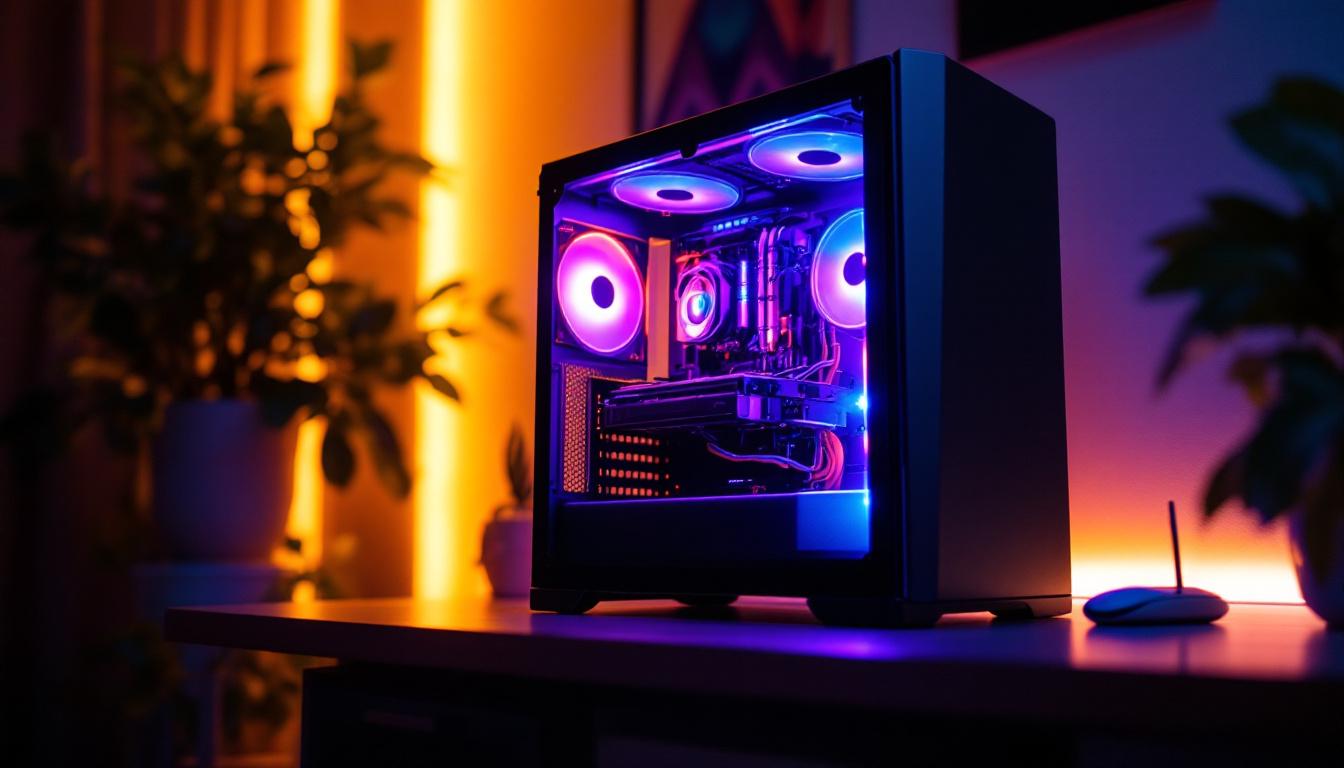
LED displays integrated into stackable PC cases add a dynamic visual element that goes beyond mere illumination. These displays serve multiple functions, from aesthetic enhancement to providing real-time system information, making them a valuable feature for both casual users and professionals.
Aesthetic Appeal and Personalization
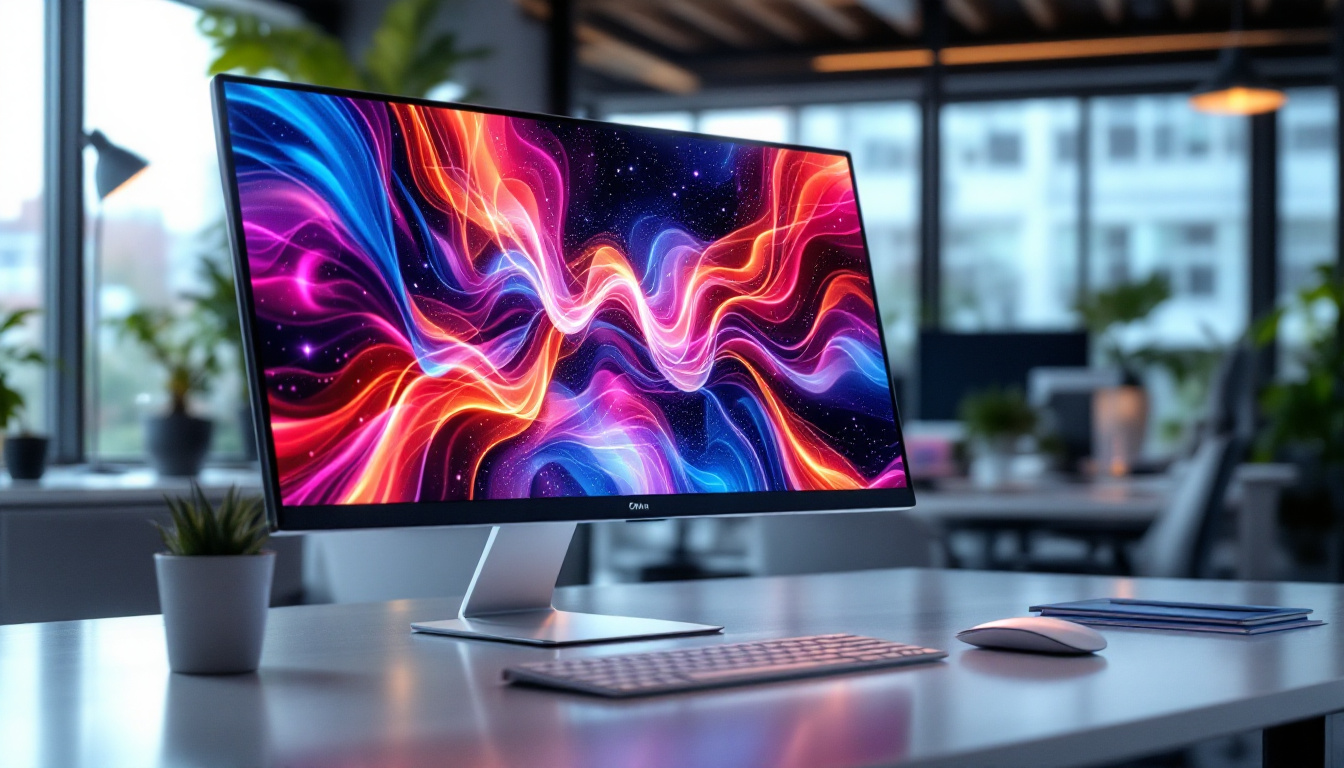
LED lighting has been a staple in PC builds for years, but the integration of LED displays takes customization to the next level. Instead of static or pre-programmed lighting effects, LED displays can show animated graphics, custom images, or even interactive content. This capability allows users to express their personality, showcase branding, or create immersive gaming environments.
Many stackable cases come with software that enables users to design and control the display content. This flexibility encourages creativity and helps transform a functional PC into a centerpiece of any room or workspace.
Real-Time System Monitoring
Beyond aesthetics, LED displays provide practical benefits by showing real-time data such as CPU temperature, GPU usage, fan speeds, and network activity. This immediate feedback helps users monitor system health and performance without relying on external software or additional monitors.
For overclockers and system enthusiasts, having critical metrics displayed prominently on the case itself can aid in fine-tuning settings and preventing hardware damage. Additionally, some LED displays support alerts and notifications, offering an extra layer of system management convenience.
Technical Considerations for LED Displays in Stackable Cases
Integrating LED displays into stackable PC cases involves several technical challenges and considerations. Understanding these factors is essential for builders who want to optimize their systems and avoid common pitfalls.
Display Types and Resolution
The most common types of LED displays used in PC cases are OLED and RGB LED matrix panels. OLED displays offer high contrast and vibrant colors with low power consumption, making them ideal for detailed graphics and text. RGB LED matrices, on the other hand, provide flexible lighting arrangements and animations but may have lower resolution.
Resolution is a critical factor, especially for displaying system information clearly. Higher resolution displays can show more detailed content but may increase cost and complexity. Selecting the appropriate display depends on the intended use—whether for simple status indicators or elaborate visual effects.
Connectivity and Control Interfaces
LED displays in stackable cases typically connect to the motherboard or an external controller via USB, SPI, or proprietary interfaces. Reliable connectivity ensures smooth communication between the PC and the display for real-time updates.
Control software plays a pivotal role in managing display content. Many manufacturers provide dedicated applications that allow users to customize graphics, monitor system stats, and synchronize lighting effects with other RGB components. Compatibility with popular ecosystem software like ASUS Aura Sync, MSI Mystic Light, or Corsair iCUE enhances the user experience by enabling unified control.
Power Consumption and Heat Management
While LED displays are generally energy-efficient, their power consumption can add up, especially in multi-module stackable cases with multiple displays. Proper power budgeting is necessary to prevent overloading the power supply and to maintain system stability.
Heat generated by LED displays is usually minimal, but in compact or densely stacked configurations, it can contribute to overall thermal load. Effective cooling solutions and thoughtful module arrangement help mitigate any potential heat issues.
Popular Stackable PC Cases with LED Displays
The market for stackable PC cases with integrated LED displays is growing, with several manufacturers offering innovative products that cater to different needs and budgets. Highlighting a few notable examples provides insight into current trends and features.
ModuCase X1
The ModuCase X1 is a pioneering stackable PC case system designed with modularity and LED display integration in mind. Each module features a customizable OLED panel capable of displaying system metrics, animations, or user-uploaded images. The case supports vertical stacking up to four modules, including dedicated sections for GPU, storage, and cooling.
Its software suite offers seamless control over the LED displays and RGB lighting, compatible with major motherboard brands. The ModuCase X1 is praised for its build quality, ease of assembly, and vibrant display capabilities.
StackPro Vision
StackPro Vision focuses on professional users and content creators who require both performance and visual feedback. This stackable case incorporates high-resolution RGB LED matrix panels on each module, providing dynamic lighting effects synchronized with system performance.
The case emphasizes airflow and noise reduction, with isolated compartments and smart fan control. Its LED displays can be programmed to show detailed system diagnostics, making it a practical choice for monitoring during intensive workloads.
NeoTower Flex
NeoTower Flex offers a balance between affordability and features, targeting gamers and enthusiasts. Its modular design supports up to three stackable units, each equipped with a bright OLED display that can be customized via an intuitive app.
The case includes pre-configured lighting profiles for popular games and supports integration with streaming software to display alerts and chat messages on the LED panels. This interactive feature enhances the gaming and streaming experience.
Benefits of Using Stackable PC Cases with LED Displays
Choosing a stackable PC case with an integrated LED display offers a range of advantages that go beyond conventional PC enclosures. These benefits appeal to various user groups, from gamers and streamers to professionals and system builders.
Enhanced System Monitoring
Having system information displayed directly on the case allows for quick and easy monitoring without interrupting workflow or gameplay. This immediate access to data helps in maintaining optimal performance and preventing hardware issues.
Improved Aesthetics and Personal Expression
LED displays transform the PC case into a canvas for creativity. Users can showcase unique designs, animations, or branding elements, making their setup stand out. This personalization fosters a deeper connection with the hardware and enhances the overall user experience.
Modular Upgradability and Maintenance
The stackable design simplifies upgrades and repairs. Users can swap out individual modules without dismantling the entire system, saving time and reducing the risk of damage. This modularity also supports future-proofing by allowing incremental enhancements.
Space Optimization and Flexibility
Stackable cases make efficient use of space, particularly in compact or multi-purpose environments. Their flexible configurations accommodate diverse hardware setups and user preferences, making them suitable for a wide range of applications.
Challenges and Considerations
While the benefits are compelling, potential users should also be aware of certain challenges associated with stackable PC cases featuring LED displays.
Cost and Complexity
Modular cases with integrated LED displays tend to be more expensive than traditional enclosures. The advanced features and custom components contribute to higher costs, which may not fit every budget.
Additionally, the complexity of assembly and software configuration can be a hurdle for beginners. Adequate research and familiarity with PC building are recommended before investing in these systems.
Compatibility and Integration
Ensuring compatibility between LED display software and other system components can be challenging. Users should verify that their motherboard, peripherals, and lighting ecosystems support the case’s control software to avoid integration issues.
Thermal Management
Stacking modules can affect airflow and heat dissipation. Careful planning of module arrangement and cooling solutions is necessary to maintain optimal temperatures, especially in high-performance builds.
Future Trends in Stackable PC Cases and LED Displays
The intersection of modular PC cases and LED display technology is poised for exciting developments. As component miniaturization and smart technologies advance, future stackable cases are expected to offer even greater functionality and customization.
Integration with Smart Home and IoT
Emerging trends suggest that stackable PC cases with LED displays will increasingly integrate with smart home ecosystems. This could enable voice control, ambient lighting synchronization with room conditions, and remote system monitoring via mobile devices.
Advanced Display Technologies
The adoption of micro-LED and flexible OLED panels may allow for more immersive and adaptable display surfaces on PC cases. These technologies could enable curved or wrap-around displays, expanding creative possibilities.
AI-Driven Customization and Monitoring
Artificial intelligence may play a role in optimizing display content based on user behavior and system status. AI-driven alerts, predictive maintenance notifications, and dynamic visual themes tailored to user preferences could become standard features.
Conclusion
Stackable PC cases with integrated LED displays represent a compelling fusion of modular design and modern visual technology. They offer enhanced customization, real-time system monitoring, and scalable configurations that cater to the diverse needs of today’s PC users.
While they come with considerations such as cost and complexity, the benefits in flexibility, aesthetics, and functionality make them an attractive option for enthusiasts and professionals alike. As technology continues to evolve, these cases are likely to become a prominent feature in the landscape of PC building.
For anyone looking to build a unique, high-performance system that stands out both visually and functionally, exploring stackable PC cases with LED displays is a worthwhile endeavor.
Discover the Future of PC Customization with LumenMatrix
Ready to elevate your PC build with the ultimate in visual flair and functionality? Look no further than LumenMatrix, a pioneer in LED display technology. Our extensive range of innovative LED display modules, from Indoor and Outdoor LED Walls to Custom and All-in-One LED Displays, is designed to integrate seamlessly with your stackable PC case, ensuring your setup not only performs exceptionally but also captivates with its visual brilliance. Check out LumenMatrix LED Display Solutions today and transform your PC into a stunning showcase of technology and artistry.