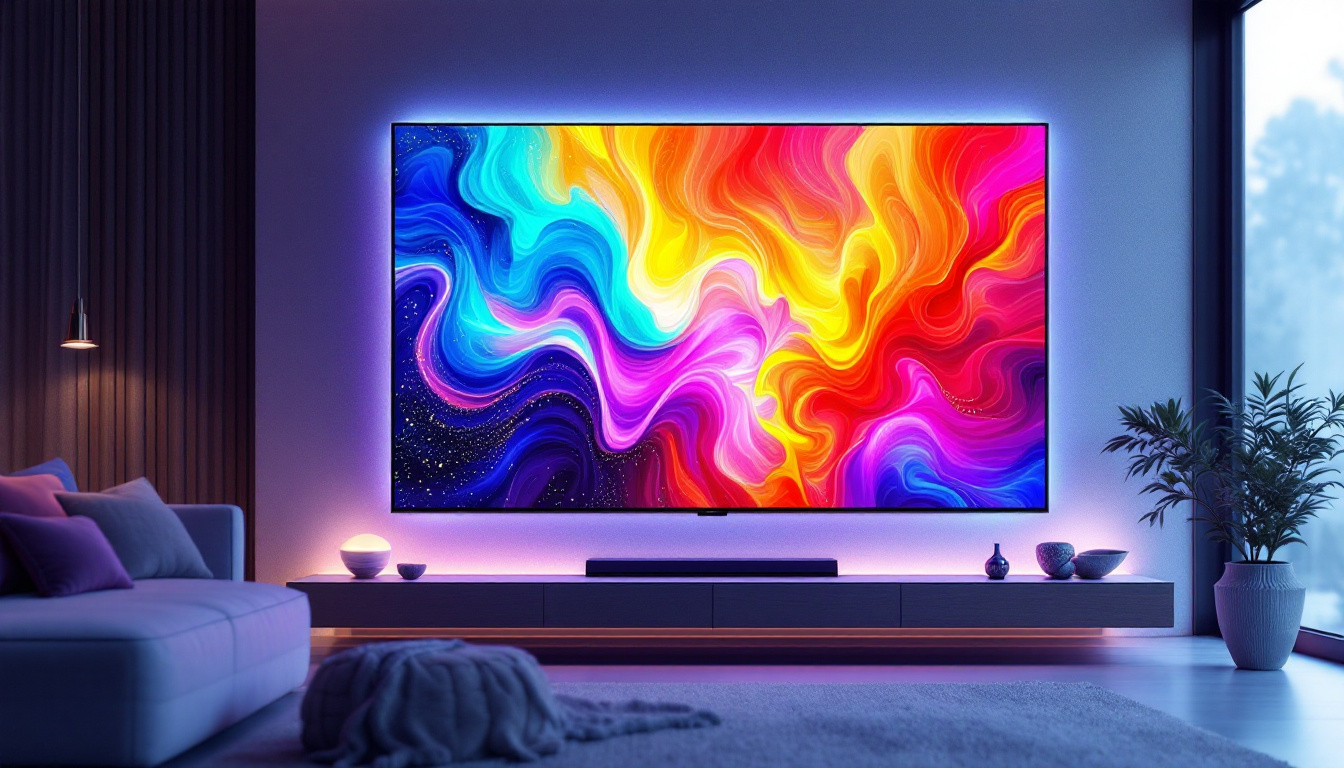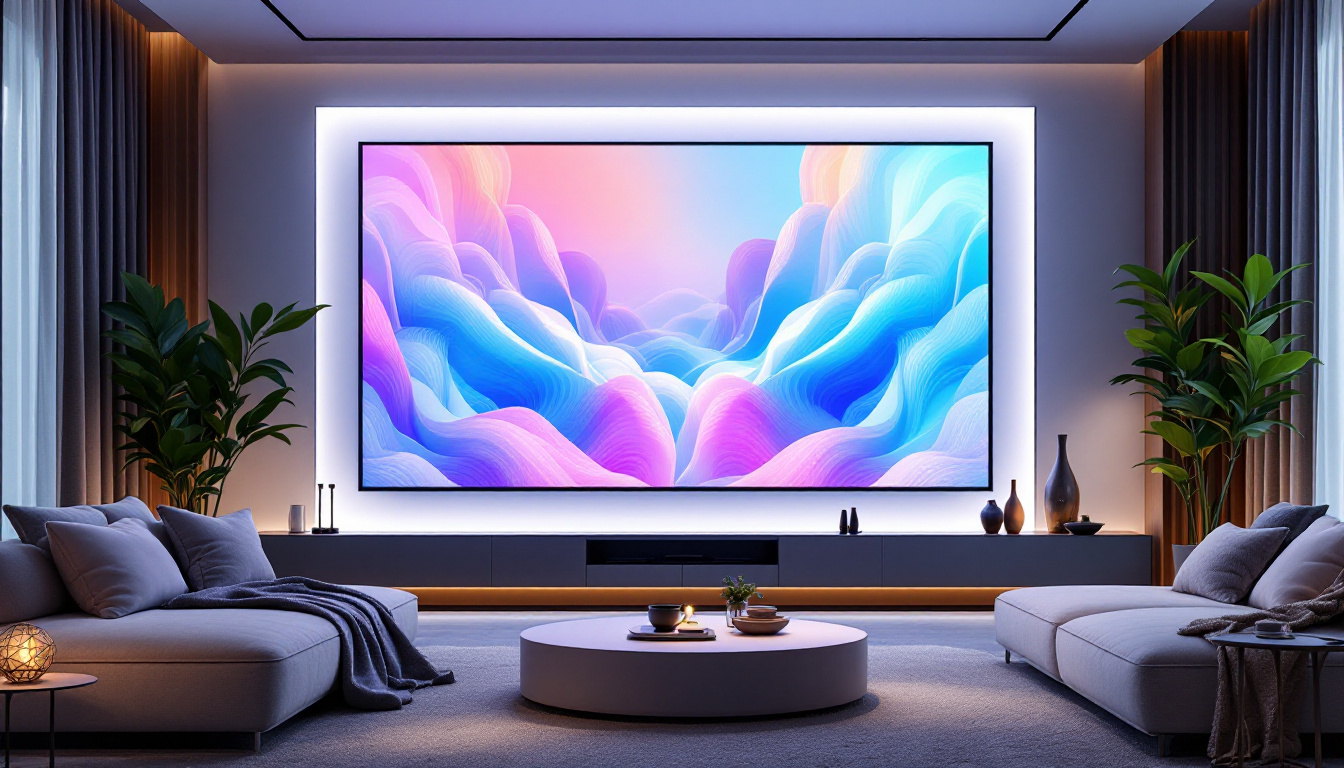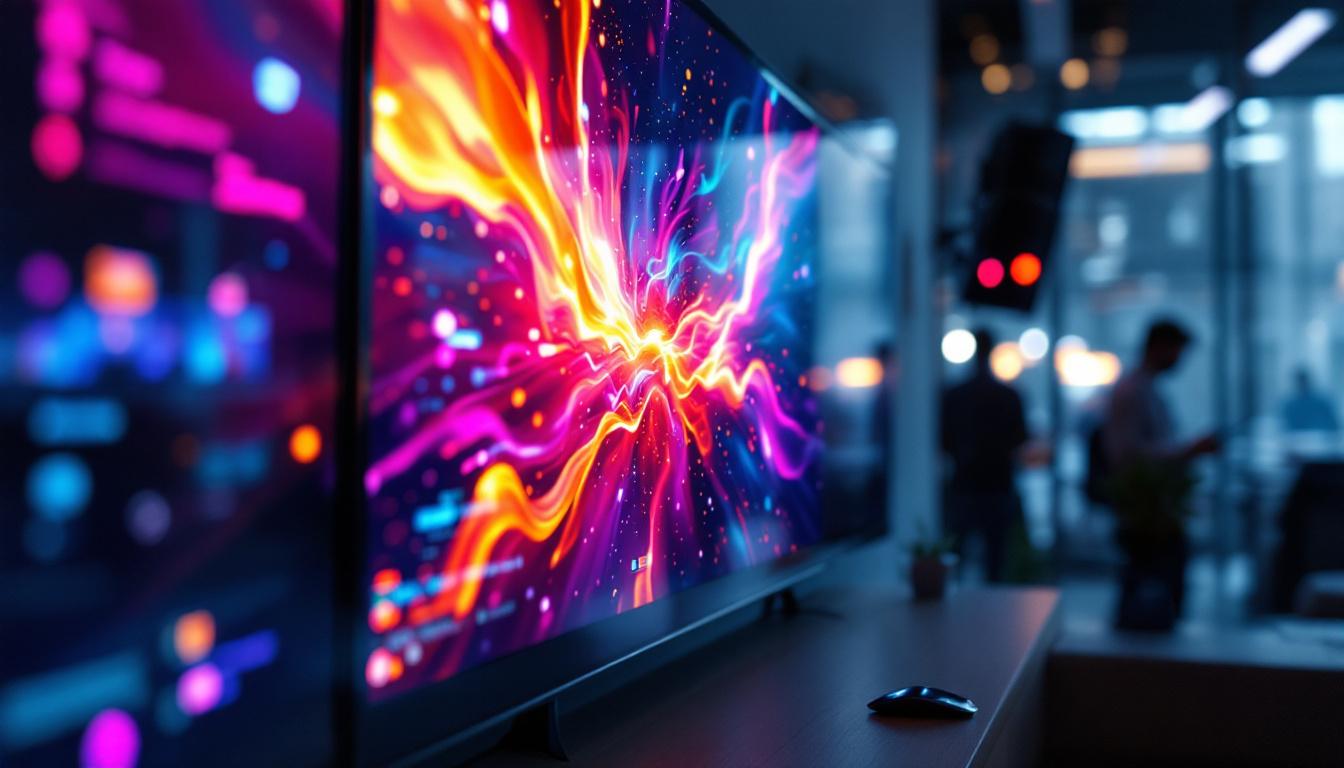
In today’s fast-paced world, visual communication has become more important than ever. Whether it’s advertising, event promotion, or information dissemination, the use of LED displays has revolutionized how messages are conveyed to audiences. Among the various types of LED displays, standing LED lights have gained significant popularity due to their versatility, brightness, and energy efficiency. This article delves into the world of standing LED lights, explaining their technology, applications, benefits, and what to consider when choosing one.
Understanding Standing LED Lights
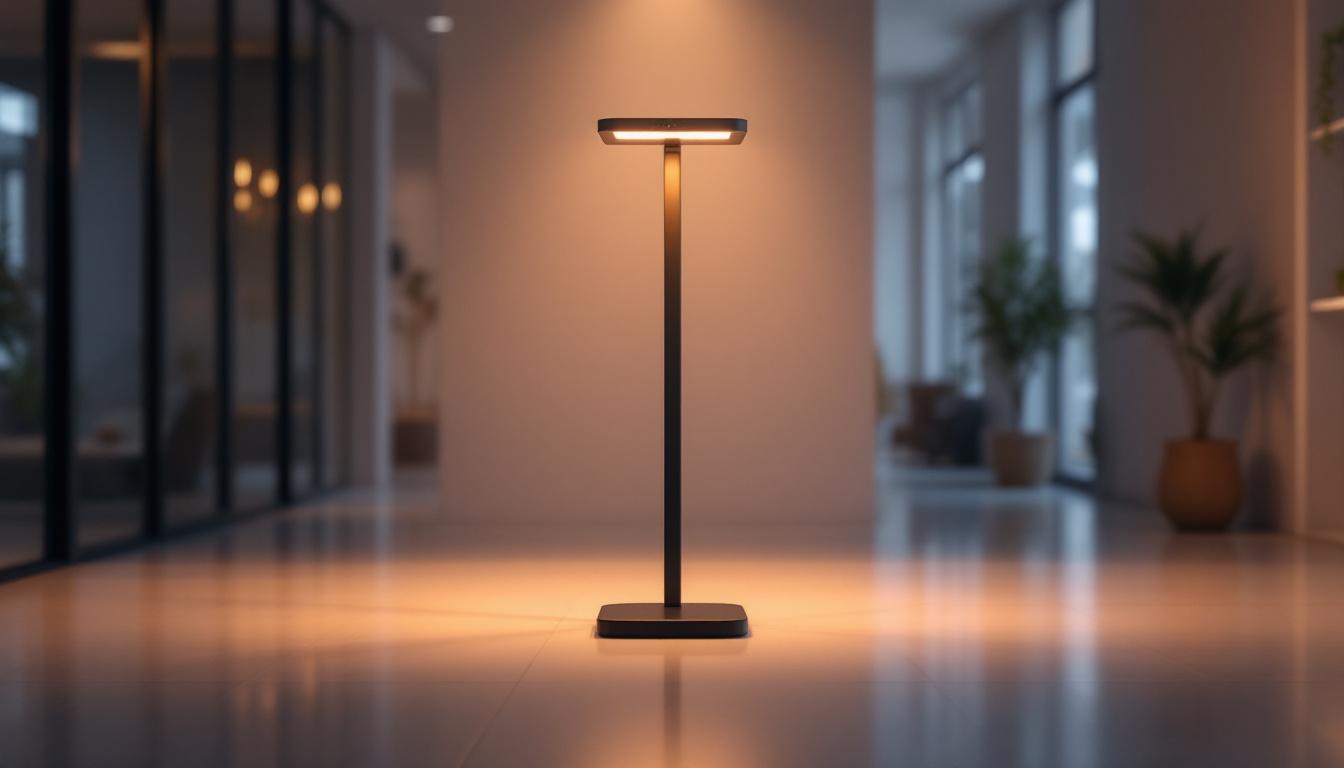
What Is a Standing LED Light?
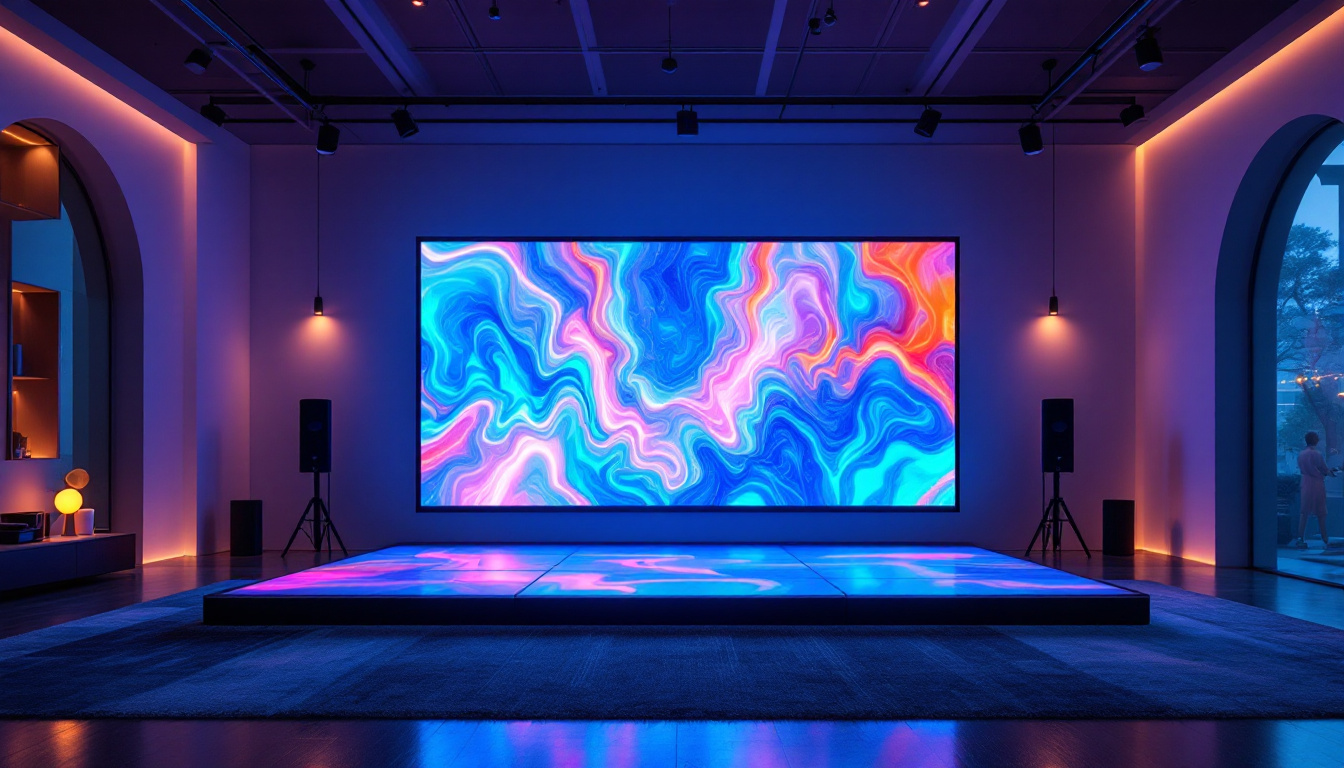
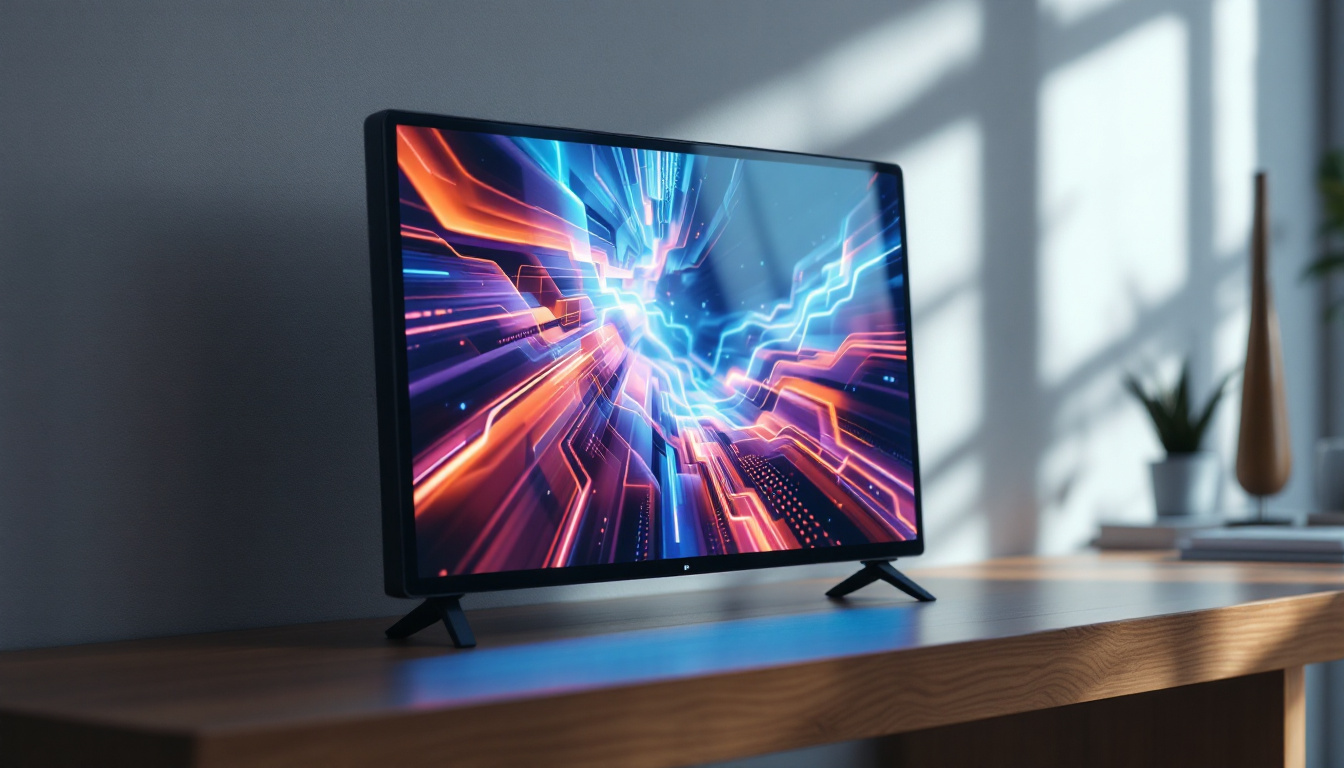
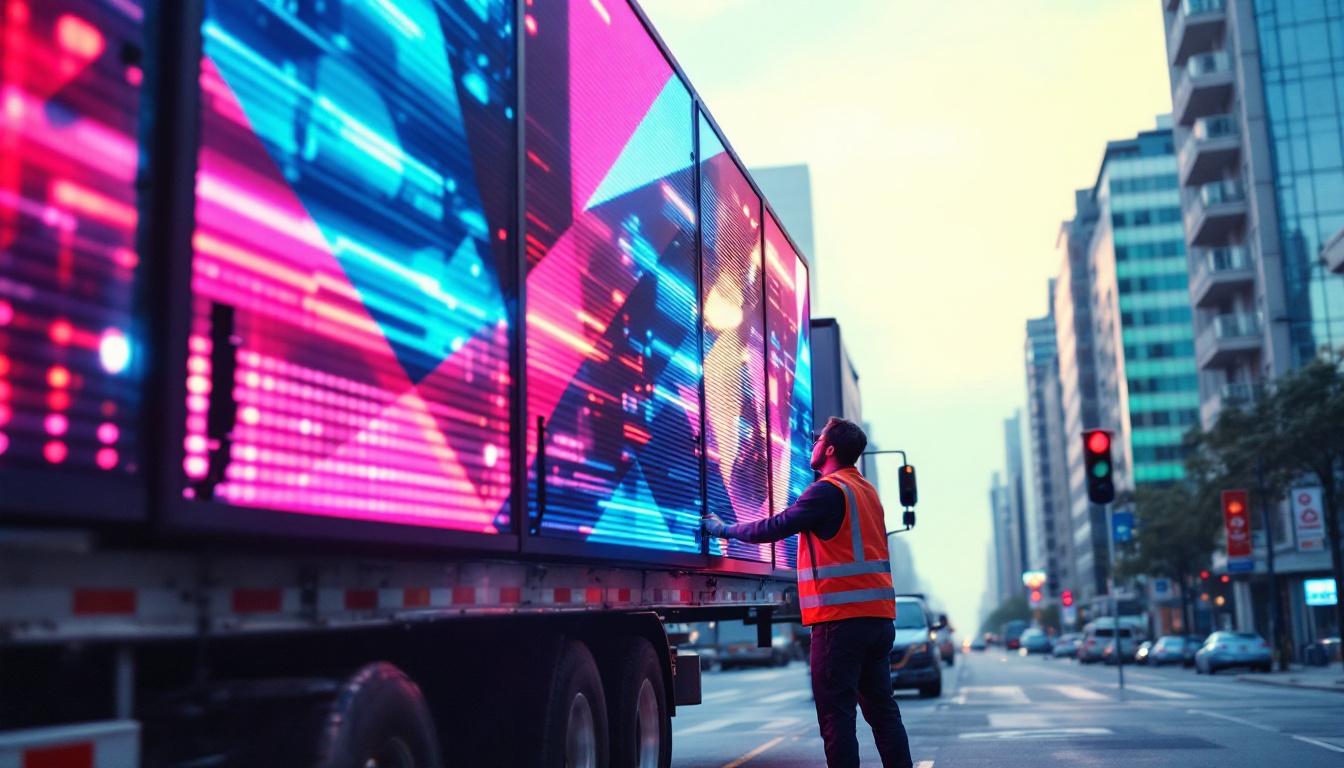
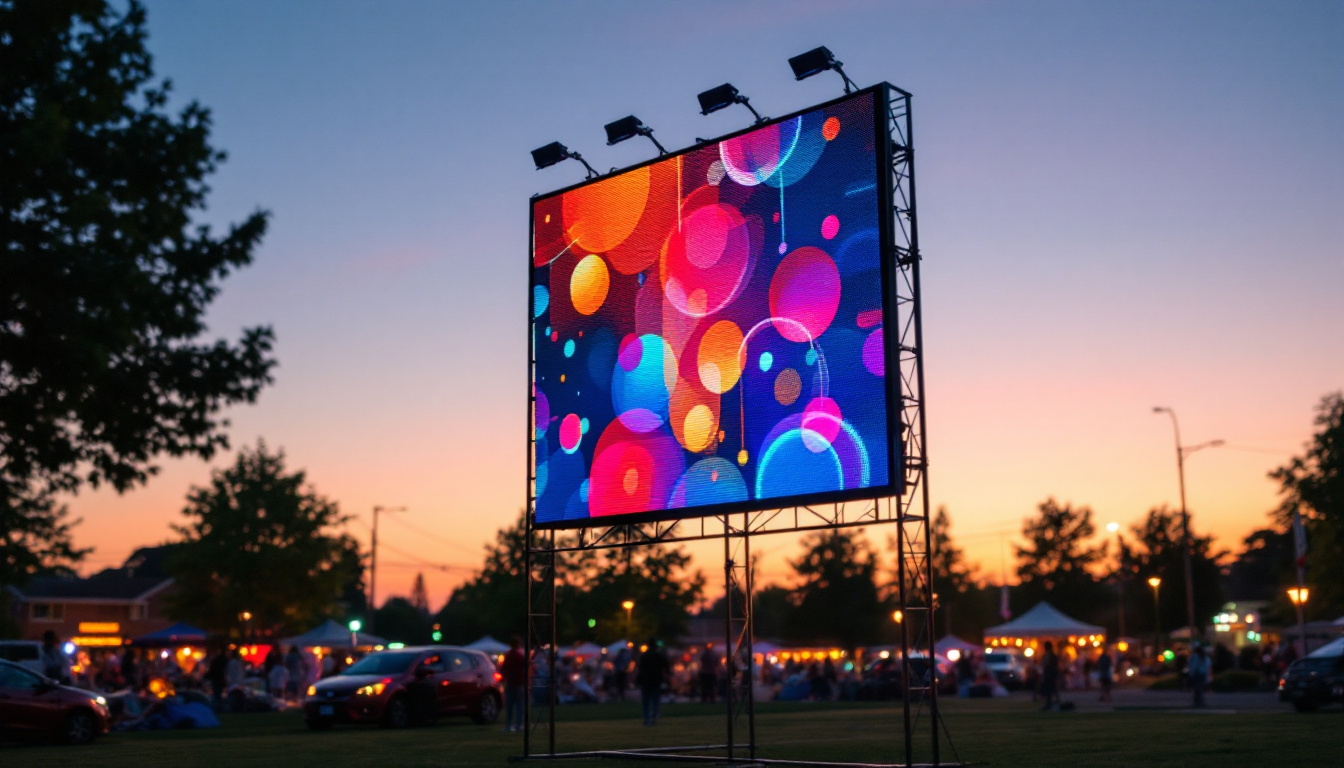
A standing LED light is a type of LED display that is mounted on a stand or frame, allowing it to be positioned freely in various environments. Unlike fixed LED panels that are installed permanently on walls or ceilings, standing LED lights are portable and can be moved to different locations as needed. These displays typically consist of multiple LED modules arranged in a grid, capable of showing dynamic content such as text, images, and videos.
Standing LED lights are commonly used in retail stores, trade shows, airports, stadiums, and public spaces where eye-catching visual communication is essential. Their ability to deliver bright, vivid visuals even in well-lit environments makes them a preferred choice over traditional signage. The versatility of these displays allows businesses to easily change their messaging, adapting to different promotions or events without the need for costly reprints or installations. Additionally, many standing LED lights come equipped with smart technology, enabling remote management and real-time updates, which can significantly enhance marketing strategies.
How Does LED Technology Work?
LED stands for Light Emitting Diode, a semiconductor device that emits light when an electric current passes through it. Unlike incandescent bulbs that produce light by heating a filament, LEDs generate light through electroluminescence, which is more energy-efficient and produces less heat.
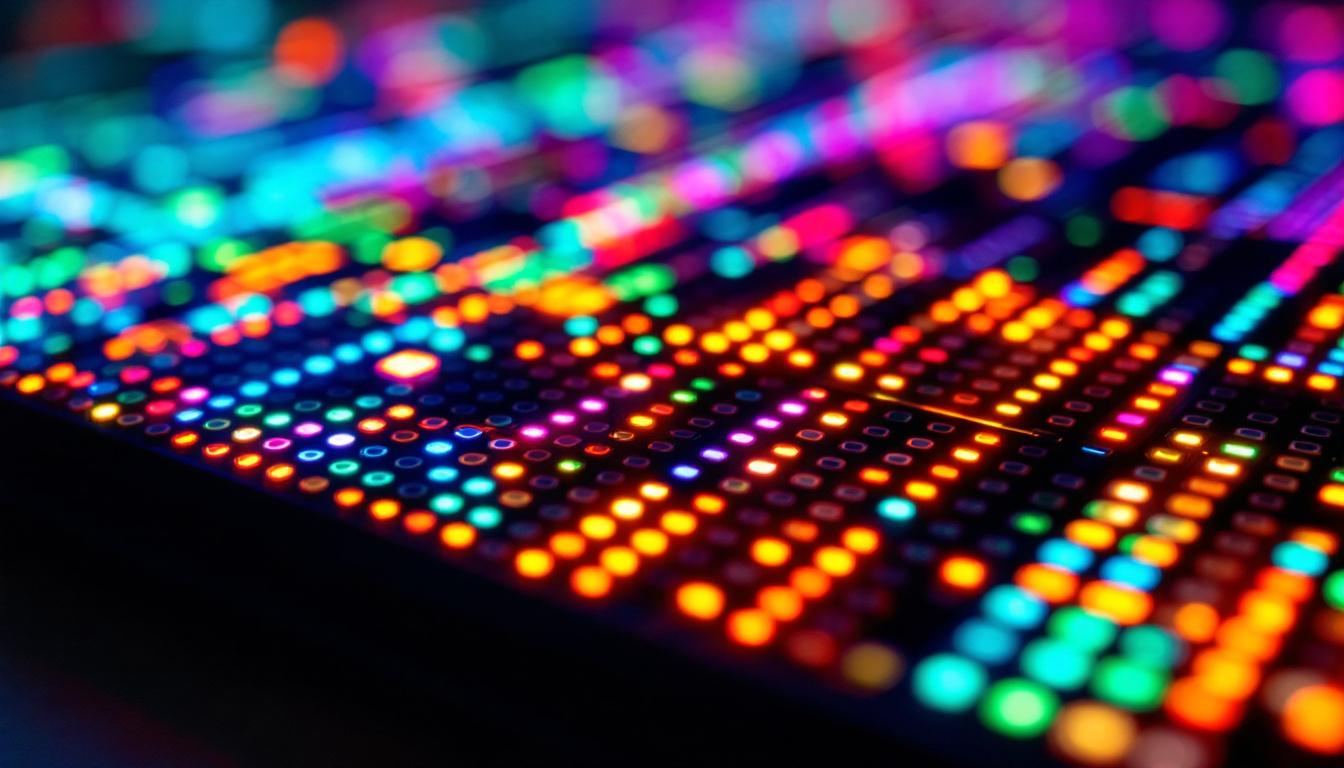
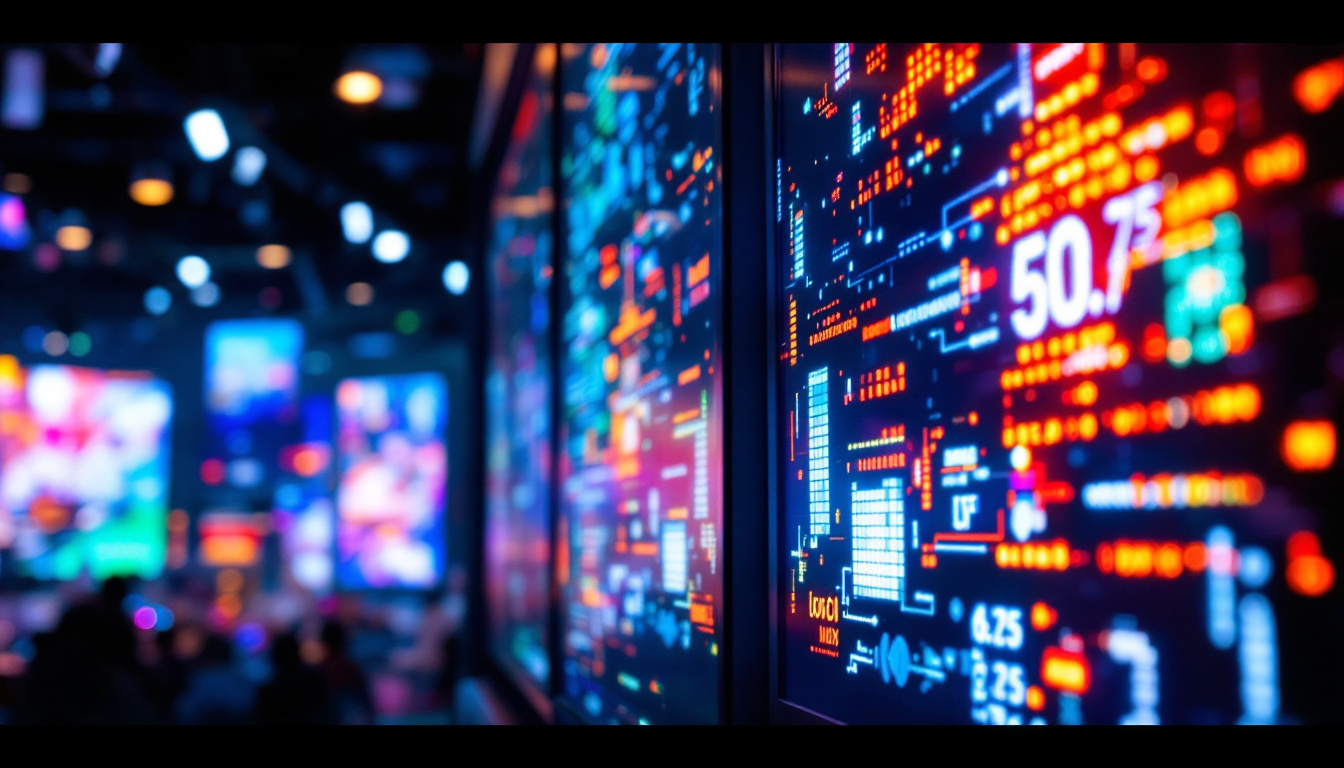
In standing LED lights, thousands of tiny LEDs are arranged in pixels. Each pixel can emit red, green, and blue light, and by varying the intensity of each color, the display can produce a full spectrum of colors. This RGB system allows for high-resolution images and videos to be displayed with excellent color accuracy and brightness. Furthermore, advancements in LED technology have led to the development of high dynamic range (HDR) displays, which can show a wider range of colors and contrast levels, making visuals even more striking. The longevity of LED lights is another significant advantage; they can last up to 50,000 hours or more, reducing the need for frequent replacements and maintenance, which is particularly beneficial for businesses that rely on continuous operation.
Key Features of Standing LED Displays
Brightness and Visibility
One of the most notable advantages of standing LED lights is their brightness. Modern LED displays can achieve brightness levels exceeding 5,000 nits, which means they remain clearly visible even in direct sunlight. This makes them ideal for both indoor and outdoor use, where ambient lighting conditions can vary significantly. The ability to maintain visibility in bright environments is crucial for advertising and information dissemination, ensuring that messages reach their intended audience without compromise.
Additionally, the high refresh rates of LED displays ensure smooth motion and reduce flickering, which enhances viewer comfort and engagement. This is particularly important for digital signage in busy environments where the audience may only glance briefly at the display. Furthermore, advanced technologies such as dynamic contrast adjustment allow these displays to adapt to changing light conditions automatically, providing optimal viewing experiences at all times. This adaptability not only enhances the aesthetic appeal but also increases the effectiveness of the content being displayed.
Energy Efficiency and Longevity
Compared to traditional lighting and display technologies, LED lights consume significantly less power. A typical standing LED display can use up to 80% less energy than incandescent or fluorescent alternatives. This energy efficiency not only reduces operating costs but also contributes to environmental sustainability. As businesses increasingly seek to lower their carbon footprints, the adoption of LED technology aligns with broader corporate social responsibility goals.
Moreover, LEDs have a long operational lifespan, often rated between 50,000 to 100,000 hours. This durability means fewer replacements and lower maintenance costs over time, making standing LED lights a cost-effective investment for businesses and organizations. Additionally, many manufacturers offer warranties that cover several years of use, providing peace of mind and further solidifying the long-term value of these displays. The combination of energy savings and longevity makes LED technology an attractive choice for both small businesses and large corporations looking to optimize their operational efficiency.
Flexibility and Customization
Standing LED lights come in various sizes and resolutions, allowing customization to fit specific needs. Whether it’s a small digital menu board or a large-scale advertising display, these lights can be tailored to deliver the desired impact. The versatility of standing LED displays means they can be used in a multitude of settings, from retail spaces showcasing promotional content to corporate environments displaying vital information for employees and visitors alike.
Many standing LED displays also support modular designs, enabling users to combine multiple panels to create larger screens or unique shapes. This flexibility is particularly useful for events, exhibitions, and retail environments where space and design requirements vary. Additionally, the ability to easily reconfigure displays allows businesses to adapt to changing marketing strategies or seasonal promotions without incurring significant costs. With options for interactive features and touch capabilities, standing LED displays can also engage audiences in new and innovative ways, enhancing the overall experience and driving customer interaction.
Applications of Standing LED Lights
Retail and Advertising
Retailers leverage standing LED lights to attract customers and showcase promotions. The vibrant colors and dynamic content capabilities help brands stand out in crowded marketplaces. For example, fashion stores often use these displays to highlight new collections or seasonal sales, creating an immersive shopping experience.
Outdoor advertising also benefits from standing LED lights due to their durability and visibility. Billboards and roadside signs equipped with LED technology can display real-time information, such as weather updates or event announcements, enhancing their utility beyond static ads.
Events and Exhibitions
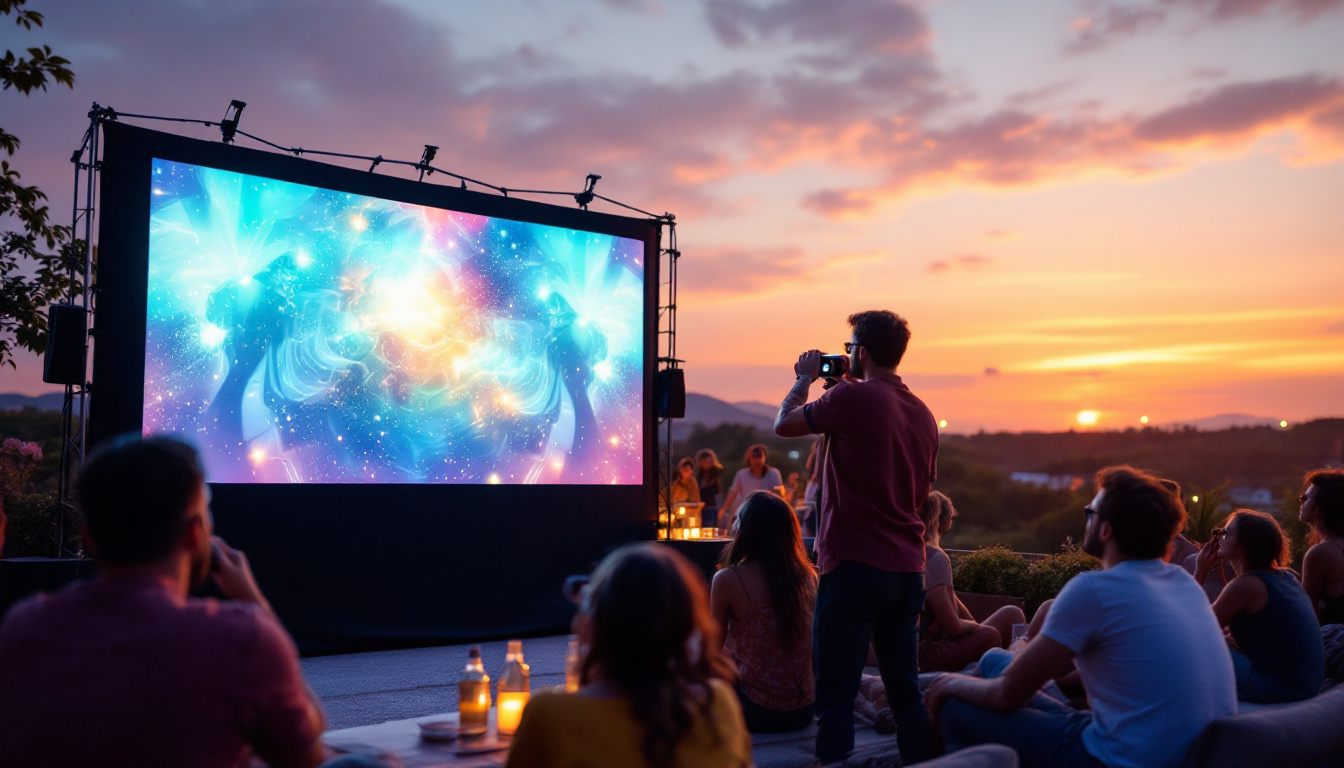
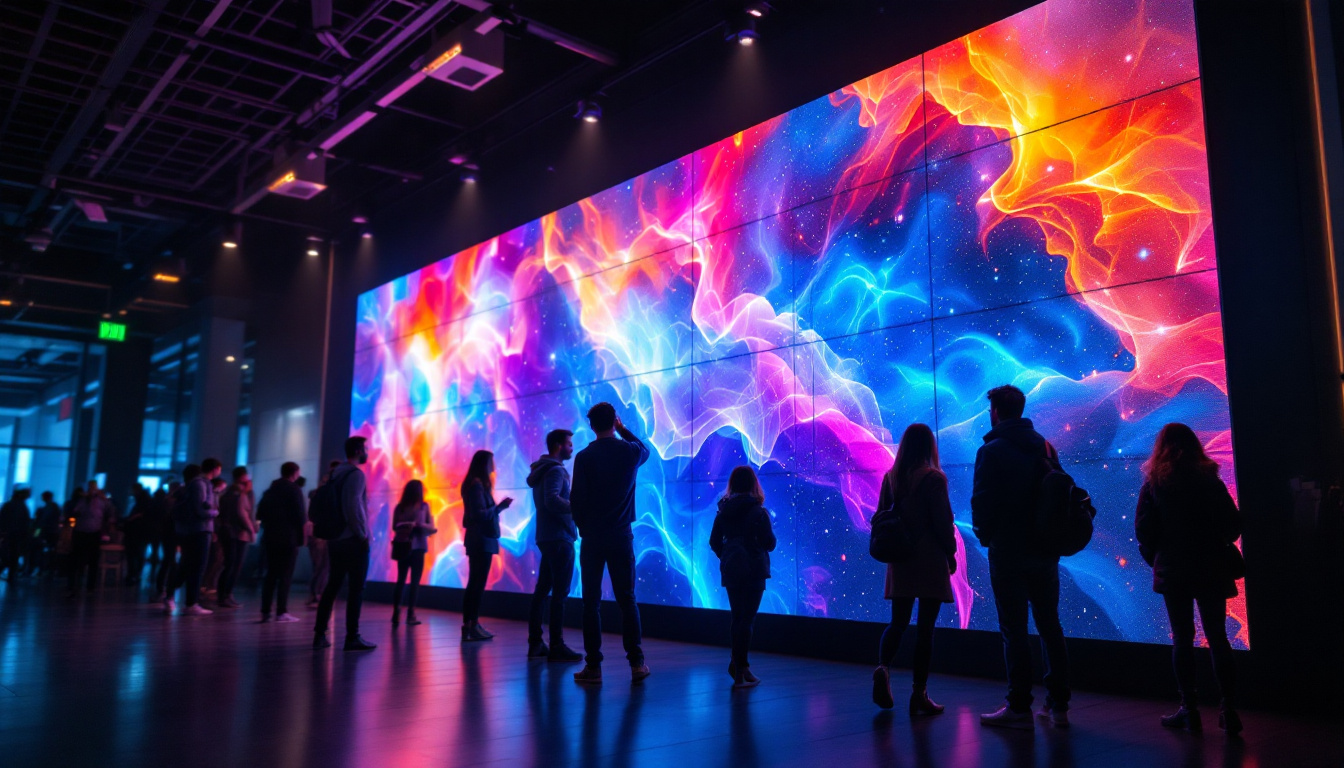
Trade shows, concerts, and conferences frequently utilize standing LED lights to engage attendees. These displays can be used for presentations, live streaming, or interactive content, making events more dynamic and memorable.
Because standing LED lights are portable, event organizers can easily transport and set them up in different venues. This adaptability reduces logistical challenges and costs associated with traditional display methods.
Public Information and Safety
Standing LED displays are increasingly used in public spaces such as airports, train stations, and hospitals to provide real-time information. Their high visibility ensures that important messages, schedules, or alerts reach a wide audience effectively.
In emergency situations, these displays can be programmed to show evacuation routes, safety instructions, or warnings, contributing to public safety and efficient crowd management.
Choosing the Right Standing LED Light
Resolution and Pixel Pitch
When selecting a standing LED display, resolution and pixel pitch are critical factors. Pixel pitch refers to the distance between the centers of two adjacent pixels, usually measured in millimeters. A smaller pixel pitch means higher resolution and sharper images, which is essential for close-up viewing.
For indoor applications where viewers are close to the screen, a pixel pitch of 1.5mm to 3mm is common. Outdoor displays, viewed from a distance, can have a larger pixel pitch, such as 6mm or more, without compromising clarity.
Size and Portability
The physical size of the standing LED light should align with the intended use and location. Larger displays provide greater impact but may require more space and power. Conversely, compact models offer easier mobility and installation but might limit content visibility.
Consider the weight and design of the stand or frame as well, especially if the display needs to be moved frequently. Some models come with wheels or foldable stands to enhance portability.
Brightness and Environment Compatibility
Assess the lighting conditions of the environment where the LED display will be used. For outdoor settings with direct sunlight, higher brightness levels (above 5,000 nits) are necessary to maintain visibility. Indoor environments typically require lower brightness to prevent glare and eye strain.
Additionally, check for weatherproofing features if the display will be exposed to rain, dust, or extreme temperatures. IP ratings (Ingress Protection) indicate the level of protection against environmental elements.
Connectivity and Control Options
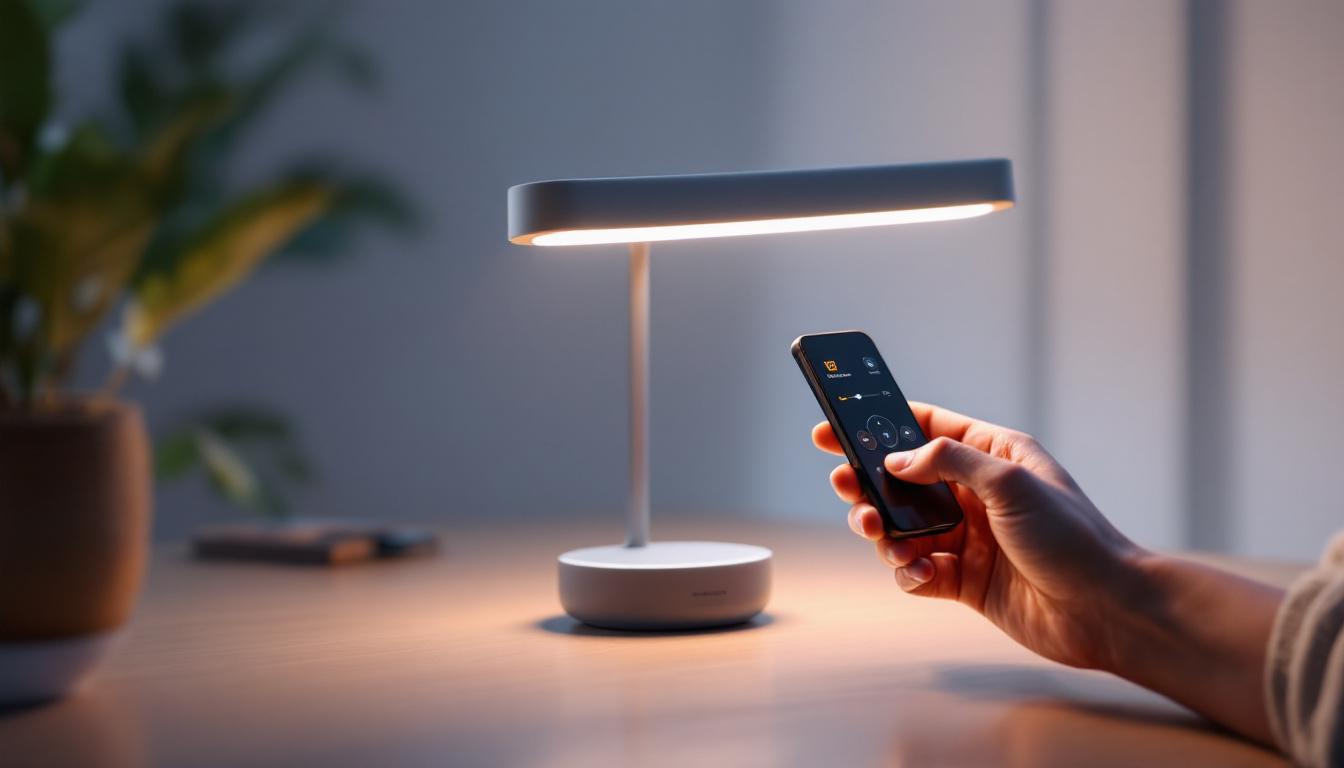
Modern standing LED lights offer various connectivity options such as HDMI, USB, Wi-Fi, and even 4G/5G. These interfaces allow users to update content remotely and schedule changes in real-time, enhancing flexibility and responsiveness.
Consider the software compatibility and user interface for content management. Intuitive control systems reduce the learning curve and enable efficient operation, especially for businesses without dedicated technical staff.
Future Trends in Standing LED Displays
Advancements in Mini-LED and Micro-LED Technologies
Emerging technologies such as mini-LED and micro-LED are set to further enhance the performance of standing LED lights. These technologies use smaller LEDs, enabling even higher resolution, improved contrast ratios, and better energy efficiency.
Micro-LED displays, in particular, offer the potential for self-emissive pixels with superior brightness and color accuracy, rivaling OLED technology but with longer lifespan and less burn-in risk.
Integration with Smart Technologies
Integration with IoT (Internet of Things) and AI (Artificial Intelligence) is transforming standing LED displays into smart devices. Features like facial recognition, audience analytics, and adaptive content delivery allow for personalized and context-aware messaging.
For example, retail stores can use data-driven insights to display targeted advertisements based on customer demographics or behavior, increasing engagement and conversion rates.
Sustainability and Eco-Friendly Designs
As environmental concerns grow, manufacturers are focusing on sustainable materials and energy-saving designs for LED displays. Innovations include recyclable components, low-power consumption modes, and solar-powered options for off-grid applications.
These advancements not only reduce the ecological footprint but also appeal to environmentally conscious consumers and businesses aiming to meet corporate social responsibility goals.
Conclusion
Standing LED lights represent a powerful tool in modern visual communication, combining brightness, flexibility, and efficiency to deliver compelling messages across various settings. Understanding the technology behind these displays, their key features, and appropriate applications is essential for making informed decisions when investing in digital signage solutions.
With continuous advancements in LED technology and smart integration, standing LED displays are poised to become even more versatile and impactful. Whether for advertising, events, or public information, these displays offer a dynamic way to engage audiences and enhance communication in an increasingly digital world.
Discover LumenMatrix’s Innovative LED Displays
Ready to elevate your visual communication strategy with cutting-edge technology? LumenMatrix offers a diverse range of LED display solutions tailored to meet your unique needs. From vibrant Indoor and Outdoor LED Wall Displays to dynamic Vehicle and Sports LED Displays, our products are designed to captivate and engage your audience. Experience the future of digital signage with our LED Poster Displays, Floor LED Displays, and revolutionary All-in-One and Transparent LED options. Embrace the power of LumenMatrix’s innovative displays and transform how you share your message. Check out LumenMatrix LED Display Solutions today and see the difference for yourself.