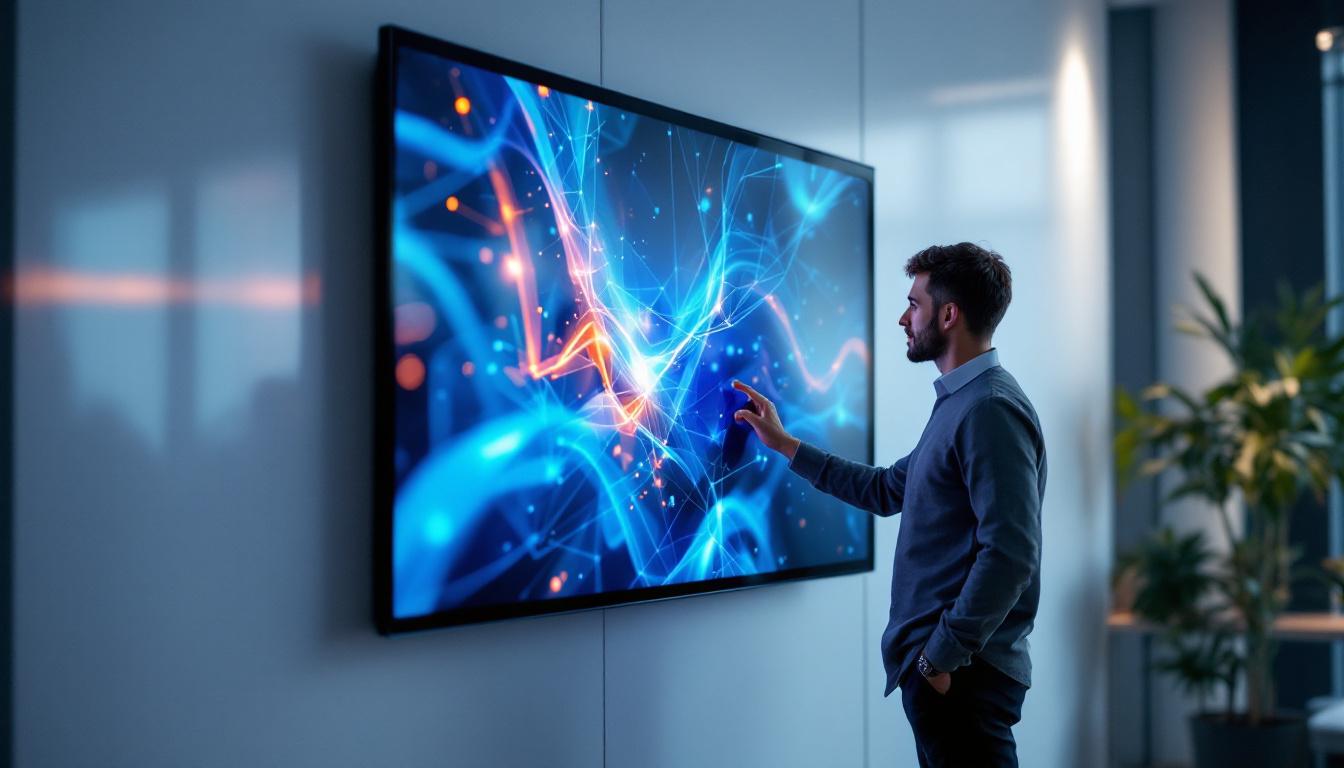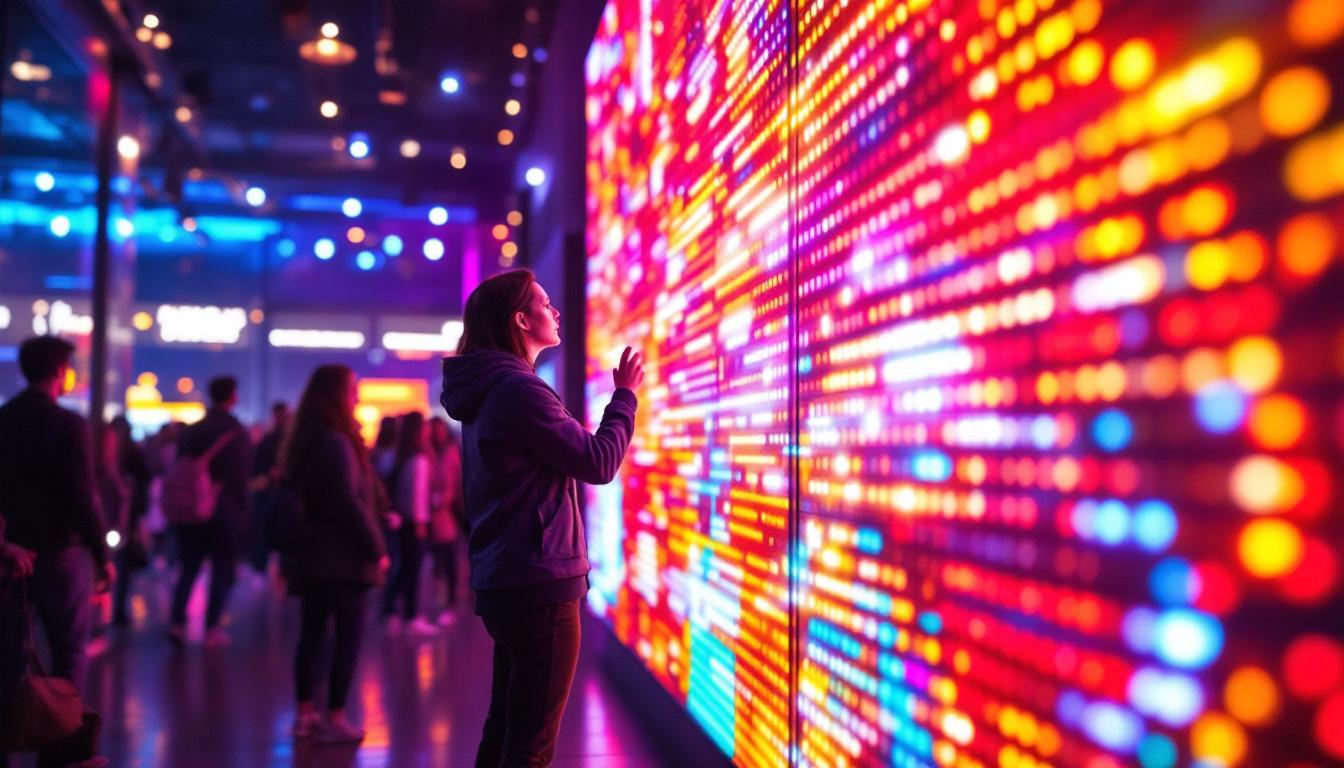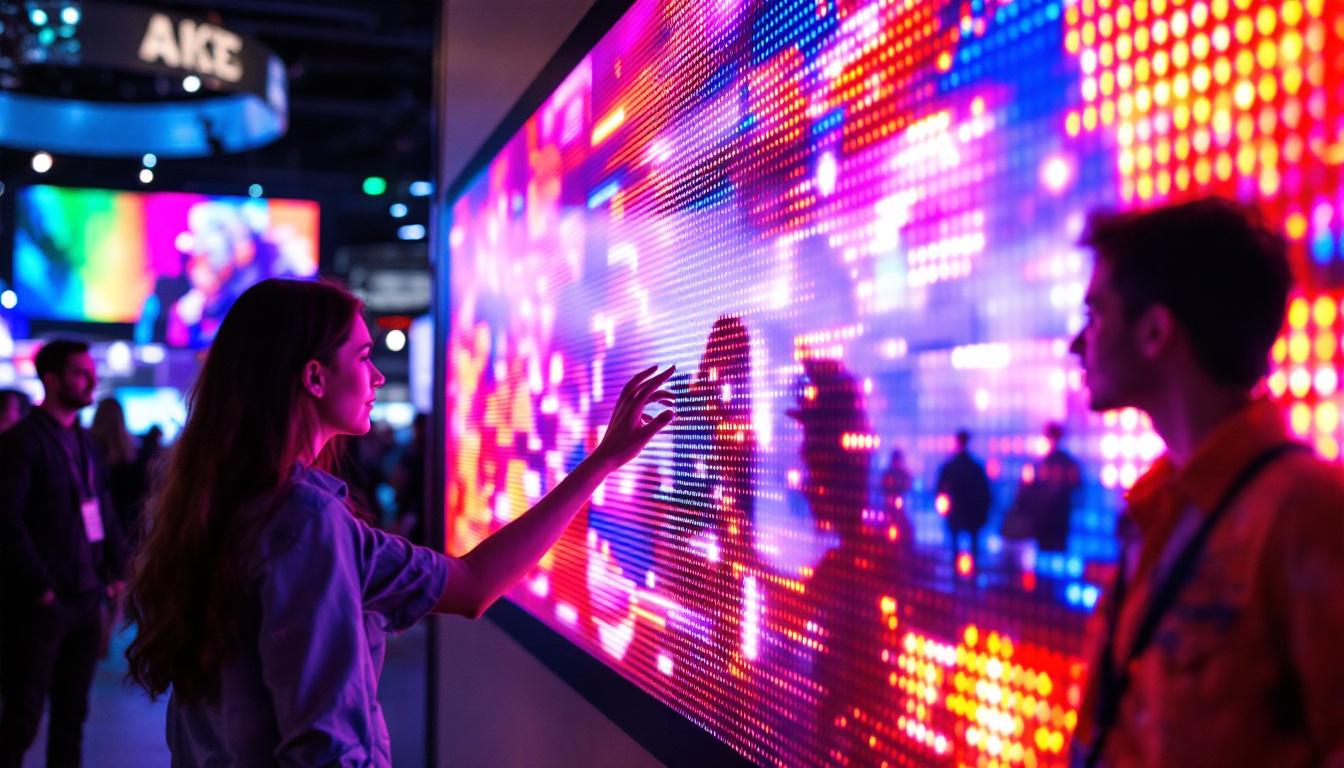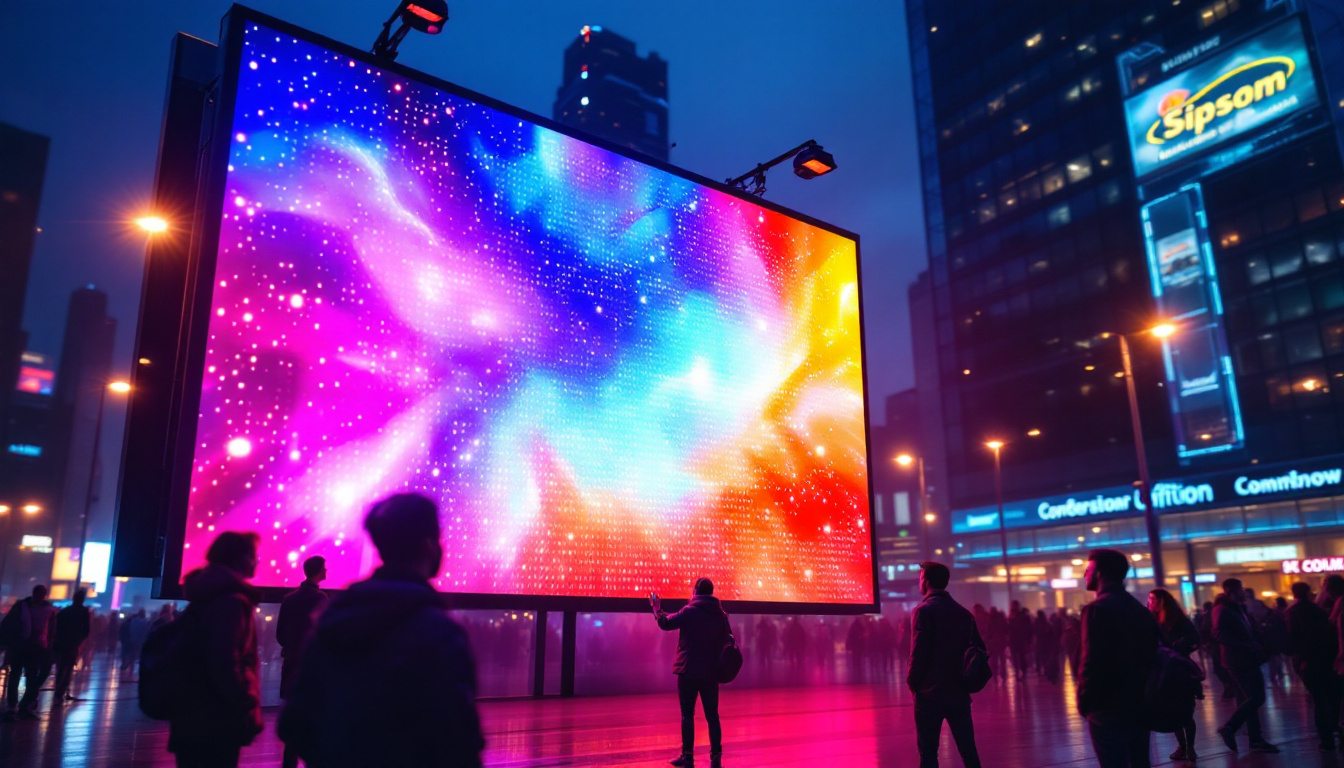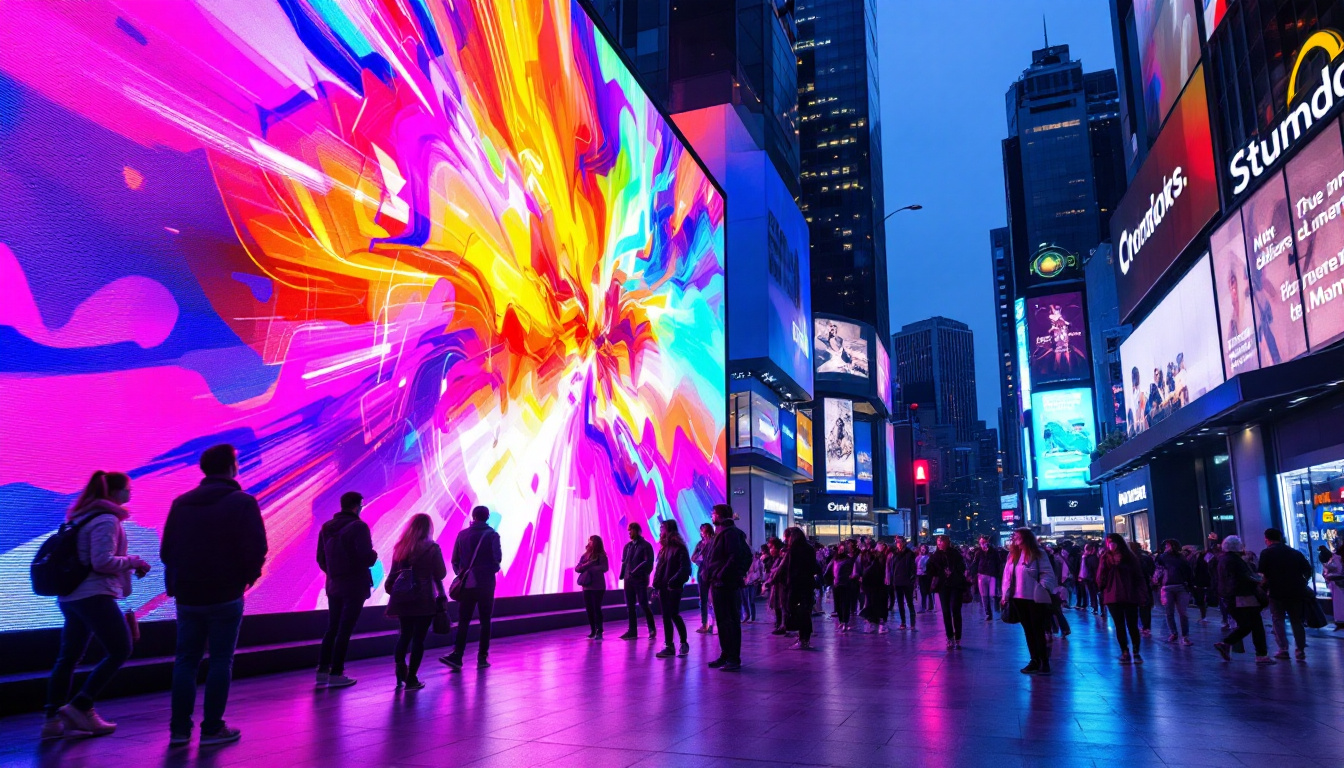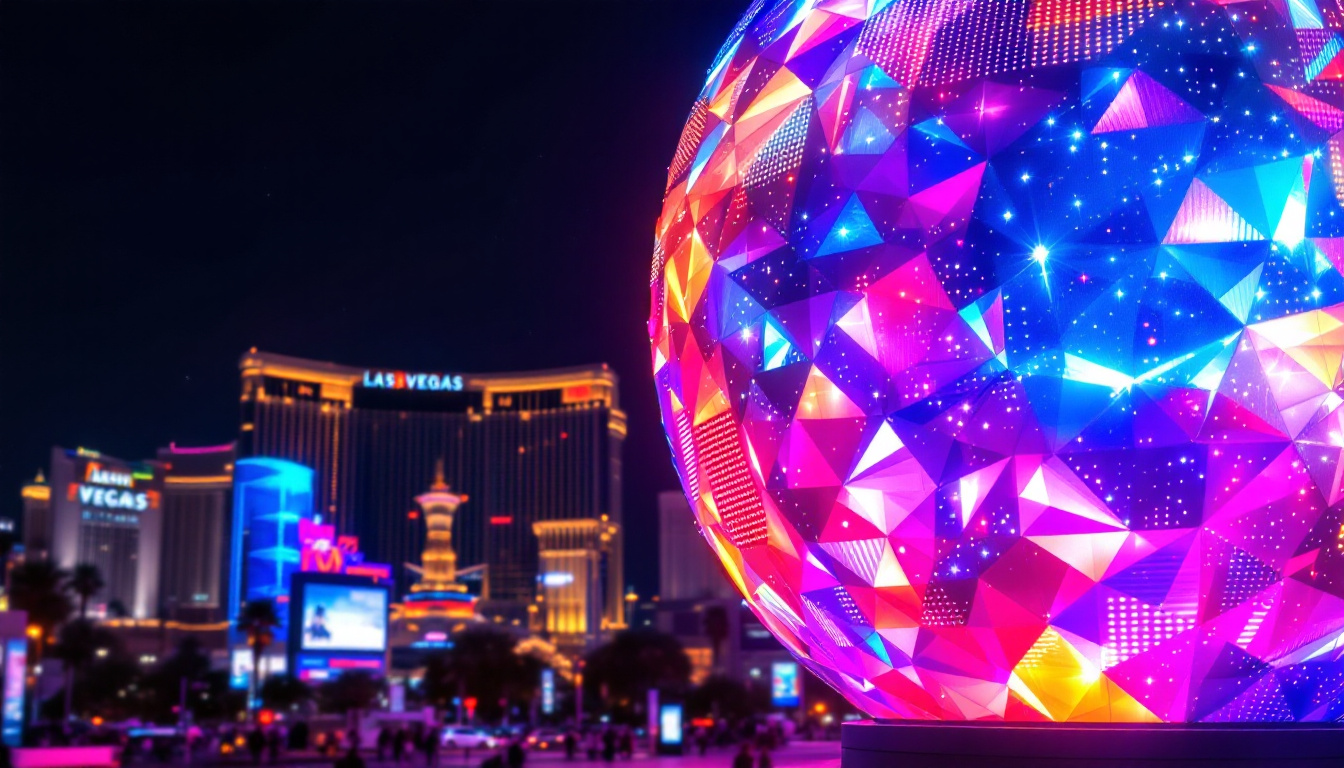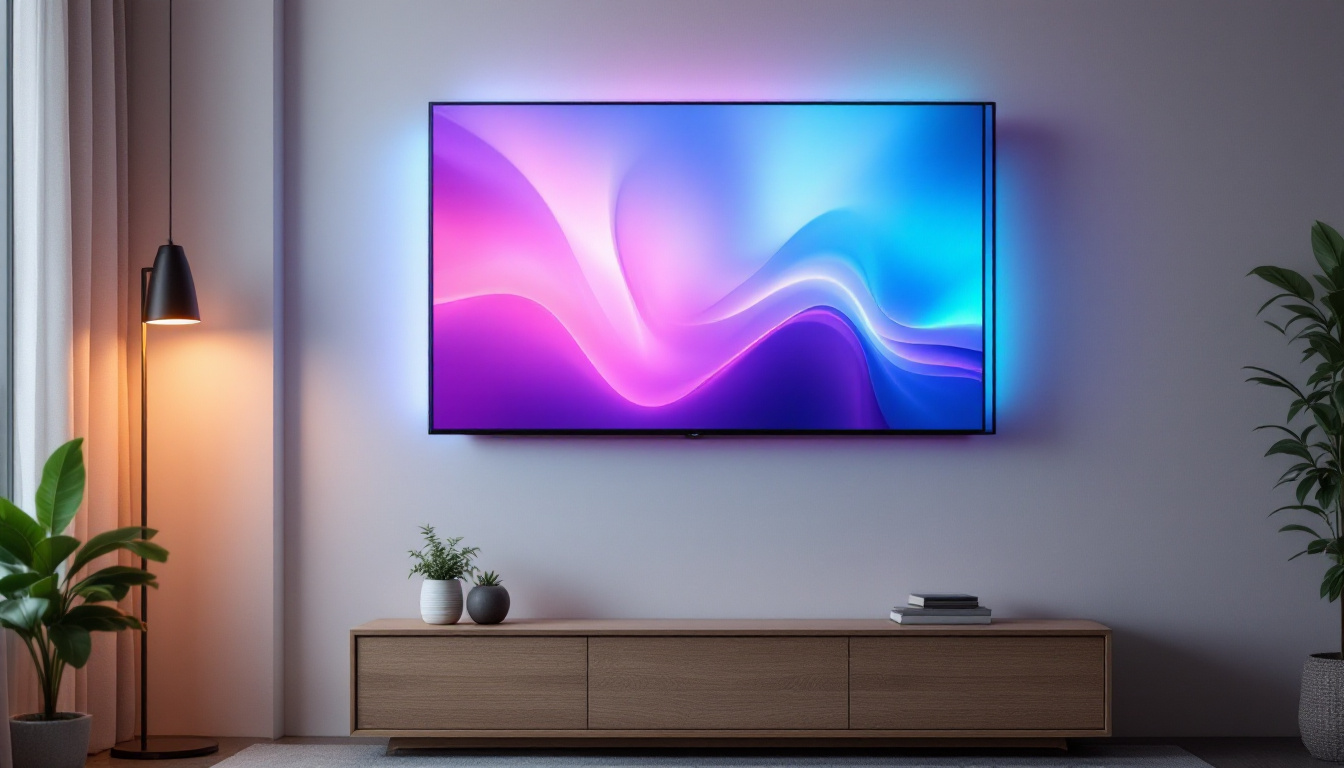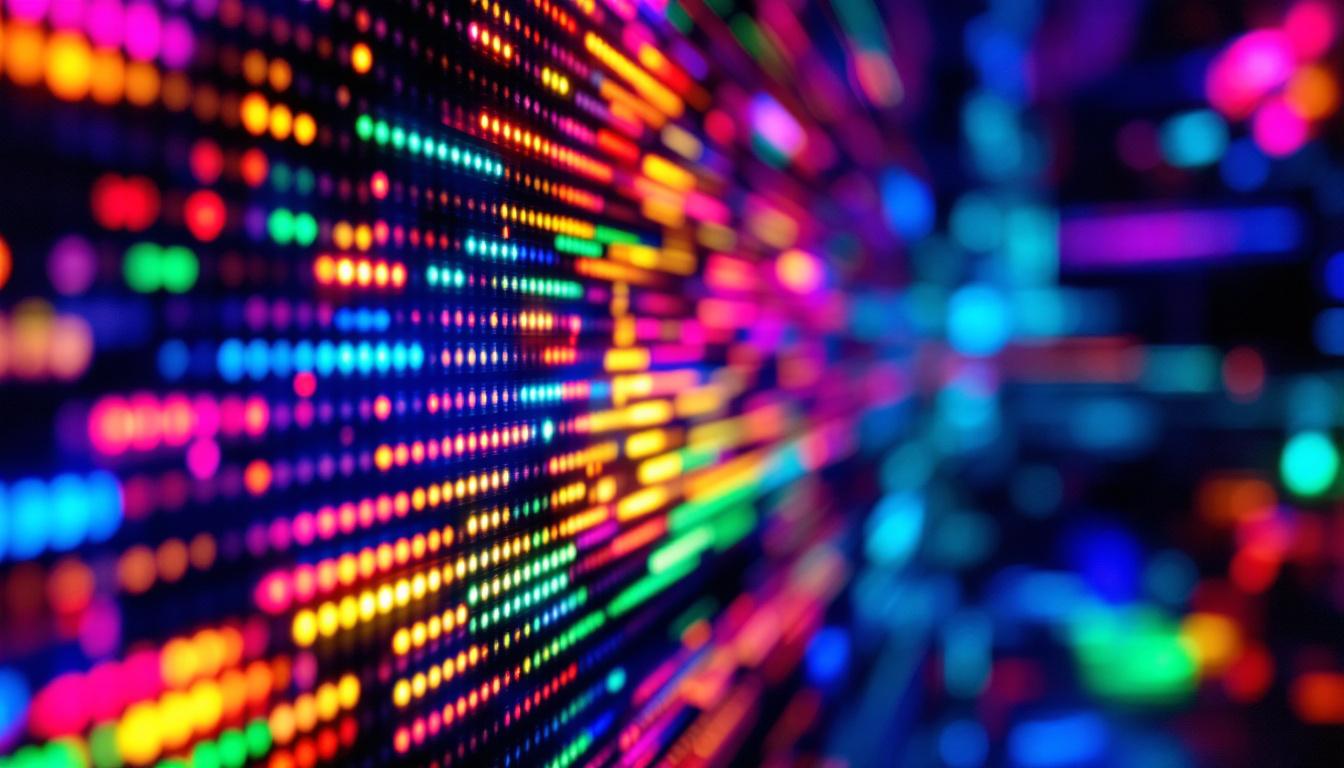
In today’s digital age, LED display technology has become a cornerstone of visual communication, transforming everything from advertising billboards to stadium screens and indoor digital signage. Among the various types of LED displays, the RGB LED screen panel stands out for its vibrant color reproduction and versatility. This article delves into the intricacies of RGB LED screen panels, explaining how they work, their applications, and why they have become the preferred choice for dynamic visual content.
Understanding RGB LED Screen Panels
What is an RGB LED Screen Panel?
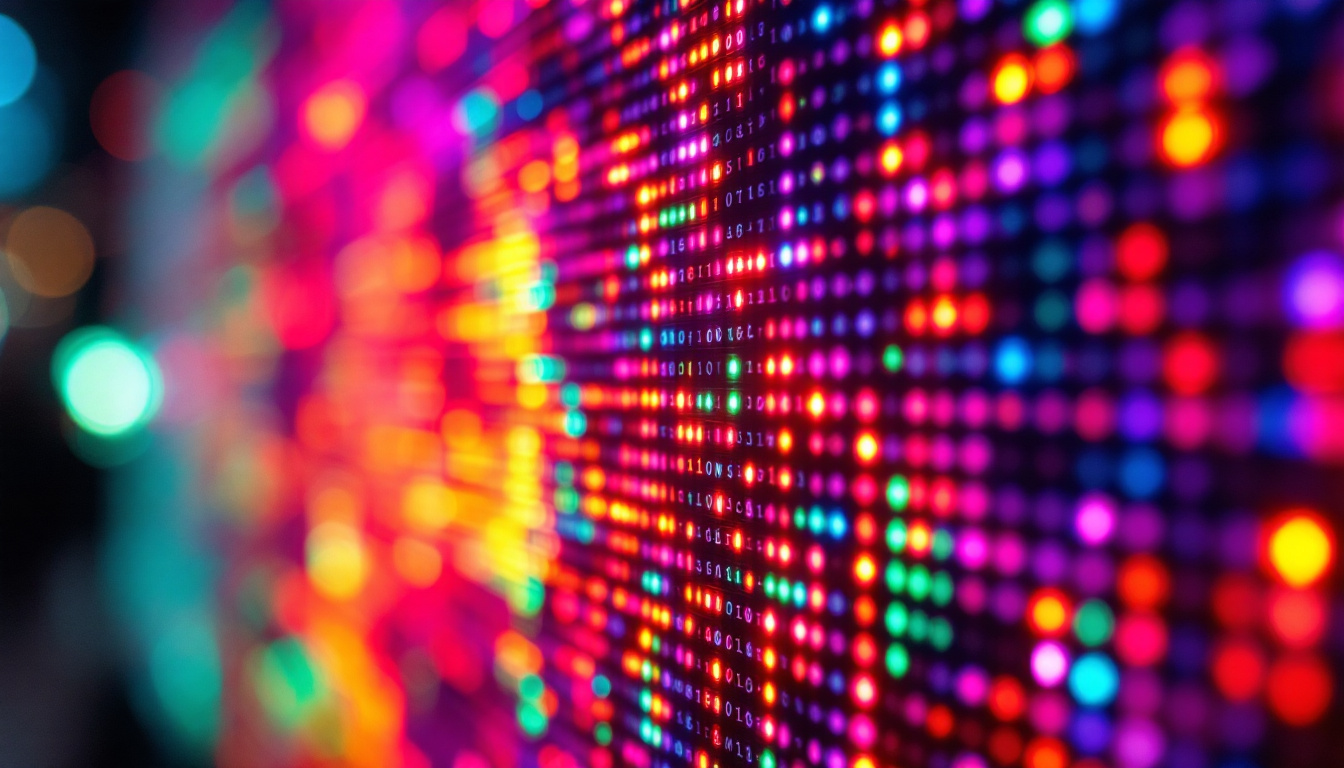
An RGB LED screen panel is a type of display that uses red, green, and blue light-emitting diodes (LEDs) to produce a full spectrum of colors. Each pixel on the screen is composed of three tiny LEDs—one red, one green, and one blue—that combine to create millions of different colors through varying intensity levels. This technology enables the display to render vivid images, videos, and animations with remarkable clarity and brightness.
Unlike traditional LCD or plasma screens, which rely on backlighting or liquid crystals, RGB LED panels emit their own light. This self-illumination results in higher contrast ratios, deeper blacks, and better visibility under various lighting conditions, including direct sunlight. These attributes make RGB LED screens especially suitable for outdoor advertising, large-scale events, and public information displays.
How Do RGB LEDs Work?
Each LED within the RGB pixel functions by emitting light at specific wavelengths corresponding to red, green, or blue. By adjusting the intensity of each LED, the panel can produce a wide range of colors through additive color mixing. For example, combining red and green light at full intensity produces yellow, while all three LEDs at full brightness create white light.
The control of these LEDs is managed by sophisticated electronics that modulate the current supplied to each diode. This modulation happens thousands of times per second, allowing for smooth color transitions and high refresh rates. The result is a display capable of showing dynamic content with minimal flicker and excellent color fidelity.
Key Components of RGB LED Screen Panels
LED Modules and Pixels
The fundamental building block of an RGB LED screen panel is the LED module. Each module contains an array of pixels, and each pixel consists of the three colored LEDs mentioned earlier. The density of these pixels—measured as pixel pitch—determines the resolution and clarity of the display. Pixel pitch is the distance between the centers of two adjacent pixels, typically measured in millimeters.
Smaller pixel pitch values correspond to higher resolution and sharper images, making such panels ideal for close viewing distances, such as indoor environments or control rooms. Conversely, larger pixel pitches are common in outdoor displays where viewers are farther away, balancing visibility and cost-effectiveness.
Driving Circuits and Controllers
To achieve precise control over each LED’s brightness and color, RGB LED panels incorporate driving circuits and controllers. These components receive video signals from external sources and translate them into electrical signals that regulate the LEDs. Modern controllers support various input formats, including HDMI, DVI, and SDI, ensuring compatibility with a wide range of media devices.
Advanced controllers also enable features like brightness adjustment, color calibration, and synchronization across multiple panels. This capability is crucial for creating seamless large-scale video walls or immersive environments where uniformity and color accuracy are essential.
Cabinet and Structural Design
The LED modules are mounted onto cabinets or frames that provide mechanical support and protection. These cabinets are designed to be weather-resistant for outdoor use, often featuring IP65 or higher ratings to guard against dust and water ingress. Additionally, the structural design facilitates heat dissipation, ensuring the longevity and stable performance of the LEDs.
Modularity is another important aspect of cabinet design. Panels can be easily assembled and disassembled, allowing for flexible installation configurations and straightforward maintenance. This modular approach is particularly beneficial for rental companies and event organizers who require rapid deployment and teardown.
Advantages of RGB LED Screen Panels
Superior Color Quality and Brightness
One of the most significant advantages of RGB LED panels is their ability to deliver vibrant colors with high brightness levels. Unlike displays that rely on filters or backlighting, the direct emission of light from LEDs results in more saturated and accurate colors. This makes RGB LED screens ideal for applications where visual impact is critical, such as advertising, live events, and retail displays.
Furthermore, these panels maintain excellent visibility even in bright ambient light conditions. Outdoor LED billboards, for example, often reach brightness levels exceeding 5,000 nits, ensuring that content remains clear and eye-catching throughout the day.
Energy Efficiency and Longevity
Compared to traditional lighting and display technologies, RGB LEDs are highly energy-efficient. They consume less power while producing brighter light, which translates into lower operating costs for businesses. Additionally, LED panels have a long operational lifespan, often exceeding 100,000 hours under optimal conditions. This durability reduces the frequency and cost of replacements, making them a cost-effective investment over time.
Flexibility and Scalability
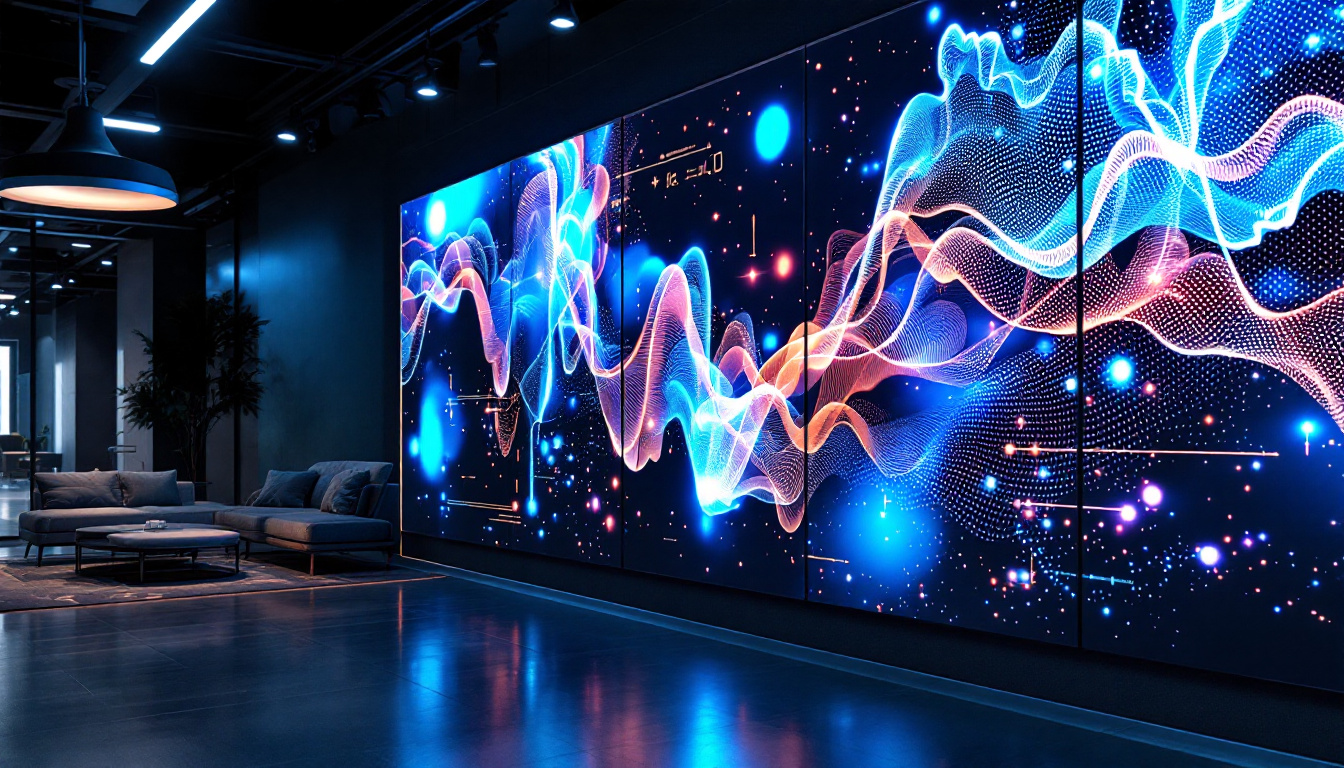
RGB LED screen panels offer remarkable flexibility in terms of size and configuration. Panels can be combined to create massive video walls spanning hundreds of square meters or scaled down for small indoor displays. Their modular design allows for curved or irregular shapes, enabling creative applications in architecture, exhibitions, and entertainment venues.
Moreover, the technology supports dynamic content, including live video feeds, animations, and interactive elements. This versatility empowers marketers and content creators to engage audiences with compelling visual experiences tailored to specific environments and objectives.
Applications of RGB LED Screen Panels
Outdoor Advertising and Digital Billboards
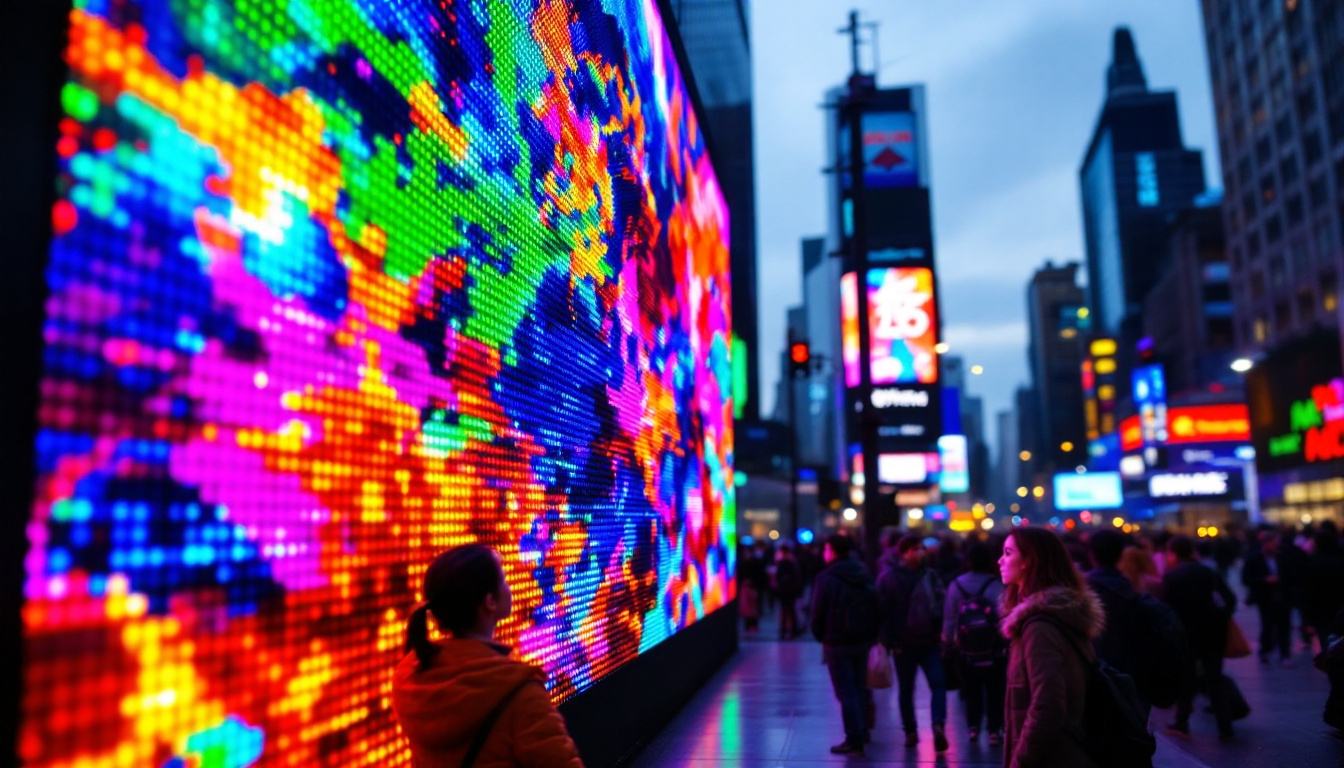
One of the most prevalent uses of RGB LED panels is in outdoor advertising. Digital billboards equipped with these panels can display high-resolution, full-color advertisements that capture attention in busy urban environments. Their brightness and weather resistance ensure consistent performance regardless of time or weather conditions.
According to recent market research, the global digital out-of-home (DOOH) advertising market is projected to grow at a compound annual growth rate (CAGR) of over 12% through 2027. This growth is largely driven by the adoption of LED display technology, highlighting the importance of RGB LED panels in modern advertising strategies.
Sports Arenas and Event Venues
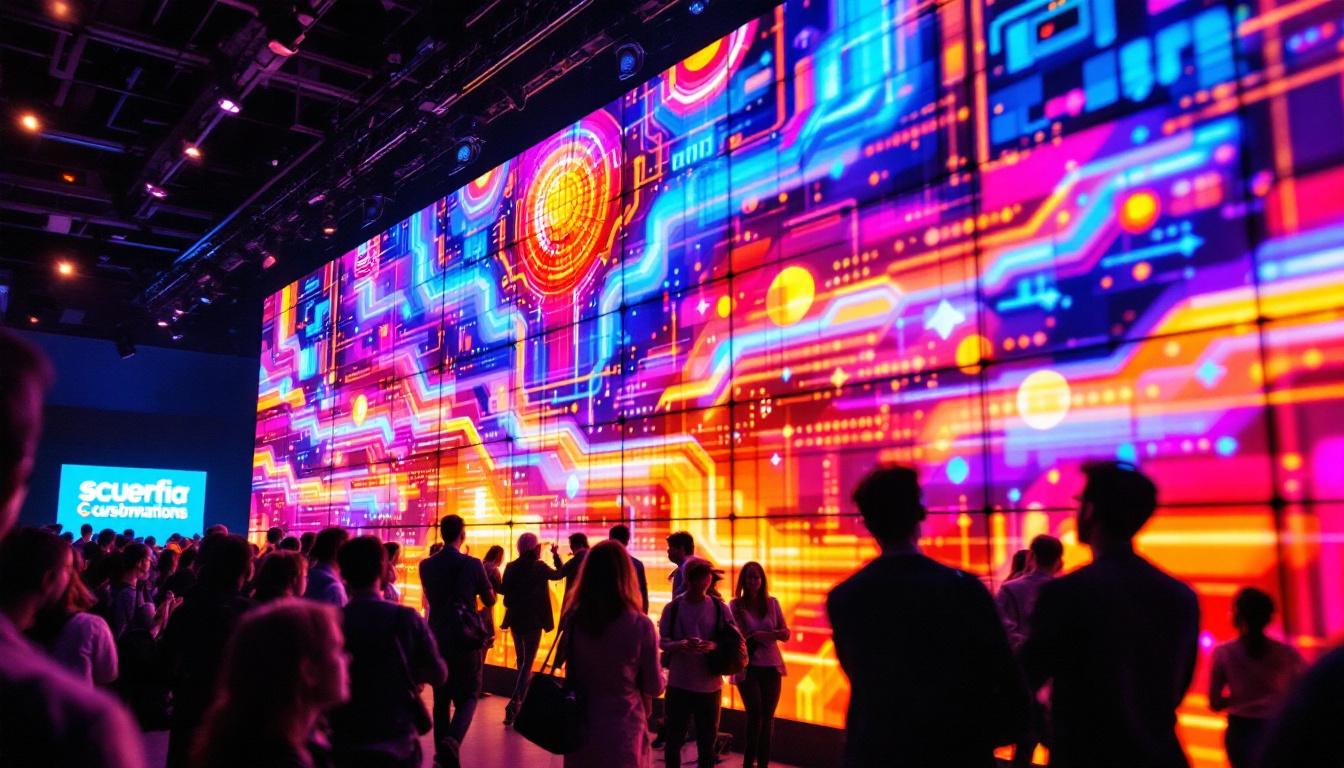
Sports stadiums and event venues rely heavily on RGB LED screens to enhance the spectator experience. Large LED video walls display live game footage, replays, scores, and interactive content, creating an immersive atmosphere. The high refresh rates and low latency of RGB LED panels ensure smooth motion rendering, critical for fast-paced sports and live performances.
Additionally, these screens are used for branding and sponsorship visibility, providing venues with valuable revenue streams. The ability to quickly change content also allows for versatile programming during different events.
Retail and Corporate Environments
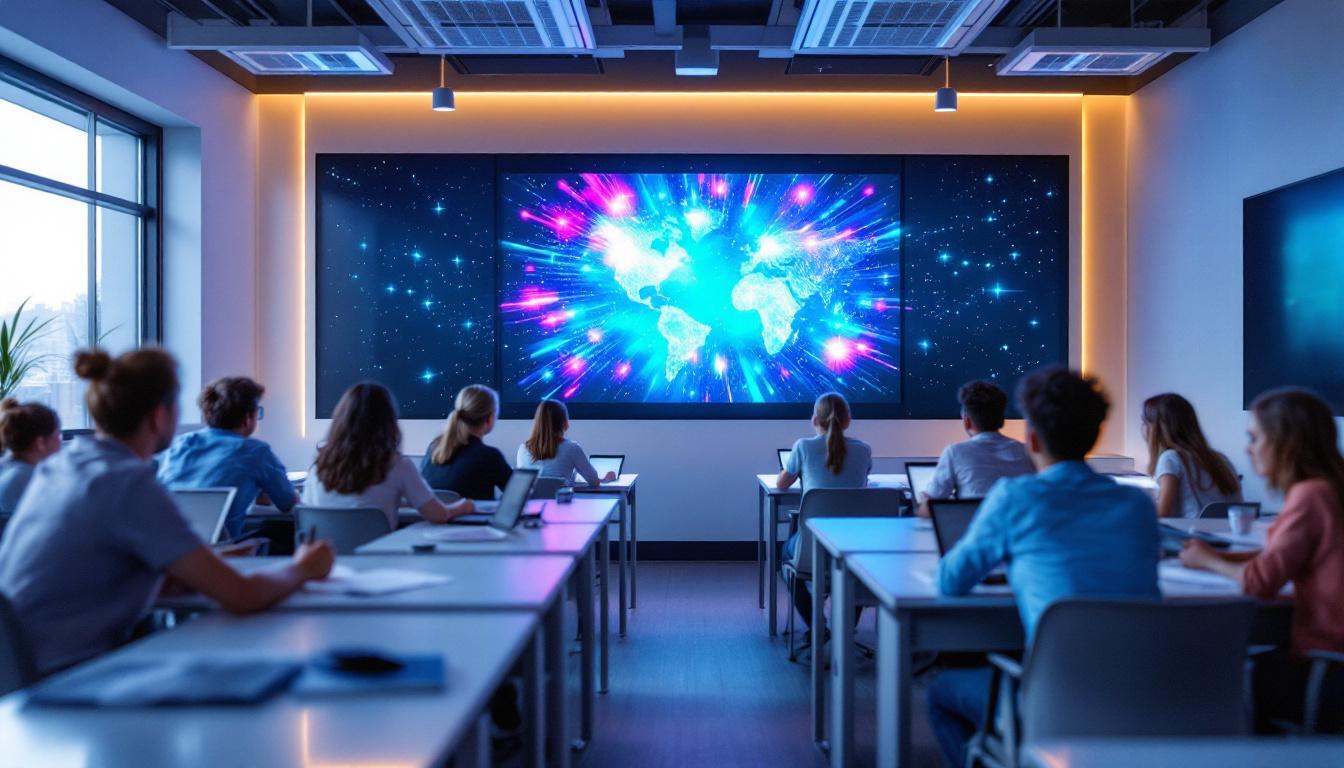
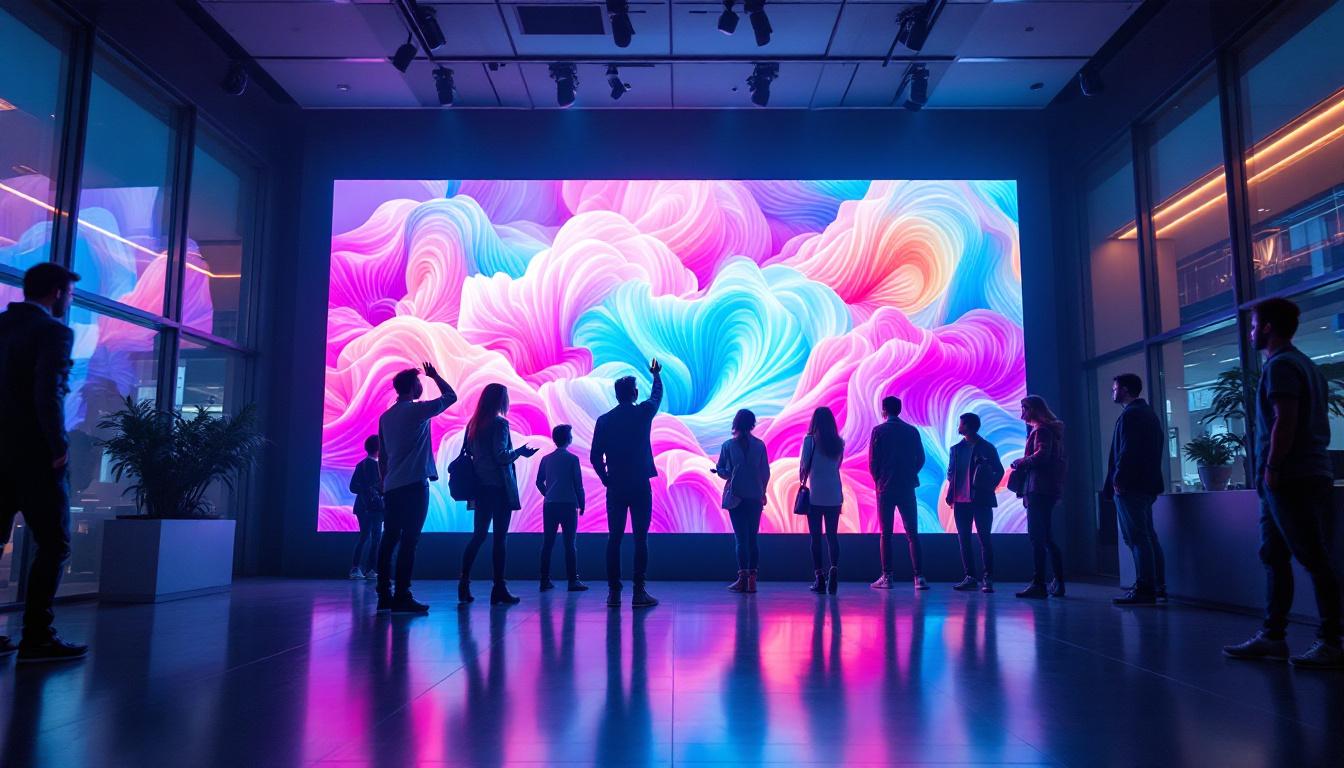
In retail settings, RGB LED screens serve as dynamic signage that can adapt to promotional campaigns, product launches, and seasonal themes. Their bright and colorful displays attract customers and enhance brand visibility. Corporate environments use LED panels for presentations, video conferencing, and digital art installations, leveraging their clarity and flexibility.
Indoor LED displays with fine pixel pitch are particularly popular in these contexts, offering high resolution at close viewing distances without the glare issues associated with other display types.
Choosing the Right RGB LED Screen Panel
Consider Pixel Pitch and Resolution
Selecting the appropriate pixel pitch is crucial for achieving the desired image quality. For indoor applications where viewers are close to the screen, a pixel pitch of 1.5 mm to 2.5 mm is common. Outdoor displays typically use pitches ranging from 4 mm to 10 mm, balancing visibility and cost.
Higher resolution panels provide sharper images but come at a higher price point. It is essential to match the resolution to the viewing distance and content type to optimize both performance and budget.
Evaluate Brightness and Contrast Requirements
Brightness levels should be chosen based on the installation environment. Outdoor screens require high brightness (often above 5,000 nits) to combat sunlight, while indoor screens can operate effectively at lower brightness levels (around 800 to 1,500 nits). Contrast ratio also affects image quality, with higher ratios delivering deeper blacks and more vivid colors.
Assess Durability and Maintenance Needs
For outdoor installations, weatherproofing and robust construction are essential. Panels with high IP ratings protect against dust and moisture, extending operational life. Additionally, ease of maintenance, including front or rear access to modules, can reduce downtime and service costs.
Consider Control Systems and Compatibility
Ensure that the LED controller supports the required input formats and offers features like remote monitoring, color calibration, and synchronization with other displays. Compatibility with content management systems and integration with existing AV infrastructure can streamline operations and enhance flexibility.
Future Trends in RGB LED Display Technology
Mini-LED and Micro-LED Innovations
Emerging technologies like Mini-LED and Micro-LED are pushing the boundaries of LED display performance. These advancements involve smaller LED chips, enabling even finer pixel pitches and higher brightness levels. Micro-LED displays, in particular, promise superior image quality, energy efficiency, and durability, potentially revolutionizing the market in the coming years.
Integration with Smart Technologies
RGB LED panels are increasingly integrated with smart technologies such as IoT sensors, AI-driven content management, and augmented reality. These integrations enable real-time content adaptation based on audience demographics, environmental conditions, or interactive inputs, enhancing engagement and effectiveness.
Sustainability and Energy Efficiency
As environmental concerns grow, manufacturers are focusing on developing more sustainable LED display solutions. Innovations include the use of eco-friendly materials, improved energy-saving designs, and recycling programs for end-of-life panels. These efforts align with global sustainability goals and appeal to environmentally conscious consumers and businesses.
Conclusion
RGB LED screen panels represent a dynamic and versatile display technology that continues to transform visual communication across industries. Their ability to deliver vibrant colors, high brightness, and flexible configurations makes them ideal for a wide range of applications, from outdoor advertising to immersive event experiences.
Understanding the technical aspects, advantages, and considerations involved in selecting and deploying RGB LED panels is essential for businesses and organizations aiming to maximize the impact of their digital displays. As technology advances, these panels will become even more sophisticated, offering new possibilities for creativity, engagement, and sustainability.
Whether upgrading existing signage or planning a new digital display installation, investing in RGB LED screen panels offers a future-proof solution that combines performance, reliability, and visual excellence.
Discover LumenMatrix’s Innovative LED Display Solutions
Ready to elevate your visual communication with the vibrant colors, high brightness, and flexible configurations of RGB LED screen panels? Explore LumenMatrix’s comprehensive range of cutting-edge LED display modules, including Indoor and Outdoor LED Wall Displays, Vehicle LED Displays, LED Poster Displays, LED Sports Displays, Floor LED Displays, Custom LED Displays, All-in-One LED Displays, and LED Transparent Displays. Embrace the future of digital signage with LumenMatrix and create captivating visual experiences that resonate with your audience. Check out LumenMatrix LED Display Solutions today and see how we can help you share your message with impact and clarity.