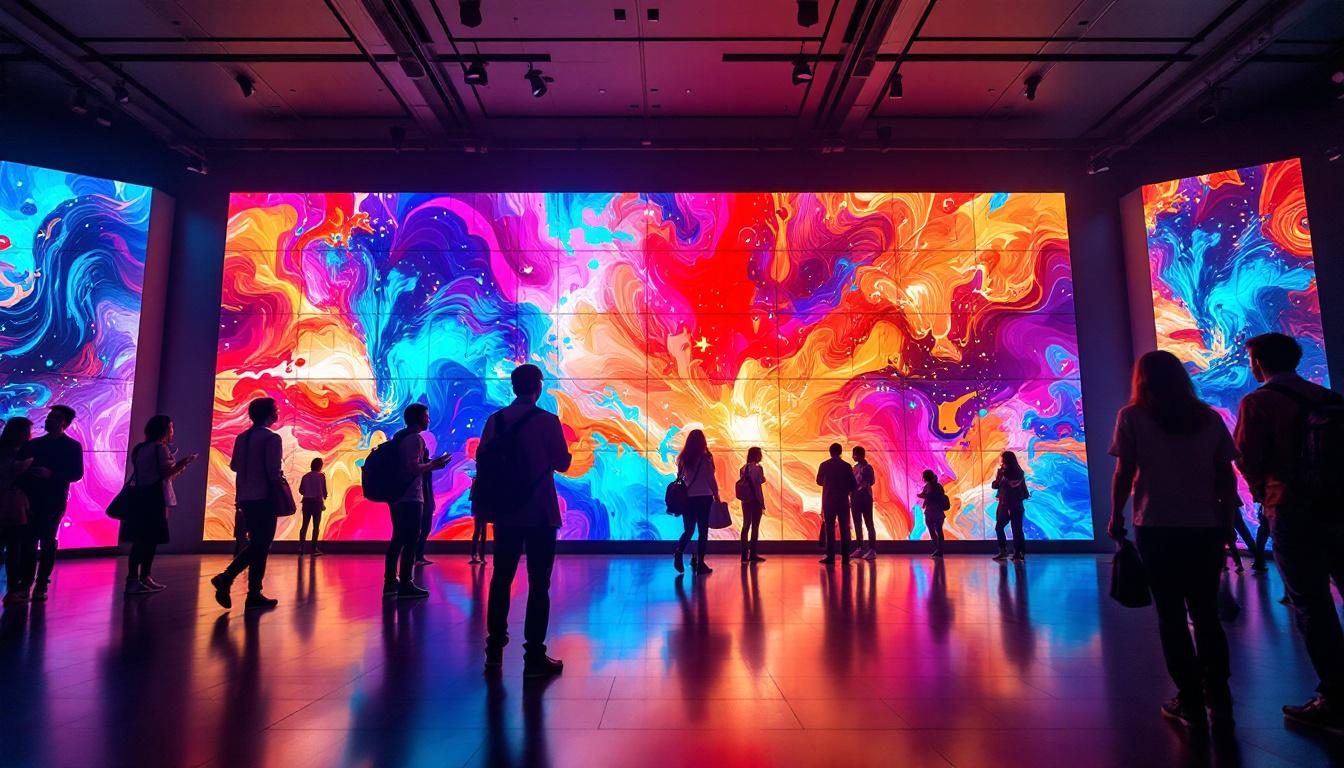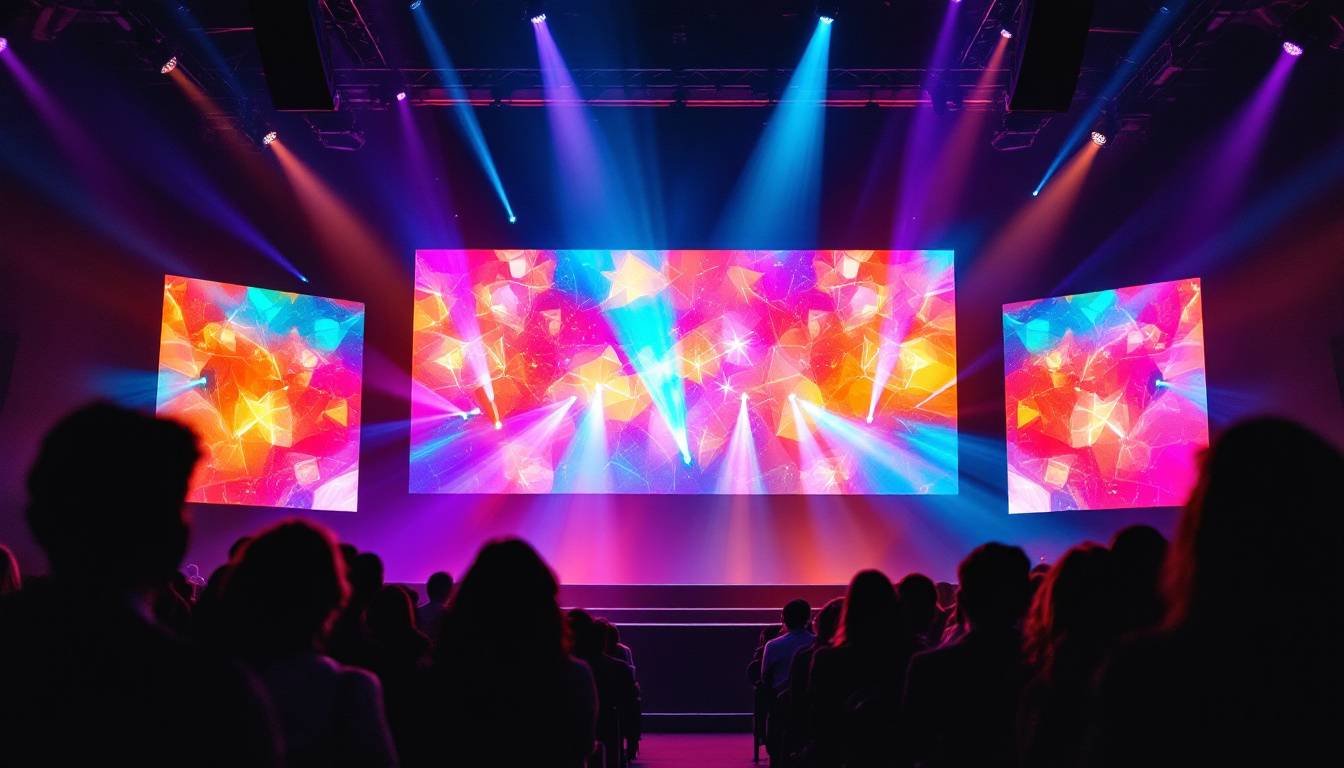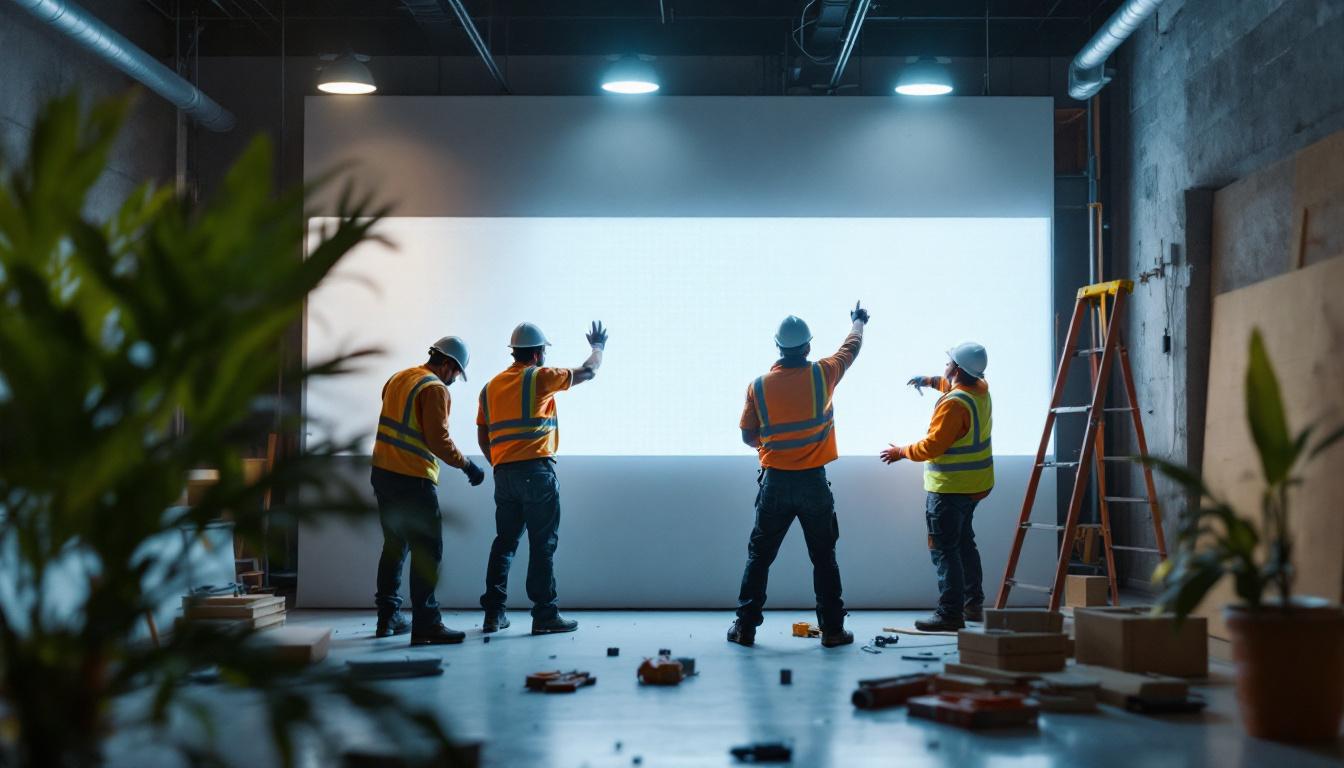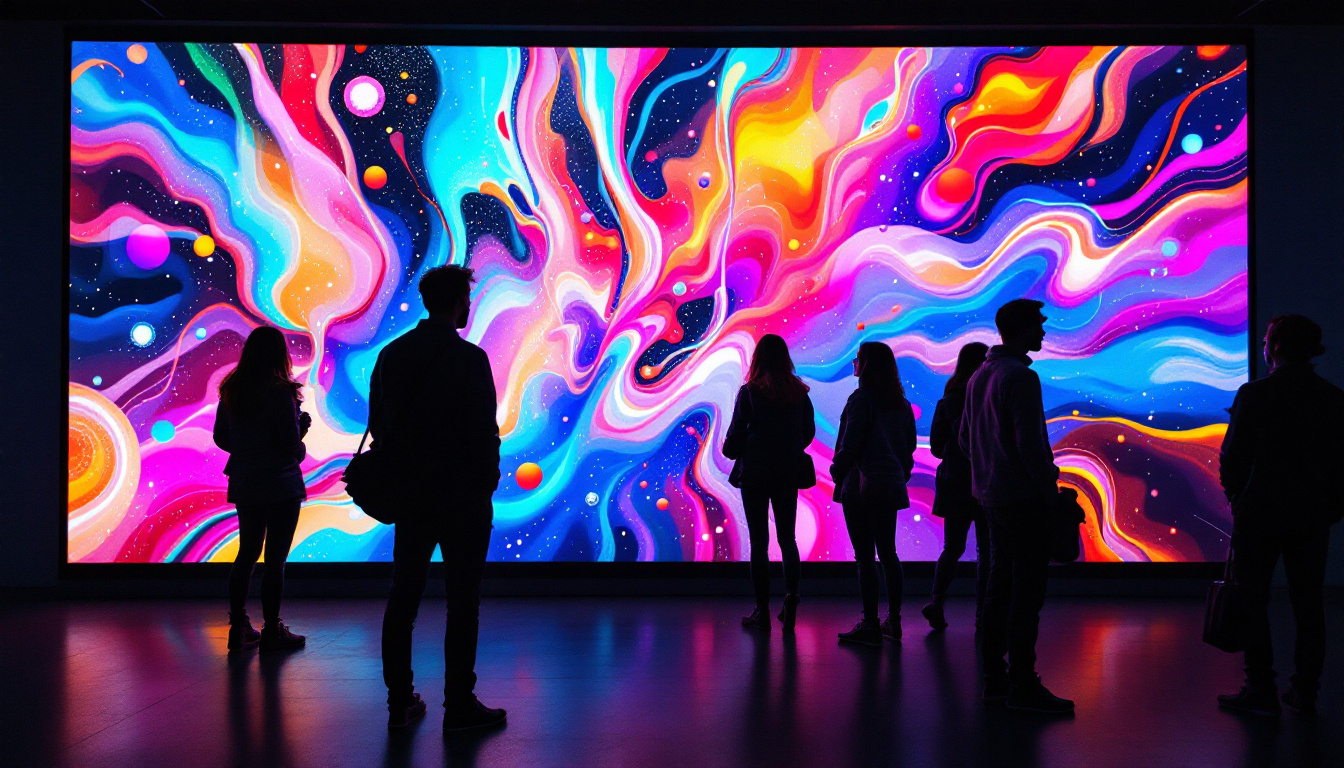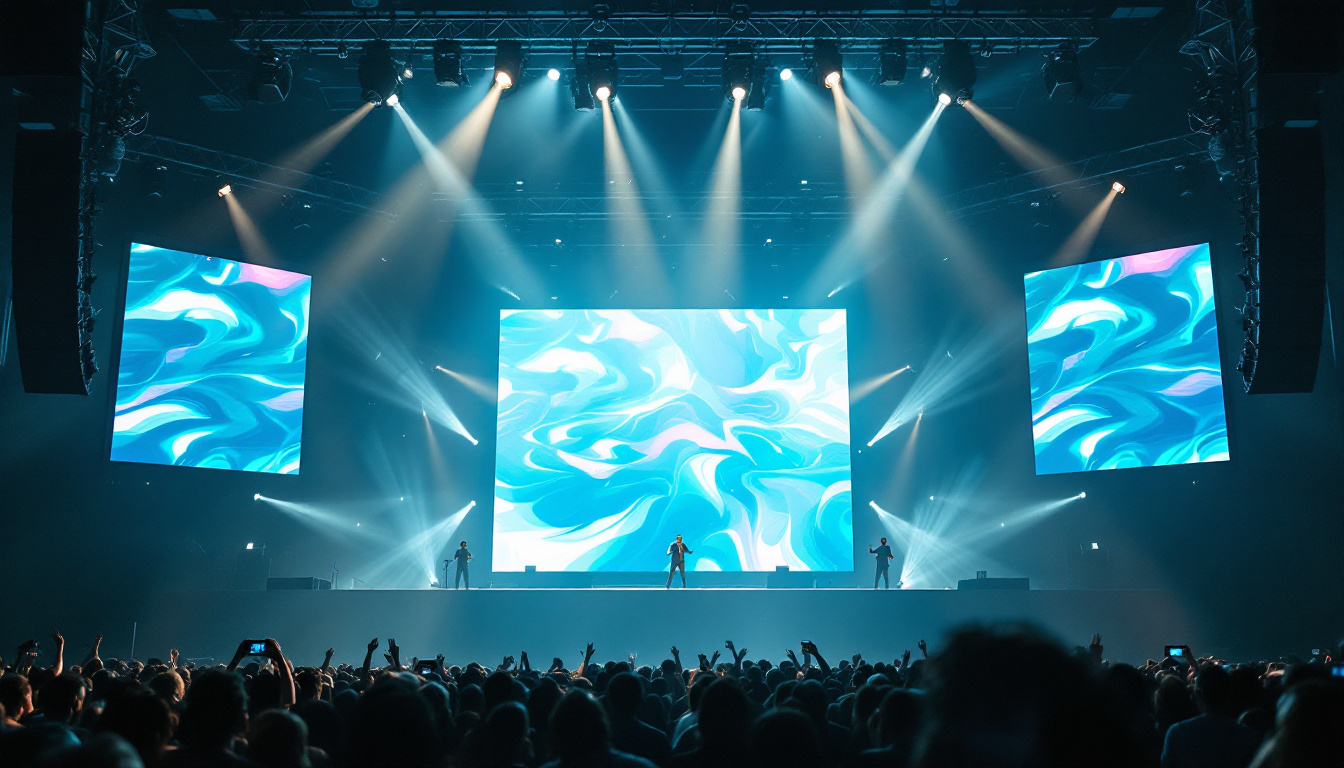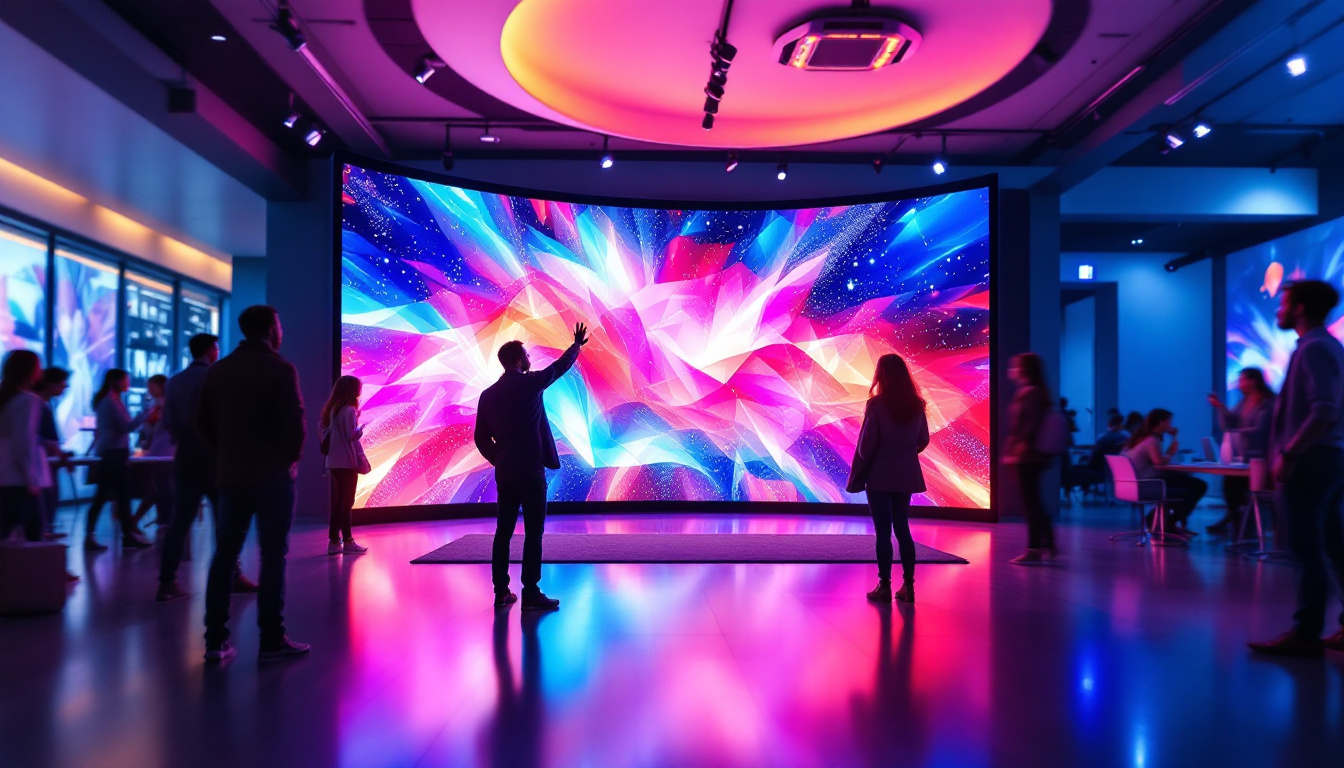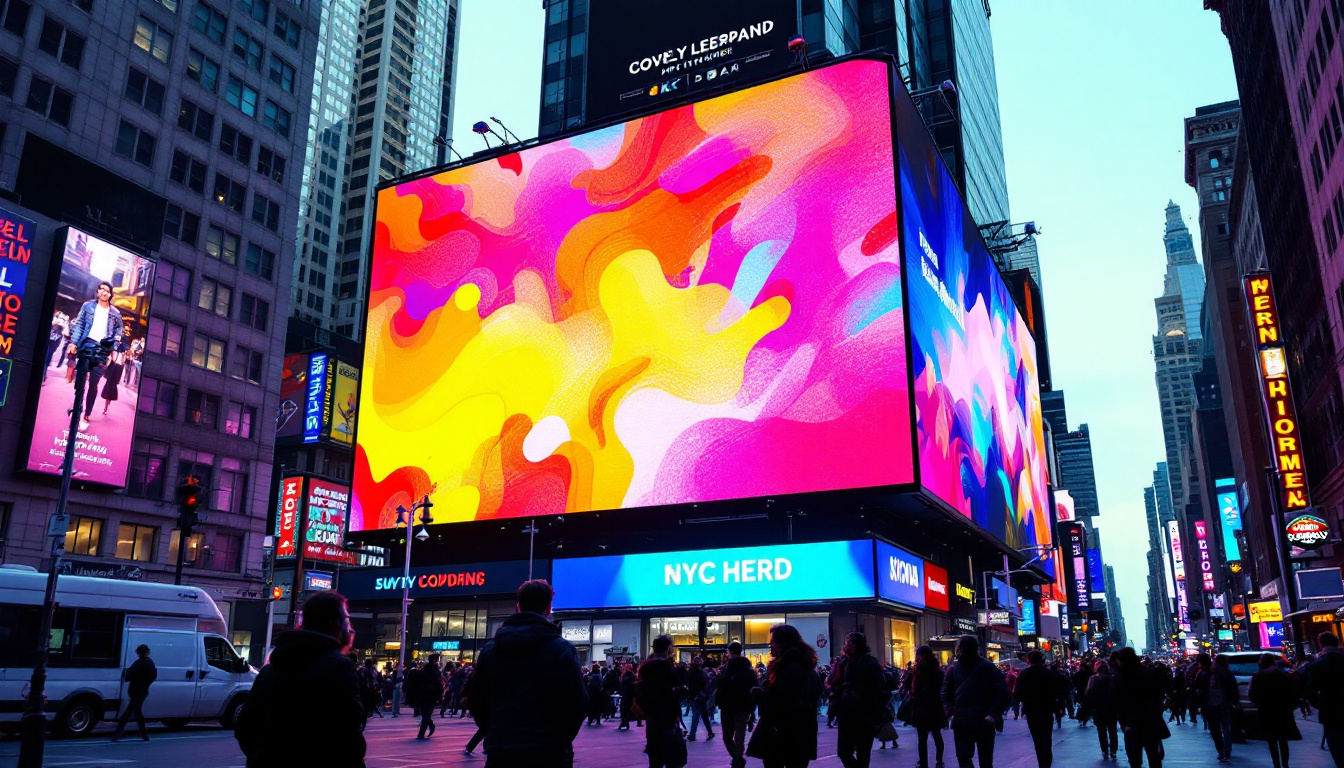
In today’s fast-paced world, LED displays have become an integral part of both commercial and residential environments. From vibrant advertising billboards to dynamic information panels, LED technology offers a versatile and energy-efficient solution for visual communication. Standish Hardware, a trusted name in the hardware industry, has embraced LED displays to enhance product offerings and customer experience. This article delves into the fundamentals of LED displays, their applications, advantages, and how Standish Hardware leverages this technology to meet modern demands.
Understanding LED Display Technology
LED stands for Light Emitting Diode, a semiconductor device that emits light when an electric current passes through it. Unlike traditional lighting or display technologies, LEDs produce light efficiently and with remarkable brightness, making them ideal for various display applications. Their energy efficiency not only reduces electricity costs but also contributes to a lower carbon footprint, aligning with the growing demand for sustainable technology solutions in today’s world.
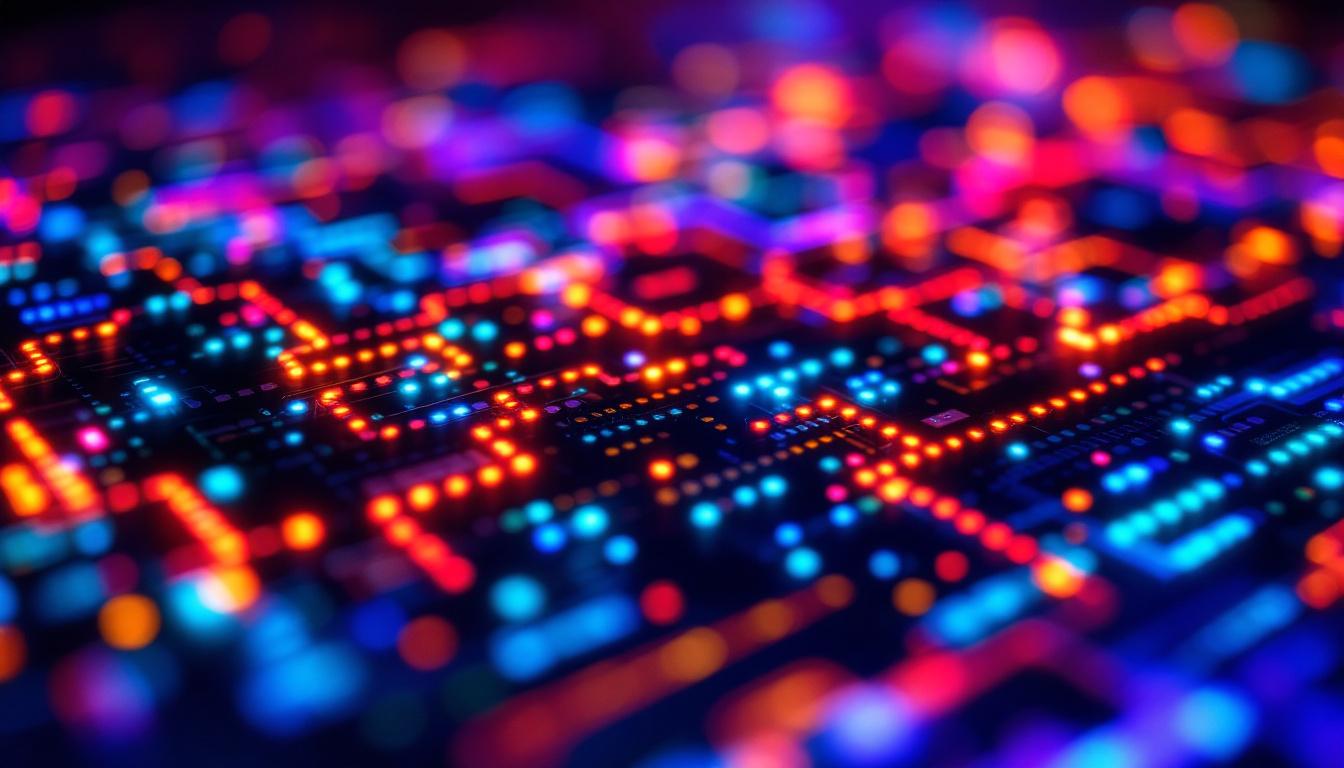
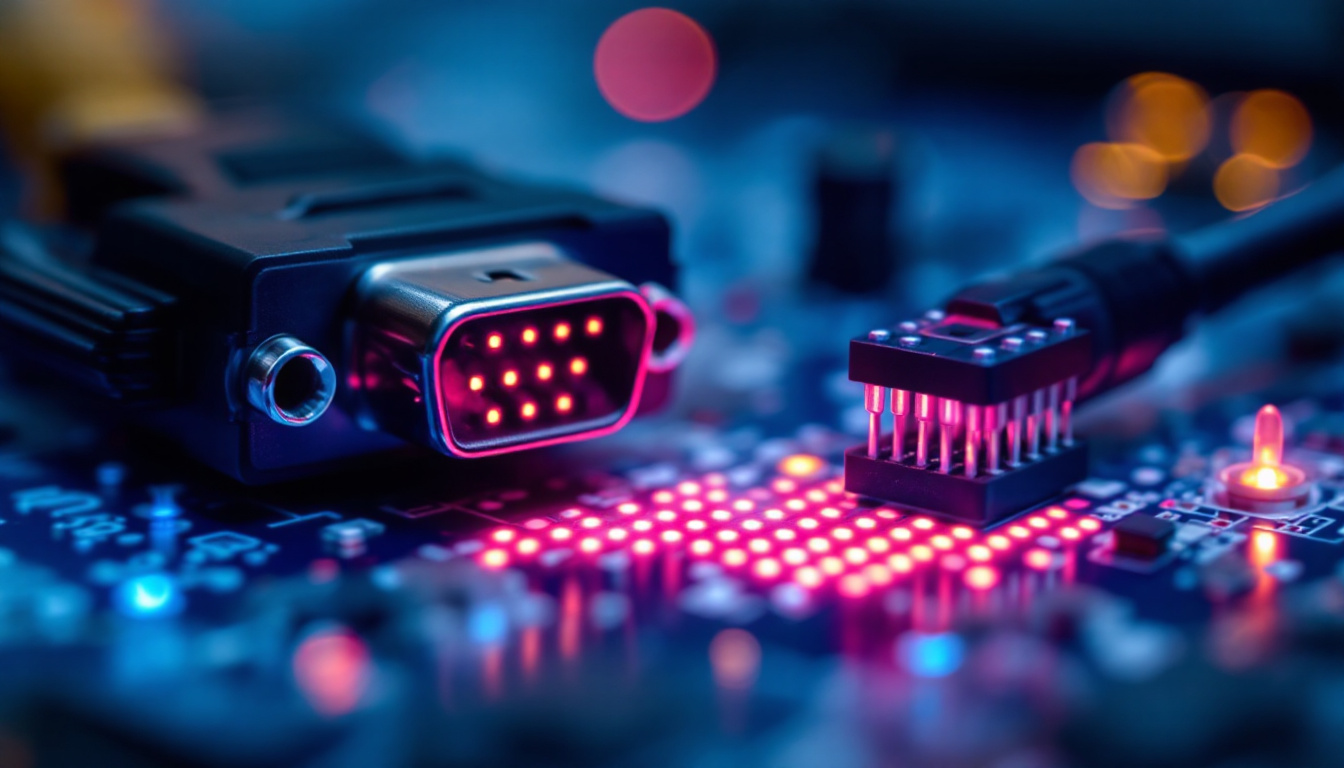
LED displays are composed of numerous tiny LEDs arranged in a grid or matrix. Each LED acts as a pixel, and by controlling the intensity and color of each diode, the display can render images, videos, and text with exceptional clarity. These displays can be categorized broadly into two types: single-color and full-color LED displays. Single-color displays typically use red LEDs and are common in simple message boards, while full-color displays combine red, green, and blue LEDs to produce a wide color spectrum. The versatility of LED technology allows it to be used in various environments, from large outdoor billboards to small handheld devices, showcasing its adaptability across different applications.
How LED Displays Work
The core principle behind LED displays is the modulation of light intensity. Each LED’s brightness is controlled through pulse-width modulation (PWM), which adjusts the duration the LED is turned on within a given time frame. By rapidly switching LEDs on and off at varying intervals, the human eye perceives different brightness levels and colors. This technique not only enhances the visual experience but also minimizes energy consumption, as LEDs can be dimmed or brightened without significant power loss.
Additionally, modern LED displays incorporate sophisticated driver ICs and control systems that manage color accuracy, refresh rates, and synchronization. This technology ensures smooth video playback and sharp image quality even in challenging lighting conditions, such as direct sunlight. Furthermore, advancements in LED technology have led to the development of flexible and transparent displays, opening up new possibilities for innovative design in architecture and advertising. These cutting-edge displays can be seamlessly integrated into various surfaces, allowing for immersive experiences that blend technology with the physical environment, thus pushing the boundaries of traditional display applications.
Applications of LED Displays in Hardware and Retail
LED displays have transformed the hardware retail landscape by enhancing communication and customer engagement. Standish Hardware utilizes LED technology in multiple ways to improve store operations and marketing efforts.
Digital Signage and Advertising
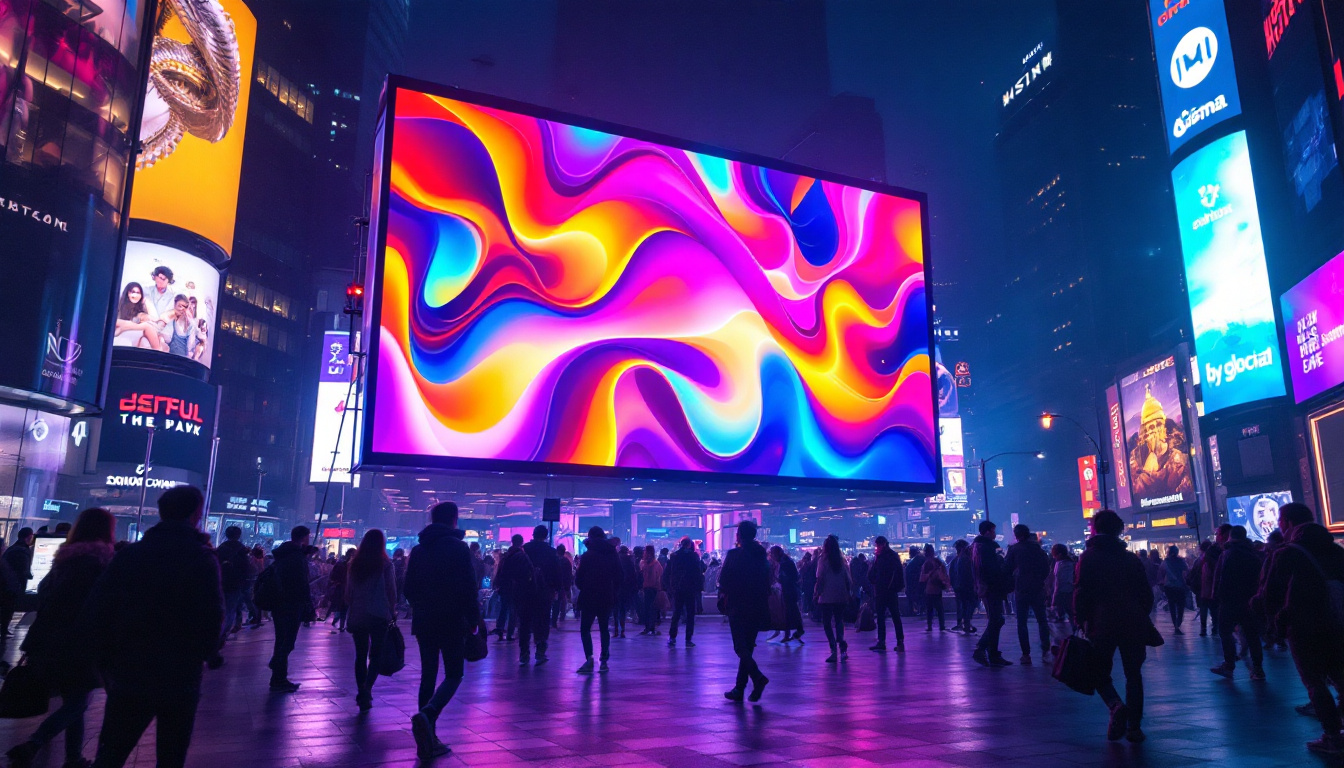
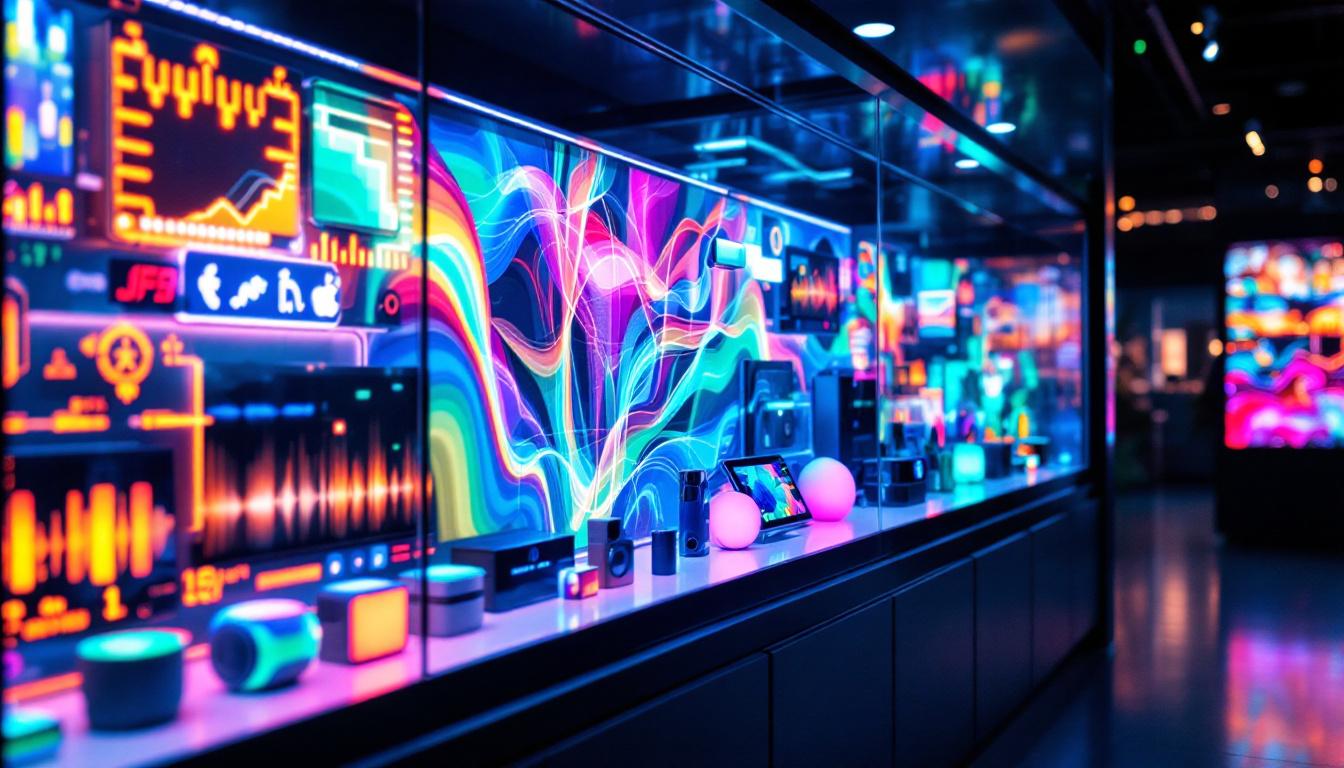
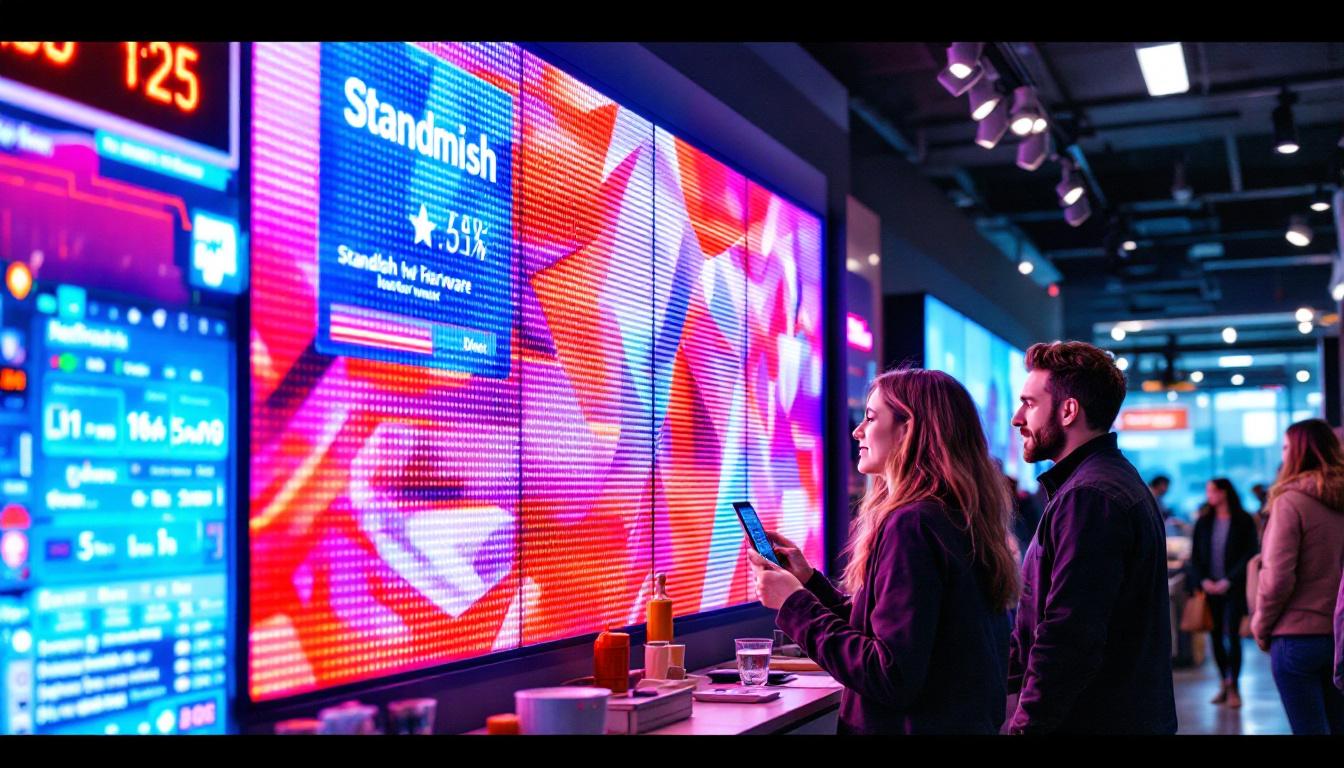
One of the most visible uses of LED displays is digital signage. These signs can be found both inside and outside hardware stores, showcasing promotions, new product launches, and seasonal offers. The dynamic nature of LED signage allows retailers to update content instantly, adapting to market trends and customer preferences.
According to a recent industry report, digital signage can increase sales by up to 30% by capturing customer attention and influencing purchasing decisions. For hardware stores, this means promoting power tools, gardening equipment, or home improvement products more effectively than static posters. Moreover, the vibrant colors and high-resolution images displayed on LED screens can create a more inviting atmosphere, drawing customers in and encouraging them to explore the store further.
Interactive Customer Displays
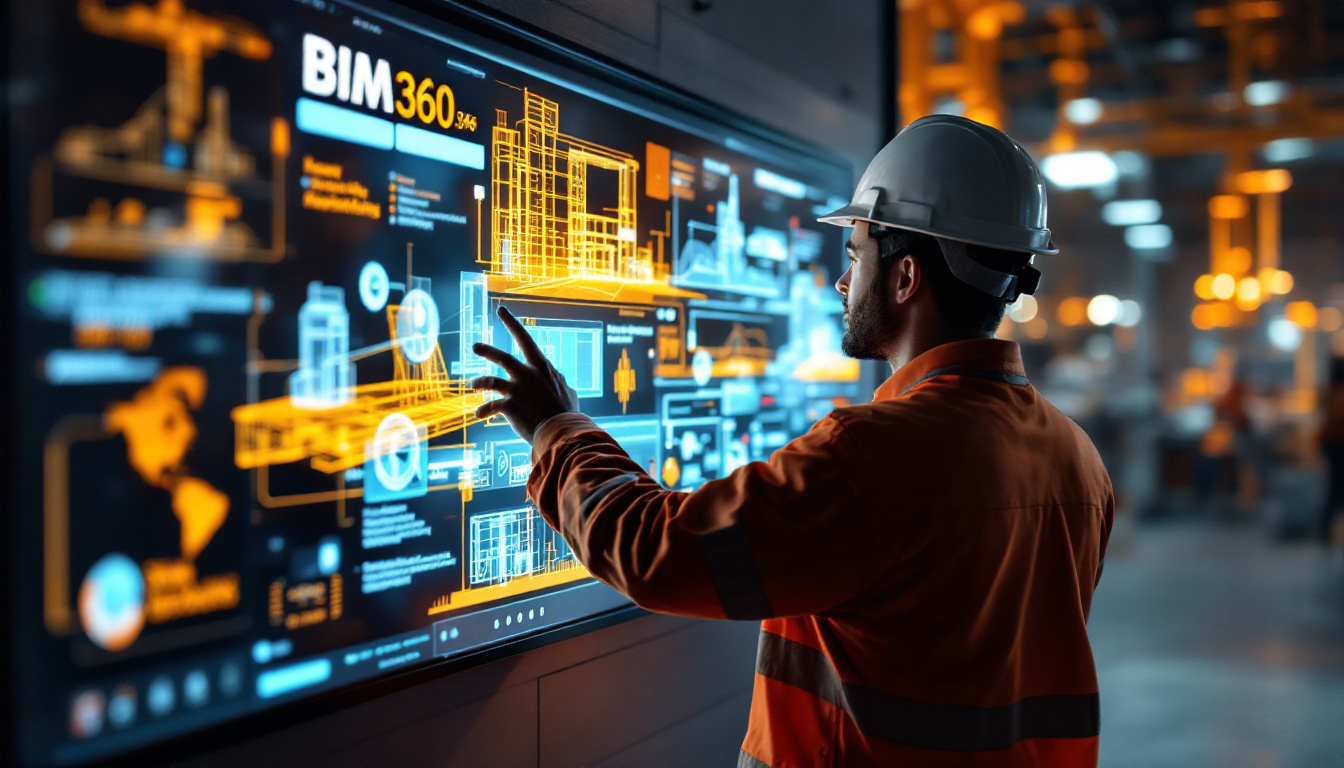
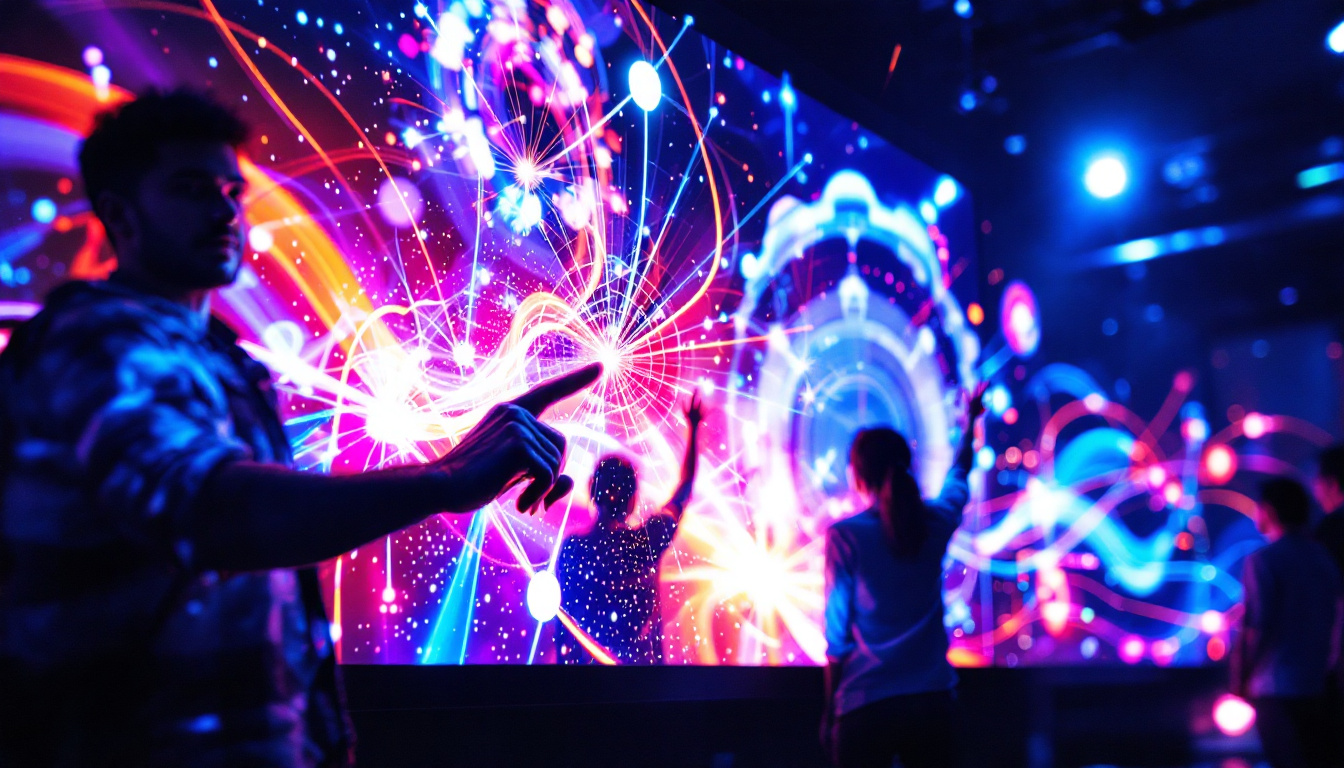
Beyond advertising, LED displays serve as interactive kiosks or information boards. Customers can browse product specifications, check stock availability, or access DIY tutorials directly through touch-enabled LED screens. This integration of technology enhances the shopping experience, reduces reliance on staff for basic queries, and encourages informed buying. Additionally, these interactive displays can offer personalized recommendations based on customer preferences or previous purchases, creating a more tailored shopping experience that can lead to increased customer loyalty.
Furthermore, some hardware retailers are incorporating augmented reality features into their LED displays, allowing customers to visualize how a product would look in their own home or workspace. This immersive experience not only captivates shoppers but also aids in decision-making, as they can see the potential impact of their purchases in real-time.
Operational Efficiency and Safety
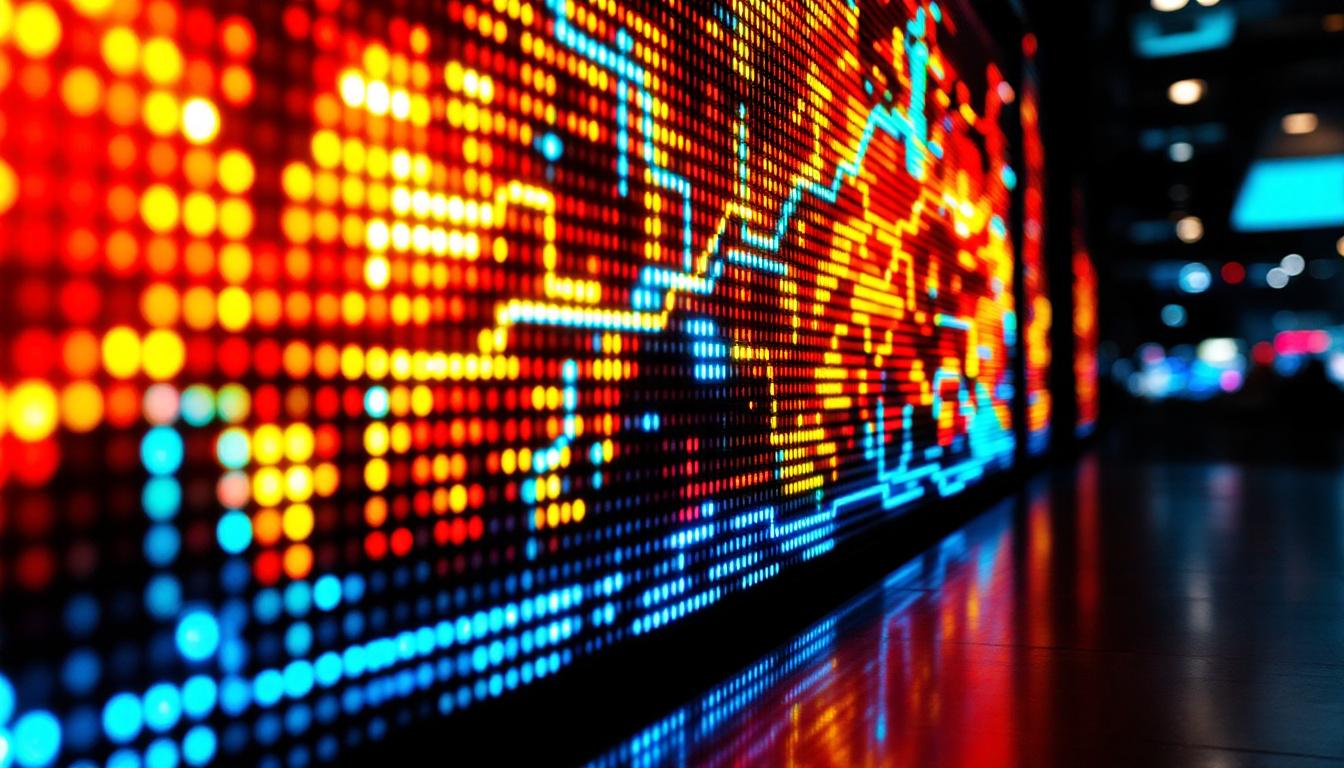
In warehouse and inventory management, LED displays facilitate real-time updates on stock levels, order status, and safety alerts. Bright, clear LED panels can communicate critical information to employees, reducing errors and improving workflow. For example, LED indicators can signal hazardous areas or equipment status, contributing to a safer working environment. Additionally, these displays can be programmed to provide reminders for routine maintenance or safety checks, ensuring that equipment remains in optimal condition and reducing the risk of accidents.
Moreover, the implementation of LED displays in operational settings can streamline communication among staff members. By displaying key performance indicators (KPIs) or daily goals on large screens, employees can stay informed and motivated, fostering a culture of accountability and teamwork. This real-time data visibility not only enhances productivity but also helps in identifying areas for improvement, ultimately leading to a more efficient operation overall.
Advantages of LED Displays Over Traditional Technologies
LED displays offer numerous benefits compared to older display technologies such as LCD, plasma, or neon signs. These advantages make them particularly suitable for hardware retail and industrial applications.
Energy Efficiency and Longevity
LEDs consume significantly less power than incandescent or fluorescent lighting. This energy efficiency translates into lower operating costs and a reduced environmental footprint. On average, LED displays use up to 75% less energy than comparable LCD screens, making them a sustainable choice for businesses looking to cut expenses.
Additionally, LED displays boast an impressive lifespan, often exceeding 50,000 hours of operation. This durability minimizes maintenance and replacement costs, ensuring long-term reliability for retailers and warehouse operators.
Brightness and Visibility
One of the standout features of LED displays is their brightness. LEDs can produce intense light output, allowing displays to remain visible even in direct sunlight. This characteristic is crucial for outdoor signage in hardware stores, where customers need to read messages clearly regardless of weather or time of day.
Design Flexibility and Scalability
LED modules are highly modular, enabling displays to be customized in size and shape. Whether it’s a small price tag display or a massive outdoor billboard, LED technology can be adapted to fit the specific needs of a business. This scalability supports future expansion and creative marketing strategies.
Standish Hardware’s Implementation of LED Displays
Standish Hardware has integrated LED displays into its business model with a focus on enhancing customer engagement and operational efficiency. Their approach highlights best practices for leveraging LED technology in the hardware sector.
In-Store LED Signage
Within Standish Hardware stores, LED signage is used to highlight special deals, new arrivals, and seasonal promotions. These signs are strategically placed near entrances, checkout counters, and high-traffic aisles to maximize visibility. The ability to update content remotely through centralized software allows for timely marketing campaigns without the need for physical replacements.
Outdoor LED Billboards
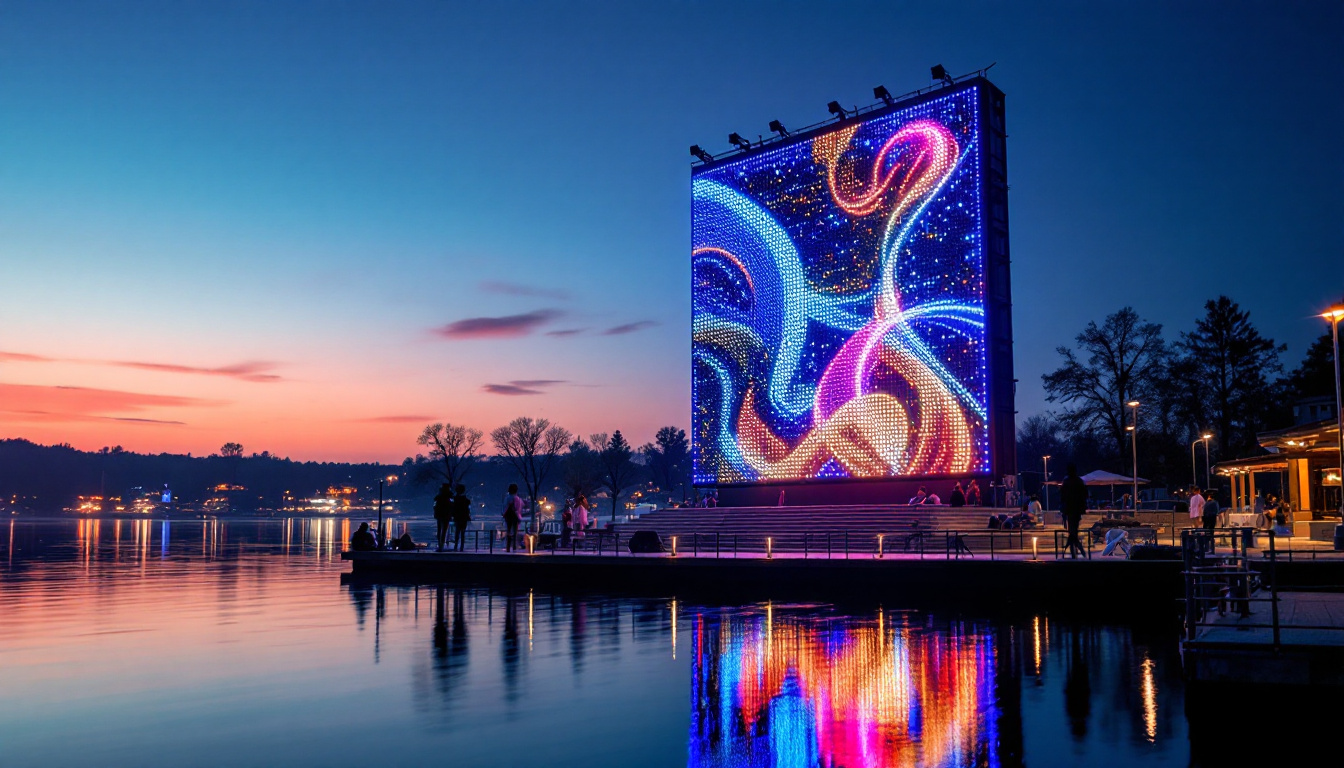
Standish Hardware’s outdoor LED billboards serve as powerful advertising tools, attracting passing motorists and pedestrians. These billboards display high-resolution images and videos that promote both the brand and specific products. The brightness and weather resistance of LED technology ensure that messages remain clear and vibrant throughout the year.
Employee Communication and Safety Displays
In warehouses and distribution centers, Standish Hardware employs LED displays to communicate operational updates and safety information. These displays provide real-time alerts about equipment status, inventory levels, and emergency procedures. By improving communication, the company enhances workplace safety and productivity.
Future Trends in LED Display Technology
The LED display industry continues to evolve rapidly, driven by advancements in materials, control systems, and integration with digital platforms. Understanding these trends helps businesses like Standish Hardware stay ahead of the curve and deliver superior experiences.
MicroLED and MiniLED Innovations
Emerging technologies such as MicroLED and MiniLED promise even greater brightness, contrast, and energy efficiency. MicroLED displays use microscopic LEDs that offer higher pixel density and improved color accuracy, making them ideal for high-end applications. As costs decrease, these technologies are expected to become more accessible to retail and industrial users.
Integration with IoT and Smart Systems
LED displays are increasingly integrated with the Internet of Things (IoT), enabling real-time data exchange and automation. For example, smart LED signage can adjust brightness based on ambient light or display personalized content triggered by customer proximity. Such integration enhances interactivity and operational intelligence.
Flexible and Transparent LED Displays
Flexible LED panels allow for curved and unconventional display shapes, expanding design possibilities. Transparent LED displays, which can be installed on glass surfaces without obstructing views, are gaining popularity in retail storefronts. These innovations create immersive and eye-catching visual experiences.
Conclusion
LED display technology represents a significant advancement in visual communication, offering unparalleled brightness, energy efficiency, and versatility. Standish Hardware’s adoption of LED displays demonstrates how this technology can enhance marketing, customer interaction, and operational safety in the hardware retail sector.
As LED technology continues to advance, businesses that embrace these innovations will benefit from improved engagement, cost savings, and competitive advantage. Whether through dynamic digital signage, interactive kiosks, or safety displays, LED solutions are shaping the future of hardware retail and beyond.
Illuminate Your Business with LumenMatrix
Ready to elevate your brand’s presence and captivate your audience with vibrant, energy-efficient LED displays? Look no further than LumenMatrix, a pioneer in the field of LED display technology. From Indoor and Outdoor LED Wall Displays to innovative solutions like Vehicle LED Displays and Transparent LED Displays, LumenMatrix offers a wide array of products designed to create unforgettable visual experiences. Embrace the future of visual communication with our advanced LED solutions that promise to enhance engagement and deliver your message with unparalleled clarity. Check out LumenMatrix LED Display Solutions today and transform the way your business connects with the world.