In the world of woodworking, precision and ease of use are paramount. Tabletop planers have become essential tools for craftsmen, hobbyists, and professionals alike, offering the ability to smooth and dimension wood with accuracy. One of the most significant advancements in these machines is the integration of LED displays. But what exactly does the LED display bring to the table, and why is it becoming a standard feature in modern planers? This article delves into the role of LED displays in tabletop planers, explaining their benefits, functionality, and how they enhance the woodworking experience.
The Evolution of Tabletop Planers
Tabletop planers have been a staple in woodworking shops for decades, originally relying on manual dials and analog gauges to set cutting depths and feed rates. Early models required users to estimate thickness settings visually or by feel, which often led to inconsistencies, especially when working on multiple pieces that needed to be uniform.
With the rise of digital technology, manufacturers began integrating electronic components into woodworking tools. LED displays emerged as a practical solution to provide real-time, precise measurements directly on the machine. This shift has transformed the way woodworkers interact with their planers, making the process more intuitive and reliable.
As technology continued to advance, the introduction of programmable settings further revolutionized the tabletop planer. Users can now save specific thickness settings for different types of wood or projects, allowing for quick adjustments without the need for constant recalibration. This feature not only enhances efficiency but also minimizes the risk of errors, particularly in professional settings where precision is paramount. Additionally, some modern planers come equipped with automated feed systems that can adjust the speed based on the type of wood being processed, ensuring optimal results and reducing the strain on the machine.
Moreover, the evolution of materials used in the construction of tabletop planers has also played a significant role in their development. Early models were often heavy and cumbersome, made from cast iron or steel, which, while durable, limited portability. Today’s planers are crafted from lightweight yet robust materials, allowing for easier transport and setup in various workshop environments. This shift not only caters to hobbyists who may have limited space but also to professionals who often move between job sites. The combination of advanced technology and innovative materials has made modern tabletop planers more versatile and user-friendly than ever before.
Understanding the LED Display on a Tabletop Planer
What Does the LED Display Show?
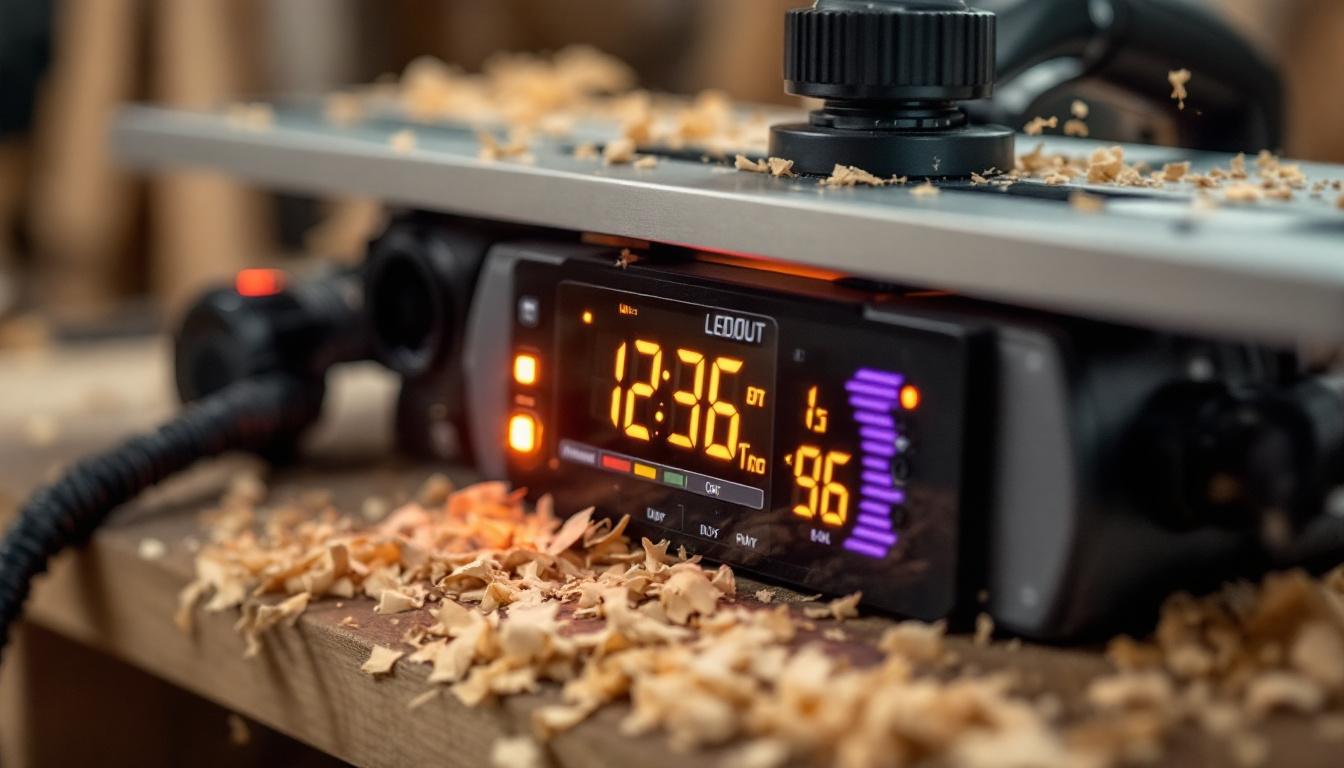
The LED display on a tabletop planer typically shows critical information such as the current thickness setting of the wood being planed. Instead of guessing or using a separate measuring tool, operators can see the exact depth of cut in millimeters or inches, depending on the model.
Some advanced planers also feature additional data on the LED screen, including feed speed, blade rotation speed, and even error messages or maintenance reminders. This level of information helps users maintain optimal performance and troubleshoot issues quickly. For instance, if the display indicates a drop in blade rotation speed, it could signal the need for blade sharpening or replacement, preventing potential damage to the workpiece. Furthermore, the LED display can also show the total run time of the machine, aiding in scheduling regular maintenance and ensuring longevity.
How Does the LED Display Work?
The LED display is connected to sensors and electronic controls within the planer. When the user adjusts the cutting depth, the sensors detect the position of the planer’s bed or cutter head and relay this data to the display. This real-time feedback allows for precise adjustments down to fractions of a millimeter, ensuring consistent thickness across multiple boards.
In some models, the LED display is integrated with a digital control panel, allowing users to program specific thickness settings or recall previous measurements. This is particularly useful in production environments where repeatability is critical. Moreover, the integration of smart technology in newer models enables connectivity with mobile applications, allowing users to monitor and adjust settings remotely. This feature not only enhances convenience but also improves workflow efficiency, as operators can make adjustments without being physically present at the machine. Such advancements in technology signify a shift towards more user-friendly and efficient woodworking tools, making the crafting experience smoother and more enjoyable for both hobbyists and professionals alike.
Benefits of LED Displays in Tabletop Planers
Enhanced Accuracy and Precision
One of the primary advantages of having an LED display on a tabletop planer is the increased accuracy it offers. Traditional manual settings can be prone to human error, especially when working with fine measurements. The LED display eliminates guesswork by providing exact thickness readings, helping woodworkers achieve uniform results with every pass.
Improved Efficiency and Workflow
With clear, immediate feedback from the LED display, users can make quicker adjustments without stopping to measure the workpiece manually. This streamlines the workflow, reducing downtime and increasing productivity. For professionals working on tight deadlines or batch projects, this efficiency gain can be significant.
User-Friendly Operation
LED displays make tabletop planers more accessible to beginners and hobbyists. The visual readout simplifies the learning curve, allowing users to focus on technique rather than measurement. Additionally, illuminated displays are easier to read in various lighting conditions, ensuring consistent operation whether in a bright workshop or a dimly lit garage.
Maintenance and Diagnostics
Some LED-equipped planers offer diagnostic information, such as alerts for blade sharpness or motor temperature. This proactive feedback helps users maintain their equipment better, extending the life of the planer and ensuring safer operation. Early warnings about potential issues can prevent costly repairs and downtime.
Choosing a Tabletop Planer with an LED Display
Key Features to Consider
When selecting a tabletop planer with an LED display, it’s important to evaluate the quality and functionality of the display itself. Look for models with a bright, clear screen that is easy to read from different angles. The display should provide measurements in both metric and imperial units to accommodate various project requirements.
Additionally, consider whether the planer offers programmable settings or memory functions, which can be invaluable for repetitive tasks. Some planers also include touch-sensitive controls or buttons near the display for convenient adjustments.
Compatibility with Your Workshop Needs
The size and capacity of the planer should match your typical project scale. For example, if you frequently work with wider boards, ensure the planer’s maximum width capacity aligns with your needs. The LED display’s precision will be most beneficial when paired with a machine capable of handling your material dimensions effectively.
Power and motor specifications should also be reviewed to ensure the planer can handle hardwoods or dense materials without strain. A robust motor combined with an accurate LED display creates a powerful tool for consistent results.
Real-World Applications and User Experiences
Professional Woodworking Shops
In professional settings, tabletop planers with LED displays have become indispensable. For cabinet makers, furniture builders, and custom woodworkers, the ability to dial in exact thicknesses quickly translates to better quality control and less material waste. Many professionals report that the LED display reduces setup times and minimizes errors, leading to smoother production runs.
Hobbyists and DIY Enthusiasts
For hobbyists, the LED display offers confidence and ease of use. Beginners can achieve professional-looking finishes without extensive training, and the visual feedback helps avoid costly mistakes. Many users appreciate how the display demystifies the planning process, making woodworking more enjoyable and less intimidating.
Educational Workshops and Training
Woodworking schools and training centers often incorporate tabletop planers with LED displays to teach students about precision and measurement. The digital readout serves as an educational tool, reinforcing concepts of thickness and tolerance in a tangible way. This hands-on experience with modern technology prepares students for contemporary woodworking environments.
Maintenance Tips for Tabletop Planers with LED Displays
To ensure the longevity and accuracy of your tabletop planer’s LED display, regular maintenance is essential. Keep the display clean and free of dust or debris, using a soft cloth to avoid scratching the screen. Avoid exposure to excessive moisture, which can damage electronic components.
Check the calibration of the sensors periodically, especially if you notice discrepancies in thickness readings. Many manufacturers provide guidelines or tools for recalibration. Additionally, maintain the planer’s blades and motor according to the user manual to prevent performance issues that could affect the display’s accuracy.
The Future of Tabletop Planers and Digital Integration
As woodworking technology continues to evolve, the integration of digital features like LED displays is expected to expand. Future models may incorporate touchscreen interfaces, wireless connectivity, and integration with mobile apps for remote monitoring and control. These advancements aim to further enhance precision, usability, and workflow efficiency.
Moreover, the rise of smart workshops and Industry 4.0 concepts could see tabletop planers communicating with other tools and systems, enabling automated adjustments and data logging for quality assurance. The LED display, while simple in concept, is a stepping stone toward these more sophisticated digital woodworking environments.
Conclusion
The LED display on a tabletop planer is more than just a modern convenience; it is a transformative feature that improves accuracy, efficiency, and user experience. By providing real-time, precise measurements and additional diagnostic information, LED displays help woodworkers achieve better results with less effort and fewer mistakes.
Whether you are a professional craftsman, a dedicated hobbyist, or an educator, choosing a tabletop planer with a reliable LED display can significantly enhance your woodworking projects. As technology advances, these digital interfaces will continue to play a critical role in shaping the future of woodworking tools and techniques.
Discover the Future of Woodworking with LumenMatrix
Embrace the precision and innovation that LumenMatrix brings to your woodworking projects. As a leader in LED display technology, LumenMatrix offers a wide range of solutions that can transform your workshop into a cutting-edge space. From Indoor and Outdoor LED Wall Displays to Custom and All-in-One LED Display options, our products are designed to enhance your brand’s visibility and create immersive visual experiences. Elevate your craft and explore the possibilities with our advanced LED display modules. Check out LumenMatrix LED Display Solutions today and step into the future of visual communication.