The world of display technology is evolving rapidly, with innovations that push the boundaries of resolution, color accuracy, and immersive viewing experiences. Among the latest advancements, the 5K ultrawide LED display stands out as a game-changer for professionals and enthusiasts alike. This article delves into what makes 5K ultrawide LED displays unique, their technical specifications, practical applications, and why they are becoming an essential tool in various industries.
Understanding 5K Ultrawide Resolution
When discussing display resolutions, terms like Full HD, 4K, and 8K often dominate the conversation. However, 5K ultrawide displays carve a niche by offering a combination of high pixel density and an extended aspect ratio that enhances productivity and visual clarity.
What Does 5K Mean?
5K resolution typically refers to a horizontal pixel count of approximately 5120 pixels. This is a step above the more common 4K resolution, which has 3840 horizontal pixels. The “ultrawide” designation means the display has a wider aspect ratio than the traditional 16:9, often around 21:9 or even wider. This results in a screen that is not only sharper but also significantly broader, providing more horizontal workspace.
For example, a standard 5K ultrawide display might measure 5120 x 2160 pixels, compared to a 4K display’s 3840 x 2160 pixels. This extra horizontal resolution is especially beneficial for multitasking, video editing timelines, and immersive gaming environments. The increased pixel density also means that images and text appear crisper and more detailed, which is particularly advantageous for graphic designers and photographers who rely on precision in their work.
How Ultrawide Aspect Ratios Enhance Productivity
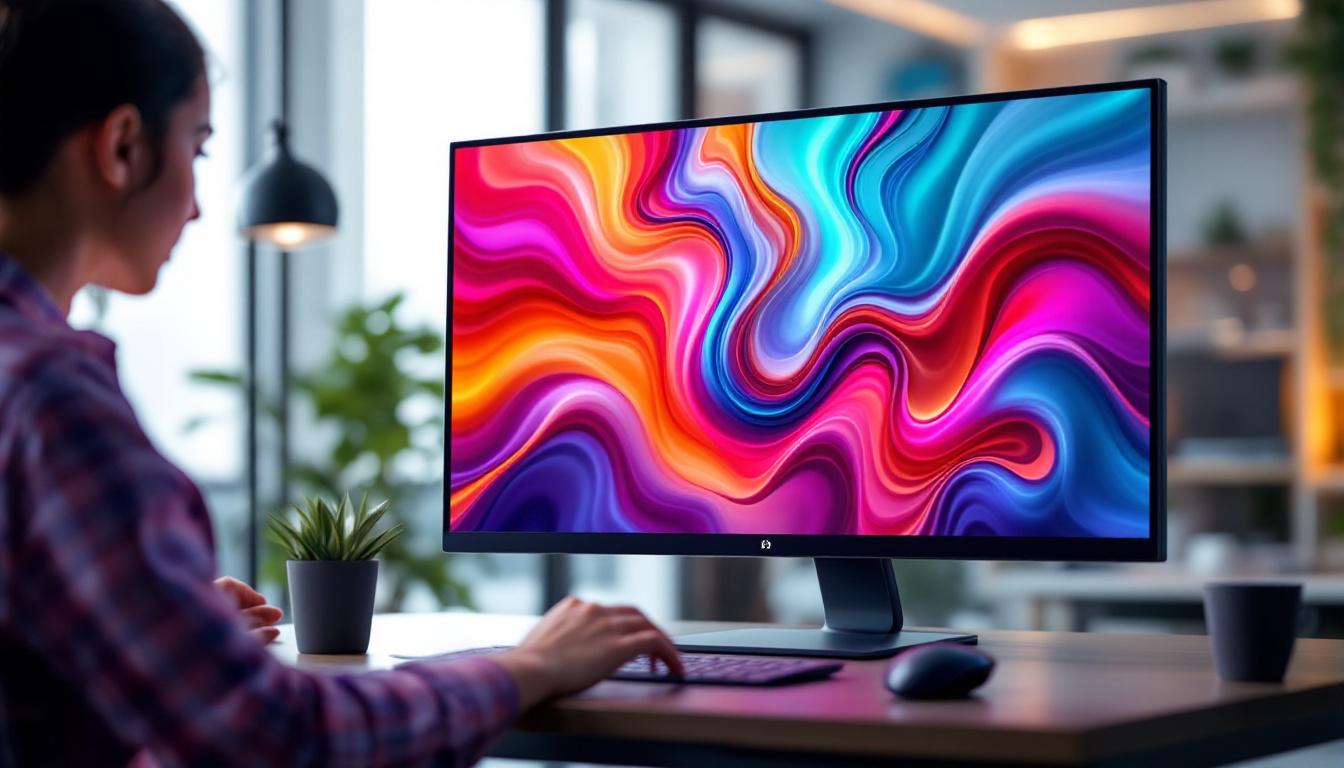
The ultrawide format allows users to view multiple windows side by side without the need for multiple monitors. This seamless workspace reduces the clutter and bezels that come with dual or triple monitor setups, creating a more cohesive and efficient environment.
Studies have shown that ultrawide monitors can increase productivity by up to 30% in certain professional contexts, such as financial trading, software development, and creative design. The ability to see more data or creative elements at once without switching tabs or windows streamlines workflows and minimizes distractions. Furthermore, the immersive experience provided by an ultrawide display can enhance focus, making it easier to engage deeply with complex projects or tasks.
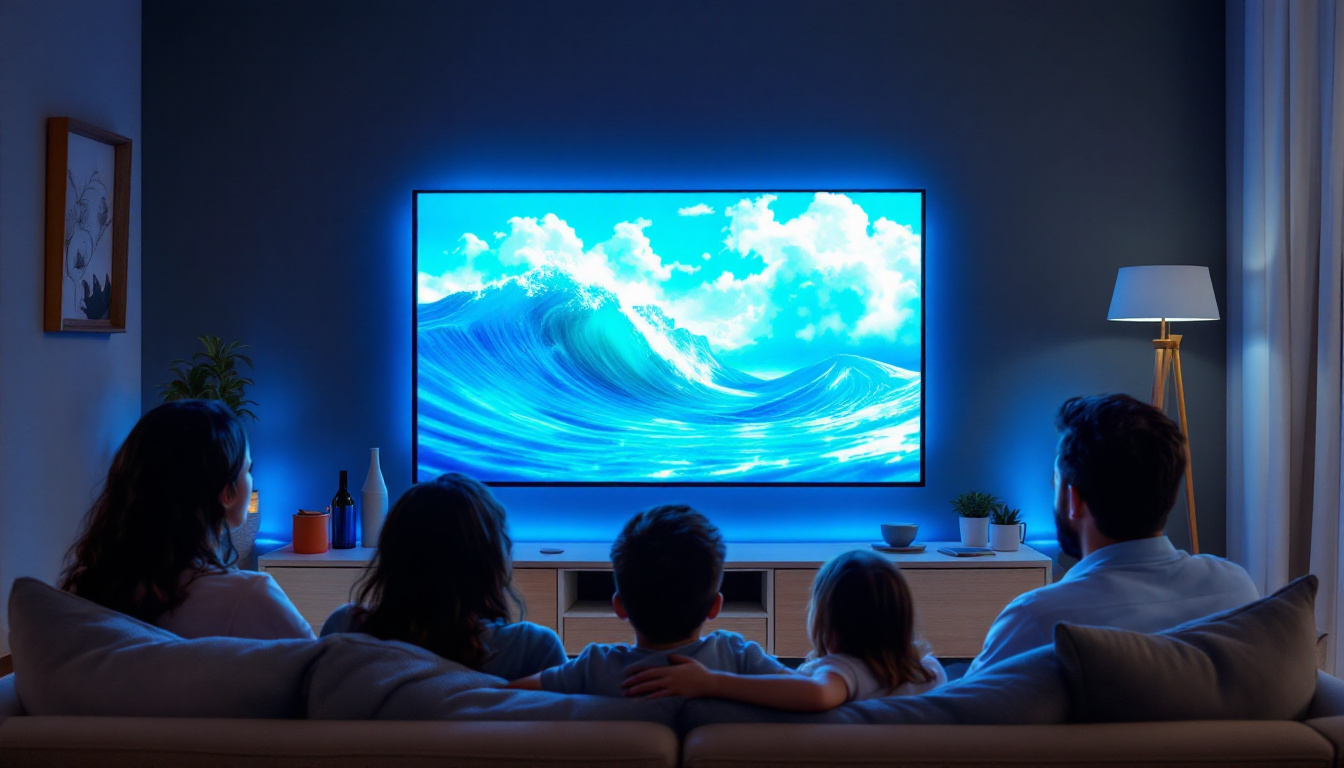
In addition to productivity benefits, 5K ultrawide displays also cater to the entertainment sector. Gamers, for instance, benefit from a wider field of view, which can create a more immersive gaming experience. The extra screen real estate allows for enhanced peripheral vision, making it easier to spot enemies or navigate expansive game worlds. Similarly, movie enthusiasts can enjoy films in a cinematic format that closely resembles how they were intended to be viewed, enhancing the overall viewing experience with stunning detail and vibrant colors.
LED Display Technology: The Backbone of 5K Ultrawide Screens
While resolution and aspect ratio are critical, the underlying display technology is equally important. LED (Light Emitting Diode) displays have become the standard for high-end monitors, offering superior brightness, contrast, and color performance compared to older LCD technologies. This advancement has not only transformed the way we view content but has also opened new avenues for creative professionals who rely on precise visual representation.
How LED Displays Work
LED displays use an array of light-emitting diodes as a backlight for the screen’s liquid crystal display (LCD) panel. Unlike traditional CCFL (cold cathode fluorescent lamp) backlights, LEDs are more energy-efficient, provide better brightness uniformity, and allow for thinner screen designs. The technology behind LED displays has evolved significantly, with innovations such as mini-LED and micro-LED further enhancing performance by offering even finer control over light output and color reproduction.
There are two main types of LED backlighting: edge-lit and full-array. Edge-lit LEDs are placed around the screen’s edges and use light guides to illuminate the display, while full-array LED displays have LEDs distributed evenly behind the entire screen, enabling local dimming and improved contrast ratios. This local dimming capability is particularly beneficial for viewing high dynamic range (HDR) content, as it allows for a more nuanced representation of light and shadow, making images appear more lifelike.
Advantages of LED in 5K Ultrawide Displays
For 5K ultrawide displays, LED technology offers several advantages:
- Higher Brightness: LED backlights can achieve brightness levels of 400 nits or more, which is essential for clear visibility in well-lit environments.
- Better Color Accuracy: Many 5K LED displays support wide color gamuts such as DCI-P3 or Adobe RGB, crucial for professional photo and video editing.
- Improved Contrast: Full-array LED displays with local dimming can produce deeper blacks and more vibrant colors, enhancing visual depth.
- Energy Efficiency: LEDs consume less power than older technologies, which is beneficial for both users and the environment.
Moreover, the rapid response time of LED technology minimizes motion blur, making it ideal for fast-paced gaming and action-packed movies. This responsiveness is particularly important for gamers who require precision and clarity in their visuals to enhance their competitive edge. Additionally, the longevity of LED displays means that users can expect years of reliable performance without significant degradation in quality, making them a wise investment for both casual users and professionals alike.
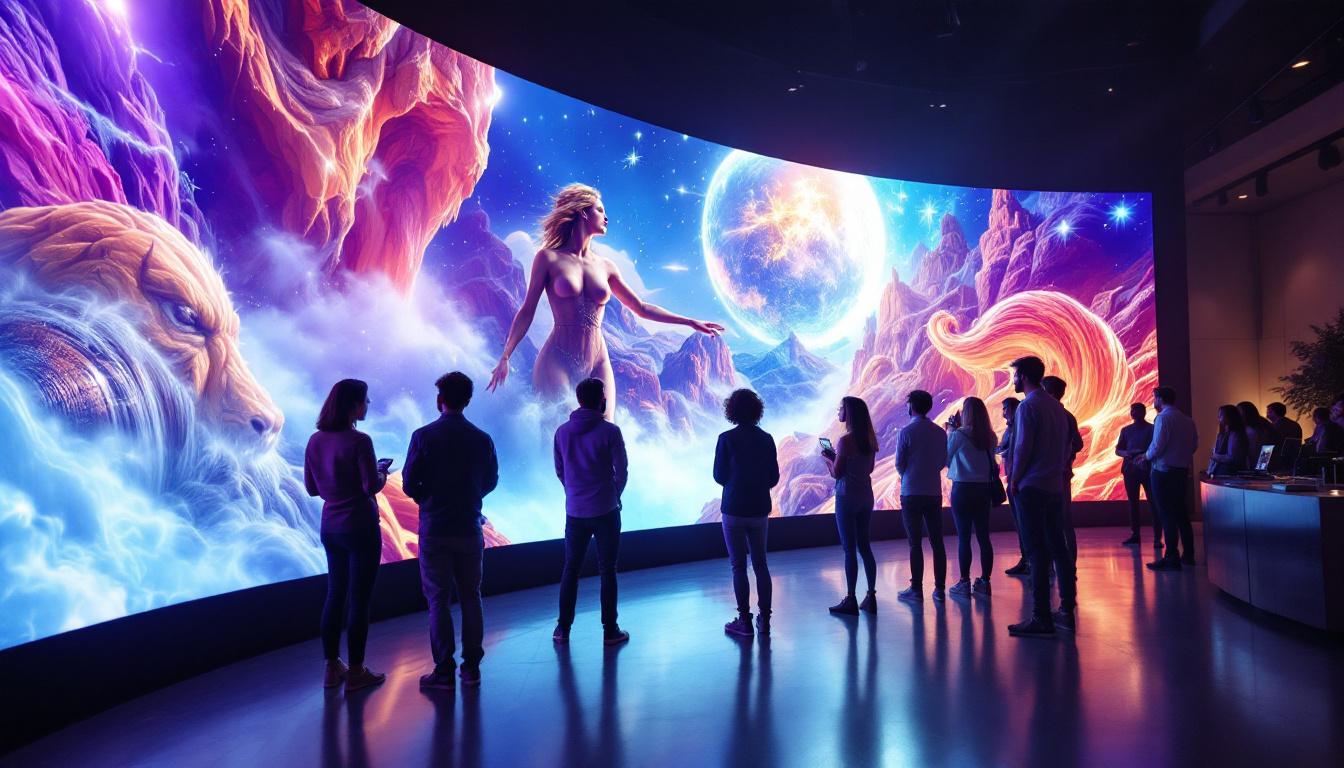
As the demand for larger and more immersive displays continues to grow, manufacturers are exploring innovative ways to integrate LED technology into even more advanced formats. This includes the development of curved ultrawide screens that provide an enveloping viewing experience, further enhancing the advantages of LED displays. With ongoing advancements in display technology, the future looks promising for LED as it continues to evolve, offering users an unparalleled visual experience that meets the demands of modern multimedia consumption.
Applications of 5K Ultrawide LED Displays
The combination of ultrawide format, 5K resolution, and LED technology creates a versatile display solution that caters to a variety of professional and entertainment needs.
Creative and Professional Workflows
Graphic designers, video editors, and photographers benefit immensely from the high resolution and color fidelity of 5K ultrawide LED displays. The extended horizontal space allows for detailed timelines, large canvases, and multiple tool palettes to be visible simultaneously.
For instance, video editors working with 4K or higher footage can view their timelines in full without zooming out excessively, preserving detail and precision. Photographers can appreciate the accurate color reproduction and sharpness needed for retouching and proofing.
Financial and Data Analysis
Traders and analysts often juggle multiple data streams, charts, and spreadsheets. A 5K ultrawide display enables them to monitor all necessary information in real-time on a single screen, reducing the need to switch between tabs or monitors.
This setup not only improves efficiency but also helps in making faster, more informed decisions by providing a comprehensive view of data at a glance.
Gaming and Entertainment
Ultrawide 5K displays offer an immersive gaming experience by filling more of the user’s peripheral vision. Many modern games support ultrawide resolutions, enhancing the sense of presence and spatial awareness.
Additionally, streaming movies and videos on an ultrawide screen can replicate a cinematic aspect ratio, providing a more authentic viewing experience without black bars or cropping.
Choosing the Right 5K Ultrawide LED Display
With multiple options available on the market, selecting the ideal 5K ultrawide LED display depends on several factors including size, refresh rate, connectivity, and budget.
Screen Size and Aspect Ratio
Most 5K ultrawide displays range from 34 to 49 inches diagonally. Larger screens provide more immersive experiences and workspace but require a desk setup that can accommodate them comfortably.
The aspect ratio typically falls between 21:9 and 32:9. Wider ratios are excellent for multitasking and gaming, but users should ensure their operating system and applications support these formats to avoid compatibility issues.
Refresh Rate and Response Time
While 60Hz is standard for most professional displays, some 5K ultrawide monitors offer higher refresh rates (up to 120Hz or more), which benefit gamers and video editors working with fast-moving content. Response time is also important to reduce motion blur and ghosting.
Connectivity and Compatibility
Modern 5K ultrawide displays typically include multiple input options such as Thunderbolt 3, DisplayPort 1.4, and HDMI 2.1. Thunderbolt 3 is particularly valuable for Mac users and professionals who require daisy-chaining multiple devices.
Compatibility with graphics cards and operating systems should be verified to ensure the display performs optimally at native resolution and refresh rates.
Budget Considerations
5K ultrawide LED displays are premium products, with prices often ranging from $1,000 to over $3,000 depending on features and brand. Investing in a high-quality display can yield long-term benefits in productivity and visual comfort, but buyers should balance features against their specific needs.
The Future of 5K Ultrawide LED Displays
As display technology continues to advance, 5K ultrawide LED displays are poised to become more accessible and feature-rich. Innovations in OLED and mini-LED backlighting promise even better contrast and color accuracy, while improvements in GPU technology will support higher refresh rates and resolutions seamlessly.
Moreover, the rise of remote work and digital content creation fuels demand for expansive, high-resolution screens that enhance workflow and reduce eye strain. It is likely that 5K ultrawide displays will become a standard tool in creative studios, financial offices, and gaming setups alike.
Emerging Technologies to Watch
Mini-LED technology, which uses thousands of tiny LEDs for backlighting, offers superior local dimming and contrast ratios compared to traditional LED displays. This technology is already appearing in high-end monitors and is expected to become more common in 5K ultrawide models.
Additionally, advancements in HDR (High Dynamic Range) support will enable displays to showcase content with greater brightness and color depth, further enhancing the viewing experience.
Conclusion
5K ultrawide LED displays represent a significant leap forward in screen technology, combining exceptional resolution with expansive workspace and vibrant image quality. Their applications span creative industries, data analysis, and entertainment, making them a versatile choice for professionals and enthusiasts seeking to maximize productivity and immersion.
Understanding the technical aspects and practical benefits of these displays helps users make informed decisions when investing in their next monitor. As technology progresses, 5K ultrawide LED displays will continue to redefine how we interact with digital content, offering richer, more efficient, and visually stunning experiences.
Discover the Future of Visual Experience with LumenMatrix
Ready to elevate your visual experience with the latest in 5K ultrawide LED display technology? LumenMatrix is at the forefront of innovation, offering a diverse range of LED display solutions that cater to your every need. From immersive indoor and outdoor environments to dynamic vehicle displays and beyond, our products are designed to captivate and engage. Embrace the future of digital signage and explore our cutting-edge solutions to find the perfect fit for your professional or entertainment aspirations. Check out LumenMatrix LED Display Solutions today and transform your visual communication with unparalleled clarity and impact.