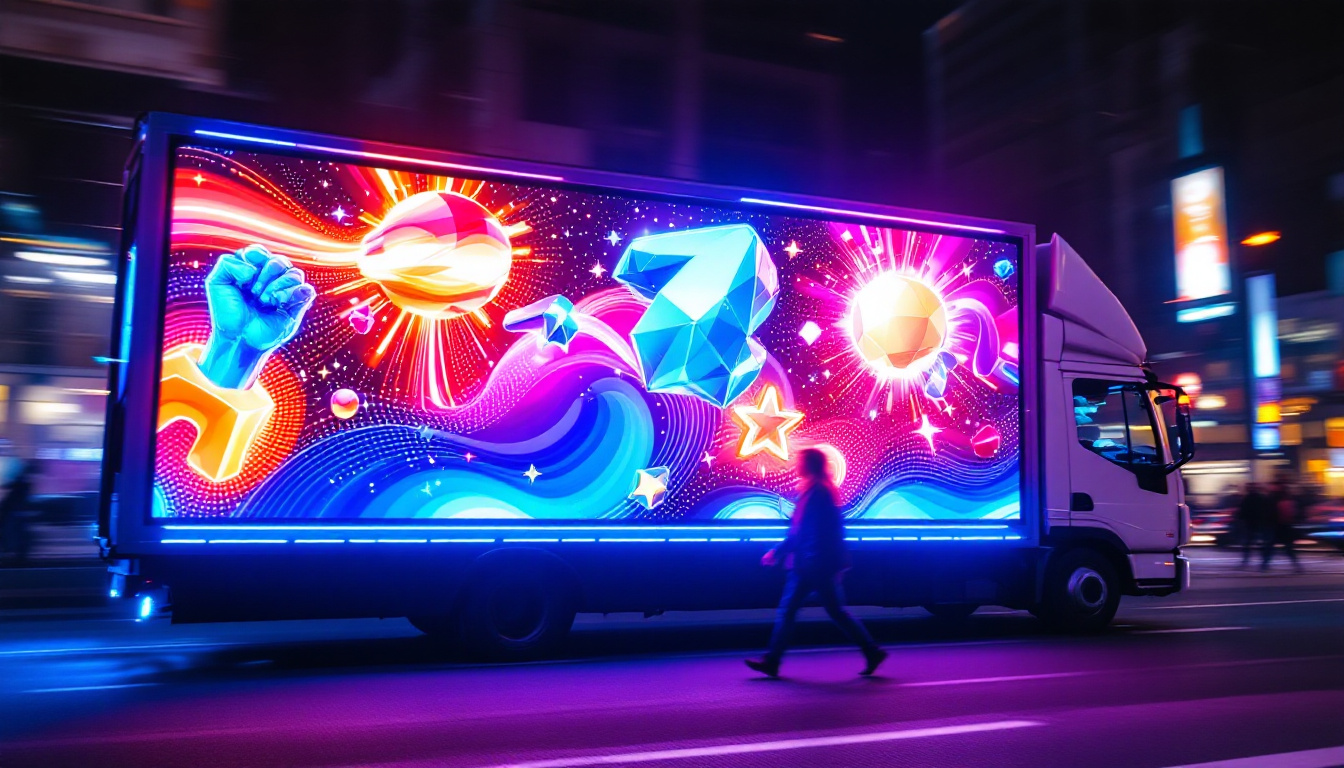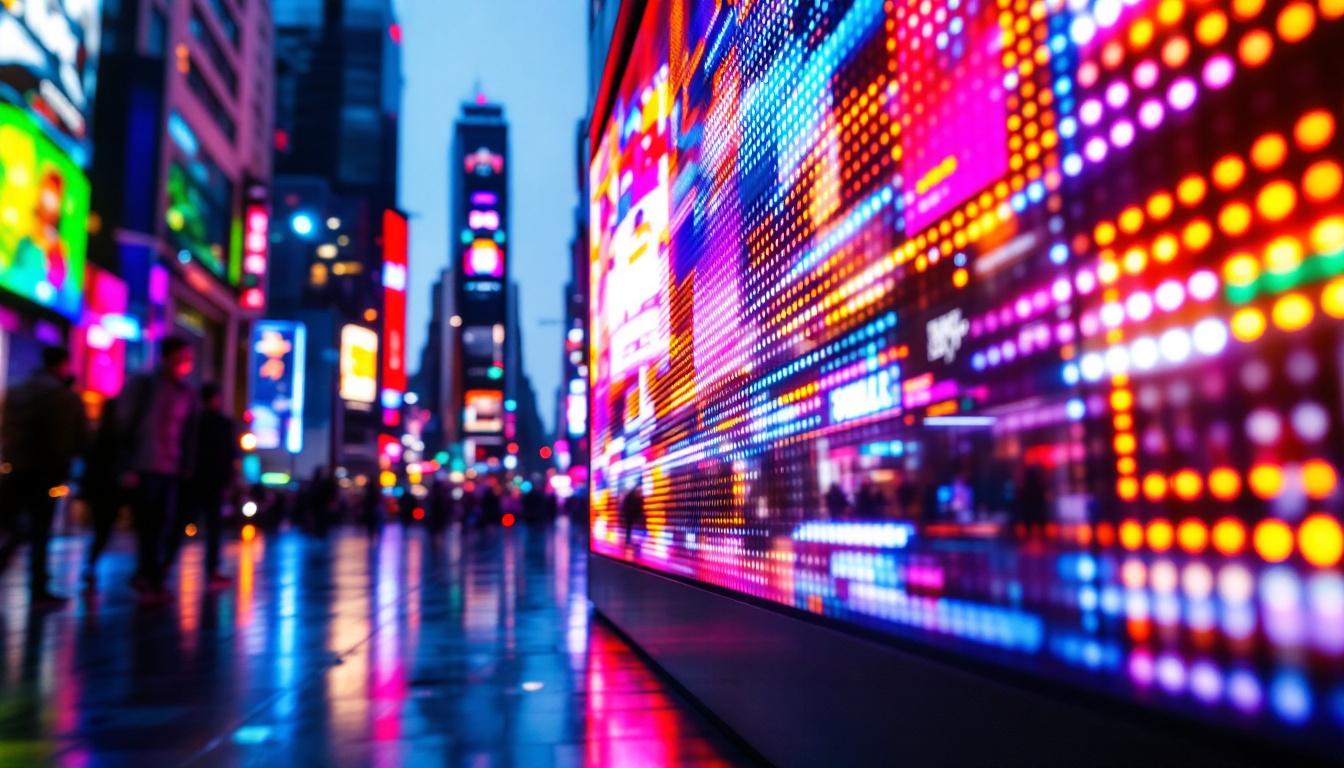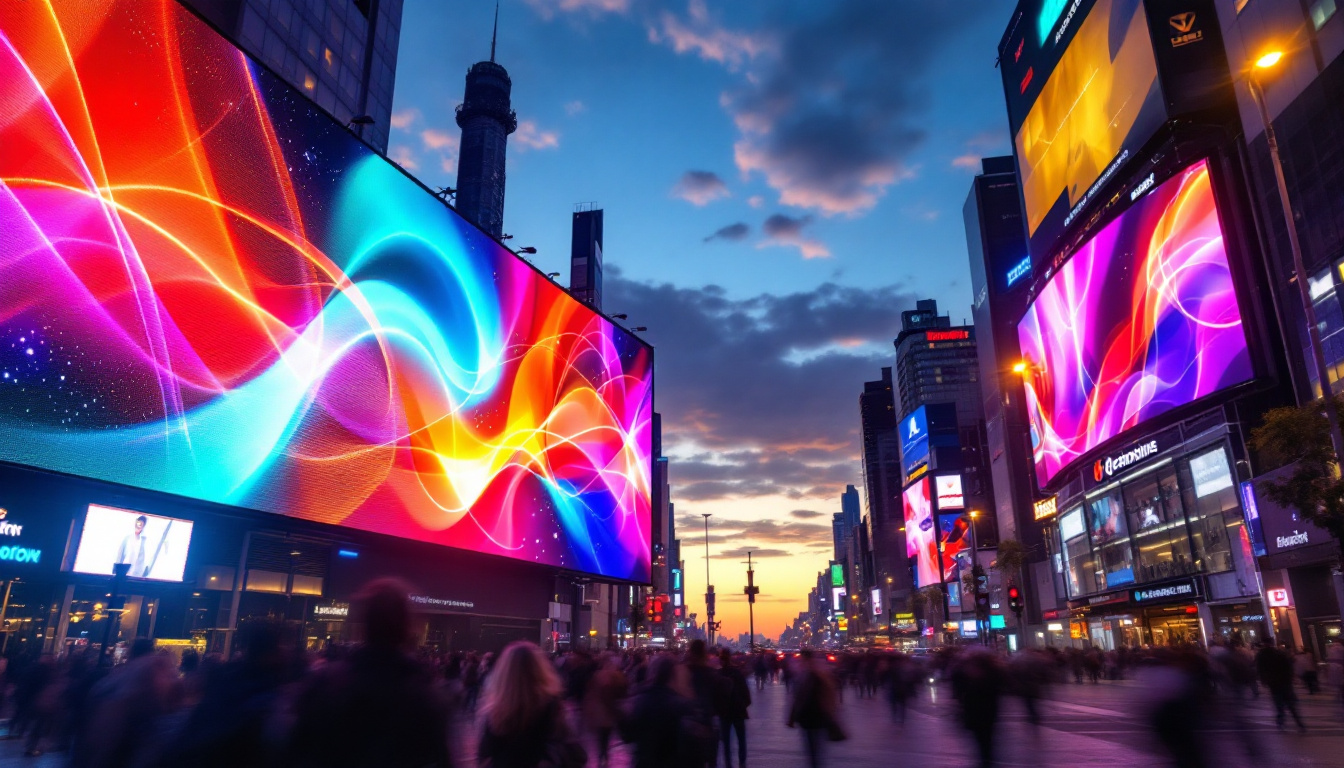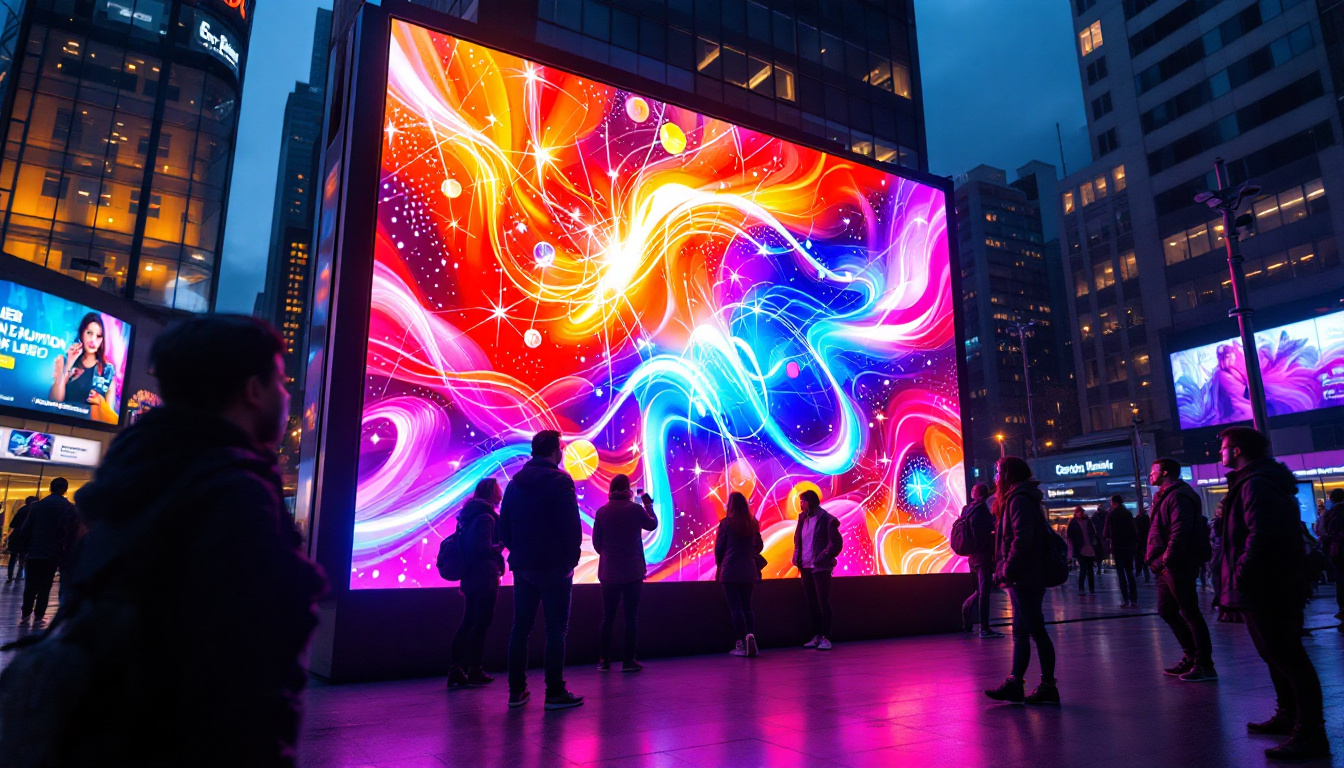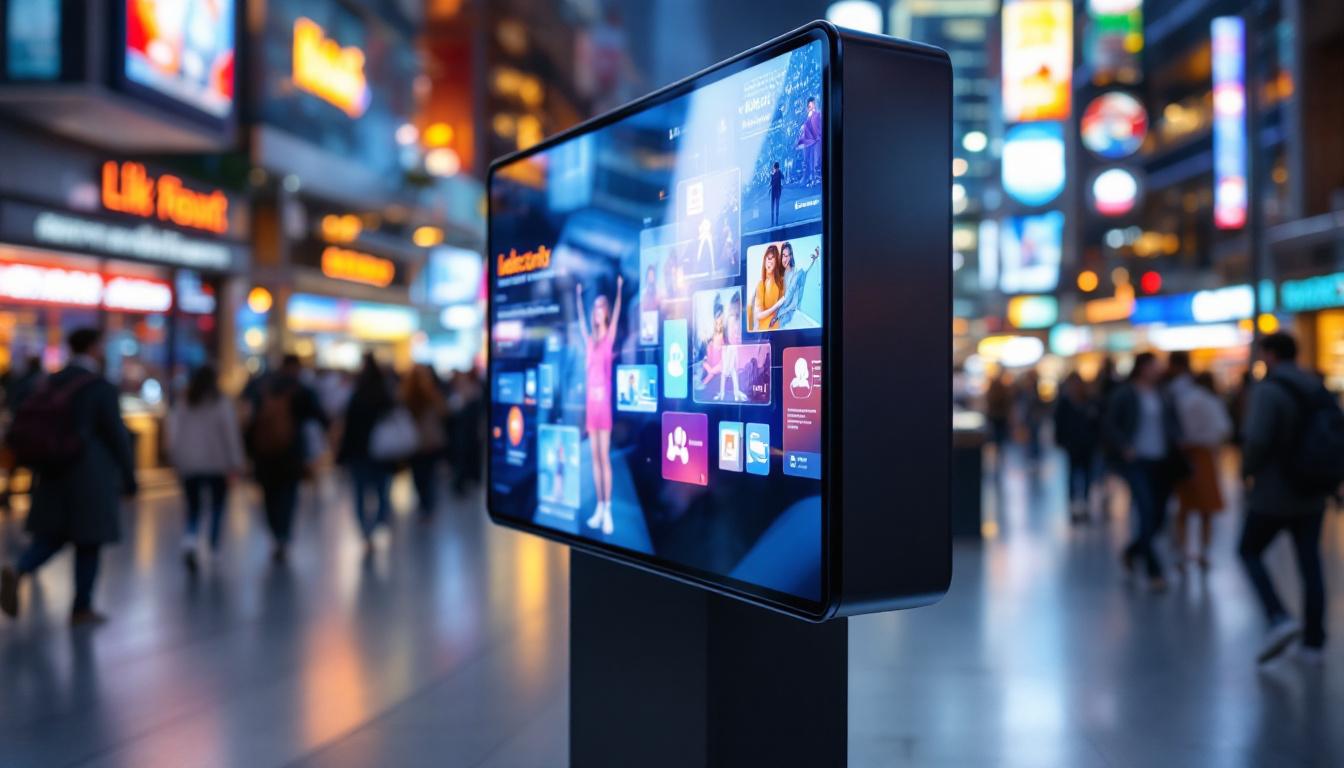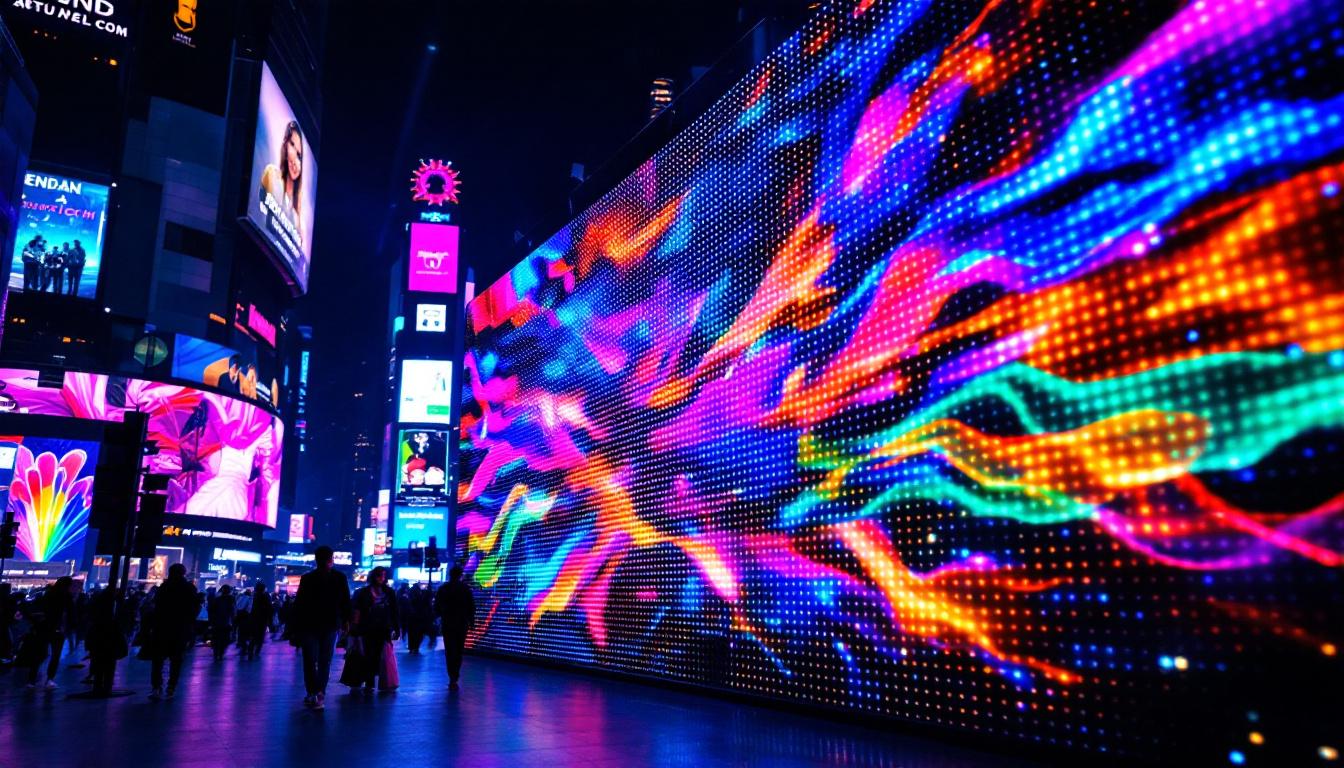
In today’s digital era, LED displays have become an integral part of our visual communication landscape. From the vibrant billboards in Times Square to the sleek screens in smartphones and televisions, LED technology powers the vivid images and dynamic content that capture our attention daily. This article delves into the fundamentals of LED displays, exploring their technology, types, applications, and the innovations driving their evolution.
Understanding LED Display Technology
At its core, an LED display is a flat panel that uses light-emitting diodes (LEDs) as pixels to create images. Unlike traditional LCDs that rely on backlighting, LED displays use tiny semiconductor devices that emit light when an electric current passes through them. This direct emission of light allows for higher brightness, better contrast ratios, and more vibrant colors. The versatility of LED technology has made it a popular choice not only for televisions and computer monitors but also for outdoor advertising and large-scale digital signage, where visibility in various lighting conditions is crucial.
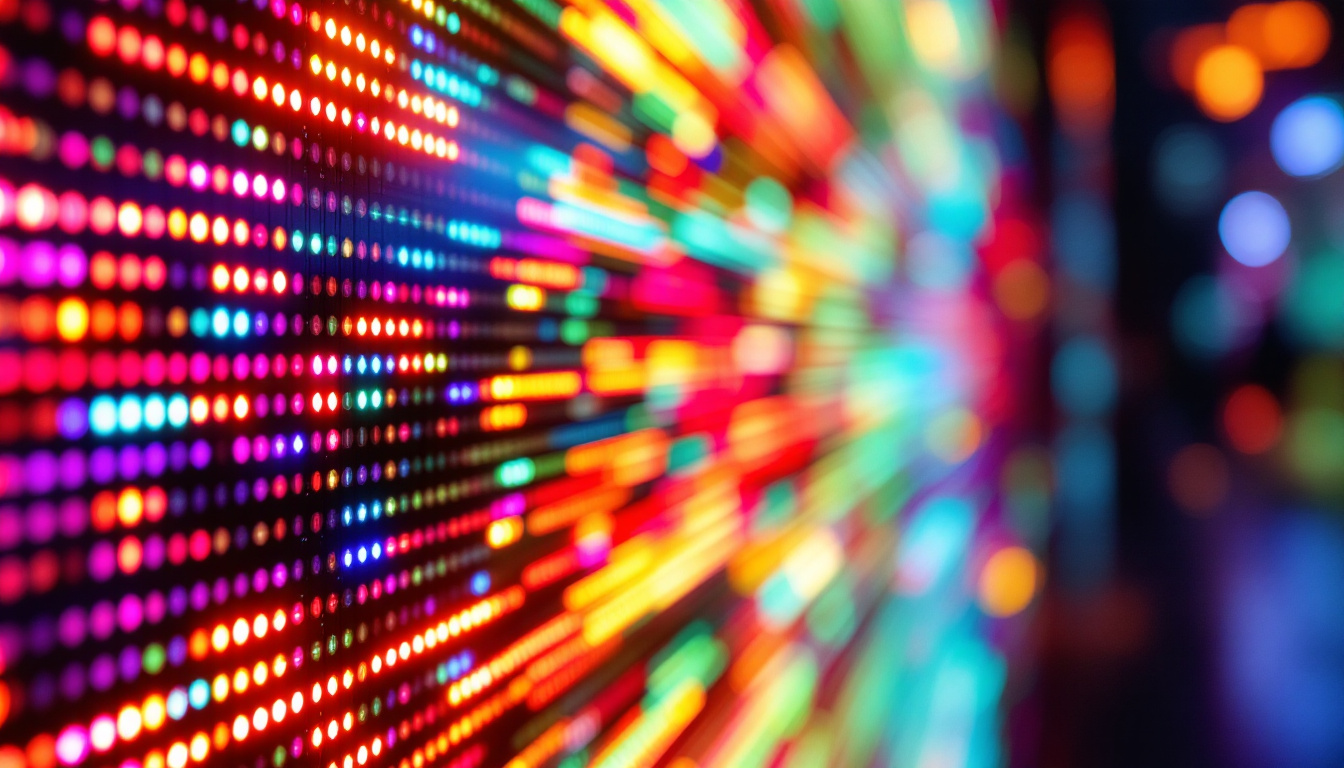
The LEDs in these displays are typically arranged in a matrix, with each LED representing a pixel or sub-pixel. By controlling the intensity of each LED, the display can render complex images and videos with remarkable clarity. The technology behind LEDs has evolved significantly since its inception in the 1960s, with modern LEDs capable of producing millions of colors and operating at high refresh rates suitable for everything from cinema screens to gaming monitors. Furthermore, advancements in LED technology, such as organic LEDs (OLEDs) and microLEDs, are pushing the boundaries of display capabilities, offering even thinner profiles and enhanced color accuracy.
The Science Behind LEDs
LEDs are made from semiconductor materials such as gallium arsenide or gallium phosphide. When an electric current passes through these materials, electrons recombine with electron holes, releasing energy in the form of photons — the particles of light. The color of the light depends on the semiconductor material’s bandgap, which determines the photon’s energy. This precise control over color output is what allows LED displays to achieve such a wide gamut of colors, making them ideal for applications that demand high fidelity in color reproduction, such as graphic design and digital art.
This electroluminescence process is highly efficient compared to traditional incandescent bulbs, which produce light by heating a filament. LEDs generate less heat and consume less power, making them ideal for displays that require continuous operation and high brightness. Additionally, the longevity of LEDs, often exceeding 50,000 hours of use, significantly reduces maintenance costs and the frequency of replacements. As a result, LED technology not only enhances visual experiences but also contributes to sustainability efforts by minimizing energy consumption and waste associated with traditional lighting solutions.
Types of LED Displays
LED displays come in various forms, each suited for different applications. Understanding the distinctions between these types can help businesses and consumers choose the right display technology for their needs.
1. Direct View LED Displays
Direct view LED displays, often called LED video walls, consist of thousands of individual LEDs arranged to form a large screen. These are commonly used for outdoor advertising, stadium screens, and large indoor venues. Because the LEDs emit light directly, these displays offer excellent brightness and visibility even in direct sunlight.
One key metric for direct view LED displays is pixel pitch — the distance between the centers of two adjacent LEDs. Smaller pixel pitches mean higher resolution and sharper images, which is why indoor LED walls typically have pitches as low as 1.2 mm, while outdoor displays might have pitches ranging from 4 mm to 20 mm.
2. LED-Backlit LCD Displays
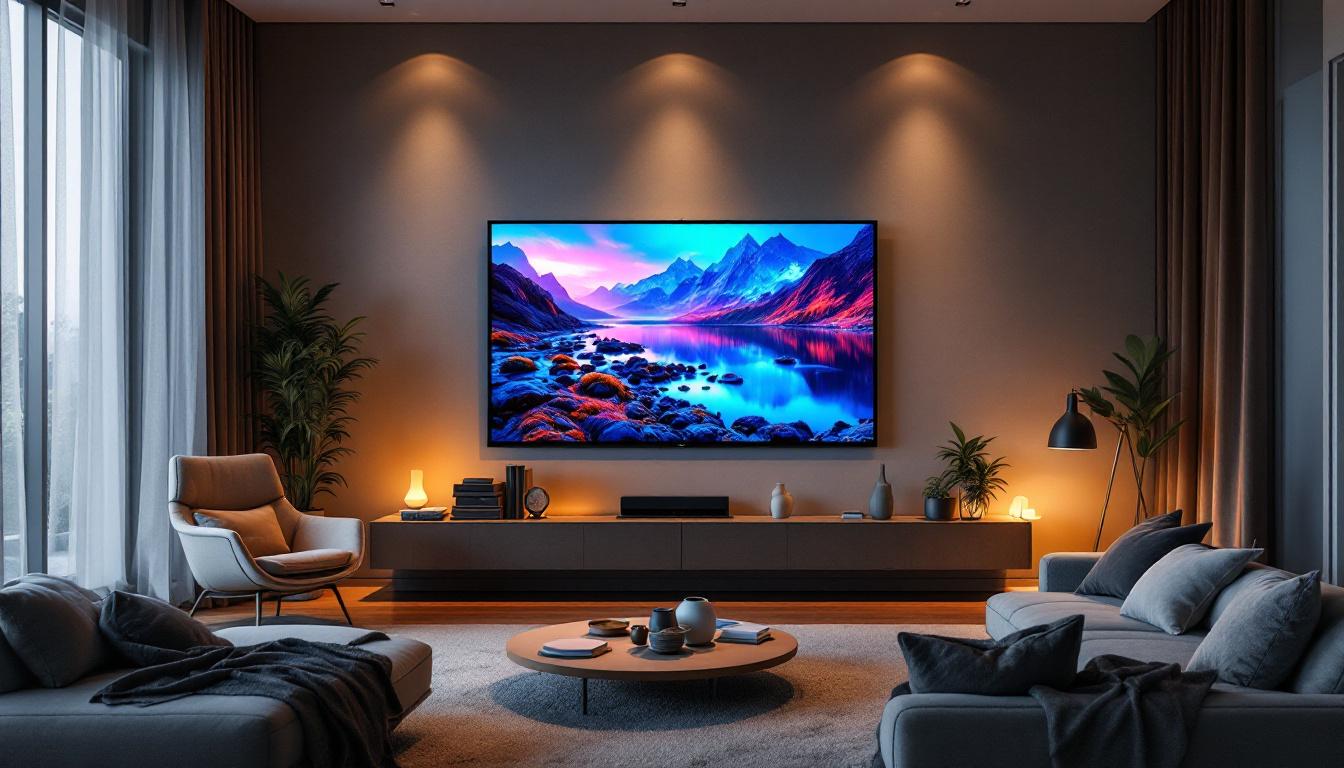
Most consumer TVs, monitors, and smartphones use LED-backlit LCD technology. In these displays, LEDs serve as a backlight behind an LCD panel. The LCD layer modulates the light to produce images. This hybrid approach combines the energy efficiency and brightness of LEDs with the color accuracy and resolution of LCDs.
LED-backlit LCDs are more affordable to manufacture and offer thinner designs compared to older CCFL-backlit LCDs. They also support features like local dimming, which enhances contrast by selectively dimming parts of the backlight.
3. OLED vs. LED Displays
While OLED (Organic Light Emitting Diode) displays are often compared with LED displays, they represent a different technology. OLEDs use organic compounds that emit light when electrically stimulated, allowing each pixel to emit its own light independently. This results in perfect blacks and superior contrast ratios.
In contrast, traditional LED displays rely on inorganic LEDs and often require a backlight. OLEDs are popular in high-end smartphones and TVs, but LED displays remain dominant in large-scale and outdoor applications due to their brightness and durability.
Applications of LED Displays in Modern Technology
The versatility of LED displays has led to widespread adoption across various industries. Their ability to deliver bright, colorful, and dynamic visuals makes them indispensable in many contexts.
Advertising and Digital Signage
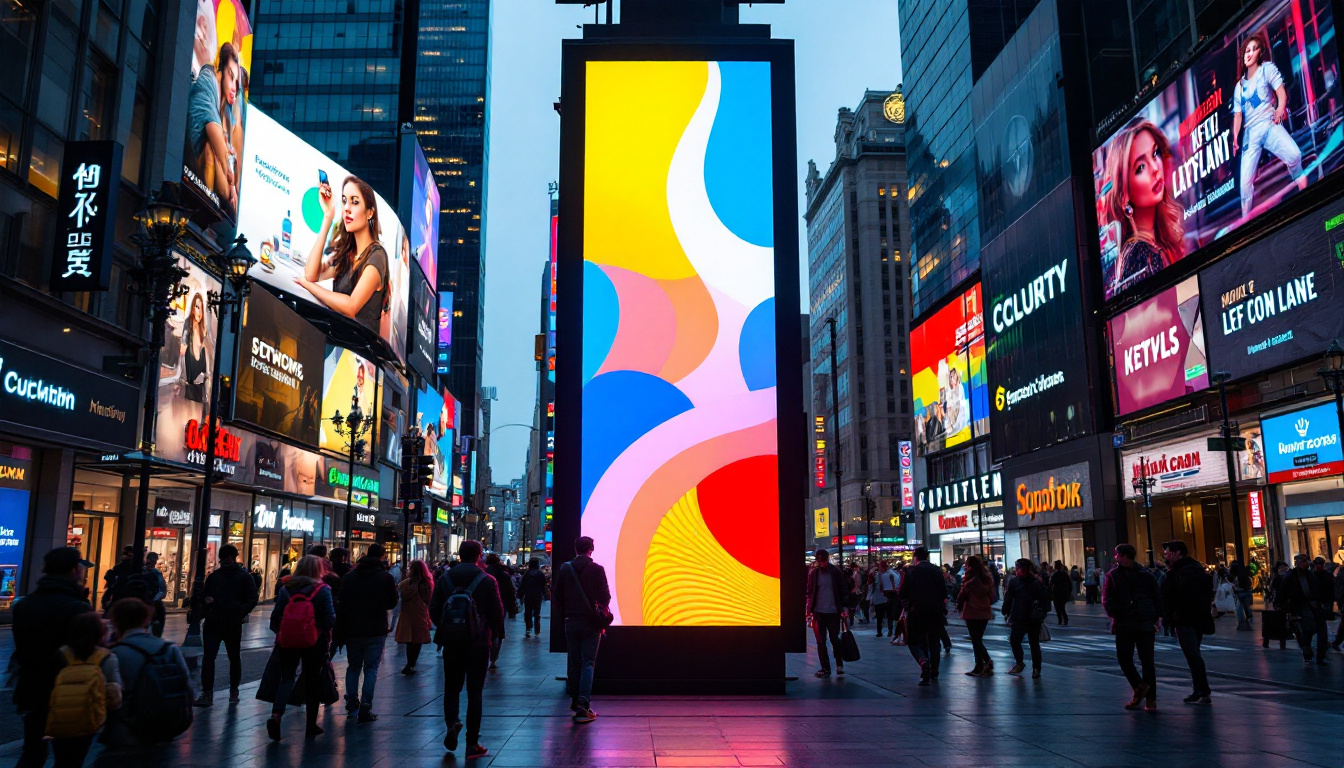
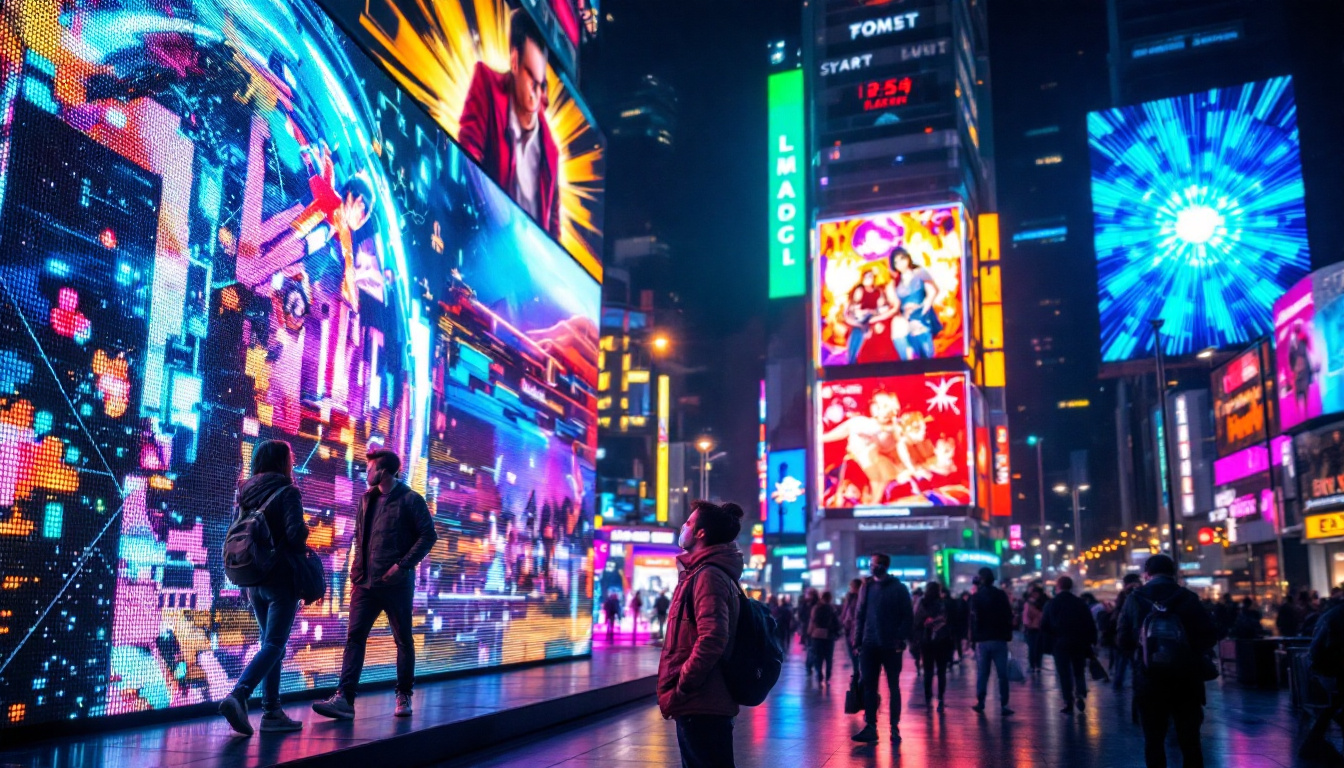
One of the most visible applications of LED technology is in advertising. LED billboards and digital signage have revolutionized outdoor advertising by enabling real-time content updates, interactive displays, and eye-catching animations. According to a 2023 report by Grand View Research, the global digital signage market is projected to reach $32.8 billion by 2028, with LED displays accounting for a significant share due to their brightness and scalability.
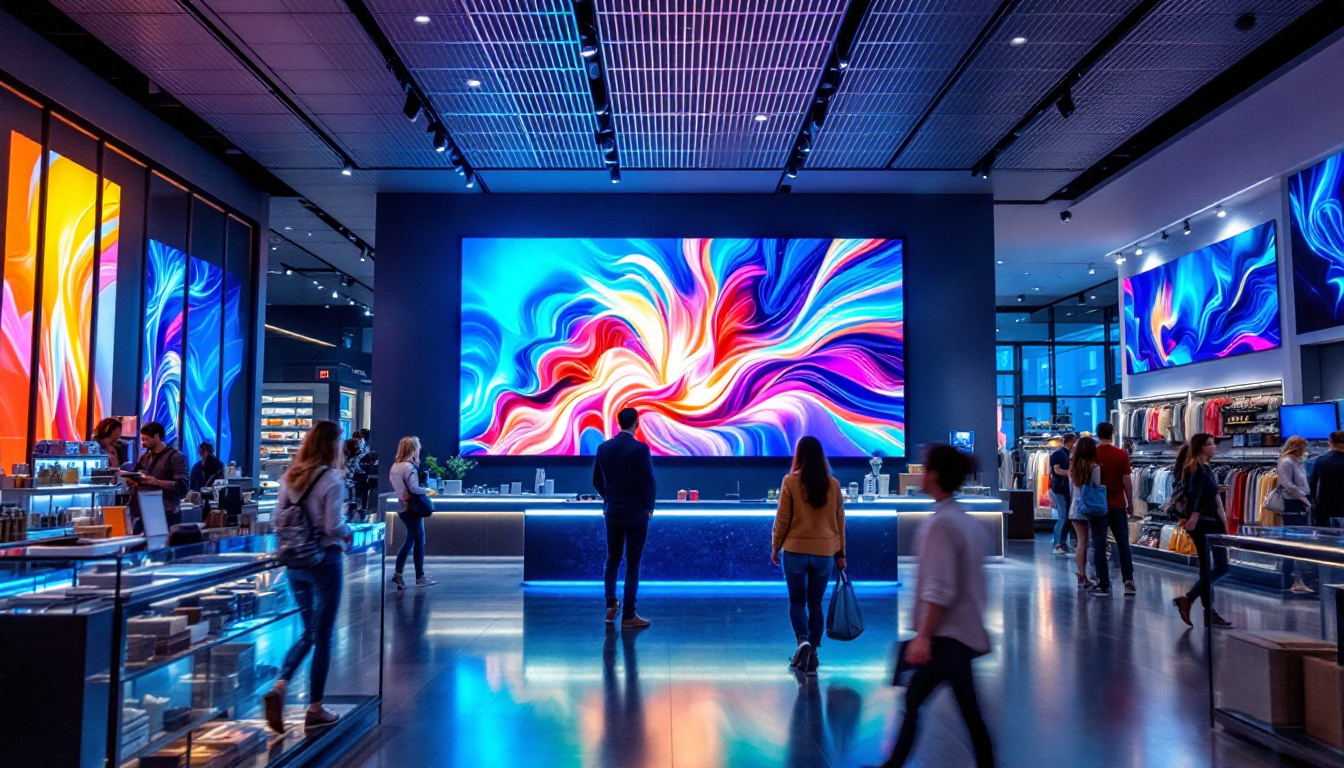
Retail stores also leverage LED displays to enhance customer engagement, showcasing promotions and product information dynamically. The ability to tailor content based on time of day or audience demographics increases marketing effectiveness.
Entertainment and Events
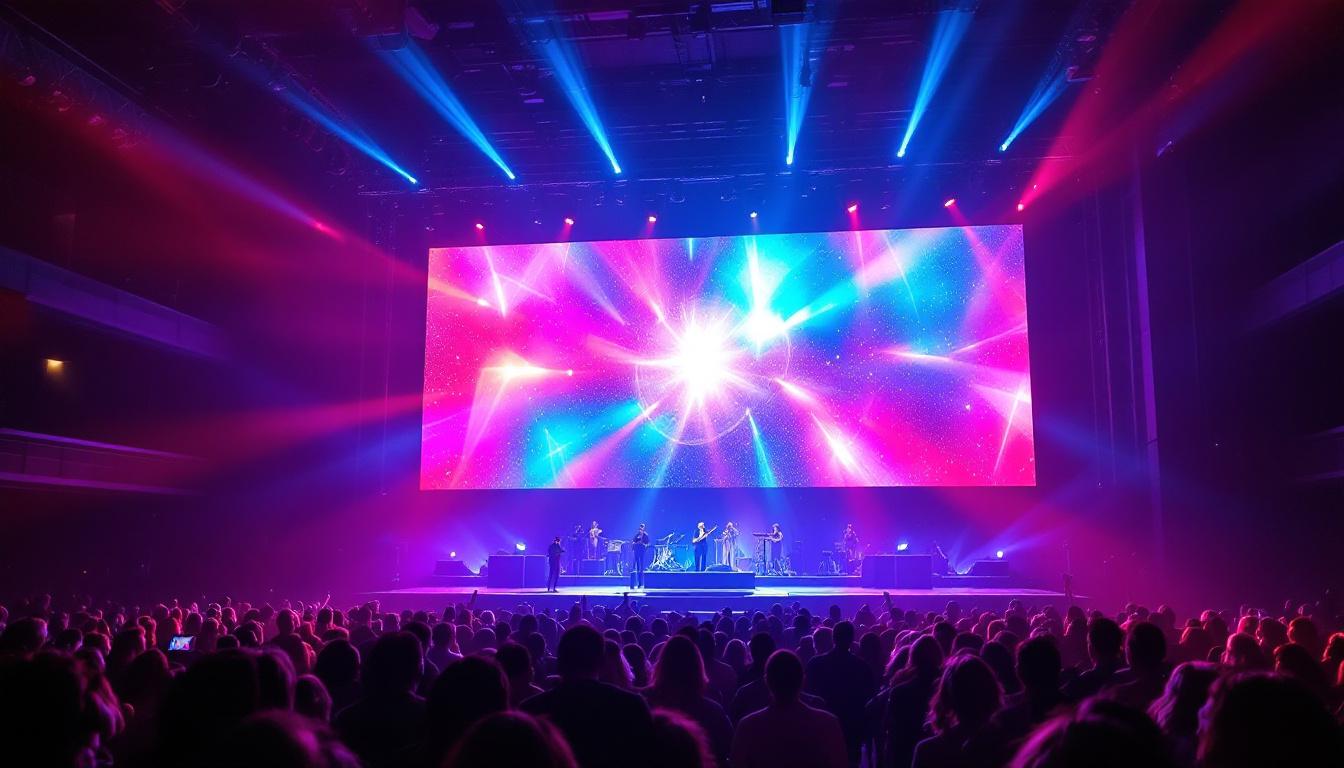
Concerts, sports arenas, and theaters utilize large LED video walls to provide immersive experiences. These displays can cover entire stages or stadium walls, delivering high-resolution visuals that complement live performances. The lightweight and modular nature of LED panels makes them easy to assemble and customize for different event sizes.
In cinema, LED displays are increasingly replacing traditional projection systems. Samsung’s Onyx Cinema LED screens, for example, offer superior brightness and contrast, enhancing the viewing experience in premium theaters worldwide.
Consumer Electronics
LED technology is foundational in consumer electronics, from smartphones and tablets to laptops and televisions. The demand for thinner, brighter, and more energy-efficient screens has driven continuous improvements in LED backlighting and pixel design.
Mini-LED and micro-LED technologies represent the next frontier in consumer displays, offering higher brightness, better contrast, and longer lifespans. Apple’s adoption of mini-LED backlighting in its latest iPad Pro models exemplifies this trend, delivering improved HDR performance and color accuracy.
Innovations and Future Trends in LED Display Technology
The LED display industry is rapidly evolving, fueled by advances in materials science, manufacturing techniques, and digital processing. Several emerging trends are poised to shape the future of visual displays.
Micro-LED: The Next Generation
Micro-LED technology involves microscopic LEDs that serve as individual pixels, similar to OLED but with inorganic materials. This approach offers the best of both worlds: the perfect blacks and contrast of OLED with the brightness, efficiency, and durability of traditional LEDs.
While still in the early stages of commercialization due to manufacturing challenges, micro-LED displays promise revolutionary improvements in image quality and energy consumption. Companies like Sony and Samsung are actively developing micro-LED TVs and monitors, targeting premium markets.
Flexible and Transparent LED Displays
Innovation in LED substrates has enabled the creation of flexible and transparent displays. Flexible LED panels can bend and curve, opening new possibilities for wearable devices, automotive dashboards, and architectural installations. Transparent LED displays, meanwhile, allow for digital content to be displayed on glass surfaces without obstructing the view, ideal for retail windows and smart glass applications.
Energy Efficiency and Sustainability
As environmental concerns grow, the LED display industry is focusing on reducing power consumption and improving recyclability. Advances in LED efficiency mean displays can achieve higher brightness with less energy, which is critical for large-scale outdoor installations that operate 24/7.
Additionally, manufacturers are exploring eco-friendly materials and modular designs that facilitate repair and recycling, aligning with global sustainability goals.
Choosing the Right LED Display: Key Considerations
For businesses and consumers looking to invest in LED display technology, several factors must be evaluated to ensure optimal performance and value.
Resolution and Pixel Pitch
The intended viewing distance largely determines the necessary resolution and pixel pitch. For close-up viewing, such as indoor signage or control rooms, a small pixel pitch (under 2 mm) is essential to avoid visible gaps between pixels. For outdoor billboards viewed from afar, larger pixel pitches are acceptable and more cost-effective.
Brightness and Contrast
Brightness is crucial for visibility, especially in outdoor environments exposed to sunlight. LED displays can achieve brightness levels exceeding 5,000 nits, far surpassing traditional LCDs. Contrast ratio impacts image depth and clarity, with higher contrast providing richer visuals.
Durability and Weather Resistance
Outdoor LED displays must withstand harsh weather conditions, including rain, dust, and temperature fluctuations. Look for displays with appropriate IP (Ingress Protection) ratings, which indicate resistance to water and dust ingress. High-quality LED modules also offer protection against UV degradation and corrosion.
Maintenance and Lifespan
LED displays typically have long lifespans, often exceeding 100,000 hours of operation. However, maintenance accessibility and the availability of replacement modules are important to minimize downtime and repair costs. Modular designs facilitate easier servicing.
Conclusion
LED display technology stands at the forefront of modern visual communication, offering unparalleled brightness, color accuracy, and versatility. From the dazzling digital billboards that light up cityscapes to the high-definition screens in consumer electronics, LEDs have transformed how information and entertainment are presented.
As innovations like micro-LED and flexible displays mature, the potential applications will expand even further, blending seamlessly into everyday environments. For businesses and consumers alike, understanding the nuances of LED technology is essential to harnessing its full potential and making informed decisions in an increasingly digital world.
Discover LumenMatrix LED Display Solutions
Ready to elevate your visual experience with the latest in LED display technology? LumenMatrix is at the forefront of innovation, offering a wide range of LED display modules designed to bring your brand to life. Whether you’re looking for Indoor LED Wall Displays, Outdoor LED Wall Displays, or specialized solutions like Vehicle LED Displays and LED Sports Displays, LumenMatrix has the cutting-edge technology to create immersive and engaging visual environments. Don’t just take our word for it; check out LumenMatrix LED Display Solutions and see how we can transform your visual communication and captivate your audience.