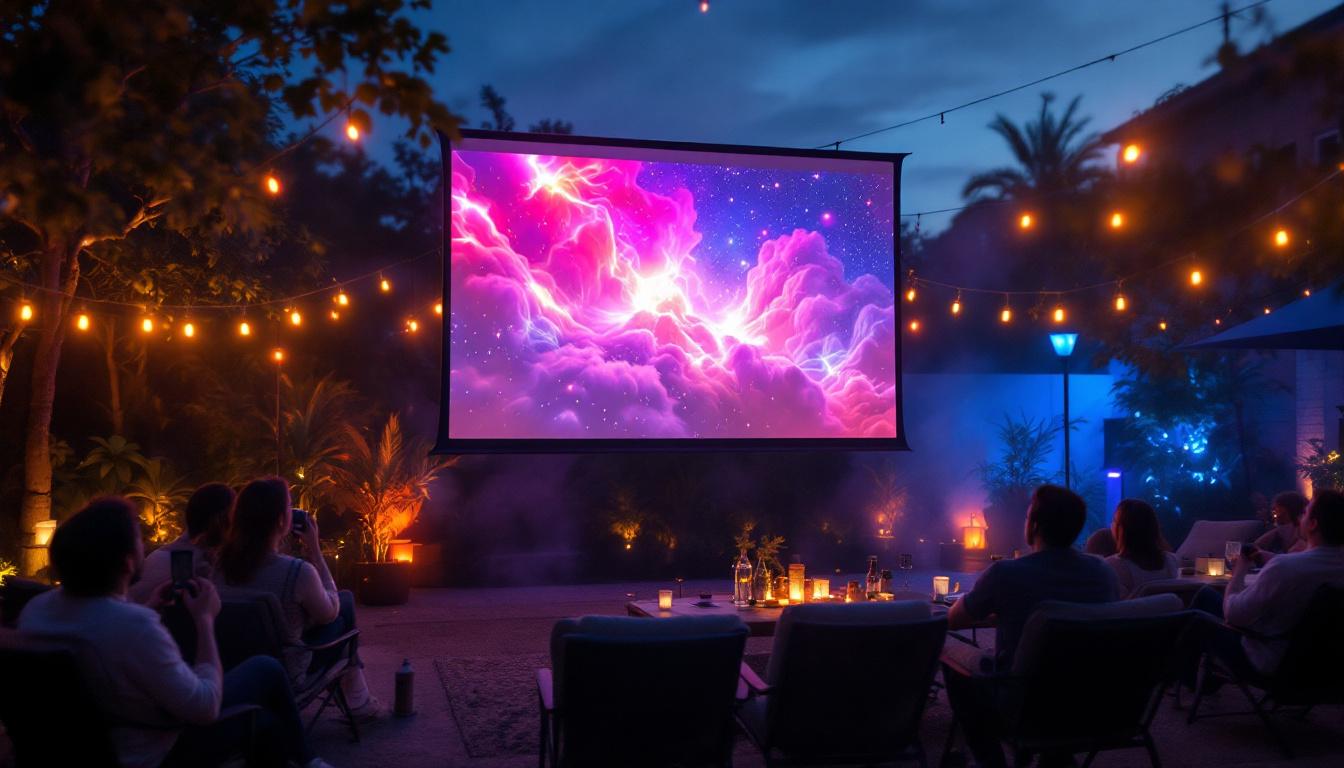
In today’s fast-paced digital world, LED displays have become an integral part of our daily lives, from the screens on our smartphones and televisions to large-scale advertising billboards and stadium scoreboards. Understanding how LED displays work, their types, advantages, and applications can empower consumers and professionals alike to make informed decisions when purchasing or troubleshooting these devices. This comprehensive guide delves into the technology behind LED displays, their evolution, and practical insights into their maintenance and optimization.
What is an LED Display?
LED stands for Light Emitting Diode, a semiconductor device that emits light when an electric current passes through it. An LED display is a flat panel display that uses an array of these tiny LEDs as pixels to create images, videos, and text. Unlike traditional LCDs that require backlighting, LED displays use the LEDs themselves to generate light, resulting in brighter images and better contrast.
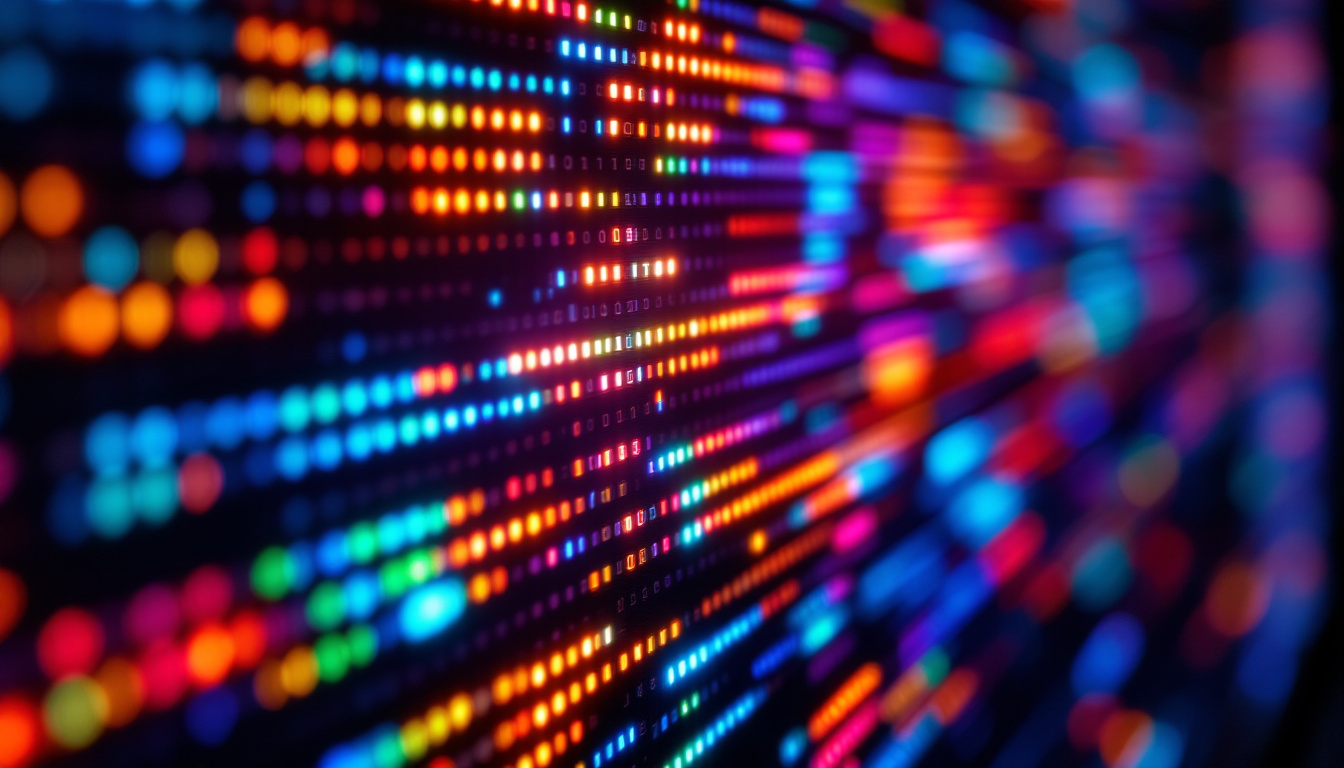
The fundamental principle behind LED displays is the control of individual diodes to produce specific colors and intensities. By combining red, green, and blue LEDs in various intensities, the display can render a full spectrum of colors, enabling vibrant and sharp visuals.
How LED Displays Differ from Other Display Technologies
Compared to LCD (Liquid Crystal Display) and OLED (Organic Light Emitting Diode) technologies, LED displays have unique characteristics. For instance, traditional LCD screens rely on a backlight, often LED-based, but the pixels themselves do not emit light. This can lead to less vivid colors and lower contrast ratios. OLED displays, on the other hand, use organic compounds that emit light when electrified, offering excellent color accuracy and contrast but often at a higher cost and with potential longevity issues.
LED displays, especially in large formats, are favored for their brightness, durability, and energy efficiency. They are commonly used in outdoor environments where sunlight visibility is critical, such as digital billboards and traffic signs.
Types of LED Displays
LED displays come in various forms tailored to different applications and environments. Understanding the main types helps in selecting the right display for specific needs.
1. Direct View LED Displays
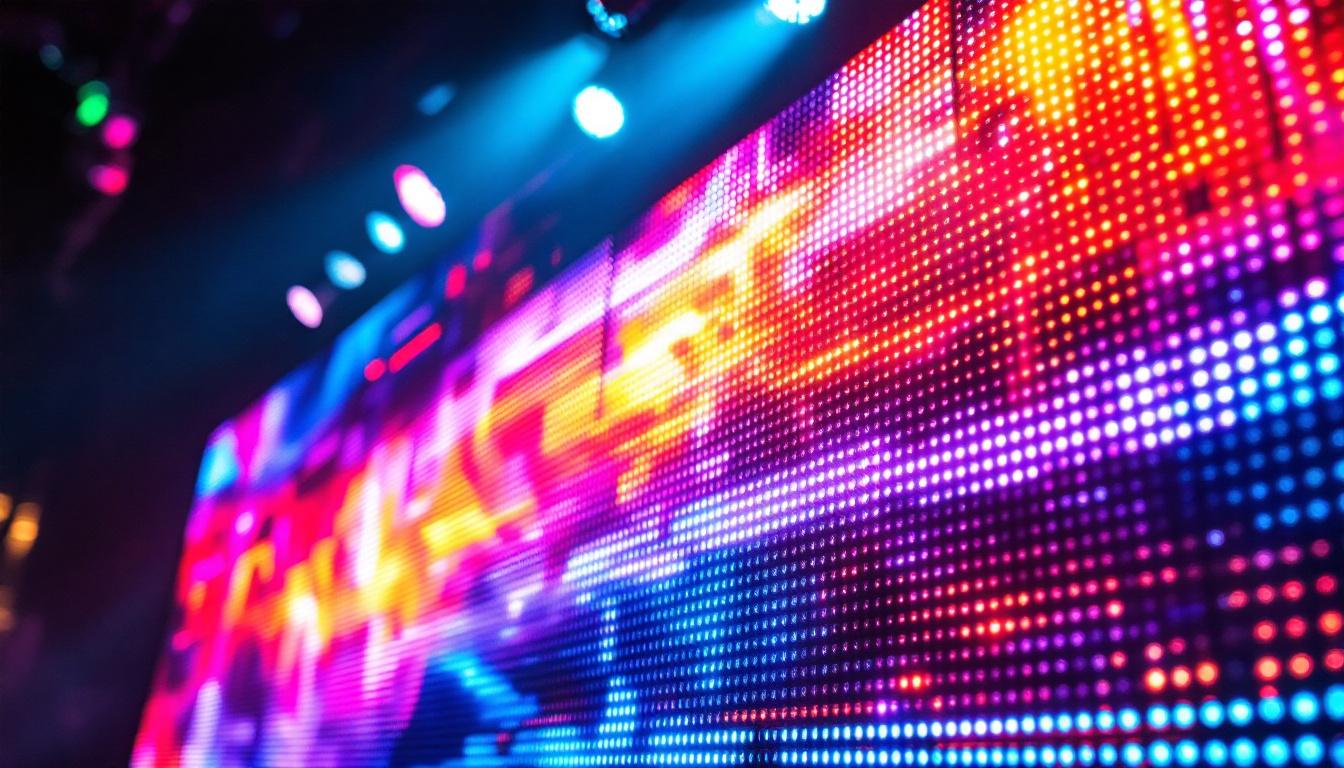
Direct View LED (DVLED) displays consist of LEDs arranged directly on the display surface, allowing viewers to see the light emitted without any intermediary layers. These displays are known for their high brightness and are widely used in outdoor advertising, sports arenas, and concert stages.
One of the key advantages of DVLED displays is their scalability. They can be built in virtually any size and shape, making them ideal for large-format installations. The pixel pitch, which is the distance between LEDs, determines the resolution and viewing distance. Smaller pixel pitches mean higher resolution and closer optimal viewing distances.
2. LED-Backlit LCD Displays
Most modern LCD screens use LED backlighting rather than older CCFL (cold cathode fluorescent lamp) backlights. In these displays, the LEDs serve as a light source behind the liquid crystal layer, enhancing brightness and color accuracy while reducing power consumption.
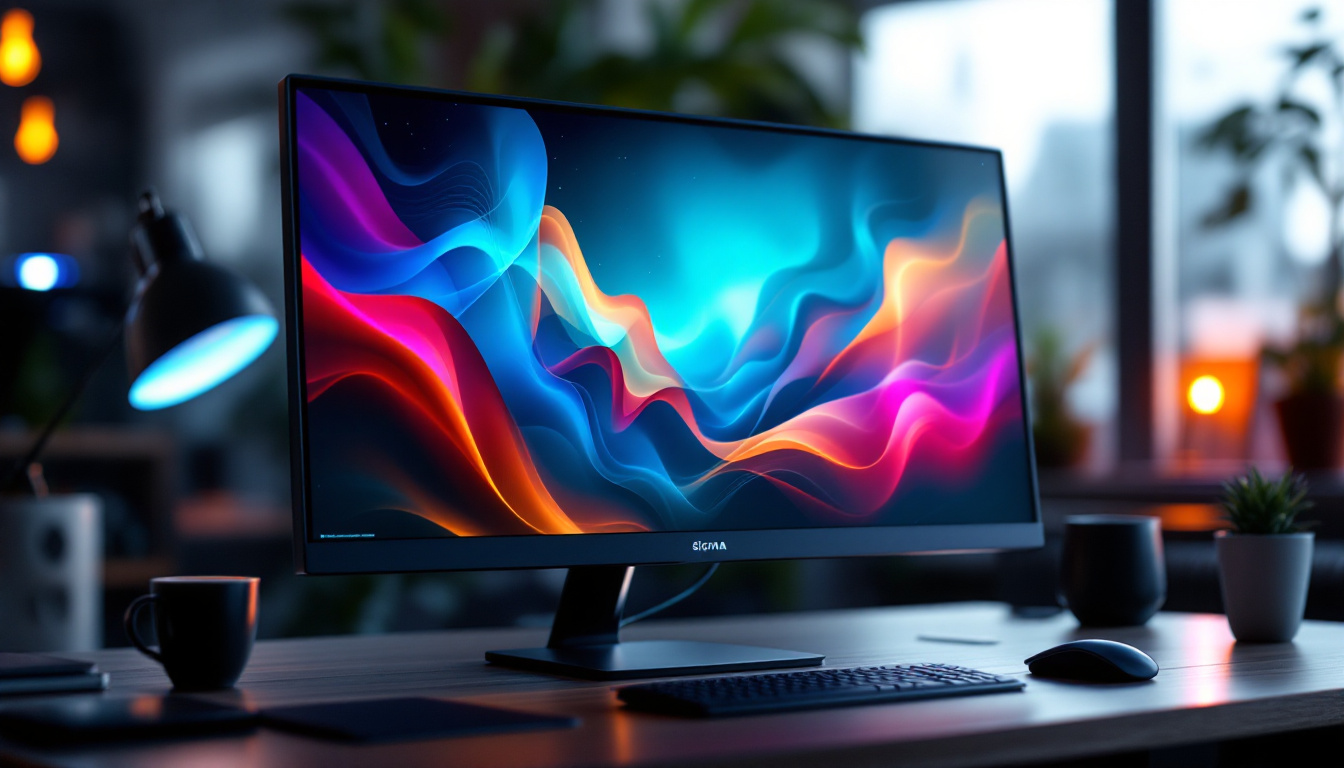
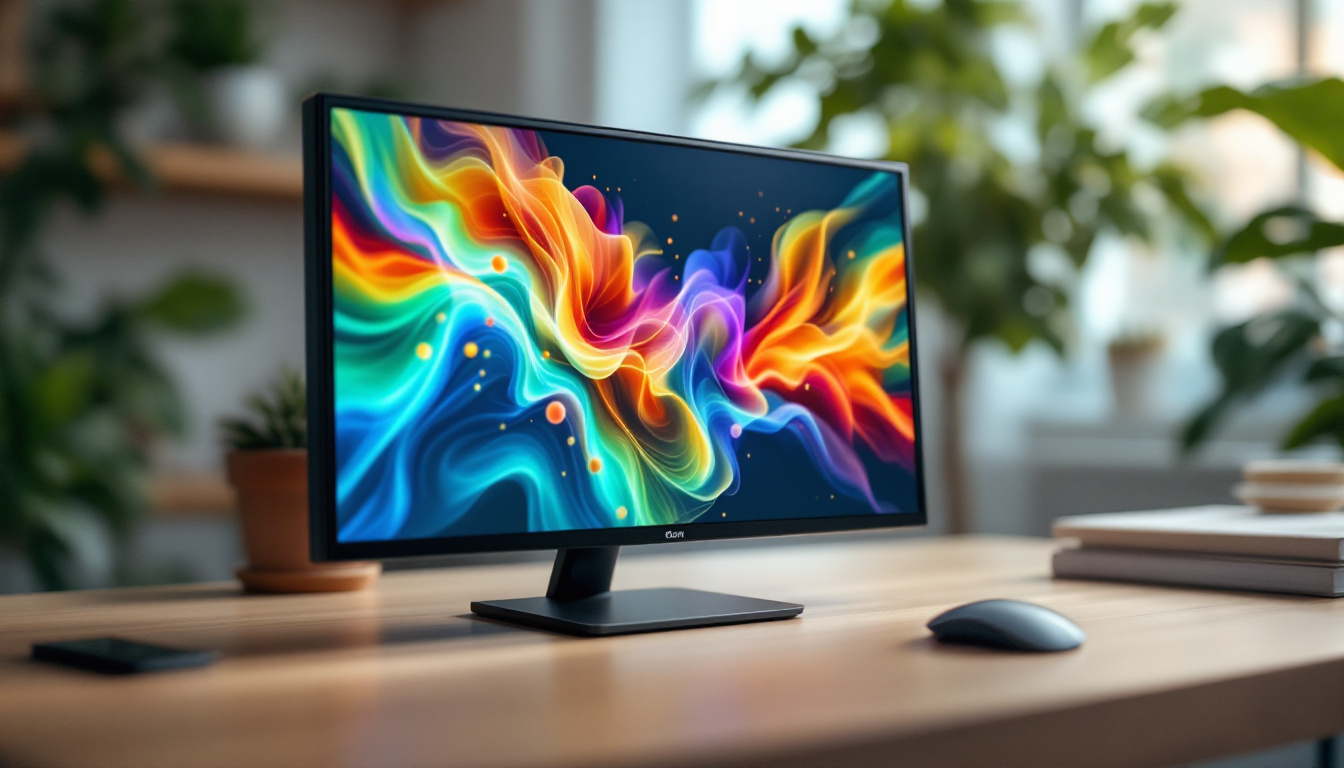
LED-backlit LCDs are common in consumer electronics such as laptops, monitors, and televisions. They offer a balance between cost and performance but do not provide the same contrast levels as direct view LED or OLED displays.
3. OLED Displays
While technically not LED displays in the traditional sense, OLEDs are often discussed alongside LED technology due to their self-emissive nature. OLED panels use organic compounds that emit light when electrified, allowing for extremely thin displays with excellent contrast and color fidelity.
OLEDs are prevalent in high-end smartphones, TVs, and wearable devices. However, they are more susceptible to burn-in and generally have shorter lifespans compared to inorganic LED displays.
Key Components and How They Work
To appreciate the complexity and engineering behind LED displays, it’s important to understand their core components and how they interact to produce vivid images.
LED Pixels and Color Mixing
Each pixel on an LED display is typically made up of three sub-pixels: red, green, and blue LEDs. By varying the intensity of these sub-pixels, the display can generate a wide range of colors through additive color mixing. This RGB model is fundamental to all color displays.
Advanced displays may use additional colors, such as white or yellow LEDs, to enhance brightness and color accuracy, a technique known as quad-color or pentile arrangements.
Driving Circuits and Controllers
LED pixels are controlled by driving circuits that regulate the current flowing through each diode. These circuits receive input signals from a display controller, which processes image data and translates it into electrical signals for each pixel.
The controller manages refresh rates, brightness levels, and color calibration to ensure smooth and accurate image reproduction. Modern LED displays use sophisticated electronics to minimize flicker and latency, which is especially important for video playback and interactive applications.
Power Supply and Thermal Management
LED displays require stable power supplies to maintain consistent brightness and color performance. Power fluctuations can cause flickering or damage to the LEDs. Additionally, LEDs generate heat during operation, which must be dissipated efficiently to prevent overheating and prolong the display’s lifespan.
Thermal management solutions include heat sinks, cooling fans, and specially designed enclosures that facilitate airflow. Proper thermal design is critical, particularly for large outdoor displays exposed to direct sunlight.
Advantages of LED Displays
LED displays offer numerous benefits that have driven their widespread adoption across various industries.
High Brightness and Visibility
One of the most significant advantages of LED displays is their exceptional brightness. Outdoor LED billboards can achieve brightness levels exceeding 5,000 nits, making them easily visible even in direct sunlight. This surpasses most LCD and OLED displays, which typically max out around 500 to 1,000 nits.
High brightness ensures messages and visuals remain clear and impactful under diverse lighting conditions, a critical factor for advertising and public information systems.
Energy Efficiency
LED technology is inherently energy-efficient compared to older display technologies. LEDs convert a higher percentage of electrical energy into light rather than heat, reducing power consumption. This efficiency translates into lower operating costs and a smaller environmental footprint.
For example, an LED-backlit LCD TV consumes approximately 30-50% less power than a CCFL-backlit LCD of similar size and brightness.
Durability and Longevity
LED displays are known for their robustness. LEDs are solid-state devices with no fragile glass layers or filaments, making them resistant to shock and vibration. Additionally, LEDs have long operational lifespans, often rated at 50,000 to 100,000 hours before brightness diminishes significantly.
This durability makes LED displays suitable for harsh environments, including outdoor installations exposed to weather extremes.
Wide Viewing Angles and Fast Response Times
LED displays typically offer wide viewing angles, ensuring consistent image quality from different perspectives. This is essential for public displays where viewers may be positioned at various angles.
Moreover, LEDs have rapid response times, minimizing motion blur and ghosting in fast-moving images, which is crucial for video playback and gaming applications.
Common Applications of LED Displays
The versatility of LED displays has led to their integration into numerous sectors, each leveraging specific features to meet unique requirements.
Advertising and Digital Signage
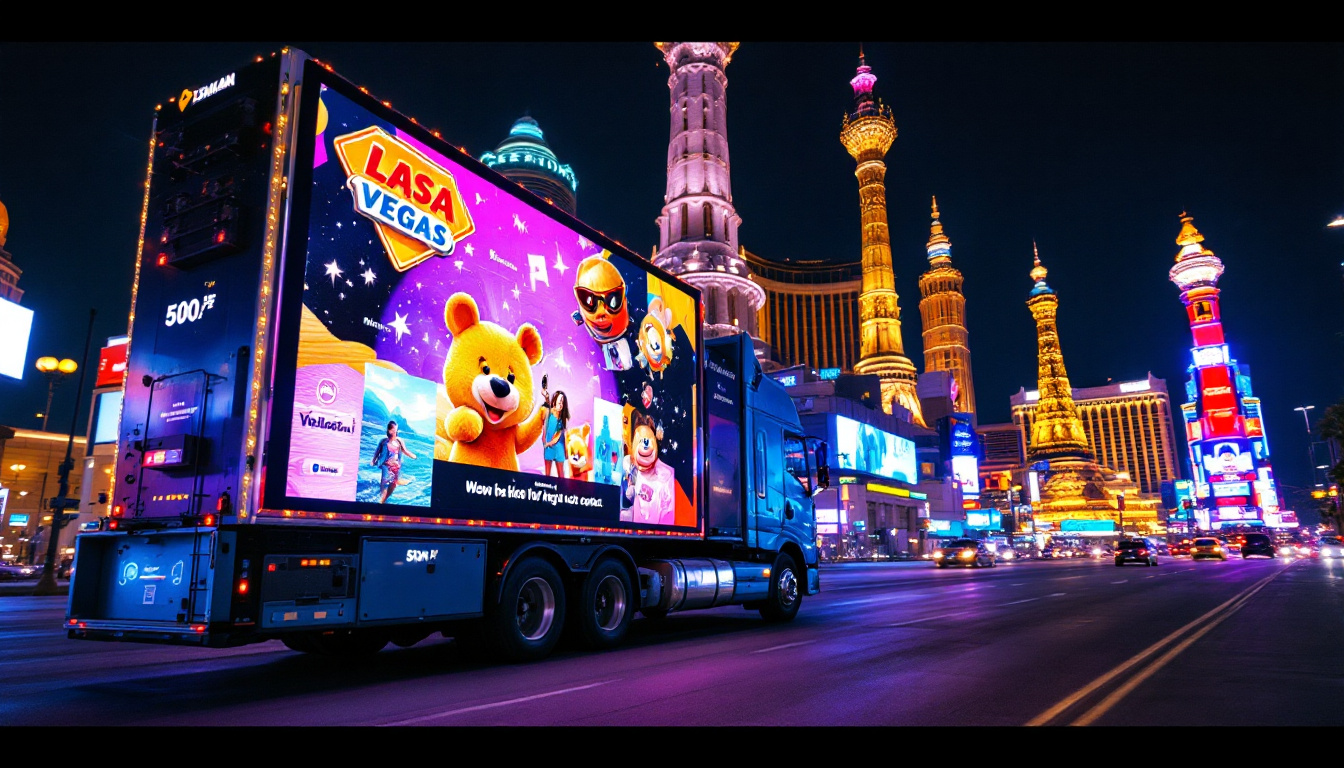
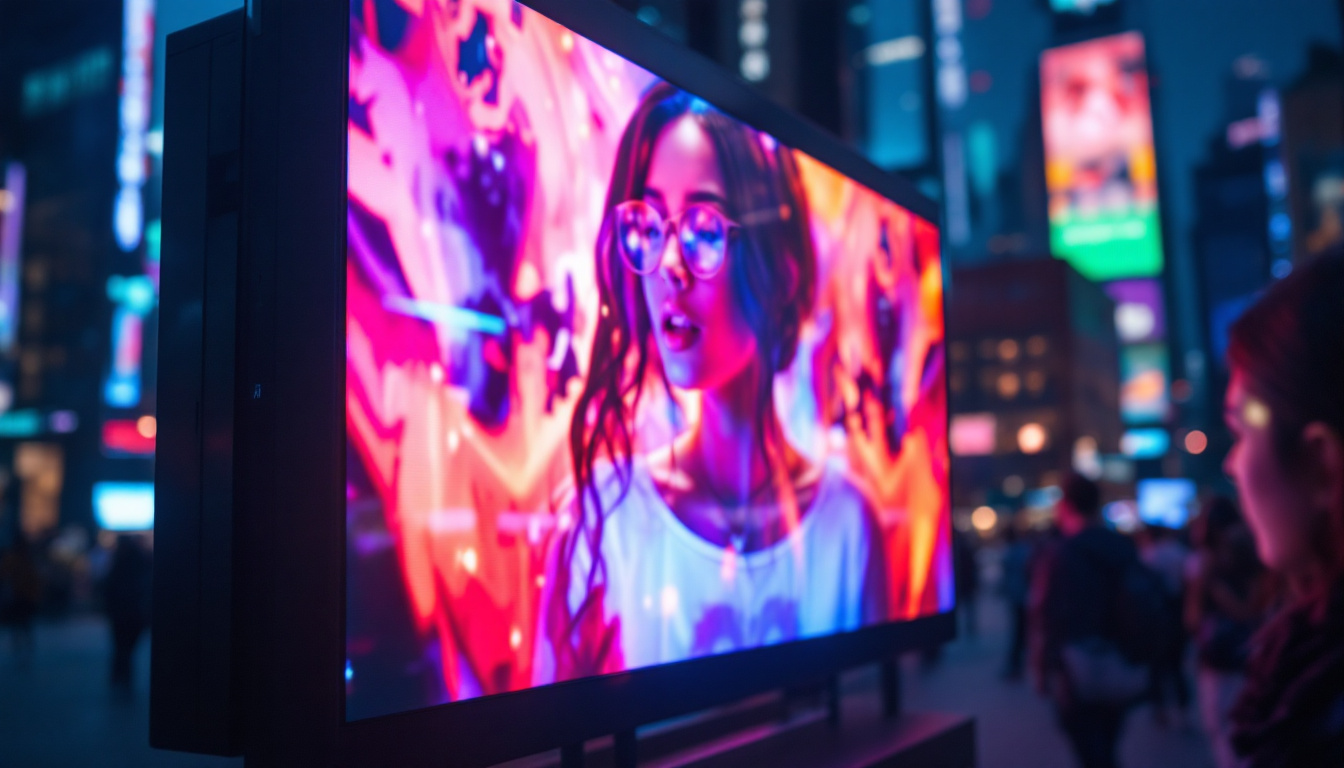
One of the most visible uses of LED displays is in advertising. Digital billboards and signage employ large-scale LED panels to deliver dynamic, eye-catching content that can be updated remotely in real-time. According to industry reports, the global digital signage market is expected to grow at a CAGR of over 8% through 2027, driven largely by advancements in LED technology.
LED displays enable advertisers to tailor messages based on time of day, audience demographics, or special events, enhancing engagement and return on investment.
Consumer Electronics
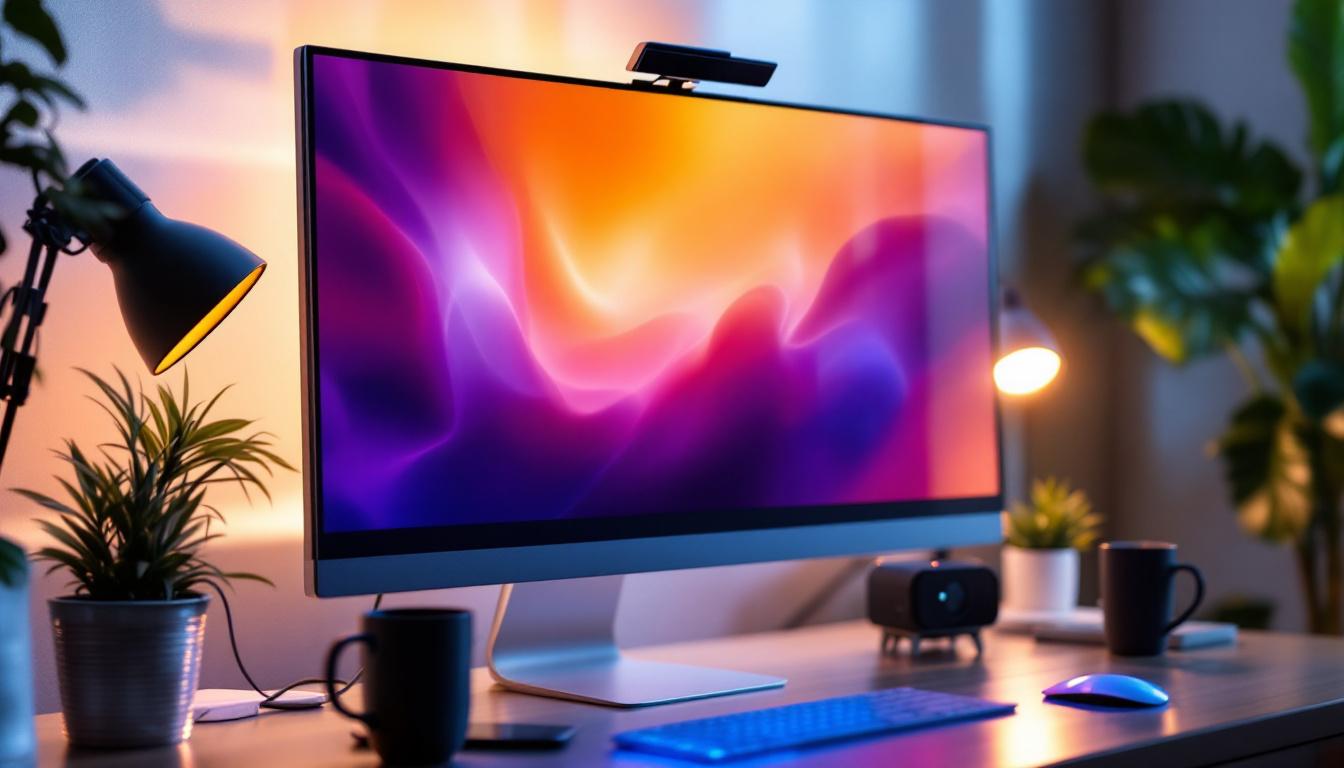
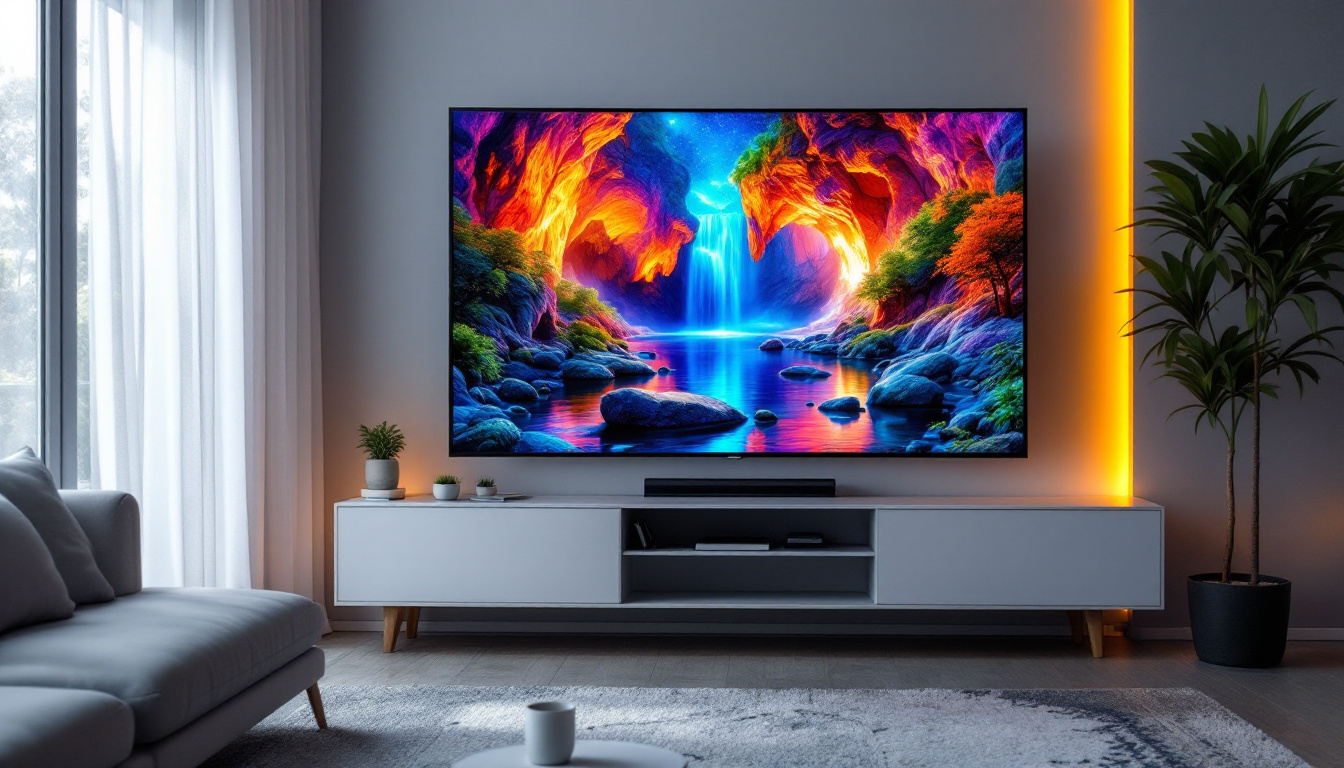
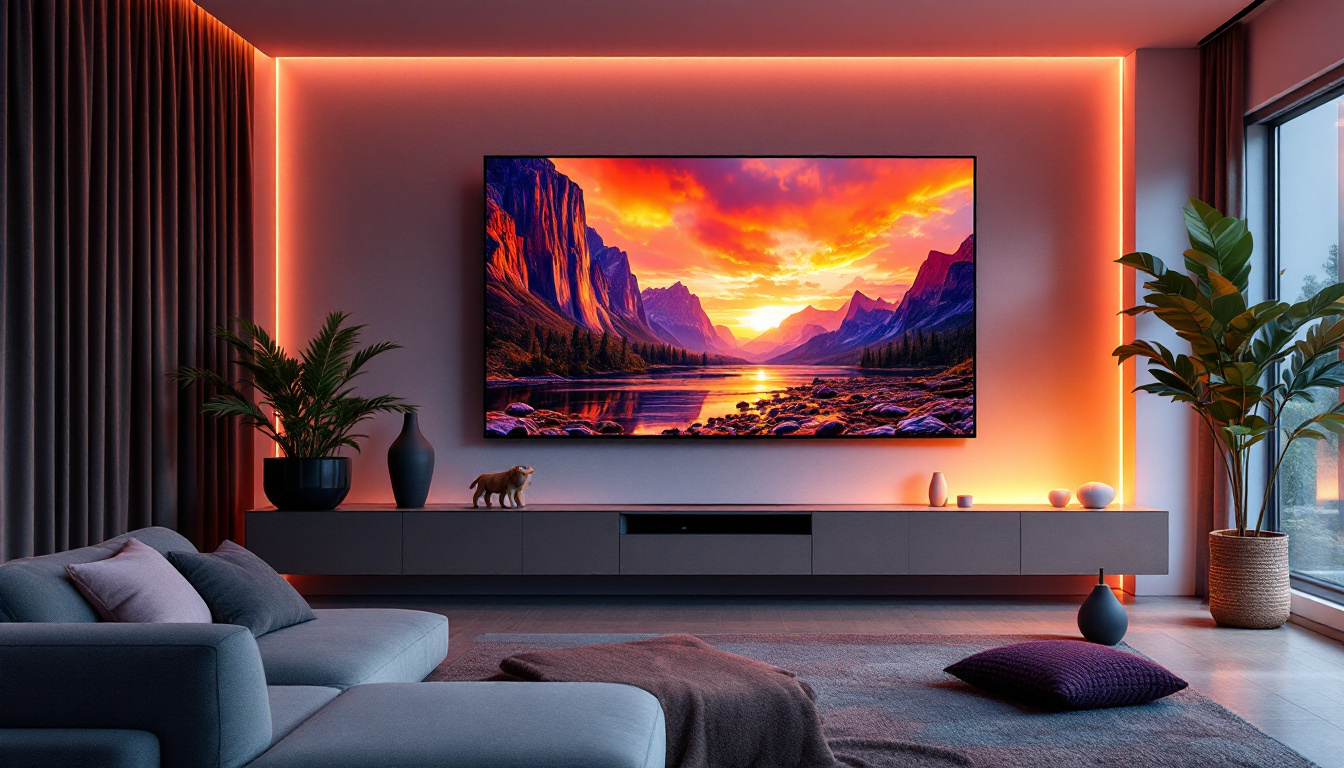
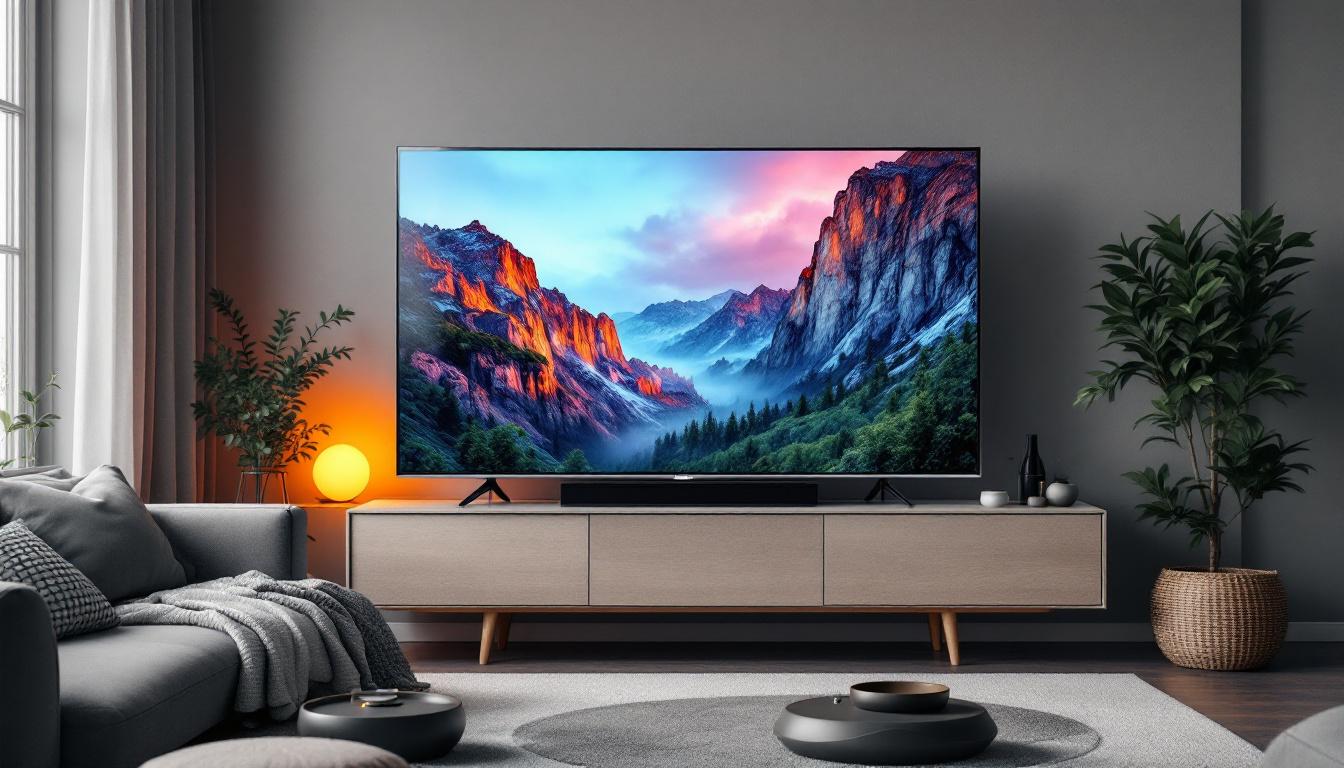
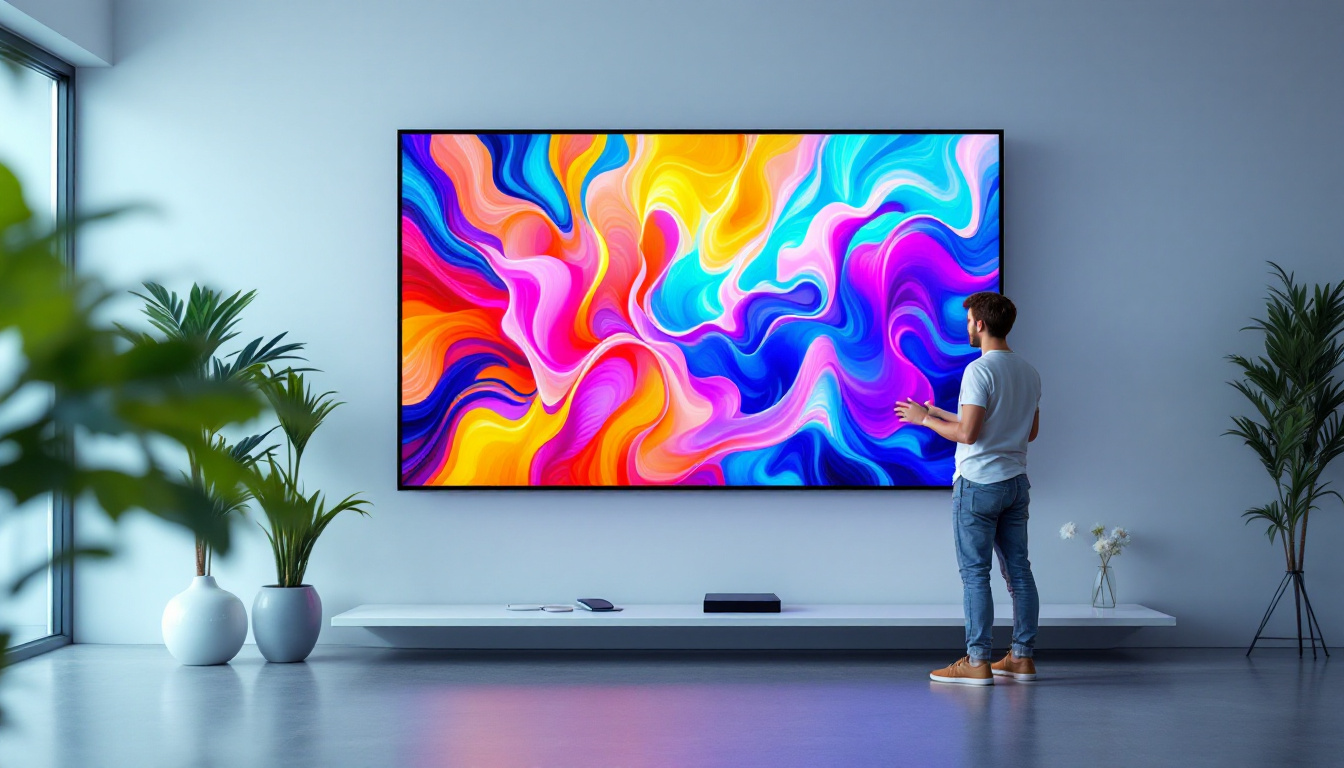
LED technology is ubiquitous in consumer electronics, from smartphones and tablets to televisions and computer monitors. The shift to LED-backlit LCDs has improved display quality while reducing device thickness and power consumption.
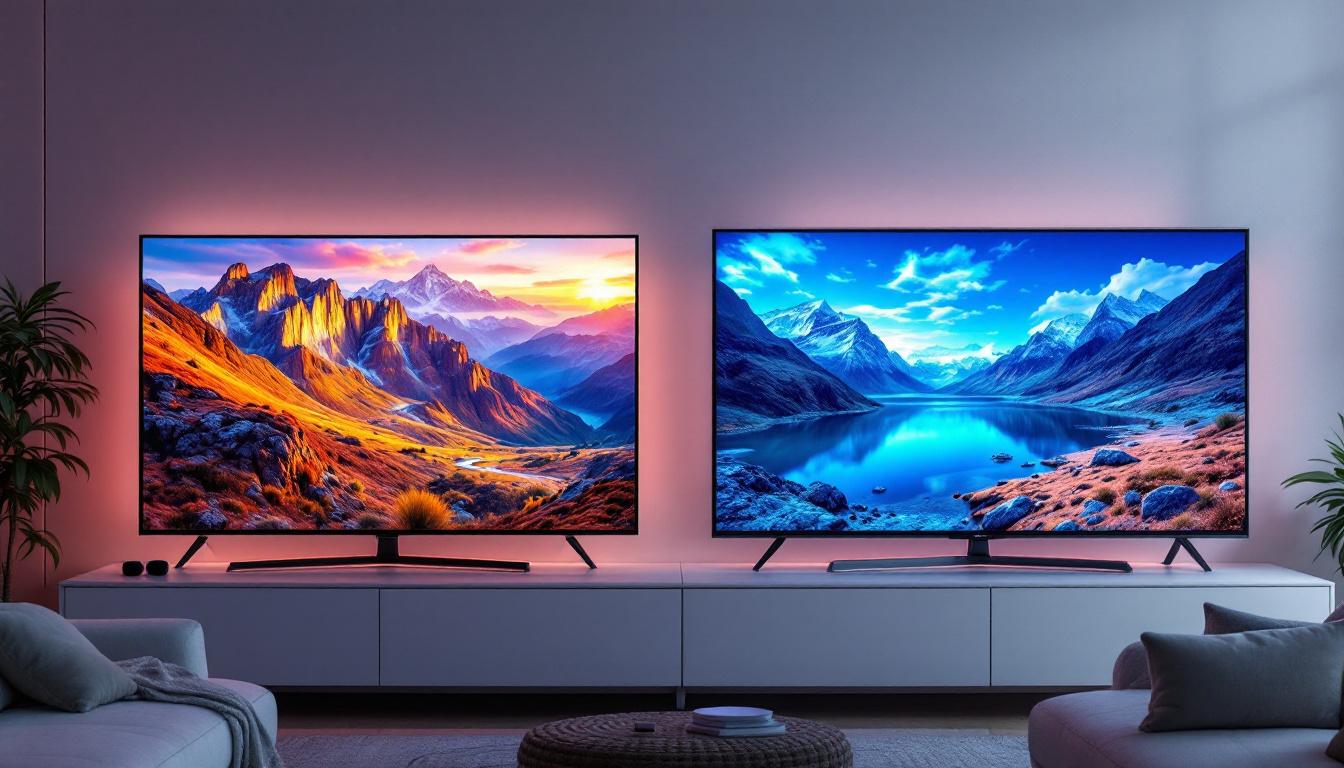
High-end TVs increasingly incorporate direct view LED or OLED panels to deliver superior picture quality, with features such as HDR (High Dynamic Range) that rely on the display’s ability to produce deep blacks and bright highlights.
Sports and Entertainment Venues
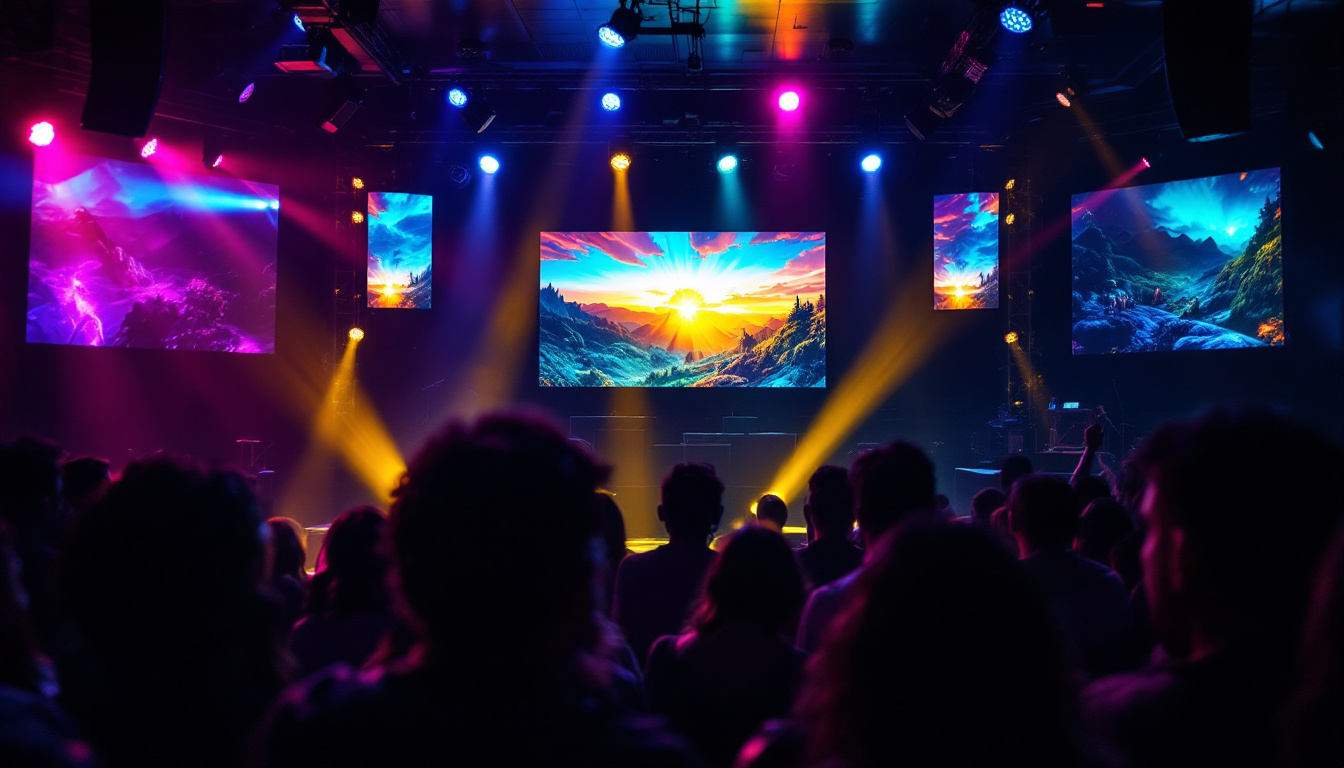
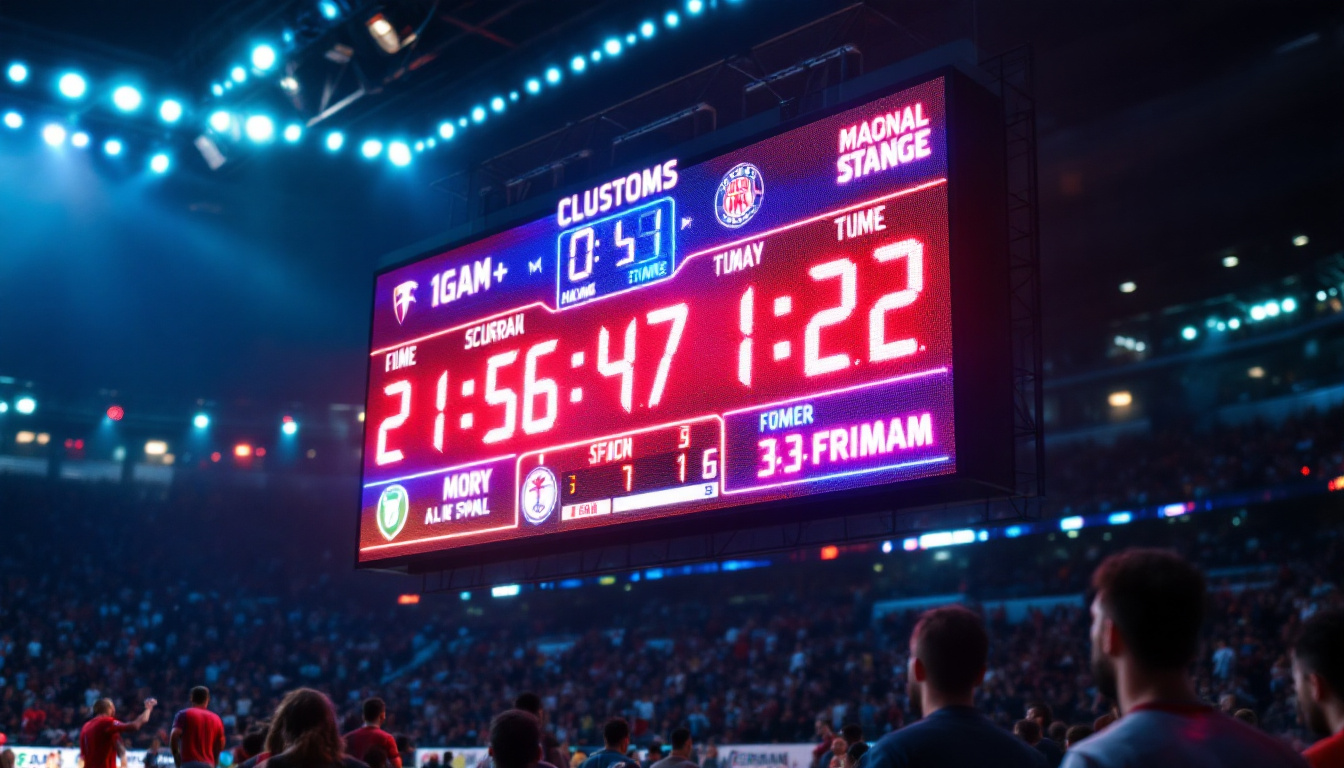
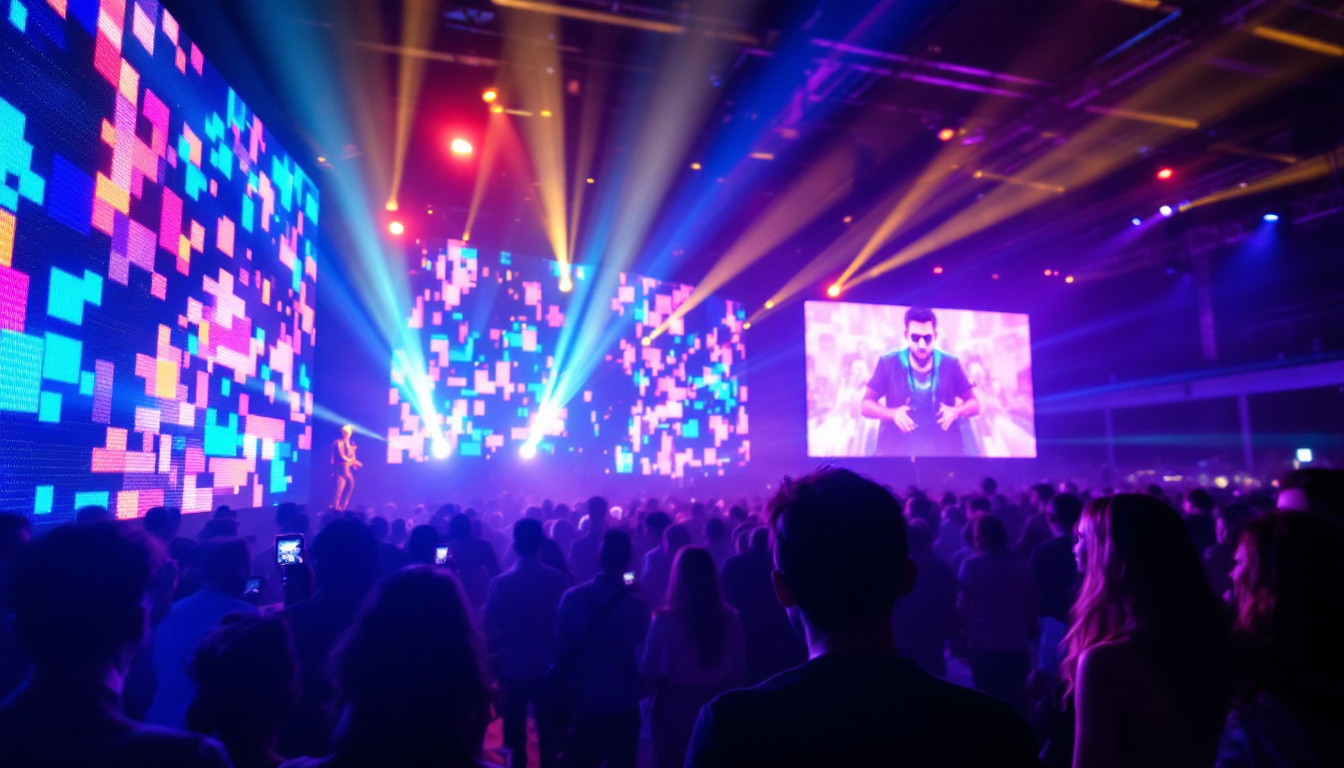
Stadiums, concert halls, and theaters utilize large LED screens to provide spectators with live video feeds, replays, and interactive content. These displays must be bright enough to compete with ambient lighting and durable enough to withstand outdoor conditions.
Innovations such as curved and flexible LED panels have enabled immersive viewing experiences and creative stage designs.
Transportation and Public Information
LED displays are commonly used in traffic signals, airport information boards, and public transit systems. Their reliability and visibility make them ideal for conveying critical information quickly and clearly.
For example, LED variable message signs on highways provide real-time traffic updates and safety warnings, contributing to improved road safety.
Maintaining and Troubleshooting LED Displays
Proper maintenance is essential to maximize the lifespan and performance of LED displays. Understanding common issues and their solutions can help users and technicians address problems efficiently.
Routine Cleaning and Inspection
Dust, dirt, and moisture can accumulate on LED panels, reducing brightness and potentially causing electrical issues. Regular cleaning with appropriate, non-abrasive materials helps maintain image quality.
Visual inspections should check for damaged pixels, loose connections, or signs of corrosion, especially in outdoor installations exposed to the elements.
Addressing Dead or Stuck Pixels
Dead pixels (LEDs that do not light up) or stuck pixels (LEDs that remain on a single color) can detract from display quality. While some minor pixel defects are normal in large LED arrays, significant issues may require module replacement or professional repair.
Software tools exist that attempt to fix stuck pixels by cycling colors rapidly, but effectiveness varies.
Power and Signal Issues
Flickering, dimming, or color inaccuracies often stem from power supply problems or signal interference. Ensuring stable power input and checking cable connections can resolve many issues.
In complex installations, signal boosters and repeaters may be necessary to maintain image integrity across large distances.
Software and Firmware Updates
Modern LED displays rely on embedded software for calibration, color management, and content control. Keeping firmware up to date can improve performance, add features, and fix bugs.
Manufacturers typically provide update instructions and tools, and it’s advisable to follow recommended maintenance schedules.
The Future of LED Display Technology
LED display technology continues to evolve rapidly, driven by demands for higher resolution, greater energy efficiency, and novel form factors.
MicroLED and MiniLED Innovations
Emerging technologies such as MicroLED and MiniLED aim to combine the best features of traditional LEDs and OLEDs. MicroLEDs are tiny inorganic LEDs that can be used as individual pixels, offering exceptional brightness, color accuracy, and longevity without the burn-in risk of OLEDs.
MiniLEDs serve as backlighting units with thousands of small LEDs, enabling improved local dimming and contrast in LCD panels. These advancements are already appearing in premium TVs and monitors.
Flexible and Transparent Displays
Research into flexible LED displays is enabling new applications, including foldable smartphones, wearable devices, and curved public signage. Transparent LED displays are also gaining traction, allowing screens to be integrated into windows and glass surfaces without obstructing views.
Integration with Smart Technologies
LED displays are increasingly integrated with IoT (Internet of Things) and AI-driven content management systems. This integration allows for dynamic, context-aware content delivery, energy optimization, and predictive maintenance, enhancing user experience and operational efficiency.
Conclusion
LED displays have revolutionized the way information and entertainment are presented across countless industries. Their brightness, energy efficiency, durability, and versatility make them indispensable in both consumer electronics and large-scale commercial applications. Understanding the different types of LED displays, their components, and maintenance needs can help users optimize performance and longevity.
As technology advances, innovations like MicroLED and flexible displays promise to expand the possibilities even further, making LED displays a cornerstone of visual technology for years to come.
Discover LumenMatrix’s Innovative LED Solutions
Ready to experience the future of visual technology with LED displays that offer unmatched brightness, efficiency, and versatility? LumenMatrix is at the forefront of LED innovation, providing a wide array of solutions tailored to your needs. Whether you’re looking for Indoor LED Wall Displays, Outdoor LED Wall Displays, or specialized options like Vehicle LED Displays and LED Sports Displays, LumenMatrix has the cutting-edge technology to bring your vision to life. Elevate your brand visibility and captivate your audience with our state-of-the-art LED display modules. Check out LumenMatrix LED Display Solutions today and transform the way you communicate visually.