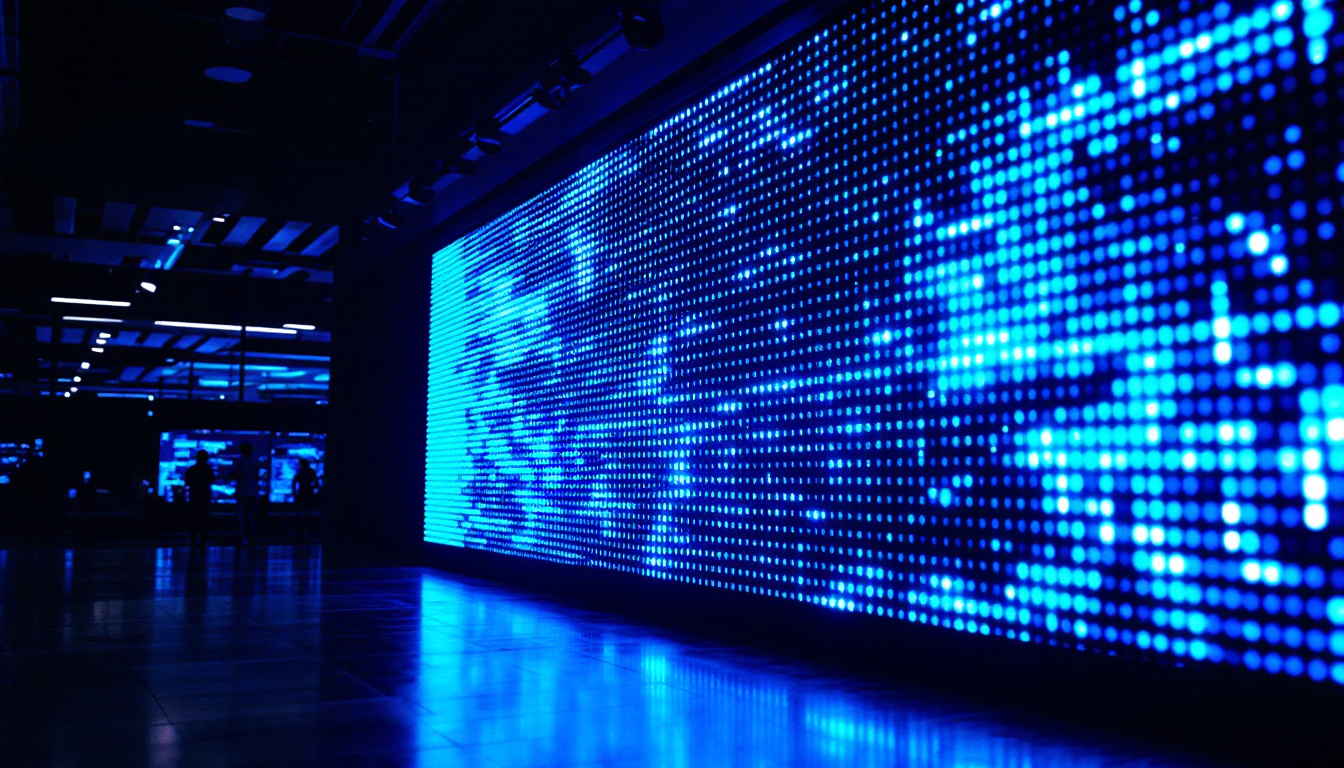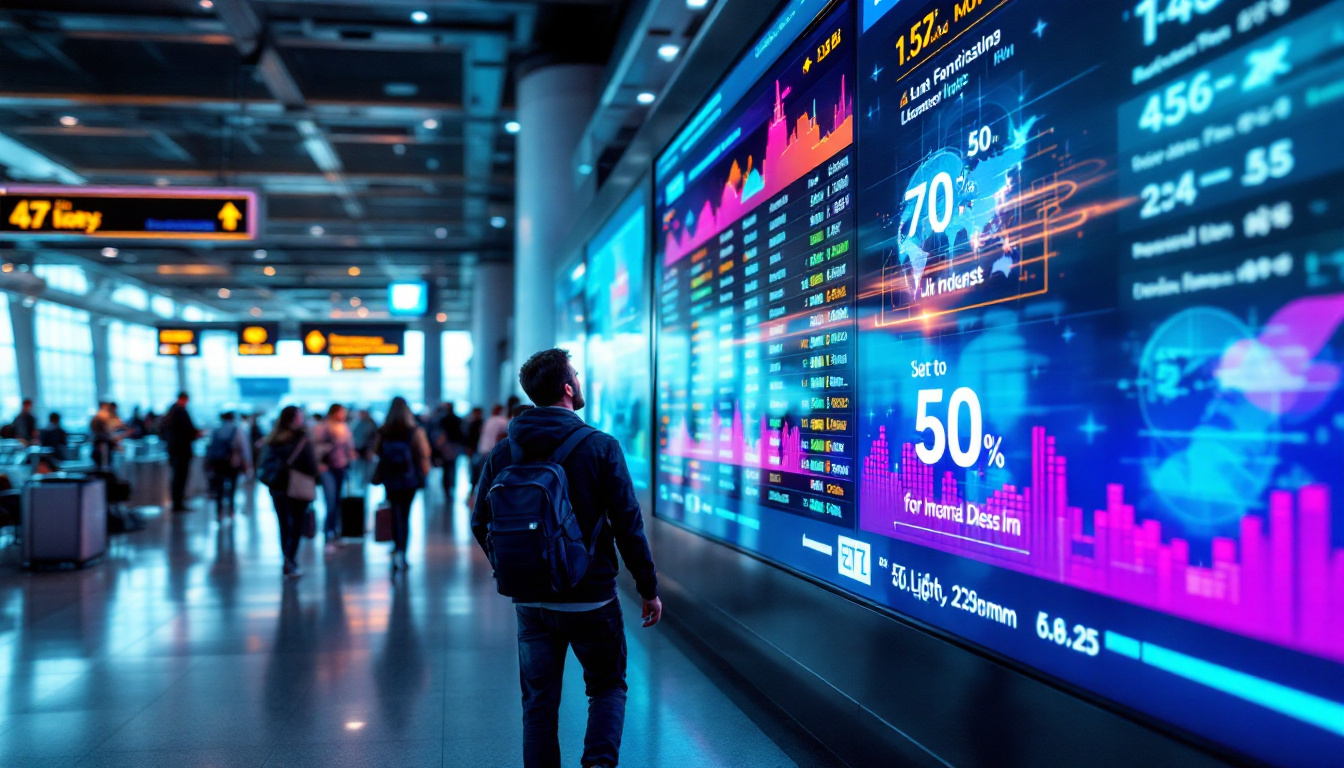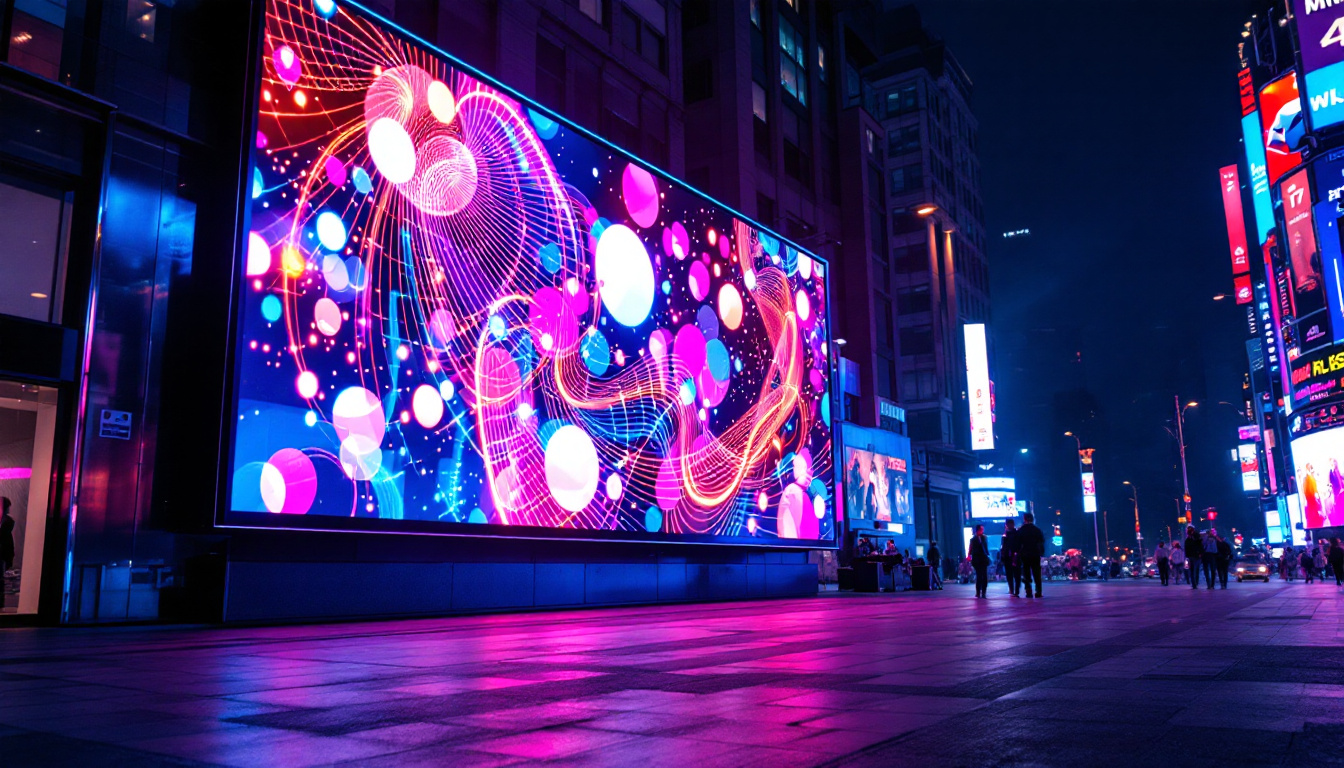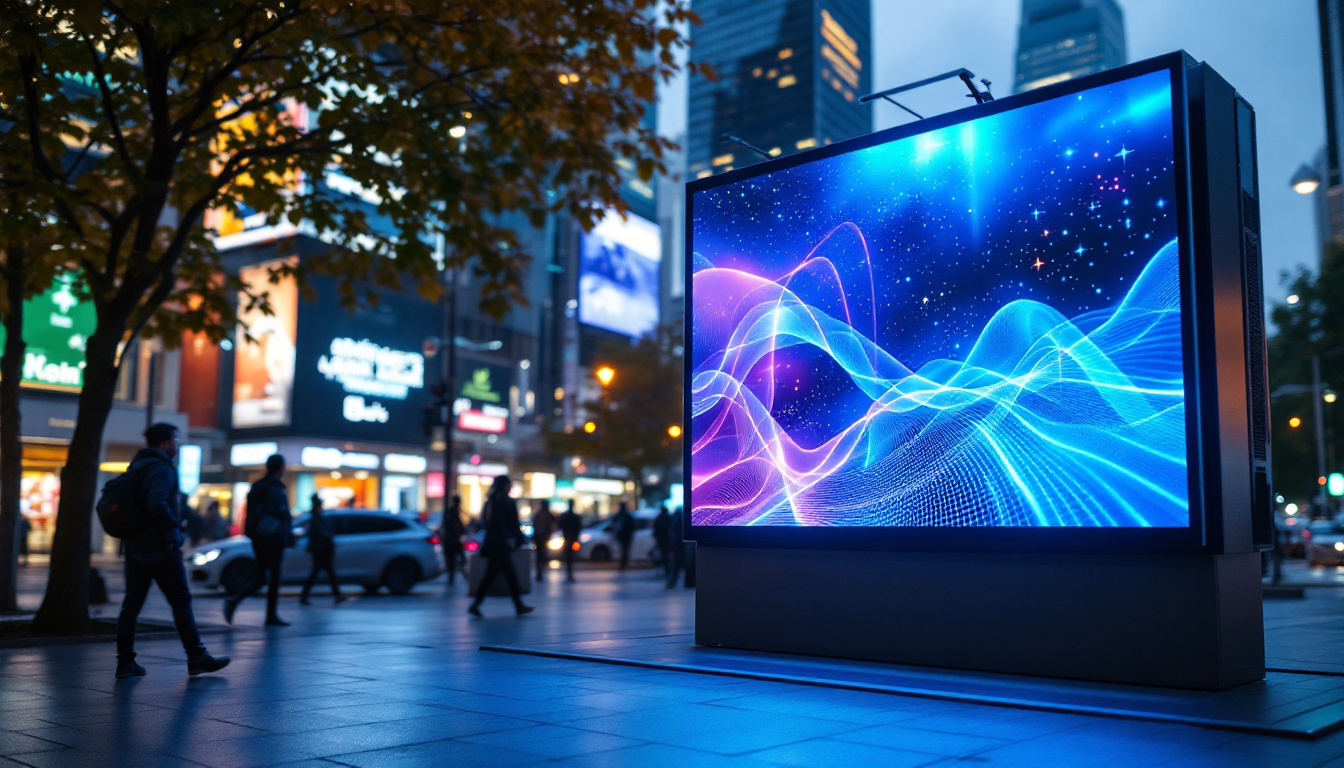
In the world of modern television technology, LED displays have become a cornerstone of visual excellence. From the sleek screens in living rooms to massive video walls in commercial spaces, LED technology continues to redefine how images are presented. This article delves deeply into the design principles, technology, and applications of LED displays in television walls, offering a comprehensive understanding for enthusiasts, designers, and industry professionals alike.
Understanding LED Display Technology
LED, or Light Emitting Diode, technology revolutionized display screens by offering brighter, more energy-efficient, and longer-lasting alternatives to traditional LCD and plasma displays. At its core, an LED display is composed of numerous tiny diodes that emit light when electrically charged, creating vivid images with high contrast and color accuracy. This technology has not only transformed the way we view content but has also paved the way for innovations in various fields, including advertising, entertainment, and even art installations.
Unlike LCD panels that rely on backlighting, LED displays are self-illuminating. This fundamental difference allows for deeper blacks and more dynamic color ranges, which significantly enhances the viewing experience. The ability to control each diode independently also facilitates higher refresh rates and better motion handling, critical for fast-paced content like sports and gaming. Furthermore, advancements in LED technology have led to the development of features such as HDR (High Dynamic Range), which further elevates the visual experience by providing a wider range of brightness and color, making images appear more lifelike and immersive.
Types of LED Displays Used in Television Walls
When discussing television design walls, it’s essential to distinguish between two primary types of LED displays: Direct View LED (DVLED) and LED-backlit LCDs. DVLED panels use LEDs as the actual pixels, whereas LED-backlit LCDs use LEDs solely for backlighting an LCD panel. This distinction is crucial for understanding the applications and performance characteristics of each type, especially in professional settings where visual clarity and reliability are paramount.
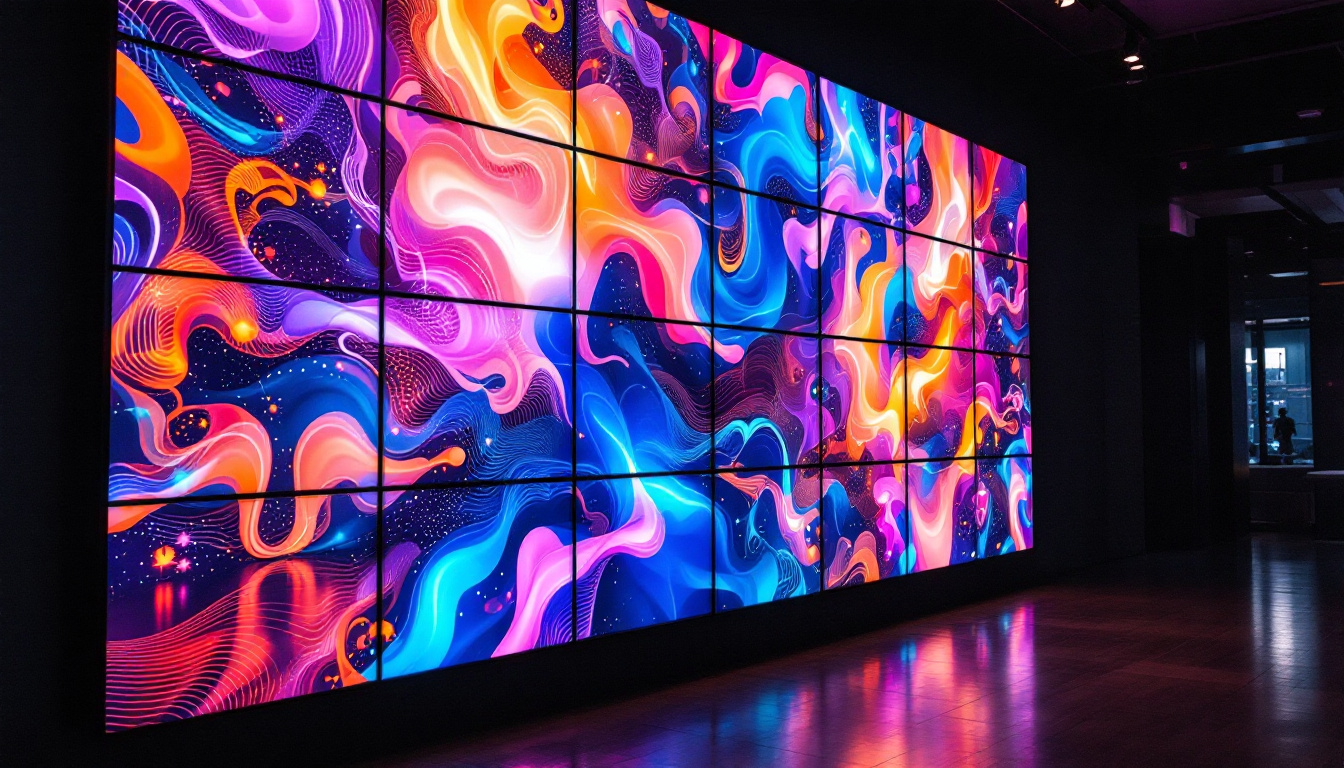
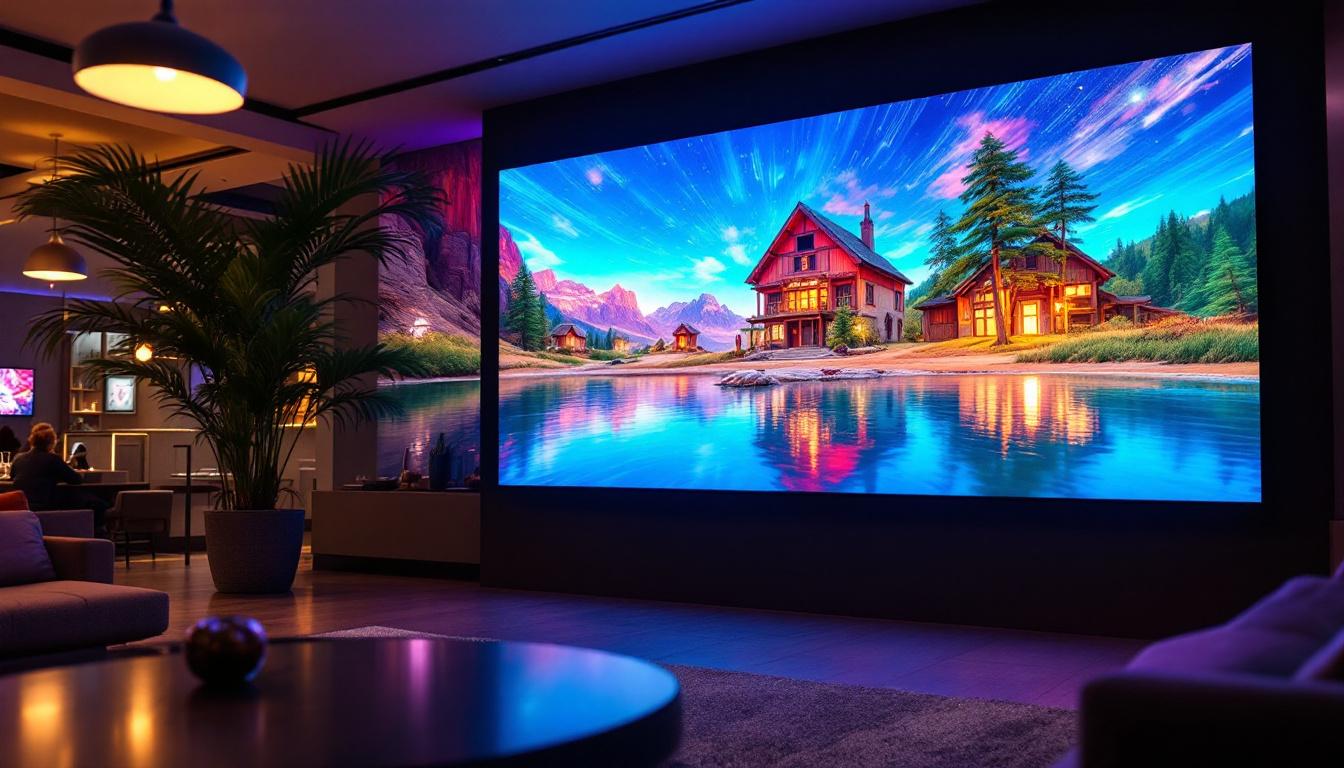
Direct View LED walls are increasingly popular in large-scale installations such as stadiums, control rooms, and commercial video walls. These displays offer superior brightness and scalability, making them ideal for environments where ambient light is a challenge. The modular nature of DVLED technology allows for seamless integration into various formats and sizes, enabling designers to create stunning visual experiences tailored to specific venues. On the other hand, LED-backlit LCD TVs are common in consumer electronics, balancing cost and performance for home use. These displays often come equipped with smart features, allowing users to stream content and connect to various devices, thus enhancing the overall user experience. As technology continues to evolve, the gap between these two types of displays may narrow, leading to even more innovative solutions for both commercial and personal use.
Design Considerations for LED Television Walls
Designing a television wall with LED technology involves multiple factors, from pixel pitch and resolution to viewing distance and installation environment. Each element plays a crucial role in achieving optimal image quality and viewer satisfaction.
Pixel Pitch and Resolution
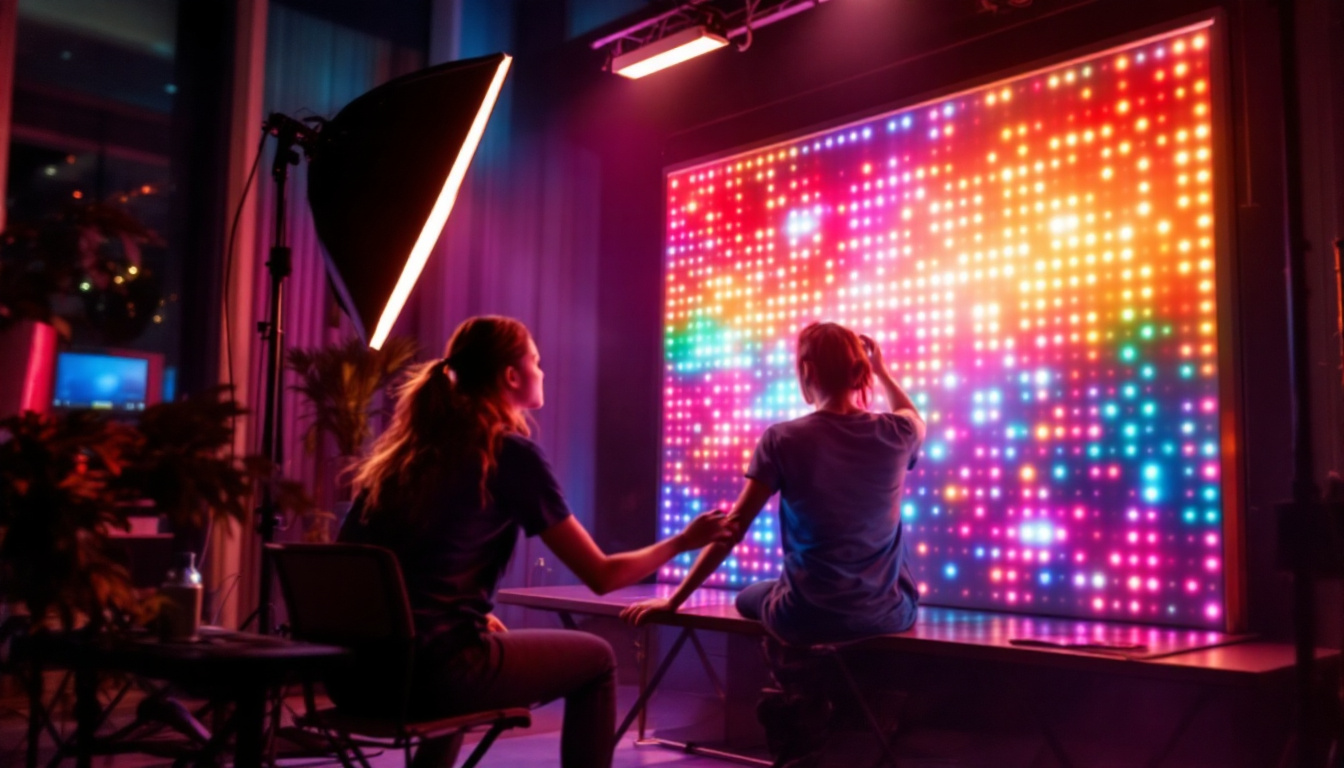
Pixel pitch refers to the distance between the centers of two adjacent LEDs and is measured in millimeters. It directly influences the display’s resolution and clarity. Smaller pixel pitches result in higher resolution and finer image detail, which is particularly important for close viewing distances.
For example, a pixel pitch of 1.2mm is considered ultra-fine and is suitable for indoor television walls where viewers are relatively close. Conversely, a pixel pitch of 4mm or more might be acceptable for large venues where the audience is farther away. Selecting the appropriate pixel pitch ensures that images appear sharp without unnecessarily increasing costs. Additionally, the choice of pixel pitch can also impact the overall design aesthetic of the installation, as tighter pixel arrangements can create a more seamless visual experience, making the display appear as one cohesive screen rather than a collection of individual panels.
Brightness and Contrast Ratio
One of the standout features of LED displays is their exceptional brightness. Typical indoor LED walls can reach brightness levels of 800 to 1,200 nits, significantly surpassing traditional LCD TVs. This high brightness is essential for visibility in well-lit environments or spaces with large windows.
Contrast ratio, the difference between the darkest black and brightest white a display can produce, is another critical factor. LED displays, especially DVLEDs, offer contrast ratios exceeding 100,000:1, delivering deep blacks and vibrant colors that enhance image depth and realism. This capability is particularly beneficial for applications such as digital signage or immersive environments, where the visual impact can significantly influence audience engagement and retention. Furthermore, the ability to adjust brightness dynamically based on ambient light conditions can enhance energy efficiency and prolong the lifespan of the display.
Viewing Angles and Uniformity
Wide viewing angles are vital for television walls, especially in public or commercial settings where viewers may be positioned at various points. LED displays typically offer viewing angles of up to 160 degrees horizontally and vertically, ensuring consistent image quality across a broad range.
Uniformity in brightness and color across the entire display surface is equally important. Advances in LED manufacturing and calibration techniques have greatly improved uniformity, preventing issues such as color shifts or brightness hotspots that can detract from the viewing experience. Moreover, achieving uniformity is not just about the technology; it also involves careful planning during installation. Factors such as the mounting structure, ambient lighting, and even the layout of the room can affect how uniform the display appears. By considering these elements during the design phase, integrators can create a more visually appealing and effective LED wall that captivates viewers from every angle.
Applications of LED Television Walls
LED television walls are no longer confined to traditional TV sets or home theaters. Their versatility and scalability have opened up a wide array of applications across different industries and environments.
Commercial and Retail Spaces
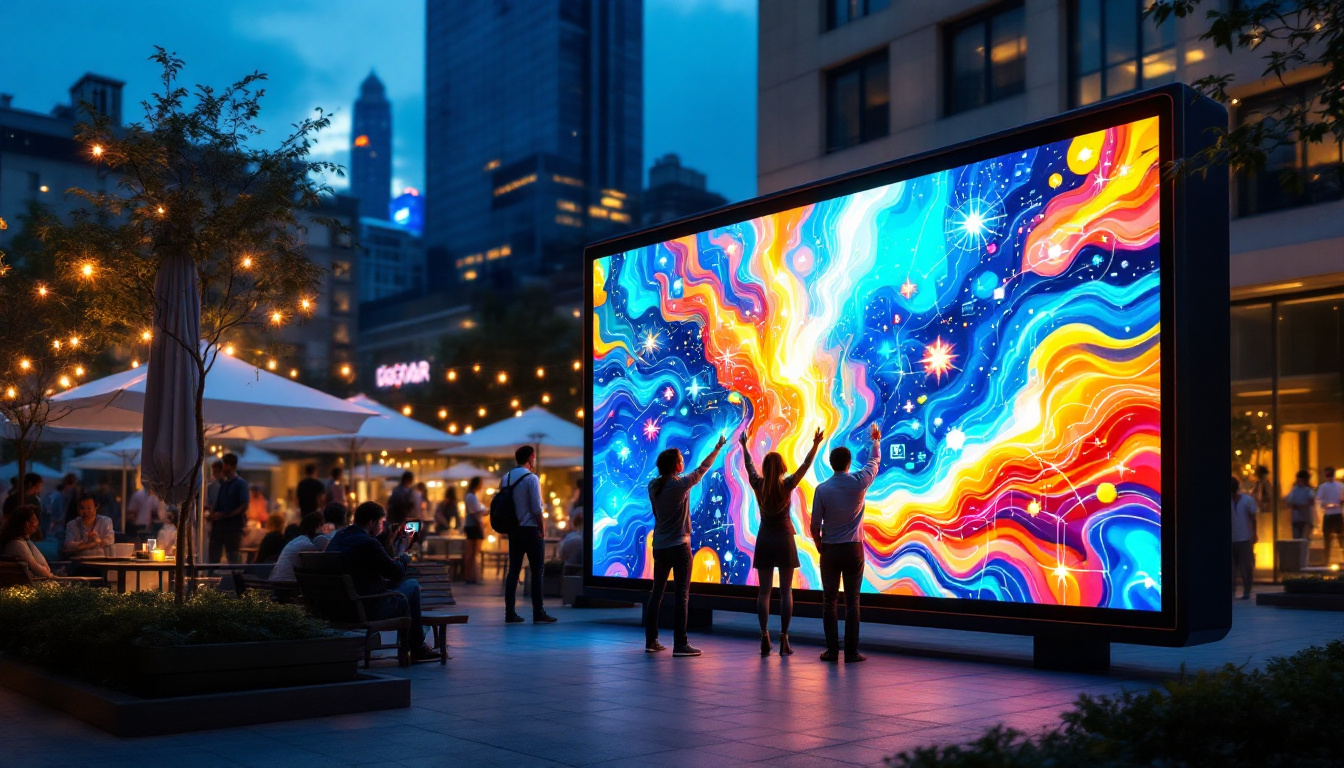
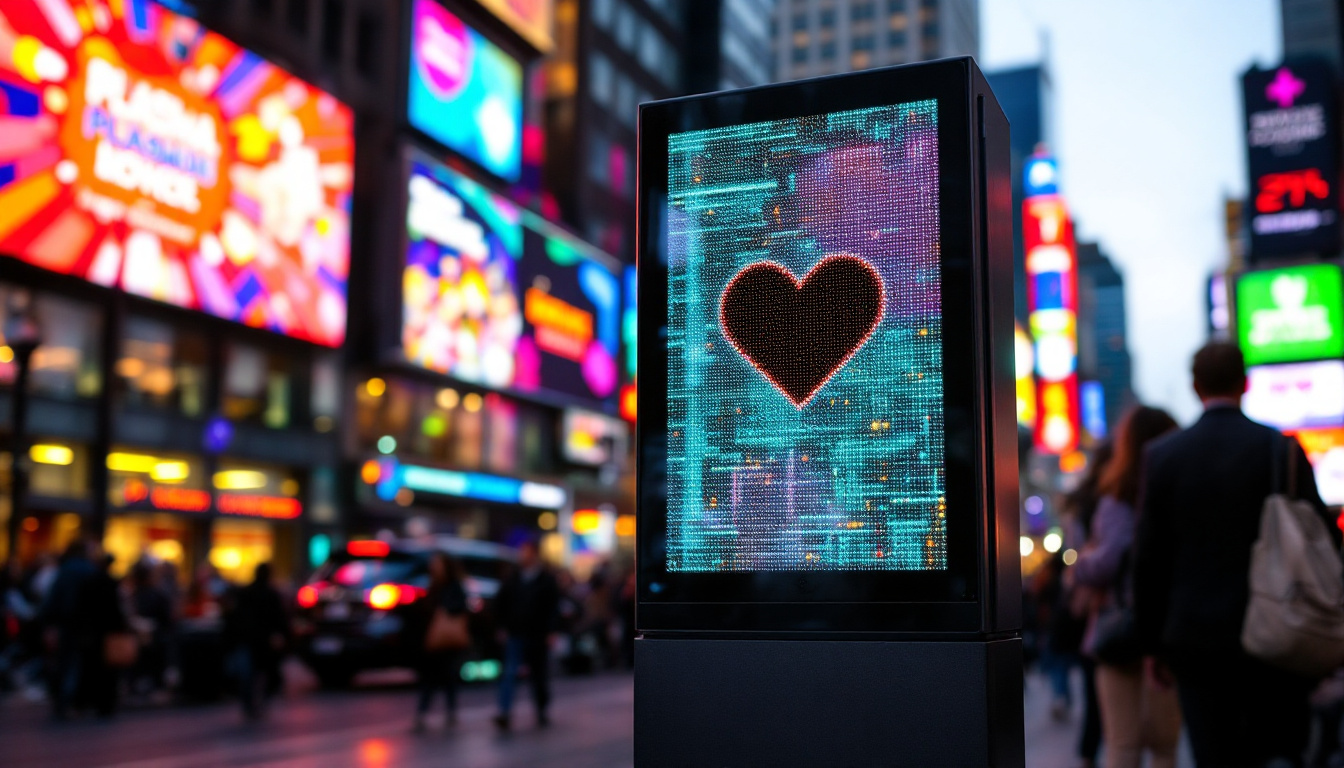
Retailers and advertisers leverage LED walls to create immersive and dynamic displays that capture customer attention. From storefront video walls showcasing promotions to interactive digital signage, LED technology enables high-impact visual communication that drives engagement and sales.
For instance, major shopping centers often feature LED walls that display real-time content, advertisements, and event information. The brightness and vividness of LED displays ensure visibility even in brightly lit environments, maximizing their effectiveness.
Broadcast and Control Rooms
In broadcast studios and control rooms, LED walls serve as central information hubs. Their ability to display multiple data streams simultaneously with high clarity makes them indispensable for newsrooms, sports broadcasting, and emergency response centers.
The modular nature of LED panels allows for custom configurations tailored to specific operational needs, whether it’s a large panoramic screen or a multi-window display. This flexibility supports critical decision-making processes by providing clear, real-time visuals.
Entertainment and Events
Concerts, sports arenas, and live events often rely on massive LED walls to deliver spectacular visual experiences. These displays can be configured into various shapes and sizes, offering unparalleled creative freedom for event designers and production teams.
High refresh rates and excellent color accuracy ensure that fast-moving action and vibrant visuals are rendered smoothly, enhancing audience immersion. Additionally, the durability and weather resistance of outdoor LED walls make them suitable for both indoor and outdoor venues.
Future Trends in LED Television Wall Design
The LED display industry is continuously evolving, driven by advancements in materials, manufacturing processes, and digital technologies. Several emerging trends promise to further elevate the capabilities and applications of television design walls.
MicroLED and MiniLED Technologies
MicroLED represents the next frontier in LED display technology. By utilizing microscopic LEDs, these displays offer even higher resolution, improved brightness, and superior energy efficiency compared to conventional LEDs. MicroLED walls can deliver true black levels and exceptional color fidelity without the drawbacks of OLED, such as burn-in.
MiniLED technology, which uses smaller LEDs for backlighting in LCD panels, also enhances contrast and brightness. This hybrid approach is gaining traction in premium television models, bridging the gap between traditional LED and emerging MicroLED displays.
Integration with Smart Technologies
Smart integration is becoming standard in LED television walls, enabling features like AI-driven image optimization, voice control, and seamless connectivity with other devices. These enhancements improve user experience by adapting display settings automatically based on content type, ambient lighting, and viewer preferences.
Moreover, IoT-enabled LED walls can be remotely monitored and managed, reducing maintenance costs and downtime. This capability is particularly valuable for large-scale commercial installations where uptime is critical.
Sustainability and Energy Efficiency
As environmental concerns grow, manufacturers are focusing on making LED displays more sustainable. Advances in LED materials and power management have led to significant reductions in energy consumption without compromising performance.
Recyclability of LED components and the use of eco-friendly manufacturing processes are also gaining importance. These efforts align with global sustainability goals and appeal to environmentally conscious consumers and businesses.
Conclusion
LED technology has transformed television design walls, offering unparalleled image quality, flexibility, and durability. Understanding the technical aspects such as pixel pitch, brightness, and viewing angles is essential for selecting the right LED display for any application, whether residential, commercial, or entertainment-focused.
As innovations like MicroLED and smart integration continue to mature, the future of LED television walls looks brighter than ever. These advancements promise to deliver even more immersive and energy-efficient viewing experiences, solidifying LED’s position as the leading technology in display design.
For designers, engineers, and consumers, staying informed about the latest developments in LED display technology is key to making the most of this dynamic and rapidly evolving field.
Explore Cutting-Edge LED Solutions with LumenMatrix
Ready to elevate your space with the latest in LED display technology? LumenMatrix is at the forefront of innovation, offering a diverse range of LED solutions tailored to your unique needs. From captivating Indoor and Outdoor LED Wall Displays to dynamic Vehicle and Sports LED Displays, our products are designed to make a lasting impression. Discover the transformative power of LED Transparent Displays, the versatility of All-in-One LED Displays, and the customizability of our Custom LED solutions. Embrace the future of visual communication with LumenMatrix and create experiences that resonate. Check out LumenMatrix LED Display Solutions today and see your vision come to life.