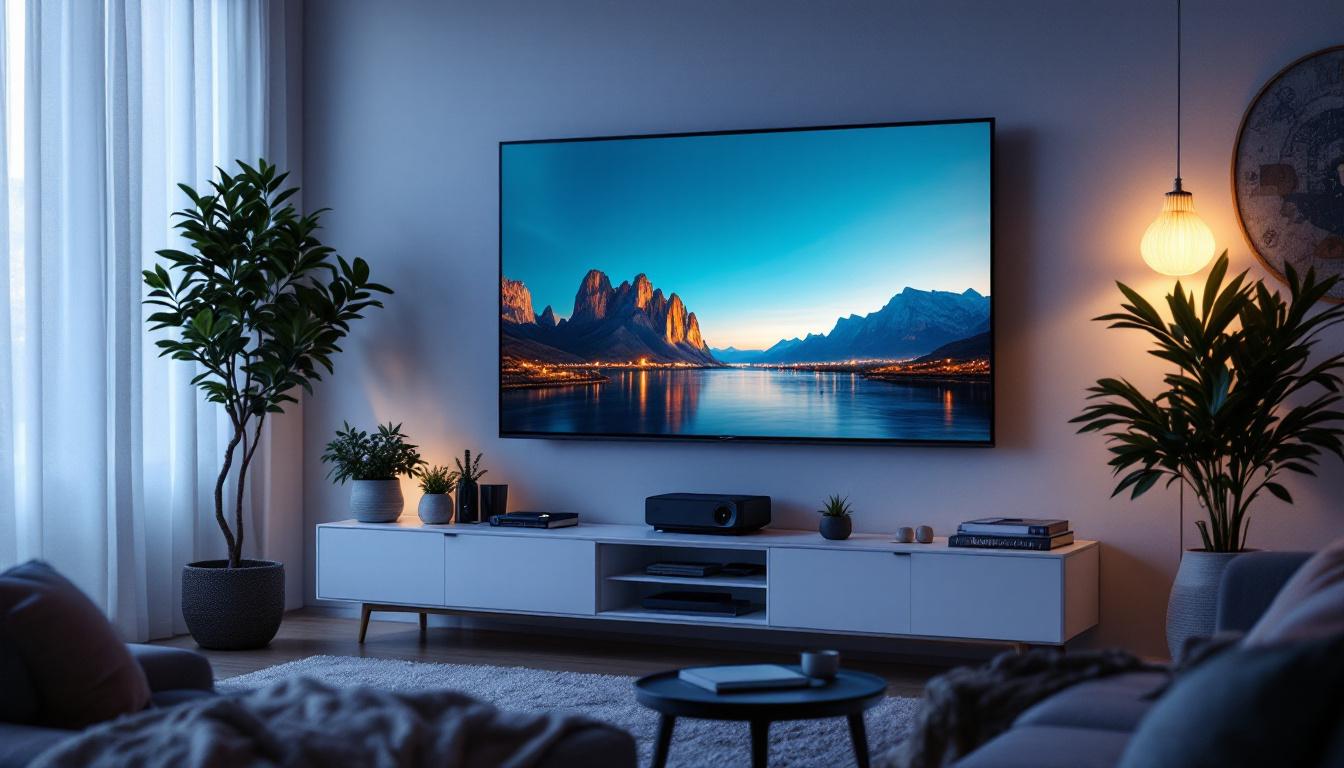
In the rapidly evolving world of television technology, understanding the nuances behind screen displays is essential for making informed purchasing decisions. Among the various display technologies, LED (Light Emitting Diode) screens have become the dominant choice for consumers worldwide. This article delves into the intricacies of LED television screens, explaining how they work, their advantages, and how they compare to other display technologies.
What is an LED Display?
LED stands for Light Emitting Diode, a semiconductor device that emits light when an electric current passes through it. In the context of television screens, LED displays use these tiny diodes as a backlighting source for LCD (Liquid Crystal Display) panels, rather than as the actual pixels themselves. This distinction is important because LED TVs are essentially LCD TVs that use LED backlighting instead of the older cold cathode fluorescent lamps (CCFLs).
Modern LED TVs utilize arrays of LEDs to illuminate the liquid crystals, which then control the color and brightness of each pixel. This technology allows for thinner, more energy-efficient screens with better brightness and contrast compared to traditional LCD TVs. The advancements in LED technology have also paved the way for features such as high dynamic range (HDR), which enhances the viewing experience by providing a broader spectrum of colors and improved detail in both bright and dark scenes. As a result, viewers can enjoy a more immersive experience, whether they are watching a blockbuster movie or a nature documentary.
Types of LED Backlighting
There are primarily two types of LED backlighting used in televisions:
- Edge-lit LED: LEDs are positioned along the edges of the screen. Light is diffused across the panel using light guides. This design allows for ultra-thin TVs but can sometimes lead to uneven brightness or less precise local dimming.
- Full-array LED: LEDs are placed directly behind the entire screen in a grid pattern. This setup enables more uniform brightness and better local dimming, which improves contrast by dimming dark areas without affecting bright ones.
Some premium models also feature mini-LED technology, which uses thousands of tiny LEDs for even more precise control of brightness and contrast. Mini-LEDs can significantly enhance the viewing experience by providing deeper blacks and brighter highlights, making them particularly appealing for high-end home theater setups. Additionally, the development of OLED (Organic Light Emitting Diode) technology has introduced competition in the market, as OLED displays offer self-emissive pixels that can achieve true blacks and vibrant colors without the need for backlighting. This ongoing evolution in display technology continues to push the boundaries of what is possible in visual entertainment.
How LED Displays Work in Televisions
To fully appreciate LED display technology, it’s important to understand the role of each component in the TV screen. The core of the display is the LCD panel, which consists of millions of liquid crystal pixels that can twist and untwist to block or allow light to pass through colored filters, thereby producing images.
However, LCDs do not emit light by themselves; they require a backlight. This is where LEDs come in. The LED backlight shines through the LCD layer, and the liquid crystals modulate this light to create the desired image.
Local Dimming and Image Quality
One of the key features that LED backlighting enables is local dimming. This technology allows the TV to dim or brighten specific zones of the backlight independently. For example, in a scene with a bright moon against a dark sky, the area around the moon can be lit brightly while the rest of the screen remains dark. This results in deeper blacks and higher contrast ratios, enhancing the overall picture quality.
Local dimming is more effective in full-array LED TVs because the LEDs are distributed across the screen, allowing for more precise control. Edge-lit TVs typically have fewer dimming zones, which can limit this capability. Additionally, the advancements in local dimming technology have led to the development of mini-LEDs, which are smaller and can be packed more densely. This allows for even finer control over lighting, resulting in improved contrast and color accuracy, making the viewing experience more immersive.
Moreover, the interplay between local dimming and HDR (High Dynamic Range) content has become a game-changer in the realm of home entertainment. HDR content takes advantage of the enhanced brightness and contrast capabilities of modern LED displays, allowing for a wider range of colors and more realistic images. When combined with local dimming, HDR can showcase details in both the darkest and brightest parts of an image, creating a more dynamic and lifelike viewing experience. This synergy between local dimming and HDR is increasingly becoming a standard expectation for consumers seeking high-quality television displays.
Advantages of LED TVs Over Other Technologies
LED TVs have several advantages that have contributed to their widespread adoption. Below are some of the most notable benefits:
Energy Efficiency
Compared to older CCFL-backlit LCDs and plasma TVs, LED TVs consume significantly less power. According to the U.S. Department of Energy, LED-backlit LCD TVs use approximately 30-40% less energy than CCFL-backlit models. This efficiency not only reduces electricity bills but also contributes to environmental sustainability.
Slim Design and Durability
The compact size of LEDs allows manufacturers to design thinner and lighter television sets. This sleek form factor is highly desirable for modern living spaces. Additionally, LEDs have a longer lifespan and are more durable than CCFLs, reducing the likelihood of screen degradation over time.
Improved Brightness and Color Accuracy
LED backlighting can achieve higher brightness levels, which is particularly beneficial for viewing in well-lit rooms. Furthermore, advancements such as quantum dot technology integrated with LED displays have enhanced color accuracy and expanded the color gamut, delivering more vibrant and lifelike images.
LED vs. OLED: Understanding the Differences
While LED TVs are prevalent, OLED (Organic Light Emitting Diode) technology has also gained significant attention. Understanding the differences between these two can help consumers choose the best option for their needs.
How OLED Works
Unlike LED TVs, OLED panels do not require a backlight. Each pixel in an OLED display emits its own light, allowing for perfect blacks and infinite contrast ratios. This is because pixels can be turned off completely when displaying black, something LED-backlit LCDs cannot achieve fully due to their backlighting.
Pros and Cons
OLED Advantages:
- Superior contrast and black levels
- Wide viewing angles without color distortion
- Faster response times, reducing motion blur
LED Advantages:
- Generally more affordable, especially in larger sizes
- Higher peak brightness, better for bright rooms
- No risk of burn-in, which can affect OLED panels
Ultimately, the choice between LED and OLED depends on viewing habits, budget, and room lighting conditions.
Emerging LED Technologies: Mini-LED and Micro-LED
As LED technology continues to evolve, new innovations are pushing the boundaries of image quality and design.
Mini-LED
Mini-LEDs are significantly smaller than traditional LEDs, allowing thousands of them to be packed behind the LCD panel. This increase in the number of dimming zones results in better local dimming, improved contrast, and reduced halo effects around bright objects on dark backgrounds.
Many high-end TVs released in recent years, including models from brands like Samsung, TCL, and LG, incorporate mini-LED technology to deliver superior picture quality at a competitive price point.
Micro-LED
Micro-LED technology represents a more revolutionary approach. Like OLED, micro-LED displays have self-emissive pixels, but they use inorganic LEDs, which are more durable and brighter than organic materials. Micro-LEDs promise the perfect combination of OLED’s contrast and LED’s brightness and longevity.
Currently, micro-LED TVs are mostly in the prototype or luxury segment due to high manufacturing costs, but they are expected to become more accessible in the coming years.
Choosing the Right LED TV for Your Needs
With a wide variety of LED TVs on the market, selecting the right model can be overwhelming. Here are some key factors to consider:
Screen Size and Resolution
Screen size should be chosen based on the viewing distance and room size. For most living rooms, 55 to 65 inches is a popular range. Regarding resolution, 4K Ultra HD is now standard and provides excellent detail and clarity. Some premium models offer 8K resolution, but content availability remains limited.
HDR Support
High Dynamic Range (HDR) enhances the contrast and color range of the TV. Look for TVs that support HDR10, HDR10+, or Dolby Vision standards for the best viewing experience.
Refresh Rate and Response Time
A higher refresh rate (120Hz or above) and low response times improve motion handling, which is especially important for gaming and fast-action sports.
Smart Features and Connectivity
Modern LED TVs come equipped with smart platforms that provide access to streaming services, apps, and voice assistants. Ensure the TV supports your preferred ecosystem and has sufficient HDMI and USB ports for your devices.
Conclusion
LED display technology has transformed television screens by offering a blend of energy efficiency, vibrant image quality, and sleek design. Understanding how LED backlighting works and the differences between edge-lit, full-array, and emerging mini-LED or micro-LED technologies can help consumers make educated choices tailored to their viewing preferences and budgets.
While OLED remains a strong competitor for those seeking perfect blacks and superior contrast, LED TVs continue to dominate the market due to their affordability, brightness, and durability. As technology advances, innovations like mini-LED and micro-LED promise even greater improvements in picture quality, ensuring that LED-based televisions will remain at the forefront of home entertainment for years to come.
Explore Cutting-Edge LED Displays with LumenMatrix
Ready to elevate your viewing experience with the latest in LED display technology? LumenMatrix is at the forefront of innovation, offering a wide range of LED display solutions tailored to meet your needs. From captivating Indoor LED Walls to dynamic Outdoor LED Displays, and even specialized options like Vehicle and Sports LED Displays, LumenMatrix has the perfect solution to enhance your visual communication. Discover the future of digital signage and create unforgettable visual experiences. Check out LumenMatrix LED Display Solutions today and transform the way you share your message.