In the realm of modern cinema, visual technology plays a pivotal role in shaping the audience’s experience. One of the most significant advancements in recent years is the use of LED displays in film production. The 2018 movie The Terminal Pelicula stands as a prime example of how LED display technology can transform filmmaking, offering filmmakers unprecedented control over lighting, backgrounds, and immersive environments. This article delves into the LED display technology used in The Terminal Pelicula, explaining its benefits, technical aspects, and impact on the film industry.
Understanding LED Display Technology in Film Production
What is an LED Display?
LED, or Light Emitting Diode, displays consist of numerous small light sources arranged in a grid to create images and videos. Unlike traditional projection screens or green screens, LED displays emit their own light, providing vibrant colors, high contrast ratios, and superior brightness. This makes them ideal for dynamic and realistic backgrounds in filmmaking.
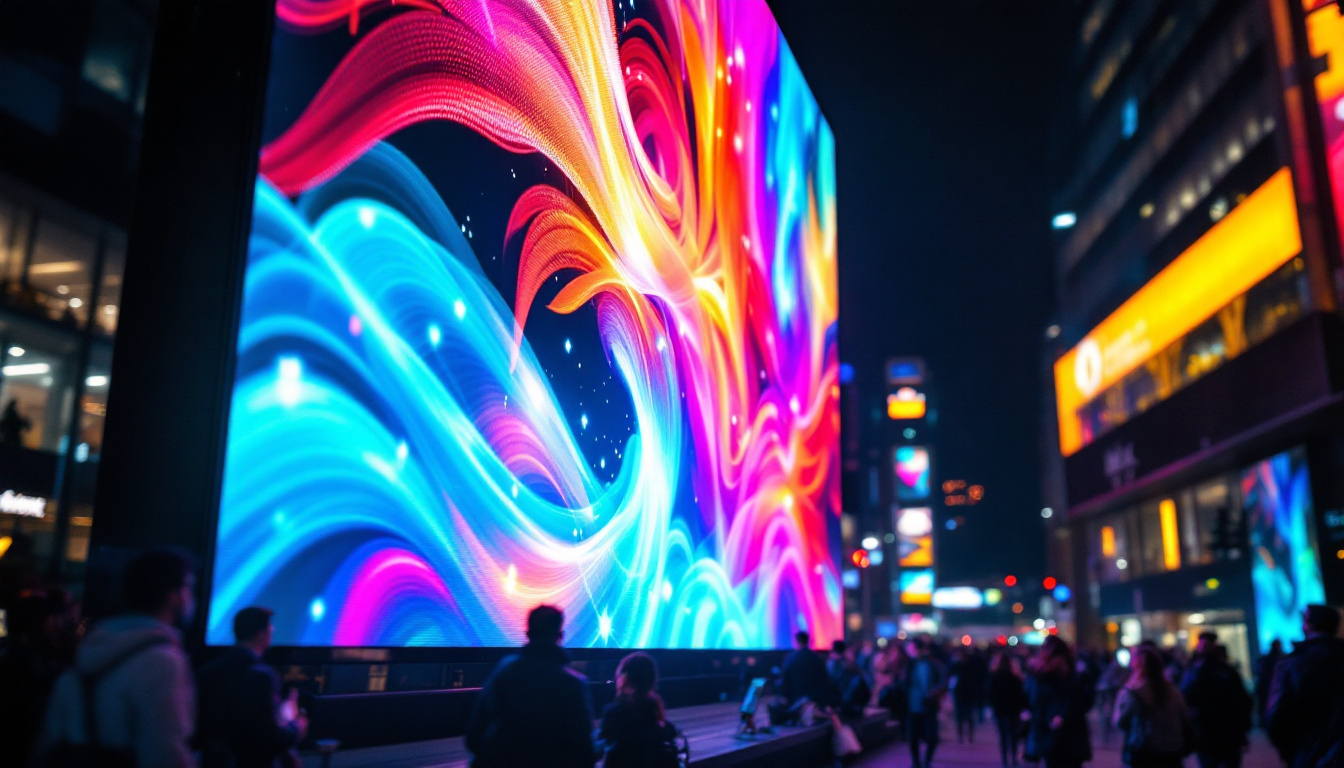
In film production, LED displays are often used as large-scale video walls that can show high-resolution content, such as digital environments or interactive scenes. These walls can be curved or flat, depending on the creative requirements, and are capable of displaying real-time changes, which is crucial for scenes requiring dynamic backgrounds or interactive lighting effects. The versatility of LED technology allows filmmakers to create stunning visuals that can adapt to various storytelling needs, whether it’s a bustling cityscape or an alien planet, all while maintaining a seamless integration with live-action footage.
Additionally, the advancements in LED technology have led to the development of high dynamic range (HDR) displays, which can reproduce a wider range of colors and brightness levels. This capability further enhances the visual experience, allowing filmmakers to convey mood and atmosphere more effectively. The use of LED displays can also streamline the production process, as they reduce the time spent on set adjustments and enable directors to visualize the final look of a scene in real-time.
How LED Displays Differ from Traditional Green Screens
Traditional green screen technology involves filming actors in front of a uniformly colored backdrop, which is later replaced with digital backgrounds during post-production. While this method has been a staple in visual effects for decades, it has limitations, including lighting inconsistencies and challenges in achieving realistic reflections and shadows.
LED displays, on the other hand, provide a live, high-resolution background that interacts naturally with the actors and physical set pieces. This real-time display of environments allows for accurate lighting and reflections, reducing the need for extensive post-production work. The result is a more immersive and believable scene that enhances the storytelling. Furthermore, the ability to adjust the LED backgrounds on-the-fly means that directors can experiment with different looks and feels during filming, empowering them to make creative decisions that might not have been possible with traditional methods.
Moreover, the use of LED technology can significantly enhance the actor’s performance. With a realistic backdrop that responds to their movements and actions, actors can immerse themselves in their roles more fully, leading to more authentic performances. The psychological impact of a well-crafted environment cannot be understated; when actors are surrounded by vibrant, dynamic visuals, they can better connect with the narrative, resulting in a more compelling cinematic experience. This synergy between technology and performance is revolutionizing the way stories are told on screen, pushing the boundaries of creativity in film production.
The Role of LED Displays in The Terminal Pelicula
Innovative Use of LED Walls in Production
The Terminal Pelicula leveraged LED display technology to create a visually stunning and immersive environment that was integral to the film’s narrative. The production team utilized massive LED walls to simulate various locations, from bustling urban landscapes to futuristic interiors, all within a controlled studio setting.
This approach allowed the filmmakers to shoot scenes that would have been logistically challenging or prohibitively expensive to film on location. Additionally, the LED walls provided dynamic lighting that responded to the action, enhancing the realism and emotional impact of each scene. The technology also enabled the integration of real-time visual effects, allowing the filmmakers to blend practical effects with digital enhancements seamlessly. This synergy not only elevated the visual storytelling but also reduced the need for extensive post-production work, enabling a more efficient workflow.
Enhancing Actor Performance and Director Control
One of the key benefits of using LED displays on set is the immediate visual context it provides to actors. Instead of imagining the environment or reacting to a green screen, actors in The Terminal Pelicula could see the digital world around them in real-time. This immersion often leads to more authentic performances. The actors reported feeling more connected to their surroundings, which translated into a deeper emotional resonance in their portrayals. This immersive experience allowed them to interact with their environment in a way that traditional green screen setups simply could not replicate.
For directors, the ability to adjust backgrounds and lighting instantly without waiting for post-production feedback streamlines the creative process. It also allows for experimentation with different visual styles and moods on the fly, making the filmmaking process more flexible and efficient. This adaptability was particularly beneficial during scenes that required rapid changes in tone or atmosphere, as directors could quickly modify the LED displays to match the desired emotional beats. Moreover, the collaborative environment fostered by this technology encouraged more dynamic interactions between the cast and crew, ultimately enriching the film’s overall production quality.
Technical Aspects of LED Displays in Filmmaking
Resolution and Pixel Pitch
The quality of an LED display is largely determined by its resolution and pixel pitch. Resolution refers to the total number of pixels on the screen, while pixel pitch is the distance between individual pixels, measured in millimeters. A smaller pixel pitch means higher pixel density, resulting in sharper images.
For The Terminal Pelicula, the production used LED panels with a pixel pitch as fine as 1.5mm, allowing for ultra-high-definition visuals that look crisp even in close-up shots. This level of detail is essential when the LED wall is part of the camera’s frame, as any pixelation would be noticeable to viewers.
Refresh Rate and Color Accuracy
Another critical technical factor is the refresh rate, which measures how often the display updates its image per second. A high refresh rate, typically 120Hz or above, is necessary to prevent flickering on camera and ensure smooth motion display.
Color accuracy is equally important, especially in film where lighting and mood are carefully crafted. The LED panels used in The Terminal Pelicula featured wide color gamut support and high dynamic range (HDR) capabilities, enabling vibrant and true-to-life colors that matched the director’s vision.
Integration with Real-Time Rendering Engines
The LED walls in The Terminal Pelicula were integrated with real-time rendering engines like Unreal Engine, which allowed the digital environments to respond dynamically to camera movements and scene changes. This technology, often referred to as “virtual production,” synchronizes the LED display content with the physical camera’s position and angle, creating realistic parallax effects.
This integration not only enhances visual realism but also facilitates creative storytelling by enabling complex, interactive scenes that blend physical and digital elements seamlessly.
Benefits and Challenges of Using LED Displays in Film
Advantages for Filmmakers
LED display technology offers numerous advantages over traditional filming methods. These include:
- Improved Lighting and Reflections: LED walls emit light that naturally illuminates actors and sets, creating realistic shadows and reflections.
- Reduced Post-Production Time: Many visual effects are captured in-camera, minimizing the need for extensive editing and compositing.
- Cost Efficiency: By reducing the need for location shoots and complex green screen setups, productions can save significant time and money.
- Creative Flexibility: Directors can experiment with different environments and lighting conditions in real-time.
Technical and Logistical Challenges
Despite its benefits, LED display technology also presents challenges. The initial investment in high-quality LED panels and real-time rendering systems can be substantial. Additionally, the setup requires skilled technicians to calibrate the displays and synchronize them with cameras and software.
Another consideration is the physical space required for large LED walls, which may not be feasible for smaller studios. Furthermore, managing reflections and glare from the LED surface demands careful planning during set design and lighting.
The Future of LED Display Technology in Cinema
Growing Adoption Across the Industry
Following the success of films like The Terminal Pelicula, LED display technology is gaining traction in Hollywood and beyond. Major studios are investing in virtual production stages equipped with LED walls, recognizing their potential to revolutionize filmmaking.
For example, productions such as The Mandalorian have popularized the use of LED volumes, showcasing how this technology can create immersive worlds while maintaining production efficiency.
Technological Advancements on the Horizon
As LED technology continues to evolve, future developments are expected to include even higher resolution panels, more energy-efficient displays, and improved integration with artificial intelligence for automated scene adjustments.
Moreover, advancements in augmented reality (AR) and mixed reality (MR) could further blur the lines between physical and digital filmmaking environments, opening new creative possibilities for directors and cinematographers.
Conclusion
The Terminal Pelicula exemplifies the transformative impact of LED display technology on modern filmmaking. By enabling real-time, high-fidelity digital environments, LED walls have redefined how stories are told on screen, enhancing both the visual quality and production workflow.
While challenges remain, the benefits of LED displays—richer lighting, authentic actor immersion, and streamlined production—make them an invaluable tool in the filmmaker’s arsenal. As technology advances and adoption grows, LED displays are poised to become a standard feature in the cinematic landscape, ushering in a new era of visual storytelling.
Discover Cutting-Edge LED Technology with LumenMatrix
As you’ve seen in The Terminal Pelicula, LED display technology is revolutionizing the film industry and beyond. If you’re inspired to explore how LED displays can transform your visual storytelling or enhance your brand’s visibility, LumenMatrix is at the forefront of this innovation. With a diverse range of solutions including Indoor and Outdoor LED Wall Displays, Vehicle LED Displays, and more, LumenMatrix is committed to empowering businesses and creators with displays that captivate and engage. Check out LumenMatrix LED Display Solutions to bring your creative vision to life with unparalleled clarity and impact.