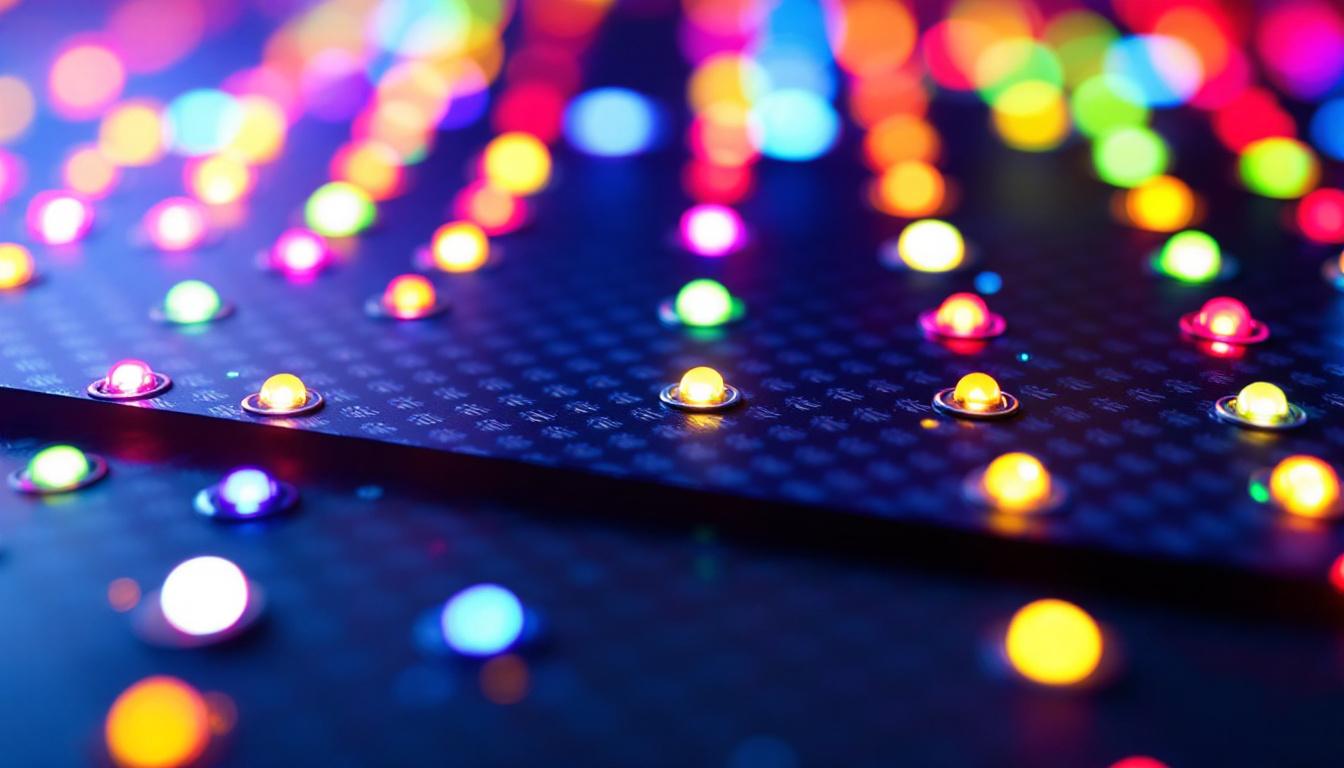
The convergence of advanced materials and display technology has transformed the way we interact with digital content. Among these innovations, thin carbon fiber sheets have emerged as a compelling component in the development of next-generation LED displays. This article explores the role of thin carbon fiber sheets in LED display technology, their unique properties, and how they contribute to the performance, durability, and design flexibility of modern displays.
Understanding Thin Carbon Fiber Sheets
Carbon fiber is a material composed of thin, strong crystalline filaments of carbon, known for its exceptional strength-to-weight ratio. When woven into sheets, carbon fiber offers remarkable mechanical properties that are highly valued in various industries, from aerospace to sports equipment. Thin carbon fiber sheets, typically ranging from 0.1 mm to a few millimeters in thickness, provide a lightweight yet robust platform that can be integrated into electronic devices.
In the context of LED displays, these sheets serve as structural backplanes or substrates, offering a sturdy foundation without adding significant bulk or weight. Their thinness allows for sleek, slim display designs, which is increasingly important in consumer electronics and large-scale digital signage. The ability to create ultra-thin profiles not only enhances aesthetic appeal but also contributes to energy efficiency, as thinner designs often require less power to operate, making them ideal for portable devices and environmentally conscious consumers.
Key Properties of Thin Carbon Fiber Sheets
Several properties make thin carbon fiber sheets particularly suitable for LED display applications:
- High Strength and Rigidity: Carbon fiber sheets exhibit tensile strengths often exceeding 3,500 MPa, enabling displays to resist bending and deformation.
- Lightweight: With a density of around 1.6 g/cm³, carbon fiber is significantly lighter than metals like aluminum or steel, reducing overall device weight.
- Thermal Stability: Carbon fiber can withstand high temperatures without significant dimensional changes, which is crucial for LED displays that generate heat during operation.
- Electrical Conductivity: While pure carbon fibers are conductive, their conductivity can be tailored through resin matrices, allowing for controlled electrical properties in display integration.
- Corrosion Resistance: Unlike metals, carbon fiber sheets resist corrosion, extending the lifespan of the display components.
Moreover, the versatility of carbon fiber sheets extends beyond just structural applications. They can be engineered with different surface finishes and textures, allowing for customization that can enhance the visual quality of displays. This adaptability is particularly beneficial in high-end applications, such as luxury automotive interiors or premium consumer electronics, where aesthetics play a crucial role. Additionally, advancements in manufacturing techniques, such as automated fiber placement and 3D printing, are paving the way for more innovative uses of carbon fiber sheets, enabling designers to push the boundaries of what is possible in display technology.
Furthermore, the integration of thin carbon fiber sheets into LED displays not only improves performance but also contributes to sustainability efforts. As industries increasingly focus on reducing their carbon footprint, the lightweight nature of carbon fiber allows for more efficient transportation and installation processes. This reduction in material usage and energy consumption aligns with global initiatives aimed at promoting greener technologies. As research continues to evolve, we can expect to see even more groundbreaking applications for thin carbon fiber sheets, potentially revolutionizing the way we interact with digital displays in our daily lives.
The Role of Thin Carbon Fiber Sheets in LED Displays
LED displays rely on precise mechanical and electrical components to deliver vibrant, reliable images. The integration of thin carbon fiber sheets enhances several aspects of LED display performance, from structural integrity to thermal management.
Structural Support and Flexibility
Traditional LED displays often use metal or plastic substrates that can add weight and limit design flexibility. Thin carbon fiber sheets provide a lightweight yet rigid alternative, allowing for thinner displays without compromising durability. This is particularly beneficial in applications such as wearable displays, automotive dashboards, and portable devices where weight and form factor are critical.
Moreover, the inherent flexibility of carbon fiber sheets enables the development of curved or flexible LED displays. This opens up new possibilities in design aesthetics and user experience, such as wrap-around screens on smartphones or flexible signage in retail environments.
Thermal Management Advantages
LED displays generate heat during operation, which if not properly managed, can degrade performance and shorten lifespan. Thin carbon fiber sheets contribute to effective thermal management due to their thermal conductivity and stability. Unlike plastic substrates that may warp or degrade under heat, carbon fiber maintains its shape and structural integrity, facilitating consistent heat dissipation.
In some advanced designs, carbon fiber sheets are combined with heat spreaders or integrated cooling systems to further enhance thermal regulation, ensuring that LED components operate within optimal temperature ranges.
Electrical Integration and EMI Shielding
Electromagnetic interference (EMI) can affect the performance of sensitive electronic components in LED displays. The conductive nature of carbon fiber sheets can be harnessed to provide EMI shielding, protecting the display circuitry from external interference. This reduces signal noise and improves display clarity and reliability.
Additionally, carbon fiber’s electrical properties can be engineered through resin selection and sheet layering, allowing designers to optimize conductivity and insulation where needed within the display assembly.
Applications of Thin Carbon Fiber Sheets in LED Displays
The unique advantages of thin carbon fiber sheets have led to their adoption across various LED display applications, each with specific requirements for performance and design.
Wearable and Flexible Displays
Wearable technology demands displays that are lightweight, durable, and often flexible. Thin carbon fiber sheets meet these criteria, enabling the creation of flexible LED panels that conform to the contours of the human body. This is particularly valuable in smartwatches, fitness trackers, and augmented reality (AR) devices where comfort and durability are paramount.
For example, flexible LED displays using carbon fiber substrates can withstand repeated bending and twisting without damage, extending device longevity and user satisfaction.
Automotive and Transportation Displays
In automotive applications, displays must endure harsh environmental conditions, including temperature fluctuations, vibrations, and exposure to moisture. Thin carbon fiber sheets provide a robust yet lightweight solution for dashboard displays, heads-up displays (HUDs), and infotainment systems.
The material’s thermal stability ensures consistent performance despite engine heat and sunlight exposure, while its strength protects delicate LED components from mechanical shocks and vibrations common in vehicles.
Large-Scale Digital Signage and Architectural Displays
Large LED displays used in advertising, stadiums, and architectural installations benefit from the structural advantages of thin carbon fiber sheets. Their lightweight nature simplifies installation and reduces the load on supporting structures, which can lower construction costs and increase safety.
Additionally, the ability to fabricate large, thin, and rigid panels allows for seamless display surfaces with minimal bezels, enhancing visual impact and viewer immersion.
Manufacturing and Integration Challenges
While thin carbon fiber sheets offer many advantages, their integration into LED displays presents certain manufacturing challenges that must be addressed to fully realize their potential.
Cost Considerations
Carbon fiber materials and fabrication processes are generally more expensive than traditional plastics or metals. The cost of raw carbon fiber sheets, combined with specialized manufacturing techniques such as resin impregnation and curing, can increase the overall production cost of LED displays.
However, as demand grows and manufacturing technologies advance, costs are gradually decreasing. Economies of scale and innovations like automated layup and curing processes are making carbon fiber more accessible for consumer electronics and commercial display applications.
Adhesion and Compatibility with LED Components
Integrating carbon fiber sheets with LED modules requires careful consideration of adhesion properties and thermal expansion coefficients. Poor bonding between the carbon fiber substrate and electronic components can lead to delamination or mechanical failure over time.
Manufacturers often employ specialized adhesives and surface treatments to enhance compatibility, ensuring reliable long-term performance. Additionally, matching the thermal expansion characteristics of the carbon fiber sheet with other display materials helps minimize stress during temperature changes.
Electrical Insulation and Safety
Since carbon fiber can conduct electricity, ensuring proper electrical insulation is critical to prevent short circuits and maintain user safety. This is typically achieved by embedding the carbon fiber sheets within insulating resin matrices or applying insulating coatings.
Designers must carefully balance conductivity for EMI shielding with insulation requirements to protect sensitive electronics and end-users.
Future Trends and Innovations
The intersection of thin carbon fiber sheets and LED display technology is ripe for innovation, with several emerging trends poised to shape the future of digital displays.
Integration with Flexible Electronics
Advancements in flexible electronics, including organic LEDs (OLEDs) and micro-LEDs, are driving demand for substrates that can bend and conform without compromising performance. Thin carbon fiber sheets are evolving to meet these needs, with research focused on enhancing flexibility while maintaining strength and thermal management capabilities.
Hybrid materials combining carbon fiber with flexible polymers or nanomaterials are under development, promising displays that are both ultra-thin and mechanically resilient.
Smart Carbon Fiber Composites
Emerging smart composites incorporate sensors, conductive pathways, and self-healing properties into carbon fiber sheets. These innovations could enable LED displays that monitor their own structural health, adjust thermal properties dynamically, or repair minor damage autonomously.
Such capabilities would significantly enhance display reliability and reduce maintenance costs, especially in critical applications like transportation and public infrastructure.
Sustainability and Recycling
Environmental concerns are prompting the development of recyclable and bio-based carbon fiber materials. Innovations in recycling processes aim to reclaim carbon fibers from end-of-life products, reducing waste and environmental impact.
Incorporating sustainable carbon fiber sheets into LED displays aligns with broader industry goals of reducing carbon footprints and promoting circular economy principles.
Conclusion
Thin carbon fiber sheets represent a transformative material in the evolution of LED display technology. Their combination of strength, lightness, thermal stability, and electrical properties enables the creation of displays that are thinner, more durable, and more versatile than ever before. While challenges related to cost and integration remain, ongoing advancements in materials science and manufacturing are paving the way for widespread adoption.
From flexible wearable devices to large-scale architectural installations, thin carbon fiber sheets are helping to redefine what LED displays can achieve, offering exciting possibilities for designers, manufacturers, and end-users alike.
Discover the Future of LED Displays with LumenMatrix
As you’ve seen, thin carbon fiber sheets are revolutionizing the LED display landscape, offering unparalleled durability, flexibility, and performance. Embrace the future of visual technology with LumenMatrix, a pioneer in crafting mesmerizing LED display modules tailored for a variety of applications. From vibrant indoor and outdoor displays to innovative vehicle and custom LED solutions, LumenMatrix is at the forefront of creating displays that captivate and communicate with extraordinary clarity. Check out LumenMatrix LED Display Solutions today and experience the transformative power of advanced LED technology.