Thinnest 43 Inch TV: LED Display Explained
In today’s fast-evolving world of television technology, the quest for slimmer, more aesthetically pleasing TVs has never been more intense. Among the popular sizes, the 43-inch TV strikes a perfect balance between screen real estate and space efficiency, making it a favorite for many households. But what truly sets apart the thinnest 43-inch TVs on the market is their LED display technology. This article delves into what makes these TVs so thin, how LED displays work, and why this matters for consumers seeking both style and performance.
Understanding LED Display Technology
LED, or Light Emitting Diode, technology has revolutionized the way TVs are designed and experienced. Unlike older LCD TVs that relied on bulky fluorescent backlights, LED TVs use tiny diodes to illuminate the screen. This shift has allowed manufacturers to drastically reduce the thickness of their models without compromising picture quality.
At its core, an LED TV is essentially an LCD TV that uses LED backlighting instead of CCFL (Cold Cathode Fluorescent Lamp) backlighting. The LEDs can be placed either behind the screen (direct-lit or full-array) or along the edges (edge-lit). The edge-lit design, in particular, enables ultra-thin TV profiles because the light source is positioned on the perimeter, allowing for a slimmer chassis.
How LED Backlighting Works
LED backlighting involves an array of light-emitting diodes that shine light through the LCD panel to create the images you see on the screen. The LCD layer itself doesn’t emit light; it only blocks or allows light to pass through colored filters to produce the image. The LEDs provide consistent, bright illumination with the advantage of being energy efficient and long-lasting.
Edge-lit LED TVs, which are common in ultra-thin models, use LEDs placed along the edges of the screen. Light is then diffused across the panel via light guides, enabling the TV to be incredibly thin—sometimes as slim as a few millimeters. This contrasts with full-array LED TVs, which have LEDs spread evenly behind the screen, generally resulting in a thicker design but often better contrast and local dimming capabilities.
Why Thickness Matters in a 43 Inch TV
When shopping for a 43-inch TV, thickness might not be the first specification that comes to mind. However, it plays a significant role in the overall user experience and the integration of the TV into living spaces.
Thinner TVs offer several advantages:
- Design and Aesthetics: A slim profile creates a sleek, modern look that complements minimalist interiors and allows the TV to blend seamlessly with wall mounts or entertainment units.
- Space Efficiency: Thinner TVs take up less physical space, making them ideal for smaller rooms, apartments, or multi-use spaces.
- Weight Reduction: Slimmer TVs tend to be lighter, which simplifies installation and reduces the risk of damage during handling.
For a 43-inch screen size, which is already compact compared to larger TVs, the thinness factor can be a key differentiator. Consumers often look for TVs that feel less bulky and more like a framed piece of art than a traditional electronic device.
Impact on Wall Mounting and Placement
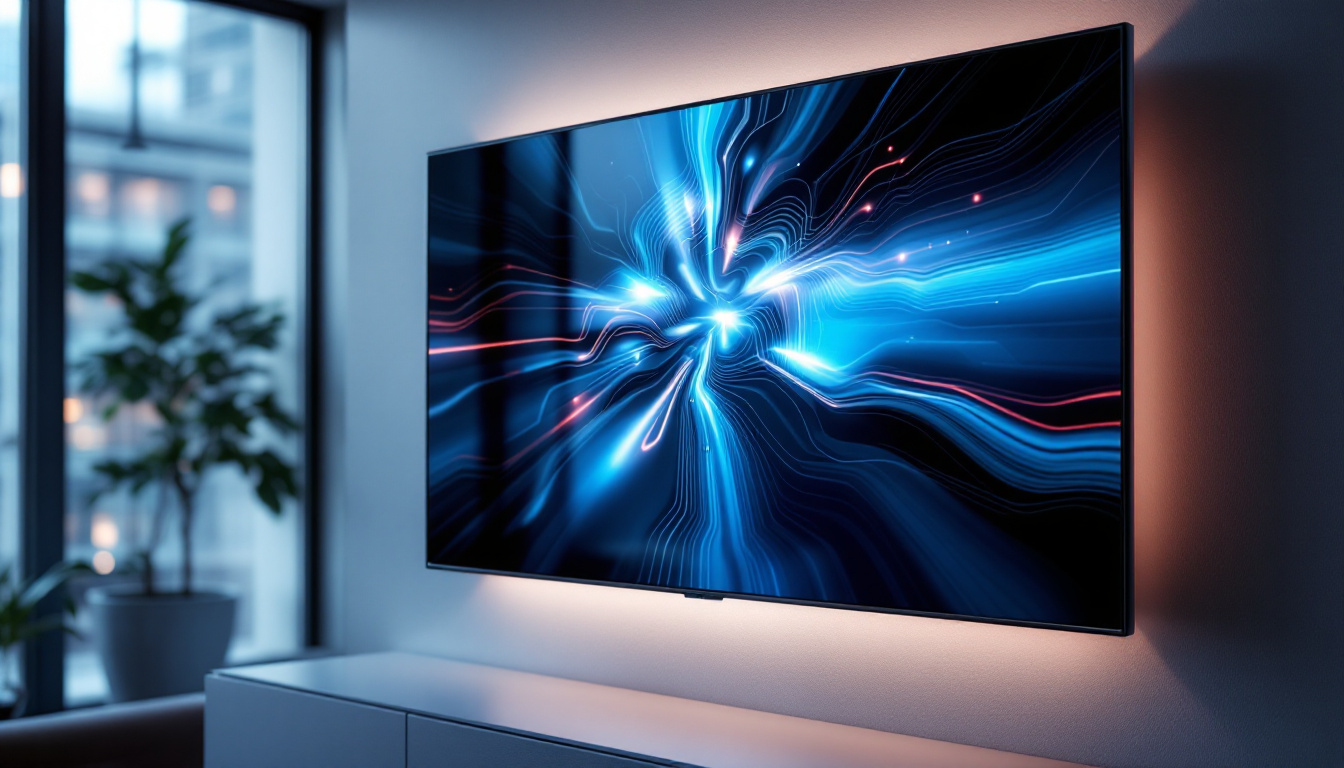
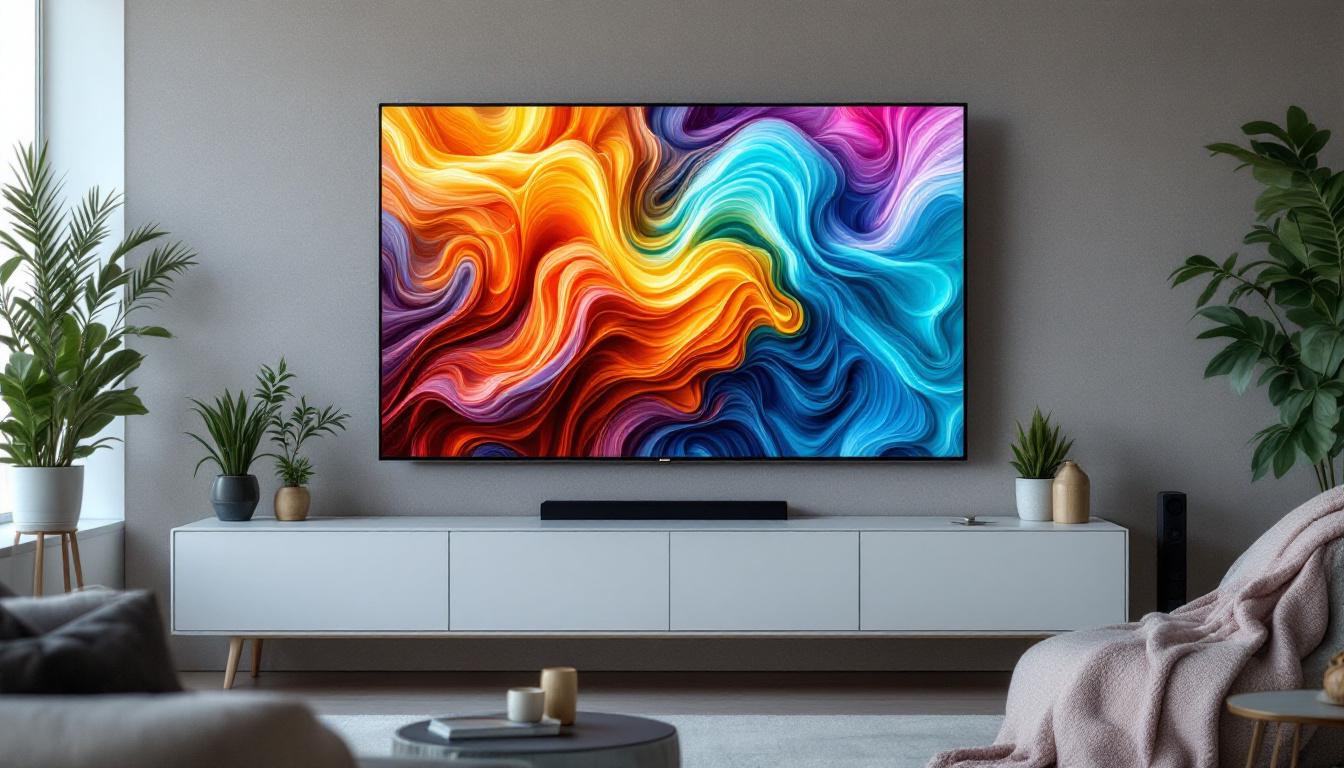
One of the most popular ways to display a 43-inch TV is by mounting it on the wall. Thinner TVs sit closer to the wall, reducing the gap and creating a cleaner look. This is especially important in modern homes where cable management and minimal visual clutter are priorities.
Moreover, ultra-thin TVs can sometimes be mounted in unconventional spaces, such as inside cabinetry or recessed wall niches, without requiring extensive modifications. This flexibility appeals to interior designers and homeowners alike.
Top Features of the Thinnest 43 Inch LED TVs
Manufacturers have pushed the boundaries of technology and design to create some of the thinnest 43-inch LED TVs available. Here are some of the standout features that accompany these ultra-slim models:
1. Advanced Edge-Lit LED Technology
As mentioned earlier, edge-lit LED technology is a key enabler of thin TV profiles. Some models incorporate sophisticated light guide plates and diffusers to ensure even brightness and color accuracy despite the slim design.
Recent innovations include mini-LED and micro-LED backlighting, which use smaller diodes to achieve even thinner panels with improved brightness and contrast. While mini-LEDs are becoming more common in mid-range TVs, micro-LED remains a premium technology mostly seen in larger, high-end models.
2. Ultra-Slim Bezels
To complement the thin profile, manufacturers often design TVs with ultra-narrow bezels. These slim borders maximize the screen-to-body ratio, enhancing immersion and making the TV appear larger than its actual size.
For a 43-inch TV, a bezel thickness of just a few millimeters can significantly improve the viewing experience, especially when watching cinematic content or gaming.
3. High-Resolution Displays
Most thin 43-inch LED TVs feature Full HD (1080p) or 4K Ultra HD resolution. The thinness of the TV does not compromise the display resolution or color performance. In fact, many ultra-thin models come equipped with HDR (High Dynamic Range) support, delivering richer colors and better contrast.
HDR formats such as HDR10, Dolby Vision, and HLG are commonly supported, ensuring compatibility with a wide range of streaming content and gaming consoles.
4. Smart TV Capabilities
Modern ultra-thin 43-inch TVs are rarely just display devices; they come packed with smart features. Popular operating systems like Android TV, Roku, or proprietary platforms offer access to streaming services, apps, voice assistants, and screen mirroring.
These features make the TV more versatile and user-friendly, allowing viewers to enjoy content without the need for additional devices.
Examples of the Thinnest 43 Inch LED TVs on the Market
Several brands have made notable strides in producing ultra-thin 43-inch LED TVs. Here are a few examples that illustrate the current state of technology and design:
Samsung The Frame 43 Inch TV
Samsung’s The Frame series is well-known for its ultra-thin design and art-inspired aesthetics. The 43-inch version measures approximately 1.7 cm (0.67 inches) in thickness, making it one of the slimmest TVs in its class.
Besides its thin profile, The Frame doubles as a digital art display when not in use, blending into home decor seamlessly. It features QLED technology with 4K resolution and supports HDR10+ for vibrant picture quality.
LG 43UP8000PUA 43 Inch 4K Smart LED TV
LG’s 43UP8000PUA model offers a slim design with a thickness of around 2.5 cm (0.98 inches). It uses an LED panel with 4K resolution and supports HDR10 and HLG formats.
Equipped with LG’s webOS platform, it provides a smooth smart TV experience with access to popular streaming apps and voice control options. The TV’s thin frame and minimalist stand contribute to a clean, modern look.
Sony X80K 43 Inch 4K LED TV
Sony’s X80K series combines a slim edge-lit LED design with excellent picture processing capabilities. The 43-inch model is approximately 2.4 cm (0.94 inches) thick, balancing thinness with robust performance.
Featuring Sony’s X1 processor, it delivers sharp images with accurate colors and supports HDR10 and Dolby Vision. The TV runs on Google TV, offering a rich ecosystem of apps and content.
Considerations When Choosing a Thin 43 Inch LED TV
While thinness is a desirable trait, it’s essential to consider other factors to ensure the TV meets your needs. Here are some key points to keep in mind:
Picture Quality vs. Thickness
Sometimes, the pursuit of a slim design can lead to compromises in picture quality. For example, edge-lit LED TVs, while thin, may not offer the same level of contrast or local dimming as full-array models.
Consumers should evaluate whether the thinness is worth potential trade-offs in black levels, brightness uniformity, or viewing angles, especially in rooms with varying lighting conditions.
Connectivity and Ports
Ultra-thin TVs often have limited space for ports and connectors. Check that the TV has sufficient HDMI, USB, and audio outputs to accommodate your devices, such as gaming consoles, soundbars, or streaming sticks.
Sound Quality
Thin TVs typically have smaller built-in speakers, which may affect audio performance. It’s often advisable to pair an ultra-thin TV with an external sound system or soundbar for a richer audio experience.
Price Considerations
Ultra-thin 43-inch TVs with advanced LED technology and smart features can command a premium price. Budget-conscious buyers should weigh the benefits of thinness against cost and explore models that offer the best value.
Future Trends in Thin LED TVs
The trend toward thinner TVs is expected to continue, driven by innovations in display technology and consumer demand for sleek designs. Some emerging trends include:
- Micro-LED Displays: Offering self-emissive pixels without the need for backlighting, micro-LED TVs promise exceptional thinness, brightness, and color accuracy.
- Flexible and Rollable Screens: Advances in materials science are enabling TVs that can bend or roll up, allowing for unprecedented versatility in placement and storage.
- Integration with Smart Home Ecosystems: Future TVs will likely become even more integrated with IoT devices, voice assistants, and smart home controls, making them central hubs for entertainment and home automation.
As these technologies mature, the 43-inch TV segment will continue to offer models that combine ultra-thin designs with cutting-edge performance.
Conclusion
The thinnest 43-inch LED TVs represent a remarkable fusion of technology and design. By leveraging advanced LED backlighting techniques, manufacturers have created TVs that are not only visually stunning but also highly functional and space-efficient.
Understanding the nuances of LED display technology, the importance of thinness, and the trade-offs involved helps consumers make informed decisions. Whether it’s for a stylish living room centerpiece, a sleek bedroom setup, or a compact entertainment area, the ultra-thin 43-inch LED TV is a compelling choice that blends form and function seamlessly.
As technology continues to evolve, these slim TVs will only become more sophisticated, offering richer visuals, smarter features, and greater integration with the connected home. For anyone seeking a balance between size, style, and performance, the thinnest 43-inch LED TVs are certainly worth considering.
Discover the Future of Visual Display with LumenMatrix
Embrace the elegance and advanced technology of the thinnest 43-inch LED TVs with LumenMatrix. As a pioneer in LED display innovation, LumenMatrix offers a diverse range of solutions that bring your viewing experience to life. Whether you’re looking to enhance your home entertainment system or elevate your business’s brand visibility, our Indoor LED Wall Display, Custom LED Displays, and more provide unparalleled clarity and immersive visuals. Don’t just watch TV—experience it. Check out LumenMatrix LED Display Solutions and transform the way you see the world.