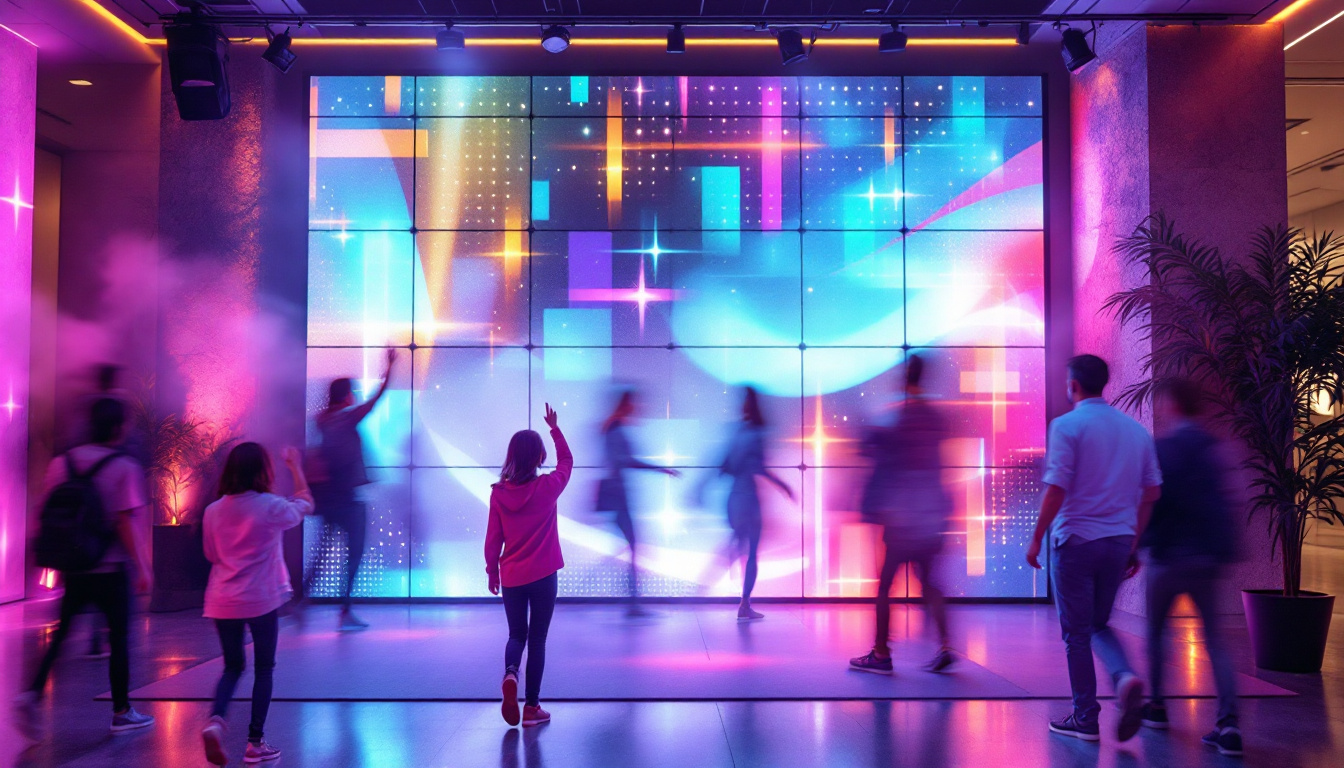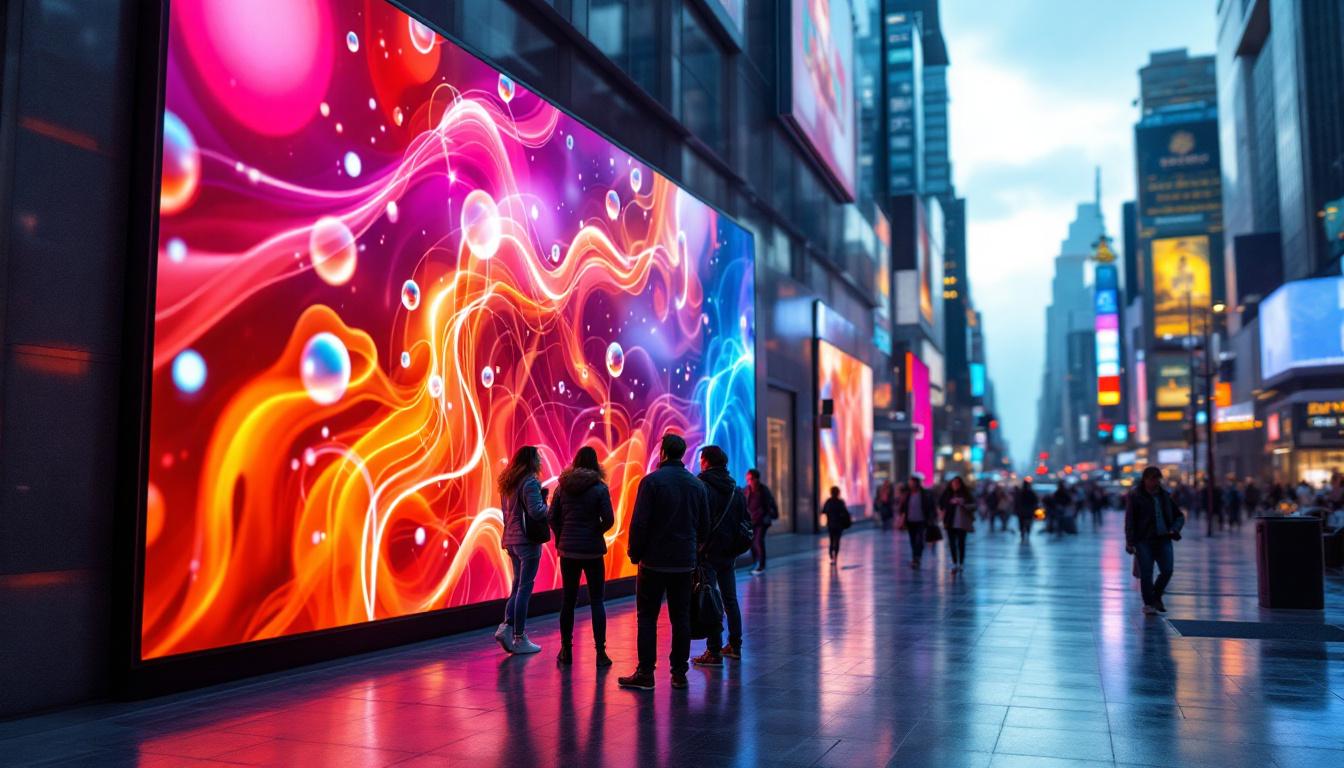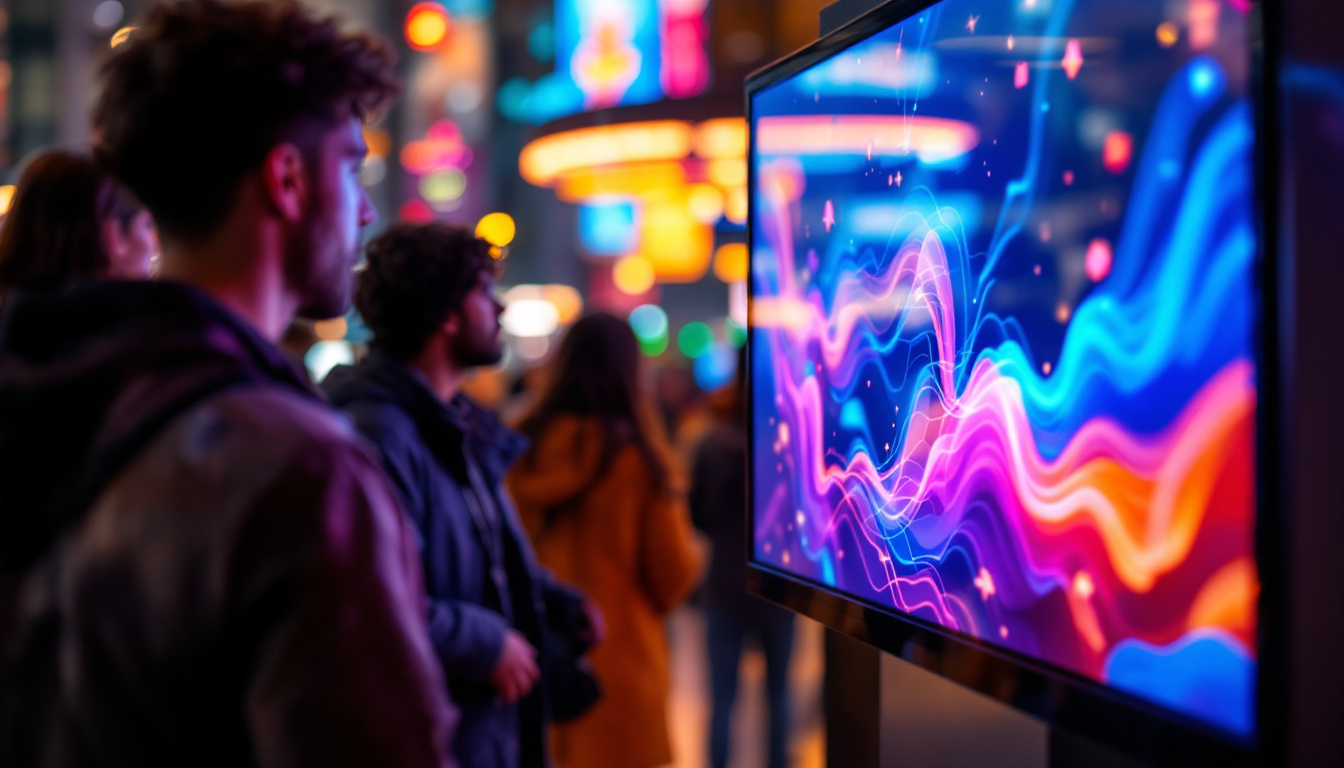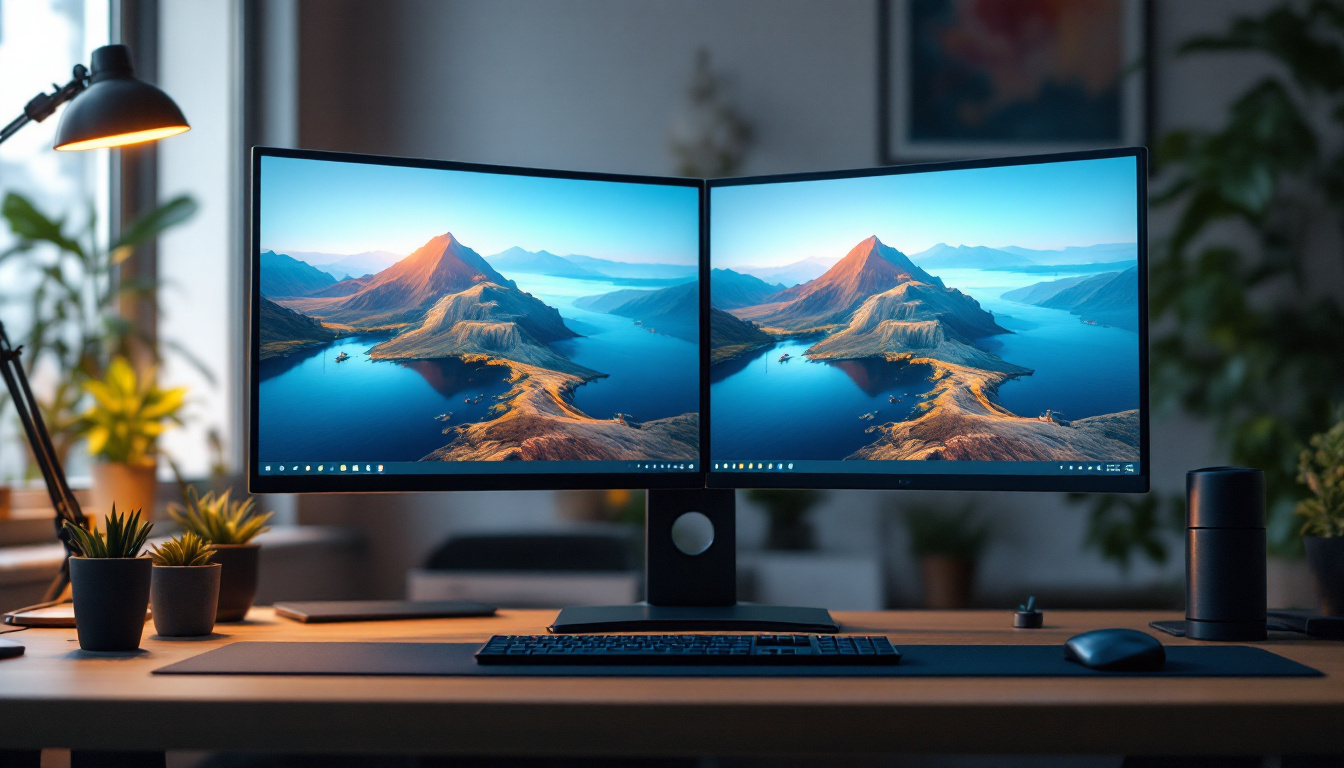
In the rapidly evolving world of digital signage and display technology, the concept of a “tilting wall” LED display has emerged as a compelling innovation. Combining the versatility of LED panels with dynamic physical movement, tilting wall LED displays offer new possibilities for advertising, entertainment, and architectural integration. This article delves into what tilting wall LED displays are, how they work, their applications, and the benefits they bring to various industries.
Understanding Tilting Wall LED Displays
What Is a Tilting Wall LED Display?
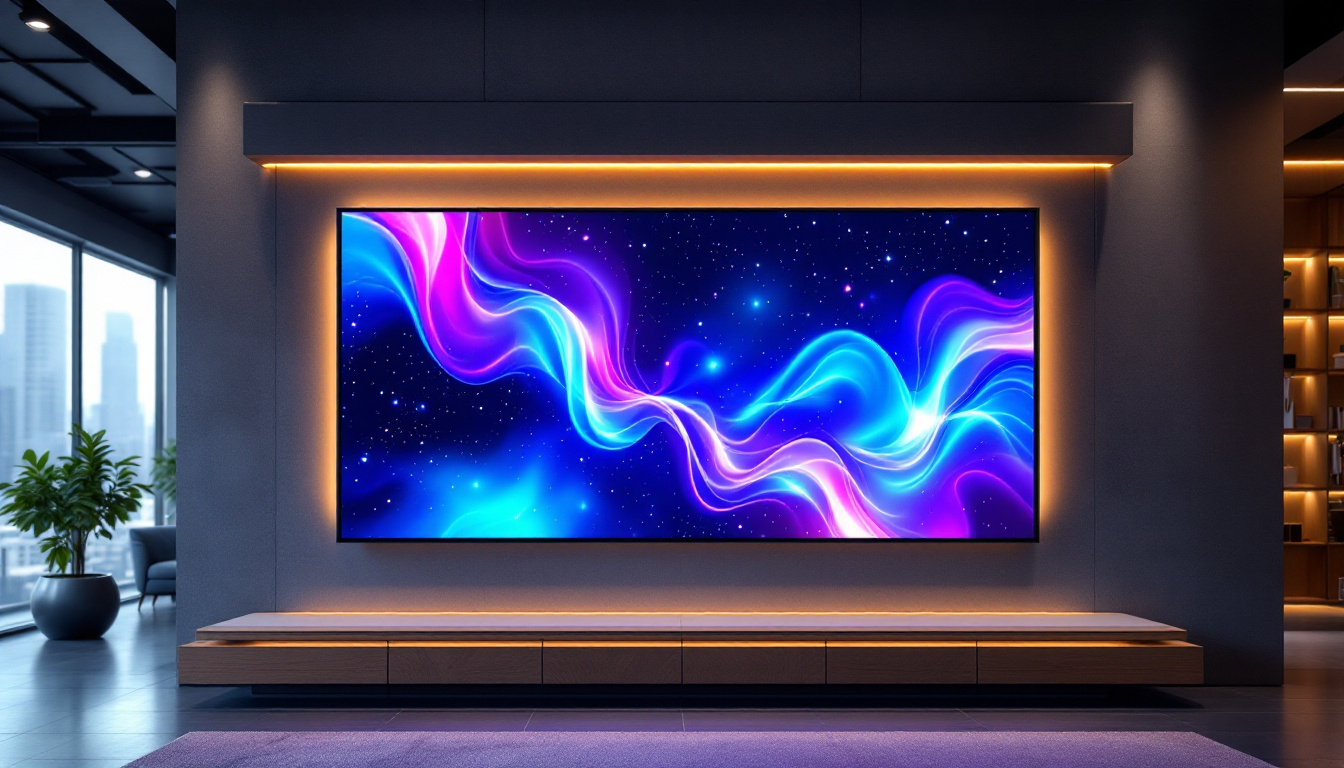
A tilting wall LED display is essentially a large-scale LED screen mounted on a mechanical structure that allows it to tilt or pivot at various angles. Unlike traditional fixed LED walls, these displays can physically move to adjust their orientation, enhancing visibility and interactivity. The tilting mechanism can be motorized and controlled remotely, enabling dynamic positioning based on environmental conditions, audience location, or specific event requirements.
This innovation is particularly useful in environments where optimal viewing angles are critical, such as stadiums, concert venues, retail spaces, and public installations. By adjusting the tilt, the display can reduce glare, improve sightlines, and even create eye-catching kinetic visual effects.
How Do Tilting Wall LED Displays Work?
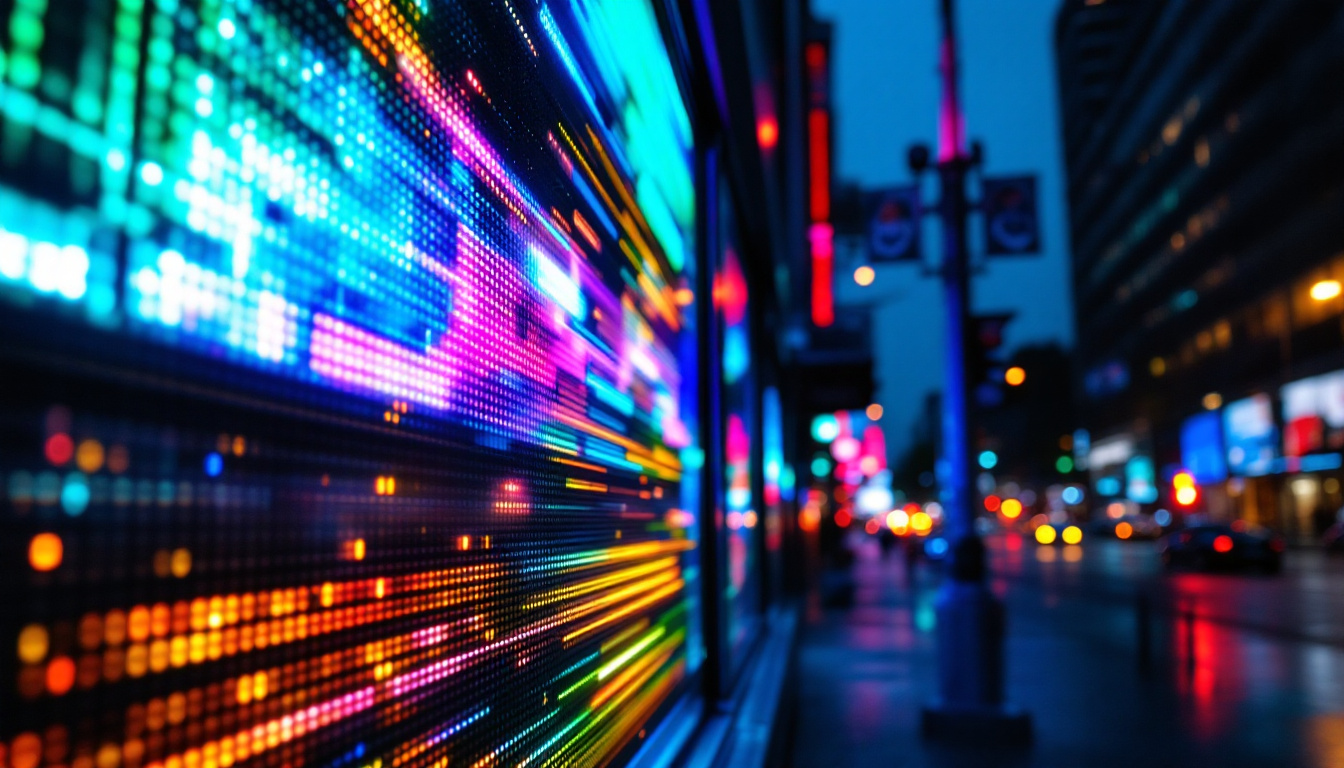
At the core of a tilting wall LED display is the LED panel itself, composed of thousands of tiny light-emitting diodes arranged in a grid. These diodes emit bright, vibrant colors that form images and videos visible even in bright outdoor conditions. The panels are mounted on a robust frame connected to motors or actuators that facilitate the tilting motion.
The movement is typically controlled by a programmable system that can adjust the angle of the display based on pre-set parameters or real-time inputs. Sensors may also be integrated to detect ambient light, viewer position, or weather conditions, allowing the display to adapt dynamically. This combination of advanced LED technology and mechanical engineering results in a versatile, responsive digital canvas.
Key Components of Tilting Wall LED Displays
LED Panels and Pixel Pitch
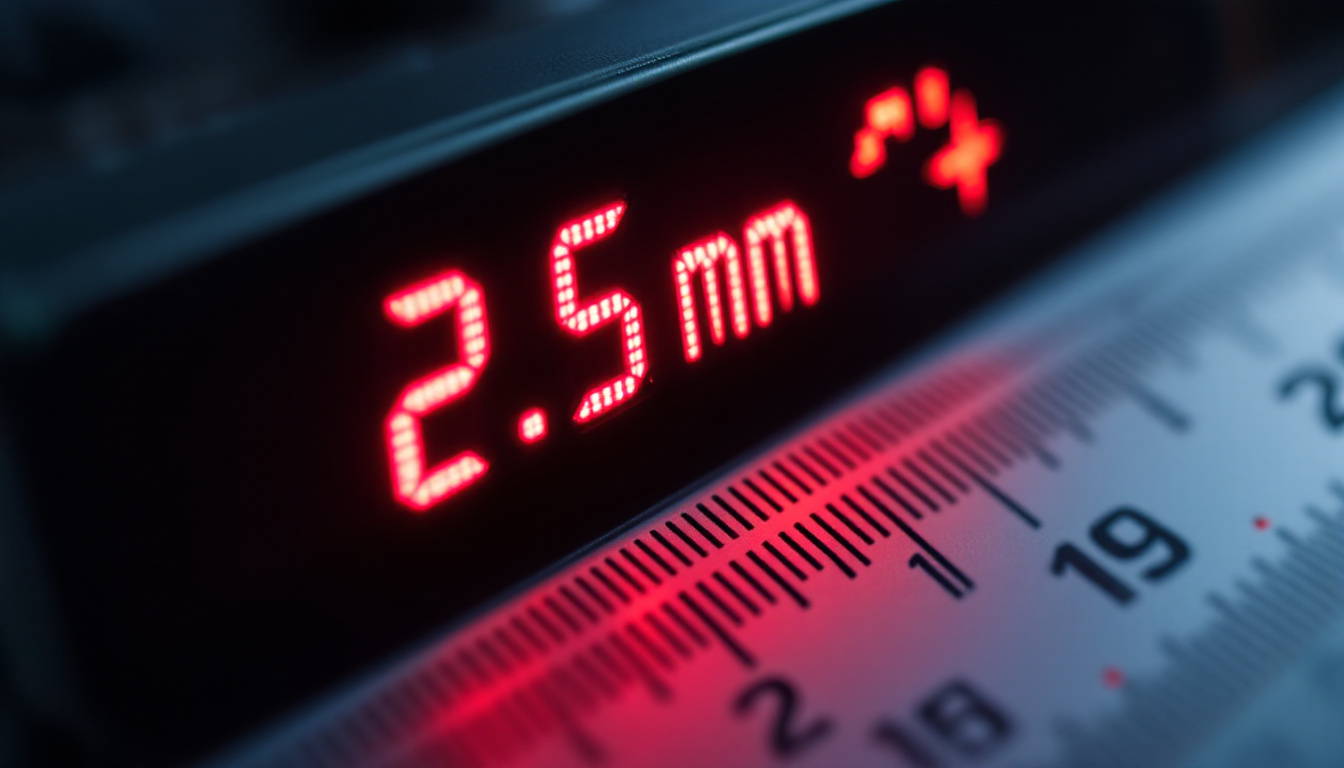
The quality of any LED display depends heavily on the LED panels used. Pixel pitch—the distance between the centers of two adjacent pixels—is a crucial factor affecting resolution and viewing distance. Smaller pixel pitches yield higher resolution and are ideal for close-up viewing, while larger pitches are suitable for long-distance visibility.
Tilting wall LED displays often employ high-resolution panels with pixel pitches ranging from 1.5mm to 4mm for indoor applications, and larger pitches for outdoor use. The choice depends on the intended use case, viewing distance, and budget.
Mechanical Tilting System
The tilting mechanism is engineered to support the weight of the LED panels while allowing smooth, precise movement. This system usually includes electric motors, gears, and hinges designed for durability and safety. Advanced models incorporate feedback sensors to monitor the angle and ensure stability during operation.
Safety features such as automatic locking mechanisms and emergency stop functions are critical, especially in public spaces where the display may be exposed to crowds or adverse weather.
Control and Software Integration
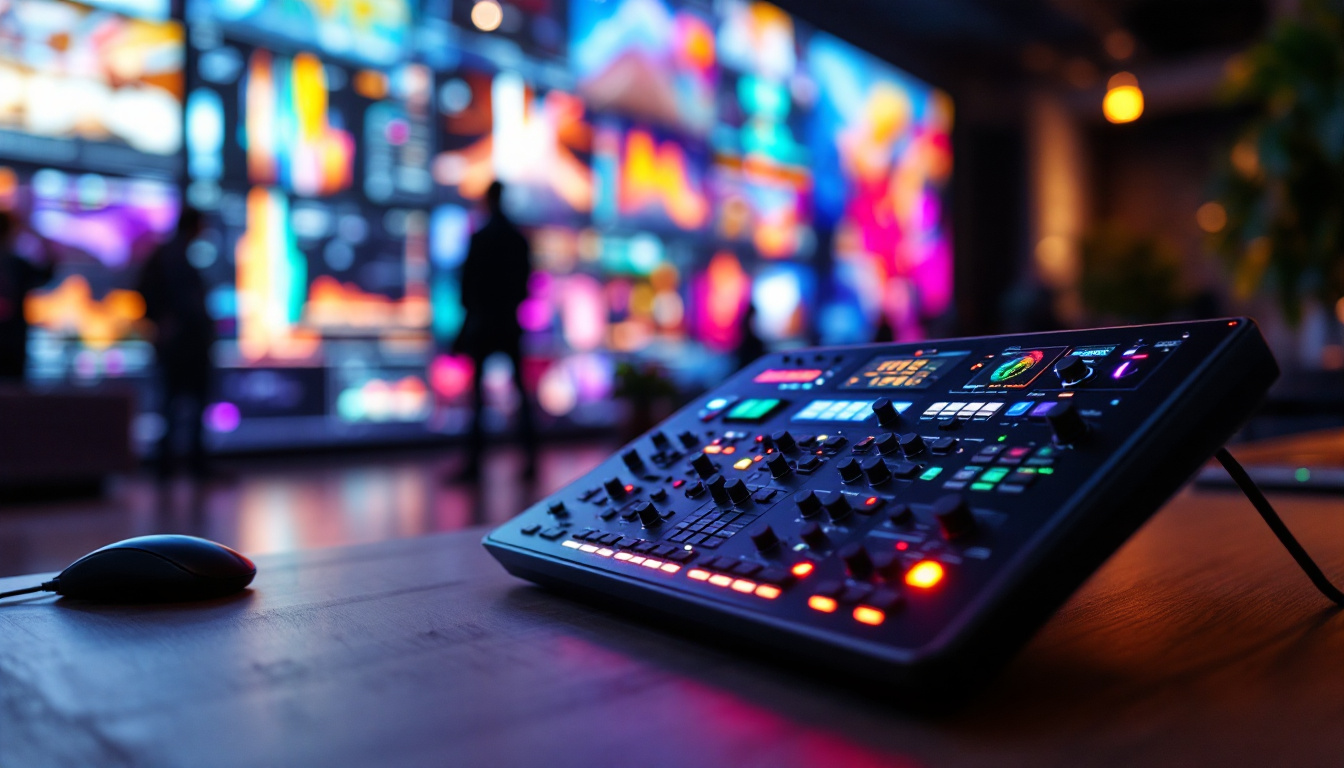
Control systems for tilting wall LED displays combine hardware and software to manage both the visual content and the physical movement. Content management software allows operators to schedule and modify displayed media, while motion control software governs the tilting actions.
Integration with building management systems or event control platforms is increasingly common, enabling synchronized operation with lighting, sound, and other environmental controls. This holistic approach enhances the immersive experience for viewers.
Applications of Tilting Wall LED Displays
Advertising and Marketing
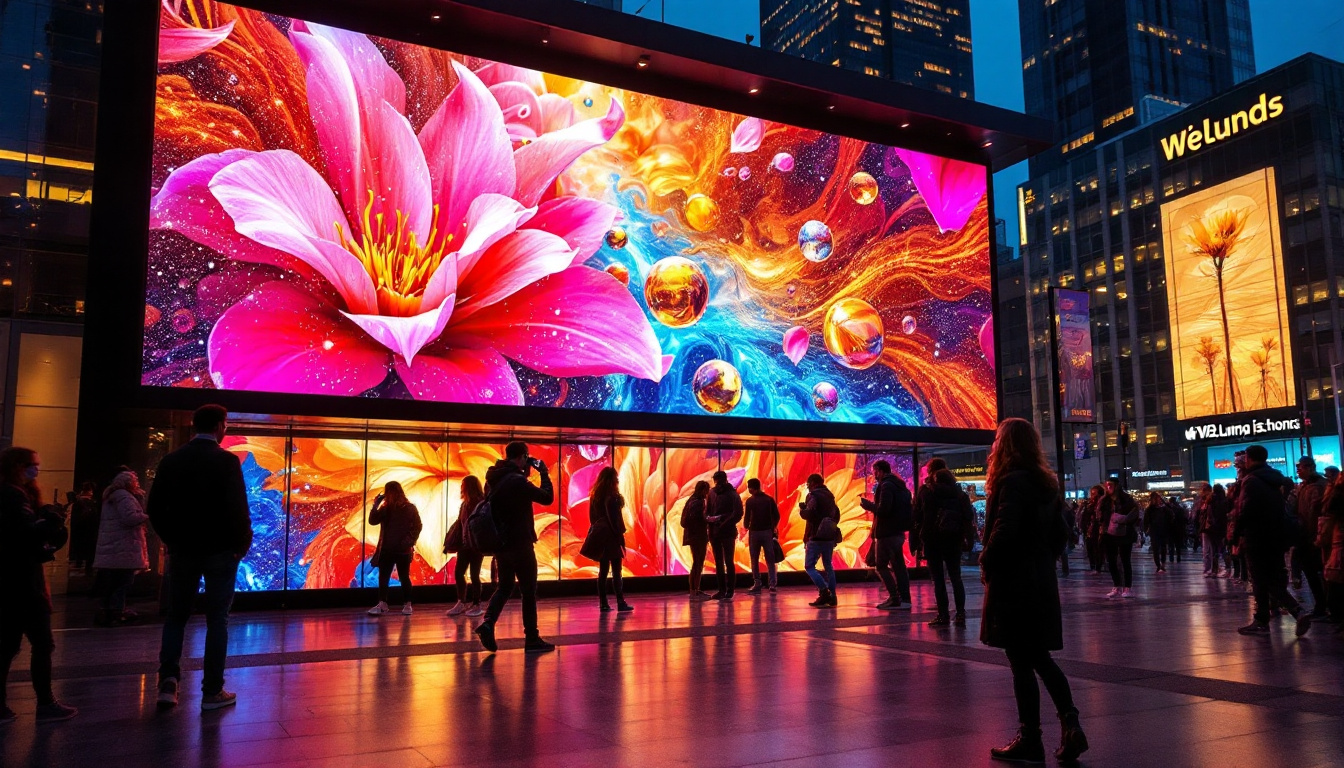
One of the most prominent uses of tilting wall LED displays is in advertising. Brands are constantly seeking innovative ways to capture consumer attention, and dynamic, moving displays offer a novel approach. By tilting to face different directions or adjusting to sunlight, these displays maximize visibility and impact.
For example, a retail store might use a tilting LED wall to highlight promotions during peak foot traffic hours, then adjust the angle to reduce glare or create a dramatic effect during special events. According to a 2023 report by Grand View Research, the global digital signage market is expected to reach $31.7 billion by 2028, driven by demand for interactive and adaptive displays like tilting walls.
Entertainment and Events
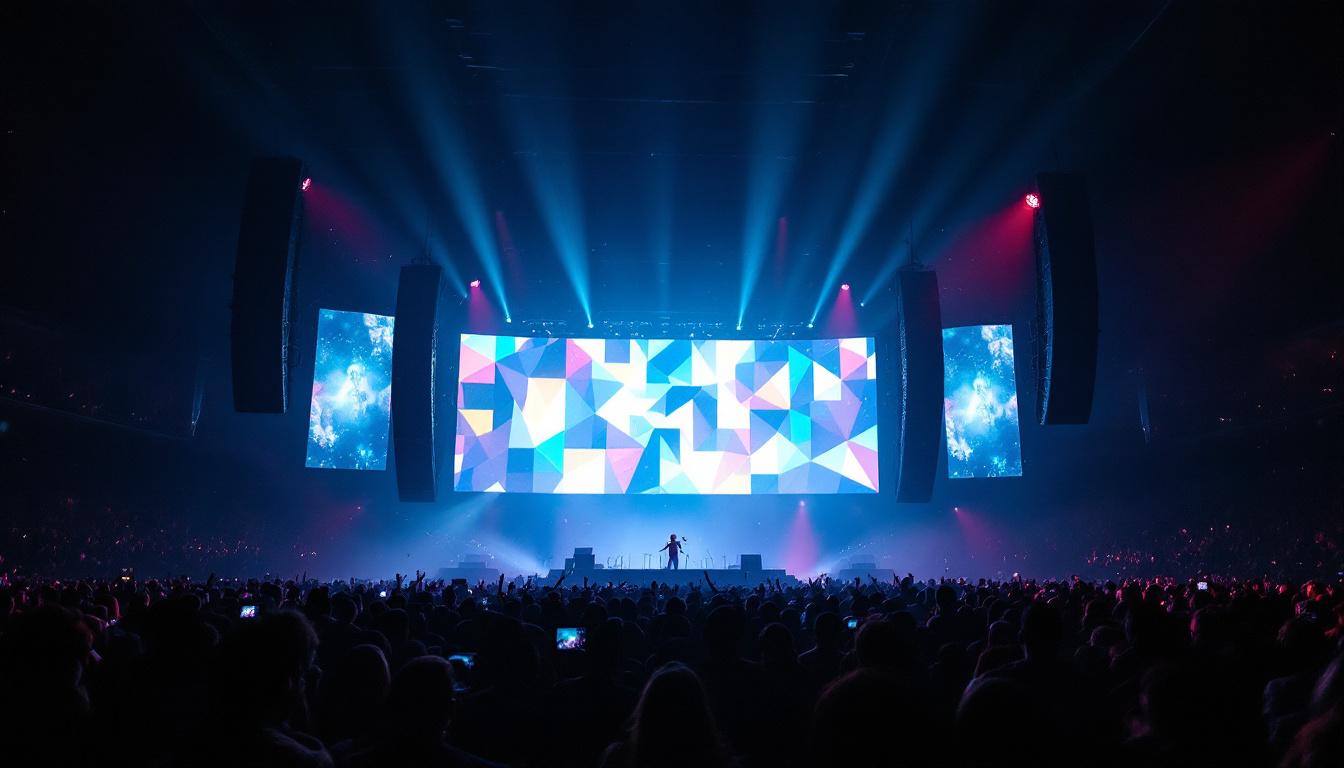
Concerts, sports arenas, and festivals benefit greatly from tilting wall LED displays. These installations can be positioned to optimize sightlines for large audiences or create dynamic stage backdrops that change orientation throughout a performance.
For instance, a stadium might deploy a tilting LED wall to provide better visibility for fans seated at different angles, enhancing the overall experience. The ability to move the display also allows for creative effects, such as tilting the screen to reveal hidden content or synchronize with performer movements.
Architectural and Public Spaces
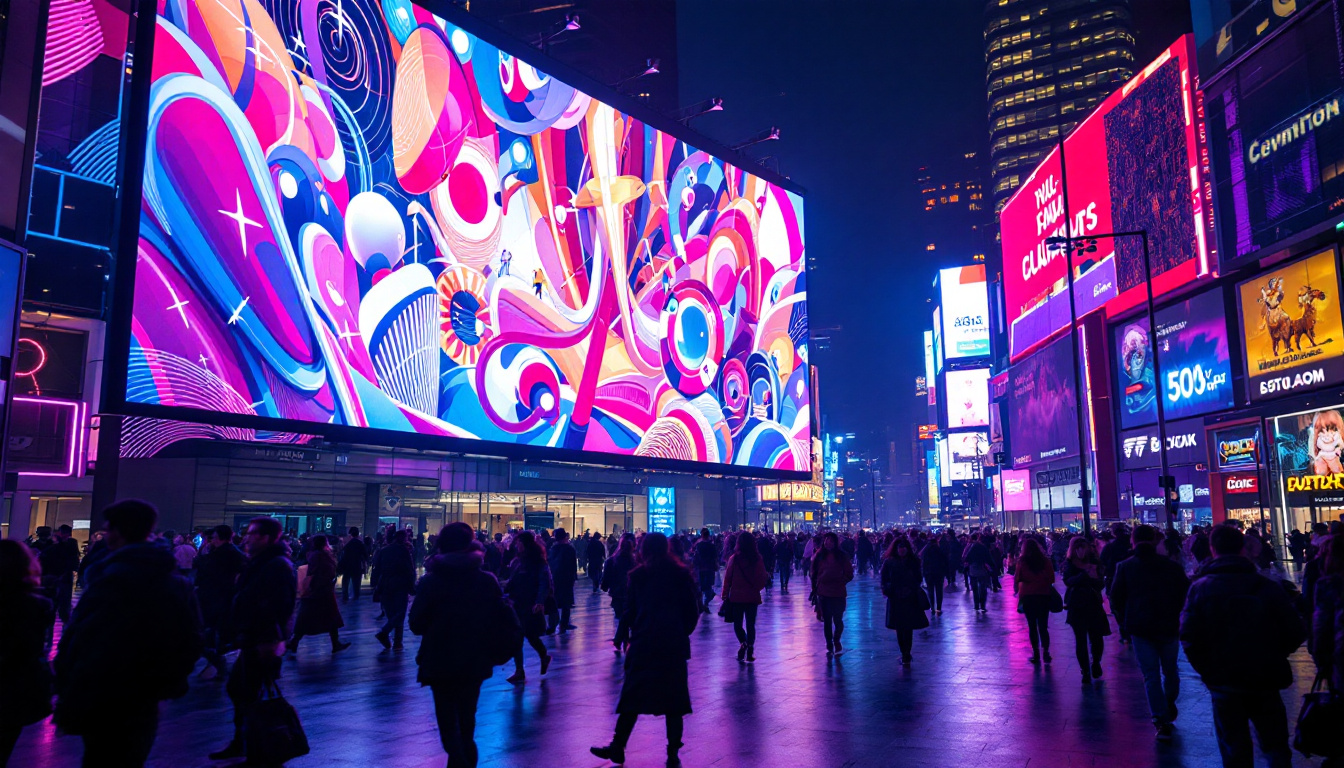
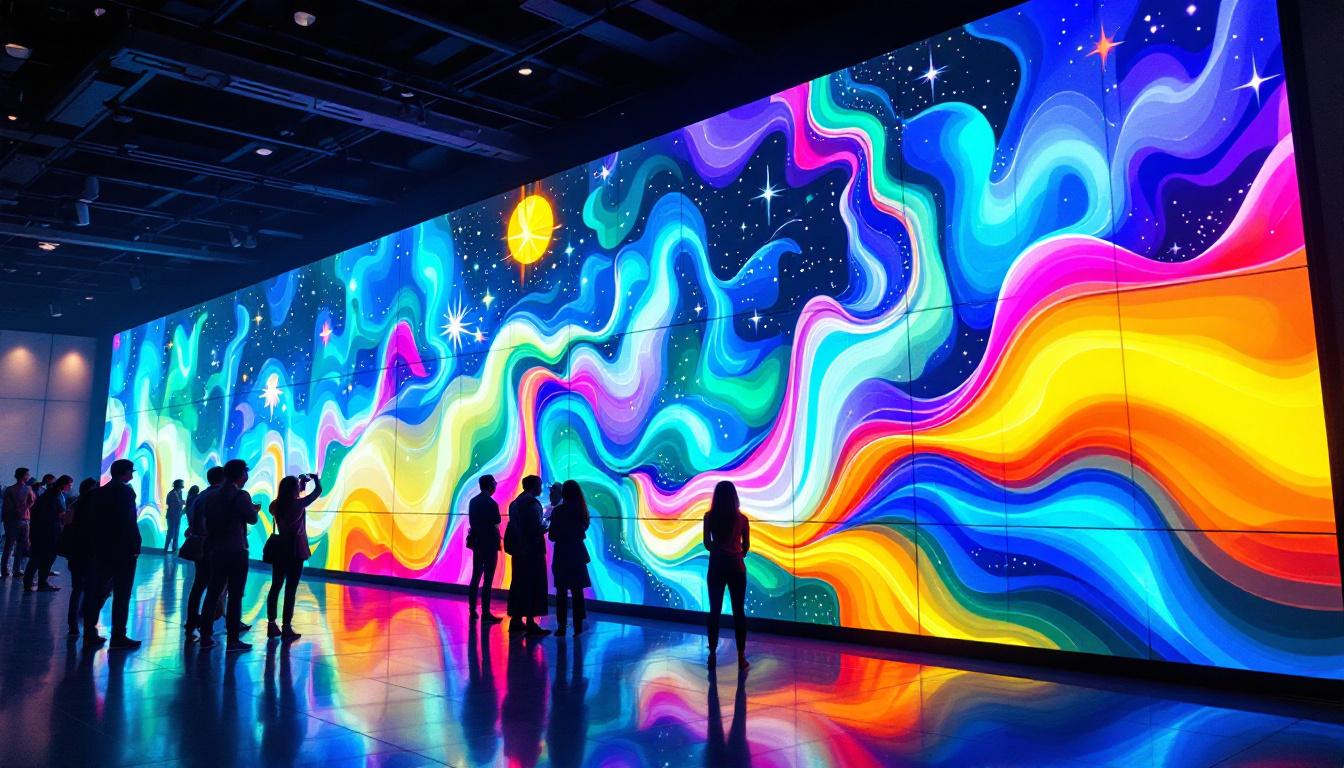
Architects and urban planners are increasingly incorporating tilting wall LED displays into building facades and public installations. These displays serve both functional and aesthetic purposes, acting as digital art pieces, information hubs, or interactive wayfinding systems.
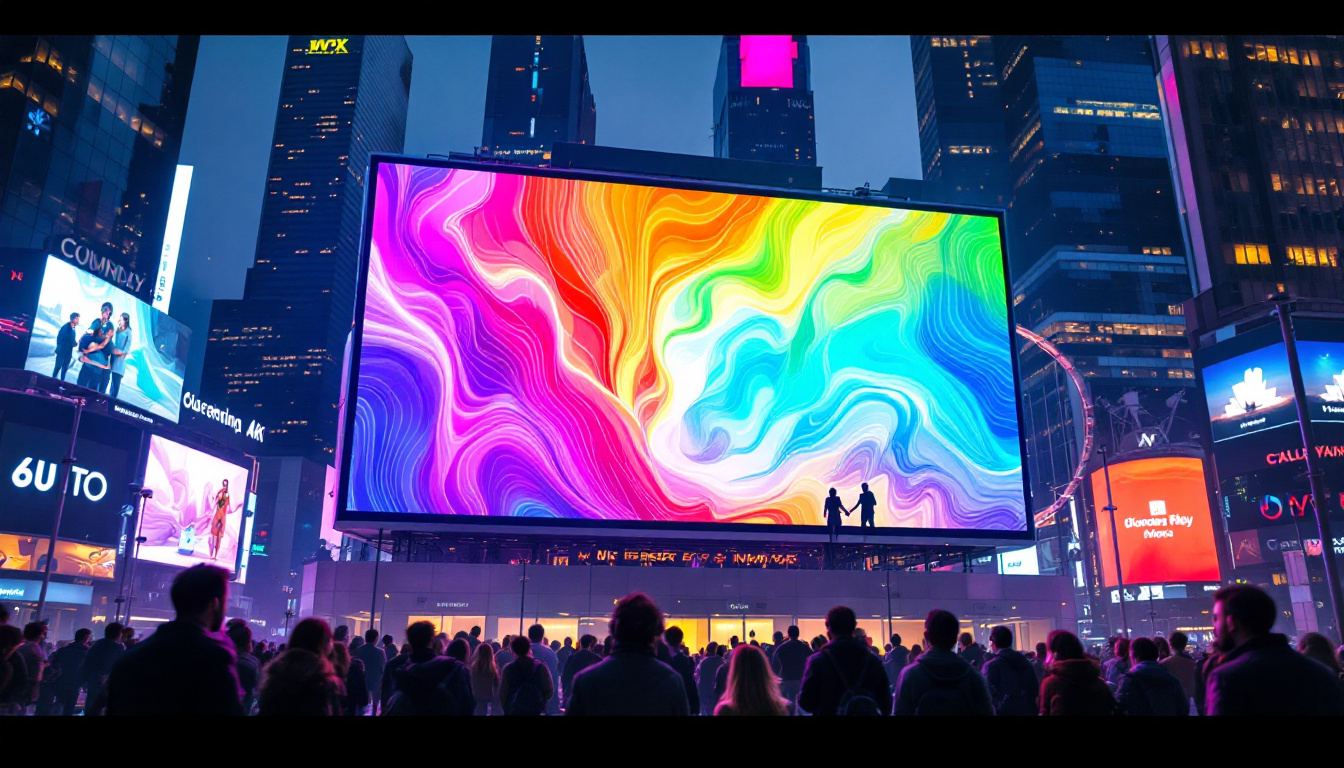
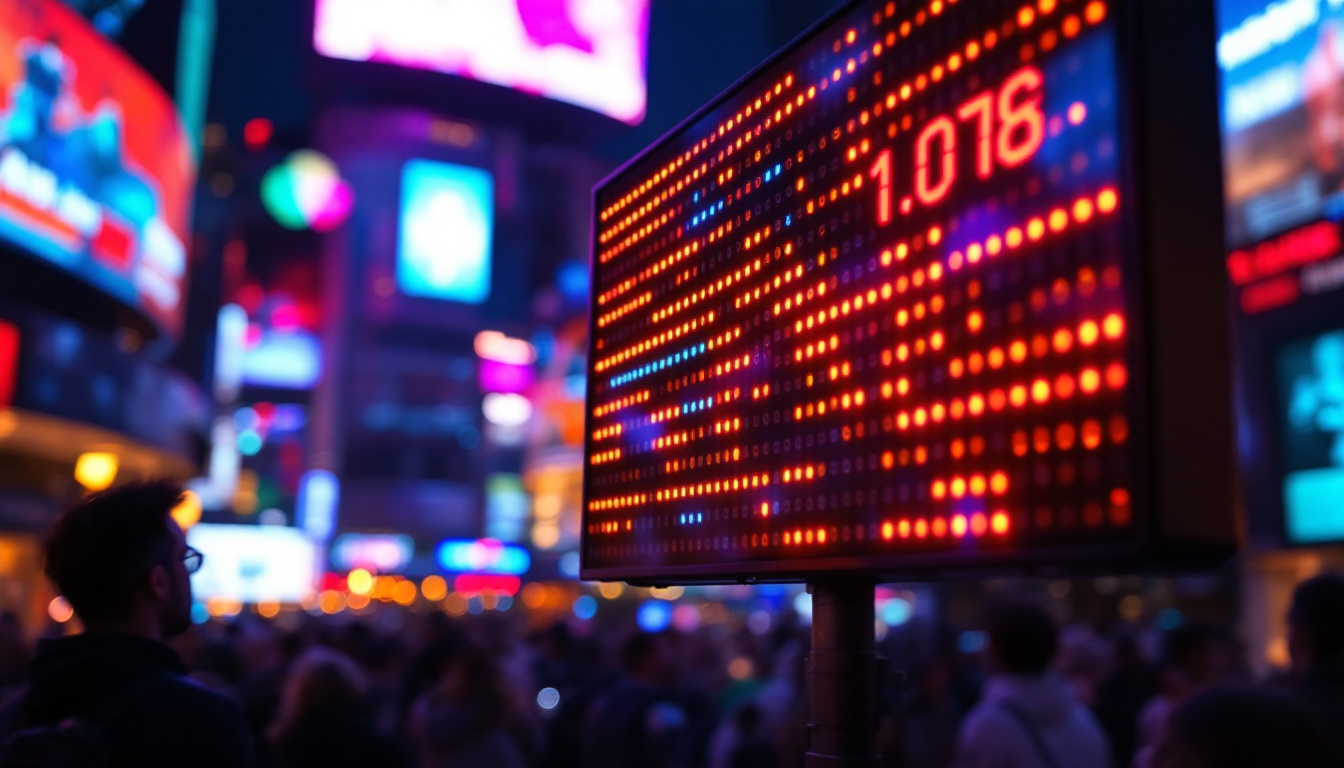
In cities like Tokyo and New York, dynamic LED walls that tilt and move have become iconic landmarks, blending technology with urban culture. They provide real-time information such as weather updates, news, or emergency alerts, adapting their orientation to maximize visibility throughout the day.
Benefits of Using Tilting Wall LED Displays
Enhanced Visibility and Flexibility
The primary advantage of tilting wall LED displays is their ability to optimize viewing angles. Unlike fixed screens, which may suffer from glare or limited sightlines, tilting displays can be adjusted to suit the audience’s position and environmental lighting. This flexibility ensures content is always presented in the best possible way.
Moreover, the ability to tilt allows for creative content presentation, enabling designers to incorporate movement into the physical structure of the display itself, not just the digital content.
Improved Audience Engagement
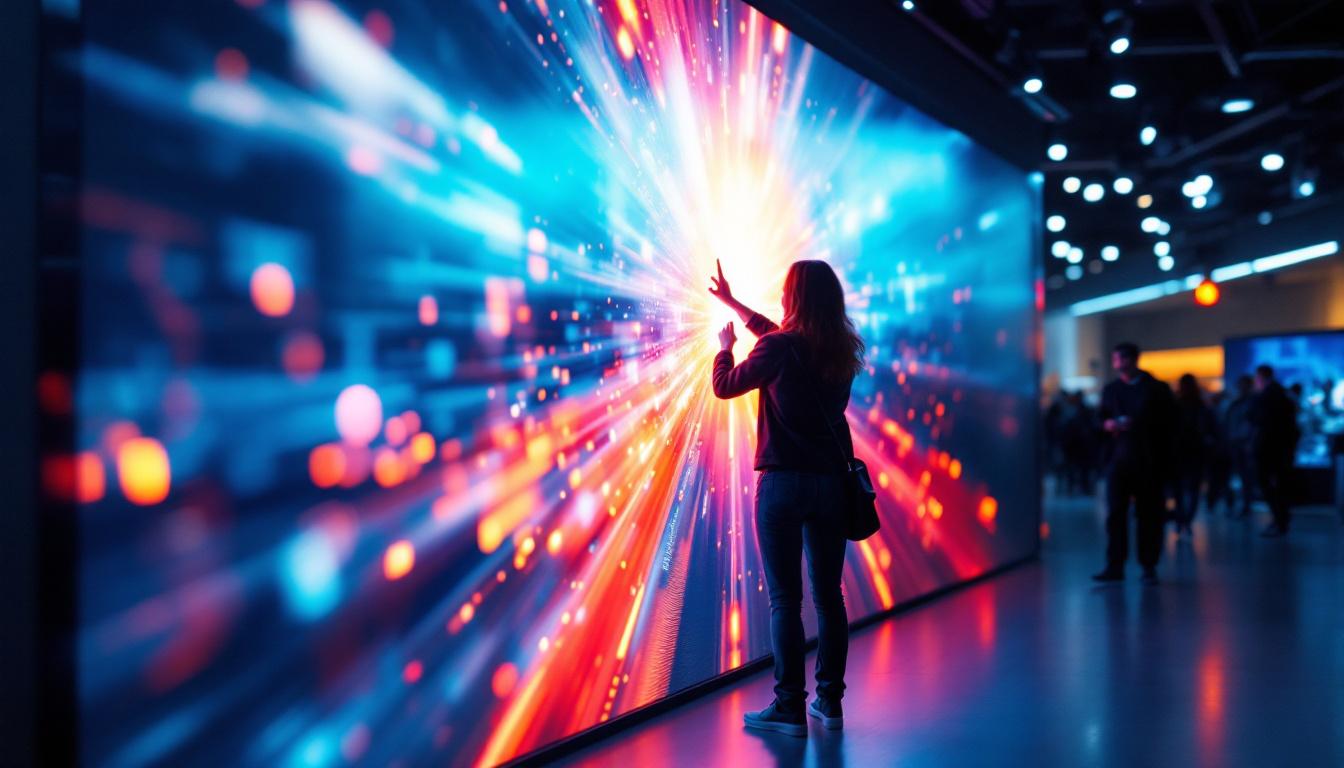
Interactive and dynamic displays naturally attract more attention. The physical movement of a tilting wall adds an extra dimension to digital signage, making it more memorable and engaging. This can translate into higher brand recall, increased foot traffic, and better overall communication effectiveness.
Studies have shown that digital signage with motion elements can increase viewer engagement by up to 30%, a significant boost for marketers and event organizers alike.
Energy Efficiency and Durability
Modern LED technology is inherently energy-efficient compared to traditional lighting and display methods. When combined with intelligent control systems, tilting wall LED displays can further reduce energy consumption by adjusting brightness and orientation based on ambient conditions.
Additionally, the robust mechanical design ensures durability in various environments, from indoor arenas to outdoor urban spaces. Weatherproofing and protective coatings extend the lifespan of the panels, making them a sound investment.
Challenges and Considerations
Cost and Installation Complexity
While tilting wall LED displays offer many benefits, they come with higher initial costs compared to fixed LED walls. The mechanical components add complexity to the design, installation, and maintenance processes. Specialized engineering and safety certifications may be required, especially for large-scale outdoor installations.
However, the return on investment can be substantial when factoring in increased engagement, advertising revenue, and the versatility of the display.
Maintenance and Reliability
Moving parts introduce potential points of failure, necessitating regular maintenance to ensure smooth operation. Preventative care, such as lubrication of mechanical joints and software updates, is essential to avoid downtime.
Manufacturers often provide service contracts and remote monitoring solutions to help operators maintain optimal performance. Choosing high-quality components and experienced installers can mitigate many reliability concerns.
Content Strategy and Design
Designing content for a tilting wall LED display requires careful planning. Content creators must consider how the physical movement affects visibility and viewer perception. Animations, transitions, and messaging should be synchronized with the tilt angles to maximize impact.
Collaborating with experienced digital signage designers and leveraging software tools that integrate motion control with content playback can streamline this process.
The Future of Tilting Wall LED Displays
Integration with Smart Technologies
As smart cities and IoT (Internet of Things) technologies advance, tilting wall LED displays are poised to become even more interactive and responsive. Integration with sensors, cameras, and AI-driven analytics will enable displays to adapt in real-time to audience behavior, weather, and other contextual factors.
This evolution will enhance personalization and interactivity, creating immersive experiences tailored to individual viewers or groups.
Innovations in Materials and Mechanics
Research into lightweight, flexible LED materials and more compact mechanical systems promises to make tilting wall displays more accessible and easier to install. Advances in robotics and automation could lead to multi-axis movement, allowing screens to tilt, rotate, and even fold.
Such innovations will expand creative possibilities and open new markets for digital signage solutions.
Sustainability and Environmental Impact
With growing emphasis on sustainability, manufacturers are focusing on eco-friendly materials, energy-efficient components, and recyclable designs. Tilting wall LED displays that optimize energy use through adaptive brightness and movement contribute to greener urban environments.
Future developments may also include solar-powered systems or integration with renewable energy sources, further reducing their carbon footprint.
Conclusion
Tilting wall LED displays represent a significant advancement in digital signage technology, blending visual brilliance with mechanical innovation. Their ability to adjust orientation dynamically enhances visibility, engagement, and creative expression across advertising, entertainment, and architectural applications.
While challenges such as cost and maintenance exist, the benefits and future potential of tilting wall LED displays make them a compelling choice for organizations seeking to stand out in an increasingly digital world. As technology continues to evolve, these dynamic displays will play a pivotal role in shaping how information and experiences are delivered to audiences worldwide.
Discover LumenMatrix’s Innovative LED Solutions
Ready to elevate your space with the dynamic and flexible capabilities of tilting wall LED displays? LumenMatrix, a pioneer in LED display technology, offers an extensive range of solutions designed to transform your visual communication and engagement. From mesmerizing Indoor and Outdoor LED Wall Displays to versatile Vehicle and Floor LED Displays, our products are crafted to capture attention and deliver unforgettable experiences. Embrace the future of digital signage with LumenMatrix’s Custom, All-in-One, and Transparent LED Displays. Check out LumenMatrix LED Display Solutions today and see how we can help you make a lasting impression.