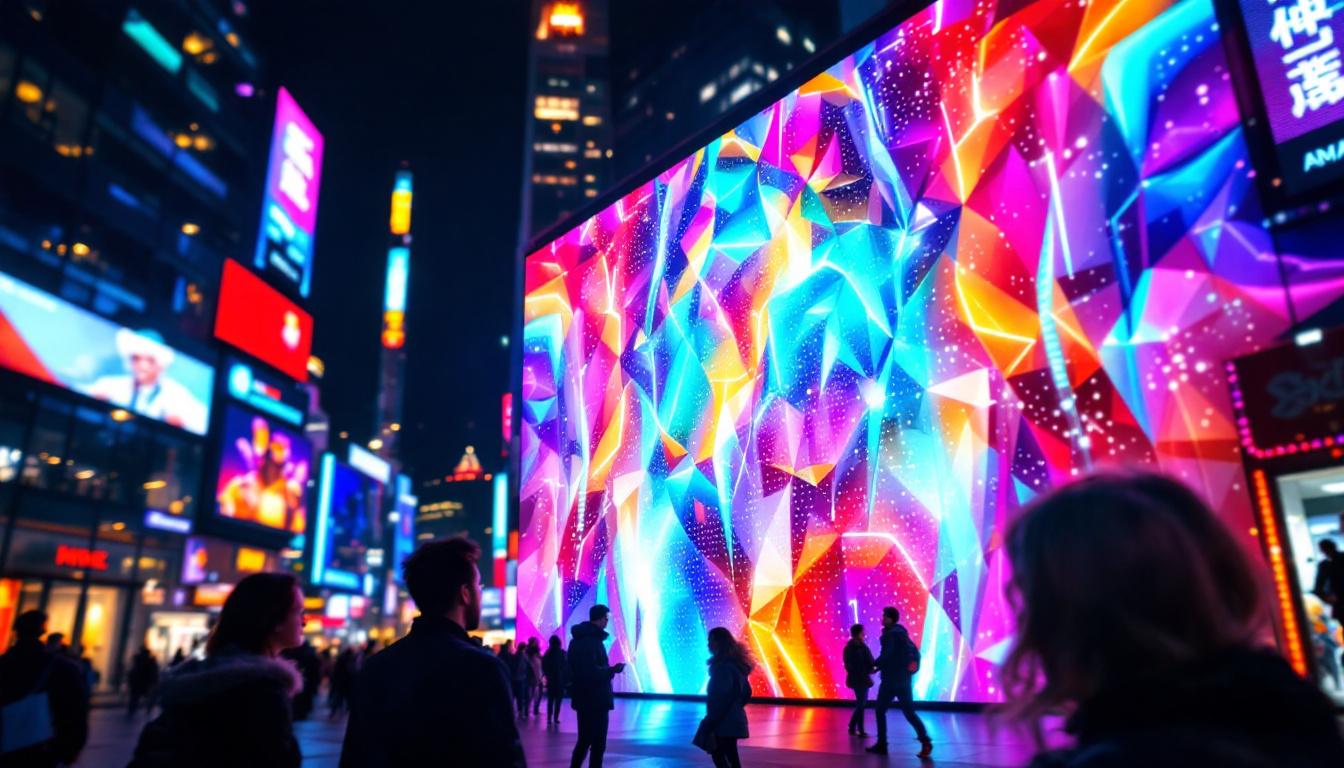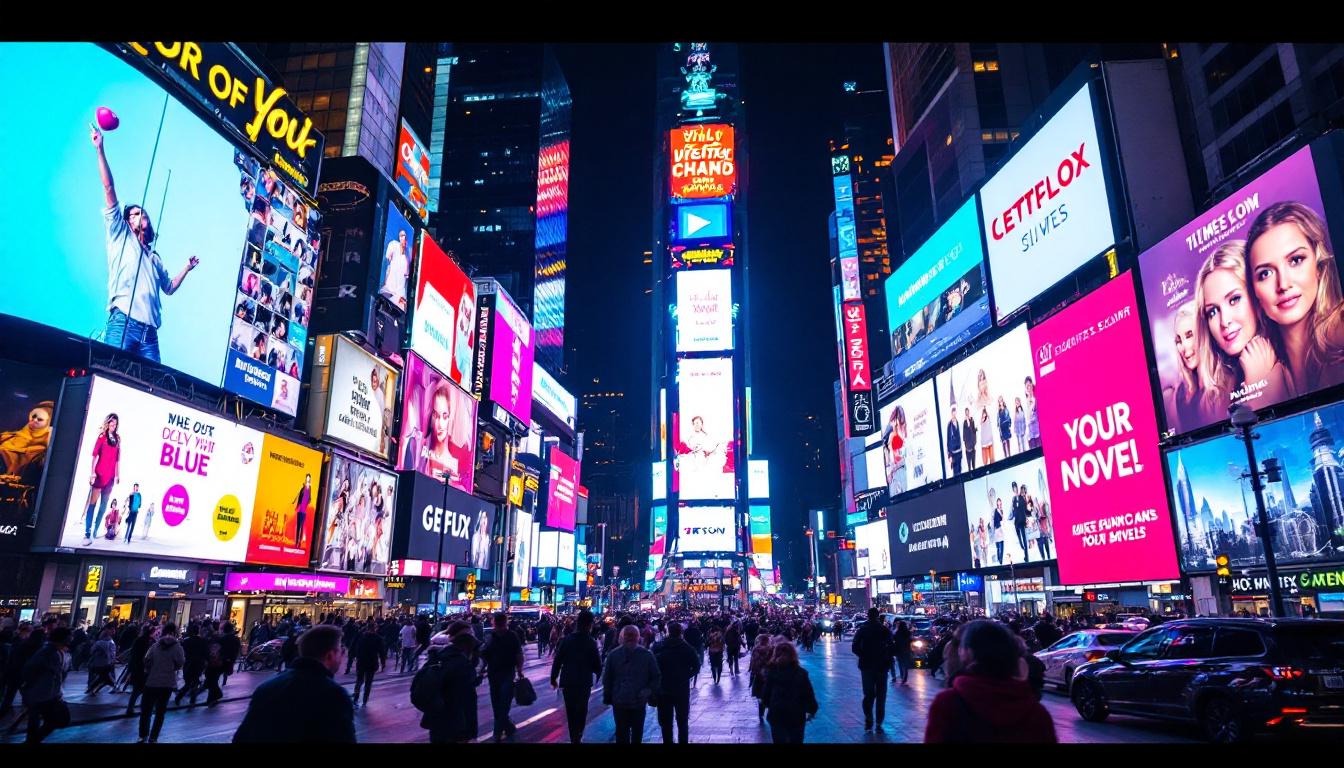
Times Square in New York City is synonymous with dazzling lights, massive digital billboards, and an unparalleled advertising spectacle. For businesses aiming to capture the attention of millions, securing ad space on Times Square’s LED displays is a coveted opportunity. However, understanding the costs associated with these ads, the technology behind the LED displays, and the factors influencing pricing can be complex.
This article provides a comprehensive overview of Times Square advertising costs, focusing on LED display technology, pricing variables, and the strategic value of advertising in this iconic location.
The Allure of Times Square Advertising
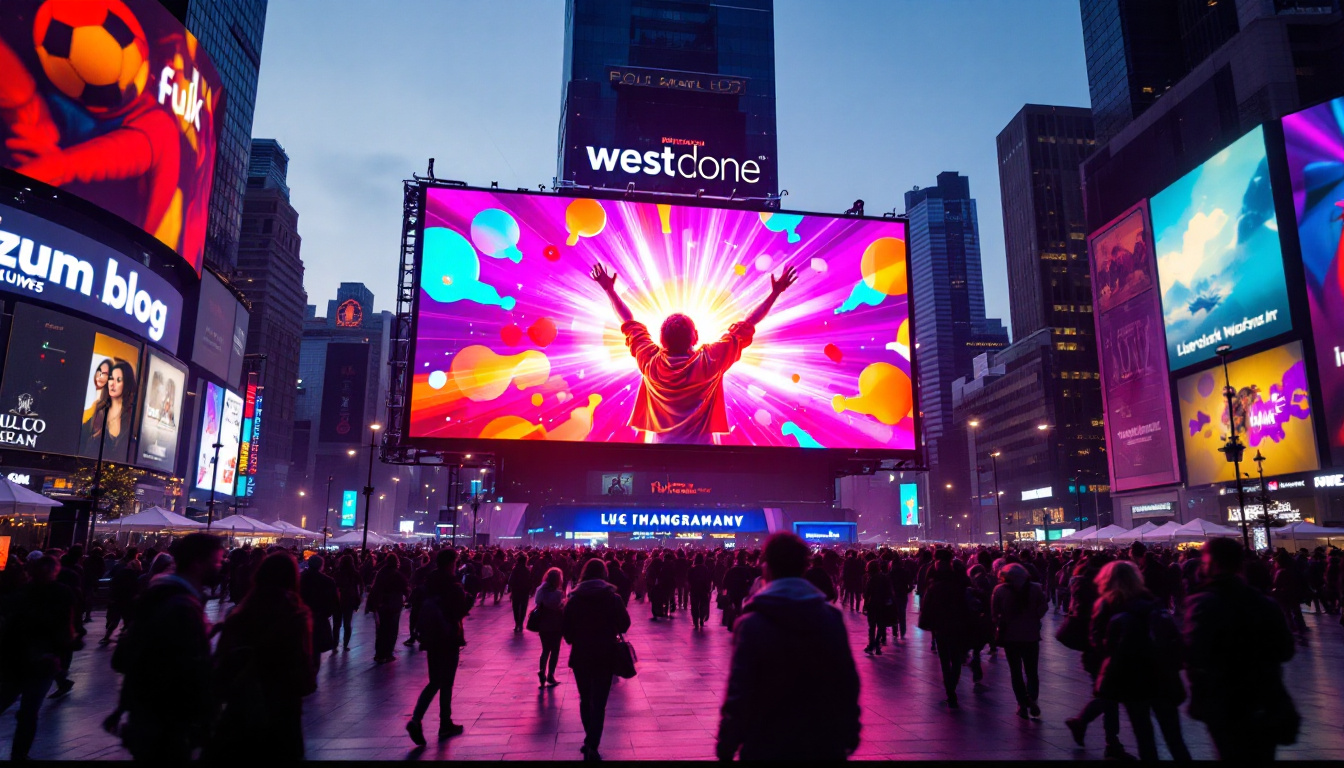
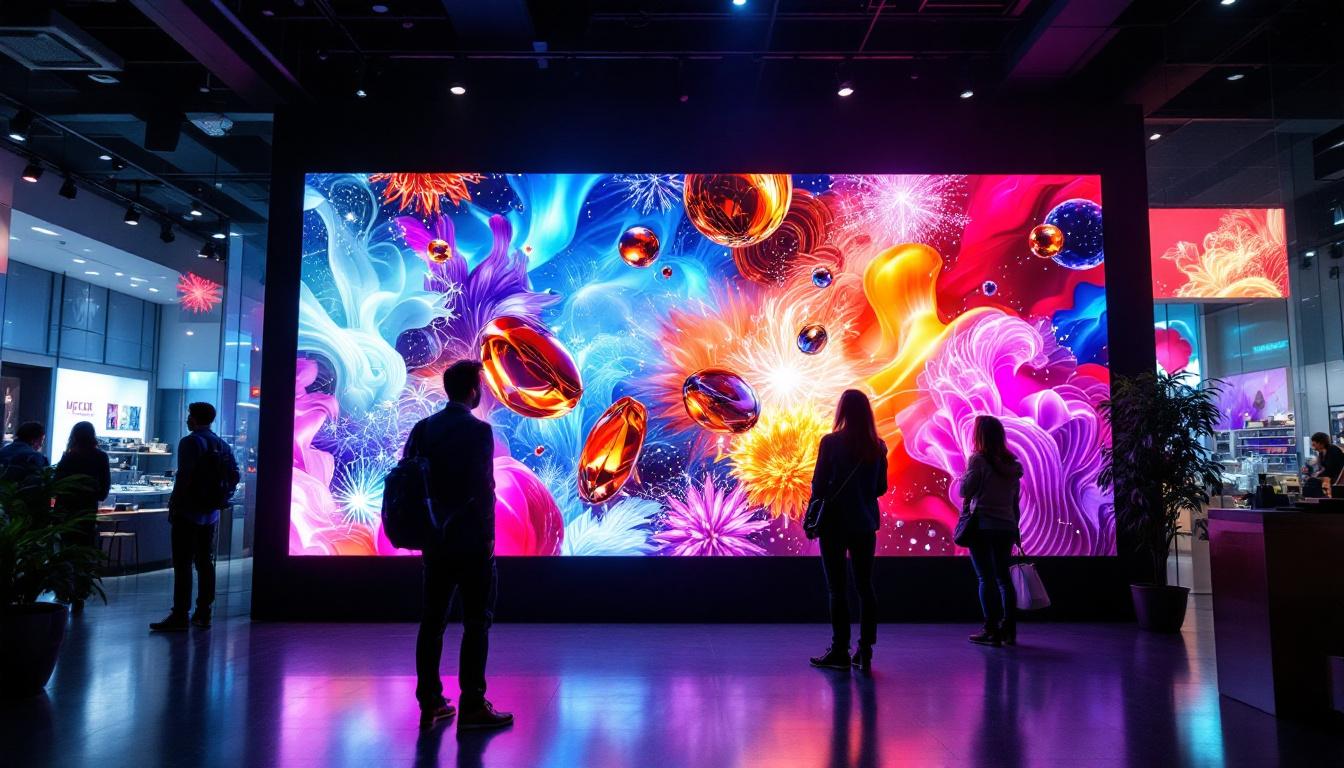
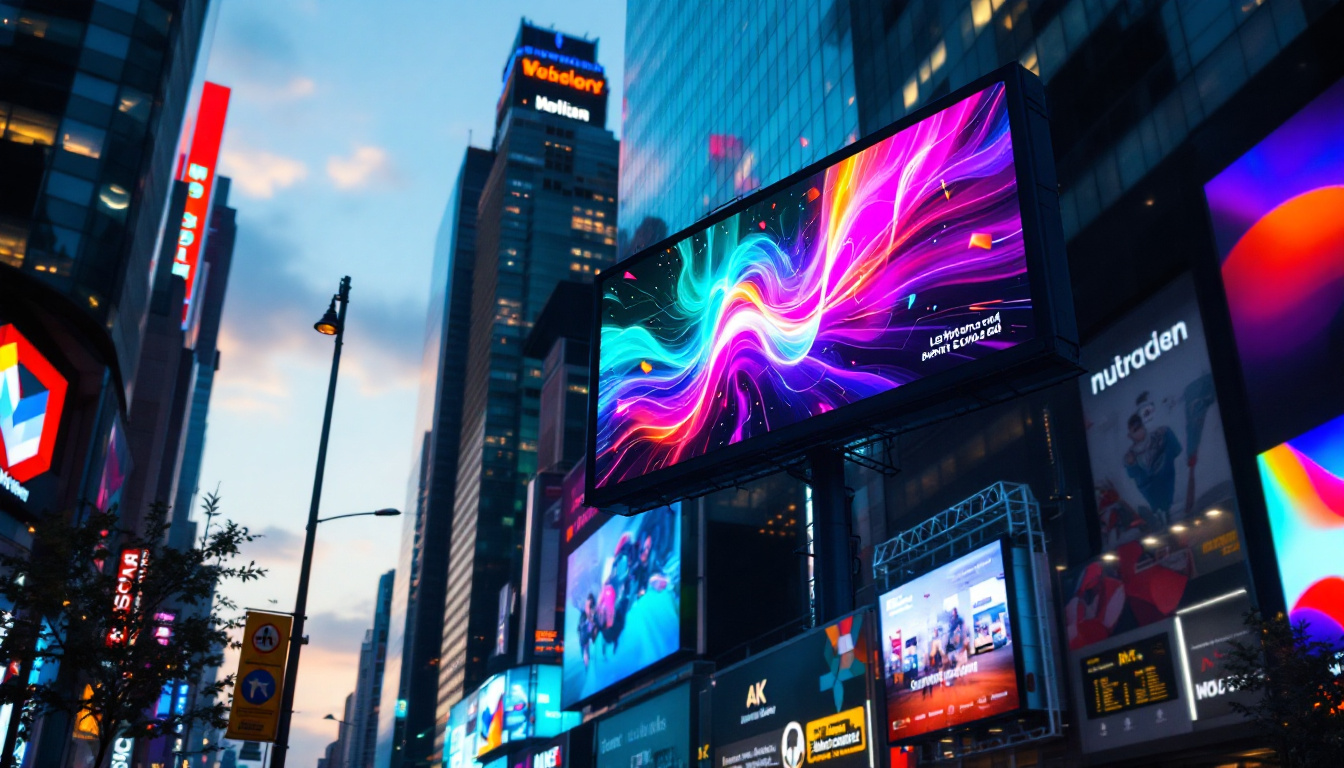
Times Square is often called “The Crossroads of the World” due to its immense foot traffic and global visibility. Each year, over 330,000 pedestrians traverse the area daily, and millions more see the displays via broadcast media and social platforms. This iconic location is not just a hub for tourists but also a melting pot of cultures, making it an ideal backdrop for brands looking to connect with a diverse audience.
For brands, advertising in Times Square offers unparalleled exposure. The LED billboards are not just large screens; they are cultural landmarks that create memorable brand impressions. This visibility translates into significant marketing value, but it also comes with a high price tag. The competition for attention is fierce, as brands must not only stand out but also resonate with the eclectic mix of visitors from around the globe, each with their own unique preferences and expectations.
Why Choose LED Displays in Times Square?
LED (Light Emitting Diode) technology revolutionized outdoor advertising by offering vibrant, dynamic, and energy-efficient displays. Compared to traditional static billboards, LED screens can showcase video content, animations, and real-time updates, making ads more engaging and effective. This capability allows brands to tell a story or convey a message in a way that static images simply cannot achieve, capturing the fleeting attention of passersby.
In Times Square, LED displays are the standard due to their brightness, durability, and ability to operate 24/7 in varying weather conditions. This technology ensures that advertisements remain eye-catching day and night, even under direct sunlight or rain. Furthermore, the ability to update content instantaneously means that brands can respond to current events or trends, keeping their messaging relevant and timely. For example, a brand might choose to highlight a special promotion during a major event or holiday, maximizing their impact during peak foot traffic times. This adaptability not only enhances engagement but also allows for a more personalized advertising experience, catering to the ever-changing dynamics of the bustling square.
Understanding LED Display Technology
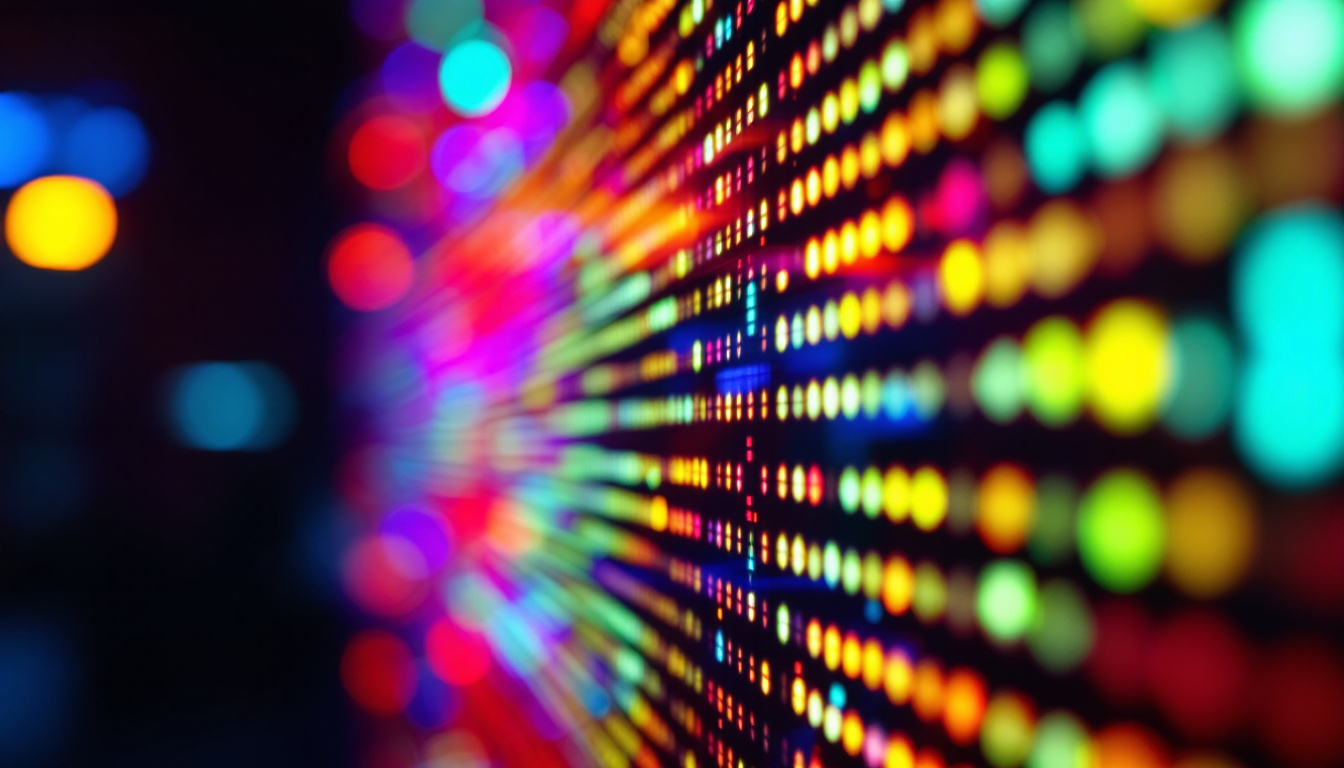
LED displays consist of thousands of tiny diodes that emit light when an electric current passes through them. The diodes are arranged in pixels, each capable of producing a wide range of colors by combining red, green, and blue elements.
The quality and resolution of an LED display depend on several factors, including pixel pitch (the distance between pixels), screen size, and brightness levels. In Times Square, where viewers can be both near and far, screens are designed to balance resolution and visibility from different distances.
Pixel Pitch and Resolution
Pixel pitch is a critical specification in LED displays. A smaller pixel pitch means higher resolution and sharper images, but it also increases the cost of the display. Times Square billboards typically feature pixel pitches ranging from 10mm to 20mm, which is optimal for large-format viewing from varying distances.
High-resolution LED displays allow advertisers to present detailed visuals, crisp text, and smooth video playback, enhancing the overall impact of the advertisement.
Brightness and Visibility
Brightness is measured in nits, and Times Square LED displays often exceed 5,000 nits to combat ambient light pollution from surrounding buildings and daylight. This intense brightness ensures that ads remain vivid and legible even in direct sunlight.
Additionally, these displays incorporate sensors to adjust brightness dynamically based on the time of day and weather conditions, optimizing visibility while conserving energy.
Factors Influencing Times Square Ad Costs
Advertising costs in Times Square are influenced by a variety of factors, including location, size, duration, and time of year. Understanding these elements can help advertisers plan their campaigns and budget accordingly.
Location and Billboard Size
Times Square features numerous LED billboards, each with different sizes and foot traffic exposure. Prime locations, such as the One Times Square building where the New Year’s Eve ball drop occurs, command premium rates due to their iconic status and high visibility.
Larger billboards naturally cost more, as they require more LED modules and power consumption. For example, a 20,000-square-foot LED display will cost significantly more than a smaller 2,000-square-foot screen.
Duration and Frequency of Ads
The length of the advertising campaign directly impacts the cost. Short-term ads, such as those running for a few days or weeks, tend to have higher daily rates compared to long-term contracts that span months or even a year. Advertisers seeking to maximize impact during peak seasons, like the holiday period, may pay a premium for shorter, targeted bursts.
Moreover, the frequency of ad rotations on a shared billboard can affect pricing. Some displays rotate multiple advertisers’ content, while exclusive use of a billboard commands higher fees.
Time of Year and Demand
Demand for Times Square advertising spikes during major events and holidays. For instance, the weeks leading up to New Year’s Eve, the Christmas season, and major sporting events see increased rates due to heightened foot traffic and media coverage.
Advertisers looking to capitalize on these peak periods should expect to pay a premium, sometimes up to 50% higher than off-peak times.
Typical Costs of Times Square LED Advertising
While exact pricing can vary widely based on the factors discussed, some general ranges provide insight into the investment required for Times Square LED advertising.
Short-Term Campaigns
For a brief campaign lasting one to two weeks on a medium-sized LED billboard, costs typically range from $50,000 to $250,000. This includes the display time and basic content management.
Smaller advertisers or those experimenting with Times Square advertising often opt for these shorter bursts to gauge effectiveness before committing to longer contracts.
Long-Term Contracts
Longer-term advertising contracts, spanning several months to a year, can cost between $1 million and $4 million depending on the billboard’s size and location. These contracts offer more favorable daily rates and often include additional services such as custom content creation and technical support.
Brands with large marketing budgets and global reach frequently pursue these long-term placements to maintain a constant presence in this high-visibility area.
Exclusive Billboards and Premium Locations
Exclusive use of landmark billboards, like the Nasdaq MarketSite or the Reuters building, can push costs well beyond $5 million annually. These locations provide unmatched exposure and often become part of a brand’s identity and storytelling.
For example, during the 2020 holiday season, a major technology company reportedly spent over $10 million on a multi-billboard campaign spanning several key Times Square locations.
Additional Costs and Considerations
Beyond the raw ad space rental, advertisers should account for several additional expenses when planning a Times Square LED campaign.
Content Creation and Production
Creating compelling, high-resolution content tailored for LED displays requires specialized expertise. Animation, video production, and graphic design can add tens or hundreds of thousands of dollars to the campaign budget.
Many advertisers collaborate with creative agencies experienced in digital out-of-home (DOOH) media to ensure their messaging is optimized for the unique format and audience of Times Square.
Technical and Installation Fees
While LED billboards are digital, there are still technical fees associated with uploading content, scheduling playtimes, and ensuring compliance with display standards. Some billboard operators charge setup fees or require advertisers to use approved content management systems.
These fees vary but typically range from a few thousand to $20,000 depending on the complexity of the campaign.
Regulations and Permits
Times Square advertising is subject to city regulations regarding brightness, content, and safety. Advertisers must ensure their content complies with New York City’s signage codes and obtain necessary permits when applicable.
Working with experienced media vendors or agencies can help navigate these regulatory requirements smoothly.
Maximizing ROI from Times Square LED Advertising
Given the significant investment required, advertisers must strategically approach Times Square LED campaigns to maximize return on investment (ROI).
Targeted Messaging and Creative Excellence
Effective Times Square ads leverage bold visuals, concise messaging, and creative storytelling to stand out amid the visual noise. Dynamic content that changes throughout the day or reacts to current events can increase engagement.
Brands that tailor their messaging to the diverse Times Square audience—including tourists, commuters, and locals—often see better results.
Measuring Impact and Engagement
Modern LED advertising platforms offer analytics tools that track impressions, dwell time, and audience demographics. Integrating these insights with broader marketing data helps advertisers assess campaign effectiveness and optimize future efforts.
Additionally, coupling Times Square ads with digital campaigns or social media activations can amplify reach and engagement.
Choosing the Right Billboard and Timing
Selecting the optimal billboard location and timing the campaign to coincide with relevant events or seasons can significantly enhance visibility and impact. Collaborating with media experts familiar with Times Square’s landscape ensures the best placement and scheduling.
Conclusion
Advertising on Times Square’s LED displays offers unmatched visibility and the chance to place a brand at the heart of one of the world’s busiest and most iconic intersections. While the costs can be substantial—ranging from tens of thousands for short bursts to multi-million-dollar annual contracts—the potential rewards in brand awareness and engagement are equally significant.
Understanding the technology behind LED displays, the factors influencing pricing, and the strategic considerations for campaign execution is essential for any brand considering this high-profile advertising avenue. With careful planning and creative execution, Times Square advertising can be a powerful component of a comprehensive marketing strategy.
Illuminate Your Brand with LumenMatrix
Ready to elevate your advertising to new heights in Times Square? LumenMatrix is at the forefront of LED display innovation, offering a diverse array of solutions to bring your brand’s vision to life. From the vibrant streets of Times Square to the personalized setting of indoor venues, our LED display modules are designed to captivate and engage. Discover how our Indoor and Outdoor LED Wall Displays, Vehicle LED Displays, LED Poster Displays, and more can transform your brand’s presence. Experience the future of visual communication with LumenMatrix and Check out LumenMatrix LED Display Solutions today to create a lasting impression in the heart of New York City.