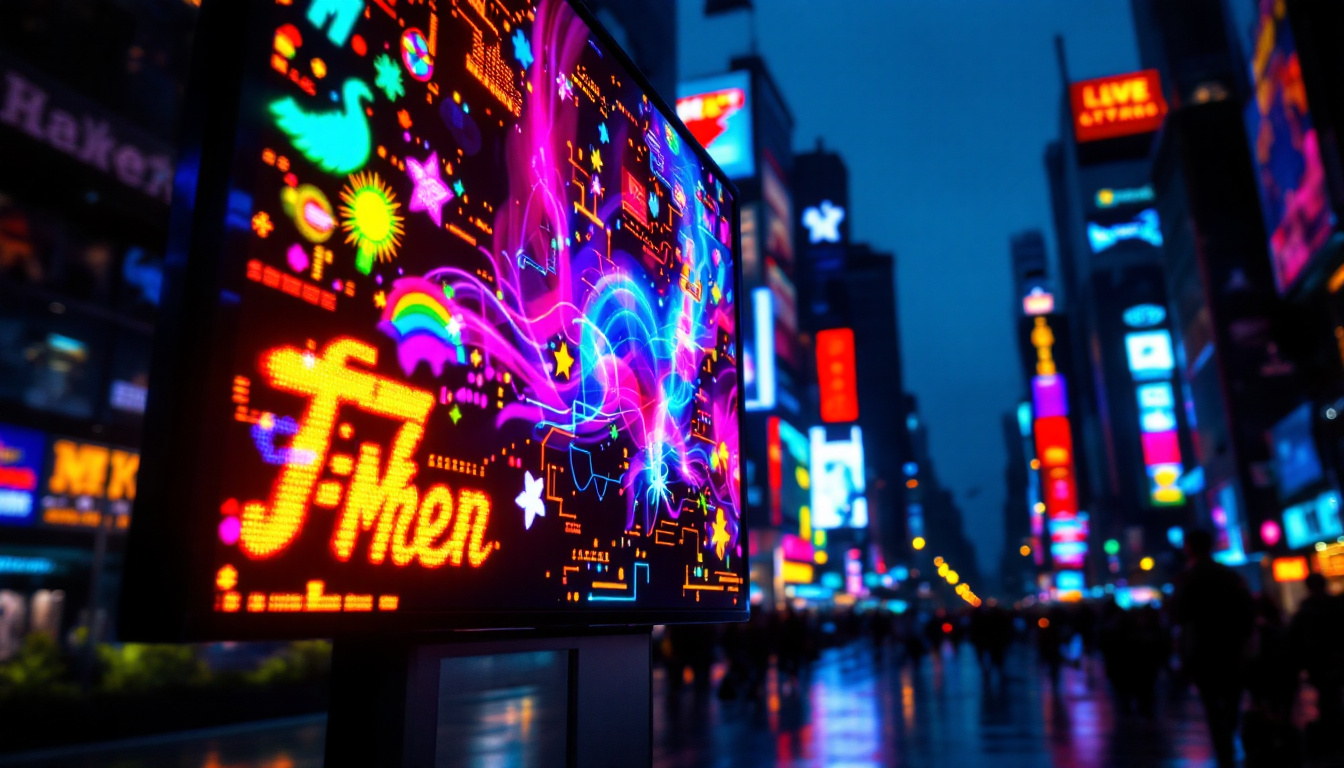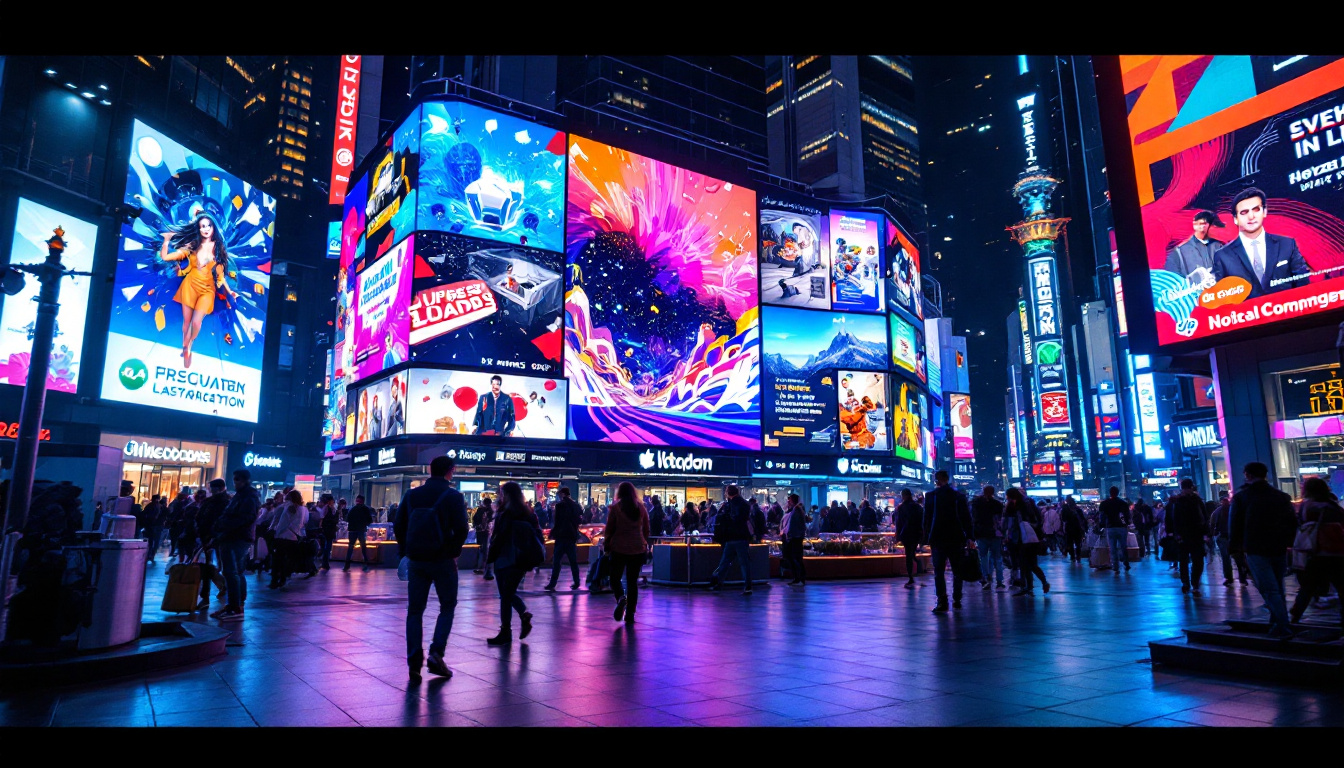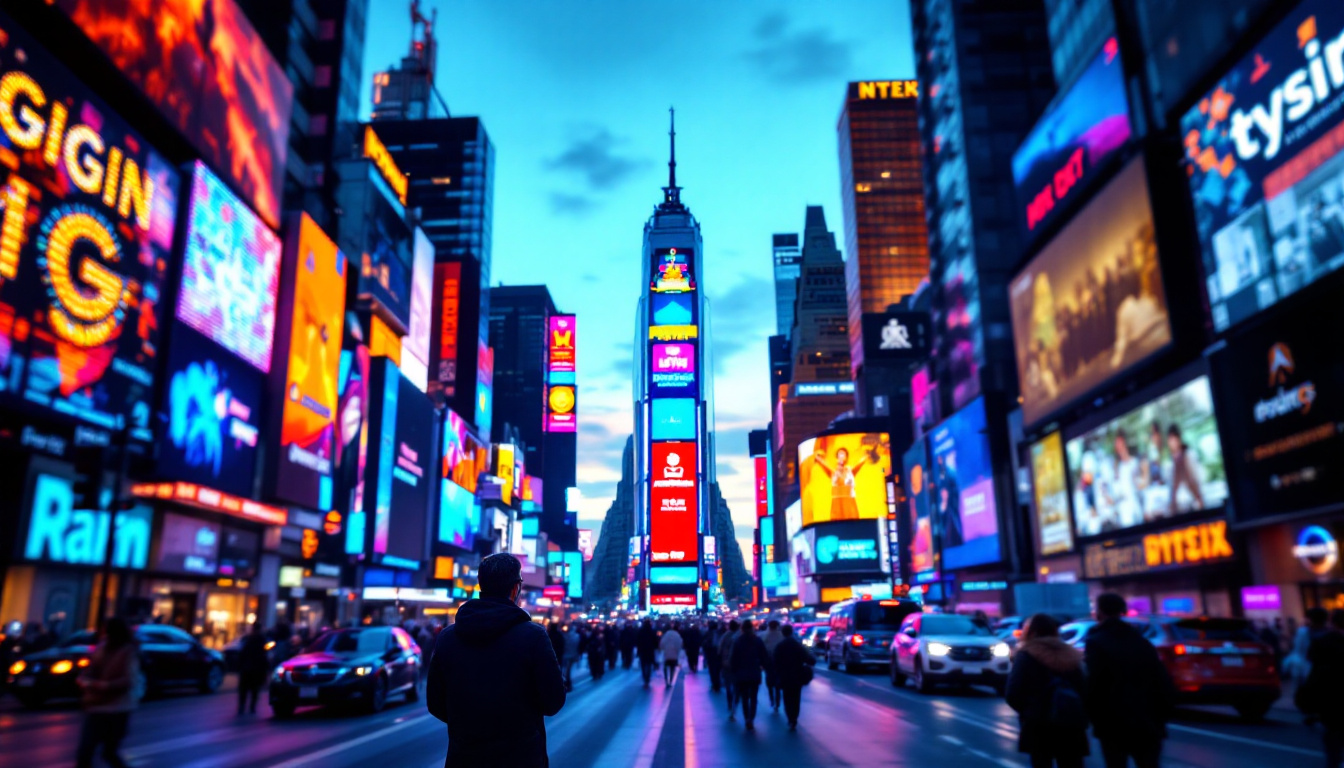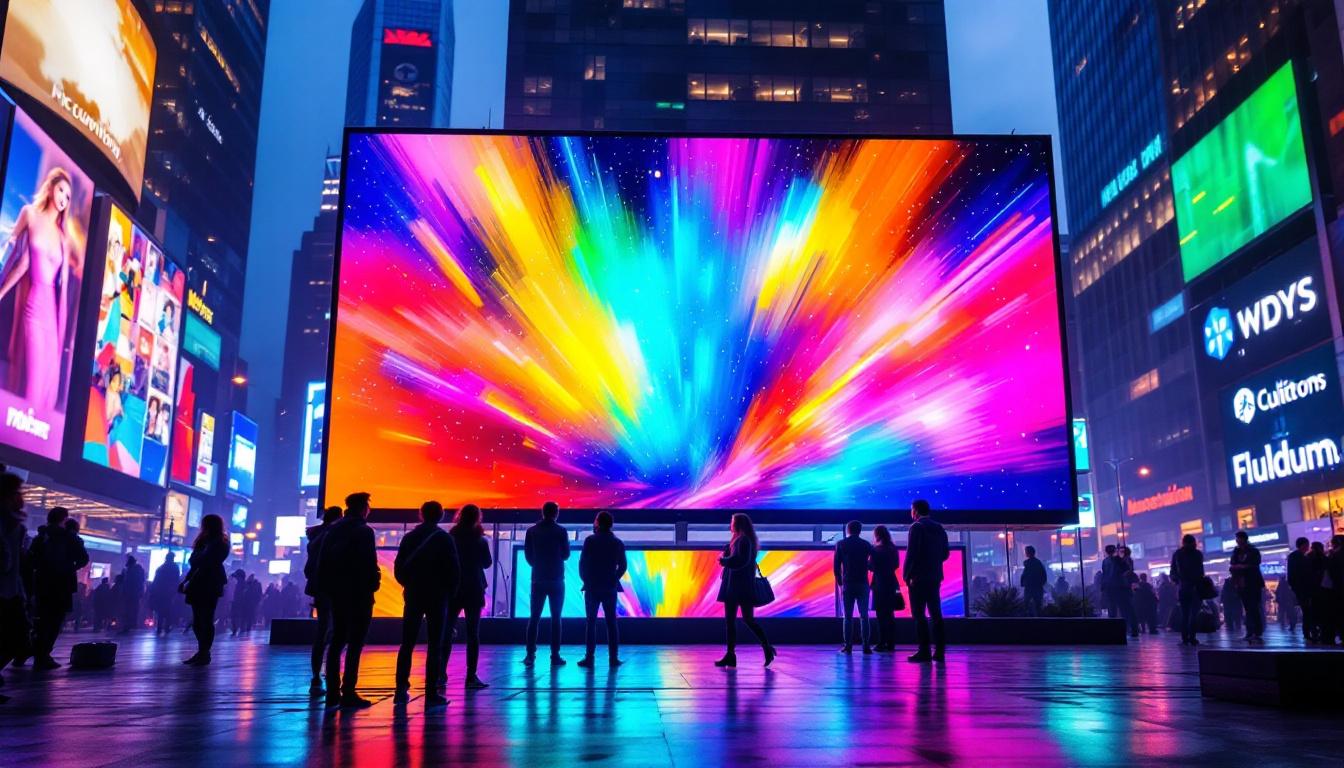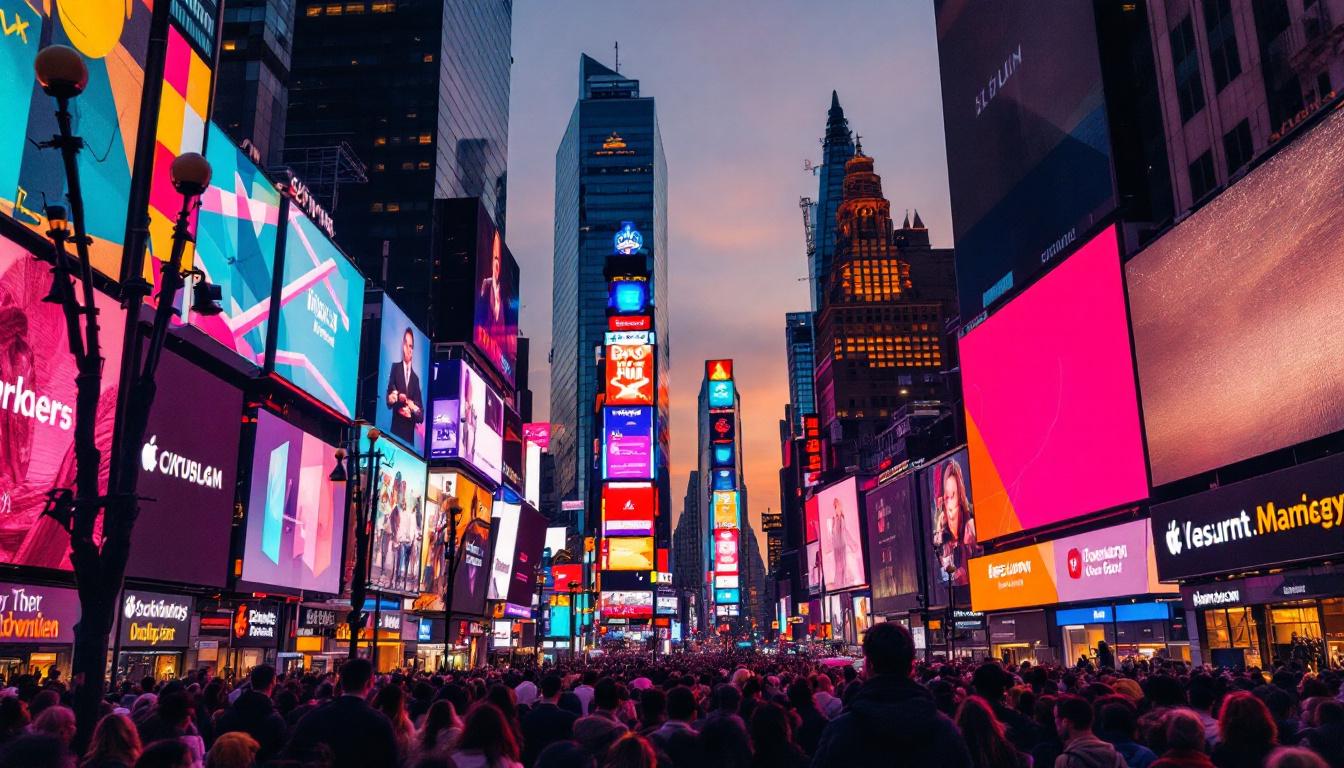
Times Square in New York City is renowned worldwide for its dazzling lights, vibrant atmosphere, and, most notably, its colossal LED displays. These screens are not just advertising platforms but have become cultural icons, shaping the identity of the area and captivating millions of visitors annually. This article delves into the technology behind these LED displays, how they function, and why they have become an indispensable part of Times Square’s allure.
The Evolution of Times Square’s Visual Landscape
Times Square’s transformation from a traditional theater district to a global advertising hub is closely linked to advancements in display technology. Initially, the area featured static billboards and neon signs, which, while eye-catching for their time, lacked the dynamic qualities modern advertisers seek. The vibrancy of Times Square has always been a reflection of the cultural zeitgeist, and as the city evolved, so too did its visual representations. In the early days, the advertisements were often simple and straightforward, focusing on promoting local businesses and events, but as the area gained prominence, the need for more impactful and memorable advertising became apparent.
The introduction of LED (Light Emitting Diode) technology revolutionized this landscape. Unlike neon or incandescent bulbs, LEDs offer brighter illumination, greater energy efficiency, and the ability to display full-motion video and vibrant colors. This shift enabled advertisers to create engaging, interactive content that could be updated instantly, turning Times Square into a living, breathing canvas. The flexibility of LED technology also allowed for creative storytelling through advertisements, where brands could weave narratives that captivated audiences, making each visit to Times Square a unique experience. The dazzling displays became a part of the fabric of the city, drawing millions of tourists and locals alike, eager to witness the latest in visual advertising innovation.
From Neon to LED: A Technological Leap
Neon signs dominated the mid-20th century, providing colorful but static visuals. However, neon is fragile, consumes more power, and has limited design flexibility. The arrival of LED technology in the late 20th century addressed these issues, offering a more durable, energy-efficient, and versatile alternative. As the technology advanced, the size and scale of LED displays grew, allowing for massive screens that could be seen from blocks away. This not only enhanced visibility but also opened up new avenues for creative expression, as advertisers began to experiment with 3D effects and interactive elements that engaged viewers in unprecedented ways.
By the early 2000s, LED displays began replacing traditional signage in Times Square. The ability to display video content, animations, and real-time updates transformed the advertising experience, making it more immersive and captivating for passersby. The iconic New Year’s Eve ball drop, for instance, is now accompanied by stunning LED visuals that enhance the celebratory atmosphere, while major events and promotions are often highlighted through synchronized light shows. This evolution has not only changed the way brands communicate but has also influenced the social dynamics of the area, as people gather to capture and share their experiences in real-time, further amplifying the reach of the advertisements that surround them. As technology continues to advance, the visual landscape of Times Square is likely to evolve even further, promising an exciting future for both advertisers and audiences alike.
Understanding LED Display Technology
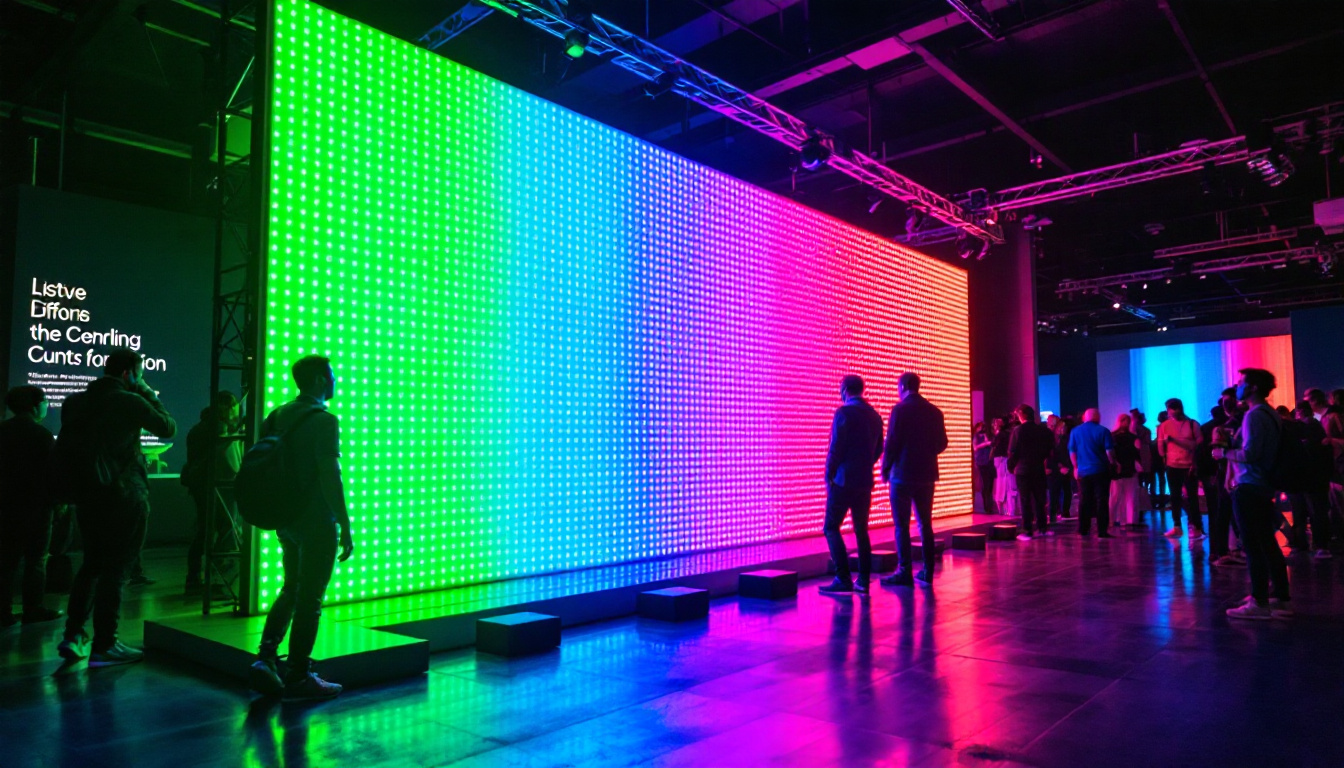
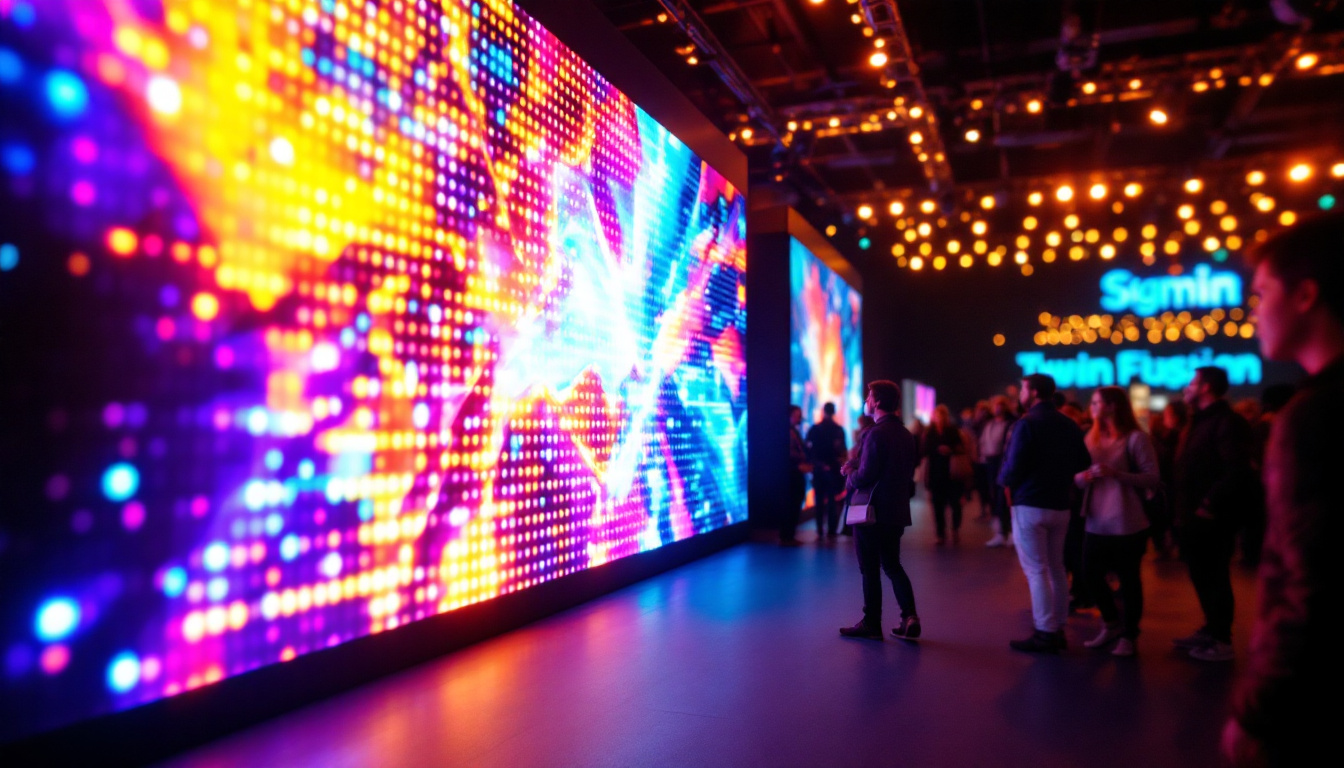
At its core, an LED display consists of thousands to millions of tiny light-emitting diodes arranged in a grid to form images and videos. These diodes emit light when an electric current passes through them, allowing the screen to produce vibrant colors and sharp visuals visible even in direct sunlight. The technology has revolutionized the way we interact with digital content, making it a staple in advertising, entertainment, and information dissemination.
How LEDs Work
Each LED is a semiconductor device that emits light of a specific color when energized. By combining red, green, and blue LEDs at varying intensities, the display can produce a full spectrum of colors. This RGB (Red-Green-Blue) color model is fundamental to creating the vivid images seen on Times Square screens. The precision in color mixing is so refined that it allows for the display of over 16 million colors, providing an immersive experience that captivates viewers.
The LEDs are mounted on panels, which are then assembled into larger screens. Each panel contains control circuits that manage the brightness and color of each diode, ensuring seamless image reproduction across the entire display. Additionally, advancements in LED technology have led to the development of smart displays that can adjust their brightness based on ambient light conditions, enhancing visibility and energy efficiency.
Pixel Pitch and Resolution
A critical factor in LED display quality is pixel pitch — the distance between the centers of two adjacent pixels. Smaller pixel pitches mean higher resolution and sharper images, which is essential for close-up viewing. Times Square’s displays vary in pixel pitch depending on their size and intended viewing distance, balancing cost and visual clarity. The evolution of pixel pitch technology has allowed for displays that are not only brighter but also thinner and lighter, making installation and maintenance more manageable.
For instance, a large billboard viewed from hundreds of feet away can have a larger pixel pitch without sacrificing image quality, while smaller screens intended for closer viewing require finer pixel pitches to maintain sharpness. This adaptability is crucial in urban environments where space is limited, and visual impact is paramount. Moreover, as LED technology continues to advance, we are witnessing the emergence of flexible and curved LED displays, which open up new possibilities for creative installations and architectural integration, further enhancing the aesthetic appeal of public spaces.
Design and Installation Challenges in Times Square
Installing and maintaining LED displays in a bustling urban environment like Times Square presents unique challenges. These screens must withstand extreme weather, continuous operation, and the demands of high-resolution content delivery.
Structural Considerations
LED screens in Times Square are often mounted on building facades or freestanding structures. Engineers must ensure that the weight and wind load of these massive displays do not compromise building integrity. Additionally, installation teams coordinate with city officials to comply with safety regulations and minimize disruption to pedestrian and vehicular traffic.
Brightness and Visibility
Times Square’s displays operate in an environment flooded with ambient light, including sunlight and other illuminated signs. To remain visible and vibrant, LED screens are designed with high brightness levels, often exceeding 5,000 nits. This ensures that images remain clear and impactful regardless of the time of day or weather conditions.
Energy Efficiency and Sustainability
Given the scale and continuous operation of these displays, energy consumption is a significant concern. Modern LED technology is highly energy-efficient compared to older lighting methods, but the sheer size of Times Square’s screens means they still consume substantial power. Many operators invest in energy-saving features such as automatic brightness adjustment and use renewable energy sources to mitigate environmental impact.
The Role of Content in LED Displays
While the technology behind LED displays is impressive, the content shown on these screens is equally crucial. Times Square’s LED displays are a platform for advertisers, artists, and event organizers to communicate messages in a visually compelling way.
Dynamic and Interactive Advertising
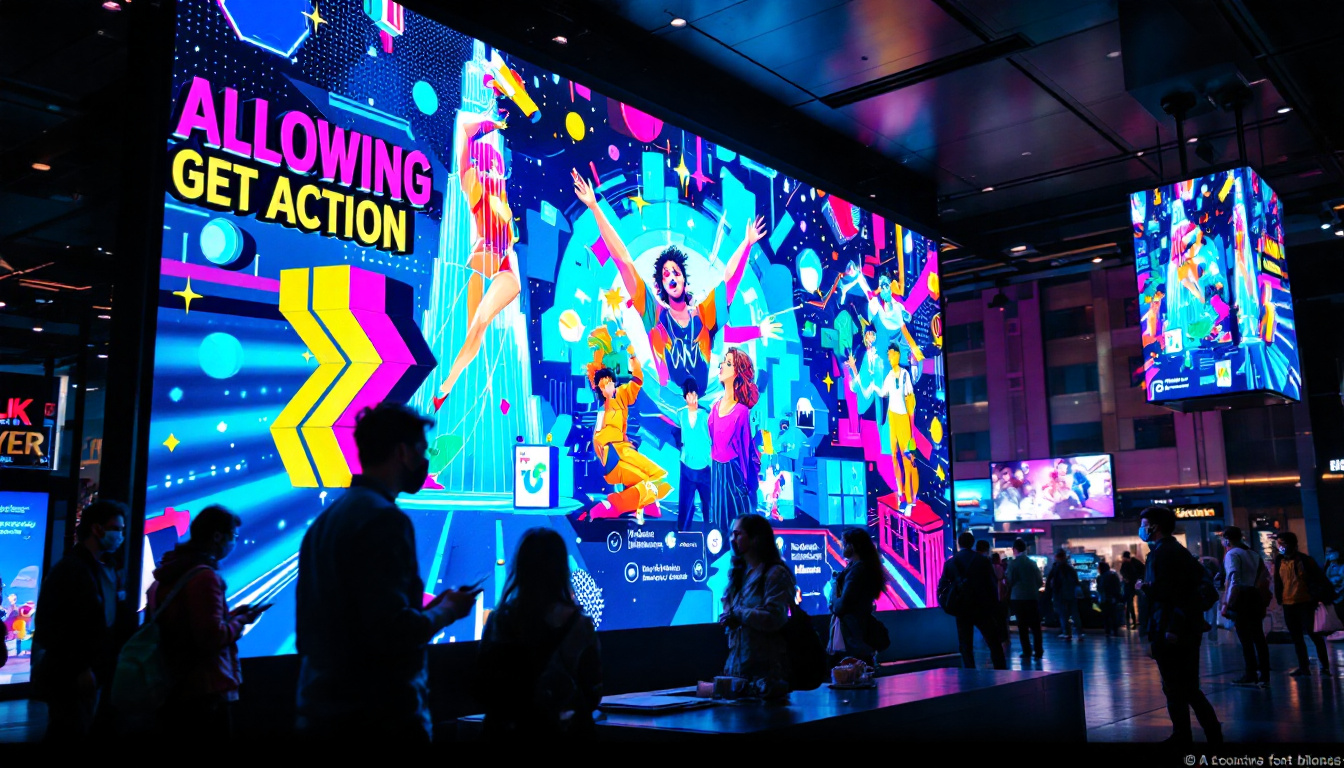
Advertisers leverage the flexibility of LED technology to create dynamic campaigns that can be updated in real-time. This capability allows brands to tailor messages to specific times of day, events, or audience demographics. For example, during major holidays or events like New Year’s Eve, content can be synchronized across multiple screens to create a unified spectacle.
Interactive elements, such as QR codes or social media integrations, further engage audiences by encouraging participation beyond passive viewing. This interactivity enhances brand recall and creates memorable experiences for visitors.
Artistic and Cultural Displays
Beyond commercial use, Times Square’s LED screens also serve as a canvas for artistic expression and cultural messaging. Public art installations, awareness campaigns, and live event broadcasts utilize these displays to reach a broad and diverse audience. This fusion of technology and creativity enriches the cultural fabric of the area, making Times Square not just a commercial hub but a vibrant public space.
Future Trends in LED Display Technology
As technology continues to evolve, so too will the capabilities and applications of LED displays in Times Square and beyond. Emerging trends promise even more immersive and sustainable experiences.
MicroLED and MiniLED Innovations
MicroLED and MiniLED technologies represent the next generation of LED displays, offering improved brightness, contrast, and energy efficiency. These advancements enable thinner, lighter screens with superior image quality, potentially transforming the visual landscape of urban centers like Times Square.
Integration with Augmented Reality (AR)
Augmented Reality is poised to enhance LED displays by overlaying digital content onto the physical environment. In Times Square, this could mean interactive experiences where visitors use smartphones or AR glasses to engage with the displays in new, personalized ways.
Smart and Adaptive Displays
Future LED screens will likely incorporate AI-driven technologies to adapt content based on real-time data such as weather, crowd density, or viewer demographics. This adaptability will maximize engagement and optimize energy use, making displays smarter and more responsive to their environment.
Conclusion
The LED displays in Times Square are more than just bright lights; they are a testament to the power of technology, design, and creativity converging in one of the world’s most iconic locations. Understanding the technology behind these screens reveals the complexity and innovation involved in creating such captivating visual experiences.
As LED technology continues to advance, Times Square will remain at the forefront of urban digital displays, setting new standards for advertising, art, and public engagement. Whether viewed from the bustling streets below or through a screen thousands of miles away, the vibrant LED displays of Times Square continue to illuminate the spirit of New York City and the possibilities of modern technology.
Illuminate Your Brand with LumenMatrix
As you marvel at the technological marvels of Times Square’s LED displays, imagine the potential for your own brand. LumenMatrix is at the forefront of LED display innovation, offering a diverse range of solutions that bring your advertising and visual storytelling to life. From Indoor and Outdoor LED Wall Displays to specialized options like Vehicle, Sports, and Floor LED Displays, our mission is to revolutionize your visual communication. With LumenMatrix, you can create immersive environments that captivate audiences and deliver your message with unforgettable impact. Check out LumenMatrix LED Display Solutions and see how we can illuminate your brand in the heart of your audience.