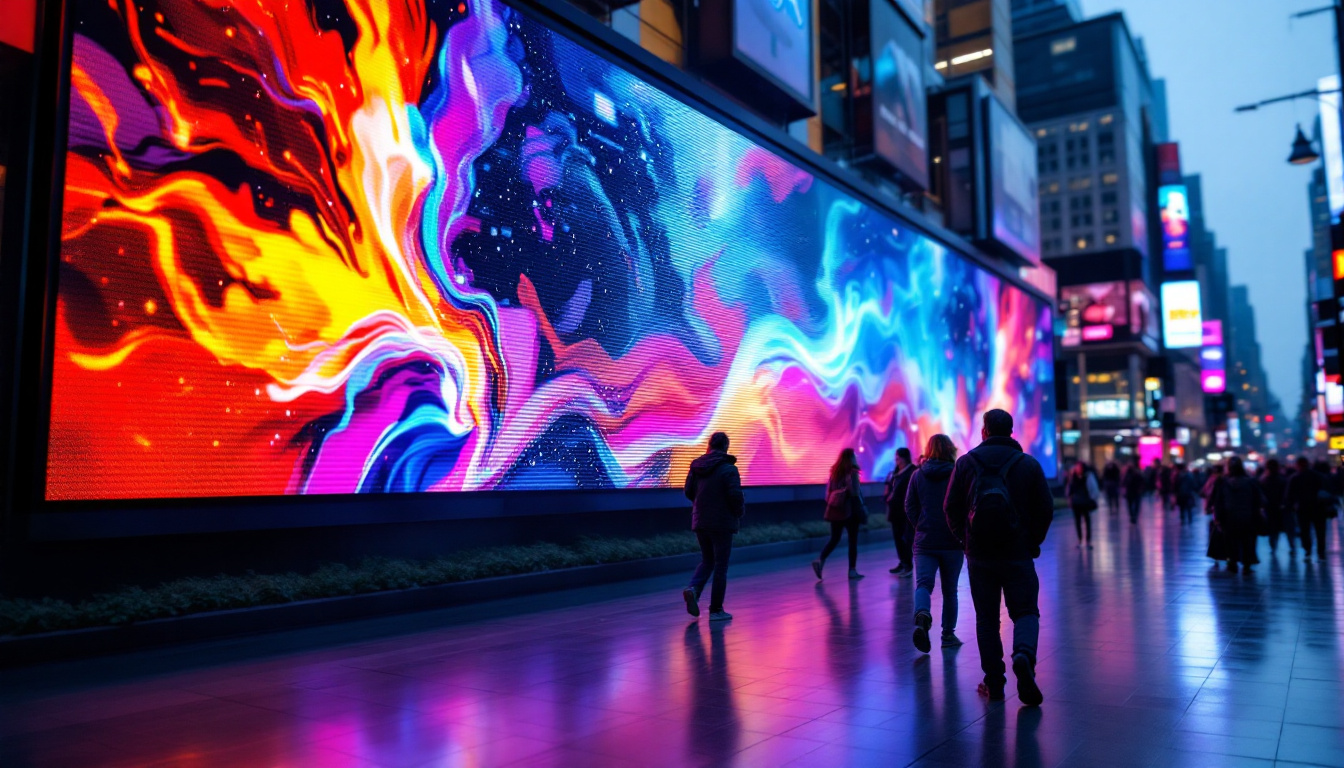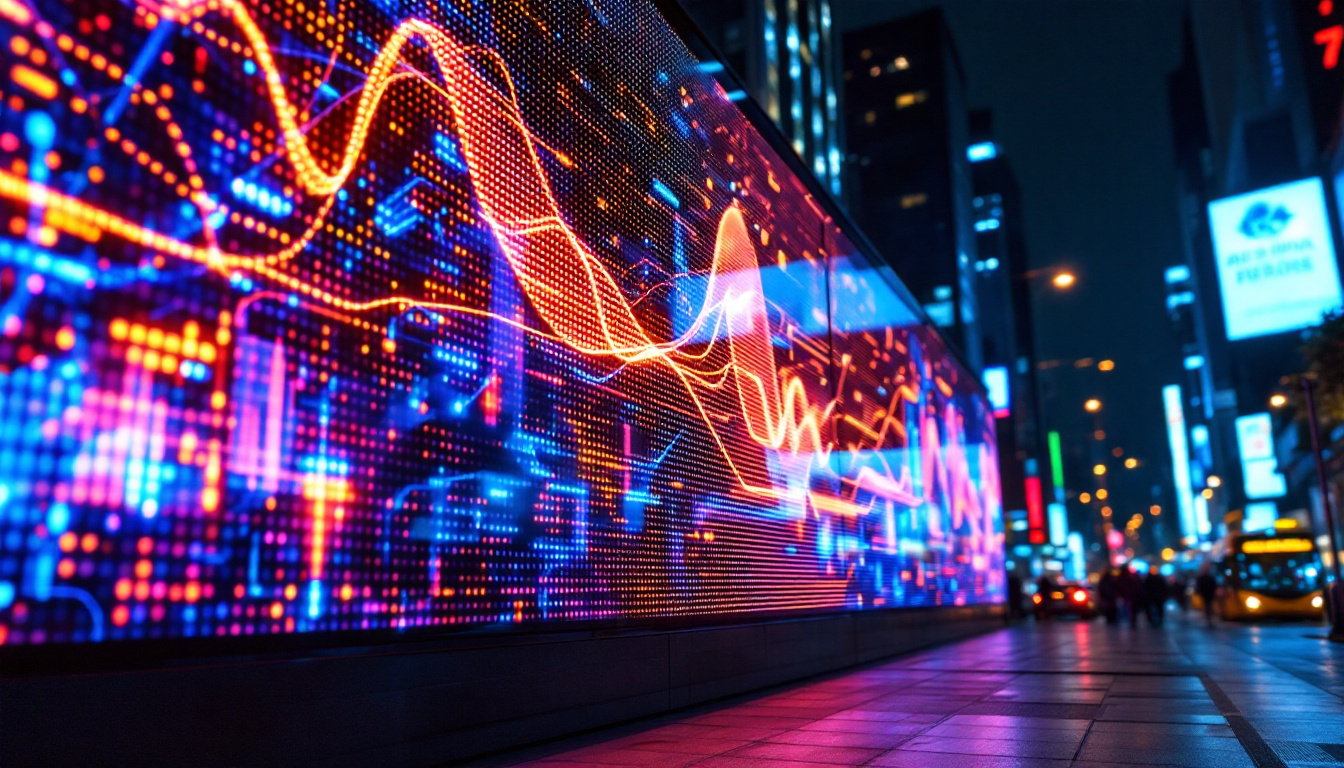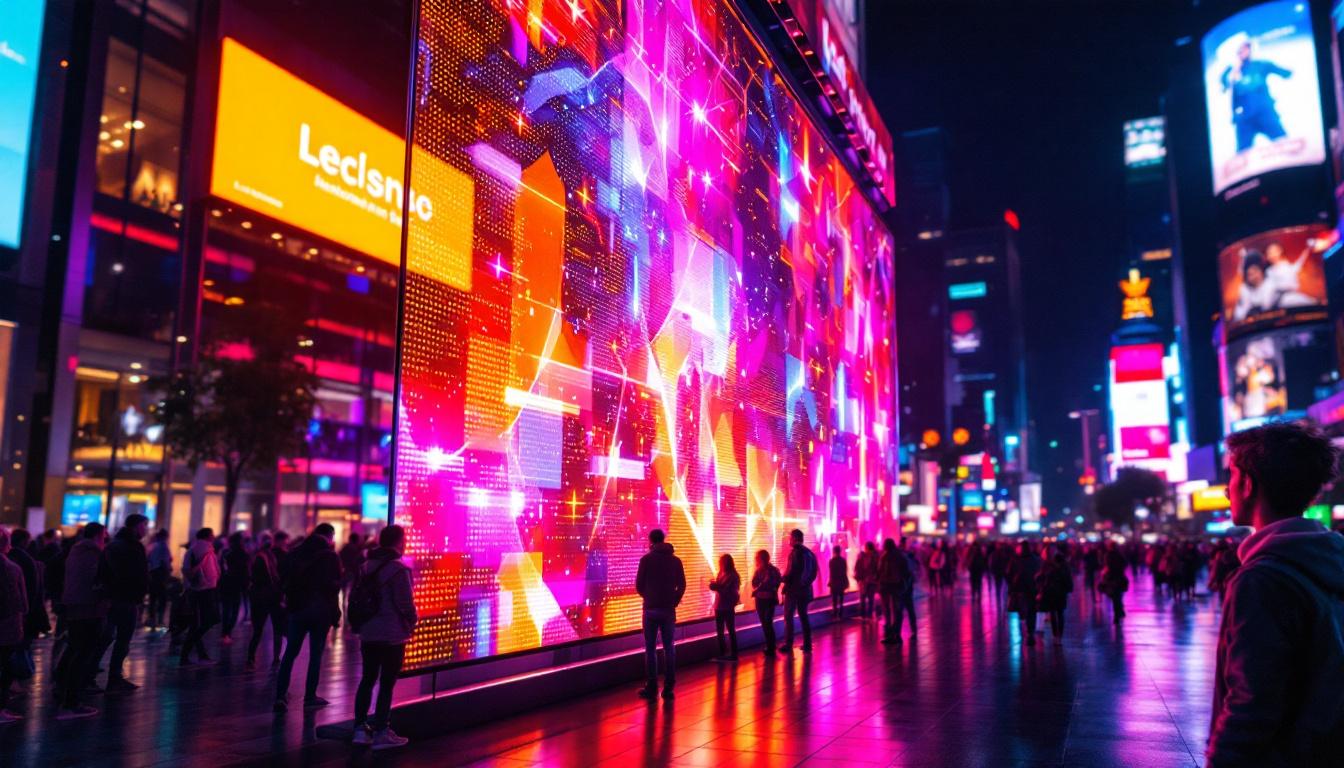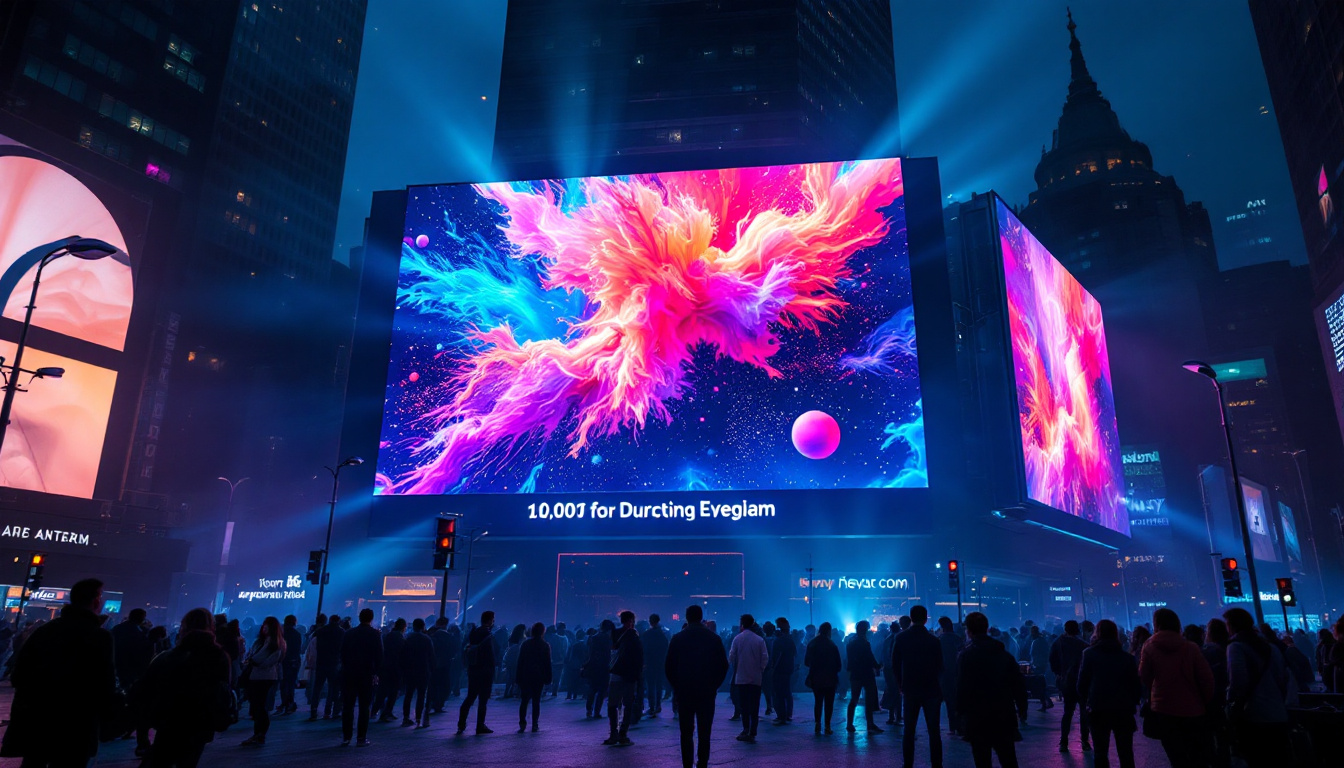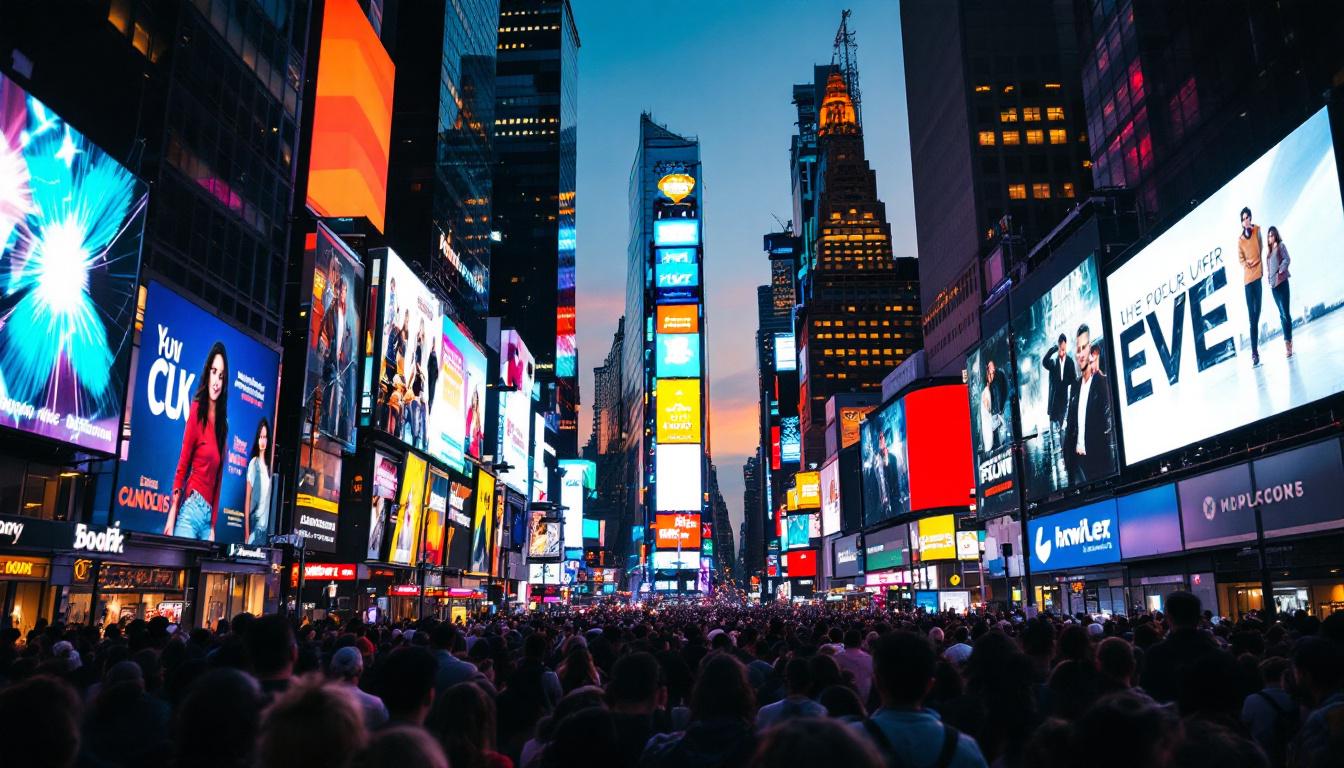
Times Square, often referred to as “The Crossroads of the World,” is renowned for its dazzling array of billboards and digital displays. These vibrant, ever-changing advertisements have become iconic symbols of New York City’s energy and innovation. At the heart of this visual spectacle lies the technology of LED displays, which has revolutionized outdoor advertising and transformed the way brands communicate with millions of people daily.
This article delves into the world of Times Square billboards, focusing on the LED display technology that powers them. From the technical aspects to the cultural impact, readers will gain a comprehensive understanding of why LED displays dominate this iconic location and how they continue to evolve.
The Evolution of Times Square Billboards
Times Square’s advertising history dates back to the early 20th century, when painted signs and incandescent bulbs first lit up the area. Over the decades, the billboards evolved from static images to neon lights, and eventually to digital displays. The transition to LED technology marked a significant milestone in this evolution.
LED, or Light Emitting Diode, displays began appearing in Times Square in the late 1990s and early 2000s. These displays offered brighter colors, higher energy efficiency, and greater flexibility than previous technologies. By the 2010s, LED billboards had become the standard, replacing older neon and fluorescent signs almost entirely.
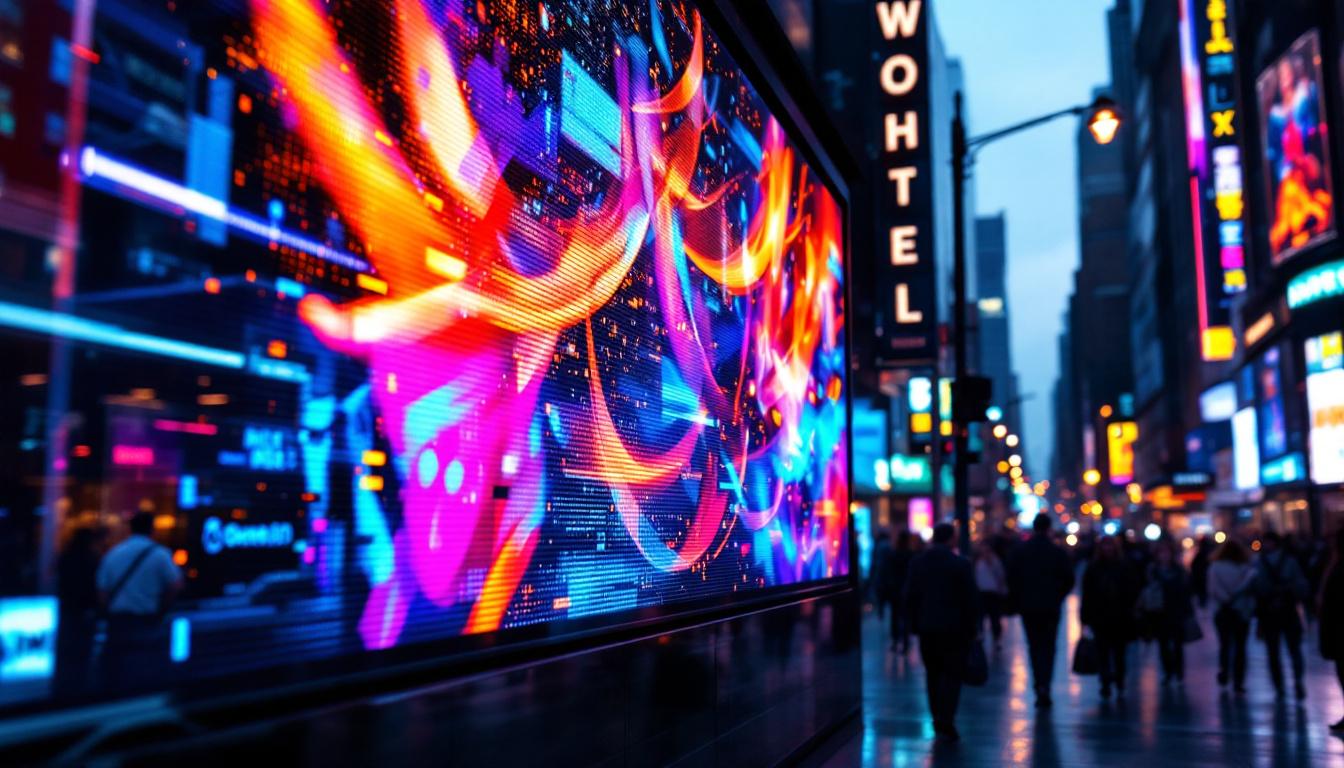
Today, Times Square features some of the largest and most advanced LED billboards in the world, showcasing everything from interactive advertisements to live social media feeds. This evolution reflects broader trends in digital signage and urban advertising, where dynamic content and real-time updates are essential for capturing audience attention.
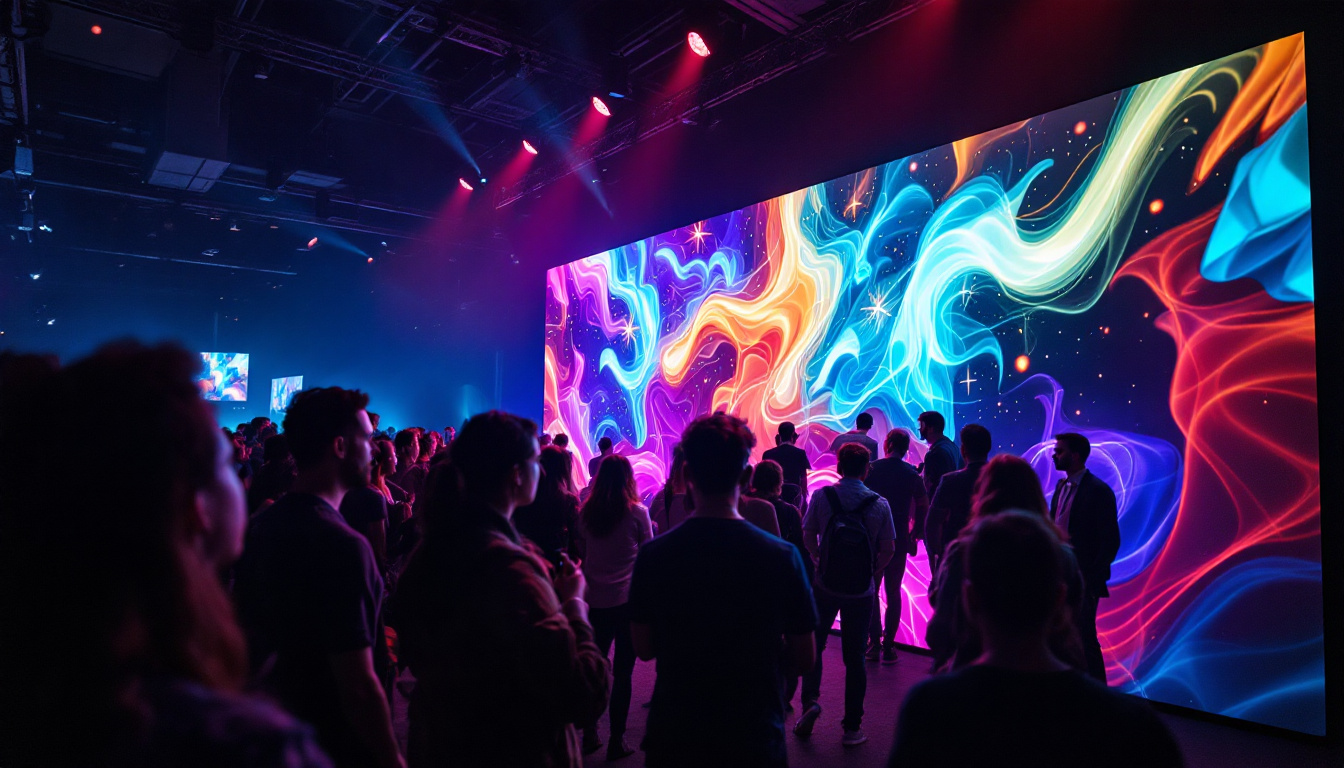
The impact of these billboards extends beyond mere advertising; they have become iconic landmarks in their own right. Tourists flock to Times Square not only to see Broadway shows and dine at famous restaurants but also to experience the dazzling light displays that have become synonymous with the New York City skyline. The billboards often feature high-profile campaigns from major brands, celebrity endorsements, and even public service announcements, creating a vibrant tapestry of visual culture that reflects the city’s diverse identity.
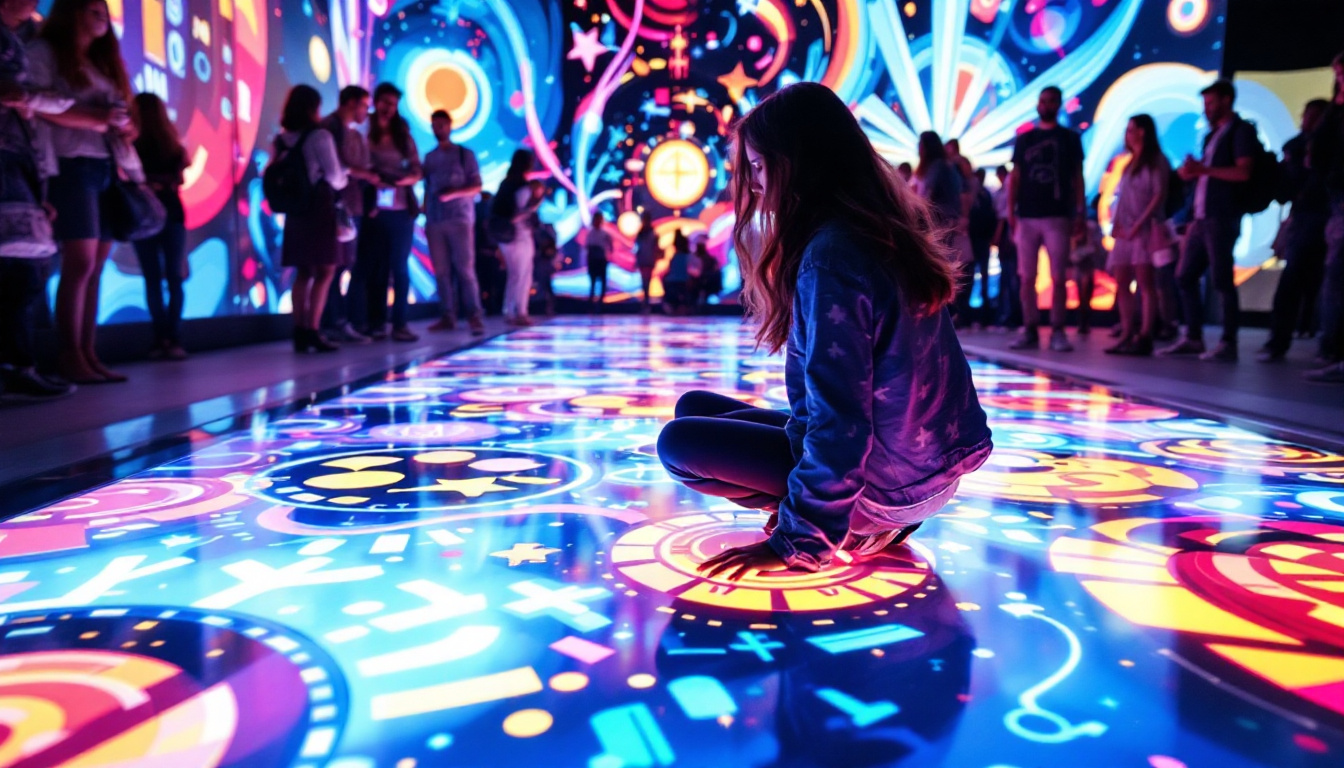
Moreover, the technology behind these billboards continues to advance, incorporating augmented reality and interactive elements that engage viewers in unprecedented ways. For instance, some displays allow passersby to take selfies that are instantly integrated into the advertising content, creating a personalized experience that encourages social media sharing. This blend of technology and creativity not only enhances the advertising experience but also transforms Times Square into a living canvas, where art, commerce, and technology intersect in a constantly evolving spectacle.
Understanding LED Display Technology
What is an LED Display?
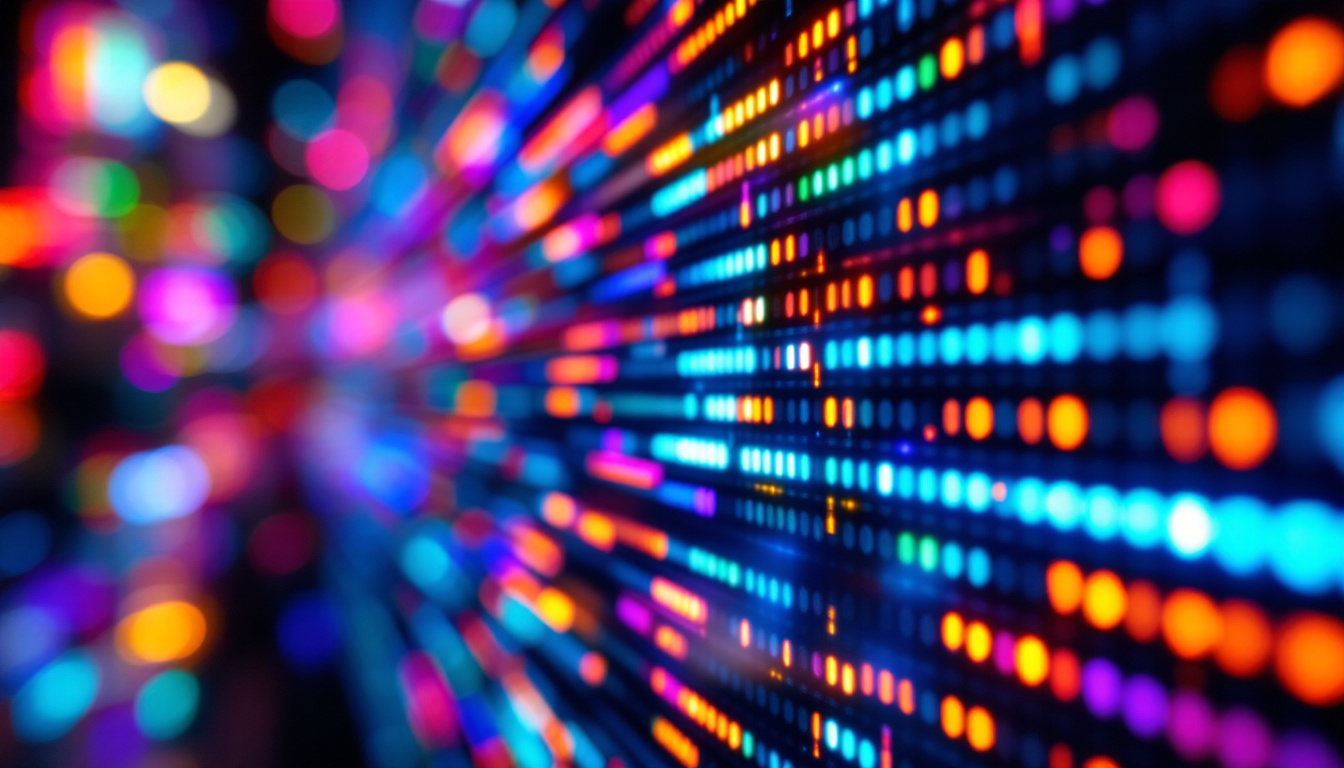
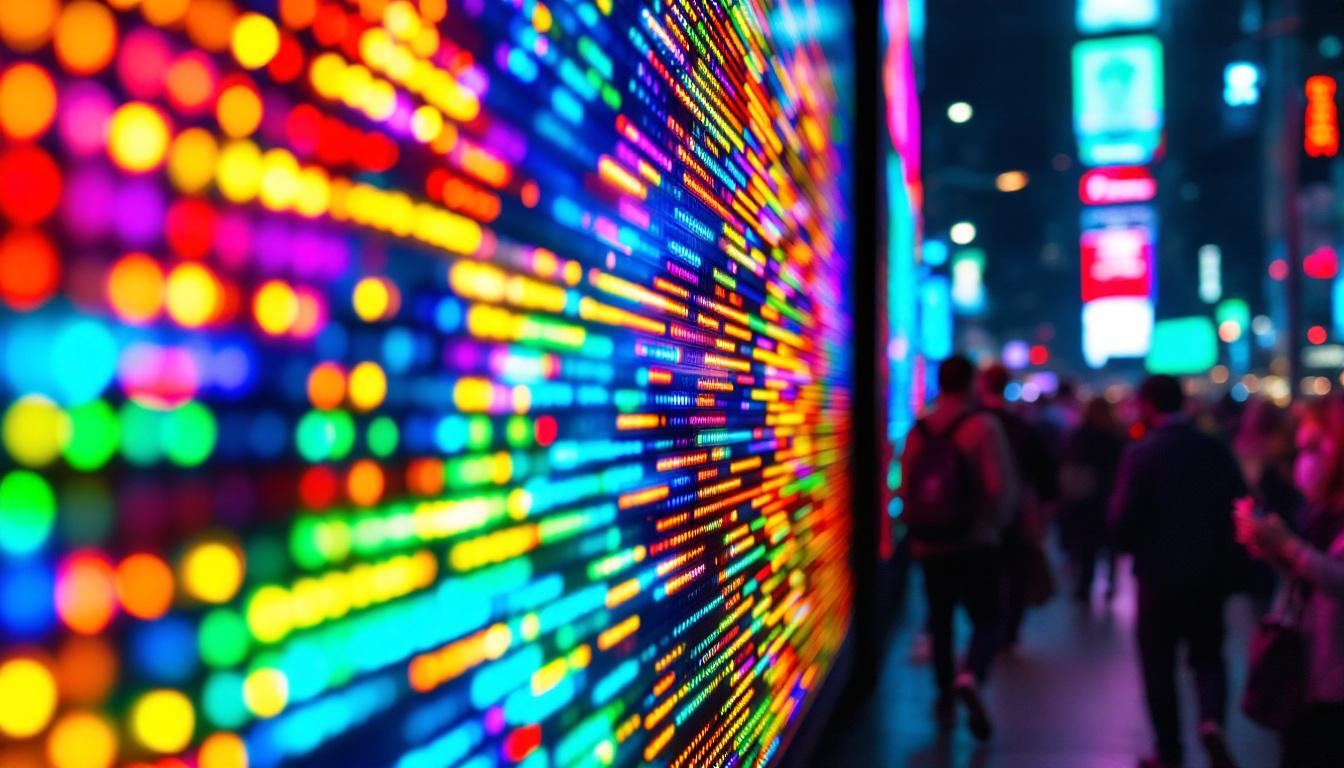
An LED display is a flat panel that uses light-emitting diodes to create images and videos. Unlike traditional lighting, LEDs emit light when an electric current passes through them, making them highly efficient and long-lasting. The displays are composed of thousands to millions of tiny LEDs arranged in a grid, each acting as a single pixel.
The combination of red, green, and blue LEDs in each pixel allows the display to produce a full spectrum of colors. By adjusting the brightness of each LED, the screen can render detailed images and smooth video content with vibrant colors and high contrast. This capability is particularly advantageous in environments where visual impact is crucial, such as advertising and entertainment venues. The energy efficiency of LED technology also contributes to lower operational costs and a reduced carbon footprint, making it a popular choice for businesses aiming to adopt sustainable practices.
Types of LED Displays in Times Square
Times Square billboards utilize several types of LED display technologies, each optimized for specific uses:
- Indoor LED Displays: These are high-resolution screens designed for close viewing, often found inside retail stores or theaters around Times Square. Their clarity and detail enhance the shopping experience, drawing in customers with vibrant advertisements and engaging content.
- Outdoor LED Displays: Built to withstand weather and sunlight, these displays have higher brightness levels (often exceeding 5,000 nits) to remain visible even in direct daylight. Their robust construction ensures longevity, allowing them to endure the elements while captivating audiences with dynamic visuals.
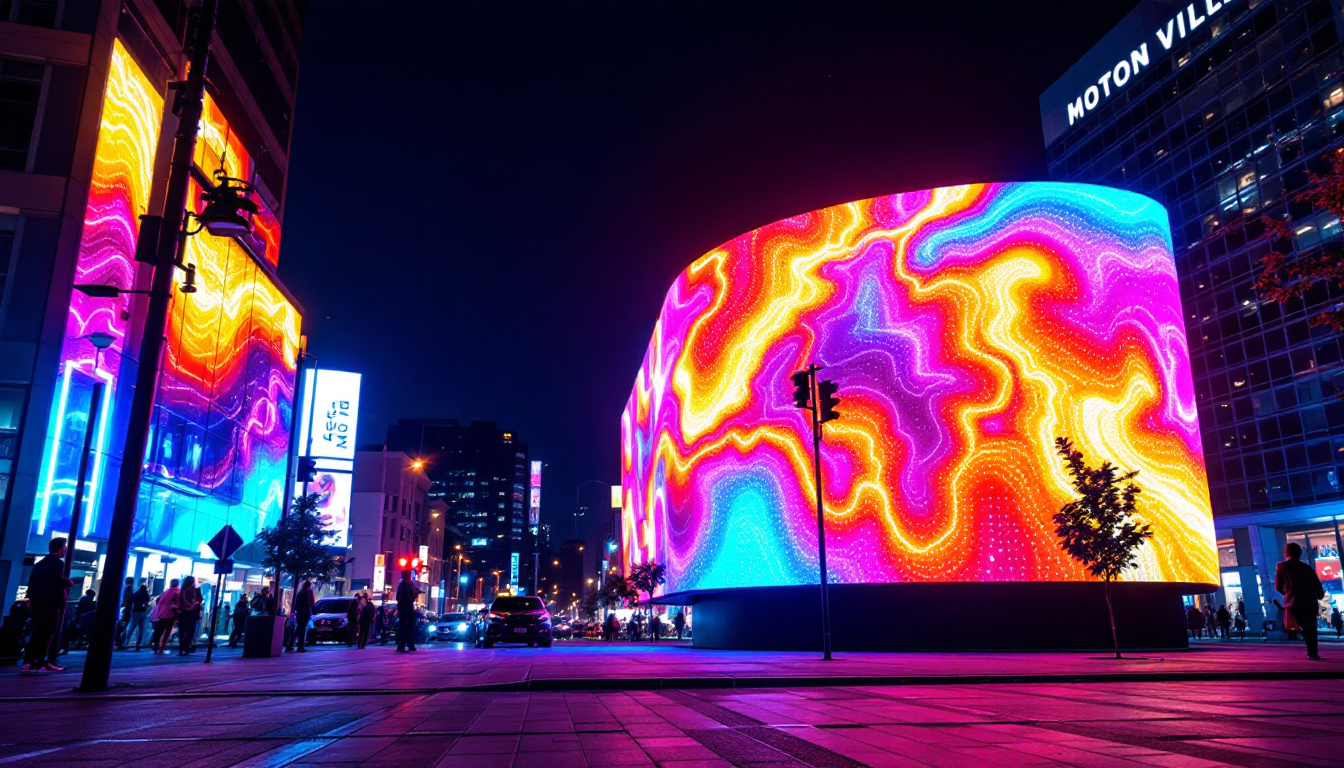
- Flexible LED Displays: Some billboards incorporate flexible LED panels that can curve around building facades, creating immersive and unique advertising spaces. This innovation allows for creative designs that can transform the urban landscape, making advertisements part of the architecture itself.
Each type is engineered to meet the demanding conditions of Times Square, where visibility, durability, and image quality are paramount. The sheer scale and diversity of these displays contribute to the vibrant atmosphere of the area, making it a global hub for advertising and entertainment. With the constant evolution of technology, we can expect even more innovative applications of LED displays in the future, further enhancing the visual experience for millions of visitors each year.
Technical Specifications That Matter
Several technical factors define the quality and effectiveness of LED billboards in Times Square:
- Pixel Pitch: This refers to the distance between the centers of adjacent LEDs. A smaller pixel pitch means higher resolution and sharper images. Times Square billboards typically have a pixel pitch ranging from 4mm to 20mm, depending on viewing distance. This precision allows advertisers to convey intricate details, ensuring that even the smallest text is legible from afar.
- Brightness: Measured in nits, brightness is crucial for outdoor visibility. Times Square’s LED displays often exceed 5,000 nits to combat sunlight glare. This high level of brightness not only enhances visibility but also ensures that colors remain true and vibrant, even during the brightest parts of the day.
- Refresh Rate: This determines how often the image updates per second. Higher refresh rates reduce flicker and improve video smoothness, especially important for cameras and live broadcasts. A refresh rate of 60Hz or higher is common in high-quality displays, allowing for seamless transitions and dynamic content that captivates viewers.
- Viewing Angle: Wide viewing angles ensure that images remain clear and vibrant from multiple vantage points, essential in a bustling environment like Times Square. This feature allows large crowds to enjoy the same visual experience, regardless of their position, making the displays effective for mass communication.
Additionally, advancements in LED technology have led to improvements in color accuracy and energy efficiency. Modern displays often utilize sophisticated calibration techniques to ensure that colors are reproduced as intended, providing a consistent viewing experience. Moreover, the integration of smart technology allows for real-time content updates and remote management, enabling advertisers to tailor their messages to specific audiences or events, thus maximizing engagement and impact.
The Impact of LED Billboards on Advertising and Urban Experience
Advertising Innovation and Brand Engagement
LED billboards in Times Square have transformed advertising from static displays into dynamic storytelling platforms. Brands can now deploy video content, animations, and interactive elements that capture attention more effectively than traditional signage. This interactivity allows for real-time updates, targeted messaging, and even social media integration.
For example, Coca-Cola’s iconic LED billboard in Times Square features animated displays that change with seasons and events, creating a sense of connection with viewers. Similarly, Samsung’s curved LED screen showcases immersive product demos, leveraging the technology’s flexibility to enhance brand engagement.
According to a 2023 study by the Outdoor Advertising Association of America, digital billboards, including LED displays, increase ad recall by up to 47% compared to static billboards. This statistic underscores the value of LED technology for marketers aiming to maximize impact in high-traffic urban areas.
Enhancing the Urban Landscape
Beyond advertising, LED billboards contribute to the vibrant atmosphere of Times Square, making it a unique urban landmark. The displays provide ambient lighting, entertainment, and information, contributing to the area’s identity as a hub of culture and commerce.
However, this illumination also raises questions about light pollution and energy consumption. In response, many LED billboards in Times Square now incorporate smart controls that adjust brightness based on ambient light and time of day, reducing unnecessary energy use and minimizing glare.
Challenges and Future Trends in Times Square LED Displays
Addressing Technical and Environmental Challenges
While LED technology offers many advantages, it also presents challenges. The intense brightness and constant operation of Times Square billboards require robust maintenance and energy management strategies. Technical issues such as pixel failures or color inconsistencies can impact the visual quality and require prompt attention.
Environmental concerns also play a role. Although LEDs are more energy-efficient than older lighting technologies, the sheer scale of Times Square’s displays means that energy consumption remains significant. Efforts to integrate renewable energy sources and improve LED efficiency are ongoing priorities for operators and city planners.
Emerging Technologies and Innovations
The future of Times Square LED billboards is poised for exciting developments. Advances in micro-LED and mini-LED technology promise even higher resolution and brightness with lower power consumption. These innovations could enable more immersive and visually stunning displays.
Additionally, the integration of artificial intelligence (AI) and data analytics is beginning to influence content delivery. AI-driven billboards can tailor advertisements based on real-time audience demographics, weather conditions, or events, creating highly personalized experiences.
Augmented reality (AR) and 3D LED displays are also on the horizon, offering the potential to transform the way people interact with outdoor advertising. Imagine walking through Times Square and seeing billboards that appear to extend into the physical space, blending digital content with the real world.
Conclusion: The Enduring Appeal of Times Square LED Billboards
Times Square’s LED billboards are much more than just advertising tools—they are integral to the city’s cultural fabric and visual identity. The technology behind these displays combines cutting-edge engineering with creative expression, enabling brands to connect with audiences in compelling ways.
As LED technology continues to advance, Times Square will remain a beacon of innovation, showcasing the possibilities of digital signage on a grand scale. For advertisers, urban planners, and visitors alike, the LED displays of Times Square represent a dynamic intersection of technology, art, and commerce.
Understanding the technology and impact of these billboards offers valuable insights into the future of urban advertising and the evolving landscape of public spaces.
Illuminate Your Brand with LumenMatrix
As you’ve seen, the vibrant LED billboards of Times Square are not just a feast for the eyes but a testament to the power of digital innovation in advertising. If you’re inspired to elevate your brand’s presence and captivate your audience with the same level of impact, LumenMatrix is your partner in this journey. With our comprehensive range of LED display solutions—from Indoor and Outdoor LED Walls to specialized displays for vehicles, sports, and more—LumenMatrix is at the forefront of transforming visual communication. Experience the future of advertising with our cutting-edge technology designed to make your message shine. Check out LumenMatrix LED Display Solutions and join the revolution in digital signage excellence.