Tiny LCD Display: LED Display Explained
In today’s fast-paced digital world, display technology plays a pivotal role in how information is conveyed and consumed. From smartphones and wearables to industrial equipment and home appliances, tiny LCD and LED displays have become ubiquitous components. Understanding the nuances behind these miniature screens—how they work, their advantages, limitations, and applications—is essential for engineers, designers, and tech enthusiasts alike.
Understanding Tiny LCD Displays
Liquid Crystal Displays (LCDs) have been a cornerstone of display technology for decades. Their ability to present clear, sharp images in a compact form factor makes them ideal for devices where space is at a premium. From digital watches to smartphones, tiny LCDs have revolutionized the way we interact with technology, providing a user-friendly interface that is both functional and visually appealing.
At their core, tiny LCDs rely on liquid crystals sandwiched between two polarizing filters and glass substrates. When an electric current passes through the crystals, they align to either block or allow light to pass, thus creating images. Unlike LED displays, LCDs do not emit light themselves; they require a backlight to illuminate the pixels. This characteristic allows for a thinner profile, which is particularly advantageous in portable devices where every millimeter counts.
How Tiny LCDs Work
The operation of tiny LCDs is based on manipulating light polarization. Each pixel contains liquid crystals that twist and untwist in response to electrical signals. When the crystals are aligned in one way, they block light, rendering the pixel dark; when aligned differently, they allow light to pass, making the pixel appear bright. This intricate dance of light and liquid crystals is what enables the vibrant displays we see today.
Modern tiny LCDs often use Thin-Film Transistor (TFT) technology to control individual pixels with precision. TFT LCDs offer better color reproduction, faster refresh rates, and higher resolutions, which are crucial for applications like smartwatches, handheld medical devices, and compact instrumentation. The integration of TFT technology has also paved the way for advancements such as touch-sensitive screens, allowing for more interactive and engaging user experiences. Additionally, the development of in-plane switching (IPS) technology has enhanced color accuracy and consistency, making tiny LCDs even more appealing for high-end applications.
Advantages of Tiny LCD Displays
Tiny LCDs offer several benefits that make them attractive for various applications:
- Low Power Consumption: Especially with reflective or transflective LCDs, power usage can be minimal, extending battery life in portable devices. This efficiency is particularly beneficial for wearables, where prolonged use without frequent recharging is a key requirement.
- High Resolution: LCDs can display detailed images and text, essential for devices requiring clear readability. The ability to render fine details makes them suitable for applications ranging from medical imaging devices to high-end gaming handhelds.
- Wide Viewing Angles: Advances in technology have improved viewing angles, making information visible from multiple perspectives. This feature is particularly important in collaborative environments where multiple users may need to view the screen simultaneously.
- Cost-Effectiveness: Mass production and mature manufacturing processes have made tiny LCDs affordable. This cost efficiency has opened the door for innovation in various sectors, including education, healthcare, and consumer electronics, enabling the proliferation of devices that were once considered luxury items.
Moreover, tiny LCDs are also highly customizable, allowing manufacturers to tailor the display characteristics to meet specific needs. This adaptability has led to their widespread use in niche markets, such as automotive displays, where they provide critical information to drivers in a compact format. As technology continues to evolve, the possibilities for tiny LCDs are expanding, promising even more innovative applications in the future.
Exploring LED Displays: What Sets Them Apart?
Light Emitting Diode (LED) displays differ fundamentally from LCDs in how they produce images. LEDs are semiconductor devices that emit light when an electric current passes through them. This intrinsic property eliminates the need for backlighting, a key difference from LCD technology.
Types of LED Displays
LED displays come in various forms, each suited to different applications:
- Segment LED Displays: Commonly used in digital clocks and calculators, these displays use individual LED segments to form numbers and letters.
- Matrix LED Displays: Composed of an array of LEDs arranged in rows and columns, these can display complex characters and simple graphics.
- OLED (Organic LED) Displays: A newer technology where organic compounds emit light, offering high contrast ratios and vibrant colors in tiny form factors.
How Tiny LED Displays Operate
Tiny LED displays function by controlling each LED’s brightness and color. In monochrome displays, LEDs emit a single color, typically red or green, while full-color displays combine red, green, and blue LEDs to create a broad color spectrum.
Because LEDs emit their own light, these displays tend to have higher brightness levels and better visibility in direct sunlight compared to LCDs. This makes them suitable for outdoor devices and indicator panels.
Benefits of Tiny LED Displays
LED displays offer unique advantages that complement or exceed those of LCDs in certain contexts:
- High Brightness and Contrast: LEDs can achieve intense brightness levels and true blacks, enhancing readability.
- Fast Response Time: LEDs switch on and off rapidly, making them ideal for dynamic content and animations.
- Durability: LEDs are robust and can withstand harsh environmental conditions better than some LCDs.
- Flexible Form Factors: Especially with OLEDs, displays can be made flexible, thin, and lightweight.
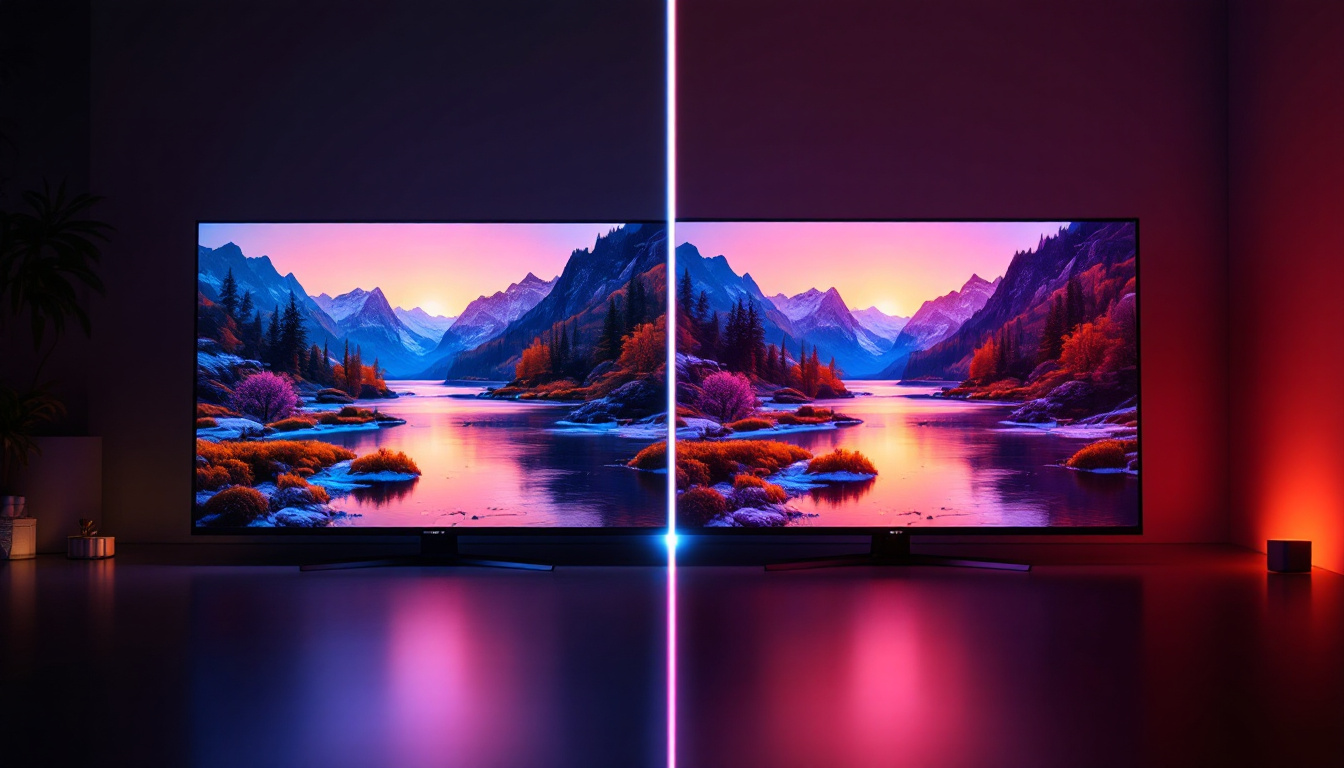
Comparing Tiny LCD and LED Displays: Which One to Choose?
Choosing between tiny LCD and LED displays depends largely on the specific requirements of the application, including factors like power consumption, image quality, environmental conditions, and cost constraints.
Power Efficiency and Usage Scenarios
For battery-powered devices where longevity is critical, such as fitness trackers or handheld medical instruments, tiny LCDs—especially those with reflective or transflective technology—often provide better power efficiency. Since LCDs rely on ambient light or low-power backlighting, they can consume less energy than LEDs, which require constant illumination.
Conversely, in applications demanding high brightness and visibility under direct sunlight or in outdoor environments, tiny LED displays are preferable. Their self-emissive nature ensures readability without additional lighting.
Image Quality and Color Reproduction
OLED displays, a subset of LED technology, offer superior color accuracy, contrast ratios, and viewing angles compared to traditional LCDs. This makes them ideal for devices where visual quality is paramount, such as high-end wearables or compact cameras.
However, standard LCDs with TFT technology can still deliver crisp images and are often sufficient for text-heavy or simple graphical interfaces.
Cost and Manufacturing Considerations
LCDs benefit from mature manufacturing processes, which typically results in lower costs for mass production. For budget-sensitive projects or large-scale deployments, tiny LCDs may be the more economical choice.
LED displays, particularly OLEDs, tend to be more expensive due to complex fabrication techniques and material costs. However, prices have been steadily decreasing as technology advances and production scales up.
Applications of Tiny LCD and LED Displays in Modern Technology
The versatility of tiny LCD and LED displays has led to their integration across a broad spectrum of industries and devices.
Wearable Technology
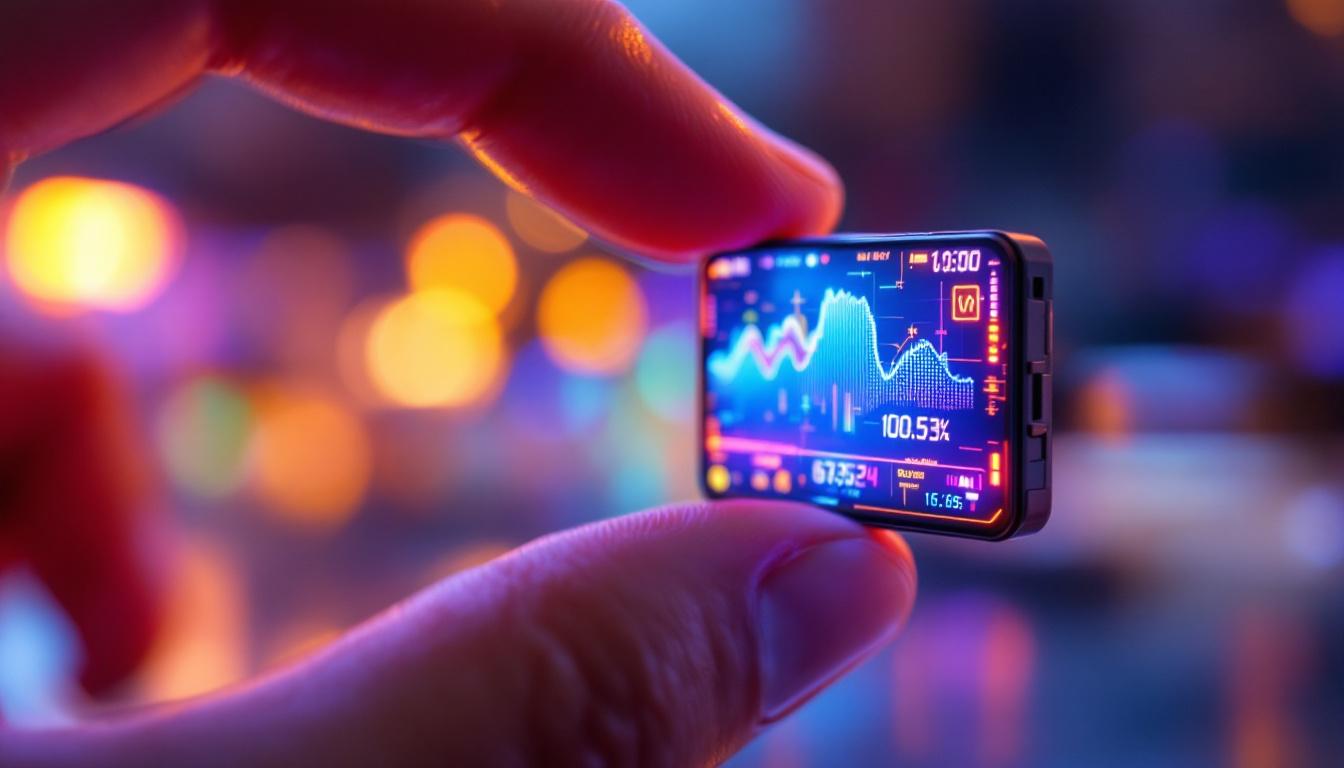
Smartwatches, fitness bands, and health monitors rely heavily on tiny displays to provide users with real-time data. Many wearables use OLED displays for their vibrant colors and energy efficiency, enabling bright, clear screens without draining battery life.
Meanwhile, simpler devices may employ monochrome LCDs to extend battery life while still delivering essential information.
Industrial and Medical Equipment
In environments where reliability and readability are critical, tiny LCDs are favored for their stability and low power consumption. Medical devices like glucose meters and portable diagnostic tools often use LCDs to display precise data clearly.
LED displays are also used in industrial control panels where visibility under various lighting conditions is necessary, and durability is a priority.
Consumer Electronics
From digital cameras and handheld gaming devices to remote controls and calculators, tiny LCDs remain the display of choice due to their balance of cost, quality, and power efficiency.
Meanwhile, LED indicators and small matrix displays are common in appliances and automotive dashboards, providing clear status updates and alerts.
The Future of Tiny Displays: Trends and Innovations
The landscape of tiny display technology continues to evolve rapidly, driven by consumer demand for better performance, lower power consumption, and novel form factors.
MicroLED: The Next Frontier
MicroLED technology, which involves microscopic LEDs forming each pixel, promises the best of both worlds: the brightness and contrast of LED displays combined with the efficiency and resolution of LCDs. Although still in the early stages of commercialization, MicroLEDs are expected to revolutionize tiny display applications within the next decade.
Flexible and Transparent Displays
Advancements in materials science are enabling the production of flexible and transparent tiny displays. These innovations open new possibilities for wearable devices, smart glasses, and even foldable smartphones, where traditional rigid displays are impractical.
Energy Harvesting and Ultra-Low Power Displays
Research into integrating energy harvesting technologies with tiny displays aims to create self-sustaining devices that require minimal or no external power sources. Reflective LCDs paired with ambient light harvesting are a step in this direction, ideal for remote sensors and IoT devices.
Conclusion
Tiny LCD and LED displays each bring unique strengths to the table, making them indispensable in modern electronics. Understanding their operational principles, advantages, and limitations helps in selecting the right technology for specific applications. As display technologies continue to advance, the future holds exciting possibilities for even more efficient, vibrant, and versatile tiny displays that will further enhance the way we interact with digital information.
Discover LumenMatrix’s Innovative LED Display Solutions
As you consider the future of tiny displays and their transformative role in technology, LumenMatrix stands at the forefront of this evolution. Our commitment to excellence in LED display technology ensures that whether you need an Indoor LED Wall Display, a dynamic Outdoor LED Wall Display, or specialized solutions like Vehicle LED Displays and LED Sports Displays, we have the expertise to bring your vision to life. Experience the difference with our captivating LED Poster Displays, interactive Floor LED Displays, and the sleek aesthetics of our LED Transparent Displays. Embrace the future of visual communication with LumenMatrix’s cutting-edge solutions designed to captivate, engage, and deliver your message with unparalleled clarity. Check out LumenMatrix LED Display Solutions and see how we can enhance your brand visibility and create unforgettable visual experiences.