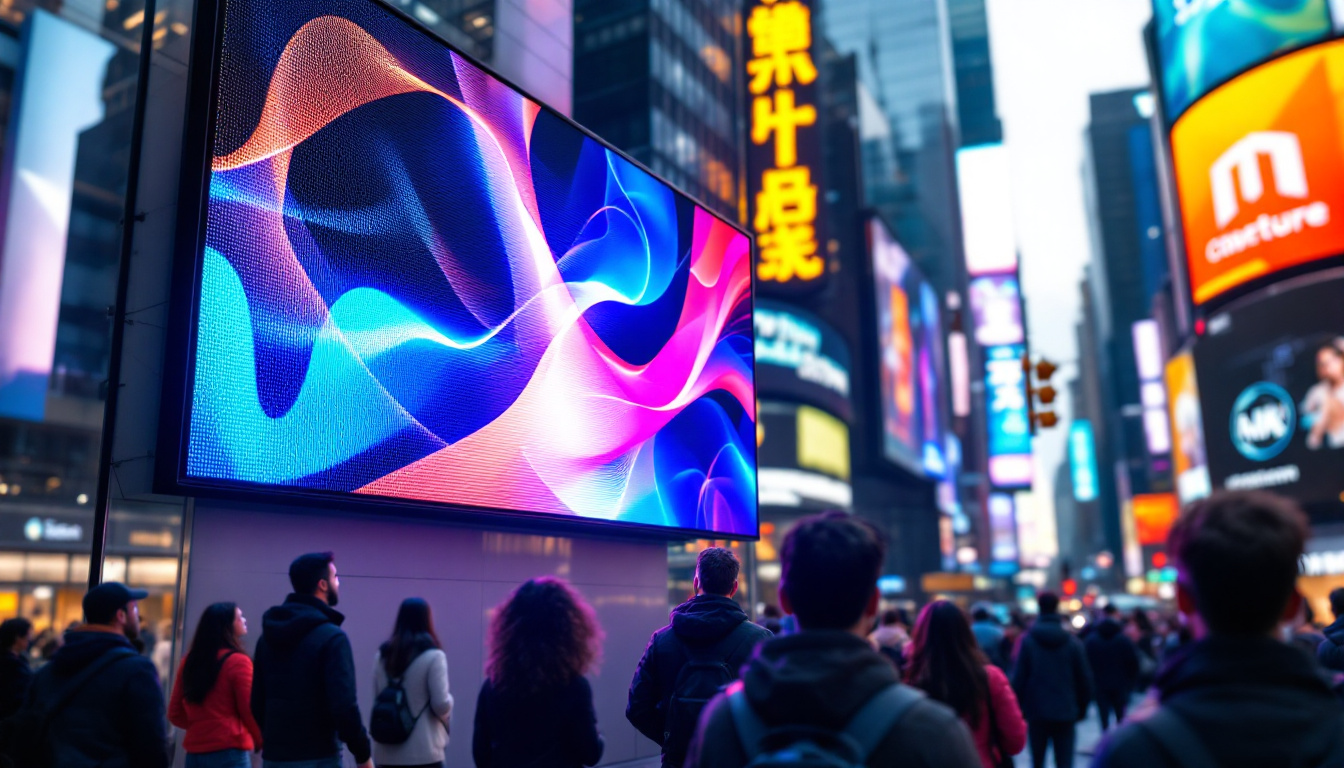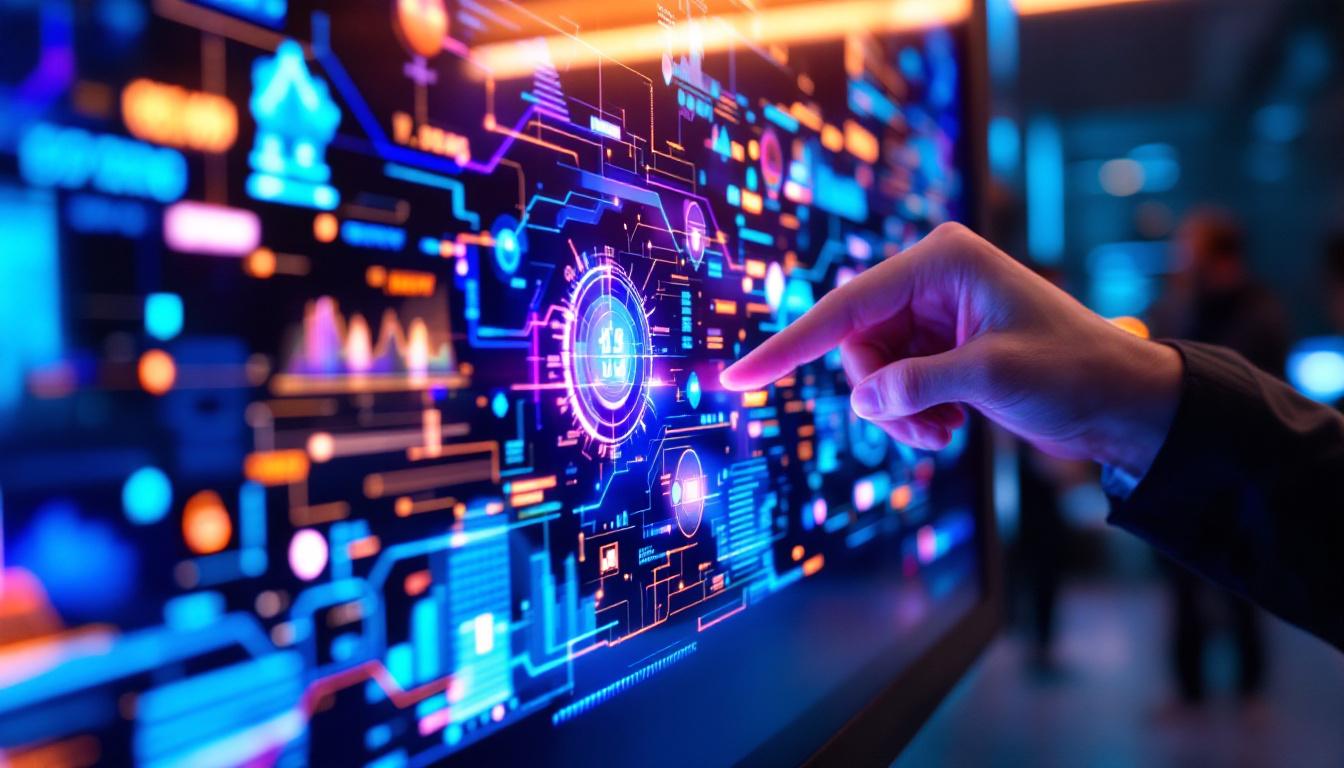
In the rapidly evolving world of digital technology, LED displays have become a cornerstone of modern visual communication. From smartphones to large-scale advertising billboards, LED technology powers the screens that capture our attention daily. This article delves into the fundamentals of LED displays, their integration with touchscreen technology, and the innovations shaping their future. Whether you are a tech enthusiast, a business owner considering digital signage, or simply curious about how your devices work, understanding LED displays is essential.
Understanding LED Display Technology
What is an LED Display?
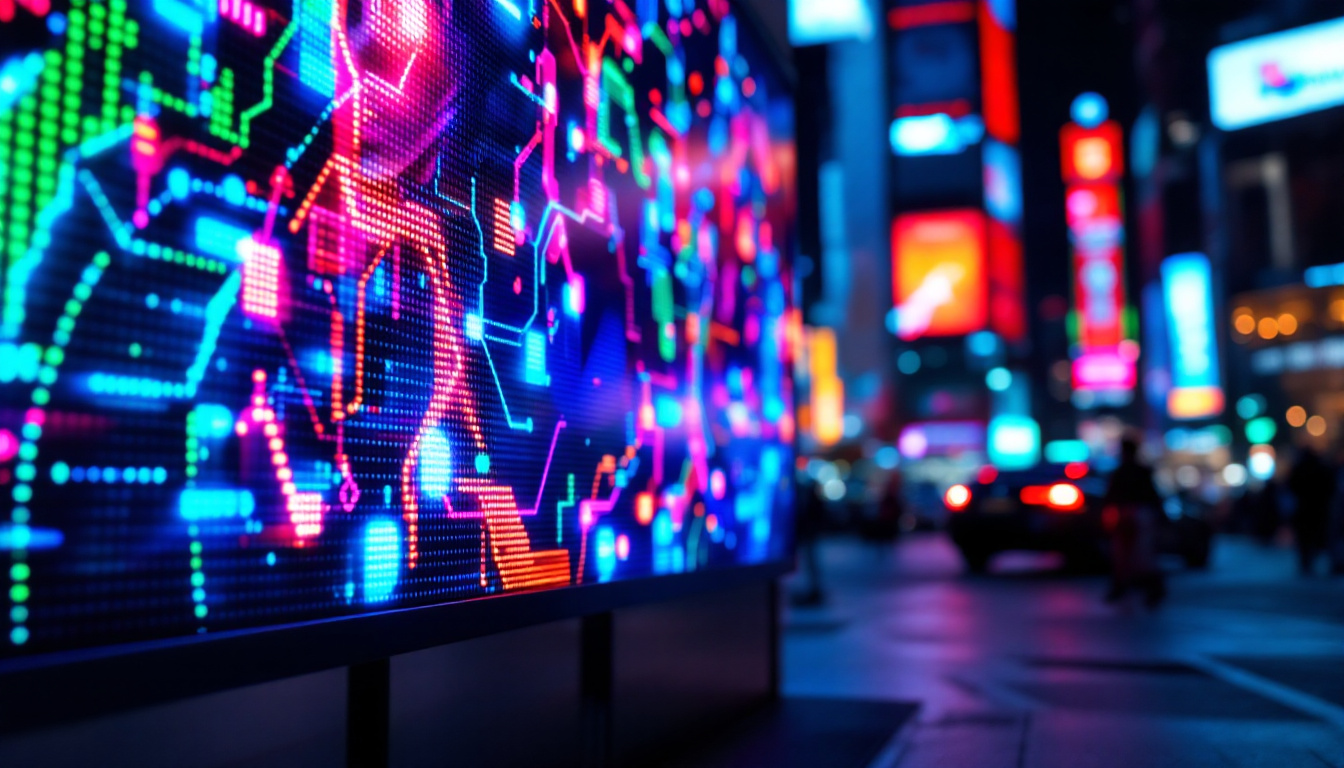
LED stands for Light Emitting Diode, a semiconductor device that emits light when an electric current passes through it. An LED display is a flat panel display that uses an array of these tiny light-emitting diodes as pixels to create images, videos, and text. Unlike traditional LCD screens that rely on backlighting, LED displays produce their own light, which results in brighter images and more vibrant colors.
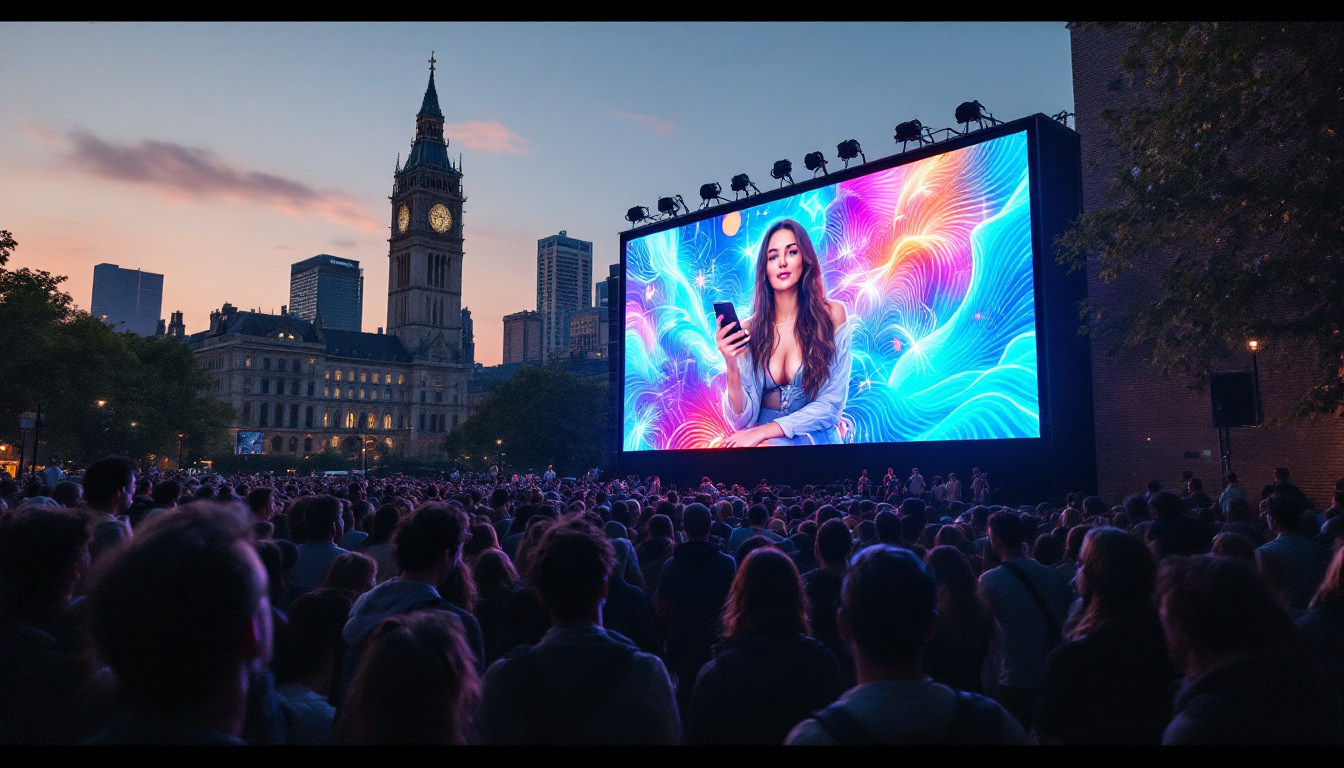
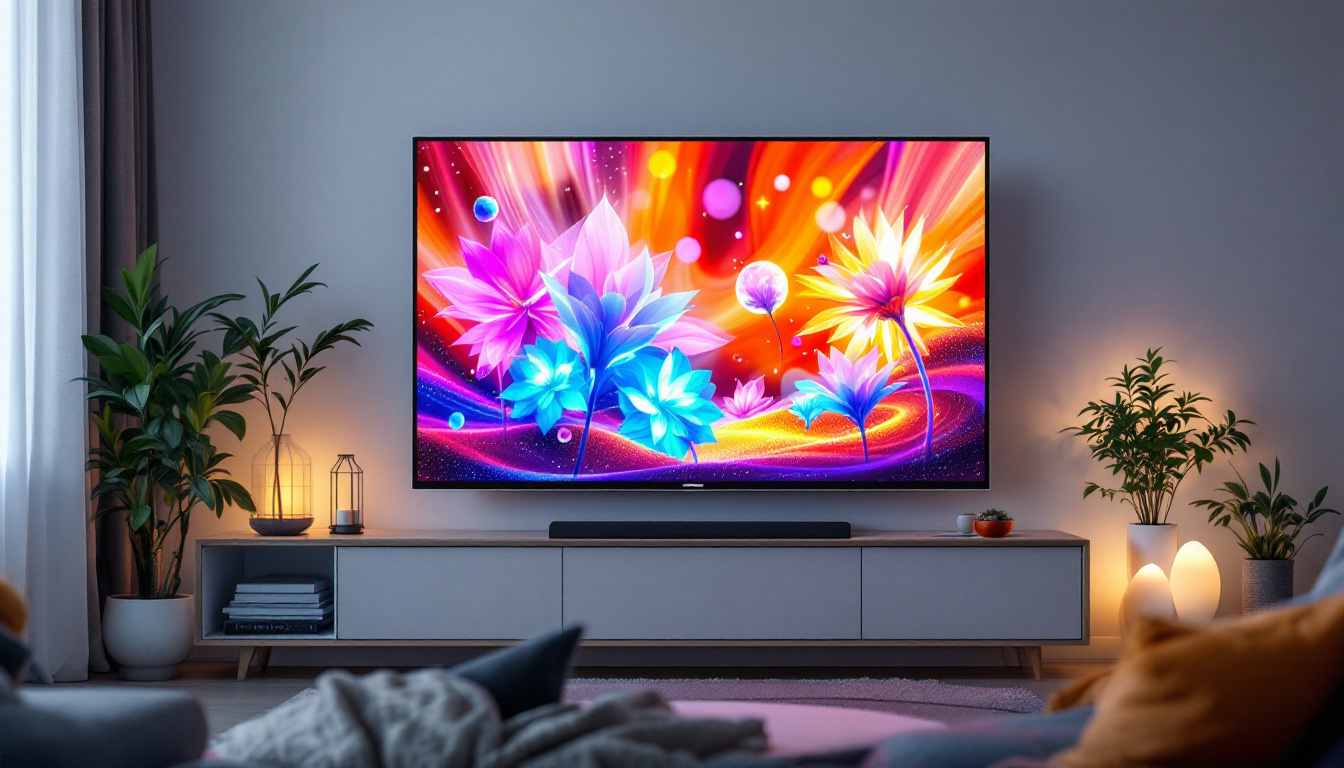
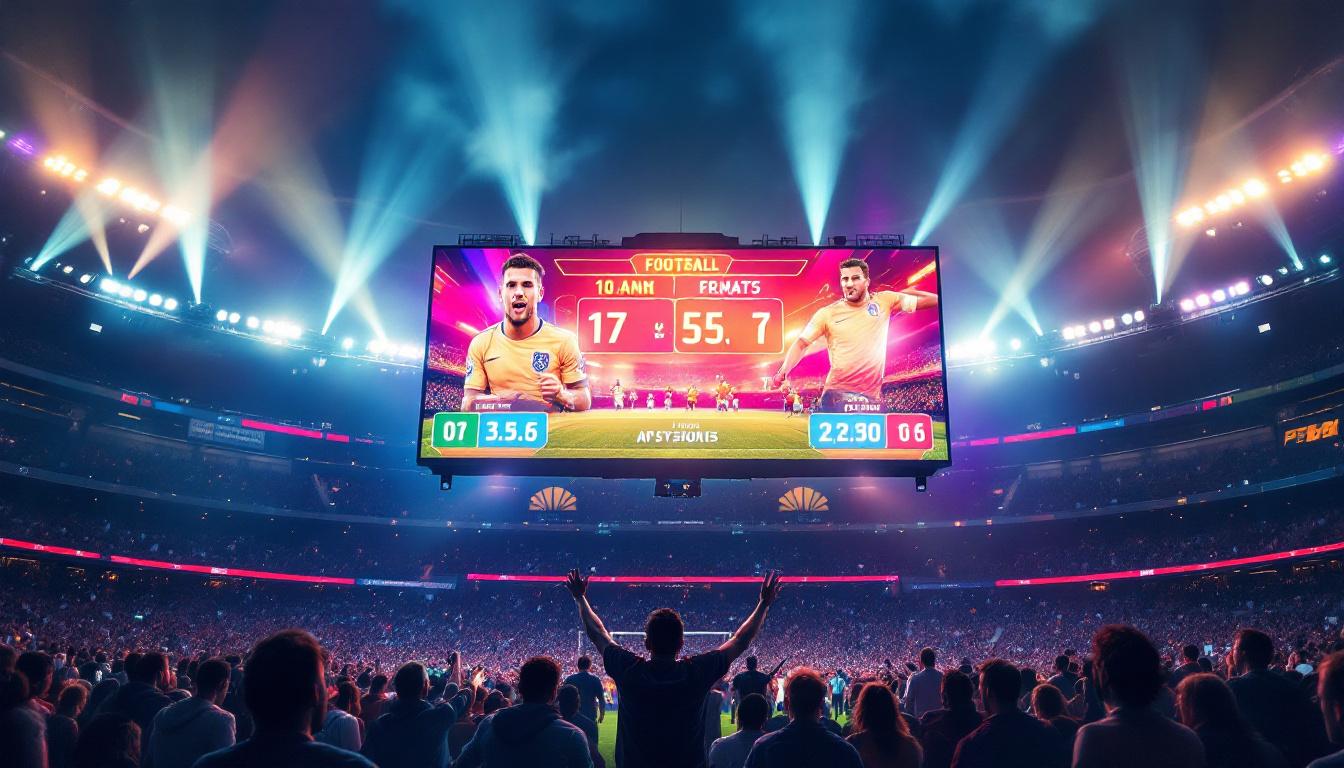
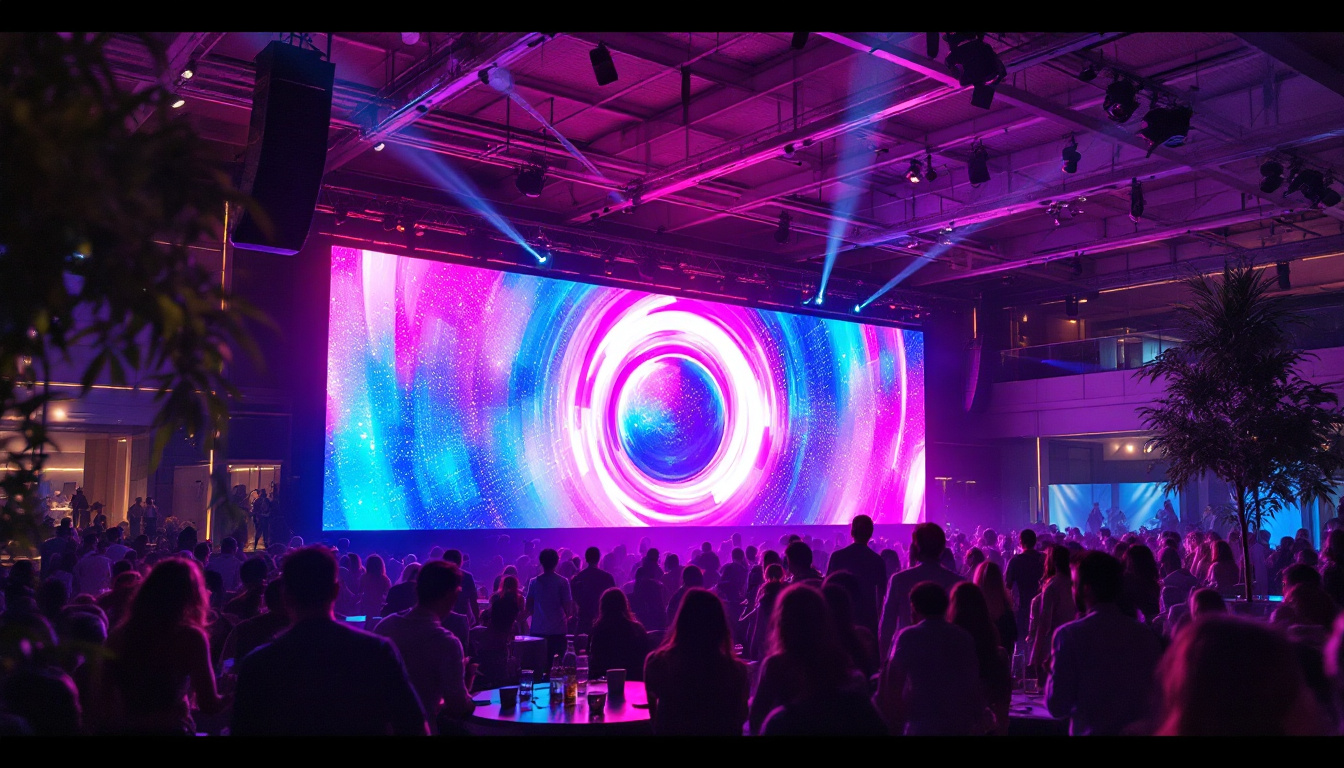
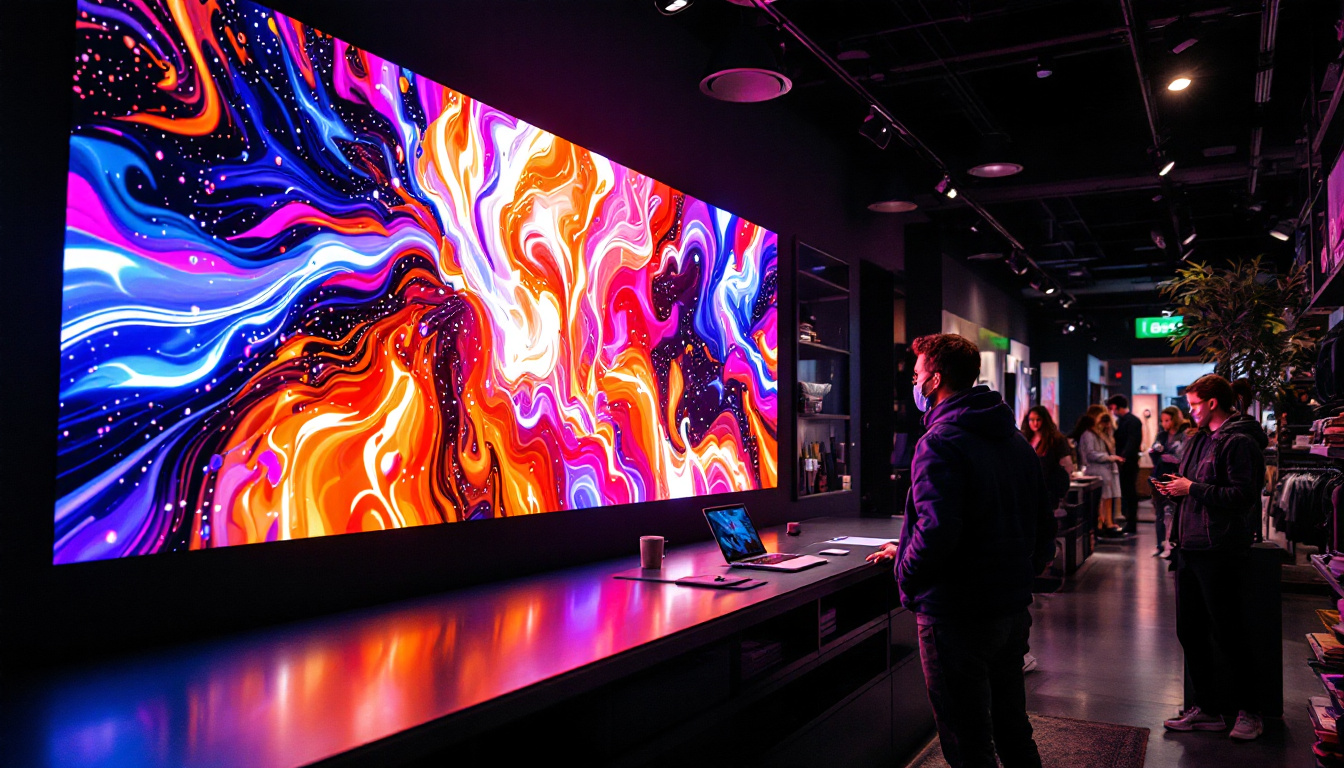
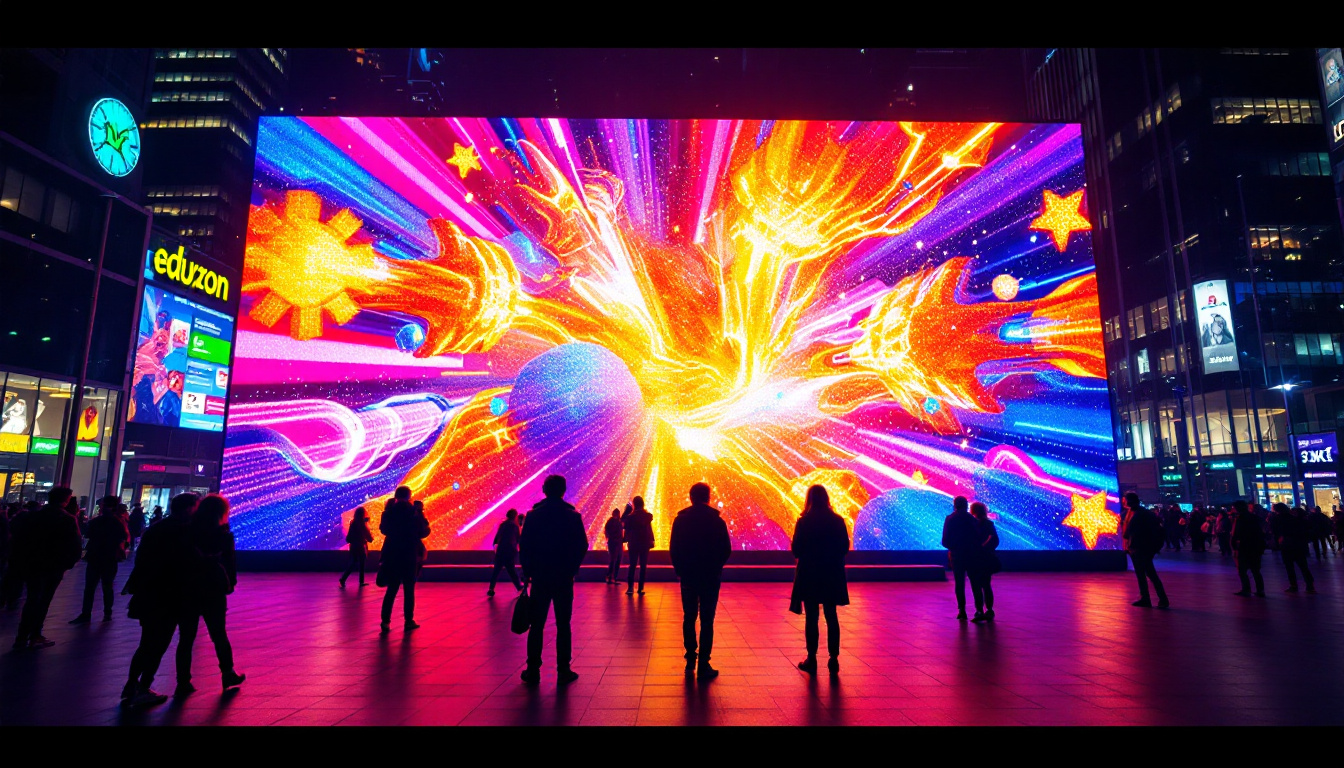
LED displays come in various forms, including direct-view LED panels, where each pixel is an individual LED, and LED-backlit LCDs, where LEDs serve as the light source behind an LCD panel. The direct-view LED displays are commonly used in large-scale applications like stadium screens and outdoor billboards, while LED-backlit LCDs dominate consumer electronics like televisions and monitors. This self-illuminating capability allows LED displays to achieve higher contrast ratios and deeper blacks, enhancing the overall viewing experience. Furthermore, the durability and longevity of LED technology make it a preferred choice for both commercial and residential applications, reducing the need for frequent replacements.
Types of LED Displays
There are several types of LED displays, each suited for different applications:
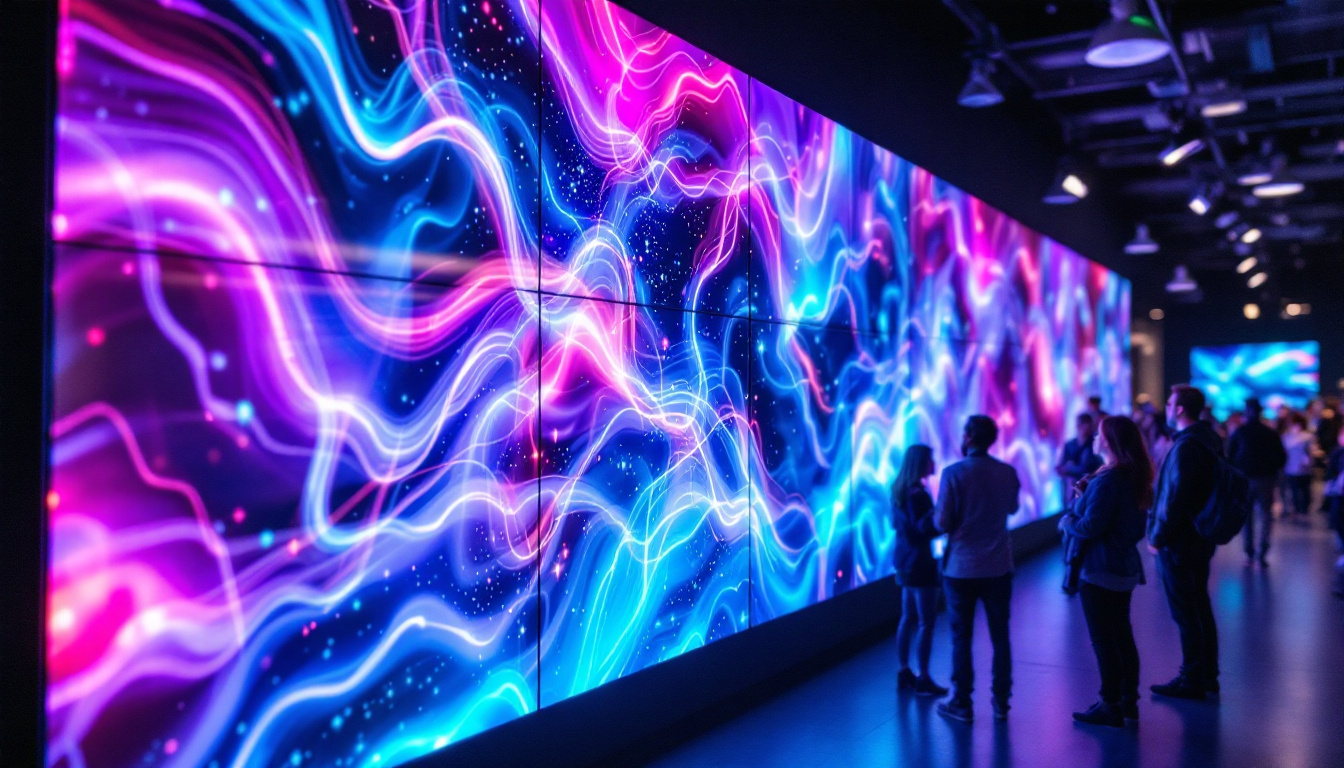
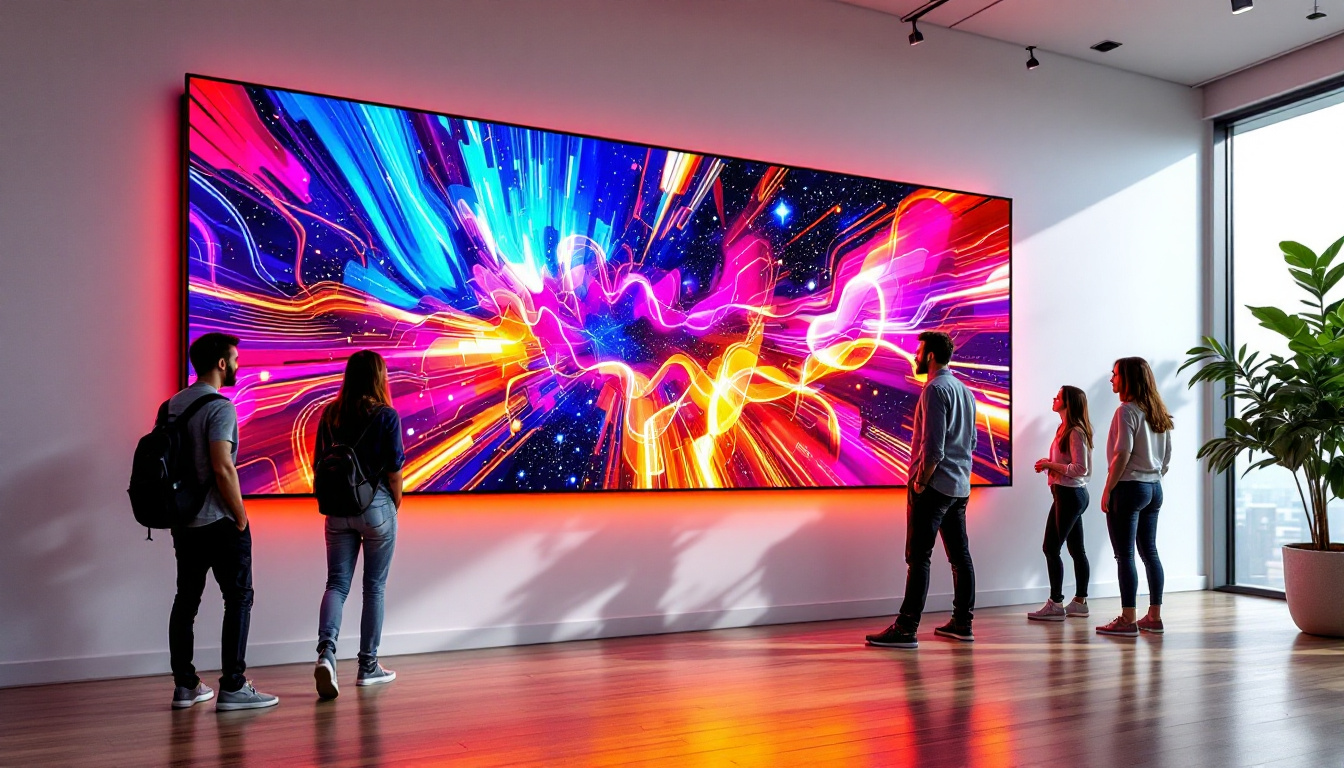
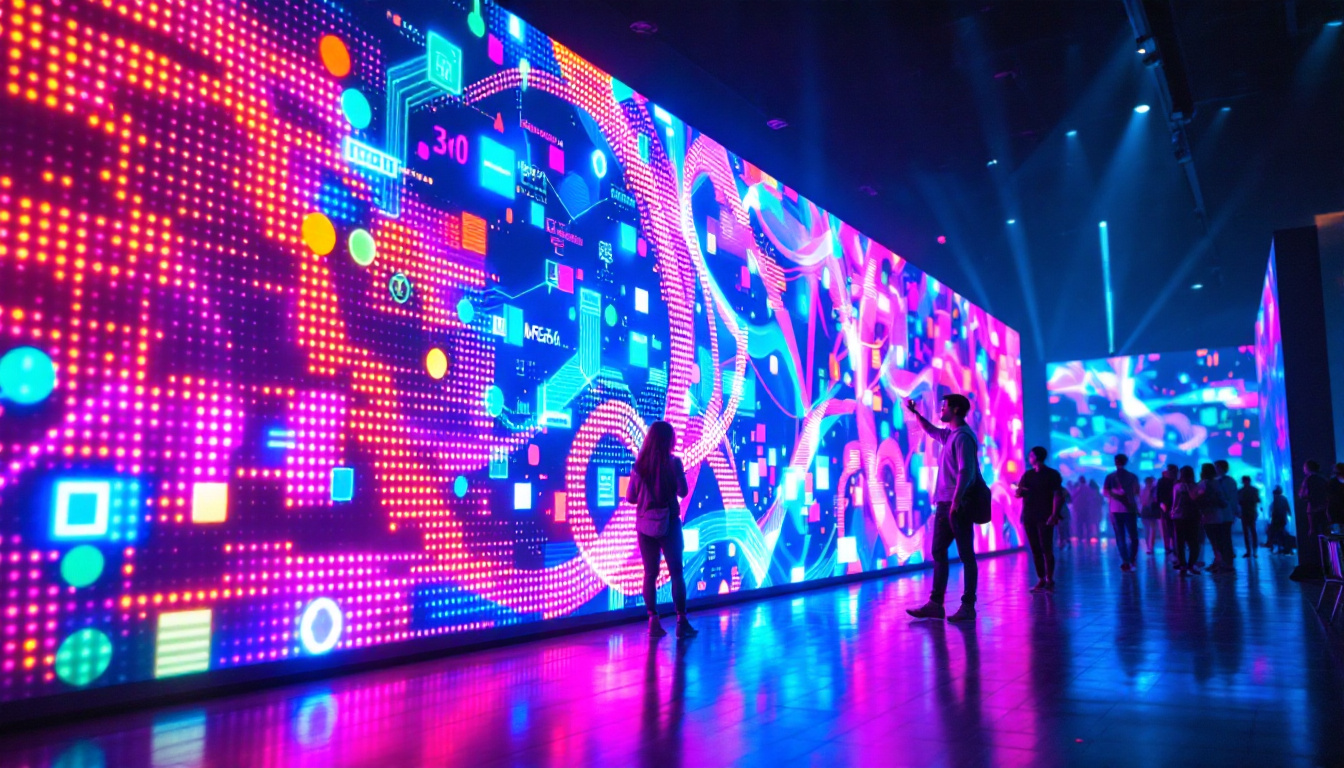
- Direct-View LED Displays: These displays use individual LEDs as pixels. They offer excellent brightness and color accuracy, making them ideal for outdoor and large indoor environments. Their modular design allows for easy scaling, enabling users to create screens of virtually any size or shape, which is particularly useful for creative advertising and dynamic installations.
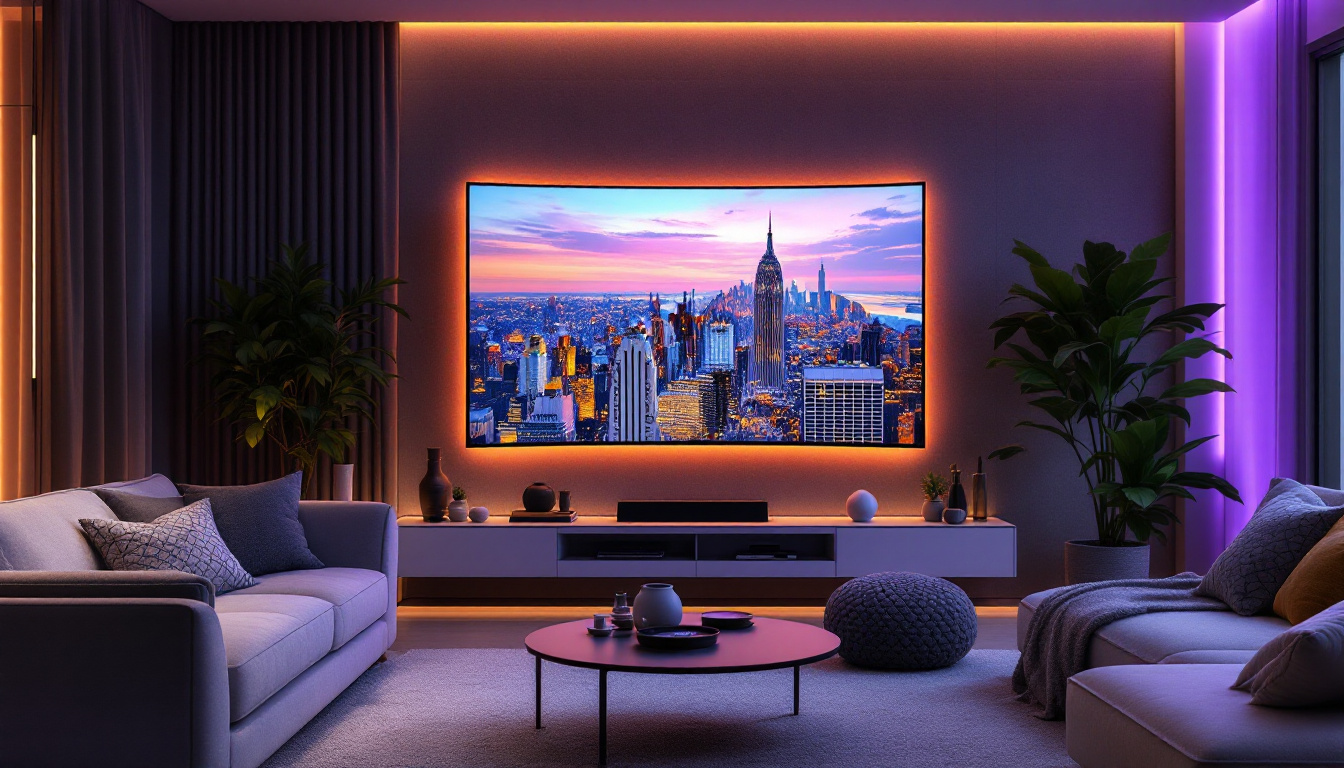
- LED-Backlit LCD Displays: These combine an LCD panel with LED backlighting to improve brightness and energy efficiency compared to traditional CCFL-backlit LCDs. This technology has revolutionized the television and computer monitor market, providing consumers with thinner, lighter devices that consume less power while delivering stunning visuals.
- OLED Displays: Organic LEDs are a variant where each pixel emits its own light. OLEDs provide superior contrast and viewing angles but are generally more expensive and used in high-end devices. The flexibility of OLED technology also allows for curved and bendable screens, opening up new possibilities for innovative designs in smartphones and televisions.
- MicroLED Displays: An emerging technology that uses microscopic LEDs to create displays with high brightness, efficiency, and longevity, potentially surpassing OLEDs in performance. MicroLEDs promise to deliver even better color accuracy and energy efficiency, making them a strong contender for the future of display technology, particularly in applications requiring high resolution and durability.
In addition to these types, LED technology is also being integrated into various other applications, such as automotive displays and smart lighting solutions. For instance, automotive manufacturers are increasingly utilizing LED displays for dashboard instrumentation and infotainment systems, providing drivers with clear, bright information that enhances safety and usability. Similarly, smart lighting solutions that incorporate LED technology are becoming popular in residential and commercial spaces, allowing for customizable lighting experiences that can be controlled via smartphones or smart home systems. The versatility of LED technology continues to expand, making it a key player in the evolution of display and lighting solutions across multiple industries.
The Integration of Touchscreen Technology with LED Displays
How Touchscreens Work
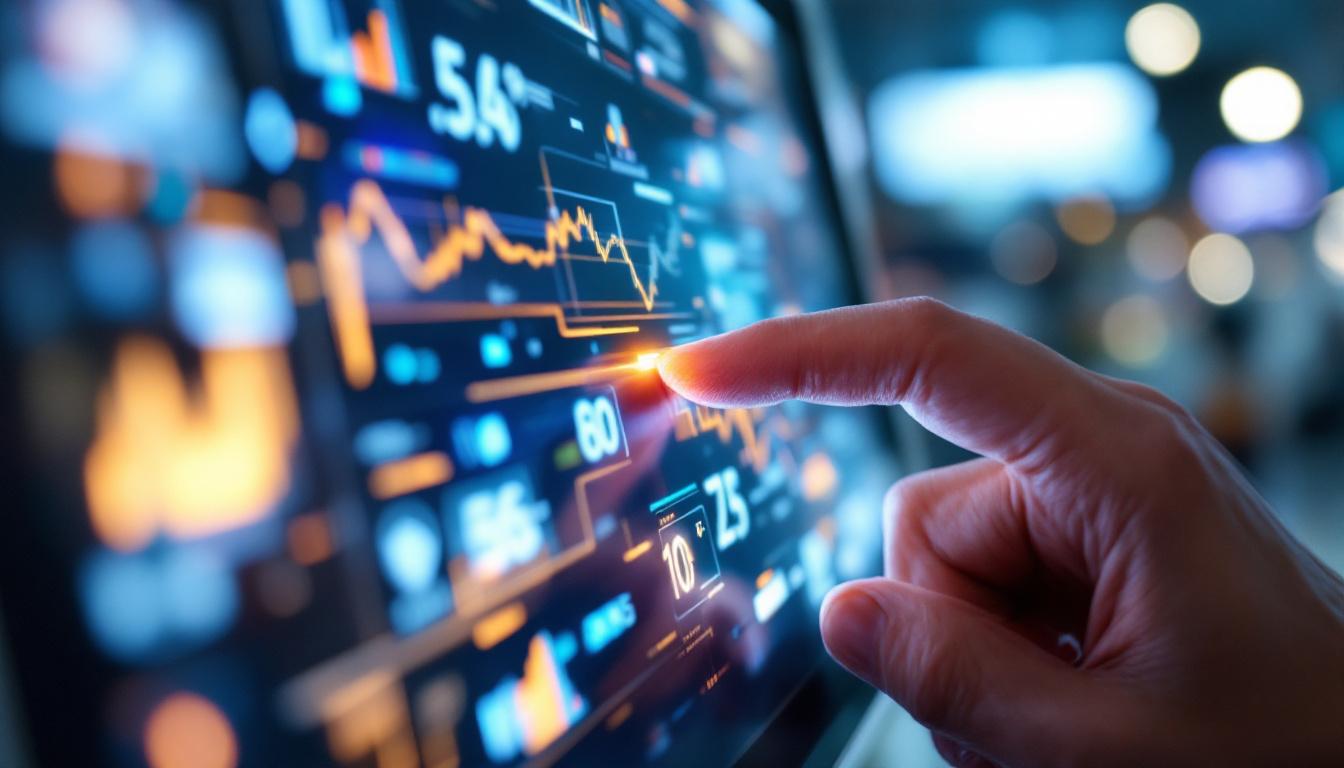
Touchscreens allow users to interact directly with what is displayed, eliminating the need for peripheral devices like a mouse or keyboard. The most common touchscreen technologies include resistive, capacitive, infrared, and surface acoustic wave. Capacitive touchscreens are widely used in conjunction with LED displays, especially in smartphones and tablets, due to their responsiveness and multi-touch capabilities.
Capacitive touchscreens work by detecting changes in the electrical field caused by the conductive properties of the human finger. When a finger touches the screen, it alters the local electrostatic field, which the device interprets as a touch input. This method is highly accurate and supports gestures such as pinch-to-zoom.
Combining LED Displays with Touchscreens
The marriage of LED display technology and touchscreens has revolutionized user interfaces across various devices. This combination allows for vibrant, high-resolution visuals paired with intuitive, tactile interaction. In consumer electronics, this integration enhances user experience by providing crisp images and responsive touch controls.
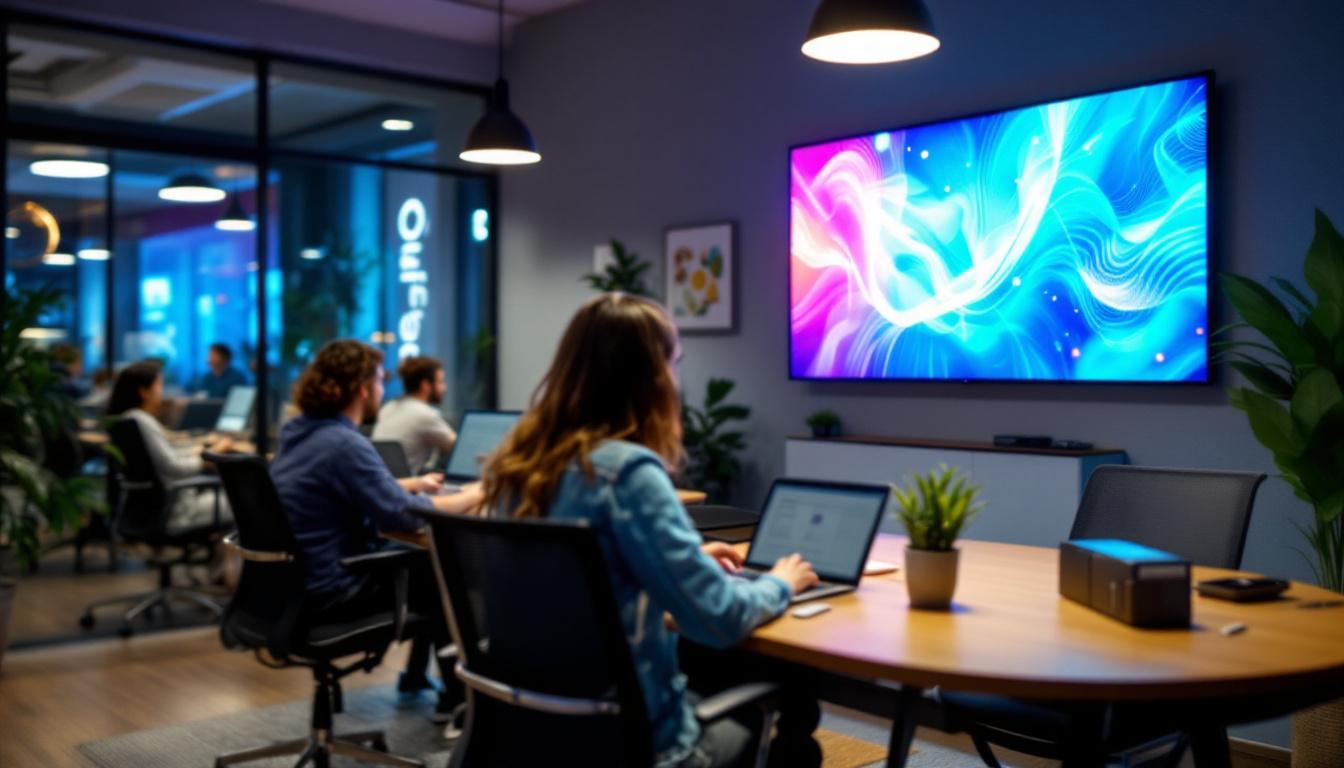
In commercial environments, touchscreen LED displays are used for interactive kiosks, digital signage, and point-of-sale systems. These applications benefit from the durability and brightness of LED displays, ensuring visibility even in brightly lit environments, while the touchscreen interface facilitates user engagement and data input.
Advantages of LED Touchscreen Displays
Brightness and Visibility
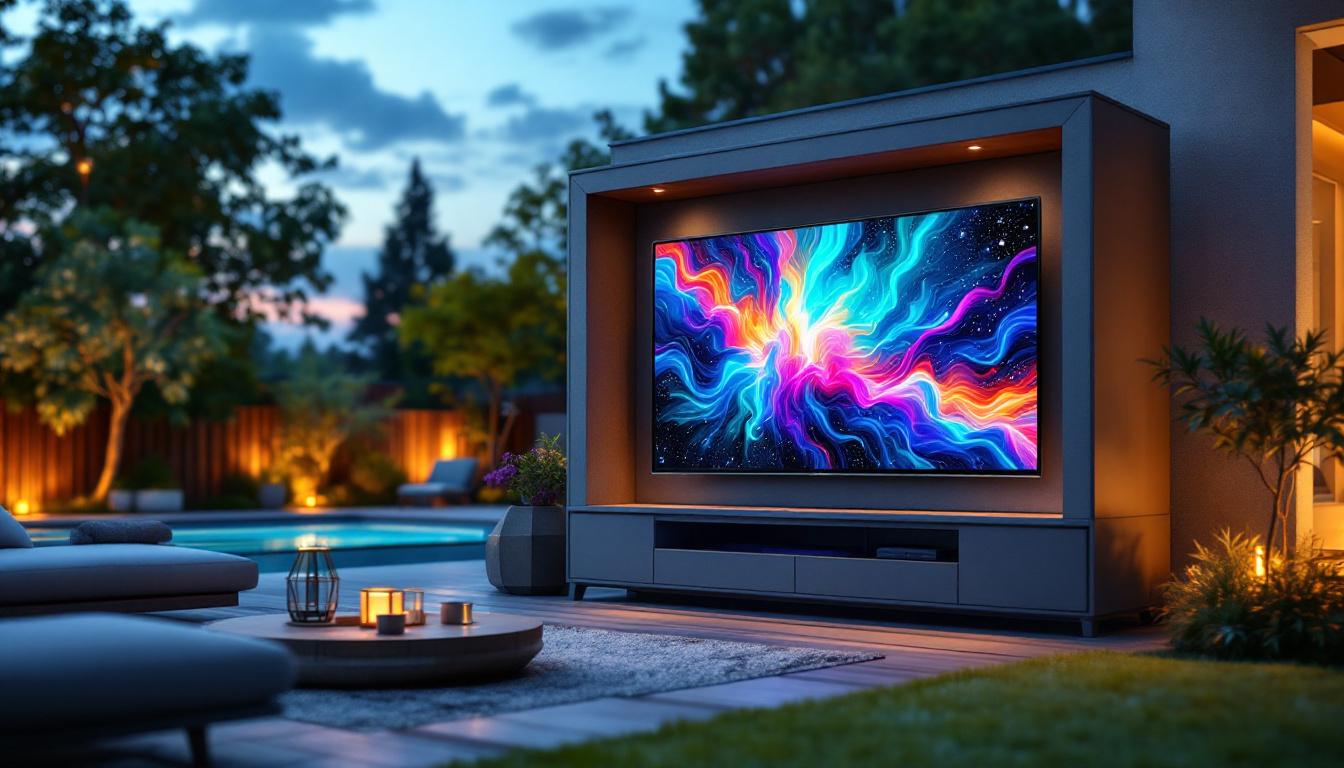
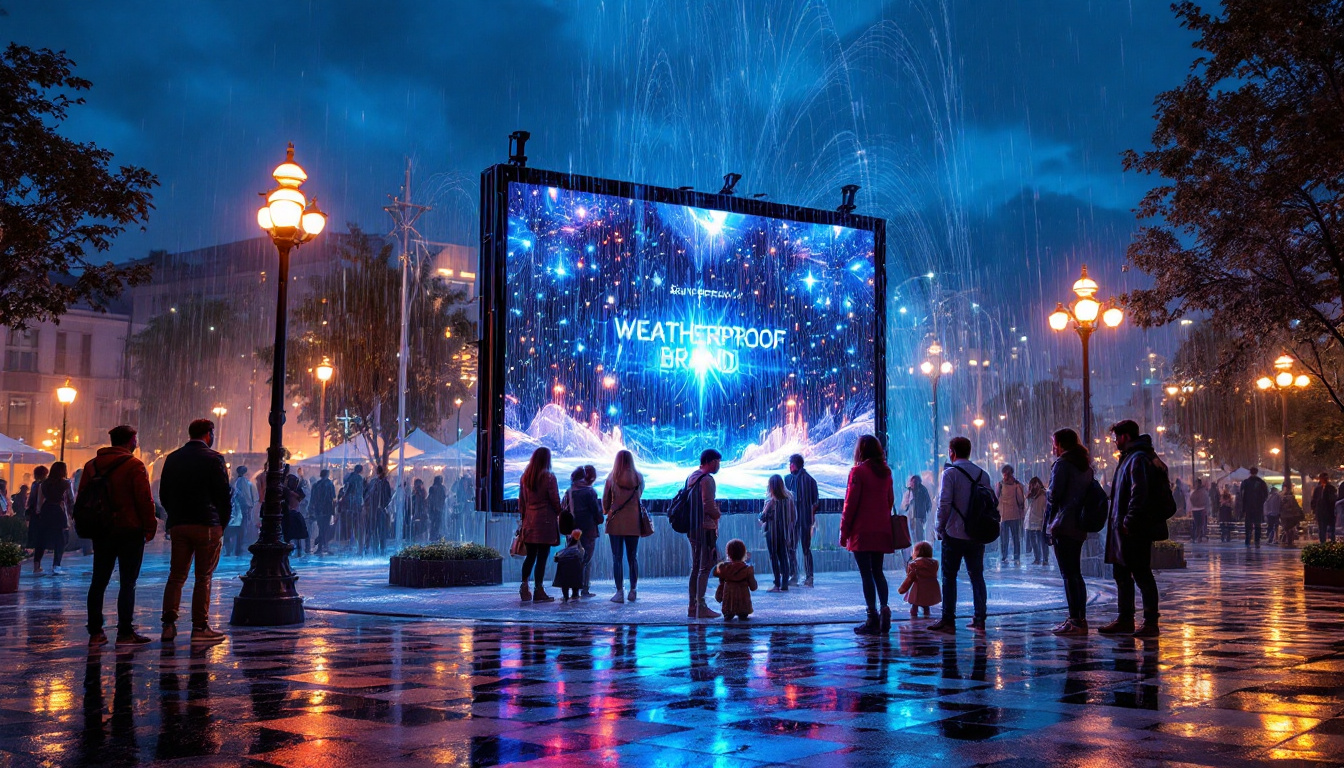
One of the most significant advantages of LED displays is their brightness. LEDs can produce intense light levels, making screens readable in direct sunlight or well-lit indoor spaces. This feature is crucial for outdoor advertising and public information displays where ambient light conditions vary significantly.
When combined with touchscreen functionality, these displays maintain usability without compromising visibility. For example, interactive kiosks in airports or shopping malls must remain clear and responsive despite the challenging lighting environments.
Energy Efficiency and Longevity
LED technology is inherently energy-efficient compared to older display technologies like plasma or CCFL-backlit LCDs. LEDs consume less power, which not only reduces operating costs but also supports sustainability goals. This efficiency is particularly important for large-scale displays that operate continuously.
Moreover, LEDs have a longer lifespan, often exceeding 50,000 hours of use. This durability means reduced maintenance and replacement costs, making LED touchscreen displays a cost-effective solution over time.
Color Accuracy and Contrast
LED displays offer superior color accuracy and contrast ratios. Because LEDs emit light directly, they can achieve deeper blacks and more vibrant colors than traditional backlit LCDs. This capability enhances the visual appeal of content, whether it’s high-definition video, detailed graphics, or crisp text.
For touch-enabled devices, accurate color representation is essential for applications such as digital art, medical imaging, and retail product displays, where visual fidelity directly impacts user experience and decision-making.
Applications of LED Touchscreen Displays
Consumer Electronics
Smartphones, tablets, laptops, and smartwatches commonly use LED-backlit LCD or OLED displays with capacitive touchscreens. These devices demand high resolution, fast response times, and multi-touch capabilities to deliver seamless user interactions.
Recent trends show a growing adoption of flexible and foldable LED touchscreen displays, expanding the possibilities for innovative device designs. For instance, foldable smartphones utilize OLED touchscreen displays that combine portability with large screen real estate.
Commercial and Industrial Use
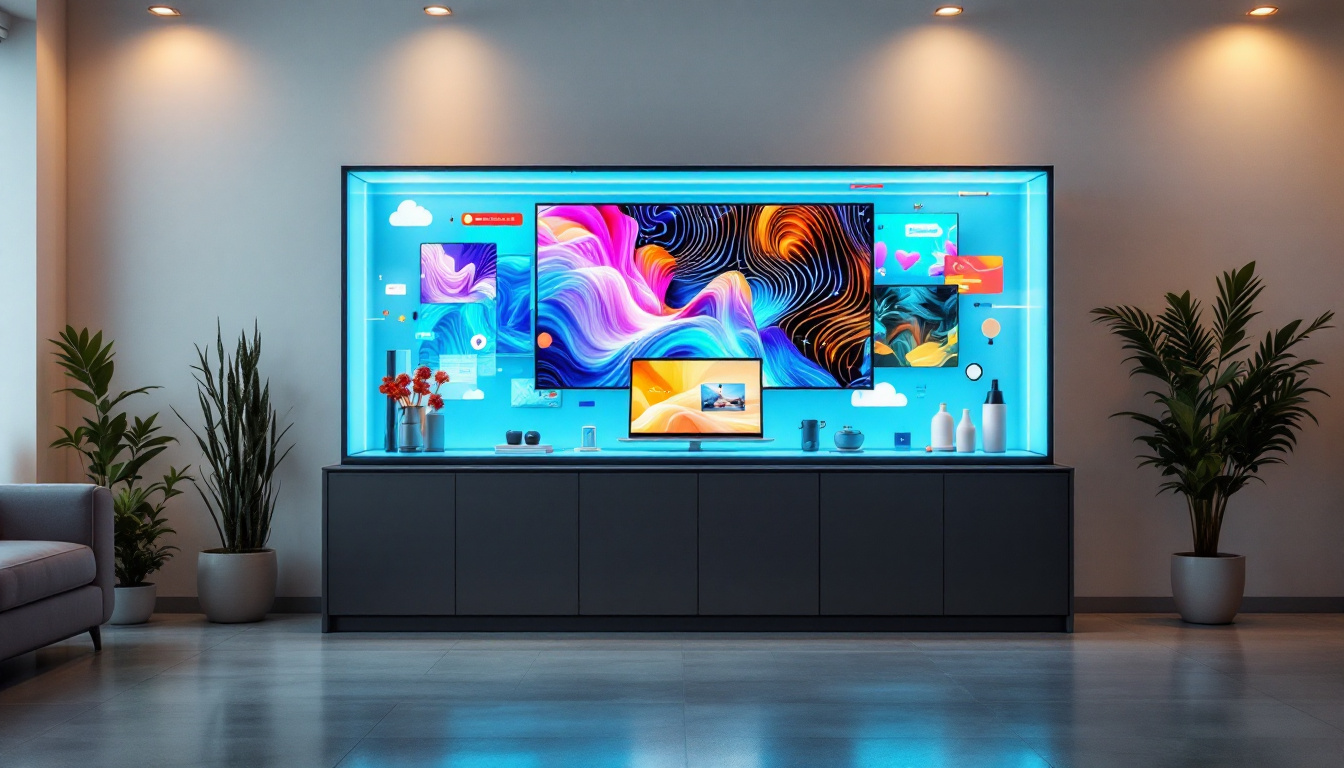
In retail, LED touchscreen displays serve as interactive kiosks, digital signage, and self-service checkout terminals. These systems enhance customer engagement by providing product information, promotions, and easy navigation through touch interaction.
Industrial environments use rugged LED touchscreen panels for control systems, monitoring, and automation. These displays are designed to withstand harsh conditions such as extreme temperatures, dust, and moisture while maintaining high visibility and responsiveness.
Public Spaces and Transportation
Airports, train stations, and bus terminals utilize large LED touchscreen displays for wayfinding, ticketing, and real-time information updates. The combination of bright LED screens and touch interactivity improves passenger experience by providing accessible and dynamic information.
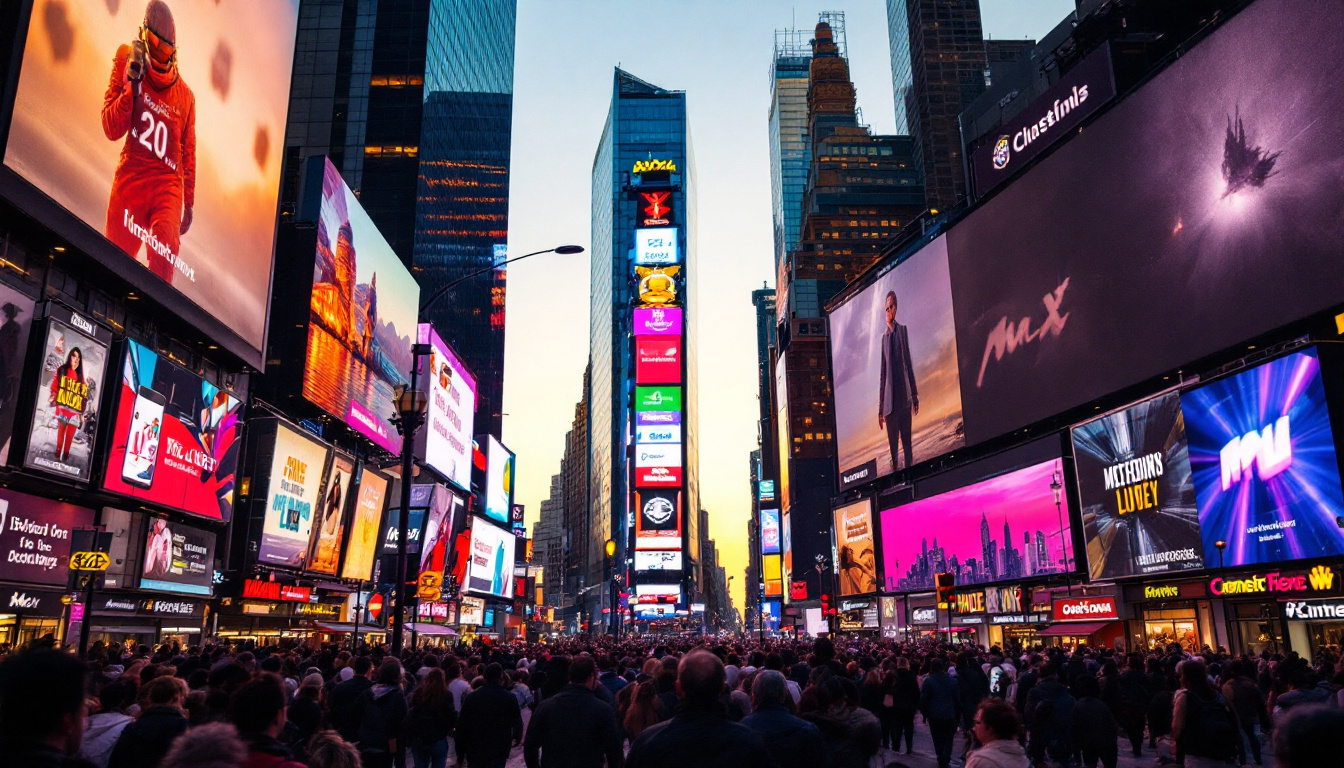
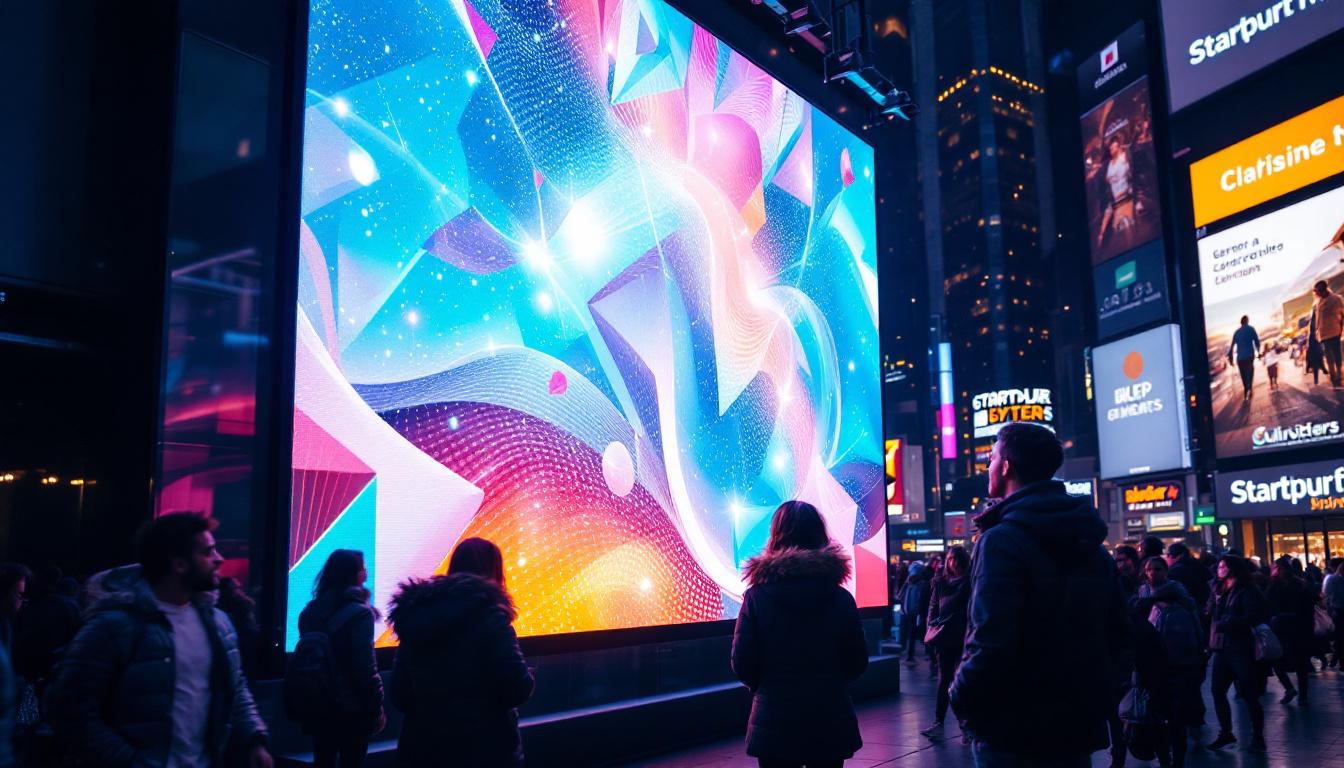
Outdoor digital billboards with integrated touchscreens are emerging in urban areas, allowing passersby to interact with advertisements or public service announcements, creating a more engaging and personalized communication channel.
Challenges and Considerations
Cost and Complexity
While LED touchscreen displays offer many benefits, they can be more expensive to manufacture and implement than traditional display technologies. High-resolution, large-format LED panels with integrated touch sensors require sophisticated engineering and quality control.
Businesses must weigh the upfront investment against long-term benefits such as energy savings, durability, and enhanced user engagement. Additionally, installation and maintenance require specialized skills, which can add to operational costs.
Durability and Environmental Factors
Touchscreen surfaces are prone to scratches, fingerprints, and wear, which can degrade performance over time. Protective coatings and tempered glass are commonly used to mitigate these issues, but they add to the cost and weight of the display.
Environmental factors such as humidity, temperature fluctuations, and exposure to sunlight can affect both the LED components and touchscreen sensors. Ensuring proper sealing, ventilation, and calibration is essential for maintaining reliability, especially in outdoor or industrial settings.
Technological Limitations
Despite advances, LED touchscreen displays still face limitations. For example, capacitive touchscreens may not work well with gloved hands or styluses unless specially designed. Some large-format LED touchscreens can experience latency or reduced touch accuracy compared to smaller devices.
Emerging technologies like MicroLED and improvements in touch sensor design aim to address these challenges, but widespread adoption may take time due to cost and manufacturing complexities.
The Future of LED Touchscreen Displays
Emerging Technologies
MicroLED technology promises to revolutionize LED displays by offering higher brightness, better energy efficiency, and longer lifespan than current OLED and traditional LED solutions. MicroLED displays consist of microscopic LEDs that serve as individual pixels, enabling ultra-high resolution and flexible form factors.
Advancements in touch technology, such as in-cell and on-cell touch sensors, are integrating touch functionality directly into the display layers. This integration reduces thickness, improves touch sensitivity, and enhances display clarity.
Innovative Applications
As LED touchscreen displays become more affordable and versatile, new applications are emerging. Smart home devices, automotive infotainment systems, and wearable technology are incorporating these displays to provide intuitive control and immersive experiences.
Augmented reality (AR) and virtual reality (VR) devices are also exploring LED display integration to improve visual quality and responsiveness, pushing the boundaries of interactive digital environments.
Sustainability and Environmental Impact
With growing awareness of environmental issues, manufacturers are focusing on making LED touchscreen displays more sustainable. This includes using recyclable materials, reducing hazardous substances, and improving energy efficiency throughout the product lifecycle.
Consumers and businesses alike are increasingly prioritizing eco-friendly technology choices, making sustainability a key factor in the future development of LED display technologies.
Conclusion
LED touchscreen displays represent a dynamic intersection of display and input technologies that have transformed how people interact with digital content. Their brightness, energy efficiency, and versatility make them indispensable in a wide range of applications, from personal devices to large-scale public installations.
Understanding the underlying technology, advantages, challenges, and future trends of LED touchscreen displays equips consumers, businesses, and developers to make informed decisions and leverage these innovations effectively. As technology advances, the potential for more immersive, interactive, and sustainable LED touchscreen experiences continues to grow, shaping the future of digital communication.
Discover the Future of LED Displays with LumenMatrix
Ready to elevate your visual communication with the latest in LED technology? Explore LumenMatrix’s comprehensive range of LED display solutions, from vibrant Indoor and Outdoor LED Wall Displays to innovative Vehicle and Floor LED Displays. Whether you’re looking to create an immersive sports experience with our LED Sports Display or seeking a Custom LED Display tailored to your unique needs, LumenMatrix is here to transform your space with captivating visuals. Don’t miss the opportunity to engage and inspire your audience. Check out LumenMatrix LED Display Solutions today and see your vision come to life.