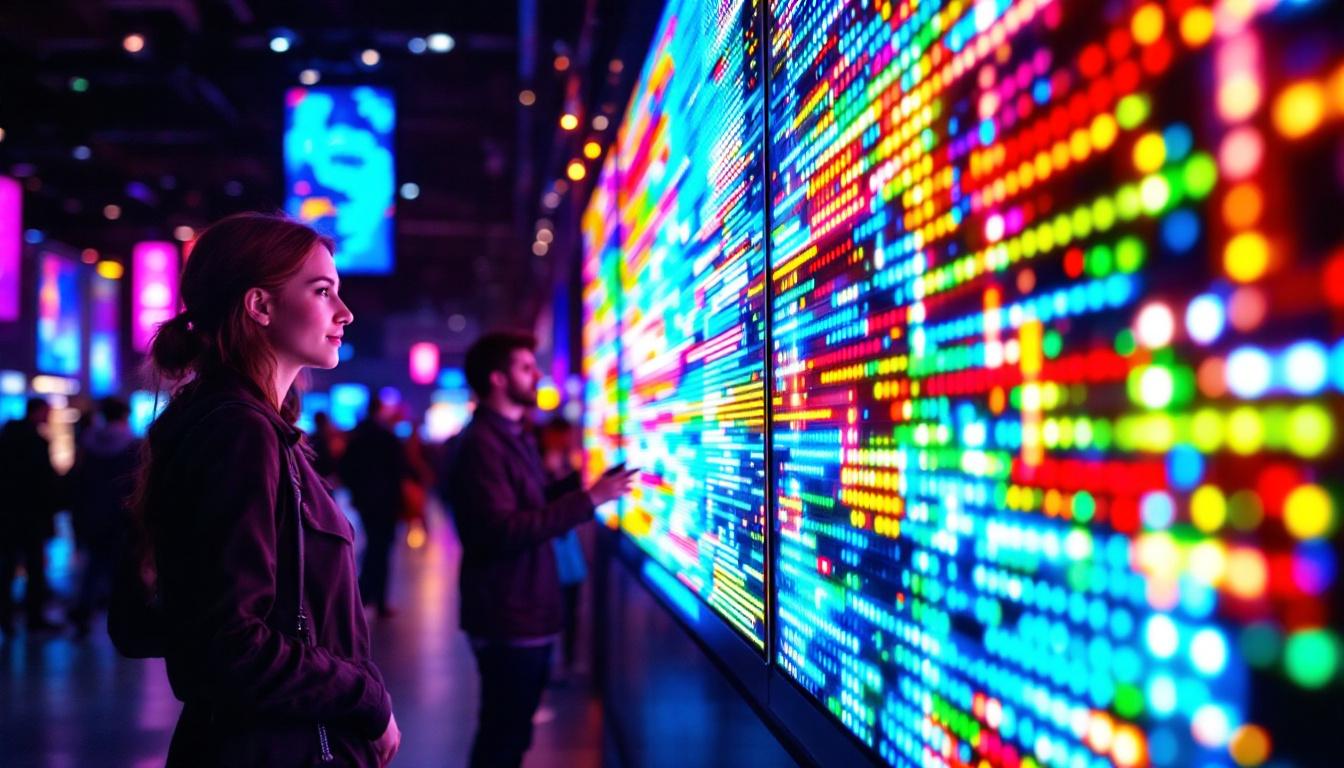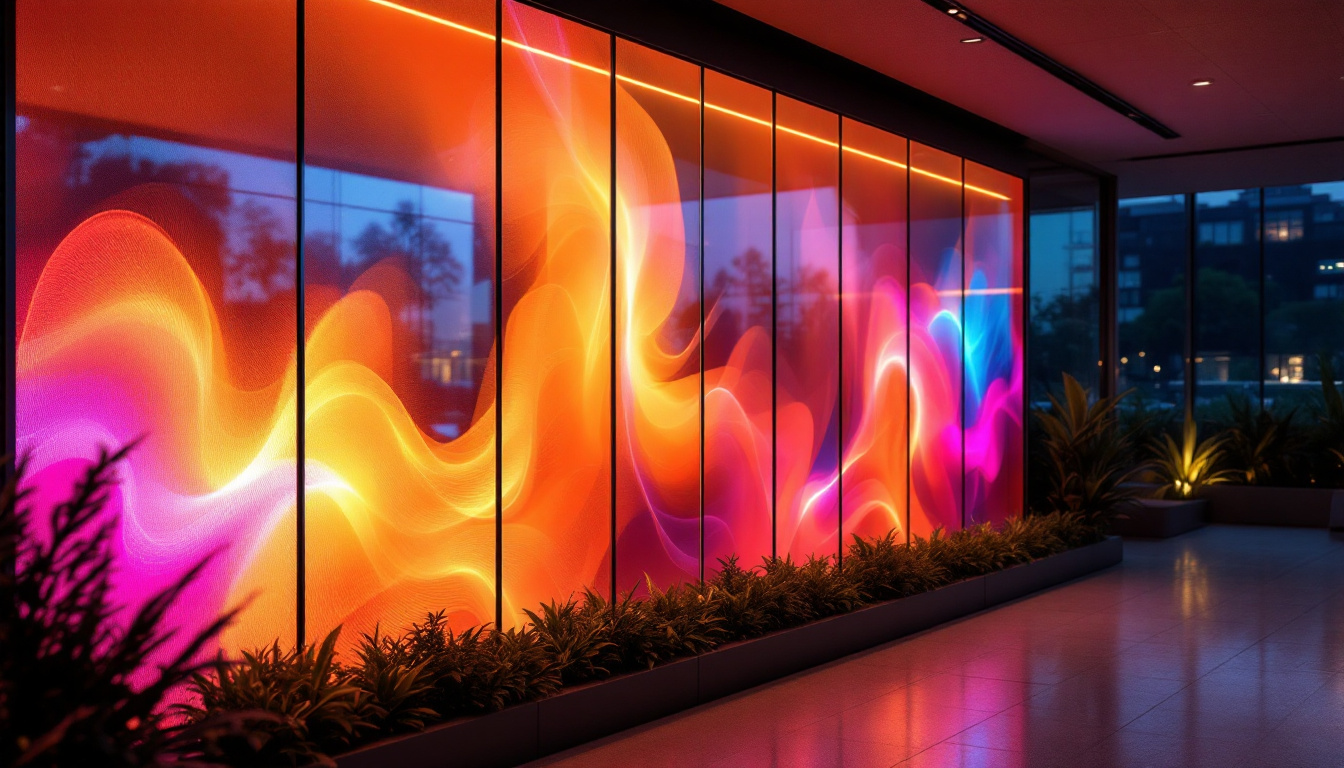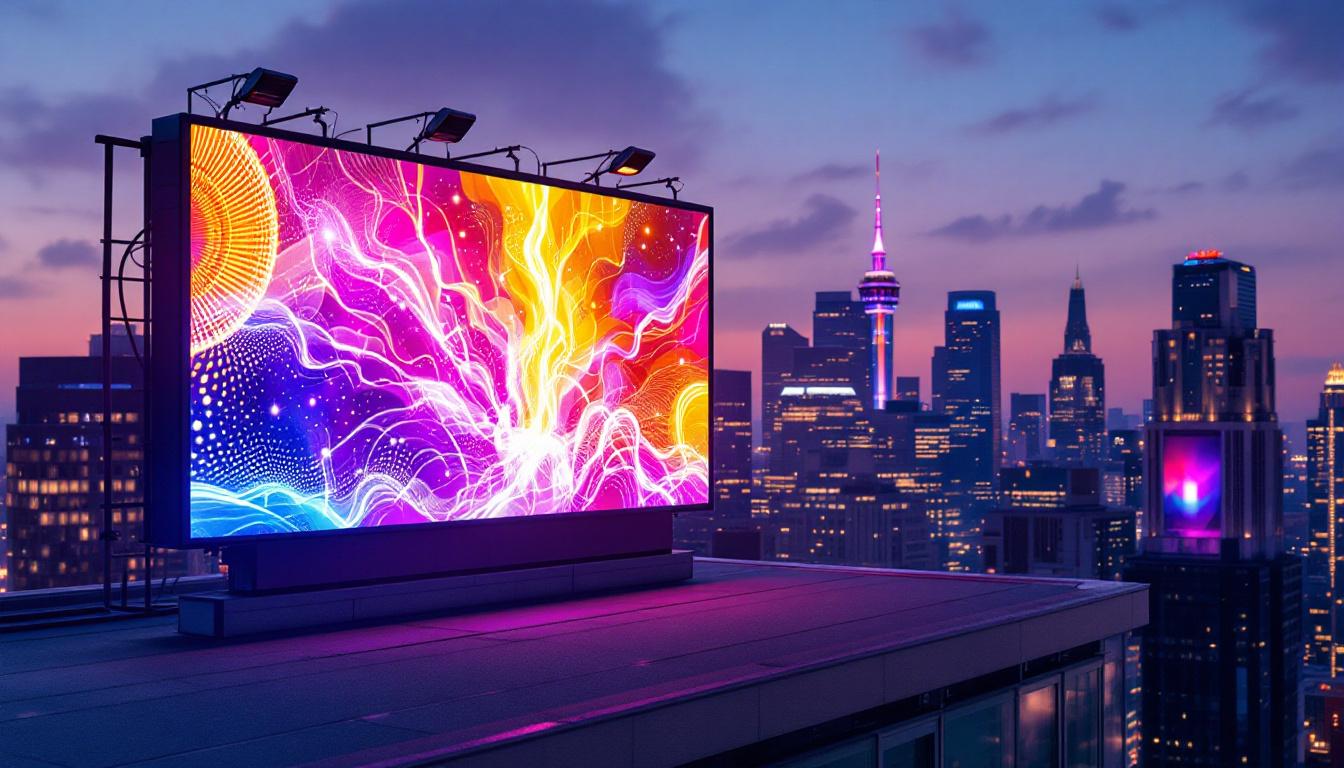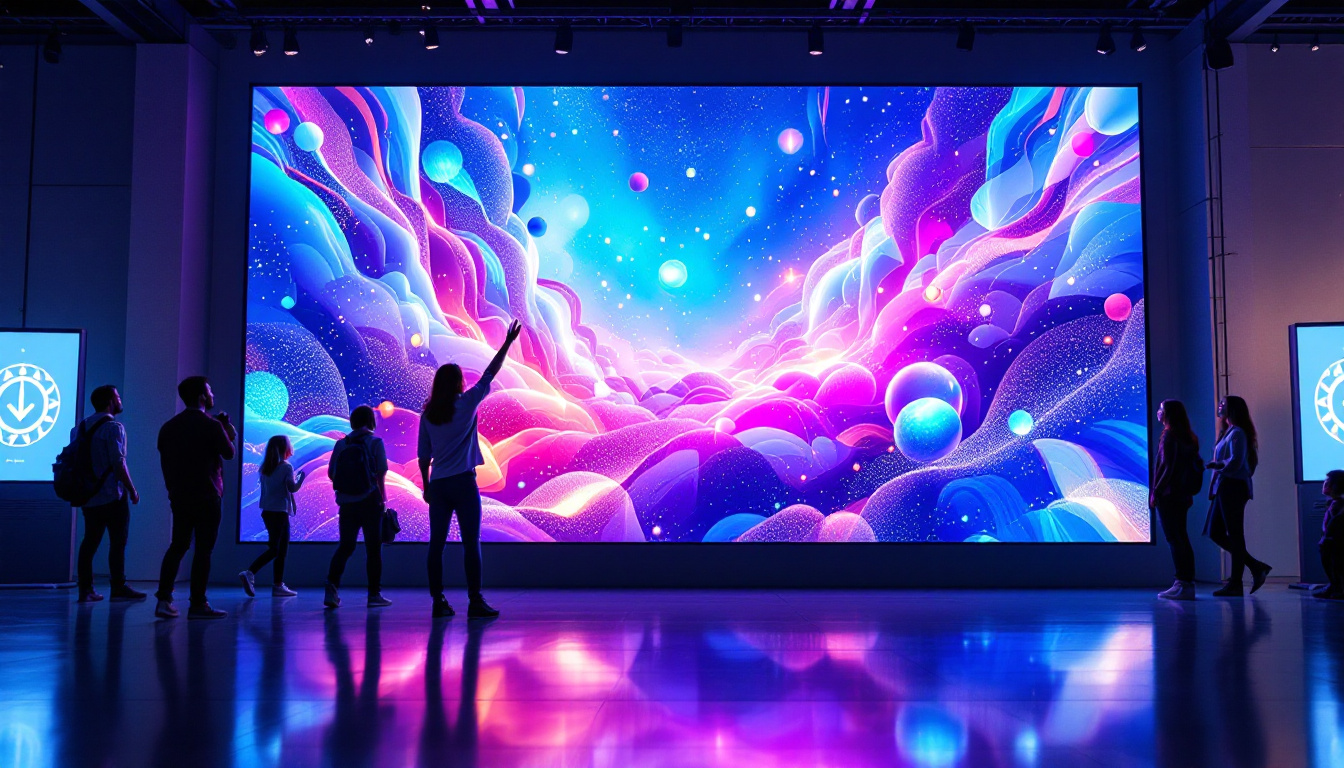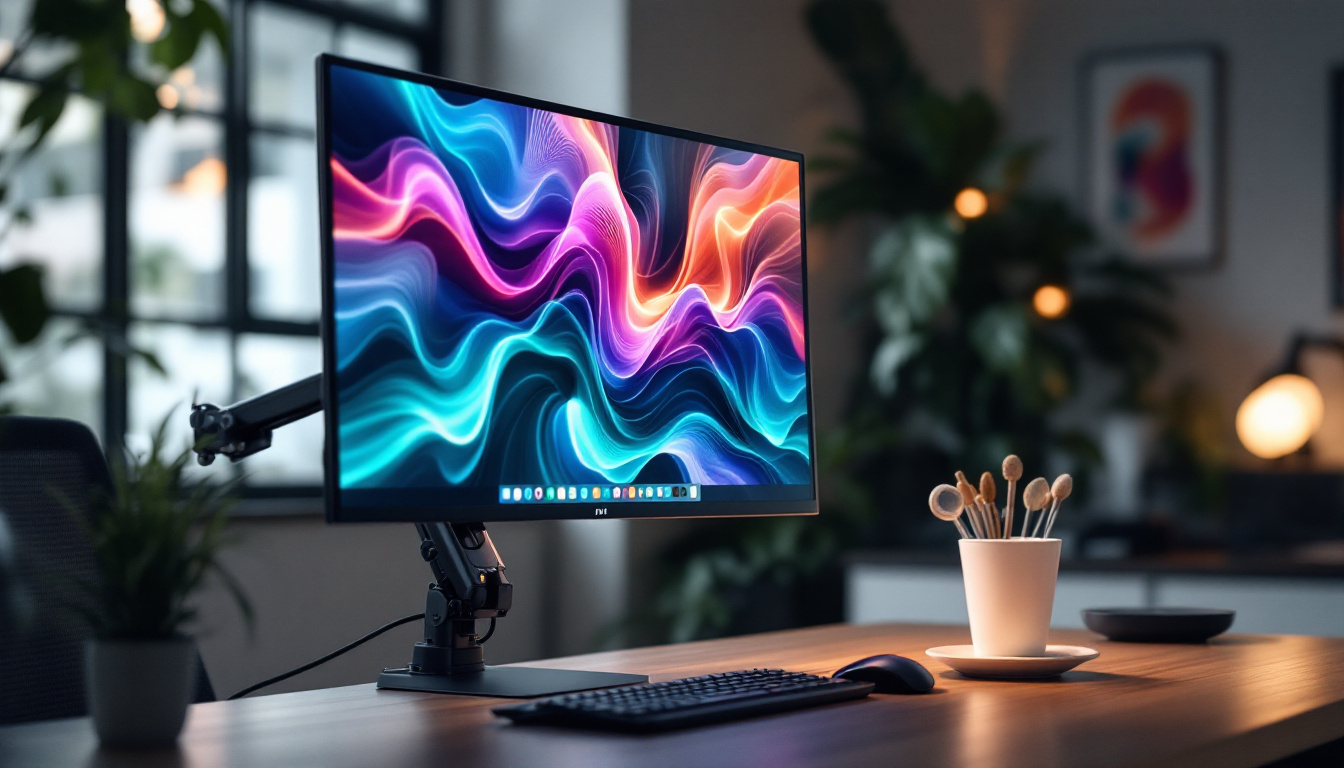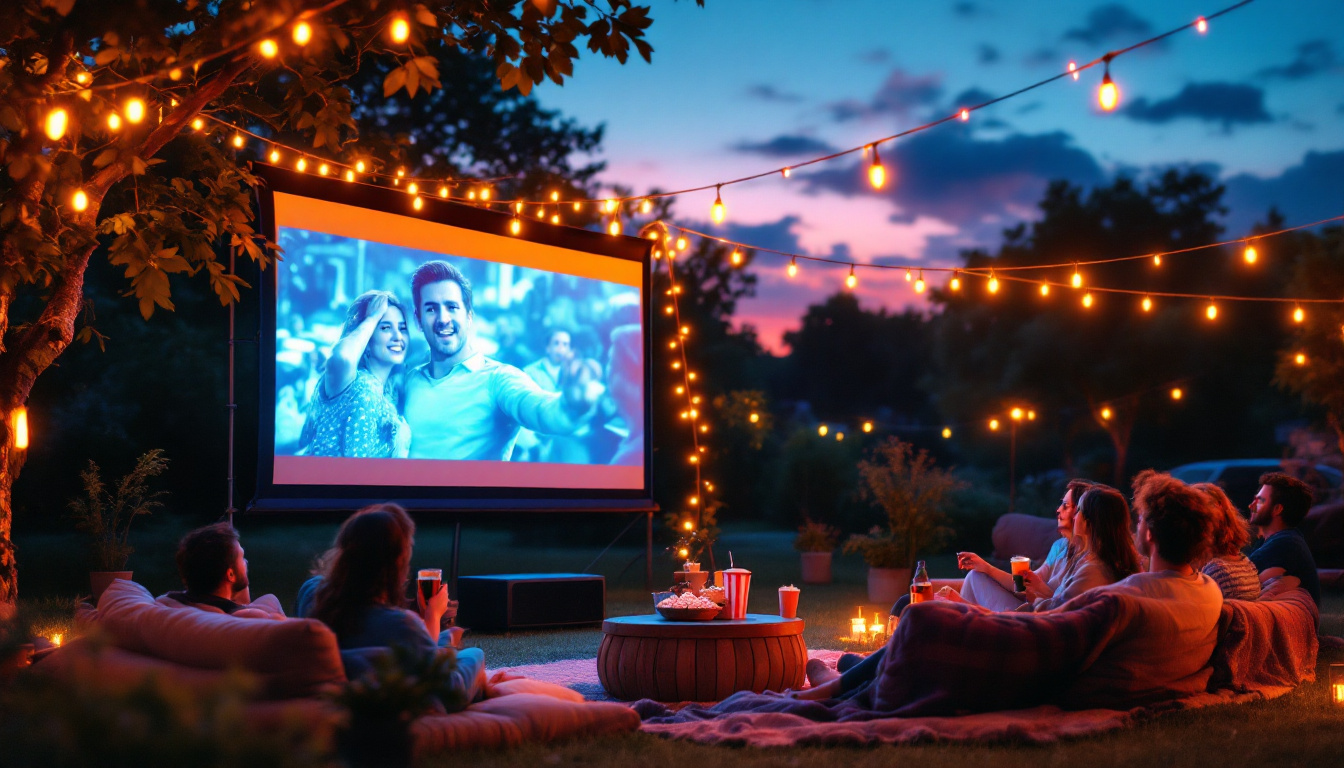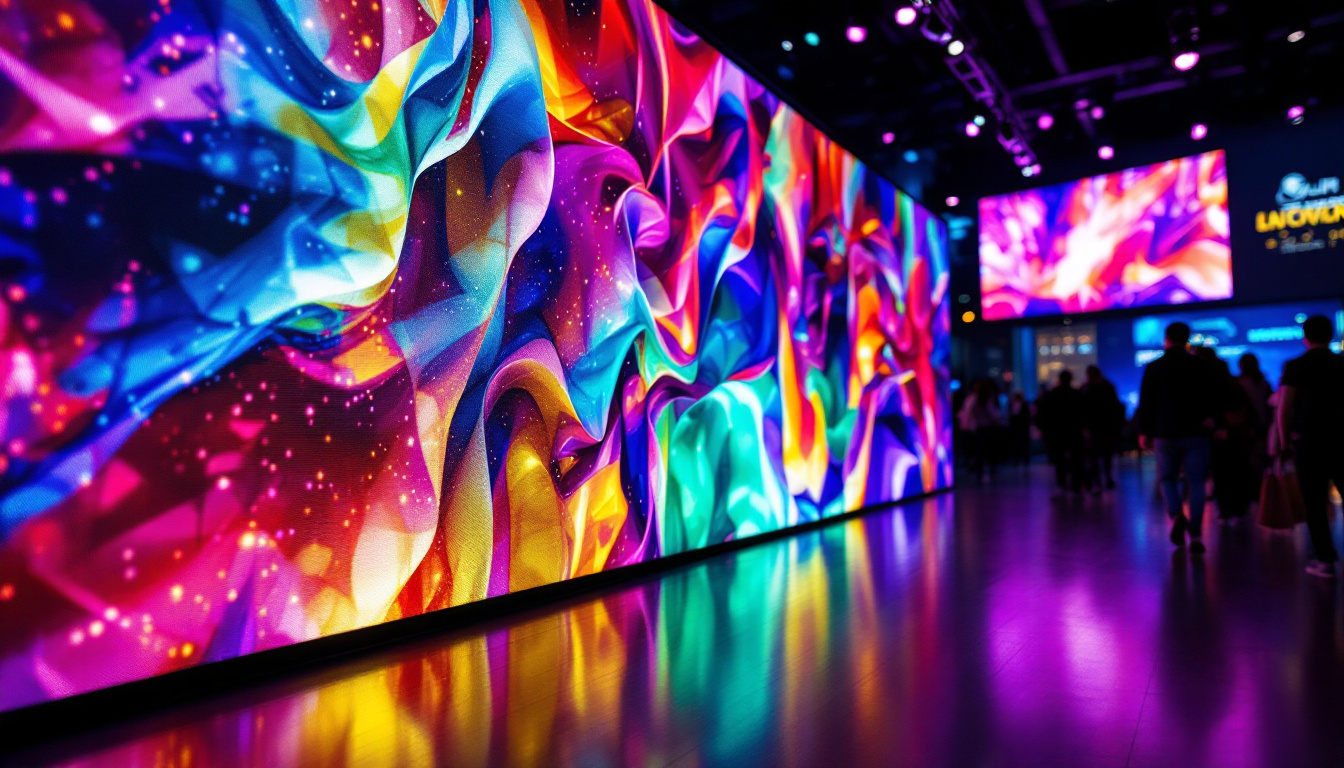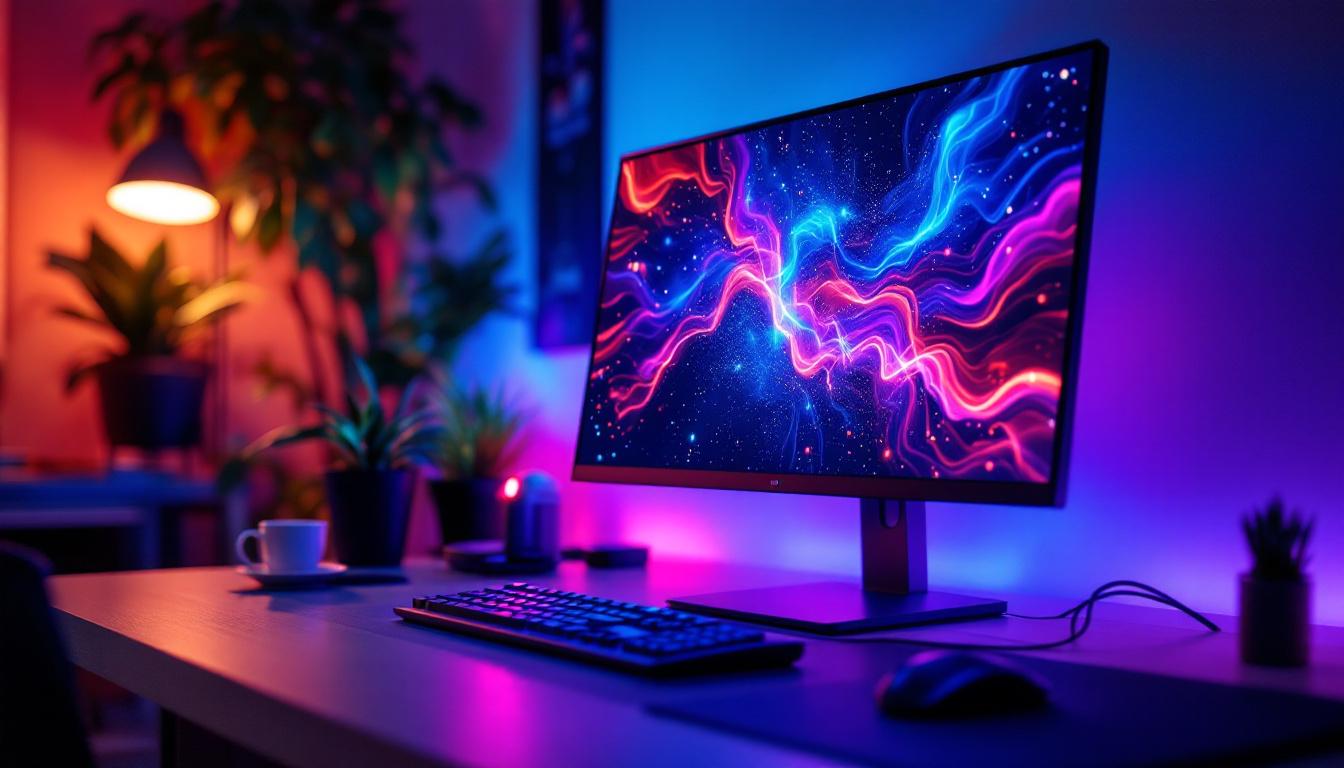
In the rapidly evolving world of digital technology, display screens have become an integral part of daily life, from smartphones and tablets to large-scale advertising billboards. Among the various types of display technologies, LED displays stand out for their brightness, energy efficiency, and versatility. This article delves into the intricacies of LED displays, particularly focusing on touch screen applications, to provide a comprehensive understanding of how these technologies work together to create the interactive visual experiences we encounter every day.
Understanding LED Display Technology
What is an LED Display?
LED stands for Light Emitting Diode, a semiconductor device that emits light when an electric current passes through it. An LED display is a flat panel display that uses an array of light-emitting diodes as pixels to create images and videos. These displays are known for their high brightness, vibrant colors, and energy efficiency compared to traditional display technologies like LCDs or plasma screens. The ability of LED displays to produce deeper blacks and a wider color gamut makes them particularly appealing for applications requiring high visual fidelity, such as digital signage and home entertainment systems.
LED displays can be found in various forms, from small indicator lights on devices to massive outdoor advertising screens. The technology behind LED displays has evolved significantly, enabling the creation of ultra-thin, flexible, and even transparent screens. These advancements have opened up new possibilities in design and functionality, allowing for innovative applications in architecture and interior design, where displays can seamlessly blend into walls or windows, creating immersive environments that engage viewers in unique ways.
Types of LED Displays
LED displays are broadly categorized into two main types: Direct View LED (DVLED) and LED-backlit LCD displays.
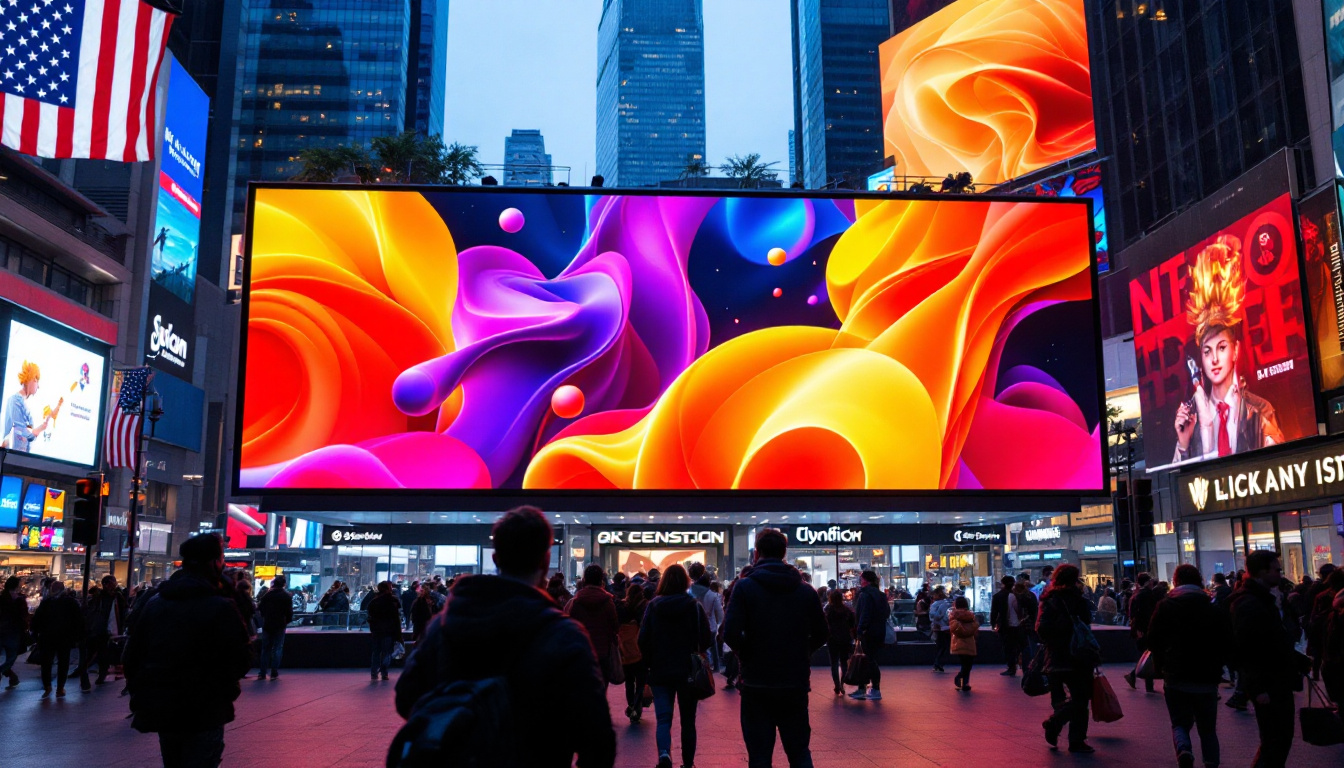
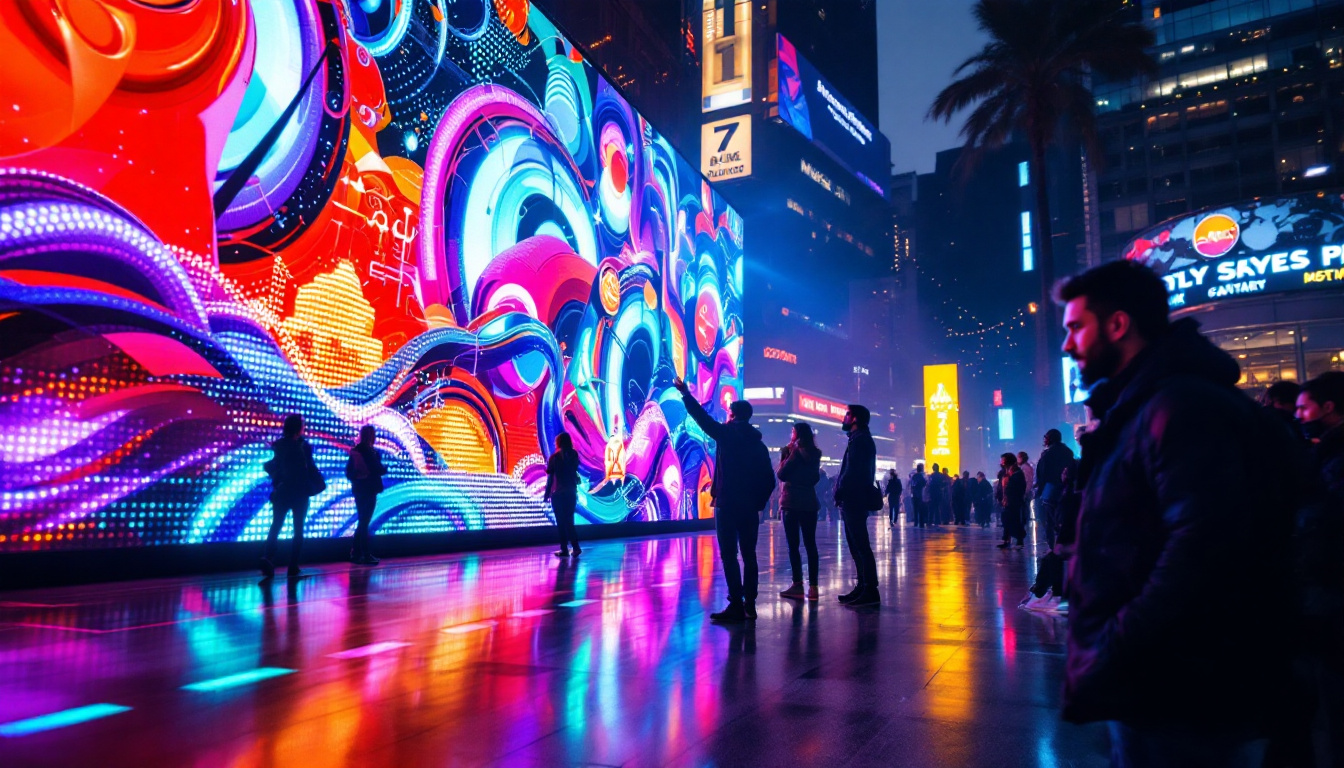
- Direct View LED (DVLED): In these displays, each pixel is made up of individual LEDs that emit light directly. This type is commonly used in large outdoor screens, stadium displays, and digital billboards due to their excellent brightness and visibility in daylight. The modular nature of DVLED technology allows for easy scaling and customization, making it a favorite for large-scale events and installations where dynamic content is essential.
- LED-backlit LCD: These displays use LEDs as a backlight source behind an LCD panel. The LCD controls the image by blocking or allowing light from the LEDs to pass through. This technology is prevalent in consumer electronics like TVs, monitors, and laptops. The combination of LED backlighting with advanced LCD technology has led to thinner, lighter devices that consume less power while providing stunning picture quality.
Understanding the distinction is crucial because the integration of touch technology varies depending on the display type. For instance, while DVLED displays are often used in environments where interactivity is less common, such as large public displays, LED-backlit LCDs frequently incorporate touch-sensitive overlays, enabling interactive experiences in retail and educational settings. This versatility in application highlights the adaptability of LED technology across various industries, from entertainment to education, and even healthcare, where clear and vibrant displays can enhance communication and information sharing.
The Role of Touch Technology in LED Displays
How Touch Screens Work
Touch screens enable users to interact directly with what is displayed, eliminating the need for external input devices like a mouse or keyboard. There are several touch technologies, but the most common ones integrated with LED displays include resistive, capacitive, infrared, and optical touch systems.
- Resistive Touch Screens: These consist of two flexible layers separated by a small gap. When pressed, the layers touch, registering the input. They are durable and work with any pointing device but offer lower clarity and multi-touch capability.
- Capacitive Touch Screens: These use the electrical properties of the human body to detect touch. They provide high clarity, support multi-touch, and are widely used in smartphones and tablets.
- Infrared Touch Screens: These use an array of infrared LEDs and photodetectors around the screen edges. When a finger or object interrupts the infrared beams, the touch is detected. They work well with large displays and can detect any input type.
- Optical Touch Screens: These use cameras or optical sensors to detect touch points. They are often used in large interactive displays and offer high durability.
Integrating Touch with LED Displays
When combining touch technology with LED displays, the choice of touch system depends largely on the display’s size, application, and environment. For example, capacitive touch is ideal for small to medium-sized LED-backlit LCD screens like smartphones and tablets, offering precise and responsive interaction.
For large-scale Direct View LED displays used in public spaces or retail environments, infrared or optical touch technologies are preferred. These methods do not require a physical overlay on the screen, preserving the brightness and clarity of the LED pixels while providing robust touch capabilities.
Advantages of LED Touch Screen Displays
Brightness and Visibility
One of the standout features of LED displays is their superior brightness. Direct View LED displays can achieve brightness levels exceeding 5,000 nits, making them easily visible even in direct sunlight. This is particularly important for outdoor digital signage and interactive kiosks, where ambient light conditions can vary significantly.
When combined with touch technology, the high visibility ensures users can interact with the display comfortably without straining their eyes, enhancing usability and engagement.
Energy Efficiency and Longevity
LED technology is renowned for its energy efficiency. LEDs consume significantly less power than traditional lighting and display technologies. This efficiency translates into lower operating costs and reduced environmental impact, which is critical for businesses operating large-scale digital signage networks.
Moreover, LEDs have a long lifespan, often exceeding 50,000 hours of operation. This durability means that LED touch screen displays require less maintenance and replacement, providing a reliable solution for continuous, high-traffic use.
Design Flexibility and Durability
LED displays can be manufactured in various shapes and sizes, including curved and flexible panels. This flexibility allows designers to create innovative interactive installations that blend seamlessly into architectural environments.
Additionally, LED displays are robust and resistant to shock and vibration, making them suitable for public spaces and outdoor environments where durability is essential.
Applications of LED Touch Screen Displays
Retail and Advertising
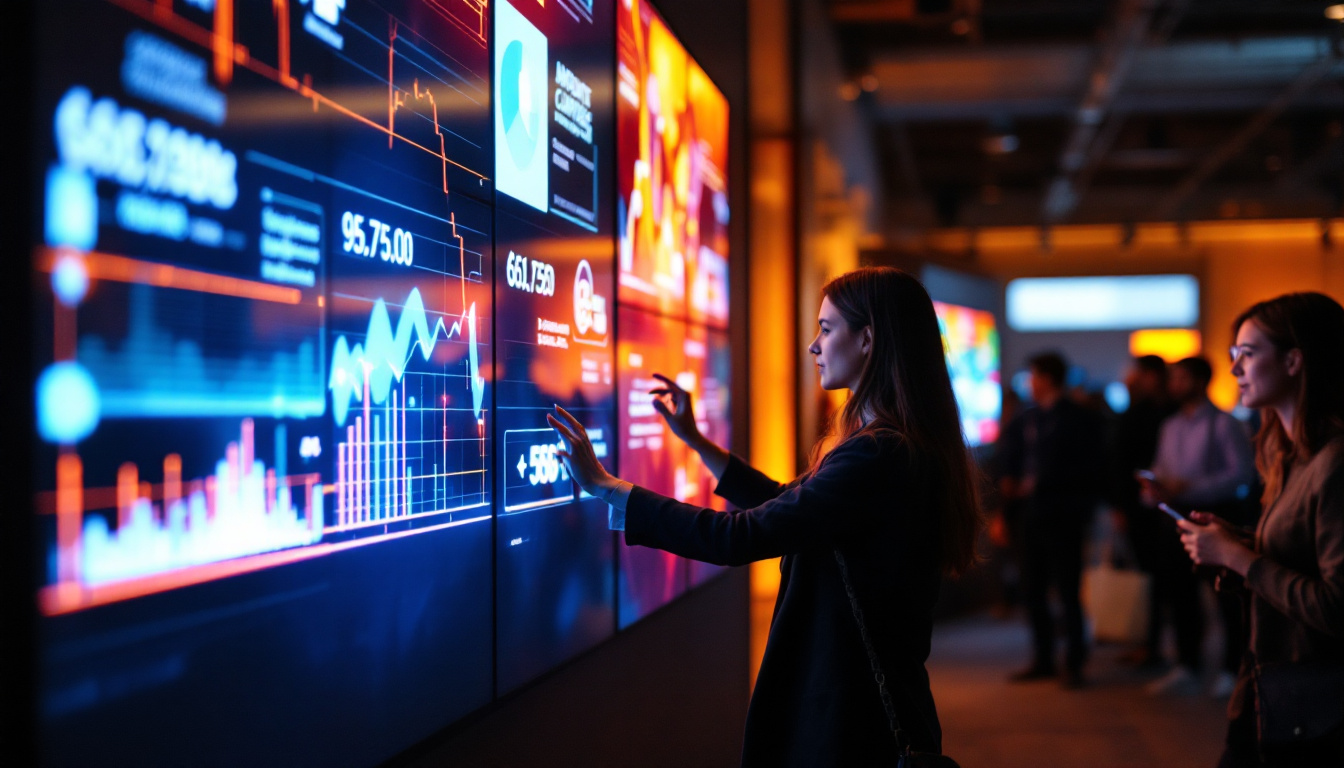
Interactive LED touch screen displays have transformed the retail landscape by enabling dynamic advertising and personalized customer experiences. Retailers use these displays for digital signage, product information kiosks, and interactive catalogs, allowing customers to browse products, check availability, and even place orders directly from the screen.
According to a 2023 report by Grand View Research, the global digital signage market is expected to reach $32.84 billion by 2028, driven in part by the adoption of interactive LED displays. The ability to engage customers interactively has proven to increase dwell time and sales conversions.
Education and Training
In educational settings, LED touch screen displays facilitate interactive learning experiences. Large-format touch screens serve as digital whiteboards, enabling teachers to present multimedia content, annotate in real-time, and encourage student participation.
Training centers and corporate environments also benefit from these displays by providing immersive simulations and collaborative workspaces that enhance knowledge retention and teamwork.
Public Information and Transportation
LED touch screen displays are increasingly used in public information systems, such as wayfinding kiosks in airports, train stations, and shopping malls. These interactive displays provide real-time information, maps, and service updates, improving user convenience and operational efficiency.
For example, the deployment of interactive LED kiosks in major airports has reduced passenger inquiries by up to 30%, according to a 2022 study by the International Air Transport Association (IATA).
Challenges and Considerations in LED Touch Screen Displays
Cost and Installation
While LED technology has become more affordable over the years, high-quality touch screen LED displays, especially large Direct View LED panels, can still represent a significant investment. Costs include not only the hardware but also installation, calibration, and ongoing maintenance.
Businesses must carefully assess their requirements and budget to select the most appropriate solution. In some cases, hybrid approaches, such as LED-backlit LCD touch screens, may offer a balance between performance and cost.
Environmental Factors
Outdoor LED touch screen displays must withstand various environmental conditions, including temperature fluctuations, moisture, dust, and vandalism. Ensuring proper sealing, cooling, and protective coatings is essential to maintain performance and longevity.
Moreover, touch technologies like capacitive screens may be less effective when users wear gloves or in wet conditions. Infrared and optical touch systems can mitigate some of these issues but may introduce other challenges related to ambient light interference.
Technical Complexity and Integration
Integrating touch technology with LED displays requires careful engineering to ensure responsiveness, accuracy, and durability. Calibration is critical to align touch input with the display output precisely, especially on large-format screens.
Additionally, software compatibility and user interface design play vital roles in delivering a seamless interactive experience. Developers must consider factors such as multi-touch support, gesture recognition, and accessibility features.
Future Trends in LED Touch Screen Displays
MicroLED and MiniLED Technologies
Emerging display technologies like MicroLED and MiniLED promise to revolutionize LED displays further. MicroLEDs are tiny LEDs that can be individually controlled, offering higher resolution, improved color accuracy, and better energy efficiency. These advances will enhance the visual quality of touch screen displays, particularly for small and medium-sized devices.
Flexible and Transparent Displays
Research into flexible and transparent LED displays is progressing rapidly. These innovations will enable new form factors, such as foldable smartphones, wearable devices, and see-through interactive windows, expanding the possibilities for touch screen applications.
Artificial Intelligence and Enhanced Interactivity
Integrating artificial intelligence (AI) with LED touch screen displays will enable more intuitive and personalized interactions. AI can analyze user behavior, adapt content in real-time, and support voice and gesture controls, creating richer and more engaging experiences.
Conclusion
LED touch screen displays represent a dynamic intersection of visual technology and user interaction, offering bright, energy-efficient, and versatile solutions for a wide range of applications. From retail and education to public information and entertainment, these displays enhance engagement and accessibility in meaningful ways.
As technology continues to advance, the integration of innovative LED display types, touch technologies, and intelligent software will unlock new possibilities, making interactive digital experiences more immersive and seamless than ever before. Understanding the fundamentals and current trends in LED touch screen displays is essential for businesses, educators, and technologists aiming to leverage this powerful medium effectively.
Explore Cutting-Edge LED Display Solutions with LumenMatrix
Ready to elevate your visual communication and create unforgettable interactive experiences? LumenMatrix is at the forefront of LED display innovation, offering a diverse range of products from Indoor and Outdoor LED Wall Displays to specialized solutions like Vehicle LED Displays, LED Sports Displays, and even Custom LED Displays. Our mission is to transform your message into a captivating visual journey. Don’t miss the opportunity to enhance your brand’s visibility and engage your audience like never before. Check out LumenMatrix LED Display Solutions today and step into the future of digital signage.