In today’s digital age, LED displays have become an integral part of our daily lives, from the smartphones in our pockets to the massive billboards lighting up cityscapes. The term “Touch 21” refers to the latest generation of LED display technology, which combines advanced touch capabilities with high-definition LED panels to deliver immersive, interactive visual experiences. This article delves into the technology behind Touch 21 LED displays, exploring how they work, their applications, and why they are reshaping the future of digital interaction.
Understanding LED Display Technology
What is an LED Display?
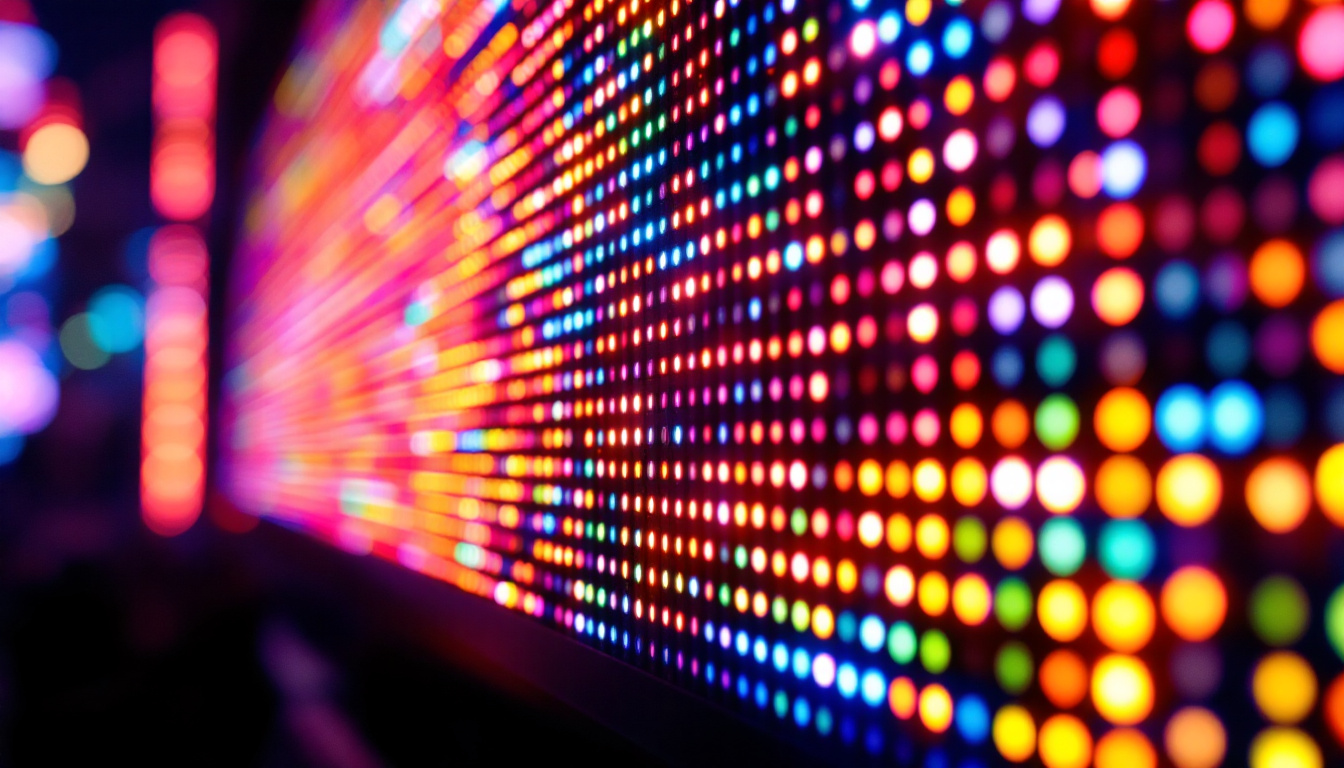
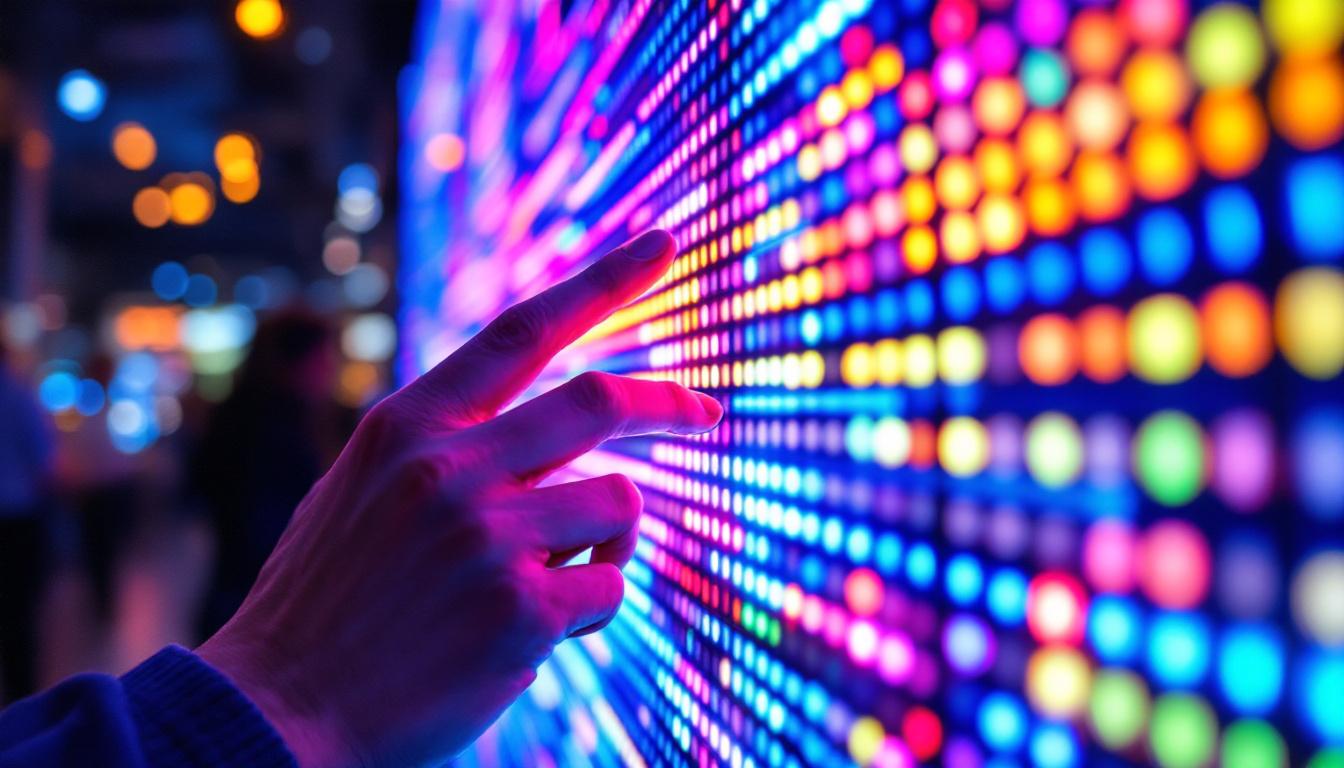
LED stands for Light Emitting Diode, a semiconductor device that emits light when an electric current passes through it. LED displays are screens made up of thousands or even millions of these tiny diodes arranged in a grid, each acting as a pixel. By controlling the brightness and color of each diode, LED displays can produce vibrant images and videos with remarkable clarity.
Unlike traditional LCD screens that rely on backlighting, LED displays generate their own light, resulting in higher brightness, better contrast ratios, and improved energy efficiency. This makes LED technology particularly suitable for environments with high ambient light, such as outdoor advertising or sports arenas. Additionally, the durability of LED displays means they can withstand various weather conditions, making them ideal for outdoor installations where traditional screens might fail or degrade over time.
Furthermore, the versatility of LED displays allows them to be used in a wide range of applications, from large billboards and digital signage to smaller screens in retail environments and even in consumer electronics like televisions and smartphones. The ability to create flexible and even transparent displays opens up new possibilities for design and functionality, allowing for innovative uses in architecture and interior design.
How LED Displays Work
At the core of an LED display is the pixel matrix, where each pixel consists of red, green, and blue (RGB) diodes. By varying the intensity of these three colors, the display can render a full spectrum of colors. The display controller processes input signals—whether video, images, or text—and translates them into electrical signals that drive the LEDs accordingly.
Modern LED displays also incorporate sophisticated calibration systems to ensure color accuracy and uniformity across the entire screen. This is especially important for large-format displays, where slight variations in brightness or color can be noticeable and detract from the viewing experience. Advanced technologies such as dynamic range adjustment and pixel-level calibration help maintain consistent visual quality, even in challenging lighting conditions.
Moreover, the integration of smart technologies into LED displays has revolutionized their functionality. Many LED displays now feature built-in sensors that can adjust brightness based on ambient light levels, optimizing energy consumption and enhancing visibility. Additionally, connectivity options such as Wi-Fi and Bluetooth enable seamless integration with content management systems, allowing for real-time updates and interactive content delivery. This adaptability not only enhances user engagement but also streamlines the management of digital signage in various settings, from retail spaces to corporate environments.
The Evolution to Touch 21 LED Displays
What Does “Touch 21” Mean?
Touch 21 represents the cutting edge in LED display technology, integrating multi-touch capabilities with ultra-high-definition LED panels. The “21” signifies the 21st century’s advancements in display and touch technology, emphasizing interactivity, responsiveness, and clarity.
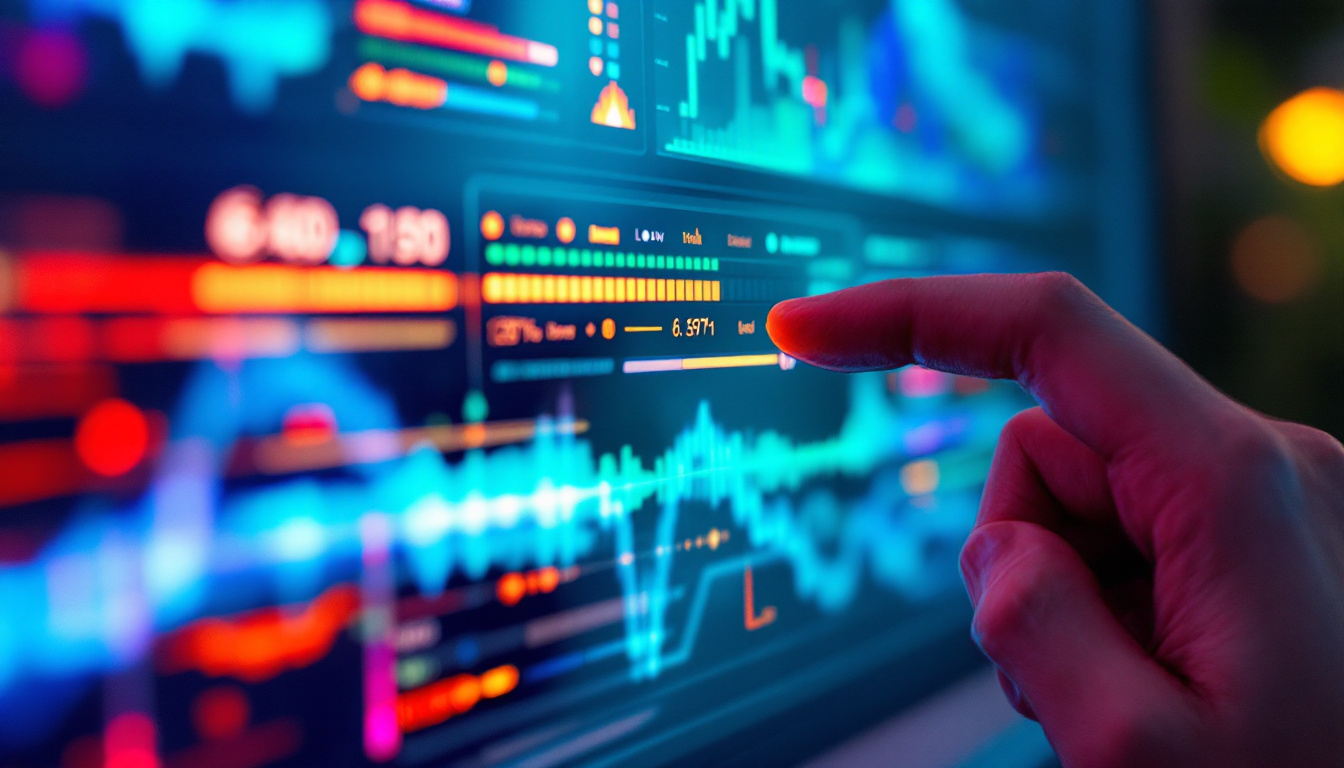
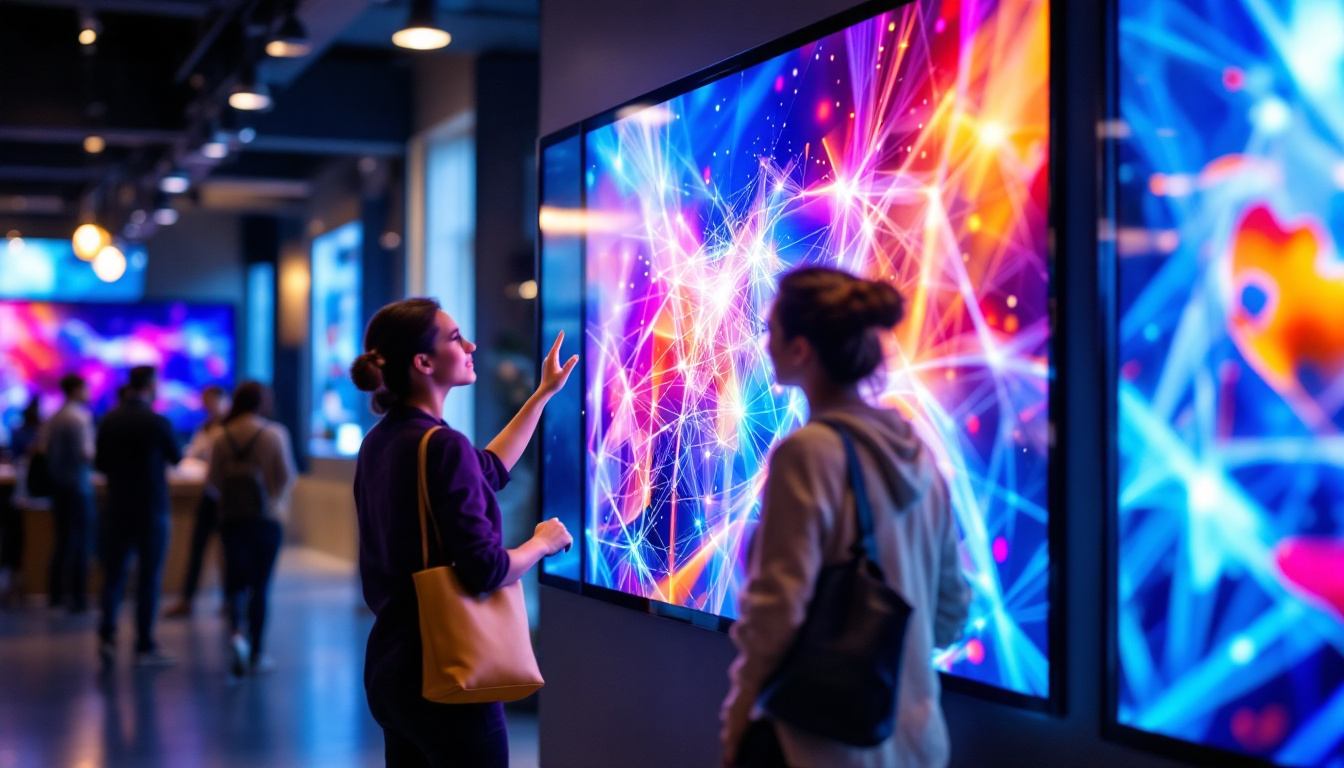
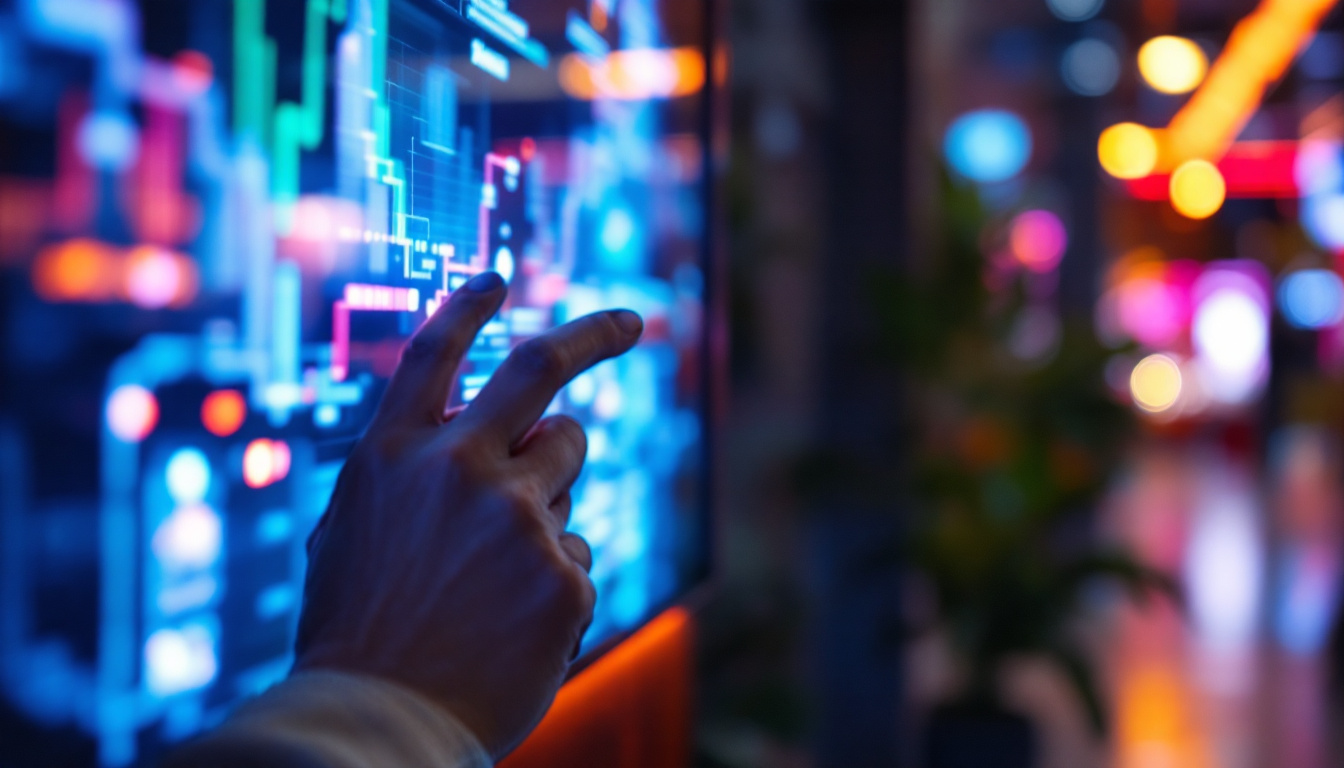
Unlike earlier LED displays that were primarily passive viewing devices, Touch 21 displays allow users to interact directly with the screen using fingers or styluses. This fusion of touch technology with LED’s superior visual performance opens up new possibilities for digital signage, education, retail, and entertainment. For instance, in retail environments, customers can engage with interactive product displays, allowing them to explore features, watch videos, or even customize products in real-time, thereby enhancing their shopping experience.
How Touch Technology Integrates with LED
Incorporating touch functionality into LED displays requires sophisticated hardware and software integration. Capacitive and infrared touch technologies are commonly used, each with distinct advantages:
- Capacitive Touch: Utilizes the electrical properties of the human body to detect touch. It offers high accuracy and supports multi-touch gestures but can be sensitive to environmental factors like moisture.
- Infrared Touch: Employs an array of infrared LEDs and photodetectors around the screen’s edges to detect touch points. It is highly durable and works well with gloves or styluses but may be less precise than capacitive systems.
Touch 21 displays often combine these technologies with advanced processing algorithms to enable seamless, lag-free interaction even on large-format screens. This capability is particularly beneficial in educational settings, where interactive lessons can be delivered through engaging visuals and hands-on participation. Students can manipulate digital content directly, fostering a more immersive learning environment that caters to various learning styles. Moreover, the versatility of Touch 21 displays allows them to be utilized in collaborative workspaces, where multiple users can interact simultaneously, enhancing teamwork and creativity.
Key Features and Benefits of Touch 21 LED Displays
Superior Visual Quality
Touch 21 LED displays deliver exceptional image quality, with resolutions reaching up to 8K in some models. The high pixel density ensures crisp text and detailed images, while the wide color gamut and high dynamic range (HDR) support vibrant, lifelike visuals.
Additionally, the inherent brightness of LED technology allows these displays to perform well in various lighting conditions, from dimly lit rooms to bright outdoor environments.
Enhanced Interactivity
The multi-touch capabilities of Touch 21 displays enable intuitive user interactions such as pinch-to-zoom, swipe, and multi-finger gestures. This makes them ideal for collaborative settings like classrooms, conference rooms, and retail spaces where multiple users may interact simultaneously.
Interactive LED displays also facilitate dynamic content manipulation, allowing users to engage with digital content in real time, which can increase engagement and retention in educational and marketing contexts.
Durability and Energy Efficiency
LED displays are known for their long lifespan, often exceeding 100,000 hours of operation. Touch 21 displays maintain this durability while incorporating touch sensors that are designed to withstand heavy usage without degradation.
Moreover, LED technology is energy efficient compared to traditional display technologies, reducing operational costs and environmental impact. This is particularly important for large-scale installations that operate continuously.
Applications of Touch 21 LED Displays
Retail and Advertising
Retailers are increasingly adopting Touch 21 LED displays to create engaging, interactive storefronts and in-store experiences. These displays can showcase product information, promotions, and personalized recommendations, enhancing customer engagement and driving sales.
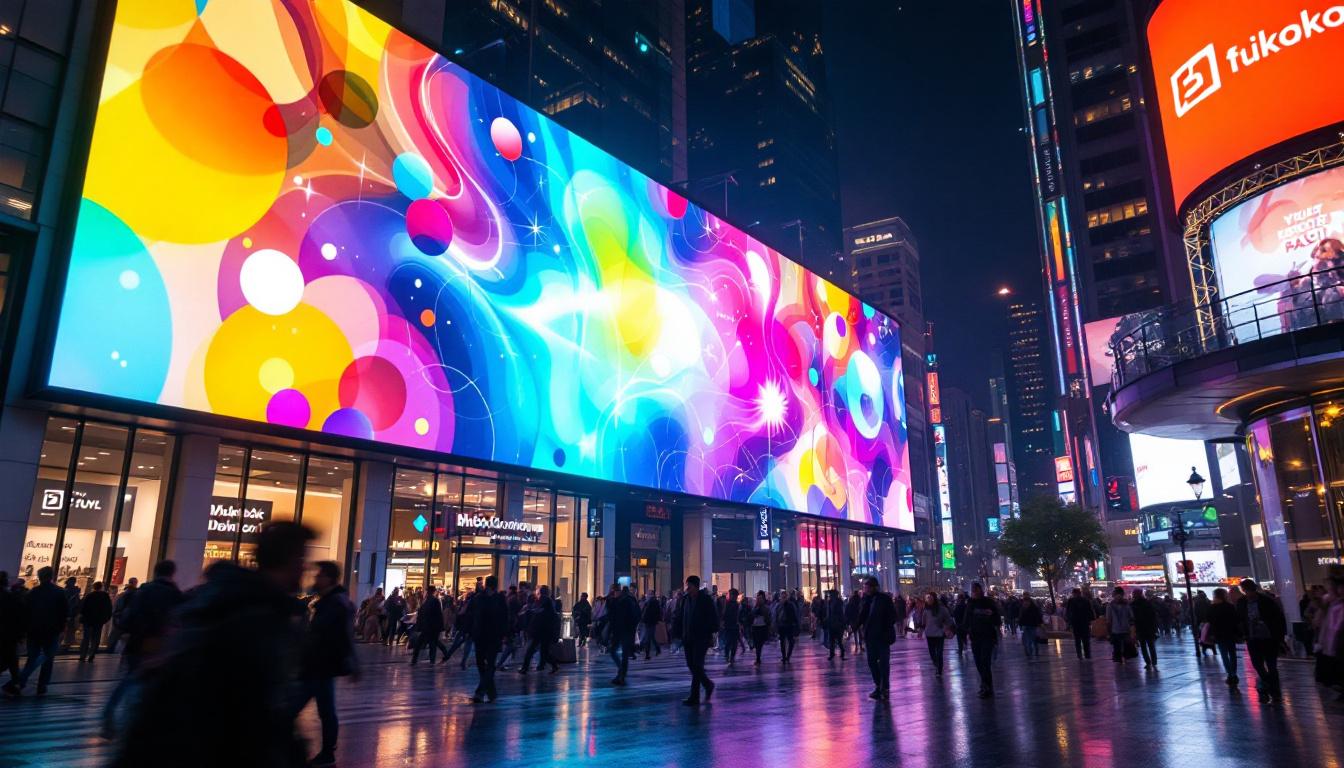
For outdoor advertising, Touch 21 technology enables interactive billboards where passersby can explore products or services directly on the screen, transforming passive advertising into an active experience.
Education and Training
In educational settings, Touch 21 LED displays serve as digital whiteboards that support collaborative learning. Teachers can present multimedia content, annotate in real time, and encourage student participation through interactive lessons.
Corporate training programs also benefit from these displays by facilitating immersive simulations and group activities that improve knowledge retention and skill development.
Entertainment and Events
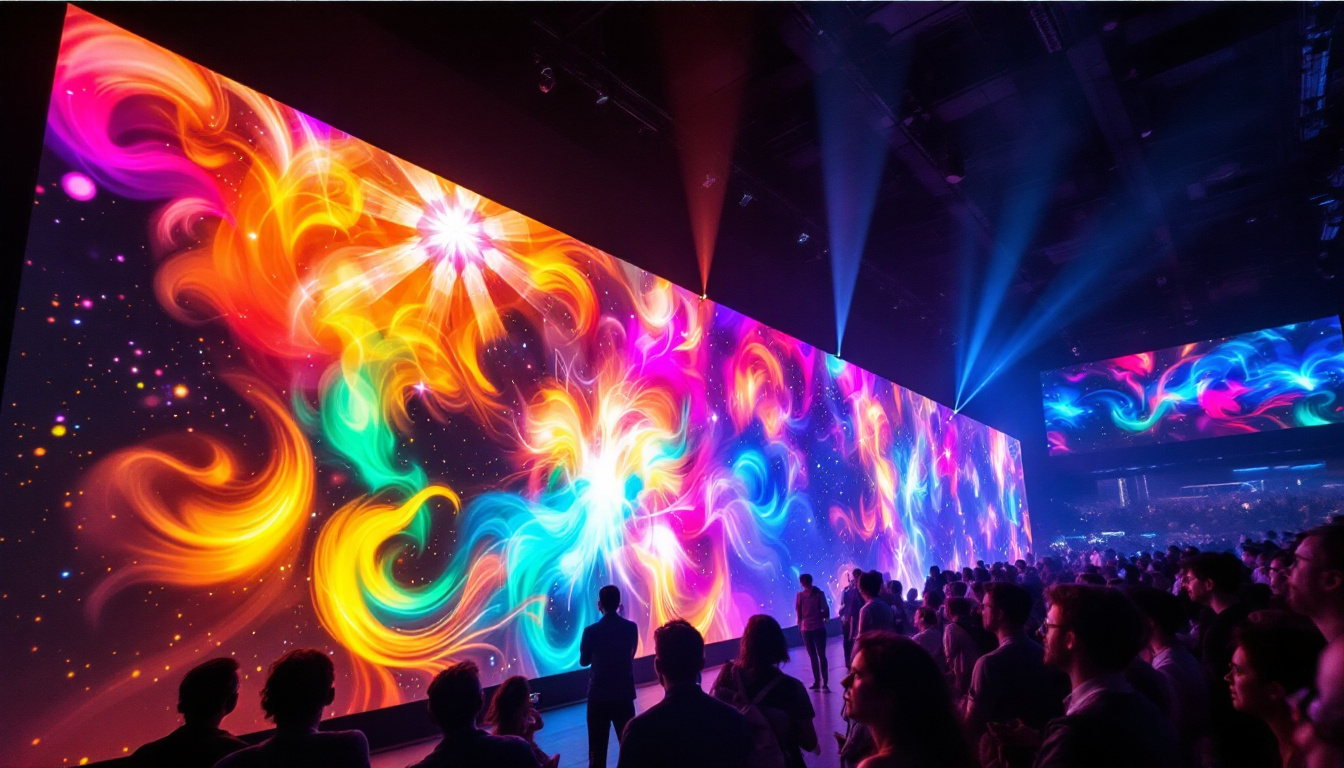
Touch 21 LED displays are widely used in entertainment venues, including concerts, theaters, and sports arenas. Their large size and high resolution provide stunning visuals, while touch interactivity can be leveraged for audience engagement, such as interactive voting or games.
Event organizers also use these displays for wayfinding, schedules, and live social media feeds, enhancing the overall attendee experience.
Choosing the Right Touch 21 LED Display
Considerations for Screen Size and Resolution
The choice of screen size and resolution depends heavily on the intended application and viewing distance. For example, a retail kiosk may require a 55-inch display with 4K resolution, while a stadium scoreboard might need a massive 100-foot-wide screen with 8K resolution to ensure visibility from afar.
Higher resolution displays offer better image clarity but come at increased cost and power consumption, so balancing these factors is crucial.
Touch Technology Selection
Deciding between capacitive and infrared touch depends on the environment and use case. Capacitive touch is ideal for indoor environments where precision and gesture support are priorities. Infrared touch is better suited for rugged environments or situations where users may wear gloves.
Installation and Maintenance
Proper installation is essential to maximize the performance and lifespan of Touch 21 LED displays. This includes ensuring adequate ventilation, protection against environmental factors, and secure mounting.
Maintenance considerations include regular cleaning of the screen surface to maintain touch sensitivity and periodic calibration to ensure color accuracy.
The Future of Touch 21 LED Displays
Integration with AI and IoT
Looking ahead, Touch 21 LED displays are poised to become smarter through integration with artificial intelligence (AI) and the Internet of Things (IoT). AI can enable personalized content delivery based on user behavior, while IoT connectivity allows displays to interact with other smart devices for seamless experiences.
Advancements in Display Materials
Research into new materials, such as microLED and quantum dot technologies, promises even greater brightness, color accuracy, and energy efficiency. These advancements will further enhance the capabilities of Touch 21 displays, making them thinner, lighter, and more versatile.
Expanding Applications
As the technology matures, Touch 21 LED displays will find applications in emerging fields such as augmented reality (AR), virtual reality (VR), and smart cities. Interactive public information kiosks, dynamic architectural lighting, and immersive digital art installations are just a few examples of the expanding possibilities.
Conclusion
Touch 21 LED displays represent a significant leap forward in digital display technology, combining the visual excellence of LED panels with the dynamic interactivity of touch interfaces. Their versatility, durability, and energy efficiency make them suitable for a wide range of applications, from retail and education to entertainment and public information.
As advancements continue in display materials, touch technology, and smart integration, Touch 21 displays are set to become even more immersive and indispensable in the digital landscape. For businesses and organizations looking to engage audiences in innovative ways, investing in Touch 21 LED technology offers a compelling path forward.
Discover the Future with LumenMatrix
Ready to elevate your visual communication and engage with your audience like never before? LumenMatrix is at the forefront of the LED display revolution, offering a comprehensive range of solutions that bring your brand to life. From Indoor and Outdoor LED Wall Displays to innovative LED Posters and Transparent Displays, our technology is designed to captivate and inspire. Experience the transformative power of Touch 21 LED displays and join the digital signage evolution. Check out LumenMatrix LED Display Solutions today and see your vision become a vibrant reality.