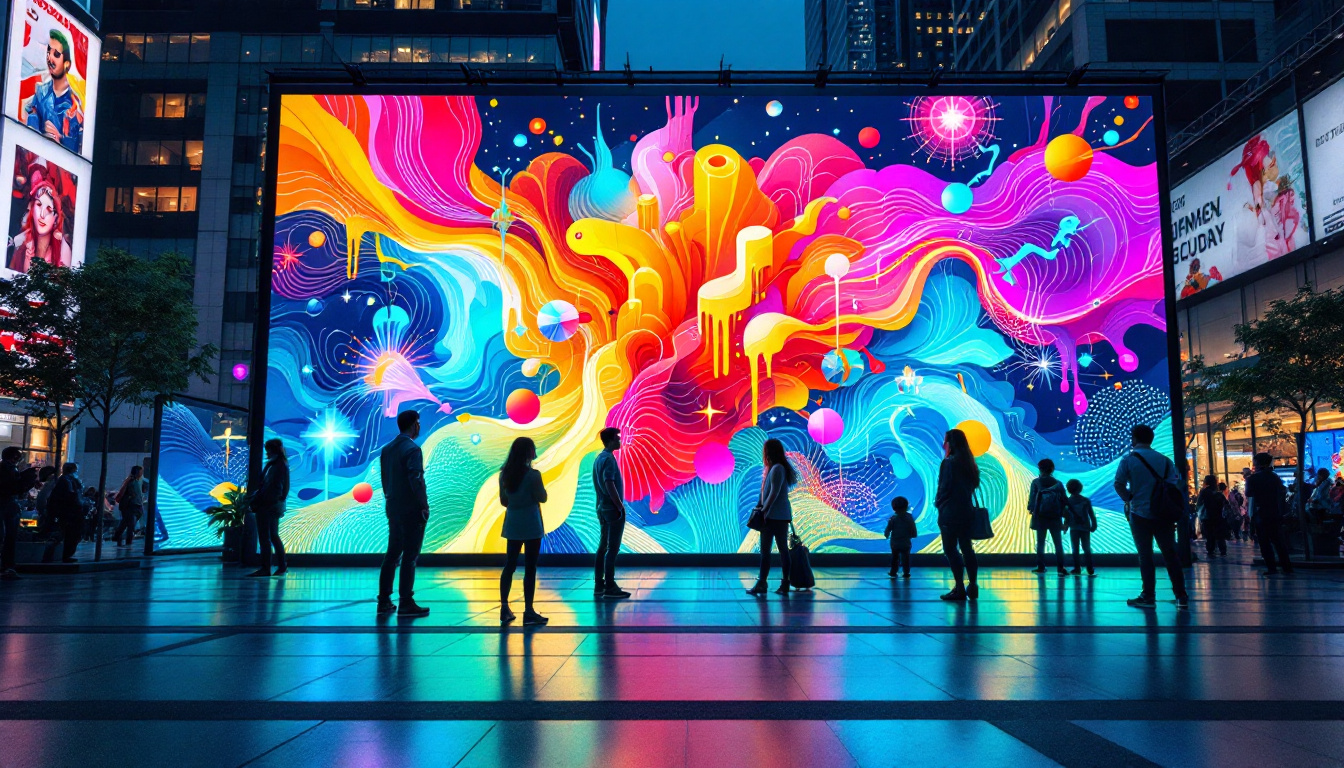
In today’s digital age, touchscreens have become an integral part of daily life, from smartphones and tablets to kiosks and industrial control panels. Among the various display technologies, LED displays stand out for their brightness, energy efficiency, and versatility. This article delves into the world of Touch Bildschirm (touchscreen) technology with a focus on LED displays, explaining how they work, their benefits, and their applications across industries.
Understanding LED Displays: The Basics
LED, or Light Emitting Diode, displays use tiny semiconductor devices that emit light when an electric current passes through them. Unlike traditional LCD screens that rely on backlighting, LED displays generate their own light, which results in higher brightness and better contrast ratios. This capability not only enhances the viewing experience but also allows for thinner and lighter display designs, making them more versatile for various applications.
LED technology has evolved significantly since its inception. Modern LED displays can be categorized into two main types: direct LED and OLED (Organic LED). While OLEDs use organic compounds to emit light and offer superior color accuracy and viewing angles, direct LED displays are more common in large-scale applications due to their durability and brightness. Additionally, advancements in LED technology have led to the development of Mini-LED and Micro-LED displays, which provide even finer pixel control and improved energy efficiency, paving the way for next-generation visual experiences.
The Role of LED in Touchscreens
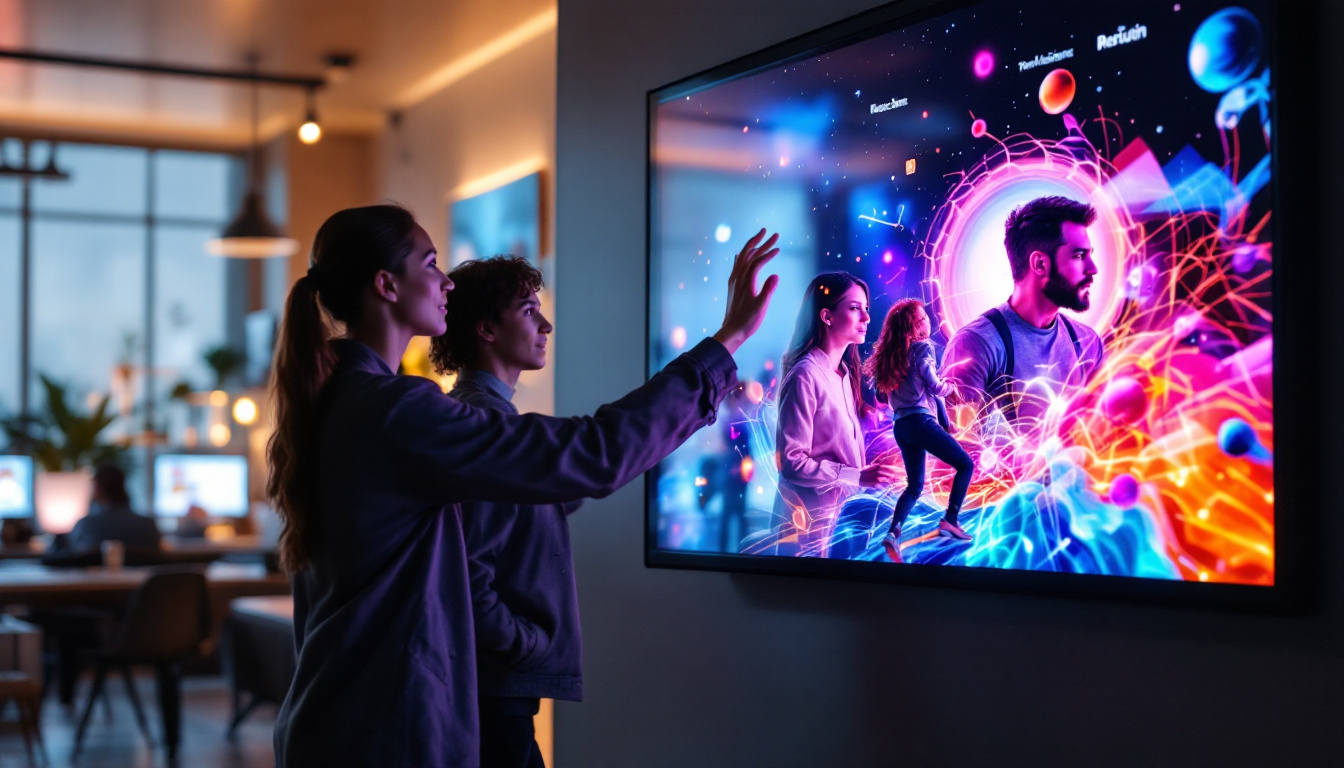
When combined with touchscreen technology, LED displays provide a responsive and visually vibrant interface. The touchscreen layer is typically placed over the LED panel, allowing users to interact directly with the content displayed. This combination is prevalent in devices ranging from smartphones to interactive kiosks and automotive dashboards. The seamless integration of LED and touchscreen technology not only enhances user engagement but also allows for innovative applications, such as augmented reality interfaces that overlay digital information onto the real world.
LED’s inherent brightness ensures that touchscreens remain visible even in brightly lit environments, making them ideal for outdoor use or industrial settings where lighting conditions can vary greatly. Furthermore, the durability of LED displays contributes to their longevity in demanding environments, reducing the need for frequent replacements. As technology continues to advance, we can expect to see even more sophisticated uses of LED displays in fields such as healthcare, education, and entertainment, where clarity and interactivity are paramount. The ongoing research into improving energy efficiency and reducing environmental impact further highlights the importance of LED technology in shaping the future of display solutions.
How Touchscreens Work: Capacitive vs. Resistive Technologies
Before diving deeper into LED displays, it’s important to understand the two primary touchscreen technologies that are commonly paired with LED screens: capacitive and resistive touchscreens.
Capacitive Touchscreens
Capacitive touchscreens operate by detecting changes in the electrical field caused by the conductive properties of the human skin. When a finger touches the screen, it alters the local electrostatic field, which the device registers as input.
This technology supports multi-touch gestures, such as pinch-to-zoom, and offers high sensitivity and durability. Capacitive touchscreens are widely used in smartphones, tablets, and modern laptops due to their responsiveness and clarity. Moreover, advancements in capacitive technology have led to the development of features like palm rejection, which enhances user experience by preventing unintended touches when a hand rests on the screen while writing or drawing.
Resistive Touchscreens
Resistive touchscreens consist of two flexible layers separated by a small gap. When pressure is applied, the layers make contact, registering the touch. While resistive screens can be operated with a finger, stylus, or gloved hand, they generally lack multi-touch capability and have lower optical clarity compared to capacitive screens.
Despite these limitations, resistive touchscreens remain popular in industrial and medical environments where users may wear gloves or use styluses. Their ability to function accurately in harsh conditions, including exposure to dust, moisture, and extreme temperatures, makes them ideal for applications like point-of-sale systems and outdoor kiosks. Additionally, resistive touchscreens are often more cost-effective, which can be a significant advantage for businesses looking to implement touchscreen technology on a budget.
Advantages of LED Touchscreen Displays
LED touchscreen displays combine the best of both worlds: the visual benefits of LED technology and the interactive capabilities of touchscreens. Here are some key advantages that make them a preferred choice across various sectors.
Superior Brightness and Contrast
LED displays offer significantly higher brightness levels compared to traditional LCDs, often reaching up to 1000 nits or more. This makes them easily readable in direct sunlight or brightly lit rooms. The high contrast ratio also enhances image depth and color vibrancy, improving the overall user experience.
Energy Efficiency and Longevity
Compared to older display technologies, LED screens consume less power, which is crucial for battery-powered devices like smartphones and tablets. Additionally, LEDs have a longer lifespan, often exceeding 50,000 hours of use, reducing the need for frequent replacements and lowering maintenance costs.
Thin and Lightweight Design
LED technology allows for thinner and lighter displays, which contributes to the sleek designs of modern devices. This is particularly important in mobile devices and embedded systems where space and weight are critical factors.
Wide Viewing Angles and Color Accuracy
LED displays, especially OLED variants, provide wide viewing angles without color distortion. This ensures that content remains clear and vibrant regardless of the user’s position relative to the screen.
Applications of Touch LED Displays in Various Industries
Touch LED displays have transformed how users interact with technology across numerous fields. Their adaptability and performance make them suitable for a wide range of applications.
Consumer Electronics
Smartphones, tablets, laptops, and wearable devices predominantly use capacitive touch LED displays due to their responsiveness and image quality. The demand for higher resolution and better color reproduction has driven continuous innovation in this sector.
For example, flagship smartphones now feature OLED touchscreens with refresh rates up to 120Hz, enhancing smoothness and responsiveness for gaming and multimedia consumption.
Retail and Digital Signage
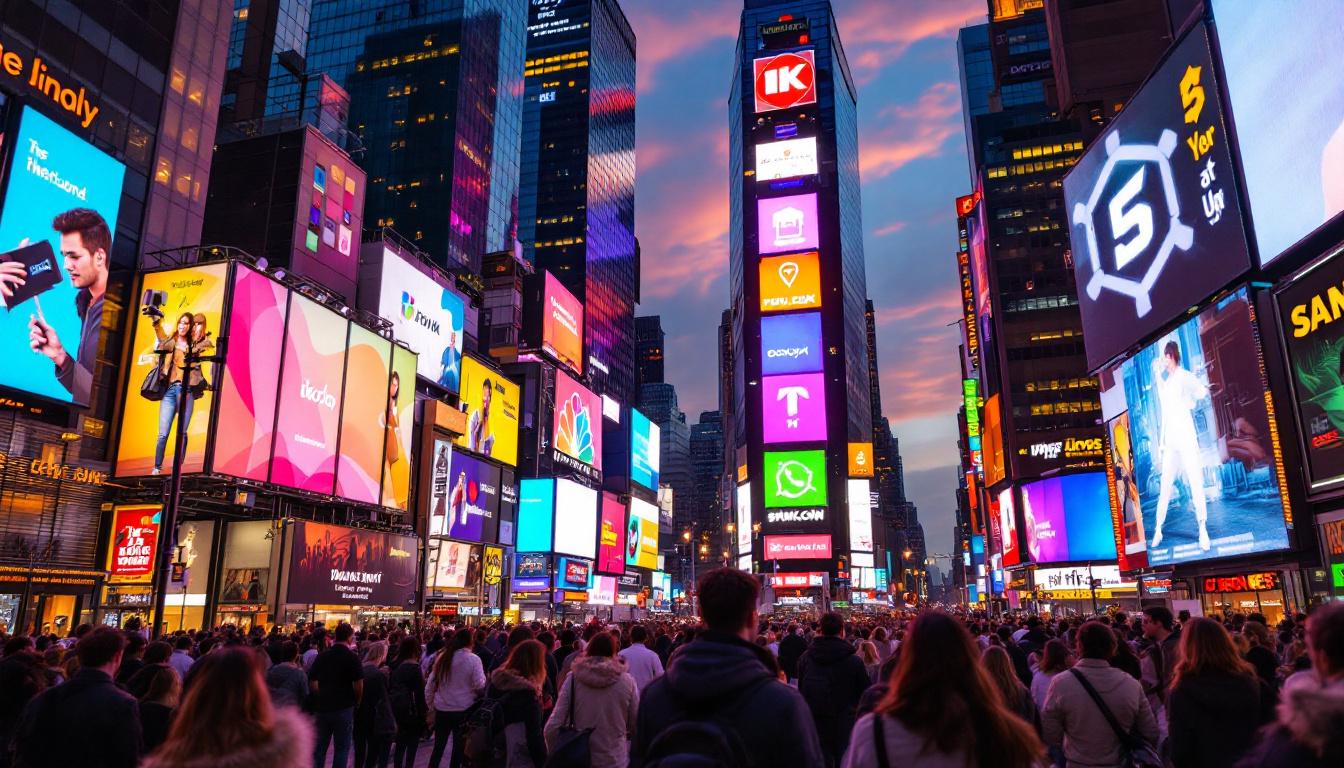
Interactive kiosks, point-of-sale (POS) systems, and digital signage utilize touch LED displays to engage customers and streamline transactions. The high brightness and durability of LED panels make them ideal for environments with heavy foot traffic and varying lighting conditions.
Retailers increasingly adopt touch LED displays for self-service checkouts and product information terminals, improving customer satisfaction and operational efficiency.
Industrial and Medical Environments
In industrial settings, resistive touch LED displays are favored for their ability to function with gloves and styluses. These displays are used in control panels, machinery interfaces, and diagnostic equipment where precision and reliability are paramount.
Medical devices also benefit from touch LED screens that provide clear visuals and responsive input while maintaining hygiene standards through easy-to-clean surfaces.
Automotive and Transportation
Modern vehicles integrate touch LED displays in dashboards, infotainment systems, and navigation units. The bright and clear LED panels ensure visibility under various lighting conditions, while touch capabilities allow intuitive control of vehicle functions.
Public transportation systems use large-format touch LED displays for ticketing kiosks and real-time information boards, enhancing passenger convenience.
Challenges and Considerations in Touch LED Display Technology
Despite their many advantages, touch LED displays also face certain challenges that manufacturers and users should consider.
Cost Factors
High-quality LED touchscreens, especially OLED variants, can be more expensive to produce than traditional LCDs. This cost difference can impact the pricing of consumer electronics and large-scale installations.
However, ongoing advancements and economies of scale are gradually reducing these costs, making LED touchscreens more accessible.
Durability and Screen Protection
Touchscreens are prone to scratches, smudges, and impact damage. To mitigate this, manufacturers often incorporate protective glass layers such as Gorilla Glass or use specialized coatings to enhance durability and reduce fingerprints.
In industrial environments, additional ruggedization may be necessary to withstand harsh conditions.
Power Consumption in Large Displays
While LED displays are energy-efficient, large-format LED touchscreens can still consume significant power, especially at high brightness levels. This is an important consideration for outdoor digital signage and public installations where energy costs and sustainability are priorities.
The Future of Touch LED Displays
The evolution of touch LED displays continues at a rapid pace, driven by consumer demand and technological innovation. Several emerging trends are shaping the future landscape.
Flexible and Foldable Displays
Advancements in OLED and micro-LED technology are enabling flexible and foldable touchscreens. These displays can bend or fold without compromising touch sensitivity or image quality, opening new possibilities for device design and user interaction.
Foldable smartphones and tablets are already on the market, showcasing the potential of this technology.
Micro-LED Technology
Micro-LED displays consist of microscopic LEDs that offer even greater brightness, energy efficiency, and lifespan than traditional LEDs. They also provide excellent color accuracy and contrast without the burn-in risks associated with OLEDs.
While still in early stages of commercialization, micro-LEDs are poised to revolutionize both consumer and industrial touch display markets.
Integration of AI and Gesture Recognition
Future touch LED displays may incorporate artificial intelligence and advanced sensors to enable gesture recognition and predictive touch input. This would allow users to interact with devices without direct contact, enhancing hygiene and accessibility.
Conclusion
Touch Bildschirm technology combined with LED displays represents a powerful synergy that enhances user interaction and visual experience across countless applications. From the high brightness and energy efficiency of LED panels to the responsiveness of capacitive and resistive touchscreens, this technology continues to evolve and expand its impact.
Understanding the fundamentals of LED displays, the types of touch technologies, and their respective advantages helps consumers and professionals make informed decisions when selecting devices or designing systems. As innovations like flexible displays and micro-LEDs mature, the future promises even more immersive and versatile touch LED experiences.
Discover the Future of Visual Engagement with LumenMatrix
Ready to elevate your interactive experiences with the latest in LED display technology? LumenMatrix is at the forefront of innovation, offering a diverse range of LED display solutions tailored to your needs. From captivating Indoor LED Walls to dynamic Outdoor LED Displays, and from versatile Vehicle LED Displays to sleek LED Poster Displays, our products are designed to make your brand shine. Embrace the future with our cutting-edge LED Sports Displays, immersive Floor LED Displays, and customizable options that fit any vision. Experience the revolution in visual communication and make a lasting impression. Check out LumenMatrix LED Display Solutions today and transform the way you connect with your audience.