In the rapidly evolving world of lighting and display technology, touch LED lights have emerged as a versatile and innovative solution. Combining the energy efficiency and brightness of LED technology with intuitive touch controls, these devices are transforming how we interact with lighting in homes, offices, and public spaces. This article delves into the fundamentals of touch LED lights, exploring their design, functionality, advantages, and practical applications.
Understanding LED Technology
Light Emitting Diodes, commonly known as LEDs, have revolutionized the lighting industry over the past two decades. Unlike traditional incandescent bulbs, LEDs emit light through electroluminescence, a process where an electric current passes through a semiconductor material, producing photons. This mechanism makes LEDs highly efficient, durable, and capable of producing a wide spectrum of colors. The compact size of LEDs also allows for innovative designs in lighting fixtures, enabling architects and designers to create more aesthetically pleasing and functional spaces.
According to the U.S. Department of Energy, LED lighting consumes up to 75% less energy than incandescent lighting and lasts 25 times longer. This efficiency has driven widespread adoption in residential, commercial, and industrial settings, contributing significantly to global energy savings and reduced carbon emissions. Furthermore, the longevity of LEDs means that they require less frequent replacement, which not only lowers maintenance costs but also reduces waste in landfills, making them an environmentally friendly choice.
Types of LED Displays
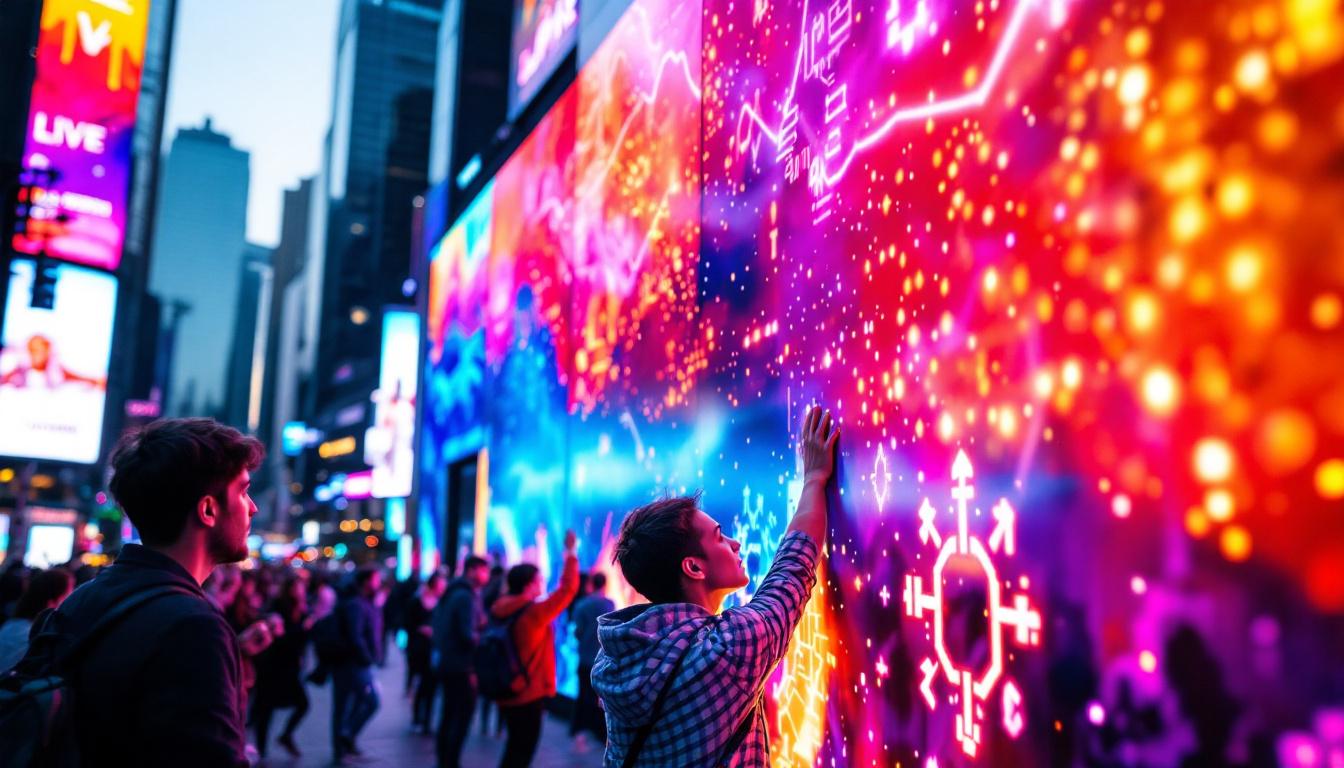
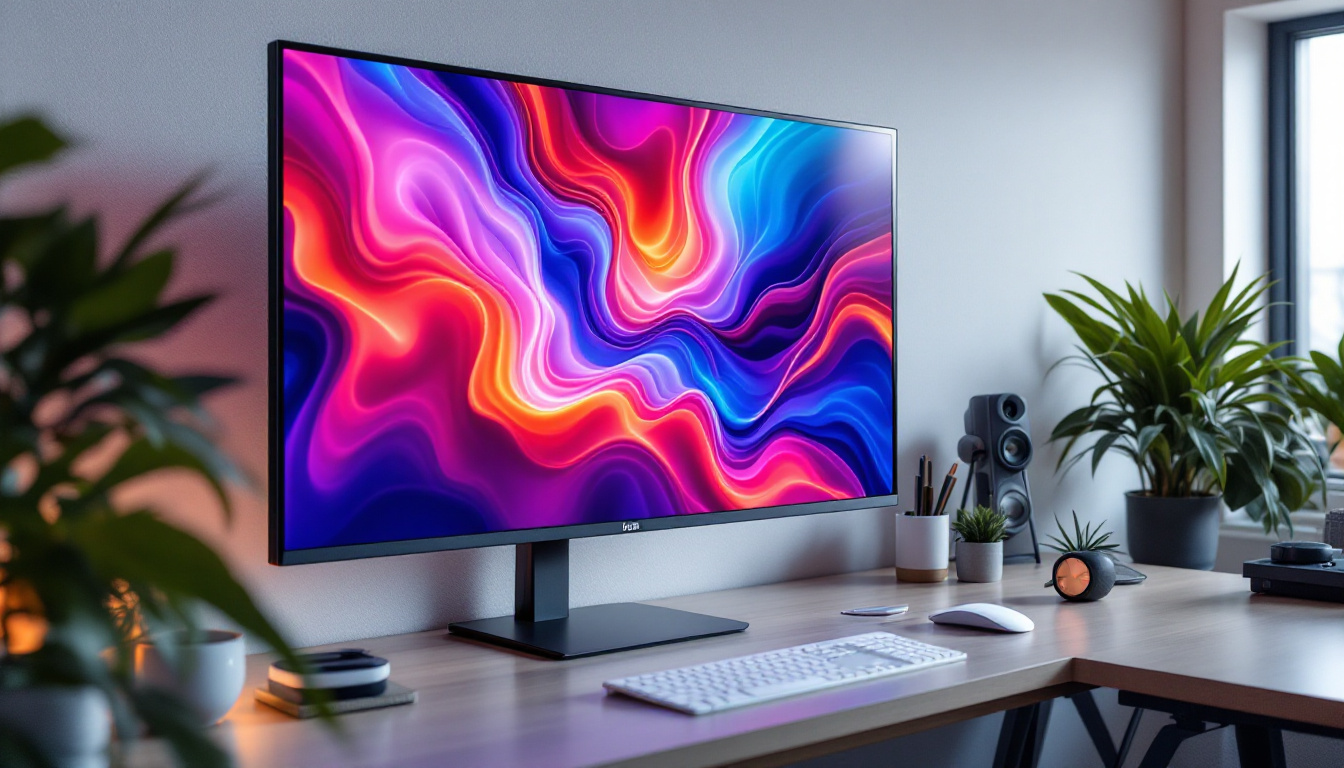
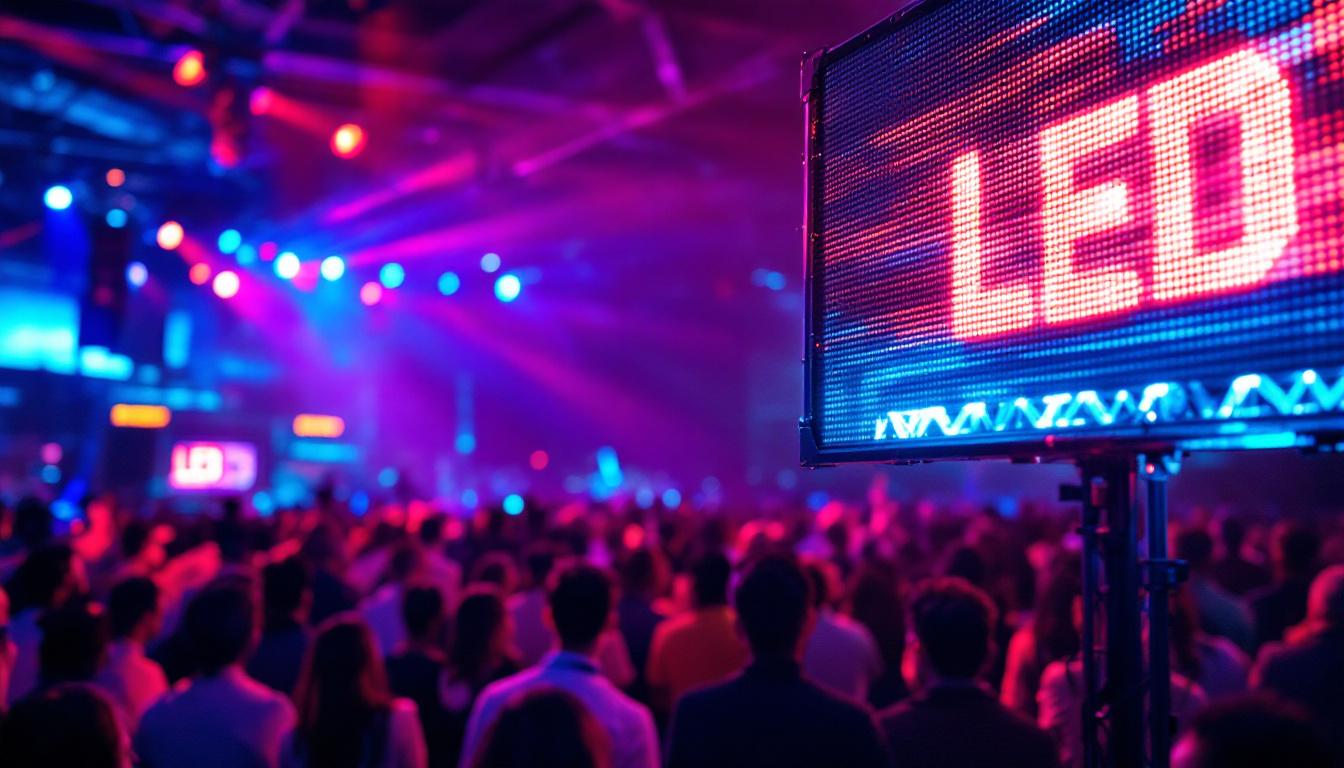
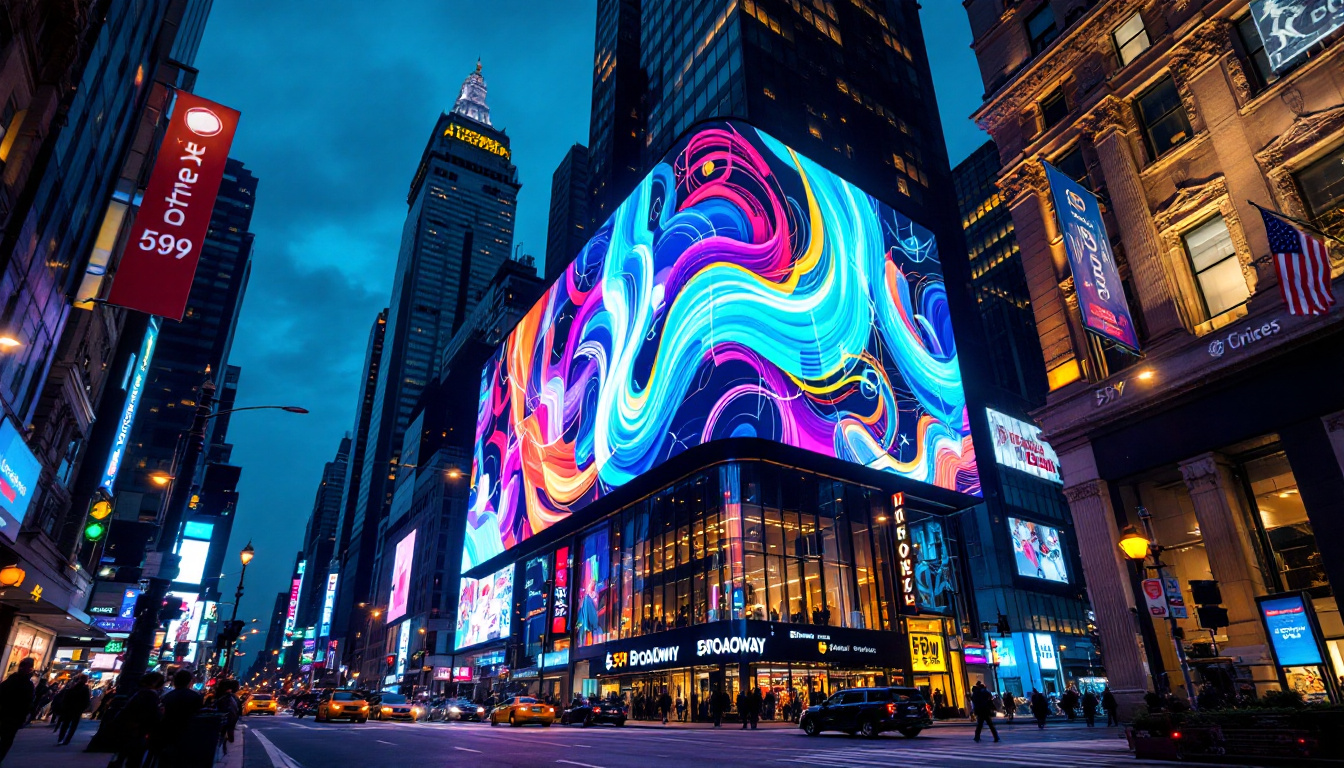
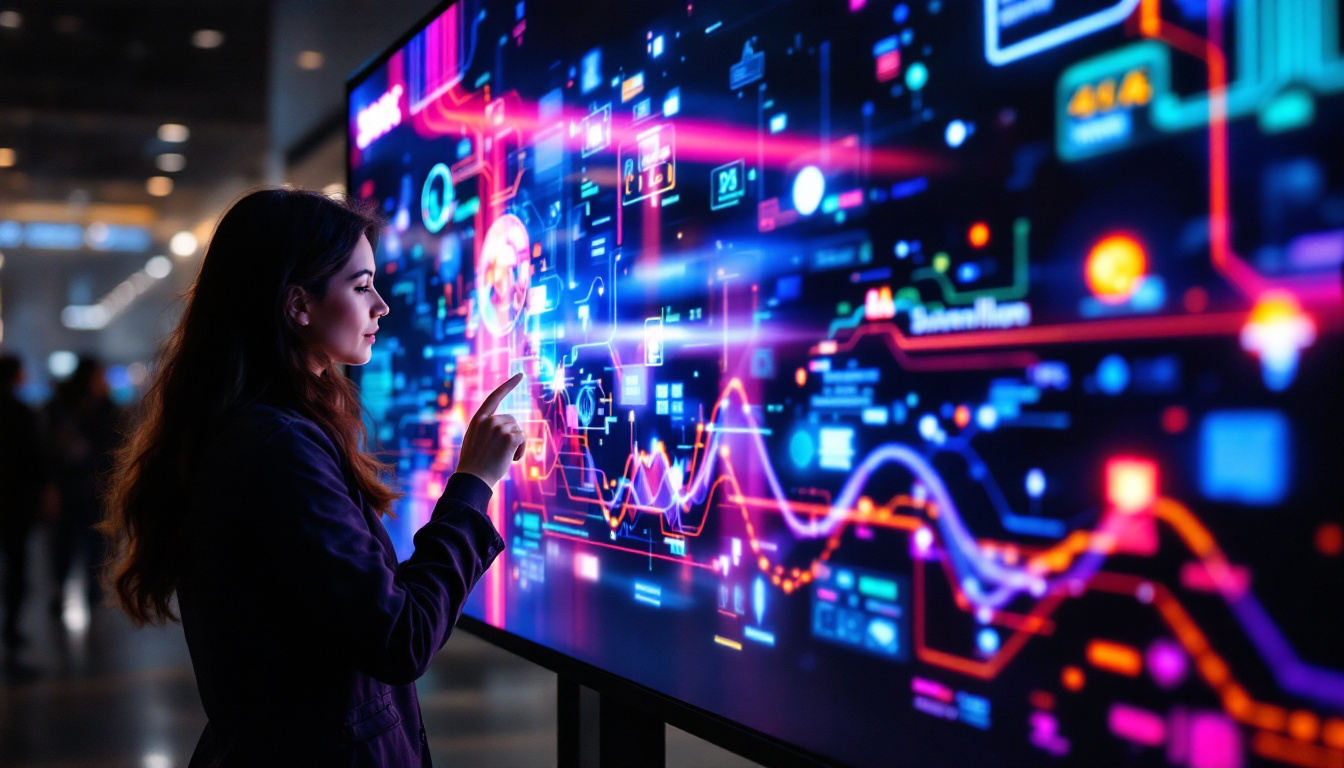
LED displays come in various forms, including segment displays, dot matrix displays, and full-color video walls. While traditional LED displays focus on visual output, touch LED lights integrate touch-sensitive technology, allowing users to control brightness, color temperature, and other settings through direct interaction. These interactive features have made touch LED displays increasingly popular in settings such as museums, retail environments, and educational institutions, where user engagement is paramount.
Capacitive and resistive touch technologies are the most common in touch LED devices. Capacitive touchscreens detect changes in electrical charge when a finger touches the surface, offering high sensitivity and multi-touch capabilities. Resistive touchscreens rely on pressure applied to the surface, which can be more durable but less responsive. The choice between these technologies often depends on the specific application; for instance, capacitive screens are favored in consumer electronics for their sleek design and responsiveness, while resistive screens are often used in industrial settings where durability and resistance to environmental factors are crucial. As technology advances, we can expect to see even more innovative applications of LED technology that enhance user experience and expand the possibilities of visual communication.
How Touch LED Lights Work
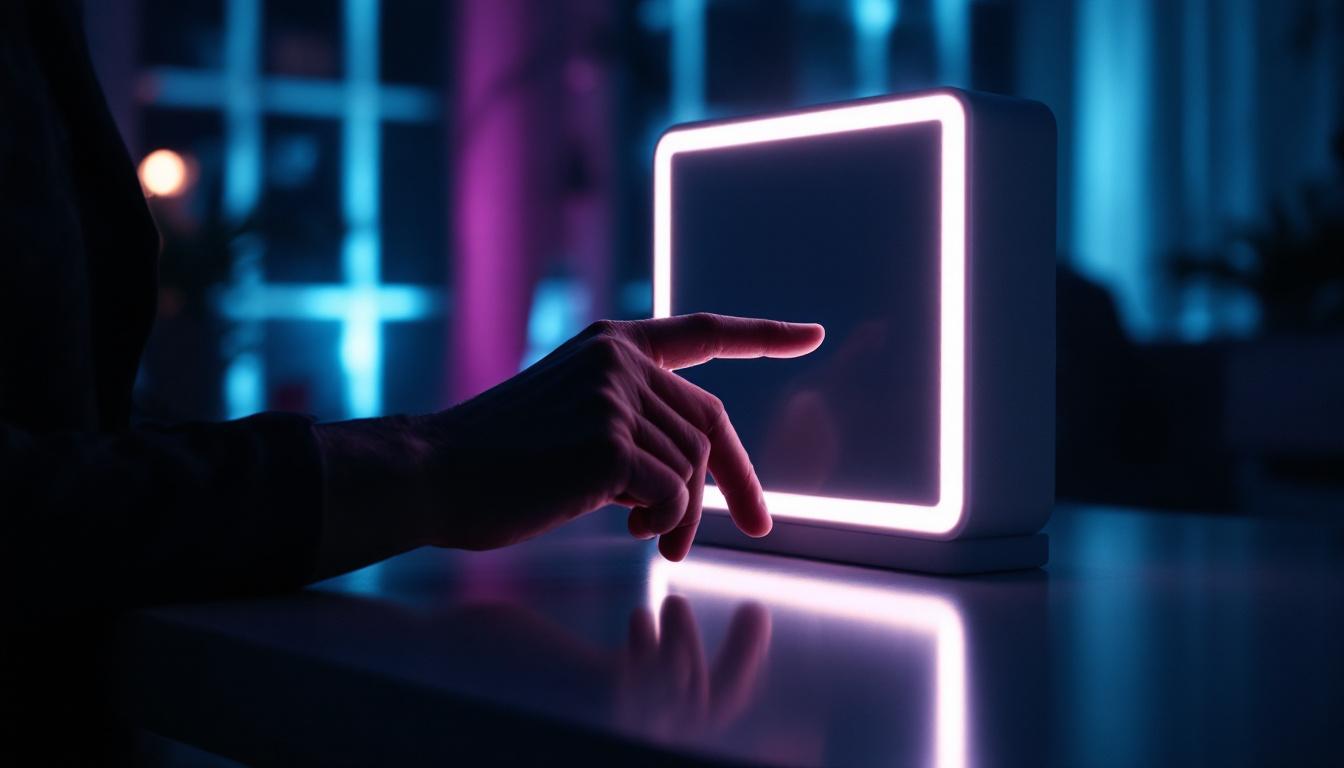
Touch LED lights combine LED illumination with touch-sensitive controls embedded in the device’s surface. This integration allows users to operate the light by simply touching or swiping the panel, eliminating the need for physical switches or remote controls.
Capacitive Touch Sensors
The majority of modern touch LED lights utilize capacitive touch sensors. These sensors consist of an insulating layer coated with a transparent conductor, such as indium tin oxide (ITO). When a finger approaches or touches the surface, it disturbs the electrostatic field, which the sensor detects and translates into a command.
This technology supports gestures like tapping, swiping, and long-pressing, enabling a range of functions such as turning the light on or off, adjusting brightness levels, or changing color modes. The seamless interface enhances user experience by providing intuitive and immediate control.
Integration with Smart Systems
Many touch LED lights are now designed to integrate with smart home ecosystems. Through Wi-Fi or Bluetooth connectivity, these lights can be controlled remotely via smartphone apps or voice assistants like Amazon Alexa, Google Assistant, and Apple HomeKit.
This connectivity expands the functionality of touch LED lights, allowing for scheduling, automation, and synchronization with other smart devices. For example, lights can be programmed to dim gradually at bedtime or brighten upon detecting motion, improving convenience and energy efficiency.
Advantages of Touch LED Lights
Touch LED lights offer several benefits over traditional lighting solutions, making them an attractive choice for modern environments.
Energy Efficiency and Longevity
LEDs are inherently energy-efficient, consuming less power while providing bright, consistent illumination. Touch LED lights maintain this efficiency while adding user-friendly controls that encourage energy-saving behaviors, such as dimming or turning off lights when not needed.
Additionally, LEDs have an average lifespan of 25,000 to 50,000 hours, significantly reducing maintenance and replacement costs. This durability is particularly valuable in commercial or public settings where frequent bulb changes can be disruptive and costly.
Enhanced User Experience
The touch interface simplifies interaction, eliminating the need for physical switches that can wear out or become unresponsive over time. The ability to adjust lighting precisely with a swipe or tap enhances comfort and convenience, especially in environments where lighting needs frequently change.
Moreover, touch LED lights often feature customizable color temperatures, from warm white to cool daylight, allowing users to tailor lighting to specific tasks or moods. This adaptability supports productivity, relaxation, and overall well-being.
Design Flexibility
Touch LED lights are available in a wide range of designs, from sleek panels and strips to decorative fixtures. Their slim profiles and low heat emission enable creative applications in architecture and interior design, such as backlighting, accent lighting, and integrated furniture illumination.
The absence of mechanical switches also allows for minimalist aesthetics, contributing to clean and modern spaces.
Applications of Touch LED Lights
The versatility of touch LED lights makes them suitable for numerous applications across various sectors.
Residential Use
In homes, touch LED lights are commonly used in kitchens, bedrooms, and living rooms. Their adjustable brightness and color temperature help create the perfect ambiance for cooking, reading, or entertaining. Touch controls simplify operation, especially in dark environments or for individuals with mobility challenges.
Additionally, touch LED strips are popular for under-cabinet lighting, stair illumination, and decorative accents, enhancing both functionality and aesthetics.
Commercial and Office Spaces
Businesses benefit from touch LED lights by improving workplace lighting quality and energy management. Adjustable lighting can reduce eye strain and increase productivity, while touch controls offer easy access for employees to customize their environment.
Retail stores and hospitality venues use touch LED displays to create dynamic lighting effects that attract customers and highlight products. The integration with smart systems further enables energy savings through automated controls based on occupancy and daylight availability.
Public and Outdoor Installations
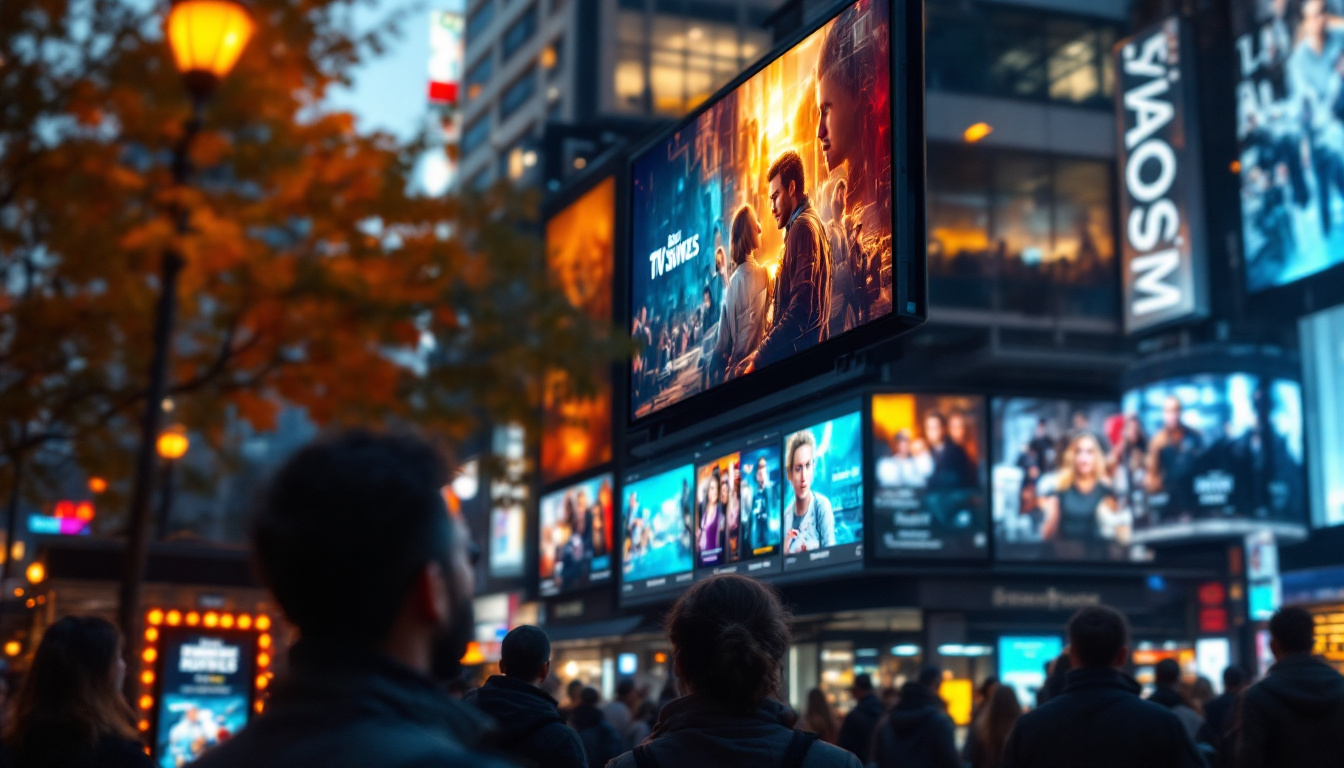
Touch LED lights are increasingly used in public spaces such as museums, galleries, and transportation hubs. Interactive lighting enhances visitor engagement and provides intuitive control over exhibit illumination or wayfinding systems.
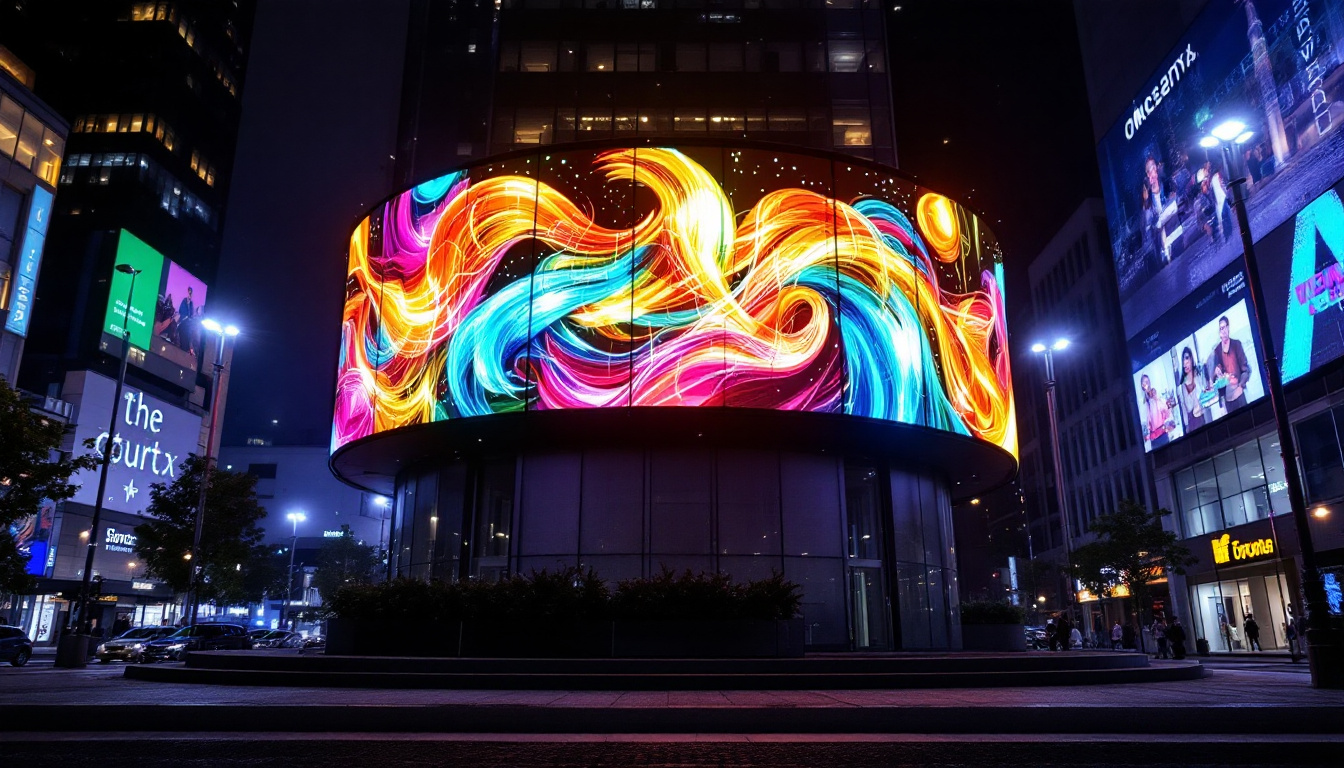
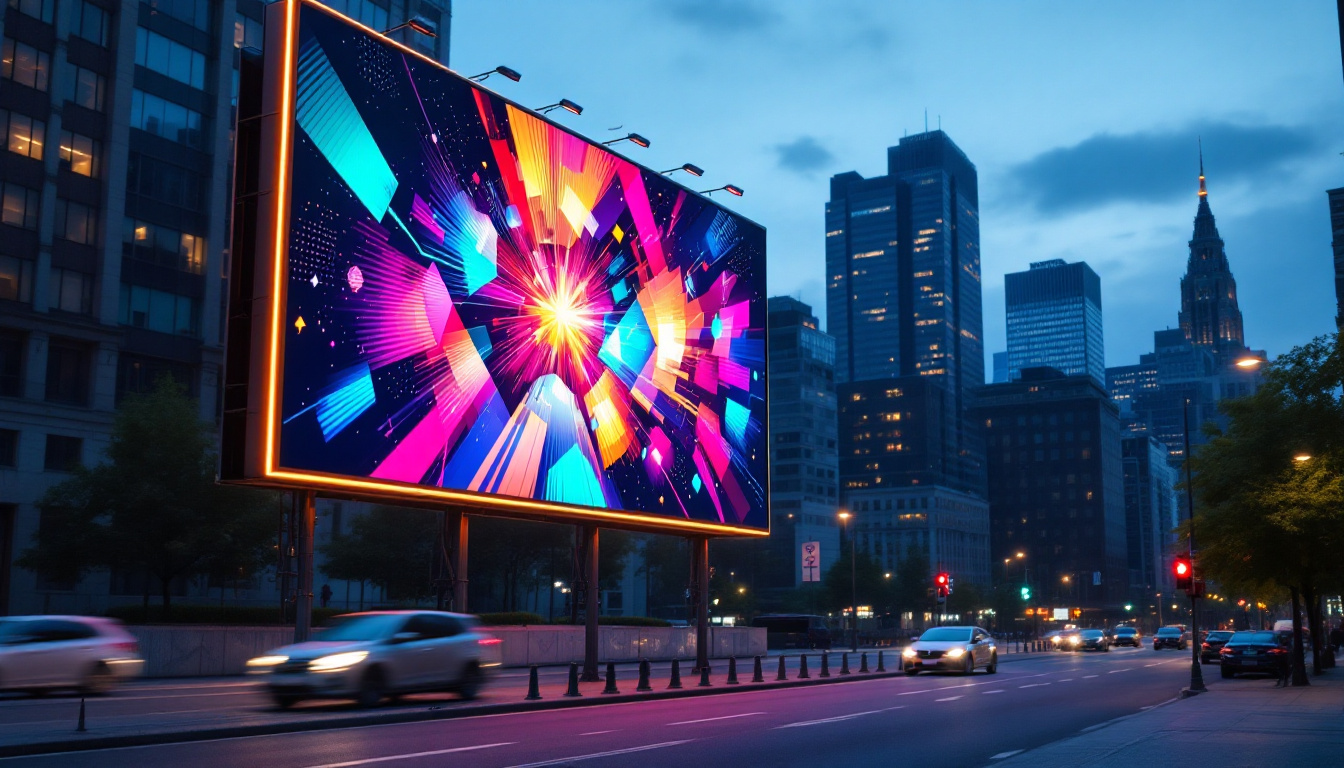
Outdoor touch LED fixtures, designed with weather-resistant materials, offer durable and efficient lighting solutions for parks, pathways, and architectural highlights. Their low power consumption and long lifespan reduce operational costs for municipalities.
Choosing the Right Touch LED Light
Selecting the appropriate touch LED light depends on several factors, including the intended application, desired features, and budget.
Considerations for Brightness and Color
Brightness is measured in lumens, and the required level varies by space and function. For instance, task lighting in a kitchen may require 300 to 500 lumens, while ambient lighting in a living room might be sufficient at 100 to 300 lumens.
Color temperature, expressed in Kelvins (K), influences the mood and utility of lighting. Warm white light (2700K–3000K) is cozy and relaxing, while cool white (4000K–5000K) promotes alertness and focus.
Touch Sensitivity and Interface
Evaluate the responsiveness and reliability of the touch controls. High-quality capacitive sensors provide smooth operation and support multiple gestures, enhancing usability. Some models offer customizable touch zones or haptic feedback for confirmation of input.
Connectivity and Integration
If smart home compatibility is important, verify that the touch LED light supports relevant protocols and platforms. Consider whether remote control, voice commands, or automation features are desired, and ensure the device can be easily integrated into existing systems.
Durability and Safety
Check for certifications such as UL, CE, or RoHS, which indicate compliance with safety and environmental standards. For outdoor or humid environments, select fixtures with appropriate ingress protection (IP) ratings to ensure longevity.
Future Trends in Touch LED Lighting
The touch LED lighting market continues to evolve, driven by advances in materials, connectivity, and user interface design.
Integration with IoT and AI
Emerging Internet of Things (IoT) technologies are enabling touch LED lights to become smarter and more adaptive. Artificial intelligence (AI) algorithms can learn user preferences and adjust lighting automatically to optimize comfort and energy use.
For example, lights might adjust color temperature based on time of day or activity, or respond to environmental sensors detecting occupancy, daylight, or air quality.
Flexible and Transparent Displays
Innovations in flexible OLED and micro-LED technologies are paving the way for bendable, transparent, and even wearable touch LED displays. These developments will expand design possibilities and applications, from dynamic architectural elements to interactive clothing.
Sustainability and Recycling
As environmental concerns grow, manufacturers are focusing on sustainable production methods and recycling programs for LED components. Advances in biodegradable materials and modular designs will facilitate easier repair and end-of-life management.
Conclusion
Touch LED lights represent a significant advancement in lighting technology, merging the efficiency and versatility of LEDs with intuitive touch controls and smart connectivity. Their energy savings, longevity, and design flexibility make them an excellent choice for a wide range of applications, from residential to commercial and public spaces.
Understanding the technology behind touch LED lights and their benefits can help consumers and professionals select the right products to enhance comfort, functionality, and aesthetics. As the technology continues to evolve, touch LED lighting is set to play an increasingly important role in creating intelligent, responsive, and sustainable environments.
Discover the Future of Lighting with LumenMatrix
Ready to experience the next level of lighting innovation? LumenMatrix invites you to explore our comprehensive range of LED display solutions, designed to bring your visual communication to life. From captivating Indoor and Outdoor LED Wall Displays to dynamic Vehicle and Sports LED Displays, our products are crafted to transform any space into a vibrant canvas. Embrace the future with our LED Poster Displays, Floor LED Displays, and Custom LED solutions, all engineered for maximum impact. Dive into the world of possibilities with our All-in-One and Transparent LED Displays, and see how LumenMatrix is redefining the art of display technology. Check out LumenMatrix LED Display Solutions today and illuminate your world like never before.