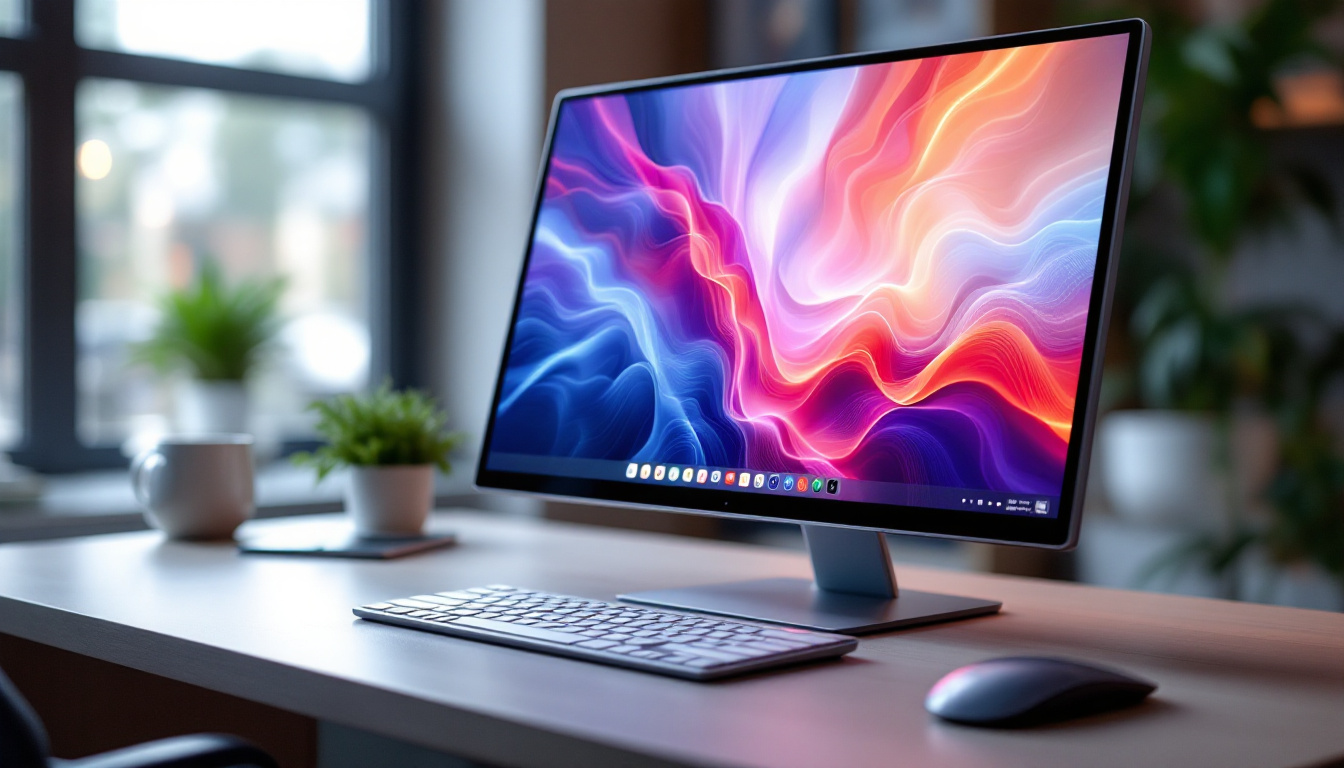
In today’s digital world, touch panel digitizers and LED displays are integral components of countless devices, from smartphones and tablets to industrial control panels and automotive dashboards. Understanding how these technologies work together is essential for professionals in electronics, product design, and consumer technology sectors. This article delves into the fundamentals of touch panel digitizers and LED displays, exploring their functions, types, and the synergy that enables modern interactive screens.
What is a Touch Panel Digitizer?
A touch panel digitizer is a transparent layer placed over a display screen that detects touch input. It translates the physical touch—whether from a finger, stylus, or other objects—into digital signals that the device’s processor can interpret. This technology forms the basis of touchscreens, allowing users to interact directly with what is displayed, rather than relying on external input devices like a mouse or keyboard.
Digitizers are crucial for enabling intuitive user interfaces, especially in mobile devices, kiosks, and point-of-sale systems. They enhance usability by making navigation and control more natural and efficient. The accuracy and responsiveness of a digitizer significantly affect the overall user experience. In fact, the rise of touch technology has transformed how we engage with devices, leading to a more immersive and interactive experience, where gestures and swipes have become second nature to users of all ages.
Moreover, the integration of touch panel digitizers has also paved the way for innovative applications in various fields, including education, healthcare, and entertainment. For instance, in classrooms, interactive whiteboards equipped with touch digitizers allow students to engage with lessons dynamically, fostering collaboration and creativity. In healthcare, touch-enabled devices facilitate quick access to patient information, improving efficiency and accuracy in medical settings. As technology continues to evolve, the potential applications of touch panel digitizers are expanding, making them an essential component of modern digital interaction.
How Does a Touch Panel Digitizer Work?
At its core, a touch panel digitizer detects the location of a touch on the screen. There are several technologies used to achieve this, including resistive, capacitive, infrared, and surface acoustic wave methods. Each has its own mechanism for sensing touch and converting it into coordinates.
For example, capacitive digitizers, which are widely used in smartphones, rely on the electrical properties of the human body. When a finger touches the screen, it disturbs the electrostatic field, and sensors detect this change to determine the touch point. Resistive digitizers, on the other hand, consist of two flexible layers that make contact when pressed, registering the touch location. This technology is often found in environments where users may wear gloves or use styluses, as it can respond to pressure rather than just the electrical signals from a finger.
Additionally, advancements in touch panel digitizer technology have led to multi-touch capabilities, allowing users to perform gestures such as pinch-to-zoom or rotate with multiple fingers. This has significantly enriched user interactions, especially in gaming and graphic design applications, where precision and fluidity are paramount. Furthermore, innovations like haptic feedback are being integrated into touch digitizers, providing tactile responses that simulate physical sensations, enhancing the overall user experience by making interactions feel more realistic and engaging.
Understanding LED Displays
LED (Light Emitting Diode) displays are a type of flat-panel display technology that uses light-emitting diodes to produce images. They are known for their brightness, energy efficiency, and long lifespan. LED displays are prevalent in televisions, computer monitors, digital signage, and increasingly in mobile devices.
LED technology has evolved significantly over the years. Modern LED displays often use an LCD (Liquid Crystal Display) panel with LED backlighting, known as LED-backlit LCDs, or employ OLED (Organic LED) technology where each pixel emits its own light. The choice of LED technology impacts image quality, power consumption, and device thickness. The advancements in LED technology have not only improved the visual experience but have also contributed to more sustainable practices in the electronics industry, as these displays consume less power and have longer lifespans compared to older technologies.
Types of LED Displays
There are several types of LED display technologies, each with unique characteristics:
- LED-backlit LCD: Uses LEDs as a backlight source behind an LCD panel. This combination offers better brightness and contrast compared to traditional CCFL-backlit LCDs.
- Direct LED: Employs LEDs arranged directly behind the display panel, allowing for local dimming and improved contrast ratios.
- OLED: Each pixel is an organic LED that emits light individually, resulting in deeper blacks, wider viewing angles, and faster response times.
- MicroLED: An emerging technology that uses microscopic LEDs for each pixel, promising higher brightness and efficiency without burn-in issues associated with OLEDs.
In addition to these types, the application of LED displays varies widely across different industries. For instance, in the advertising sector, large-scale LED screens are often used for billboards and public displays, captivating audiences with vibrant colors and dynamic content. In the realm of gaming, high-refresh-rate LED monitors provide gamers with smooth visuals and reduced motion blur, enhancing the overall gaming experience. Furthermore, in the medical field, LED displays are increasingly being utilized for imaging devices, allowing for precise diagnostics with high clarity and detail.
Moreover, the integration of smart technology into LED displays has transformed how users interact with their devices. Features such as touch sensitivity, voice control, and connectivity with other smart devices have made LED displays more versatile and user-friendly. As technology continues to advance, we can expect even more innovations in LED display technology, including improvements in resolution, color accuracy, and energy efficiency, further solidifying their place in our daily lives.
The Integration of Touch Panel Digitizers with LED Displays
The seamless integration of touch panel digitizers with LED displays is what enables the interactive screens that dominate modern electronics. This integration requires careful engineering to maintain display clarity, touch sensitivity, and durability.
One of the key challenges is ensuring that the digitizer layer does not degrade the image quality of the LED display beneath it. High transparency and minimal reflectivity are essential properties of digitizer materials. Additionally, the digitizer must be responsive enough to detect touches accurately without lag.
Capacitive Touchscreens on LED Displays
Capacitive touchscreens have become the industry standard for devices with LED displays, especially smartphones and tablets. Their advantages include multi-touch support, high sensitivity, and durability. The digitizer is typically laminated directly onto the LED display panel, reducing thickness and improving optical clarity.
This lamination process also helps reduce parallax, the apparent displacement between the touch point and the displayed image, which can affect precision. Advanced manufacturing techniques ensure that the touch layer and LED display function harmoniously, delivering a crisp, responsive user experience.
Resistive Touchscreens and LED Displays
Resistive touchscreens, while less common in consumer electronics today, are still widely used in industrial and medical devices where users may wear gloves or use styluses. These digitizers can be overlaid on LED displays but generally add more layers, which can reduce brightness and clarity.
Despite these drawbacks, resistive touchscreens are valued for their robustness and lower cost. Their compatibility with LED displays makes them suitable for applications where precision and durability outweigh the need for high-end image quality.
Applications and Industry Trends
The combination of touch panel digitizers and LED displays has transformed many industries by enabling interactive, user-friendly interfaces. From consumer electronics to automotive systems and healthcare devices, these technologies continue to evolve and expand their reach.
Consumer Electronics
Smartphones, tablets, laptops, and smartwatches rely heavily on capacitive touch panel digitizers paired with LED or OLED displays. The demand for higher resolution, faster touch response, and better energy efficiency drives continuous innovation in both digitizer and display technologies.
Recent trends include the adoption of flexible OLED displays with integrated touch sensors, enabling foldable and rollable devices. These advancements require digitizers that can maintain performance even when bent or folded.
Automotive and Industrial Applications
In automotive dashboards and infotainment systems, touch panel digitizers combined with LED displays provide intuitive control interfaces. These systems must withstand harsh environments, including temperature extremes and vibrations, necessitating ruggedized digitizers and high-brightness LED displays for visibility in sunlight.
Industrial control panels also benefit from touch-enabled LED displays, allowing operators to interact directly with machinery controls. Resistive digitizers remain popular here due to their reliability and glove compatibility.
Healthcare and Medical Devices
Medical devices increasingly incorporate touch panel digitizers with LED displays to facilitate user interaction and data visualization. The need for sterilizable, highly responsive touchscreens has led to innovations in materials and digitizer designs that can withstand frequent cleaning and disinfection.
Moreover, the clarity and brightness of LED displays are critical in medical imaging and diagnostic equipment, where accurate color representation and detail are essential.
Future Outlook and Innovations
The future of touch panel digitizers and LED displays is closely linked to advancements in materials science, manufacturing, and user interface design. Emerging technologies promise to enhance performance, durability, and integration possibilities.
Advances in Digitizer Technologies
New materials such as graphene and ultra-thin conductive films are being explored to create more sensitive, flexible, and transparent digitizers. These materials could enable touchscreens that are virtually invisible and capable of conforming to curved surfaces.
Additionally, the integration of haptic feedback into digitizers is gaining traction, providing tactile responses that improve user interaction without relying solely on visual or auditory cues.
Next-Generation LED Displays
MicroLED technology is poised to revolutionize LED displays with its superior brightness, energy efficiency, and longevity compared to OLEDs. MicroLED displays also offer better resistance to burn-in, a common issue in organic displays.
Flexible and transparent LED displays are also under development, potentially enabling new form factors and applications such as heads-up displays in vehicles and wearable electronics.
Conclusion
Touch panel digitizers and LED displays are foundational technologies that underpin the interactive experiences of modern electronic devices. Their integration requires a balance of optical clarity, touch sensitivity, durability, and energy efficiency. As technology advances, the synergy between these components will continue to evolve, enabling new applications and enhancing user engagement across industries.
Understanding the principles and trends behind touch panel digitizers and LED displays is essential for professionals involved in design, manufacturing, and deployment of interactive devices. Staying informed about emerging innovations will help in making informed decisions and driving the next generation of touch-enabled technology.
Explore Cutting-Edge LED Display Solutions with LumenMatrix
As you consider the future of interactive technology and the role of touch panel digitizers and LED displays in enhancing user experiences, LumenMatrix stands at the forefront of innovation. Our comprehensive range of LED display modules, from Indoor and Outdoor LED Walls to specialized solutions like Vehicle Displays and Custom LED Displays, is designed to captivate and engage. Discover how LumenMatrix can transform your visual communication and bring your brand’s message to life with unparalleled clarity and impact. Check out LumenMatrix LED Display Solutions today and step into the future of digital signage.