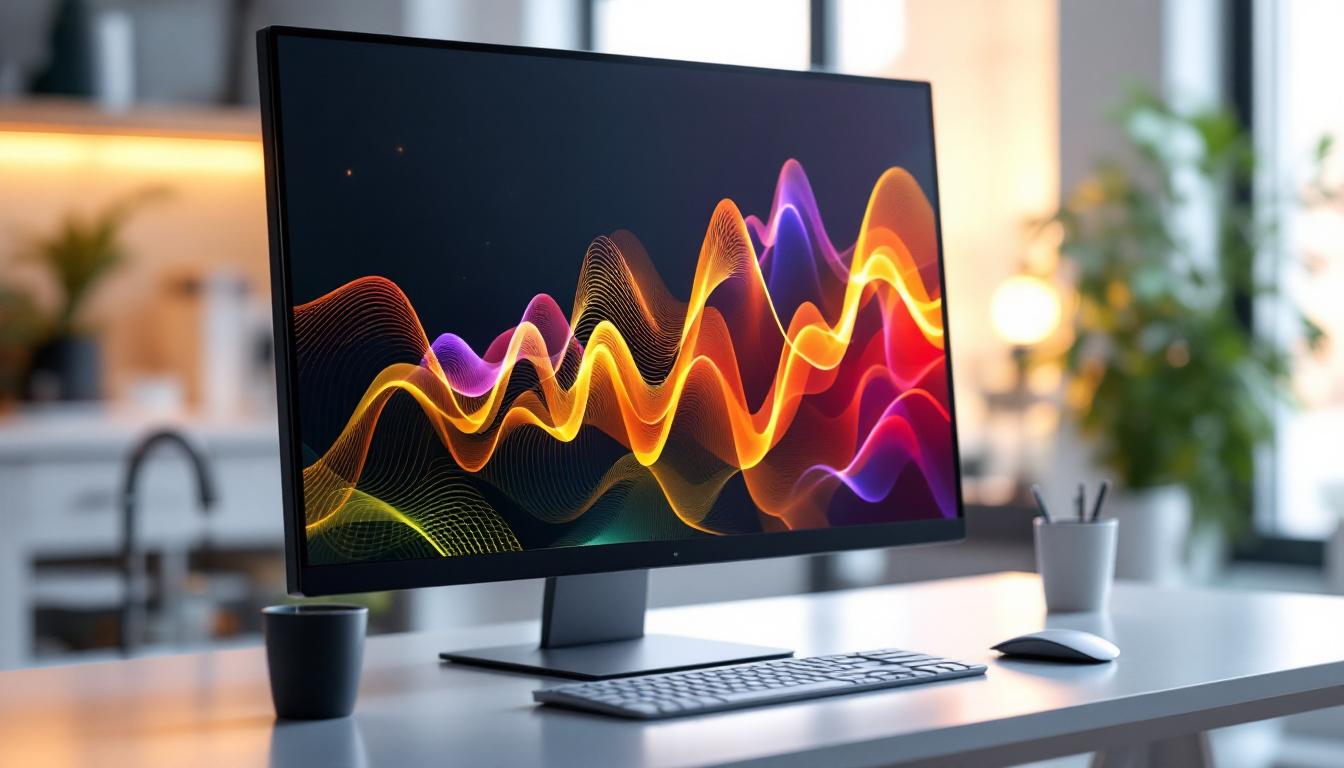
In today’s digital age, touch screen LED monitors have become a staple in various sectors—from corporate offices and educational institutions to retail environments and healthcare facilities. Understanding the technology behind these devices is essential for making informed purchasing decisions and optimizing their use. This article delves into the fundamentals of LED display technology, the integration of touch screen functionality, and the practical applications and benefits of touch screen LED monitors.
Understanding LED Display Technology
What is an LED Display?
LED, or Light Emitting Diode, displays are a type of flat-panel display technology that uses light-emitting diodes as pixels to produce images. Unlike traditional LCD monitors that rely on fluorescent backlighting, LED displays utilize LEDs to illuminate the screen, resulting in better brightness, contrast, and energy efficiency.
LED technology has evolved significantly since its inception. Modern LED displays can be categorized mainly into two types: edge-lit and direct-lit LED displays. Edge-lit LED monitors position the LEDs along the edges of the screen, while direct-lit monitors have LEDs placed directly behind the screen. Both methods affect the display’s brightness uniformity and thickness, with direct-lit offering superior image quality but often at a higher cost. Additionally, advancements in technology have led to the development of mini-LED and micro-LED displays, which use smaller diodes for even finer control over lighting and color, resulting in enhanced picture quality and more vibrant visuals.
Advantages of LED Displays Over Other Technologies
Compared to older technologies such as CCFL-backlit LCDs or plasma displays, LED monitors offer several advantages:
- Energy Efficiency: LEDs consume significantly less power, which translates to lower electricity bills and a reduced environmental footprint.
- Improved Brightness and Contrast: LED displays provide brighter images and deeper blacks, enhancing visual clarity and color accuracy.
- Longer Lifespan: LEDs generally have a longer operational life, often exceeding 50,000 hours, which reduces the need for frequent replacements.
- Thinner and Lighter Designs: The compact nature of LEDs allows for slimmer monitor profiles and lighter weight, improving portability and aesthetic appeal.
Furthermore, LED displays are increasingly being integrated into various applications beyond traditional screens. For instance, they are widely used in digital signage, where vibrant colors and high visibility are crucial for capturing audience attention. In the realm of television, LED technology has paved the way for 4K and 8K resolutions, providing viewers with an immersive experience that was previously unattainable. The versatility of LED displays also extends to outdoor environments, where they are utilized in large-scale advertising billboards and stadium screens, ensuring that content remains visible in bright sunlight and varying weather conditions.
Another notable advantage of LED displays is their capability for high refresh rates, which is particularly beneficial for gaming and fast-paced video content. This feature minimizes motion blur and enhances the overall viewing experience, making LED displays a preferred choice among gamers and film enthusiasts alike. Additionally, with the rise of smart technology, many LED displays now come equipped with smart features, allowing users to access streaming services, browse the internet, and connect with other devices seamlessly, further enhancing their functionality and appeal.
The Integration of Touch Screen Technology
How Touch Screens Work on LED Monitors
Touch screen technology enables users to interact directly with the display, bypassing traditional input devices like the mouse and keyboard. There are several types of touch screen technologies commonly integrated with LED monitors:
- Resistive Touch Screens: These consist of two flexible layers separated by a gap. When pressure is applied, the layers make contact, registering the touch. While cost-effective, resistive screens are less sensitive and do not support multi-touch gestures.
- Capacitive Touch Screens: These use the electrical properties of the human body to detect touch. Capacitive screens are highly responsive, support multi-touch, and are commonly found in smartphones and modern monitors.
- Infrared Touch Screens: These use an array of infrared LEDs and photodetectors around the screen’s edges to detect touch by interruption of the infrared light beams. They offer high durability and can detect any input, including gloved fingers or styluses.
- Surface Acoustic Wave (SAW) Touch Screens: These use ultrasonic waves across the screen surface. When touched, the waves are absorbed, and the location is registered. SAW screens provide excellent image clarity but are more susceptible to contaminants.
Among these, capacitive touch technology is the most prevalent in consumer and professional LED touch screen monitors due to its responsiveness and multi-touch capability.
Benefits of Combining Touch Screens with LED Displays
The fusion of LED display technology with touch screen functionality creates a powerful interface that enhances user experience and productivity. Some of the key benefits include:
- Intuitive Interaction: Touch screens make device interaction more natural and accessible, reducing the learning curve for new users.
- Space Efficiency: Eliminating the need for external peripherals like keyboards and mice saves desk space and reduces clutter.
- Enhanced Collaboration: In environments such as classrooms or conference rooms, touch screen LED monitors facilitate interactive presentations and group activities.
- Improved Accessibility: Touch interfaces can be customized with larger icons and gestures, making technology more accessible for users with disabilities.
Applications of Touch Screen LED Monitors
Commercial and Retail Environments
Touch screen LED monitors are widely used in retail settings for point-of-sale (POS) systems, self-service kiosks, and digital signage. Their bright, vivid displays attract customers, while touch capabilities streamline transactions and information retrieval.
For example, self-checkout stations in supermarkets utilize touch screen LED monitors to allow customers to scan and pay for items independently, improving efficiency and reducing wait times. Similarly, interactive digital signage in malls and airports provides wayfinding assistance and promotional content, enhancing customer engagement.
Education and Training
In educational institutions, touch screen LED monitors have revolutionized teaching methodologies. Interactive whiteboards and displays enable teachers to present dynamic content, annotate in real-time, and engage students through interactive lessons.
Studies have shown that interactive displays can improve student participation and retention. According to a 2023 report by the Education Technology Association, classrooms equipped with touch screen displays saw a 20% increase in student engagement compared to traditional setups.
Healthcare and Medical Use
Healthcare professionals rely on touch screen LED monitors for patient monitoring, diagnostic imaging, and electronic health record (EHR) management. The clarity of LED displays ensures accurate visualization of medical images, while touch functionality facilitates quick data entry and navigation during patient care.
In surgical environments, touch screen monitors enable sterile interaction with medical software, reducing the risk of contamination and improving workflow efficiency.
Choosing the Right Touch Screen LED Monitor
Key Features to Consider
When selecting a touch screen LED monitor, several factors should be evaluated to ensure it meets specific needs:
- Screen Size and Resolution: Larger screens with higher resolutions offer better visibility and detail, which is crucial for design, medical imaging, and collaborative work.
- Touch Technology: Depending on the application, choose between capacitive, resistive, infrared, or SAW touch screens for optimal responsiveness and durability.
- Durability and Build Quality: For public or industrial environments, rugged monitors with reinforced glass and water/dust resistance extend device lifespan.
- Connectivity Options: Ensure the monitor supports necessary interfaces such as HDMI, DisplayPort, USB, and network connectivity for seamless integration.
- Ergonomics: Adjustable stands, anti-glare coatings, and eye-care technologies contribute to user comfort during prolonged use.
Popular Brands and Market Trends
The market for touch screen LED monitors is competitive, with several leading manufacturers offering a range of products tailored to different industries. Brands like Dell, Samsung, LG, and Elo Touch Solutions have established reputations for quality and innovation.
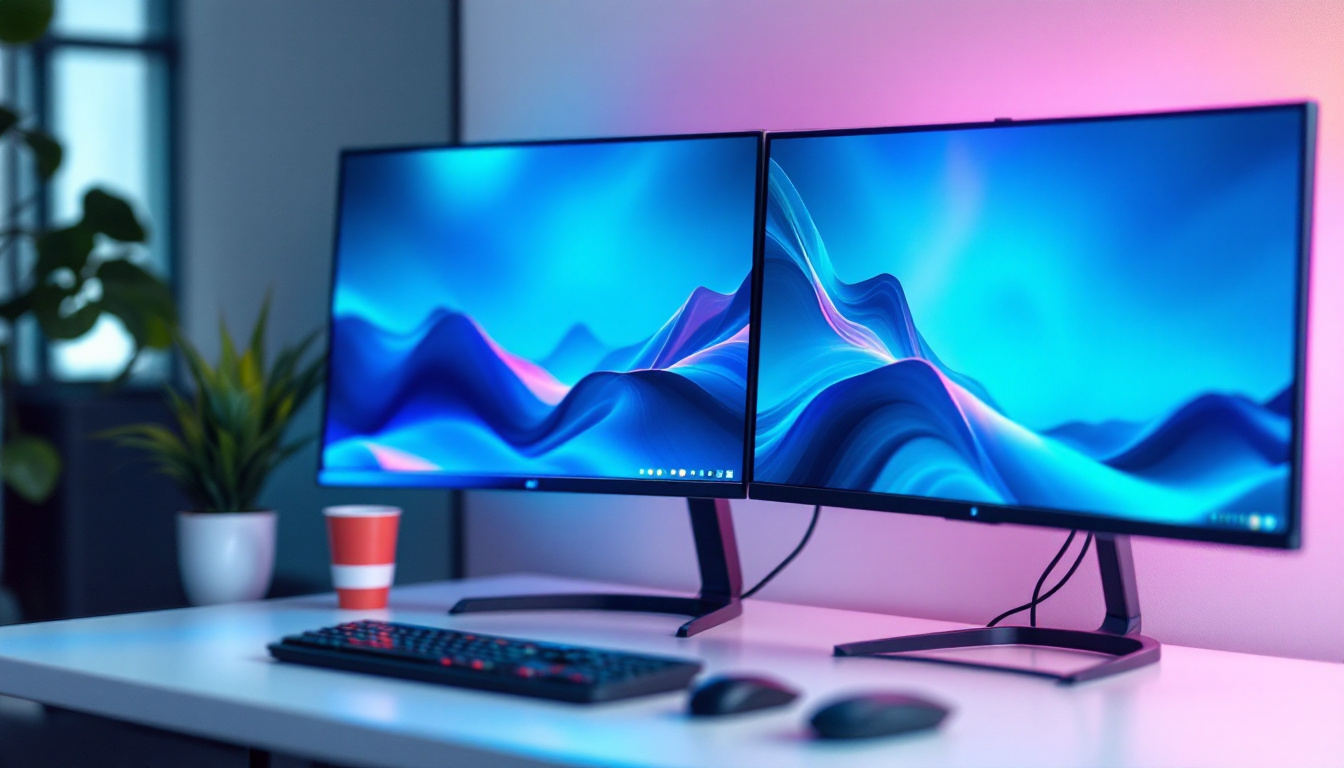
Recent trends include the rise of ultra-thin bezel designs for multi-monitor setups, integration of 4K and even 8K resolutions for enhanced clarity, and the adoption of AI-powered touch features that improve gesture recognition and user customization.
Maintaining and Troubleshooting Touch Screen LED Monitors
Best Practices for Maintenance
Proper care extends the lifespan and performance of touch screen LED monitors. Recommended maintenance practices include:
- Regularly cleaning the screen with a soft, lint-free cloth and manufacturer-approved cleaning solutions to avoid damage.
- Keeping the device in a dust-free environment and avoiding exposure to extreme temperatures or humidity.
- Updating firmware and drivers to ensure compatibility and security.
- Using screen protectors to prevent scratches and reduce glare.
Common Issues and Solutions
Users may encounter issues such as unresponsive touch input, display flickering, or calibration errors. Troubleshooting steps include:
- Restarting the monitor and connected devices to reset software glitches.
- Checking cable connections and replacing faulty cables.
- Recalibrating the touch screen through the device’s settings menu.
- Updating or reinstalling drivers and firmware.
- Consulting technical support if hardware faults are suspected.
The Future of Touch Screen LED Monitors
As technology advances, touch screen LED monitors are expected to become even more versatile and integrated with emerging technologies. Developments in flexible and foldable LED displays promise new form factors that enhance portability and usability.
Moreover, the integration of artificial intelligence and machine learning will enable smarter touch interfaces that adapt to user behavior, improving accessibility and efficiency. Augmented reality (AR) and virtual reality (VR) applications may also leverage touch screen LED technology to create immersive and interactive experiences.
In summary, touch screen LED monitors represent a convergence of display innovation and interactive technology that continues to transform how people engage with digital content across various sectors. Understanding their underlying technology and applications empowers users and organizations to harness their full potential effectively.
Discover the Future of Visual Engagement with LumenMatrix
Ready to elevate your digital experience with the latest in touch screen LED technology? LumenMatrix is at the forefront of creating immersive visual solutions that captivate and engage. From versatile Indoor and Outdoor LED Wall Displays to innovative options like Vehicle LED Displays, LED Posters, and even Custom LED solutions, we have everything you need to make a lasting impression. Embrace the future of visual communication with our cutting-edge LED displays designed for maximum impact. Check out LumenMatrix LED Display Solutions today and see how we can transform your space into a dynamic visual environment.