In today’s fast-paced retail environment, technology plays a pivotal role in enhancing customer experience and streamlining operations. Among the most transformative innovations is the integration of touch screen monitors with LED displays. These devices combine intuitive interactivity with vibrant visual performance, making them indispensable tools in modern retail settings. This article dives deep into the world of touch screen monitors with LED displays, explaining their technology, benefits, and why they are becoming a retail staple.
Understanding LED Display Technology
What is an LED Display?
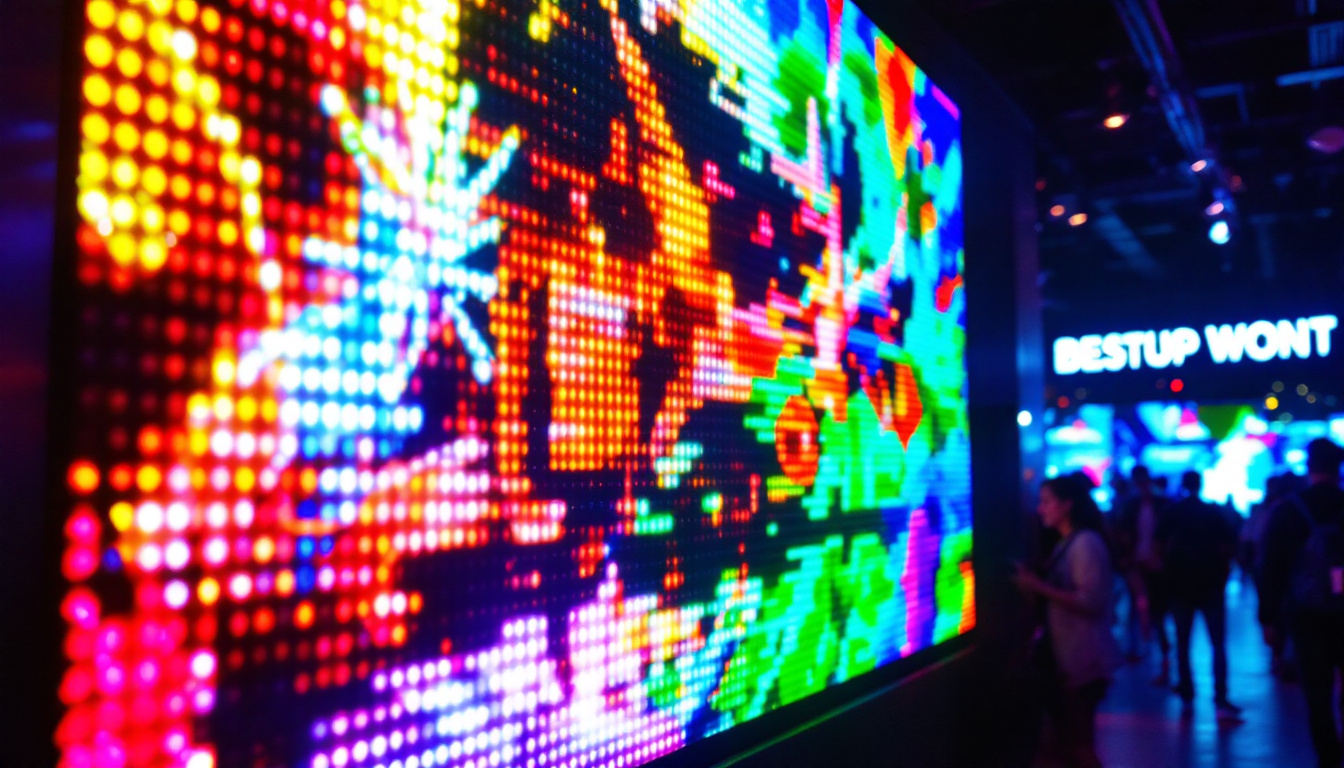
LED, or Light Emitting Diode, displays are a type of flat-panel display that uses an array of light-emitting diodes as pixels to produce images. Unlike traditional LCD screens that rely on backlighting, LED displays utilize these diodes to emit light directly, resulting in brighter and more energy-efficient screens.
The LED technology can be categorized into two main types: edge-lit and direct-lit. Edge-lit LEDs position the diodes along the edges of the screen, allowing light to be distributed across the display via light guides. Direct-lit LED displays, on the other hand, have LEDs placed directly behind the screen, offering better uniformity and contrast. This distinction is crucial for applications requiring high-quality visuals, such as digital signage and high-definition televisions. Furthermore, advancements in LED technology have led to the development of mini-LED and micro-LED displays, which promise even greater precision in color and brightness control, paving the way for next-generation viewing experiences.
How LED Displays Differ from Other Technologies
Compared to LCD and OLED displays, LED displays strike a balance between cost, brightness, and energy consumption. While OLED displays offer superior contrast ratios and color accuracy, they tend to be more expensive and less durable for high-usage environments like retail. LCDs, often paired with LED backlighting, are common but can suffer from lower brightness and viewing angle limitations. The choice of display technology can significantly impact the viewer’s experience, particularly in environments where image clarity and vibrancy are paramount.
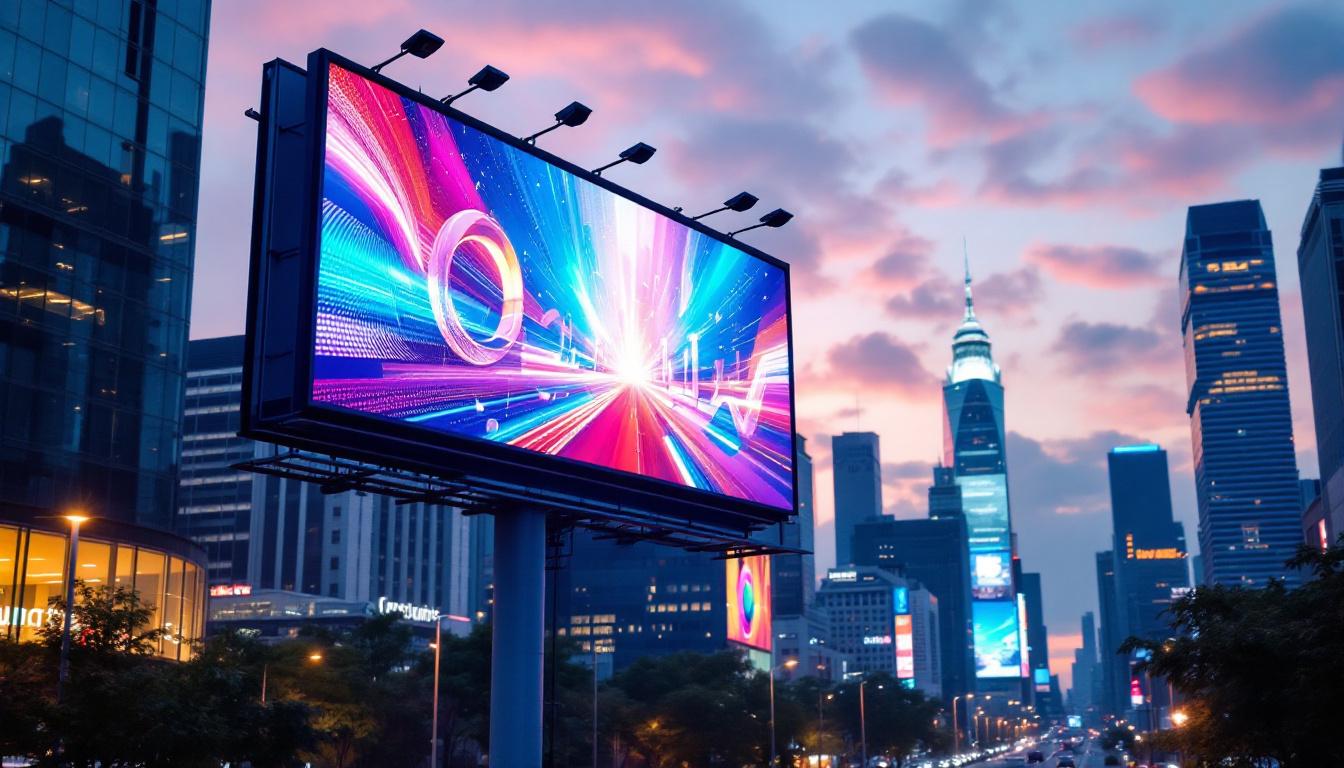
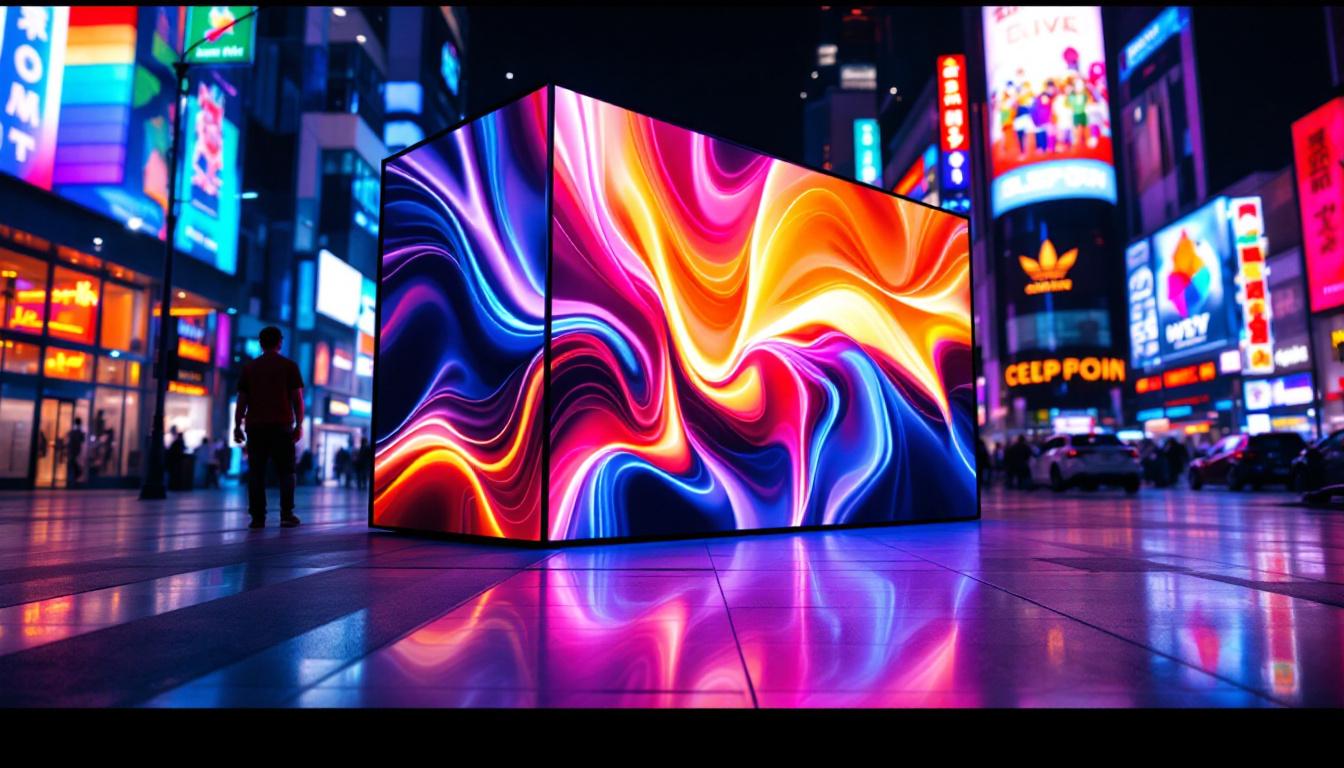
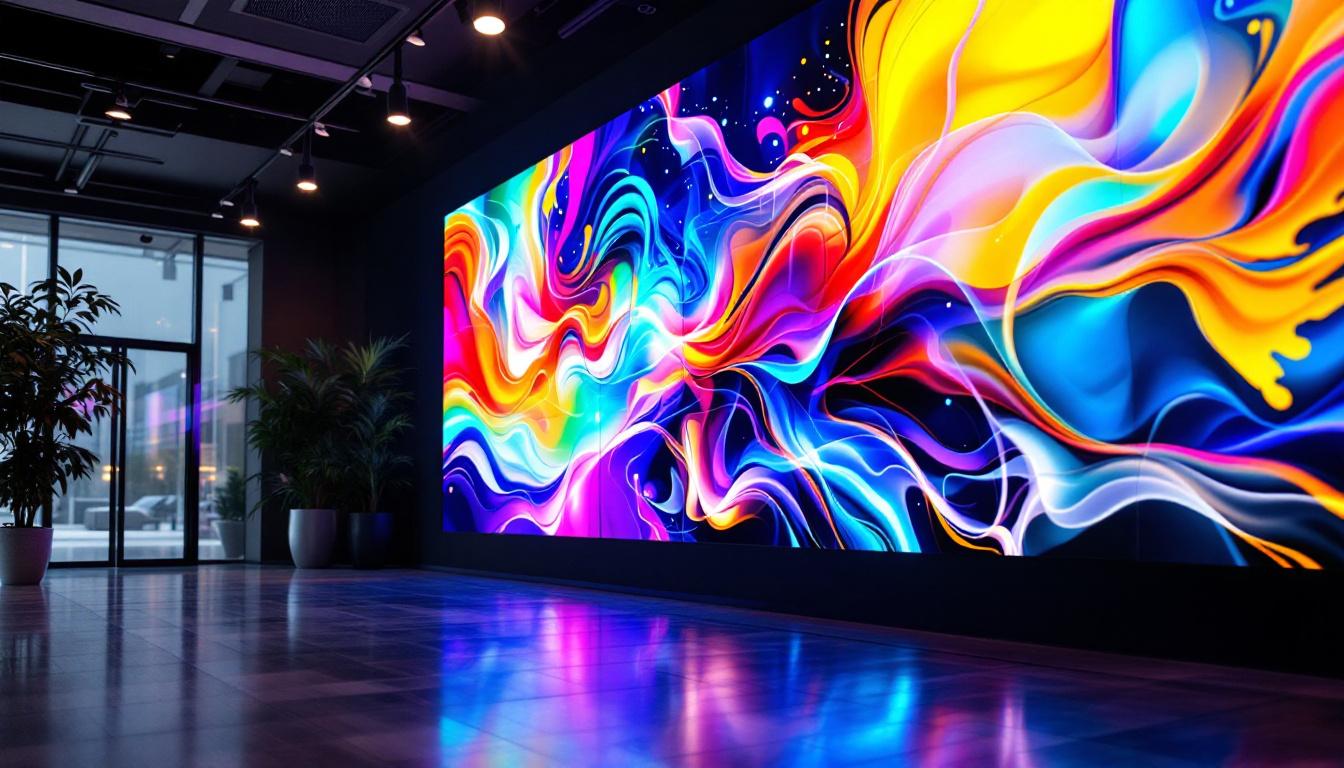
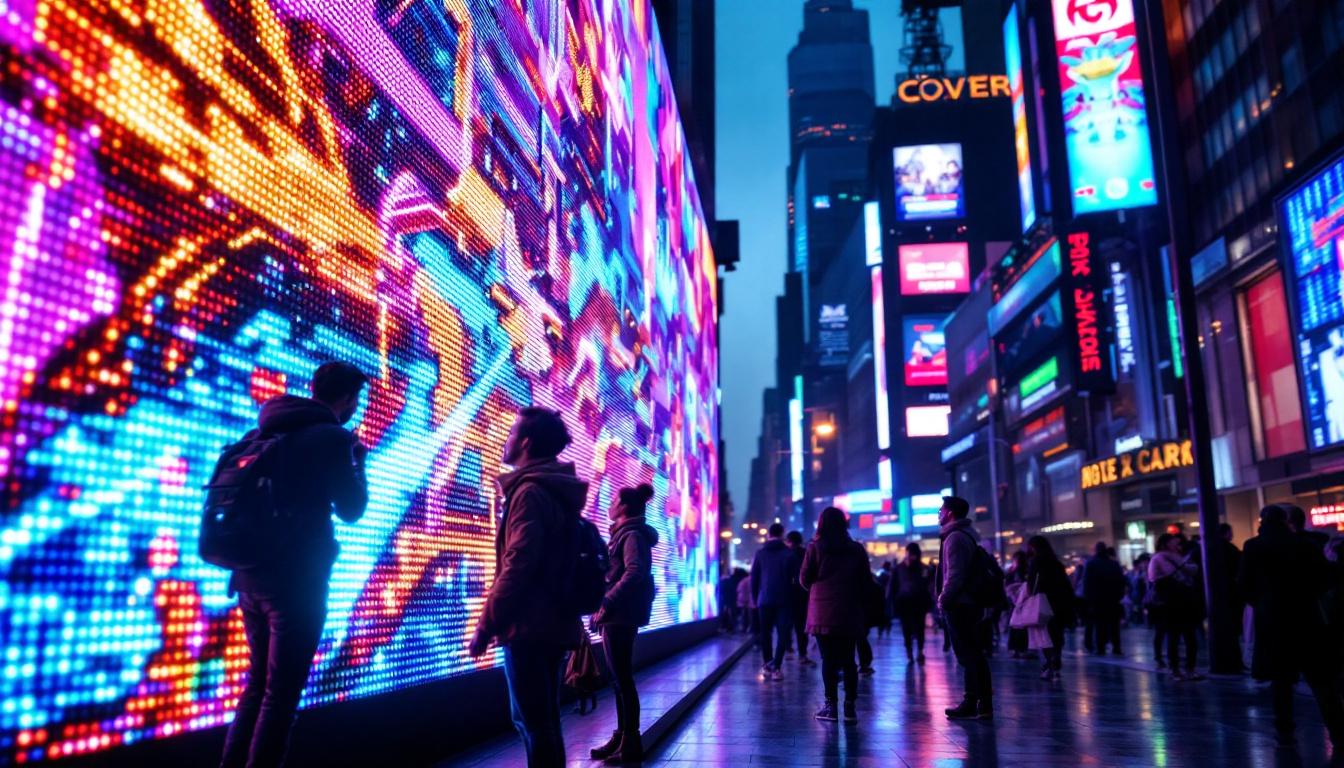
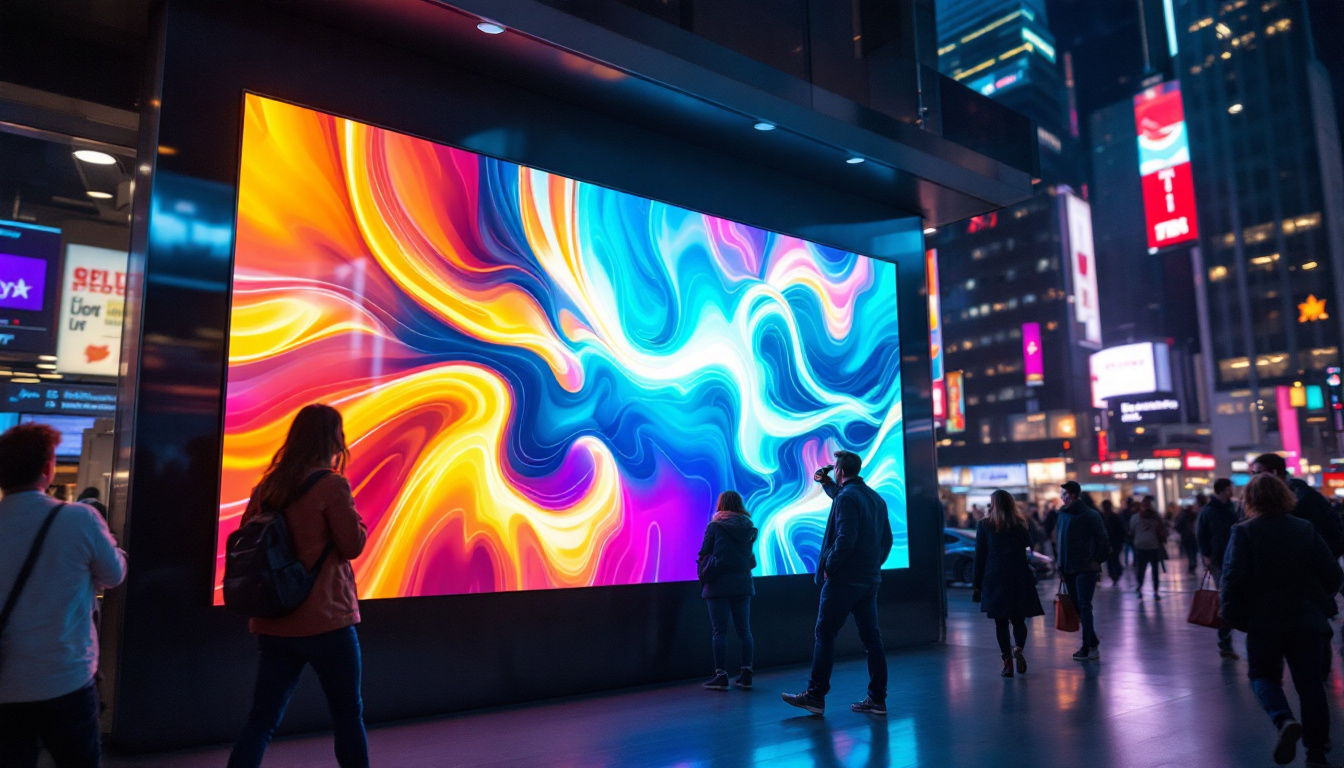
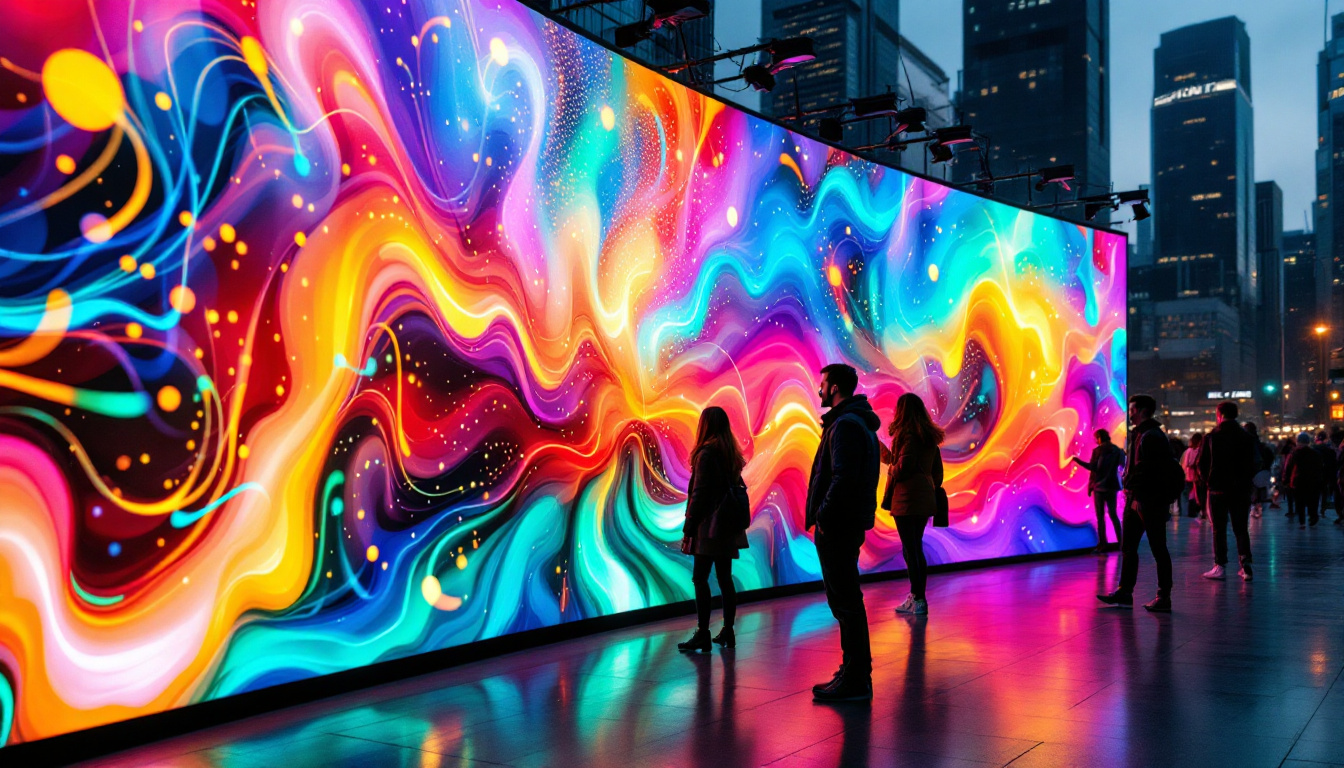
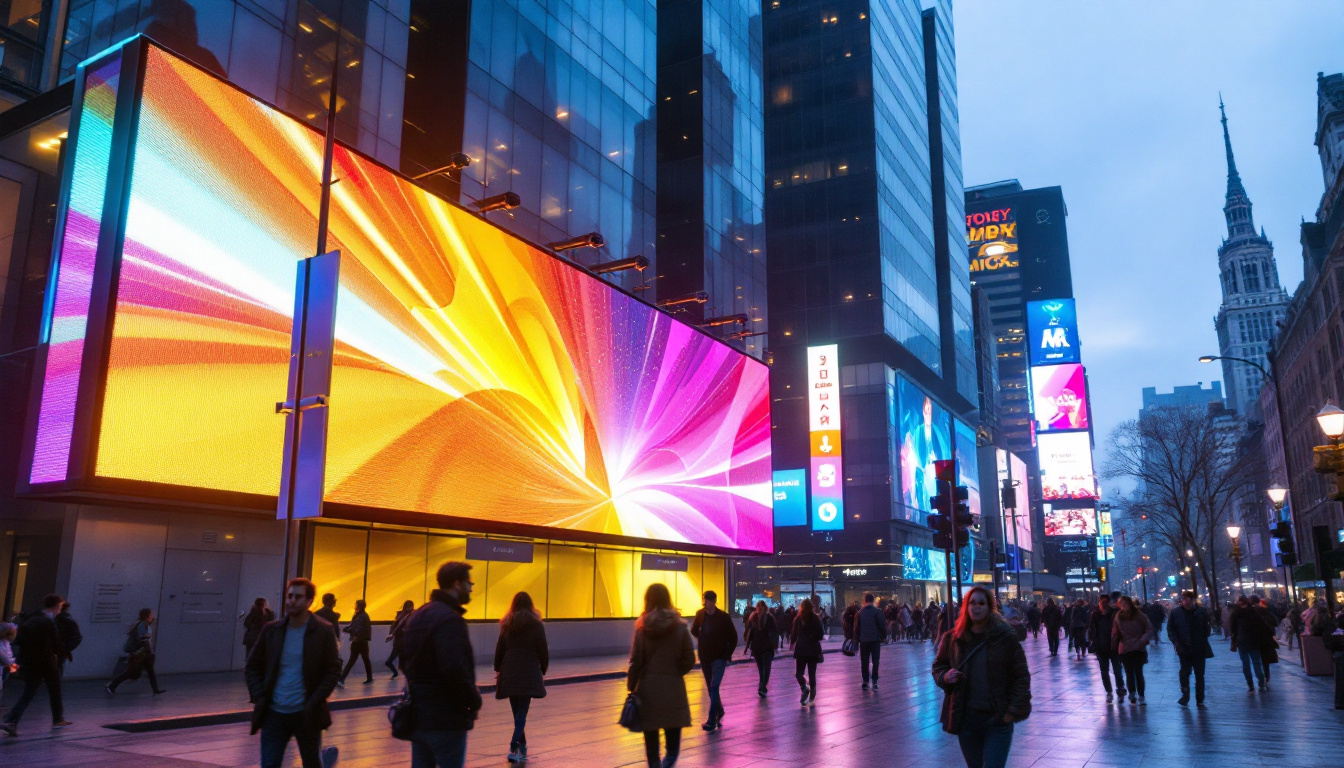
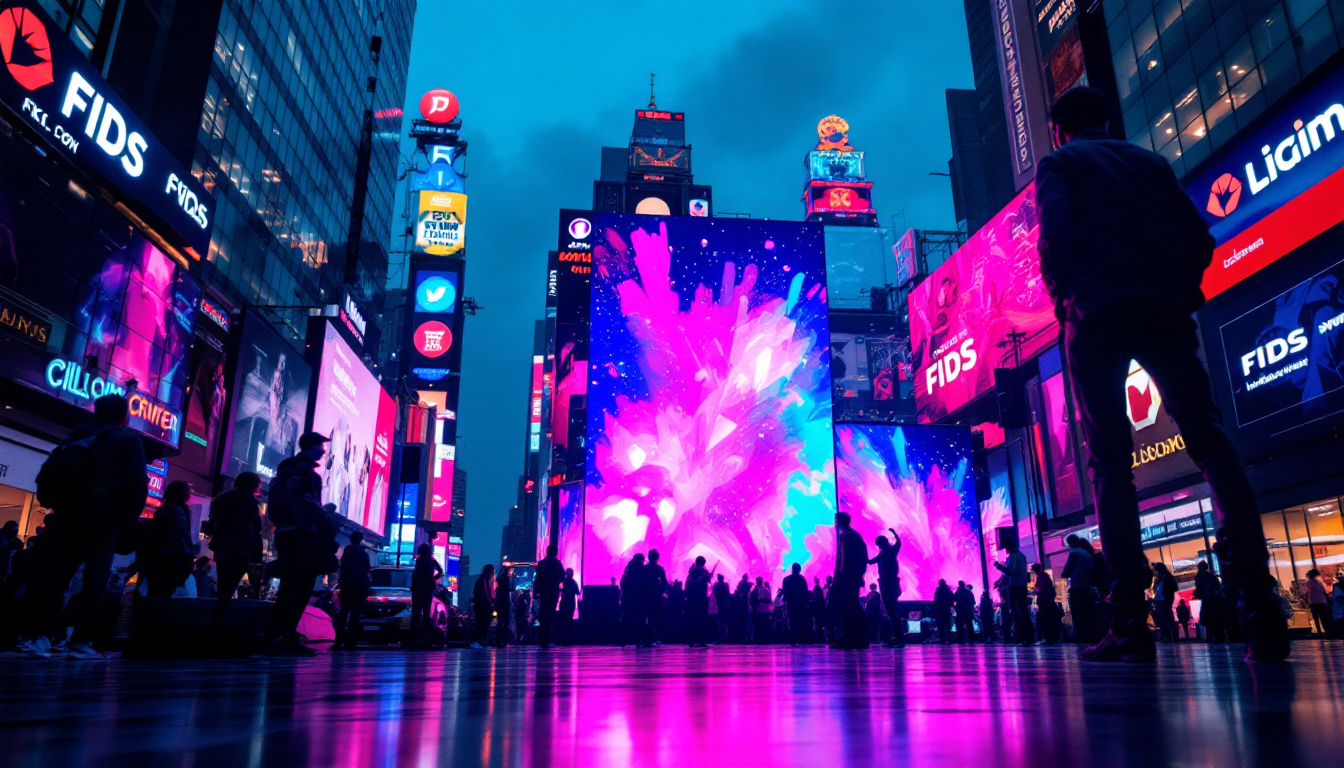
LED displays shine in retail settings due to their high brightness levels, which are essential for visibility under various lighting conditions, including direct sunlight in storefronts. Additionally, their longevity and energy efficiency make them cost-effective choices for businesses seeking reliable, long-term solutions. The versatility of LED technology also extends to outdoor applications, where weather-resistant models can be deployed for advertising and event displays. These outdoor LED screens are designed to withstand harsh conditions, ensuring that vibrant advertisements remain visible and impactful, regardless of the weather. As a result, LED displays are becoming increasingly popular for both indoor and outdoor advertising, providing businesses with dynamic and engaging ways to connect with their audiences.
The Role of Touch Screen Monitors in Retail
Enhancing Customer Interaction
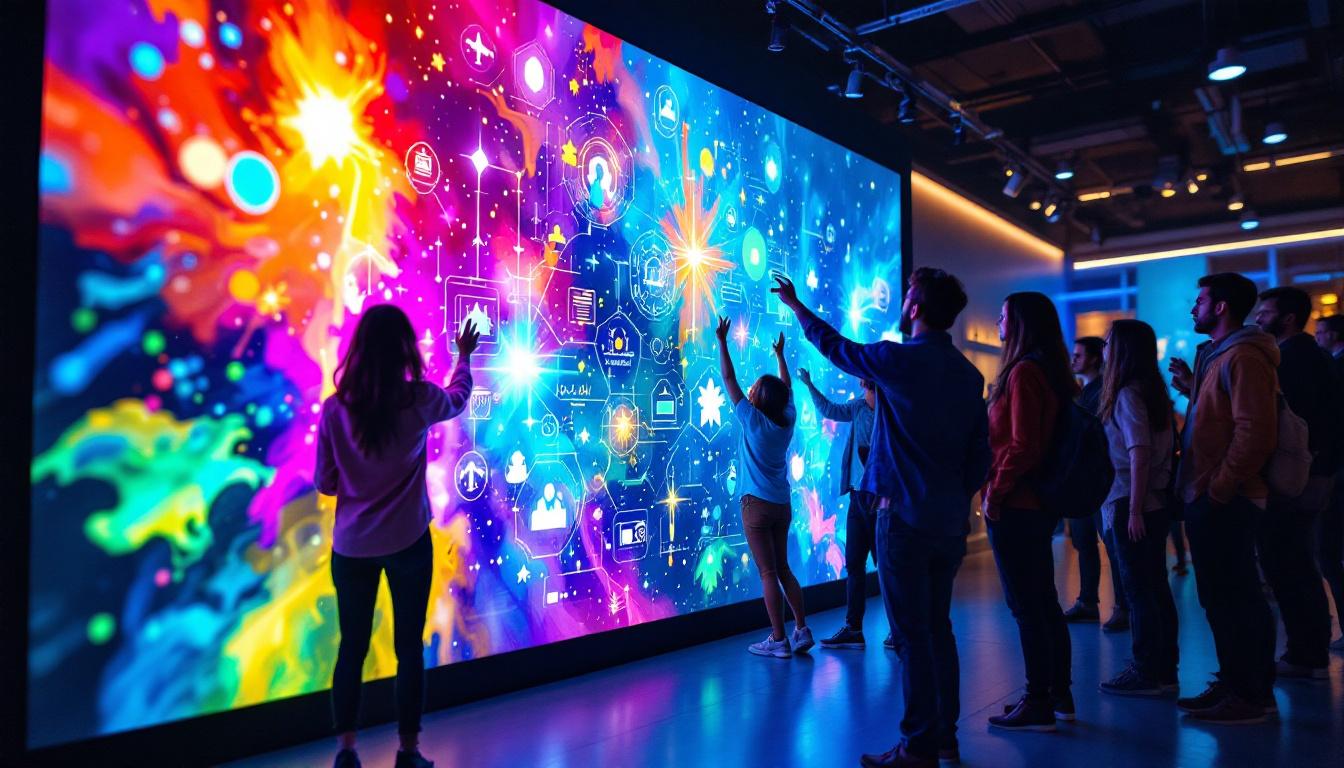
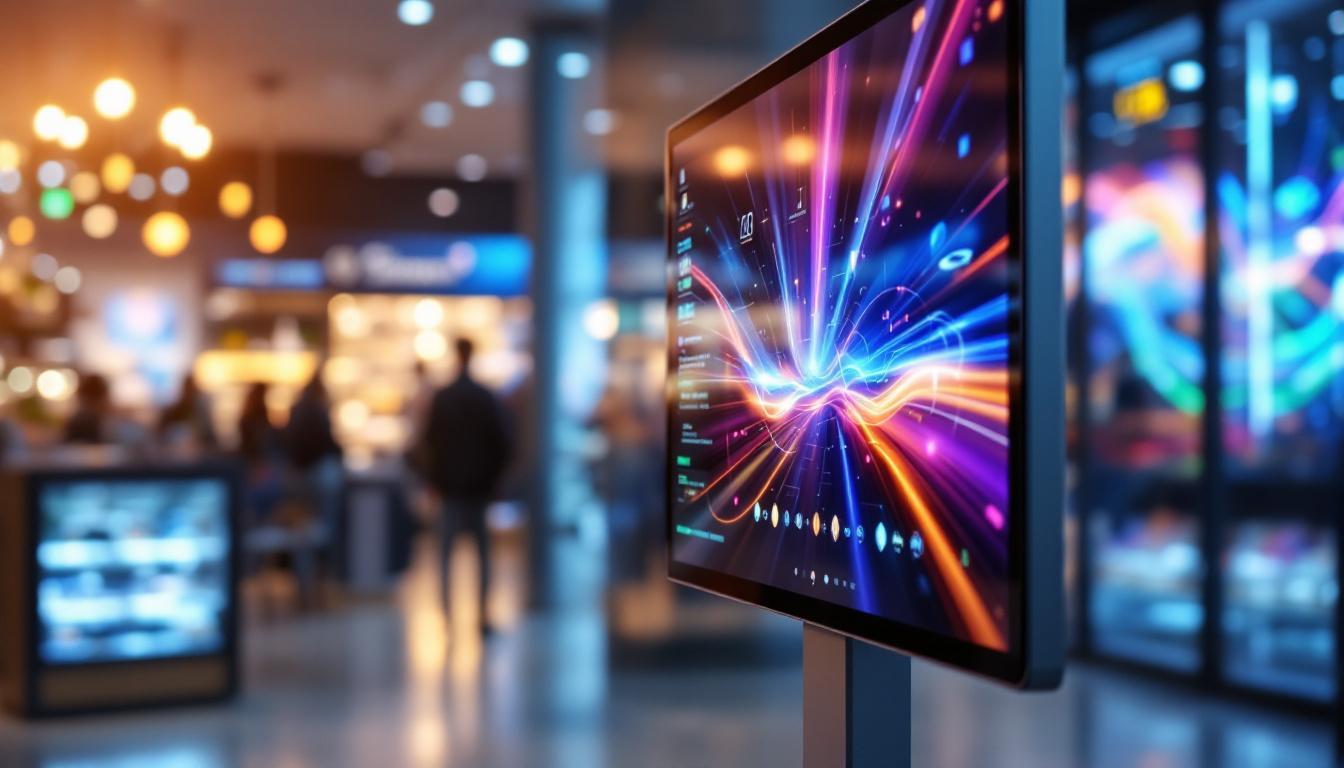
Touch screen monitors revolutionize the way customers interact with retail environments. By enabling direct manipulation of on-screen content, these devices create an engaging and intuitive shopping experience. Customers can browse product catalogs, customize orders, or access detailed information without needing assistance from staff, which can improve satisfaction and reduce wait times.
For example, many clothing retailers now use touch screen kiosks where shoppers can check inventory, view product details, or even see virtual try-ons. This interactivity not only empowers customers but also helps retailers gather valuable data on shopping behaviors and preferences.
Streamlining Retail Operations
Beyond customer-facing applications, touch screen monitors with LED displays play a crucial role in back-end retail operations. Point-of-sale (POS) systems increasingly rely on touch screens for faster transaction processing and improved accuracy. Employees can quickly navigate menus, apply discounts, and manage inventory with ease.
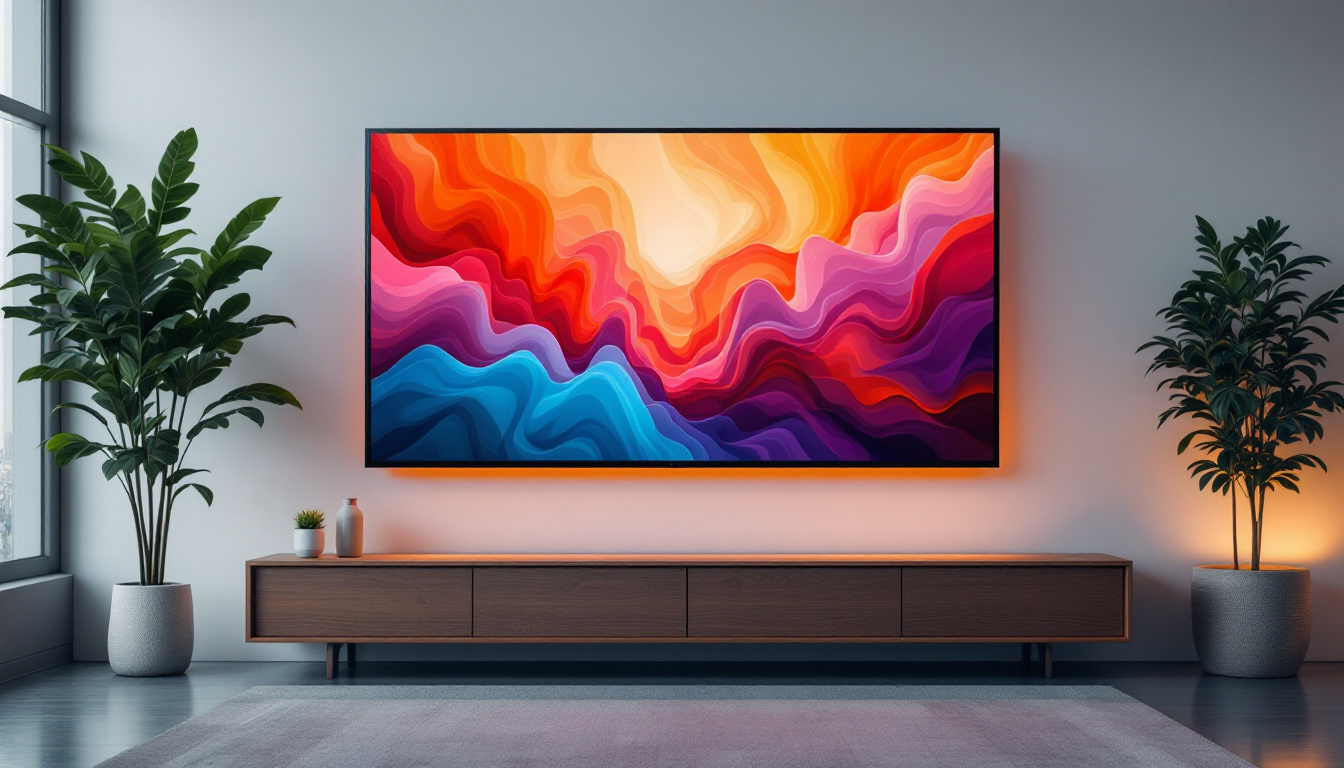
Moreover, these monitors support digital signage solutions that promote in-store offers, guide customers, and enhance brand messaging. The combination of touch interactivity and vivid LED visuals ensures that promotional content captures attention effectively.
Key Features of LED Touch Screen Monitors for Retail
Brightness and Visibility
One of the most critical features of LED touch screen monitors in retail is their brightness. Retail environments often have varied lighting conditions, from dimly lit interiors to areas exposed to natural sunlight. LED displays can achieve brightness levels exceeding 500 nits, with some models reaching over 1000 nits, ensuring clear visibility regardless of ambient light.
High brightness also contributes to better color vibrancy and contrast, making product images and promotional content more appealing and easier to read.
Durability and Reliability
Retail spaces demand equipment that can withstand heavy daily use. LED touch screen monitors designed for retail typically feature robust construction, including tempered glass surfaces resistant to scratches and impacts. Many models also incorporate IP-rated sealing to protect against dust and moisture, which is especially important in environments like grocery stores or outdoor kiosks.
Reliability is further enhanced by energy-efficient LED technology, which reduces heat output and prolongs the lifespan of the display, minimizing downtime and maintenance costs.
Multi-Touch and Gesture Support
Modern touch screen monitors support multi-touch capabilities, allowing multiple points of contact simultaneously. This enables natural gestures such as pinch-to-zoom, swipe, and rotate, which are familiar to most users thanks to smartphones and tablets.
In retail, this functionality can be leveraged for interactive product catalogs, map navigation within large stores, or collaborative customer service interactions, enriching the overall shopping experience.
Connectivity and Integration
Seamless integration with existing retail systems is essential. LED touch screen monitors often come equipped with multiple connectivity options, including HDMI, USB, DisplayPort, and Ethernet. This flexibility allows retailers to connect the monitors to POS systems, inventory databases, or cloud services effortlessly.
Some advanced models also support wireless connectivity and remote management, enabling IT teams to update content, troubleshoot issues, and monitor device health without physical access.
Benefits of LED Touch Screen Monitors in Retail Settings
Improved Customer Engagement
Interactive LED touch screen monitors invite customers to engage directly with content, fostering a sense of control and personalization. Studies have shown that interactive displays can increase customer dwell time and boost conversion rates by providing tailored product information and recommendations.
For example, a Nielsen report highlighted that digital signage with interactive elements can increase sales by up to 30%, demonstrating the tangible impact of these technologies on retail performance.
Cost Efficiency and Energy Savings
Energy consumption is a significant operational cost for retailers. LED technology is notably more energy-efficient than traditional lighting and display methods, reducing electricity bills and environmental impact. Furthermore, the long lifespan of LEDs means fewer replacements and lower maintenance expenses.
When combined with touch interactivity, retailers can consolidate multiple devices into a single unit, reducing hardware costs and simplifying the retail environment.
Flexibility and Scalability
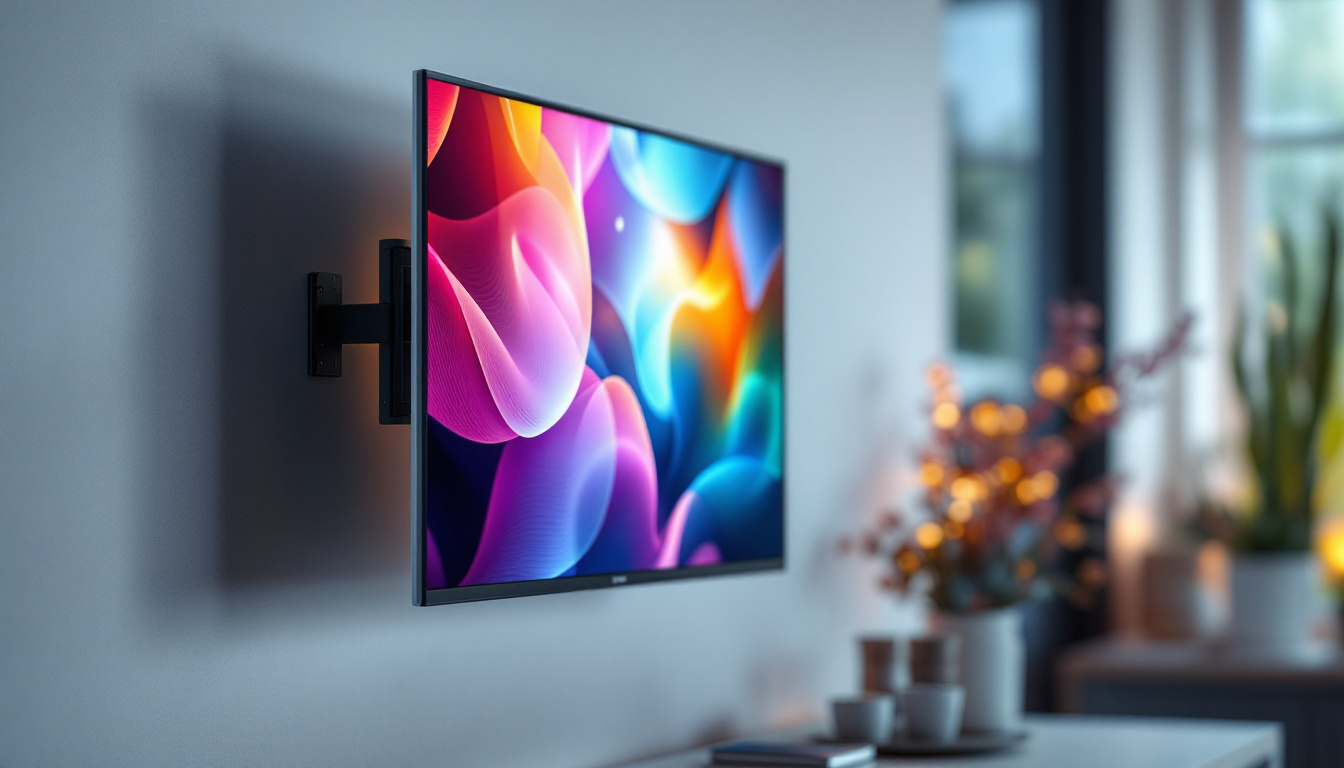
LED touch screen monitors come in a variety of sizes and configurations, making them adaptable to different retail formats—from small boutique shops to large department stores. Retailers can deploy these monitors as standalone kiosks, integrated POS terminals, or wall-mounted digital signage.
This scalability allows businesses to start with a few units and expand as needed, aligning technology investments with growth strategies.
Choosing the Right LED Touch Screen Monitor for Retail
Assessing Retail Environment Needs
Before selecting a monitor, retailers should evaluate their specific environment and use cases. Factors such as ambient lighting, expected user traffic, and space constraints will influence the choice of screen size, brightness, and durability features.
For instance, outdoor kiosks require displays with higher brightness and weatherproofing, while indoor POS systems may prioritize compactness and ease of integration.
Evaluating Touch Technology Types
Touch screen monitors employ various technologies, including capacitive, resistive, infrared, and optical touch. Capacitive touch is the most common in retail due to its responsiveness and support for multi-touch gestures. Resistive touch, while more affordable, is less sensitive and typically supports single-touch input.
Infrared and optical touch technologies offer high durability and can detect touch from gloved hands or styluses, which might be beneficial in certain retail environments like warehouses or pharmacies.
Considering Software Compatibility
Compatibility with retail software platforms is crucial for seamless operations. Retailers should ensure that the touch screen monitors support the operating systems and applications they rely on, whether it’s Windows-based POS software, Android kiosks, or custom retail management systems.
Additionally, the availability of SDKs (Software Development Kits) and APIs (Application Programming Interfaces) can facilitate custom application development and integration.
Future Trends in Retail Touch Screen and LED Display Technology
Advancements in Display Quality
Emerging technologies such as mini-LED and micro-LED promise even greater brightness, contrast, and color accuracy. These advancements will further enhance visual appeal and readability in challenging retail environments.
Additionally, flexible and transparent LED displays are beginning to enter the market, opening new possibilities for innovative retail installations like window displays and curved kiosks.
Integration with Artificial Intelligence
AI-powered touch screen monitors are on the rise, enabling personalized customer interactions through facial recognition, gesture analysis, and predictive analytics. This technology can tailor product recommendations and promotions in real time, improving customer satisfaction and sales.
Retailers adopting AI integration can gain a competitive edge by delivering highly targeted and engaging shopping experiences.
Expansion of Contactless and Hybrid Interfaces
While touch screens remain popular, the demand for contactless interaction methods has grown, particularly following the COVID-19 pandemic. Hybrid solutions combining touch, voice commands, and gesture controls are emerging, offering more hygienic and versatile user experiences.
LED displays will continue to serve as the visual backbone of these interfaces, providing clear and dynamic feedback to users.
Conclusion
LED touch screen monitors have become essential components in the retail industry, blending vibrant display technology with interactive capabilities to transform customer engagement and operational efficiency. Their brightness, durability, and flexibility make them well-suited for diverse retail environments, from bustling supermarkets to high-end boutiques.
As technology advances, retailers who invest in LED touch screen solutions will benefit from enhanced customer experiences, increased sales, and streamlined operations. Understanding the underlying technology and carefully selecting the right features ensures that these investments deliver maximum value and future-proof the retail space.
Discover the Future of Retail with LumenMatrix
Ready to elevate your retail space with the latest in LED touch screen technology? LumenMatrix is at the forefront of creating immersive visual experiences that captivate and engage. From versatile Indoor LED Wall Displays to robust Outdoor LED Wall Displays, and from sleek LED Poster Displays to dynamic Floor LED Displays, our solutions are designed to meet the diverse needs of modern retail environments. Embrace the future of visual communication with LumenMatrix and watch your customer engagement and brand visibility soar. Check out LumenMatrix LED Display Solutions today and transform your retail space into a beacon of innovation.