In the rapidly evolving world of display technology, touch screen TV monitors equipped with LED displays have become increasingly popular. These devices combine the interactive capabilities of touch screens with the vibrant, energy-efficient qualities of LED technology, making them ideal for both personal and professional use. Whether you’re considering upgrading your home entertainment system or looking for a dynamic display solution for business applications, understanding how LED touch screen TV monitors work is essential.
This article delves into the fundamentals of LED displays, explores the integration of touch screen technology, and examines the benefits and considerations of these innovative devices. By the end, readers will have a comprehensive understanding of what makes LED touch screen TV monitors a compelling choice in today’s market.
Understanding LED Display Technology
What is an LED Display?
LED stands for Light Emitting Diode, a semiconductor device that emits light when an electric current passes through it. In the context of TV monitors, LED displays use an array of these diodes to produce images. Unlike traditional LCDs that rely on cold cathode fluorescent lamps (CCFLs) for backlighting, LED displays utilize LEDs as the light source, which offers several advantages.
LED displays are often categorized into two main types: edge-lit and direct-lit (or full-array). Edge-lit LED displays position LEDs along the edges of the screen, directing light across the panel. Direct-lit LED displays place LEDs directly behind the screen, allowing for more precise control of brightness and contrast through local dimming. This distinction is crucial for consumers to understand, as it impacts not only the visual experience but also the overall performance and longevity of the display.
Furthermore, the technology behind LED displays has evolved significantly, leading to innovations such as mini-LED and micro-LED. Mini-LED technology utilizes smaller diodes to enhance the backlighting system, resulting in improved contrast and color accuracy. Micro-LED, on the other hand, represents a more radical advancement where each pixel is an individual micro-sized LED, offering unparalleled color performance and viewing angles. These advancements are paving the way for even more immersive viewing experiences, making LED displays a continually evolving technology.
Advantages of LED Displays
LED technology has transformed the display industry due to its superior qualities:
- Energy Efficiency: LEDs consume less power compared to CCFL backlights, leading to reduced energy bills and environmental benefits.
- Brightness and Contrast: LED displays can achieve higher brightness levels and better contrast ratios, enhancing image quality.
- Thin and Lightweight Design: The compact size of LEDs allows for slimmer and lighter TV monitors, improving aesthetics and ease of installation.
- Longer Lifespan: LEDs typically last longer than traditional backlighting methods, reducing maintenance and replacement costs.
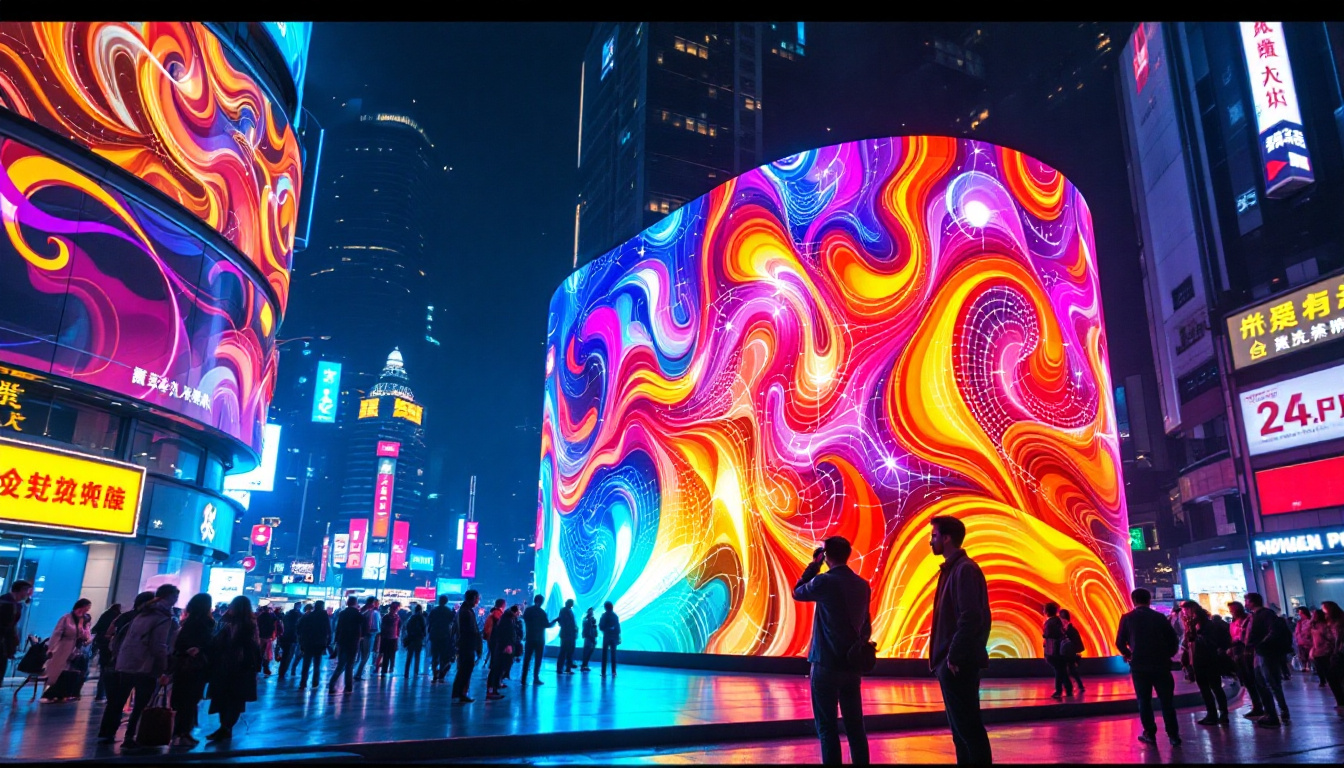
In addition to these advantages, LED displays are also known for their versatility. They are used in a wide range of applications, from home entertainment systems to large-scale outdoor billboards. The ability to create vibrant and dynamic displays makes them ideal for advertising and events, where capturing attention is crucial. Moreover, with advancements in technology, LED displays can now support high dynamic range (HDR) content, further enhancing the viewing experience by delivering a wider range of colors and improved detail in both bright and dark scenes.
LED vs. OLED and QLED: A Brief Comparison
While LED displays are widespread, other technologies like OLED (Organic LED) and QLED (Quantum Dot LED) have gained traction. OLED displays offer exceptional contrast and color accuracy by illuminating each pixel individually without a backlight. QLED displays, on the other hand, use quantum dots to enhance color and brightness in LED-backlit panels.
Despite these advancements, LED displays remain a cost-effective and reliable choice, especially for larger screen sizes and commercial applications where durability and brightness are priorities. Additionally, the ongoing development in LED technology continues to close the gap with OLED and QLED in terms of color performance and viewing angles. As manufacturers innovate, we can expect to see even more features integrated into LED displays, such as improved refresh rates and enhanced smart capabilities, making them a compelling option for a wide range of consumers.
How Touch Screen Technology Integrates with LED TV Monitors
Types of Touch Screen Technologies
Integrating touch functionality into LED TV monitors requires additional hardware and software layers. The most common touch screen technologies include:
- Resistive Touch: Uses pressure-sensitive layers; less common in large TV monitors due to limited multi-touch support and lower clarity.
- Capacitive Touch: Detects electrical properties of the human finger; widely used for its responsiveness and support for multi-touch gestures.
- Infrared (IR) Touch: Employs an array of IR sensors around the screen’s edges to detect touch; offers high durability and can work with any input device.
- Optical Imaging: Uses cameras or optical sensors to detect touch points; suitable for large-format displays with high accuracy.
For touch screen TV monitors, capacitive and infrared technologies are most prevalent. Capacitive touch is favored for consumer-grade devices due to its smooth interaction, while infrared touch is popular in commercial settings for robustness and versatility.
Challenges in Combining Touch with LED Displays
Integrating touch technology with LED displays involves overcoming several challenges:
- Screen Thickness: Adding touch layers can increase screen thickness and weight, impacting design aesthetics.
- Optical Clarity: Touch layers must maintain high transparency to preserve image quality and brightness.
- Latency and Responsiveness: Ensuring that touch inputs are registered quickly and accurately is critical for user experience.
- Durability: Touch surfaces must resist scratches, fingerprints, and wear over time.
Manufacturers often apply anti-reflective coatings, hardened glass panels, and advanced sensor technologies to address these issues, delivering a seamless interactive experience.
Benefits of Touch Screen LED TV Monitors
Enhanced User Interaction
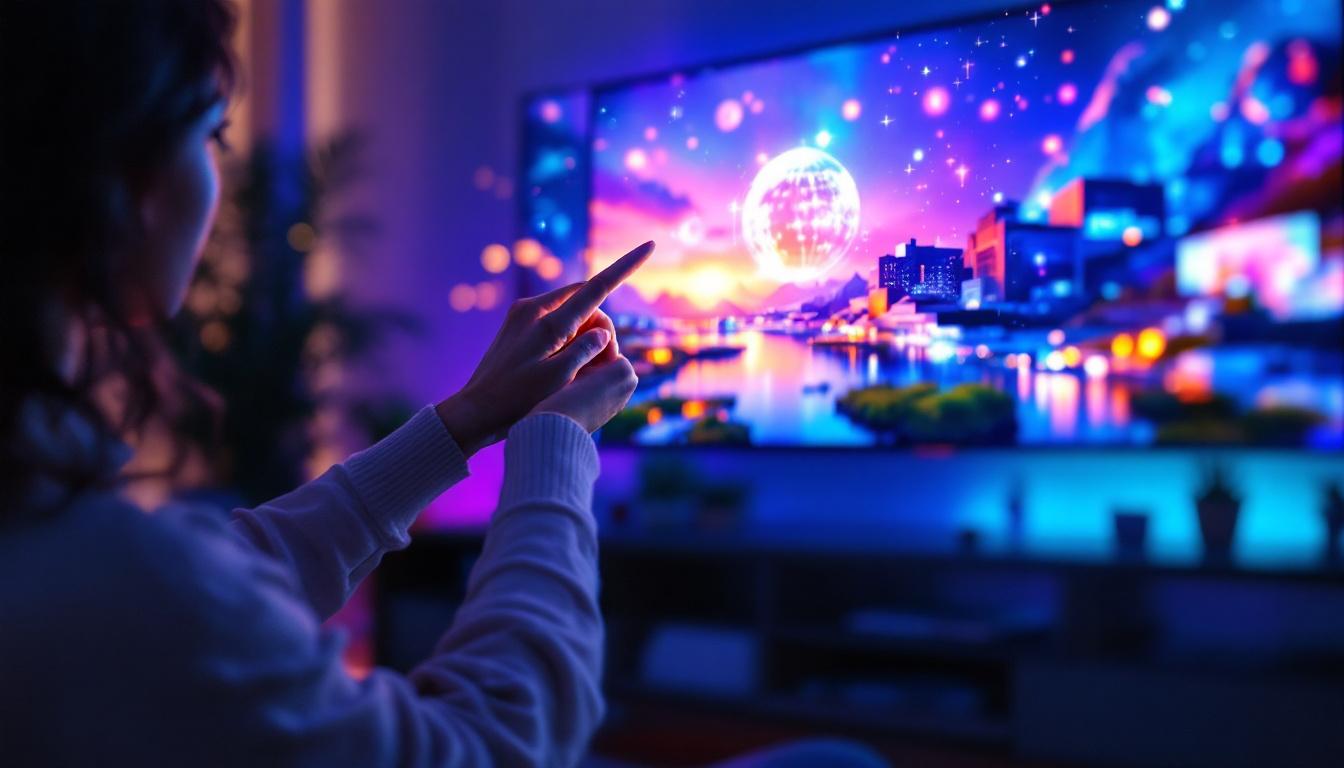
Touch screen LED TV monitors transform passive viewing into active engagement. Users can navigate menus, browse content, and control applications directly on the screen without needing remote controls or external devices. This intuitive interaction is especially beneficial in environments like classrooms, meeting rooms, and retail spaces where quick access and collaboration are essential.
Versatility Across Applications
These monitors are highly versatile. In education, they facilitate interactive lessons and digital whiteboarding. In corporate settings, they support video conferencing, presentations, and collaborative work. Retailers use them for digital signage and self-service kiosks, enhancing customer experience. Even in homes, touch screen TVs offer new ways to interact with smart home systems, gaming, and multimedia content.
Improved Accessibility
Touch screen interfaces can make technology more accessible to users with varying abilities. Large, responsive touch targets and gesture-based controls reduce the complexity of navigation, benefiting children, elderly users, and those with motor impairments.
Considerations When Choosing a Touch Screen LED TV Monitor
Screen Size and Resolution
Choosing the right screen size depends on the intended use and viewing distance. Larger screens (55 inches and above) are ideal for conference rooms and public displays, while smaller sizes suit personal or home use. Resolution is equally important; 4K UHD (3840 x 2160 pixels) has become the standard for sharp, detailed images, particularly on larger screens.
Touch Points and Responsiveness
The number of simultaneous touch points supported affects the device’s usability. Multi-touch capability (often 10 or more touch points) enables complex gestures like pinch-to-zoom and multi-user interaction. Responsiveness, measured in milliseconds, should be low to ensure smooth and accurate input.
Connectivity and Compatibility
Modern touch screen LED TV monitors come with various connectivity options, including HDMI, USB, DisplayPort, and wireless interfaces like Wi-Fi and Bluetooth. Compatibility with operating systems (Windows, Android, macOS) and software applications is crucial for seamless integration into existing workflows.
Durability and Maintenance
Touch screens are subject to frequent use and potential damage. Look for features such as tempered glass, anti-glare coatings, and water/dust resistance ratings. Additionally, consider the ease of cleaning and availability of warranty or support services.
Future Trends in Touch Screen LED TV Monitors
Advancements in Display and Touch Technologies
Emerging technologies promise to further enhance the capabilities of touch screen LED TV monitors. Mini-LED and Micro-LED displays are gaining attention for their ability to deliver superior brightness, contrast, and energy efficiency compared to traditional LEDs. These advancements will likely result in even thinner, brighter, and more color-accurate screens.
On the touch technology front, developments in haptic feedback and pressure sensitivity aim to provide more tactile and nuanced interactions, enriching user experience in gaming, design, and virtual collaboration.
Integration with Smart Home and IoT Ecosystems
As smart homes and Internet of Things (IoT) devices become more prevalent, touch screen LED TV monitors are evolving into central control hubs. Voice recognition, AI-powered assistants, and seamless connectivity with other smart devices enhance convenience and functionality, making these monitors more than just display units.
Environmental and Sustainability Considerations
Manufacturers are increasingly focusing on eco-friendly materials, energy-saving features, and recyclability. Consumers and businesses alike are prioritizing sustainable technology choices, which will influence future designs and production methods for touch screen LED TV monitors.
Conclusion
Touch screen LED TV monitors represent a convergence of interactive technology and advanced display innovation. Their ability to deliver vibrant visuals combined with intuitive touch control opens up numerous possibilities across education, business, retail, and home entertainment. Understanding the underlying LED technology, touch screen integration, and key features helps consumers and organizations make informed decisions tailored to their needs.
As display and touch technologies continue to advance, these monitors will become even more versatile, efficient, and user-friendly. Whether for collaboration, entertainment, or information display, touch screen LED TV monitors are poised to play a significant role in the future of digital interaction.
Discover LumenMatrix’s Interactive LED Display Solutions
Ready to elevate your visual experience with the latest in touch screen LED TV monitor technology? LumenMatrix is at the forefront of LED display innovation, offering a wide array of solutions that cater to your unique needs. From captivating Indoor LED Wall Displays to dynamic Outdoor LED Wall Displays, and from versatile Vehicle LED Displays to sleek LED Poster Displays, our products are designed to enhance engagement and brand visibility. Embrace the future of digital signage with LumenMatrix’s cutting-edge solutions, including LED Sports Displays, Floor LED Displays, Custom LED Displays, All-in-One LED Displays, and LED Transparent Displays. Check out LumenMatrix LED Display Solutions today and transform how you communicate visually with your audience.