Touch Screen: LED Display Explained
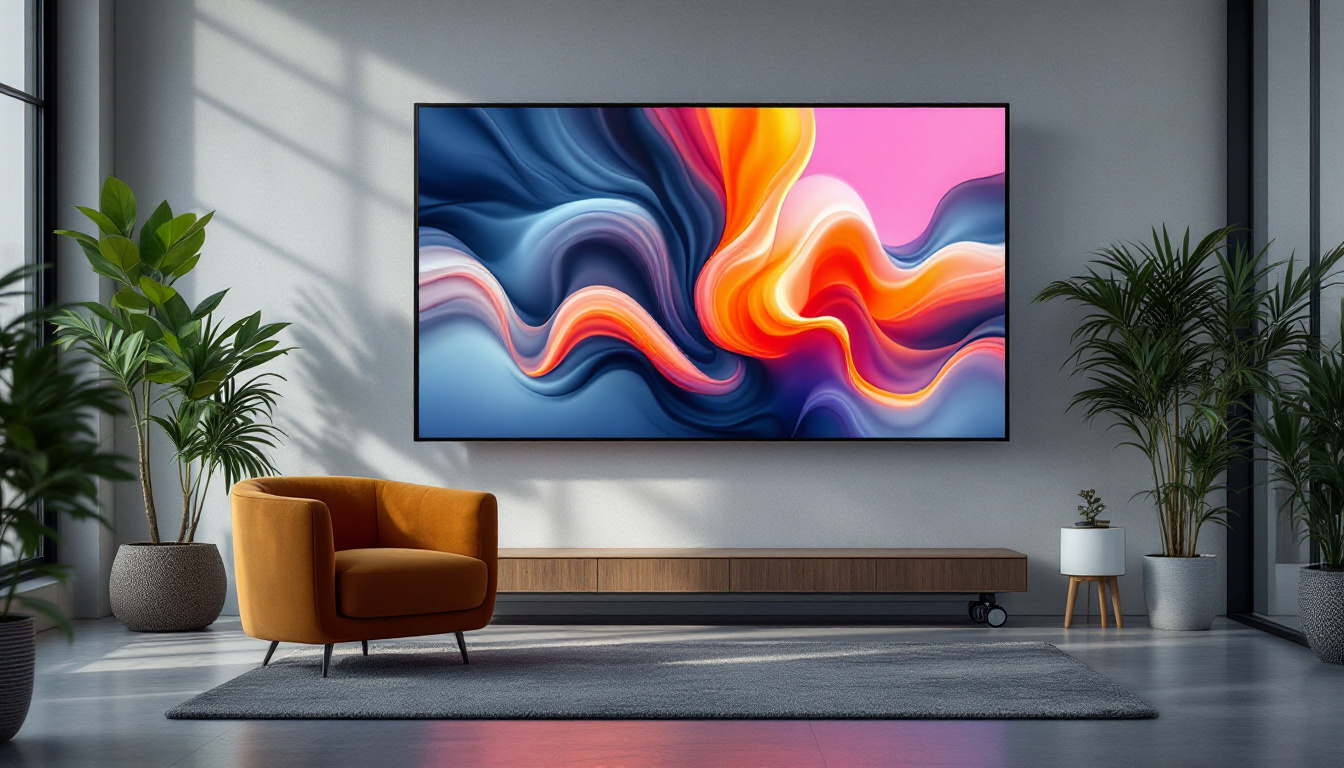
In today’s digital age, touch screens have become an integral part of everyday life, from smartphones and tablets to interactive kiosks and automotive dashboards. Central to many of these devices is the LED display, a technology that combines vibrant visuals with responsive touch capabilities. Understanding how LED displays work in touch screen devices is essential for consumers, designers, and technology enthusiasts alike.
What Is an LED Display?
LED stands for Light Emitting Diode, a semiconductor device that emits light when an electric current passes through it. LED displays use an array of these tiny diodes to create images, text, and videos by controlling the light output of each diode individually. Unlike traditional LCD (Liquid Crystal Display) screens, LED displays can produce brighter images, deeper blacks, and more energy-efficient performance.
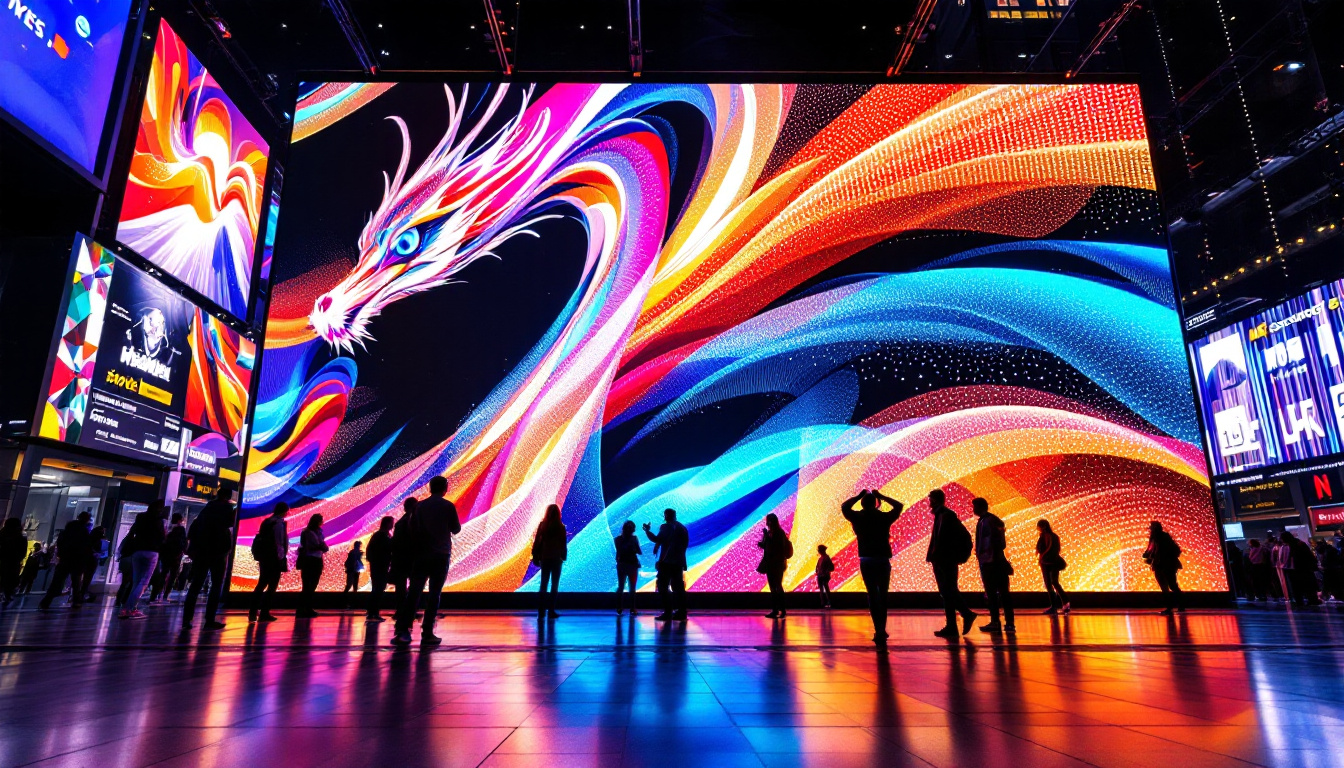
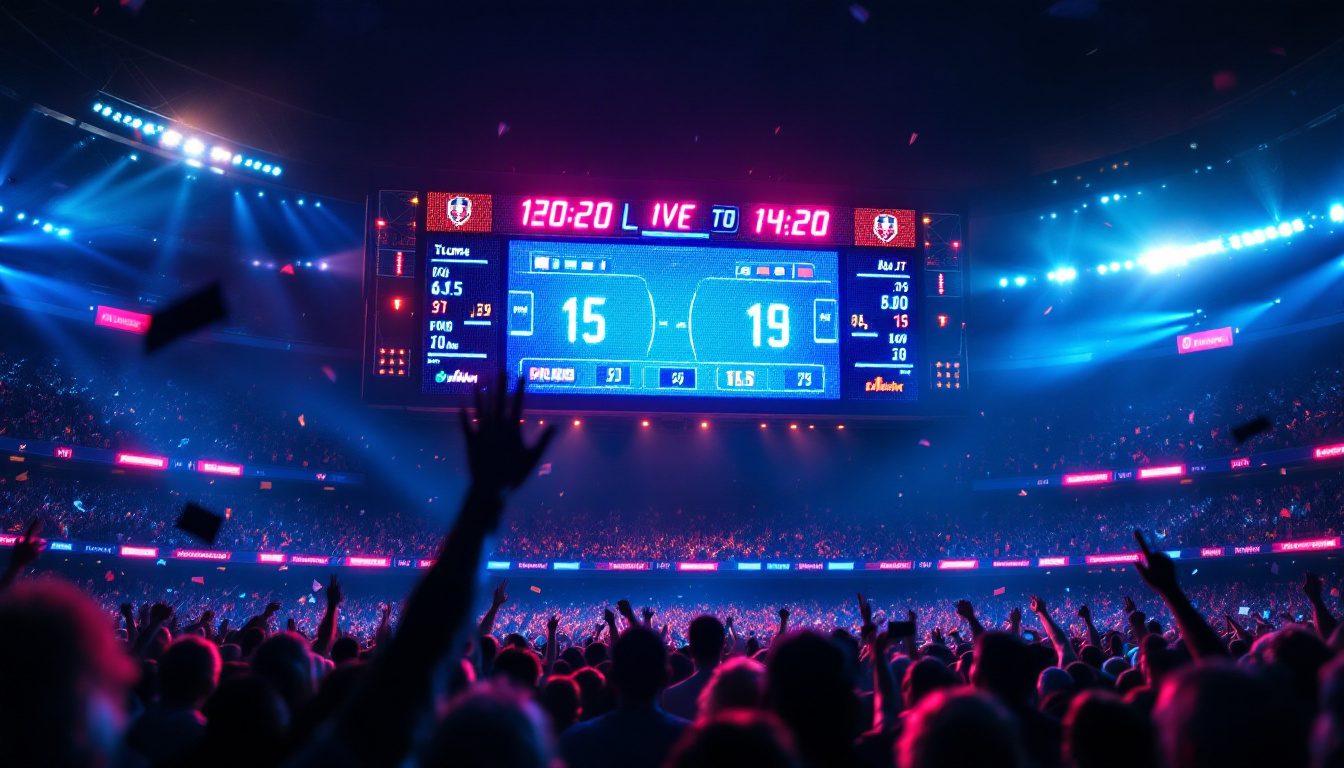
There are different types of LED displays, including direct-view LED panels and LED-backlit LCDs. Direct-view LED displays use LEDs as the actual pixels, while LED-backlit LCDs use LEDs to illuminate a liquid crystal layer. The former is commonly used in large-scale applications like stadium screens, while the latter is prevalent in consumer electronics such as smartphones and laptops. The versatility of LED technology allows for a wide range of applications, from small screens in wearable devices to massive video walls in public spaces, showcasing its adaptability to various environments and use cases.
Advantages of LED Displays
LED displays offer several advantages over other display technologies. They provide superior brightness, which is particularly beneficial in outdoor or brightly lit environments. Their energy efficiency helps extend battery life in portable devices. Additionally, LED displays tend to have faster refresh rates, reducing motion blur and enhancing the viewing experience for videos and gaming. Furthermore, the longevity of LED technology is noteworthy; many LED displays can last upwards of 50,000 hours, significantly outlasting traditional display technologies, which translates to reduced maintenance costs and less frequent replacements.
Another significant advantage of LED displays is their ability to produce a wider color gamut, which means they can display more vibrant and varied colors compared to other types of screens. This is particularly important for applications in graphic design, photography, and video production, where color accuracy is paramount. Moreover, LED displays are increasingly being integrated with smart technology, allowing for features such as touch sensitivity and interactivity, which enhances user engagement and opens new avenues for creative applications in advertising and entertainment. As technology continues to evolve, the potential for LED displays to transform our visual experiences remains vast and exciting.
How Touch Screens Work with LED Displays
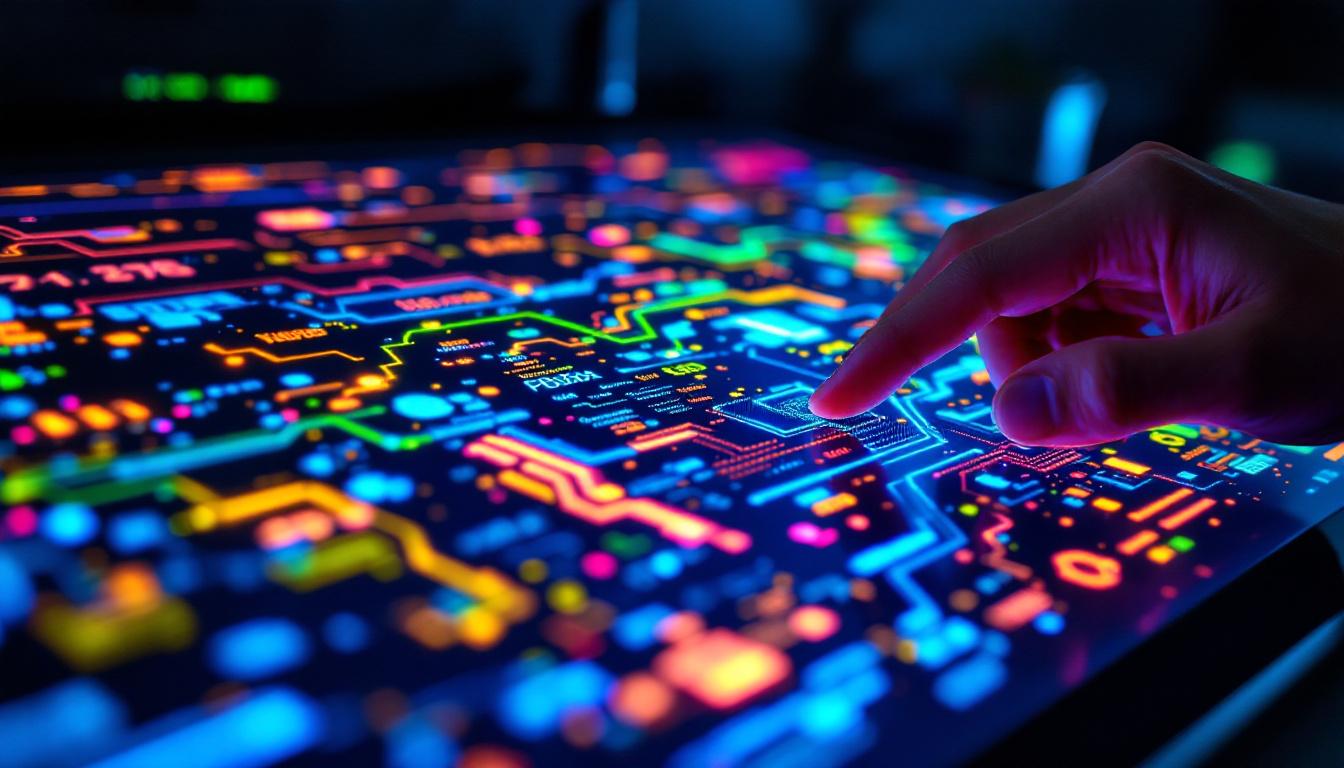
Touch screens are interactive displays that respond to user input through touch gestures. When integrated with LED displays, they allow users to interact directly with the content shown on the screen. The two technologies work in tandem to deliver seamless visual and tactile experiences. This combination has revolutionized how we engage with technology, making it more intuitive and user-friendly. From smartphones to large interactive kiosks, the synergy between touch screens and LED displays has transformed various industries, including retail, education, and entertainment.
Types of Touch Screen Technologies
There are several types of touch screen technologies commonly used with LED displays:
- Resistive Touch Screens: These consist of two flexible layers that register touch when pressed together. Though cost-effective, resistive screens are less sensitive and offer lower clarity compared to other types. They are often found in environments where durability is paramount, such as industrial settings or medical devices.
- Capacitive Touch Screens: These use the electrical properties of the human body to detect touch. They are highly responsive and support multi-touch gestures, making them the preferred choice for smartphones and tablets. Capacitive screens also allow for more sophisticated gestures, such as pinch-to-zoom, enhancing user interaction.
- Infrared Touch Screens: These detect touch by interrupting infrared light beams across the screen surface. They are durable and can detect any input type but are less common in consumer devices. Their resilience makes them suitable for outdoor applications, where exposure to the elements is a concern.
- Surface Acoustic Wave (SAW) Touch Screens: These use ultrasonic waves on the screen surface to detect touch. They offer high image clarity but can be affected by dust and water. SAW technology is often used in high-end applications, such as interactive displays in museums or galleries, where visual fidelity is critical.
Integration Challenges
Integrating touch technology with LED displays requires careful engineering to maintain image quality and touch responsiveness. For example, capacitive touch layers must be transparent enough to avoid diminishing the display’s brightness or color accuracy. Additionally, the touch layer must be durable to withstand repeated use without degrading the display’s performance. Manufacturers also face challenges in ensuring that the touch response is consistent across the entire screen, as variations in pressure sensitivity can lead to user frustration. Moreover, the calibration of touch sensitivity is crucial, especially in devices that are used in diverse environments, where factors like temperature and humidity can affect performance.
Furthermore, the integration process often involves addressing the complexities of software compatibility. Touch screens require drivers and firmware that can interpret touch inputs accurately and translate them into commands for the operating system. This becomes particularly challenging in multi-touch scenarios, where simultaneous inputs must be processed without lag. As technology advances, developers are continually working to enhance the responsiveness and accuracy of touch interactions, ensuring that users enjoy a fluid and engaging experience. The evolution of touch technology is not just about improving hardware; it also involves refining the software that powers these systems, leading to more sophisticated applications and user interfaces.
LED Display Technologies in Touch Screen Devices
Several LED-based display technologies are commonly used in touch screen devices, each with unique characteristics and applications.
OLED (Organic Light Emitting Diode)
OLED displays are a type of LED display where organic compounds emit light in response to an electric current. Unlike traditional LEDs, OLEDs do not require backlighting, allowing for thinner, lighter screens with exceptional contrast ratios and vibrant colors.
Because each pixel emits its own light, OLED screens can achieve true blacks by turning off individual pixels completely. This feature enhances image quality and reduces power consumption, especially when displaying dark content. OLED displays are widely used in high-end smartphones, smartwatches, and premium televisions.
MicroLED
MicroLED is an emerging display technology that uses microscopic LEDs as individual pixels. It combines the advantages of OLED—such as high contrast and color accuracy—with improved brightness and longer lifespan. MicroLED displays are highly durable and less prone to burn-in, a common issue with OLEDs.
While still in the early stages of commercial adoption, MicroLED has the potential to revolutionize touch screen displays in devices ranging from smartphones to large-format digital signage.
LED-Backlit LCD
Most mainstream touch screen devices use LED-backlit LCDs, where an LED panel provides backlighting for a liquid crystal layer that controls the image. This technology balances cost, brightness, and color performance, making it suitable for a wide range of applications.
Advancements in LED backlighting, such as local dimming and quantum dot enhancement, have significantly improved the picture quality of LCDs, narrowing the gap with OLED displays.
Applications of Touch Screen LED Displays
Touch screen LED displays have transformed numerous industries by enabling intuitive, interactive interfaces. Their versatility and performance make them suitable for a variety of use cases.
Consumer Electronics
Smartphones, tablets, laptops, and wearable devices rely heavily on touch screen LED displays to provide users with responsive, vivid interfaces. The demand for higher resolution, better color accuracy, and energy efficiency continues to drive innovation in this sector.
For example, the latest flagship smartphones often feature OLED touch screens with refresh rates of 120Hz or higher, delivering smooth animations and enhanced gaming experiences.
Automotive Displays
Modern vehicles increasingly incorporate touch screen LED displays for infotainment systems, navigation, and vehicle controls. These displays must perform reliably under varying lighting conditions and temperatures while offering quick responsiveness for safety-critical functions.
Automakers are adopting OLED and advanced LCD technologies to create curved, high-resolution touch screens that blend seamlessly with vehicle interiors.
Retail and Hospitality
Interactive kiosks, self-service checkout terminals, and digital signage in retail and hospitality environments use touch screen LED displays to enhance customer engagement. These displays must be durable and easy to clean, often incorporating anti-glare coatings and robust touch sensors.
Healthcare
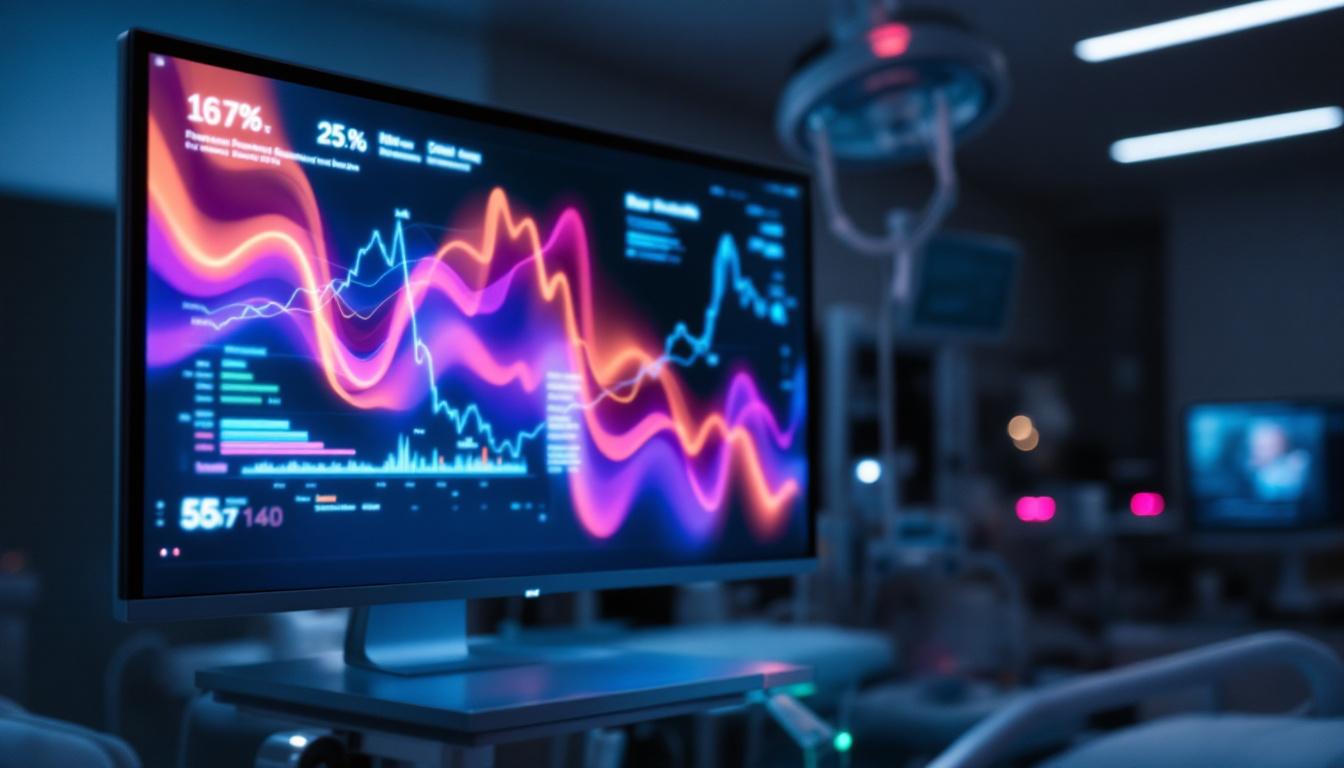
Medical devices and patient monitoring systems utilize touch screen LED displays for intuitive control and clear data visualization. The displays need to meet stringent hygiene standards and provide accurate color reproduction for diagnostic purposes.
Future Trends in Touch Screen LED Displays
The evolution of touch screen LED displays is ongoing, driven by consumer demand for better performance and new form factors.
Flexible and Foldable Displays
Flexible OLED and MicroLED technologies are enabling foldable smartphones, tablets, and wearable devices. These displays can bend or fold without compromising touch sensitivity or image quality, opening up new possibilities for device design.
Higher Refresh Rates and Resolution
As content becomes more dynamic and immersive, higher refresh rates (up to 240Hz) and ultra-high resolutions (4K and beyond) are becoming standard in premium devices. These improvements enhance gaming, video playback, and augmented reality experiences.
Improved Energy Efficiency
Advancements in LED materials and power management are reducing energy consumption, extending battery life in portable devices and lowering operational costs in large displays.
Enhanced Touch Sensitivity and Haptics
Future touch screens will offer more precise input detection and integrate haptic feedback to simulate physical sensations, making interactions more natural and engaging.
Conclusion
Touch screen LED displays represent a convergence of advanced lighting and sensing technologies that have reshaped how humans interact with digital devices. From the vibrant colors and deep blacks of OLED to the emerging promise of MicroLED, these displays continue to evolve, offering richer, more responsive user experiences across industries.
Understanding the underlying technologies and their applications helps consumers make informed choices and inspires developers to push the boundaries of what touch screen devices can achieve. As innovation accelerates, LED display technology will remain at the forefront of interactive digital experiences.
Discover the Future of Interactive Displays with LumenMatrix
As you’ve seen, the world of touch screen LED displays is ever-evolving, offering unparalleled opportunities for engagement and communication. If you’re inspired by the potential of LED technology to transform your space, LumenMatrix is your partner in innovation. With a wide array of solutions including Indoor and Outdoor LED Wall Displays, Vehicle LED Displays, LED Poster Displays, and more, LumenMatrix is committed to revolutionizing visual experiences. Whether you aim to enhance brand visibility or create immersive environments, our cutting-edge displays are designed to captivate and communicate with clarity. Check out LumenMatrix LED Display Solutions today and step into the future of digital interaction.