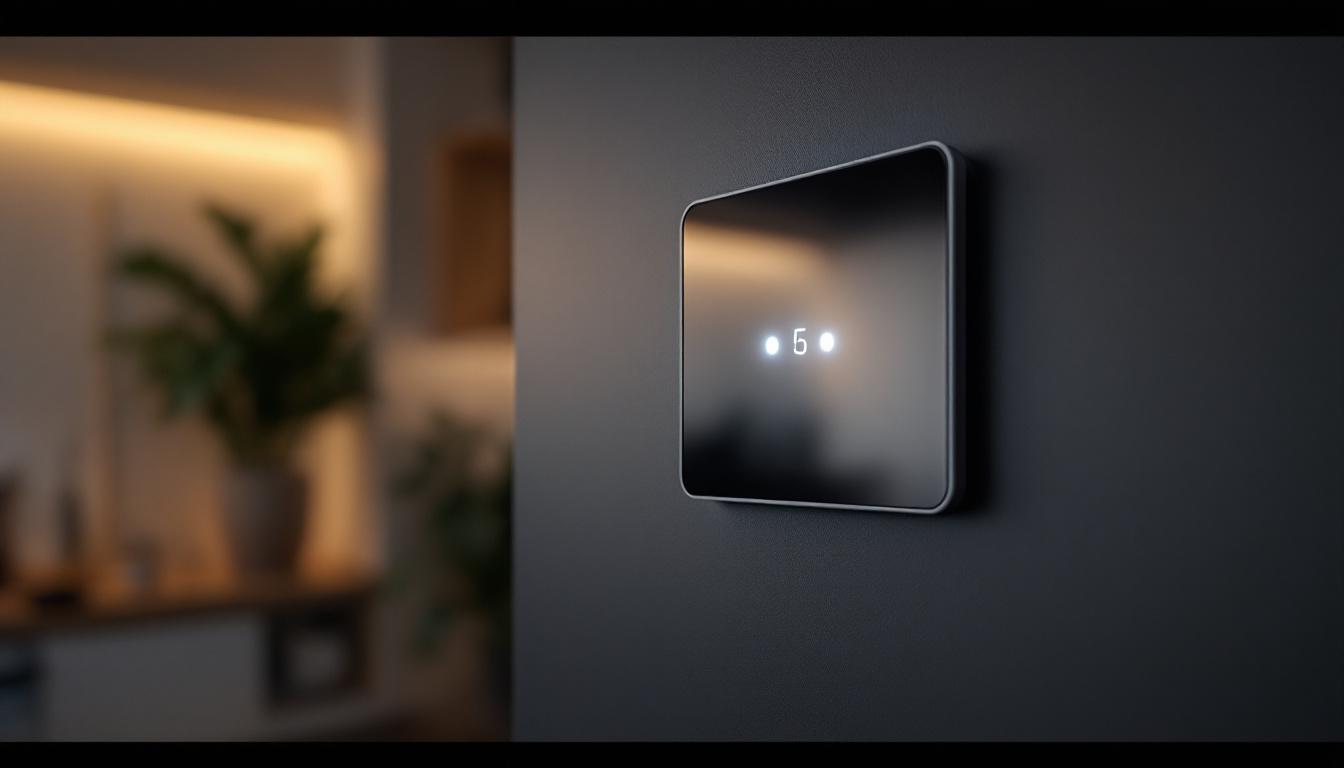
In the modern world of lighting technology, touch switches have revolutionized how we interact with LED lights. From residential applications to commercial LED displays, touch-sensitive controls offer a sleek, intuitive, and efficient way to manage lighting environments. This article explores the fundamentals of touch switches for LED lights, delves into the technology behind LED displays, and examines why these innovations matter for both consumers and industry professionals.
Understanding Touch Switch Technology for LED Lights
Touch switches have become increasingly popular as a replacement for traditional mechanical switches, especially in LED lighting systems. Unlike conventional switches that rely on physical movement, touch switches respond to the electrical properties of the human body, enabling users to control lighting with a simple tap or swipe.
How Touch Switches Work
At the core of touch switch technology is the capacitive sensing principle. When a finger approaches or touches the sensor surface, it changes the capacitance at that point. The touch switch’s circuitry detects this change and triggers the LED light to turn on, off, or adjust brightness levels.
This method offers several advantages over mechanical switches: no moving parts means less wear and tear, a more streamlined design, and the possibility of integrating multiple functions such as dimming or color changing within a single control panel. Additionally, touch switches can be designed to be more aesthetically pleasing, often featuring sleek glass or acrylic surfaces that blend seamlessly into modern interior designs. This not only enhances the visual appeal but also allows for easier cleaning and maintenance, as there are no crevices where dust and grime can accumulate.
Types of Touch Switches for LED Lights
Touch switches for LED lights come in various forms, including:
- Capacitive Touch Switches: The most common type, relying on the electrical properties of the human body to detect touch.
- Resistive Touch Switches: Less common for lighting, these require pressure to complete an electrical circuit.
- Infrared Touch Switches: Use infrared sensors to detect proximity or touch without physical contact.
Capacitive touch switches dominate the LED lighting market due to their sensitivity, durability, and ease of integration. Furthermore, they can be configured to support multi-touch gestures, allowing users to control multiple lights or settings simultaneously. This feature is particularly beneficial in smart home environments where users may want to create specific lighting scenes or moods with just a few taps. As technology advances, we can expect to see even more innovative applications of touch switch technology, such as voice activation and integration with home automation systems, further enhancing the convenience and functionality of LED lighting solutions.
The Role of LED Displays in Modern Lighting Solutions
LED displays have transformed visual communication, advertising, and ambient lighting. Understanding how these displays function alongside touch switch technology is essential for appreciating the full scope of modern LED lighting systems.
What Is an LED Display?
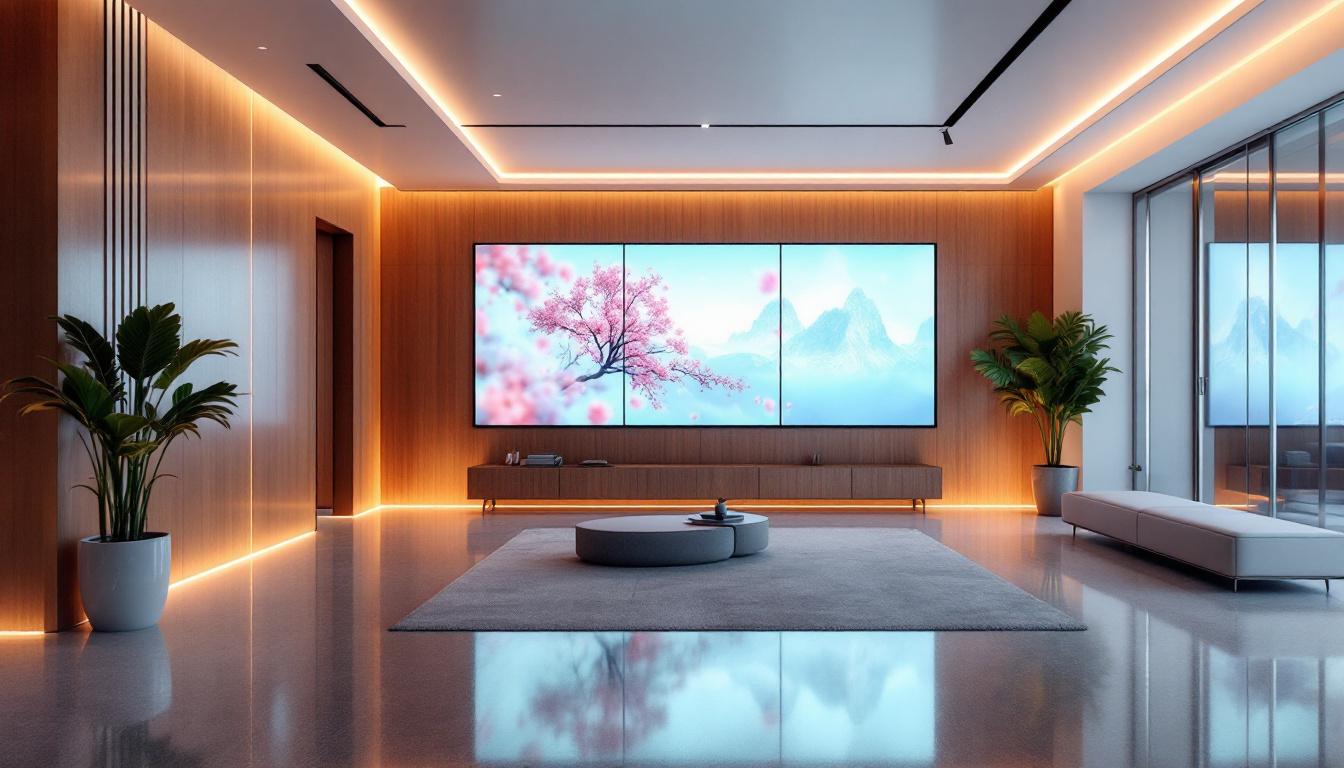
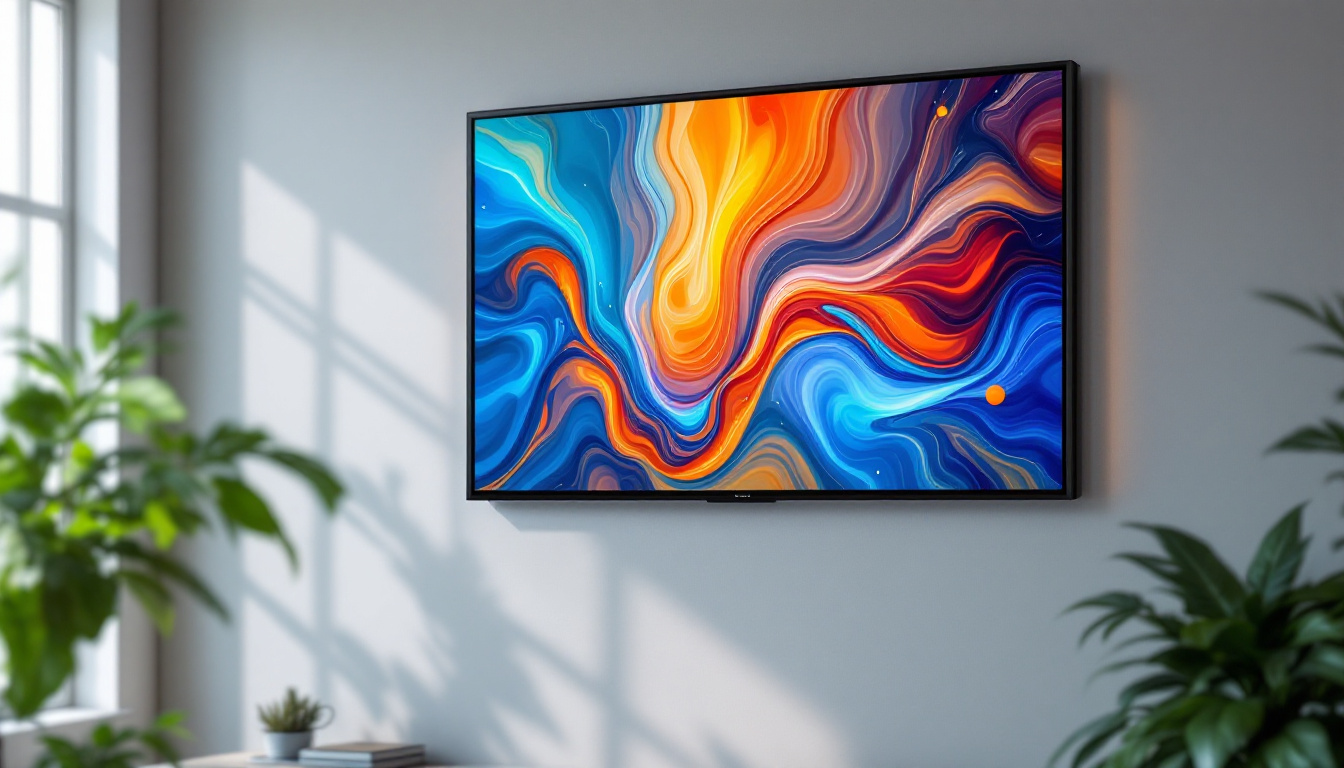
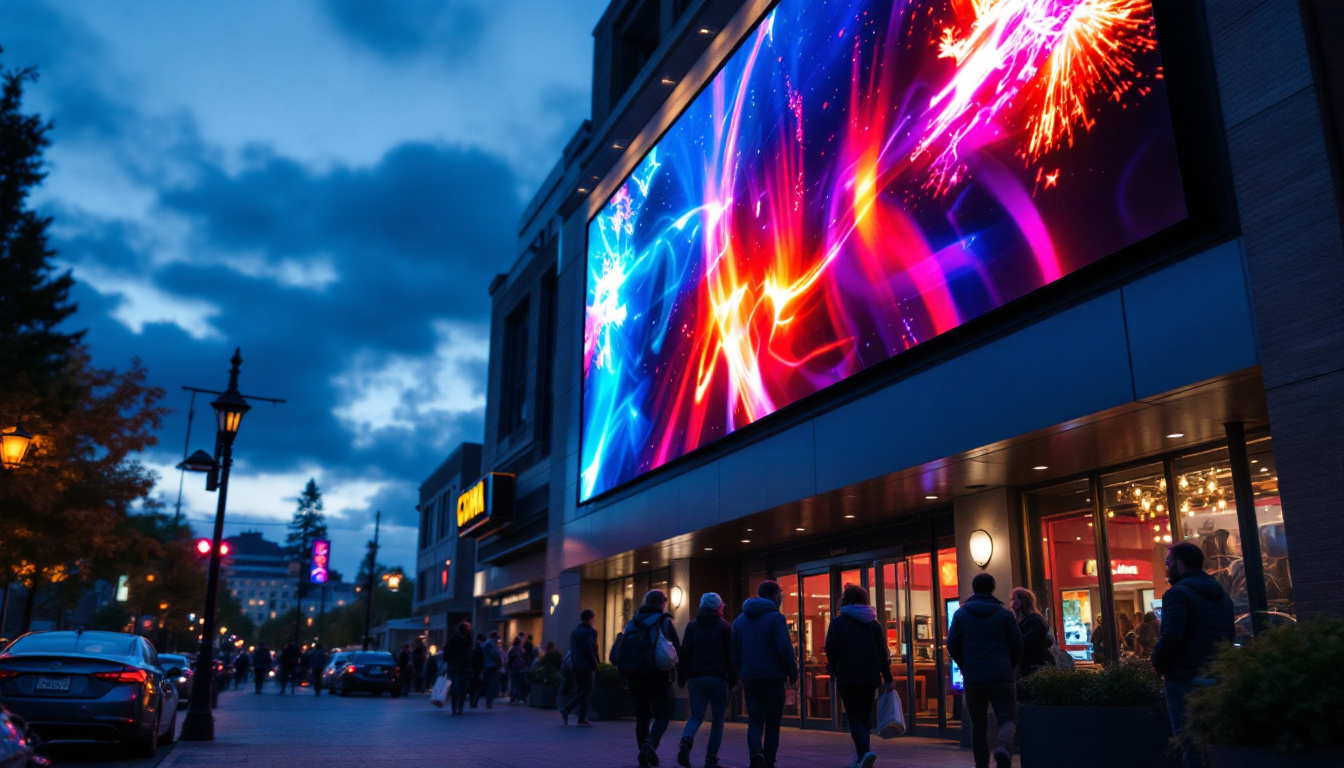
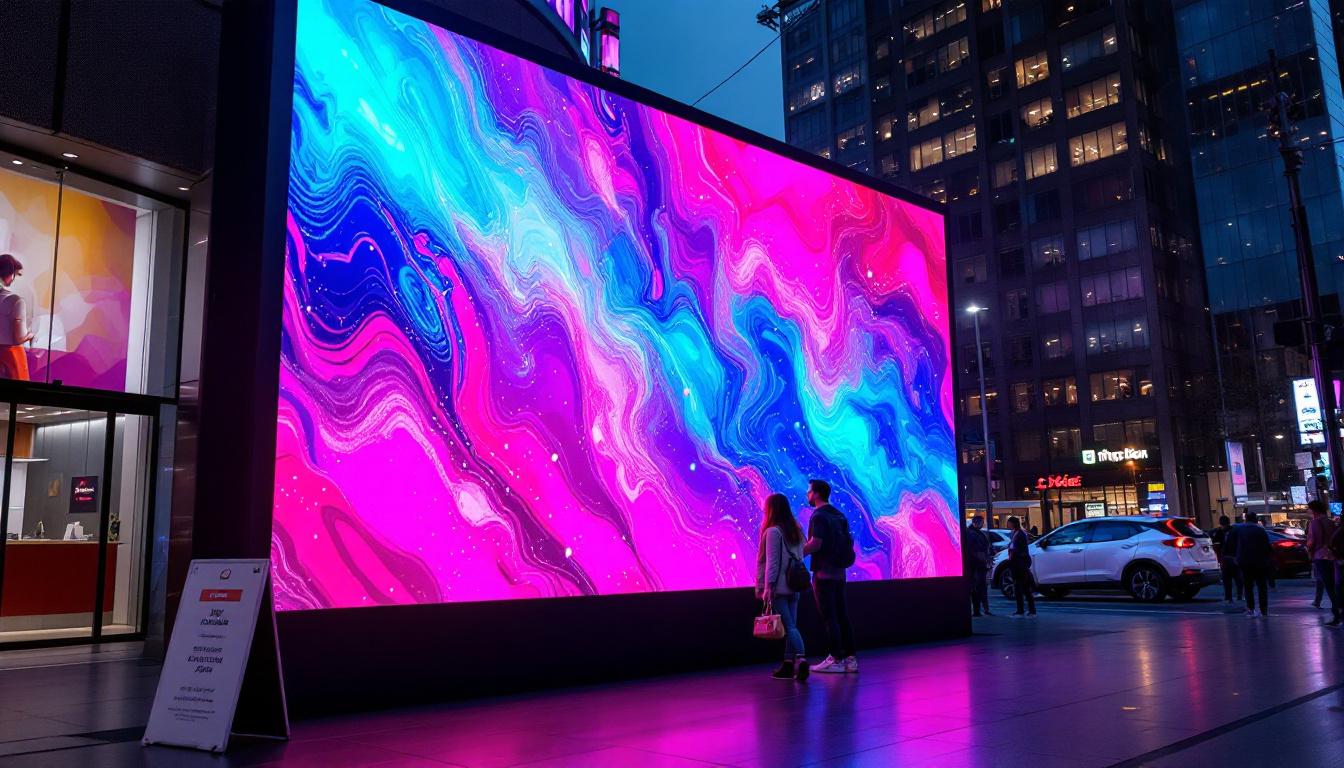
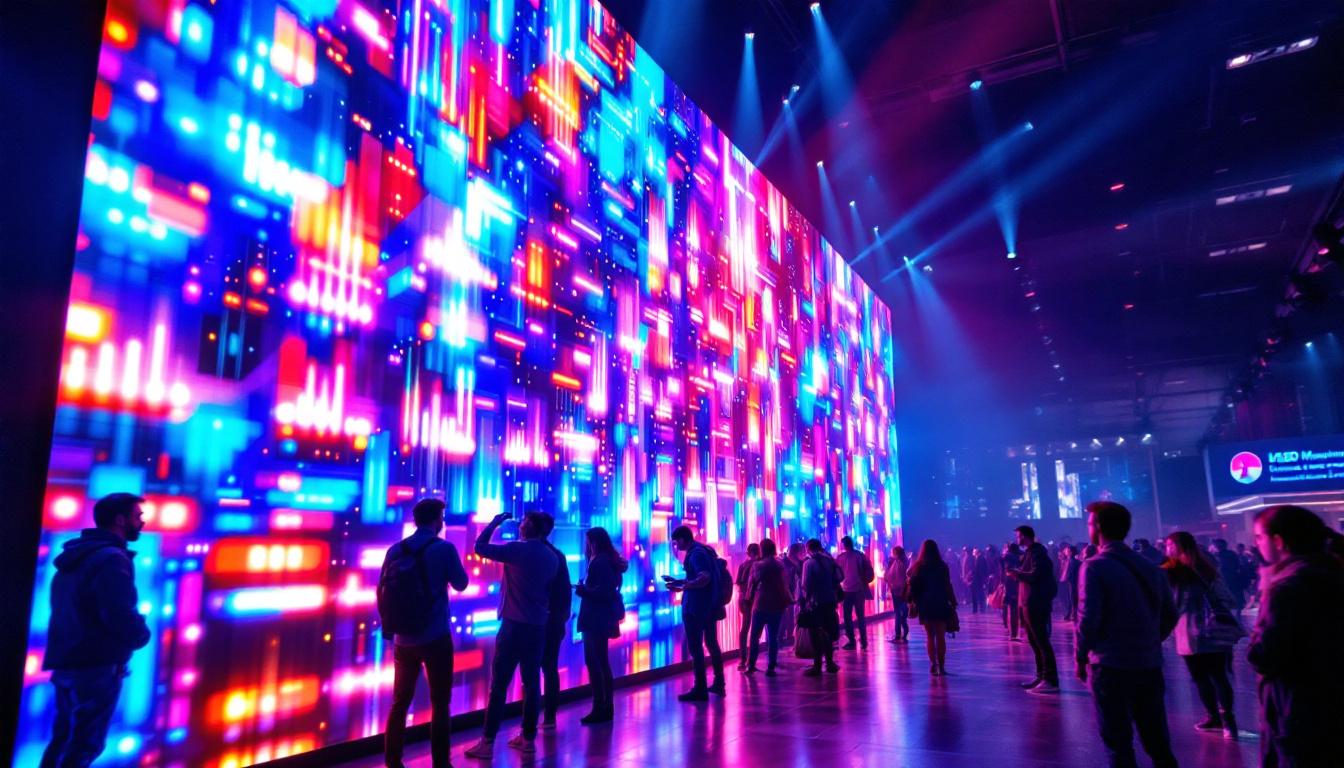
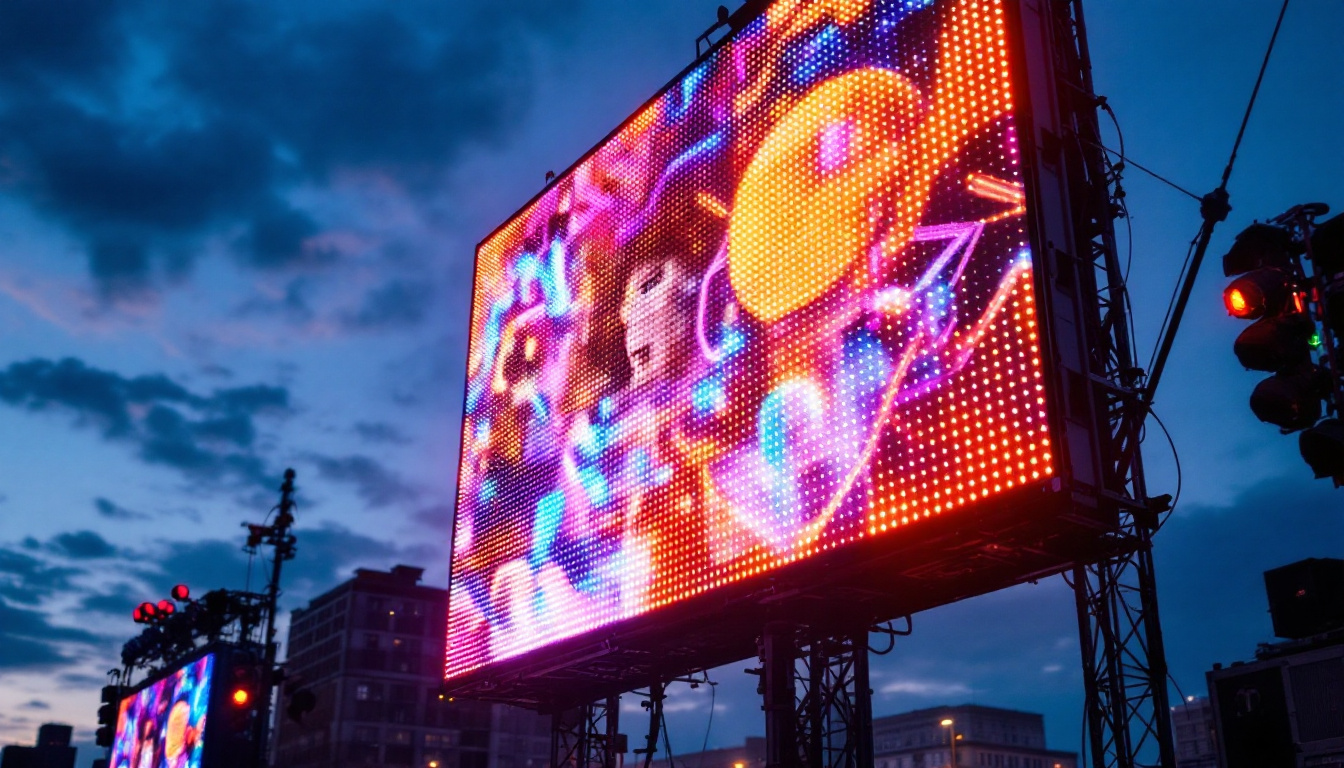
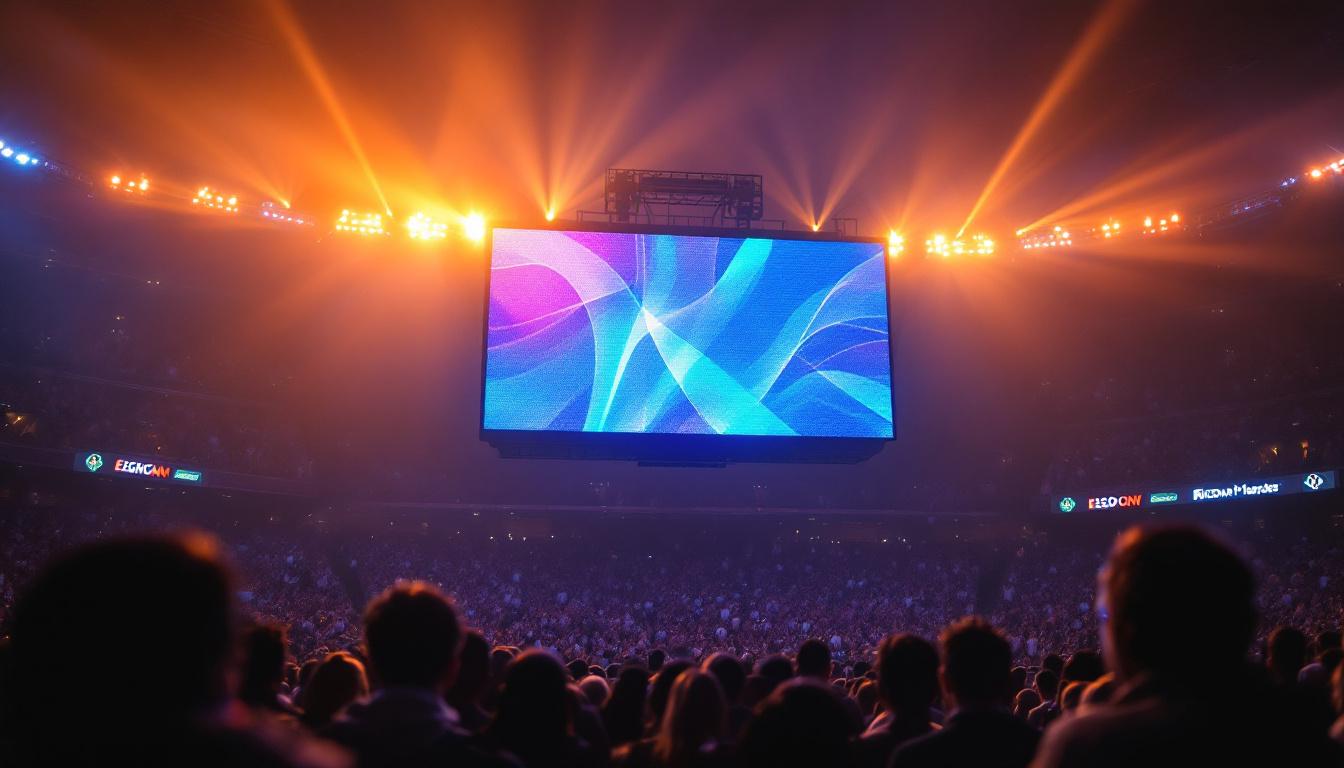
An LED display is a flat panel or screen that uses light-emitting diodes to present images, videos, or text. These displays are widely used in digital billboards, scoreboards, retail signage, and architectural lighting. The core advantages of LED displays include high brightness, energy efficiency, long lifespan, and flexibility in size and shape. Additionally, the vibrant colors and sharp contrast that LED technology provides make it an ideal choice for environments where visibility is crucial, such as outdoor advertising or large event venues. The ability to create dynamic content that can be updated in real-time further enhances their appeal, allowing businesses to engage audiences with timely promotions or information.
Integration of Touch Switches in LED Displays
Incorporating touch switches into LED displays enhances user interaction and control. For example, interactive kiosks and digital signage often use capacitive touch panels to allow users to navigate menus or access information effortlessly. This level of interactivity not only improves user engagement but also allows for a more personalized experience, as users can select options that are most relevant to them.
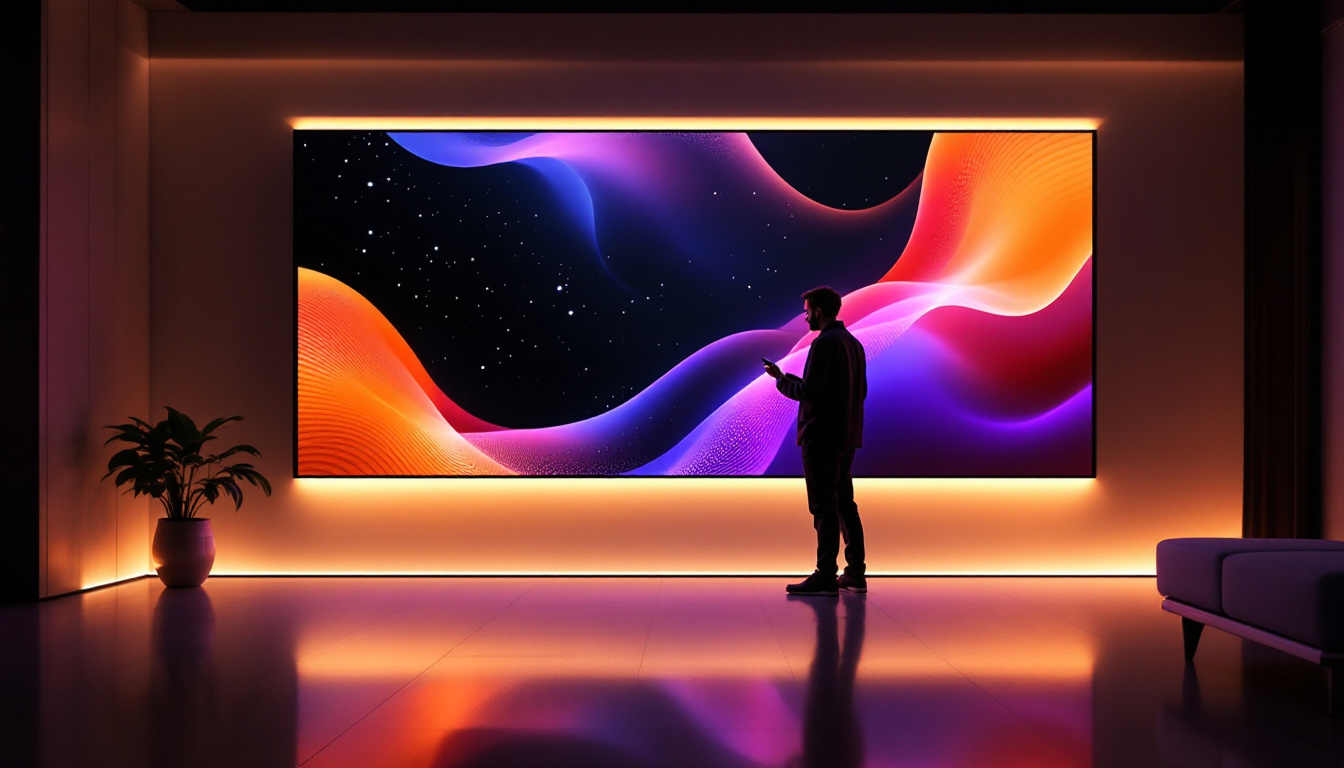
In lighting applications, touch switches can control LED display brightness, color temperature, or switch between different display modes. This integration streamlines user experience by combining control and display into a unified interface. Furthermore, the synergy between touch technology and LED displays is paving the way for innovative applications in smart homes and commercial spaces, where users can adjust lighting settings with a simple tap. As technology evolves, we can expect to see even more sophisticated features, such as voice control integration and programmable settings that adapt to user preferences, making LED displays not just a tool for visibility but a vital component of modern living environments.
Benefits of Using Touch Switches for LED Lighting and Displays
The adoption of touch switches in LED lighting and displays offers multiple benefits that appeal to both end-users and manufacturers.
Enhanced User Experience
Touch switches provide a modern, intuitive interface that is easy to use. Without the need for physical buttons, users enjoy a cleaner aesthetic and can operate lighting systems with minimal effort. This is particularly beneficial in environments where hygiene is critical, such as hospitals or food preparation areas, since touch surfaces are easier to clean and reduce the risk of contamination. Additionally, the tactile feedback provided by some touch switches can further enhance user confidence, allowing for a seamless interaction that feels both responsive and satisfying.
Energy Efficiency and Longevity
LED lights are already known for their energy efficiency, consuming up to 80% less energy than traditional incandescent bulbs. When combined with touch switches that allow precise control over lighting levels, energy savings can be maximized. Users can dim lights or turn them off instantly without fumbling with mechanical switches. This capability not only contributes to lower energy bills but also extends the lifespan of the LED fixtures themselves, as they are not subjected to the wear and tear associated with frequent on/off switching.
Moreover, touch switches have no mechanical parts that wear out, resulting in longer-lasting control systems that require less maintenance. Their durability makes them an ideal choice for high-traffic areas, where traditional switches may fail due to overuse. Furthermore, the integration of smart technology with touch switches allows for advanced features such as programmable settings and remote control, giving users even more flexibility in managing their lighting environments.
Design Flexibility and Aesthetics
Touch switches enable sleek, minimalist designs that blend seamlessly into modern interiors. Manufacturers can produce glass panels, metal surfaces, or even customized materials with embedded touch sensors. This flexibility allows designers to create lighting solutions that complement architectural styles and enhance visual appeal. For instance, in luxury homes or high-end commercial spaces, touch switches can be designed to match the decor, creating a cohesive look that elevates the overall ambiance.
Moreover, the ability to incorporate customizable lighting scenes into touch switch systems means that users can easily adjust their environment to suit different moods or activities. Whether it’s a soft glow for a relaxing evening or bright lighting for a productive workspace, touch switches can facilitate these transitions effortlessly. As technology continues to evolve, we can expect even more innovative designs and functionalities that will further enhance the integration of touch switches in our daily lives.
Applications of Touch Switches in LED Lighting and Displays
The versatility of touch switch technology means it can be applied across a wide range of settings and industries.
Residential Lighting
In homes, touch switches are increasingly popular for controlling LED ceiling lights, bedside lamps, and under-cabinet lighting. Their ease of use and elegant appearance make them a preferred choice for smart home systems. Many touch switches also integrate with wireless protocols like Zigbee or Wi-Fi, allowing remote control via smartphones or voice assistants.
Commercial and Retail Environments
Retail stores and commercial buildings benefit from touch switch-controlled LED lighting to create dynamic, customizable atmospheres. For example, adjustable LED displays can showcase promotional content, while touch switches enable staff to quickly modify lighting scenes to suit different times of day or events.
Industrial and Public Spaces
In industrial settings, touch switches offer durable, reliable controls for LED task lighting and safety indicators. Public spaces such as airports, museums, and transportation hubs use touch-enabled LED displays for information kiosks and wayfinding systems, improving accessibility and user engagement.
Choosing the Right Touch Switch for Your LED Lighting Needs
With numerous options available, selecting the appropriate touch switch for LED lighting requires consideration of several factors.
Compatibility with LED Systems
Ensure the touch switch is compatible with the specific LED lights or displays you plan to use. Some switches are designed for low-voltage DC systems typical of LEDs, while others may support higher voltages or different wiring configurations.
Functionality Requirements
Determine the features you need: simple on/off control, dimming capabilities, color temperature adjustment, or multi-zone control. Advanced touch switches may offer programmable functions or integration with smart home systems.
Installation and Durability
Consider the installation environment. For wet or outdoor locations, touch switches with waterproof or weather-resistant ratings are essential. Additionally, evaluate the durability of the switch surface and its resistance to scratches or wear.
Design and Aesthetics
The switch’s appearance should complement the lighting fixtures and room decor. Options range from minimalist glass panels to metallic finishes or custom designs.
Future Trends in Touch Switch and LED Display Technology
As technology evolves, the integration of touch switches with LED lighting and displays is expected to become even more sophisticated.
Advancements in Gesture Control
Beyond simple touch, gesture recognition technology is emerging, allowing users to control LED lights and displays with hand movements detected by sensors. This contactless interaction is particularly appealing in public spaces and healthcare settings.
Integration with IoT and Smart Systems
Touch switches are increasingly being embedded within Internet of Things (IoT) ecosystems, enabling seamless communication between lighting, HVAC, security, and entertainment systems. This integration supports automation, energy management, and personalized user experiences.
Flexible and Transparent Touch Panels
Research into flexible and transparent touch panels promises new design possibilities. For instance, transparent touch sensors can be integrated directly onto LED display surfaces without obstructing visuals, creating truly seamless interfaces.
Conclusion
Touch switches for LED lights and displays represent a significant advancement in lighting control technology. Their combination of intuitive operation, durability, and design flexibility enhances both user experience and energy efficiency. As LED technology continues to evolve, the role of touch-sensitive controls will only grow, driving innovation across residential, commercial, and industrial lighting applications.
For anyone looking to upgrade or install LED lighting systems, understanding the benefits and capabilities of touch switches is essential. Selecting the right technology can improve functionality, aesthetics, and sustainability, making lighting smarter and more responsive to modern needs.
Discover LumenMatrix’s Advanced LED Solutions
Ready to elevate your lighting experience with the latest in touch switch technology and LED displays? Look no further than LumenMatrix, a pioneer in crafting immersive visual displays that transform any space. From dynamic Indoor LED Walls to captivating Outdoor LED Displays and beyond, our products are designed to make your message shine. Embrace the future of lighting and display solutions with LumenMatrix and witness how our innovative offerings can revolutionize your visual communication. Check out LumenMatrix LED Display Solutions today and step into a world of unparalleled clarity and engagement.